
2027 Most Valuable Business Degree Programs Ranking in Fargo

Co-Founder and Chief Data Scientist
If you're considering a business degree in Fargo, this article is made for you. It introduces the 2027 Most Valuable Business Degree Programs Ranking in Fargo, created by Research.com's team of expert data scientists.
By exploring this ranking, you'll gain clear insights into which programs offer the best opportunities and value. Getting a business degree can open many doors, from career growth to personal development.
Taking the time to find the right program can set you up for success and confidence in your future. Let's help you make an informed, confident choice.
Key benefits of getting business degree in Fargo
- Salary for business degree graduates: Graduates in Fargo can expect competitive earnings, with roles like Business Development Executives averaging $83,190 annually and Business Analysts earning about $112,950 per year, reflecting strong financial rewards.
- Career paths: A business degree graduate from a local college in Fargo often pursues diverse fields such as marketing, finance, or management, offering exciting opportunities to grow professionally and make an impact in various industries.
- Benefits of online degrees: Earning a business degree online from a Fargo-based university provides flexibility and convenience, allowing students to balance work and study while gaining valuable skills that employers highly value.
- 2027 Most Valuable Business Degree Programs Ranking in Fargo
- What can I expect from business degree in Fargo?
- Where can I work with business degree in Fargo?
What can I expect from business degree in Fargo?
The average cost of pursuing a business degree in Fargo is notably affordable compared to national standards, especially at public institutions like North Dakota State University (NDSU). In-state students benefit from reduced tuition rates, making it financially accessible without compromising education quality. Graduates often express relief and satisfaction with managing their expenses while gaining valuable skills.
For example, many business students have shared that the reasonable tuition allowed them to focus on internships and networking opportunities offered by NDSU's College of Business without overwhelming financial pressure. This hands-on experience is crucial in Fargo's dynamic economy, where sectors like manufacturing, healthcare, and technology demand fresh talent. The affordability factor often encourages students to take advantage of additional offerings like minors or concentrations in data analytics or supply chain management, enhancing their market readiness without incurring excessive costs.
The balance of cost and quality in Fargo's business degree programs positions students well for success in both local and broader markets.
Where can I work with business degree in Fargo?
Graduates from business programs at institutions like North Dakota State University in Fargo find plentiful opportunities across diverse sectors that define the local economy. Many secure roles in the financial services industry, joining prominent employers such as Bell Bank and Gate City Bank, where they apply skills in accounting, finance, and risk management. These positions offer practical experience in dynamic environments that students often describe as engaging and rewarding.
Healthcare administration is another thriving path, with Sanford Health and Essentia Health hiring business graduates who focus on operations management and health informatics. Alumni frequently highlight the satisfaction of contributing to impactful healthcare operations while developing leadership skills.
The agribusiness sector, integral to the Fargo region, provides career openings in supply chain management, sales, and marketing within agriculture-related companies. Graduates often feel a strong sense of purpose working in this field, supporting a $4 billion industry important to the state's economy.
Additionally, Fargo's expanding retail and small business scene offers business graduates roles in management and entrepreneurship that promote creativity and community engagement. The combination of these sectors ensures business degree holders in Fargo can embark on fulfilling careers aligned with their ambitions.
Graduates with a business degree from Fargo's well-regarded institutions, such as North Dakota State University, often find rewarding salary prospects aligned with regional economic strengths. For example, a business development executive typically earns a mean annual wage of around $83,190 in Fargo, reflecting solid opportunities for emerging professionals eager to contribute to the local business landscape.
More advanced analytical roles offer even greater compensation. Business analysts in the area enjoy mean annual earnings near $112,950, showcasing the high value placed on analytical and strategic skills within Fargo's evolving markets. Graduates recall how internships with regional companies during their studies helped them hone expertise that employers actively seek, reinforcing confidence in their career trajectory.
Such figures demonstrate that Fargo's business sector rewards both entry-level success and advanced specialization. Students appreciate how the relatively affordable living costs enable a comfortable lifestyle while earning competitive salaries. The local demand for skilled business professionals further strengthens the prospects for steady career growth and financial stability after graduation.
- Tuition for in-state students at public universities in Fargo is around $9,600 per year, while out-of-state students pay about $18,000 annually, excluding books and living costs.
- The average starting salary for business graduates in Fargo is approximately $50,000 per year, with experienced professionals earning between $70,000 and $90,000.
- Fargo's unemployment rate for business graduates is lower than the national average, reflecting steady demand for business skills.
- Business programs focus on practical skills like data analytics, financial management, and strategic planning, often offering flexible online and evening classes.
- The local economy includes sectors such as agriculture technology, finance, healthcare, and manufacturing, supporting diverse business roles.
- Fargo has a moderate cost of living, making higher education and career starts more affordable compared to other U.S. cities.
Completing a business degree in Fargo most commonly requires about four years of full-time study, aligning with national norms. Graduates from institutions like North Dakota State University often describe this period as a balanced journey combining general education, core business classes, and electives. For students with more demanding schedules, part-time enrollment extends the timeframe to roughly five or six years, reflecting a slower pace that accommodates work or family commitments.
Some motivated students take advantage of accelerated programs offered locally, finishing their bachelor's degree in as little as three years by enrolling in summer courses or heavier semester loads. Such flexibility encourages a proactive approach to education, as graduates recall feeling empowered to tailor studies around their ambitions and life circumstances.
Those pursuing an MBA in Fargo typically spend two years in full-time study, though part-time or online tracks can extend this to three or more years. Many appreciate this adaptability, which facilitates career advancement while balancing professional responsibilities and personal life.
On-campus business degree programs in Fargo, such as those offered by North Dakota State University, provide students with structured schedules and direct access to professors and peers. Graduates often describe the value of face-to-face interactions, spontaneous classroom discussions, and in-person networking events that foster a strong sense of community and connection within Fargo's local business environment. These experiences help students build professional relationships and gain real-time feedback, which can be crucial for career development.
Conversely, online business degrees prioritize flexibility, appealing particularly to working professionals or those balancing family commitments. Fargo students pursuing online programs appreciate the ability to study from home and avoid long commutes, especially when on-campus attendance is impractical. While online learners must exhibit strong self-discipline, many find satisfaction in managing their own pace and schedules without compromising curriculum quality.
Tuition costs between the two formats are comparable, though on-campus costs include commuting and housing, which online students typically avoid. Both pathways cover essential business disciplines like accounting and marketing but differ notably in engagement style and student experience.
The average cost of a business degree in Fargo typically reflects a balance between affordability and quality education. For many students attending institutions like North Dakota State University, the median total cost hovers around $26,792, which includes tuition, fees, and other essential expenses. In-state students usually benefit from significantly lower costs, with median total expenses around $11,110, making higher education financially accessible for local residents.
Graduates from Fargo's business programs often express satisfaction with the value they received, highlighting how the reasonable expenses allowed them to focus on studies without overwhelming financial stress. For example, business students describe managing their budgets effectively by taking advantage of affordable living costs and moderate textbook prices, enabling them to enjoy their academic journey.
The total cost of business degree programs Fargo students encounter also covers essential living expenses, such as housing, food, and transportation, which are generally lower in Fargo compared to national averages. Additionally, financial aid opportunities at local colleges further reduce out-of-pocket costs, providing scholarships and work-study options that are integral to many students' success.
Students interested in gaining further insights into accounting programs and costs outside Fargo can explore California accounting school reviews for comparative perspectives. Overall, understanding the average business degree cost in Fargo equips prospective students to plan confidently for a promising academic future.
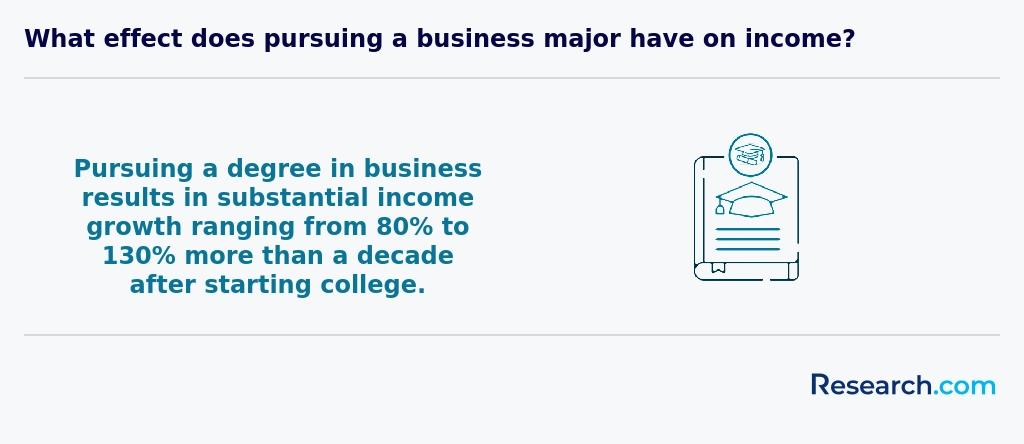
Fostering not only academic excellence but also personal and professional growth, campus life in Fargo’s business programs offers a vibrant community where students thrive beyond the classroom. Many institutions host active student clubs, networking events, and guest lectures that create a robust learning ecosystem. Students often engage in business simulations, case competitions, and community service projects, all of which enhance teamwork, creativity, and leadership skills. For example, participating in a local business fair can help students build connections with industry professionals while enjoying the camaraderie of fellow classmates. These experiences not only enrich the academic journey but also pave the way for future career success. To further explore specialized opportunities, consider the insights provided by the Business Marketing Degree program, which emphasizes real-world applications alongside theoretical learning. Embracing campus life in Fargo means enjoying a supportive environment that balances rigorous coursework with extracurricular activities-preparing students to become well-rounded professionals ready to make their mark in the business world.
Students pursuing a business degree in Fargo benefit from a variety of financial aid options that significantly ease the cost burden. Federal aid, including Pell Grants and low-interest student loans, forms the backbone of support, with Pell Grants offering up to $7,500 annually without repayment obligations. Many business degree graduates from North Dakota State University highlight how these grants allowed them to focus on studies instead of finances.
State grants, such as the North Dakota Academic and Career Grant, also play a key role by covering tuition and fees for qualifying residents enrolled in approved programs. Fargo's colleges often supplement these with institutional scholarships based on merit or need, with some awards exceeding $5,000 each year.
Work-study jobs and employer tuition assistance programs provide practical financial relief while fostering experience relevant to business careers. Graduates frequently mention how balancing part-time campus employment helped manage living expenses without compromising their academic success.
Private scholarships and nonprofit grants further complement these resources, empowering many Fargo business students to pursue their education with confidence and optimism.
To enroll in a business degree program in Fargo, students must typically have completed a standard high school diploma or an equivalent credential such as a GED. This foundation equips future business majors with essential reading, writing, and mathematical skills necessary for academic success. Many Fargo institutions, including well-known colleges, emphasize the importance of a high school GPA that reflects coursework rigor and active participation in extracurricular activities, which graduates often recall as vital in fostering discipline and time management.
Standardized test scores like the SAT or ACT may still be requested, although some schools have adopted test-optional policies to encourage broader access. Applicants are usually expected to have completed prerequisite courses such as Algebra II or higher-level mathematics, English composition, and introductory economics or social studies classes, as many students at Fargo universities experienced these prerequisites as a helpful bridge to understanding core business subjects.
Administrative demands include submitting timely applications, official transcripts, and sometimes letters of recommendation or personal statements. These requirements provide admissions committees with insight into candidates' motivation and career aspirations, helping shape a supportive academic community in Fargo's business programs.

Business education in Fargo, ND, is evolving rapidly to meet the demands of a dynamic global market. Increasingly, programs are integrating digital transformation, data analytics, and sustainability into their curricula to prepare graduates for the future of business. Institutions are now partnering with local industries and technology hubs to offer real-time projects and internships, ensuring that students gain hands-on experience with cutting-edge practices. For example, many programs have started incorporating modules focused on artificial intelligence in business analytics, e-commerce trends, and green business practices. Prospective students are encouraged to explore how these innovations can enhance their career prospects. Research reveals that enrolling in a valuable business school in north dakota can provide not only a solid academic foundation but also an early look into how future business leaders will navigate complex global challenges. This forward-thinking approach not only aligns with current industry demands but also sets the stage for long-term career success in an increasingly digital economy.
Business degree programs in Fargo typically include a comprehensive set of courses designed to build both theoretical understanding and practical skills. Students at institutions like North Dakota State University often study core subjects such as Principles of Management, Marketing Fundamentals, and Financial Accounting, which provide a solid base in how businesses operate from multiple angles.
Courses like Business Law and Ethics, Organizational Behavior, and Operations Management further enhance students' ability to navigate real-world business challenges effectively. Graduates frequently reflect on how these classes helped them confidently manage projects and lead teams in local Fargo companies.
Many programs also integrate coursework in Introduction to Economics and data analysis, recognizing the increasing importance of interpreting business data in today's market. Students appreciate hands-on learning that mirrors Fargo's evolving economic scene, equipping them with relevant skills for roles in finance, marketing, and entrepreneurship within the community.
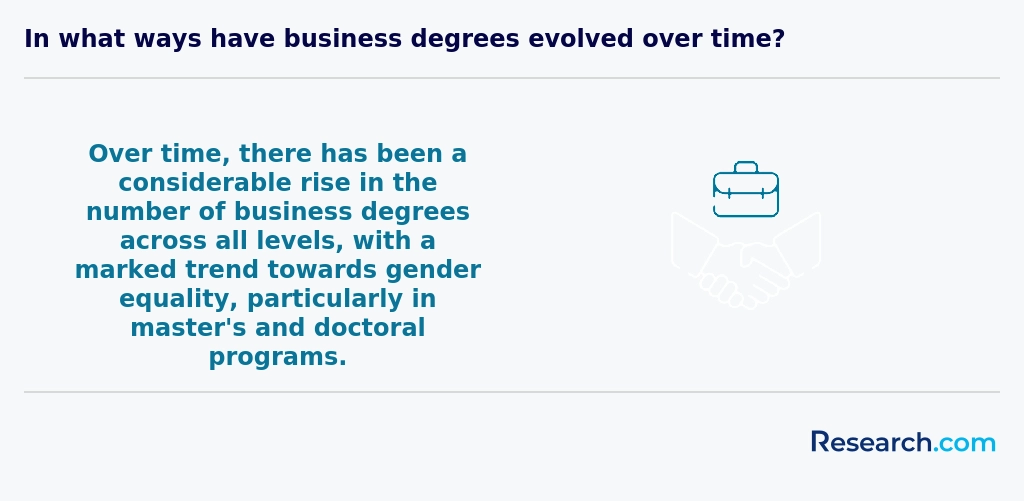
Business degree specializations in Fargo commonly include Accounting, Marketing, Finance, Management, and Supply Chain Management. These concentrations prepare students for diverse roles such as financial analysts, marketing strategists, and supply chain coordinators within the city's vibrant economy. Graduates from popular institutions like North Dakota State University often highlight how focusing in Supply Chain Management connects them directly with Fargo's growing logistics and trade sectors, enhancing job readiness and satisfaction.
Fargo business degree concentration options also encompass Entrepreneurship, International Business, and Human Resources Management, allowing students to tailor their studies to specific career ambitions. Many students appreciate how local programs integrate practical projects aligned with Fargo's agricultural and technological industries, thus enriching their academic experience. For those seeking advanced opportunities, programs often collaborate with local firms, giving graduates confidence and real-world expertise in their chosen specialties.
Students interested in expanding their horizons further can explore flexible options such as MBA online California schools, complementing their Fargo-based business foundation with broader executive leadership skills.
Choosing the best business degree programs in Fargo involves evaluating accreditation, cost, and curriculum relevance. Graduates from local colleges often emphasize the value of AACSB-accredited programs, which enhance their credibility with employers. Tuition rates in Fargo tend to be more affordable than national averages, making attention to resident tuition benefits a priority for cost-conscious students.
Another critical factor is the alignment of course offerings with career goals. Many students report positive experiences when selecting programs with specializations like finance or entrepreneurship that include practical internships within Fargo's business community. This experiential learning directly supports strong employment prospects in growing sectors such as insurance and professional services.
Networking opportunities and faculty expertise also influence satisfaction and success. Smaller class sizes at prominent Fargo institutions foster personalized support, while connections to local businesses facilitate job placements. Potential students seeking affordable business degrees Fargo should carefully compare program features and financial aid.
For additional regional options, consider exploring South Carolina accounting colleges to understand broader educational pathways and cost structures.
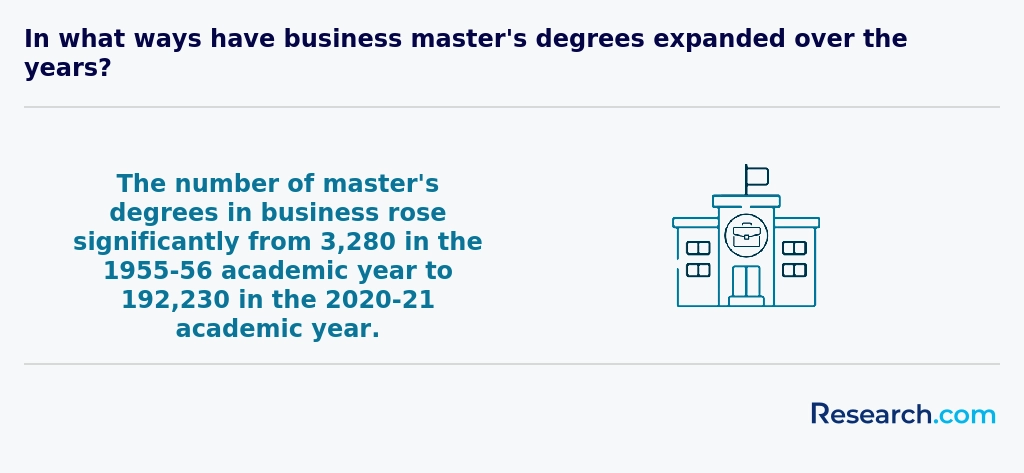
Graduates holding a business degree in Fargo find a spectrum of career paths aligned with the city's diverse economic sectors. Local institutions like North Dakota State University equip students with skills that translate directly to roles in management, operations, and project coordination, where leadership and strategic planning are paramount. Many graduates enjoy advancing in fields such as business managers or operations supervisors, reflecting strong Fargo business degree job prospects.
The financial services sector also offers robust opportunities, with regional banks including Gate City Bank and Bell Bank providing roles in accounting, financial analysis, and banking. Graduates often highlight the competitive salaries and stable career trajectories in these positions, which benefit from Fargo's thriving economic climate and increasing demand.
Business students share positive experiences pursuing sales, marketing, and human resources roles, where expertise in e-commerce and data analytics proves valuable. Entrepreneurship is another appealing avenue, supported by local initiatives encouraging startups. Additionally, for those interested in healthcare economics, exploring healthcare IT management MBA careers offers an innovative extension within the business degree career opportunities in Fargo.
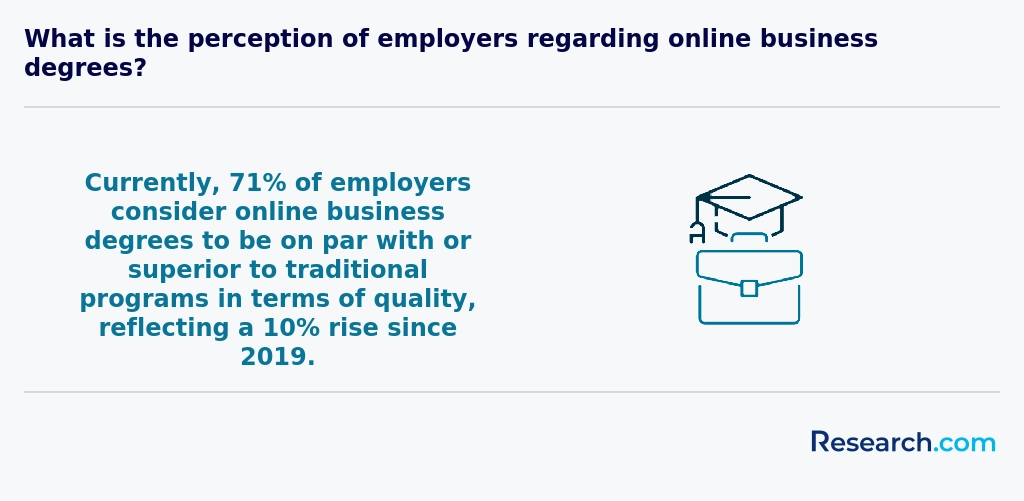
The business degree job prospects in Fargo remain strong due to the city's dynamic economy and diverse industry base. Graduates from institutions like North Dakota State University frequently find opportunities in management, financial analysis, marketing, and operations across local firms and regional branches of national companies. These business graduates often emphasize how the city's relatively low unemployment rate and the presence of both established businesses and growing tech startups create an encouraging environment to start a career or advance in innovative roles.
Many have benefited from hands-on learning experiences embedded in their programs, allowing them to enter the job market with practical skills tailored to Fargo's unique business climate. Earning a business degree here is not only affordable, but also strategically valuable given the city's support for entrepreneurs and SMEs. For those interested in specialized fields, pursuing an accredited online master's in accounting while based in Fargo further enhances employment opportunities in finance and accounting sectors.
Those considering Fargo business degree employment opportunities can expect competitive salaries aligned with the local cost of living and a supportive network fostering career growth. Graduates often highlight the advantage of Fargo's strong connections between academia and industry as a critical factor in their early professional success.
2027 Most Valuable Business Degree Programs Ranking in Fargo
Investing in your education is a significant decision that can profoundly impact your future, and the Research.com team recognizes the importance of making well-informed choices. To guide prospective students in Fargo, we have carefully developed the "2027 Most Valuable Business Degree Programs Ranking in Fargo." Our dedication to quality, credibility, and accuracy is demonstrated through the thorough research and analysis undertaken to produce this ranking.
We utilized the following reputable data sources to ensure a comprehensive evaluation of business degree programs:
By consulting this ranking, readers will gain valuable insights into the most valuable business degree programs in Fargo, enabling them to make informed decisions about their educational and professional futures. For further details on how this ranking was created, please visit our Research.com methodology page.

Frequently Asked Questions About business
Business degree students in Fargo can maximize their learning by engaging with local internship opportunities, which offer direct exposure to the city's diverse economy. Fargo's strong sectors, such as technology, agriculture, and financial services, provide practical environments to apply classroom knowledge.
Students should also participate in networking events hosted by organizations like the Fargo Moorhead West Fargo Chamber of Commerce. These events connect students with experienced business professionals and potential mentors.
Additionally, utilizing resources at institutions such as North Dakota State University enhances academic success. Research shows that 67% of business students who attend workshops and career fairs report improved job readiness (NDSU Data, 2023).
Emerging niches within the business field reflect shifts in technology, consumer behavior, and global markets. In Fargo, data analytics is gaining momentum as companies seek experts to interpret large datasets for informed decision-making. According to the Fargo Moorhead Economic Development Corporation, demand for data-savvy professionals has increased by 12% over the past three years.
Another growing area is sustainable business practices, where firms focus on environmental responsibility and social governance. This niche aligns with national trends showing a 20% rise in green job openings in business sectors.
Technology management and e-commerce also stand out, driven by Fargo's expanding digital economy and a 15% annual growth in online retail sales reported by local business associations.
Preparing for the job market after earning a business degree in Fargo involves a strategic approach to gain practical experience and build professional networks. Students are encouraged to pursue internships, which local businesses and the Greater Fargo Moorhead Economic Development Corporation often promote as pathways to employment. According to the U.S. Bureau of Labor Statistics, nearly 70% of business graduates who completed internships found jobs within six months of graduation.
Networking plays a crucial role in Fargo, where connections with organizations like the Fargo Chamber of Commerce can open doors. Additionally, leveraging university career services to refine resumes and practice interviews is vital.
Developing skills in data analysis, finance, and digital marketing aligns with Fargo's growing industries, enhancing employability.
Employers in Fargo seek business graduates with a blend of technical knowledge and soft skills. According to the Fargo-Moorhead Economic Development Corporation, communication skills are crucial, with 78% of local employers emphasizing clear writing and presentation abilities. Analytical skills also rank highly, especially experience in data interpretation and financial analysis.
Adaptability and problem-solving are vital, reflecting Fargo's growing industries like finance, technology, and logistics. Digital literacy, particularly proficiency in Microsoft Excel and enterprise software, is often required. Leadership and teamwork skills remain important as businesses prioritize collaboration and project management. These competencies help graduates stand out in Fargo's competitive job market.
Finding internships in Fargo relevant to a business degree starts with leveraging local resources and networks. Fargo's economy is diverse, including finance, manufacturing, and healthcare sectors, offering various internship opportunities for business students. According to the Fargo Moorhead West Fargo Chamber of Commerce, over 80% of local businesses engage with interns annually.
To locate openings, students should explore university career centers such as North Dakota State University's, which maintains strong connections with Fargo-based companies. Additionally, internships can be found on national job platforms like Handshake and LinkedIn, filtered for the Fargo area.
Networking events hosted by the Fargo-Moorhead West Fargo Chamber provide direct contact with employers. Local businesses including Microsoft Fargo and Gate City Bank regularly offer internships emphasizing business skills.
Obtaining a business degree in Fargo significantly enhances career mobility and advancement opportunities. According to the Fargo-Moorhead Metropolitan Statistical Area reports, professionals with business degrees experience a 15% higher likelihood of promotion within five years compared to those without such credentials.
The city's growing industries, including finance, healthcare, and technology, actively seek graduates with solid business foundations. Local employers value skills gained through business programs such as leadership, analytical thinking, and financial management, which are crucial for managerial roles.
Data from the North Dakota Department of Commerce highlights that business degree holders in Fargo earn a median salary approximately 20% higher than those without degrees, reflecting greater upward mobility within firms.
Studying for a business degree in Fargo equips students with skills that extend beyond traditional business knowledge. Many local institutions emphasize interdisciplinary learning by integrating courses in economics, information technology, and communication. This prepares graduates to adapt in diverse work environments where business decisions intersect with technology and social factors.
Fargo's growing economy, particularly in sectors like technology and healthcare, offers practical opportunities for students to engage in projects that require cross-disciplinary expertise. According to the Fargo-Moorhead Economic Development Corporation, businesses increasingly seek employees who understand multiple fields.
This approach ensures students develop problem-solving, critical thinking, and teamwork skills valuable for leadership roles across industries.
Choosing between a thesis and a non-thesis business degree program in Fargo depends on your career goals and learning preferences. Thesis programs require conducting original research and writing a detailed paper, which is ideal for students interested in academic or research careers.
Non-thesis programs focus on coursework and practical skills, offering more flexibility and often a faster path to graduation. These are preferred by professionals pursuing leadership or managerial roles in Fargo's growing sectors like agriculture, finance, or healthcare.
According to the North Dakota University System, over 60% of business graduates in Fargo pursue non-thesis tracks, reflecting local demand for applied skills.
Students based in Fargo have several opportunities to study business abroad through partnerships facilitated by local institutions. North Dakota State University (NDSU), one of Fargo's key education providers, offers exchange programs with universities in Europe and Asia, allowing students to earn credits toward their business degrees overseas.
These programs typically last one semester and cover areas like international marketing and global management, enhancing practical skills for a globalized economy. According to NDSU's recent international office report, about 15% of business students participate in such study abroad opportunities.
Additionally, students can explore faculty-led short-term trips focused on business environments in countries such as China and Germany. These experiences provide valuable exposure without delaying graduation.
Fargo offers several part-time job opportunities that can enhance business degree education by providing practical experience. Positions in retail management, customer service, and administrative support are common, allowing students to develop key skills in communication, organization, and leadership.
The local economy in Fargo is growing, with significant activity in sectors like finance, healthcare, and technology. Internships or part-time roles within small businesses and startups can provide valuable exposure to real-world business challenges. According to the Fargo-Moorhead Economic Development Corporation, small businesses account for over 90% of local enterprises, presenting varied chances for hands-on learning.
Additionally, part-time roles in marketing and social media management are increasingly available, supporting students interested in digital business trends. These jobs help build a practical understanding of business strategies relevant to today's market.
Business students in Fargo have access to a variety of valuable networking opportunities that connect them with local professionals and industries. North Dakota State University (NDSU) offers several business-focused clubs and organizations, such as the NDSU Economics Club and the Collegiate Entrepreneurs Organization, where students meet peers and industry leaders.
The Fargo Moorhead West Fargo Chamber of Commerce hosts regular events that encourage connections between students and local businesses, providing insight into regional economic trends. Additionally, annual career fairs at NDSU attract recruiters from top companies in sectors like agriculture, technology, and finance.
These networking chances help students build relationships crucial for internships and jobs after graduation.
Alumni networks provide significant advantages to business degree students in Fargo by offering valuable professional connections. Graduates from local institutions often stay engaged, creating a strong community that supports current students in career advancement. According to data from the Fargo-Moorhead West Fargo Chamber of Commerce, networking through alumni can increase internship and job placement opportunities by up to 30% within the region.
These networks enable students to access mentors who understand the unique economic landscape of Fargo's growing industries, including agriculture, technology, and finance. Through events and online platforms, students gain insights into job market trends and can receive guidance on skills in demand locally.
Furthermore, active alumni communities often collaborate with university programs to facilitate workshops and job fairs specifically tailored to Fargo's business environment, strengthening students' practical knowledge and employability.
Students pursuing a business degree in Fargo can tailor their programs by selecting specializations that align with their career goals. Many institutions offer concentrations such as finance, marketing, or supply chain management, allowing learners to focus on skills in high demand locally. For example, Fargo's growing economy includes strong sectors like agriculture, healthcare, and technology, so students might customize coursework to meet the needs of these industries.
Internships and cooperative education opportunities in Fargo's business community also provide practical experience, which helps to refine career paths. Additionally, some schools allow elective credits or certificate programs that enhance specific competencies, such as data analytics or project management. This flexibility supports students in preparing for diverse roles, from entrepreneurship to corporate leadership.
Business students in Fargo often face the challenge of balancing academic demands with work and family commitments. Many local students attend institutions like North Dakota State University, where rigorous coursework requires strong time management skills. Additionally, limited internship opportunities in the regional job market can affect practical experience acquisition, which is vital for business careers.
Financial constraints also pose difficulties; the average tuition for in-state students at Fargo's public universities is around $9,000 per year, according to the National Center for Education Statistics. Furthermore, navigating changes in business technology and maintaining up-to-date skills remain ongoing struggles for students preparing to enter evolving industries.
A business degree in Fargo opens doors to various professional certifications that can enhance your career prospects. Common certifications include the Certified Public Accountant (CPA) for those interested in accounting and finance. This credential is highly valued in North Dakota's growing business environment. Another popular choice is the Project Management Professional (PMP), ideal for those focusing on organizational leadership and project execution.
Additionally, the Certified Management Accountant (CMA) is significant for professionals targeting roles in financial management and strategy. Fargo's expanding industries, including agriculture tech and manufacturing, benefit from these certifications. According to the North Dakota Department of Commerce, certified professionals often earn 15-20% higher salaries locally.
Other options include the Certified Business Analyst Professional (CBAP) and SHRM Certified Professional for HR careers. These credentials can be pursued after completing your degree to better position yourself in Fargo's competitive job market.
Writing a winning application for a business program in Fargo requires clear focus and preparation. First, highlight relevant academic achievements and work experience, especially if connected to regional industries like agriculture or energy, key sectors in Fargo's economy.
Be sure to craft a strong personal statement explaining your career goals and why the chosen business program fits those ambitions. Admissions committees in Fargo value applicants who demonstrate understanding of local business trends, such as Fargo's growing tech startups and financial services.
Include letters of recommendation from professionals or professors who can attest to your skills and character. Finally, meet all deadlines and ensure your application is free of errors. According to the National Center for Education Statistics, timely, well-organized applications increase acceptance chances nationwide.
Business careers today demand a global mindset due to increasing international trade and digital connectivity. According to the U.S. Bureau of Labor Statistics, global business skills significantly enhance job prospects, with projected job growth of 8% for business and financial occupations from 2022 to 2032.
In Fargo, companies such as Microsoft and John Deere emphasize cross-cultural communication and international market understanding. This aligns with trends observed by the U.S. Department of Commerce, highlighting Fargo's growing role in global supply chains.
Business degrees in Fargo often integrate global case studies and partnerships, preparing students to navigate diverse business environments confidently.
Gaining practical experience while studying for a business degree in Fargo is essential to enhance your skills and improve job prospects. Many local colleges and universities offer internship programs with Fargo's diverse economy, including finance, agriculture, and technology sectors. For instance, North Dakota State University connects students with nearby businesses for real-world projects and internships. Participation in student-run organizations, such as business clubs and entrepreneurship societies, also provides hands-on leadership and networking opportunities.
Additionally, job shadowing and part-time positions with Fargo companies help apply classroom knowledge in practical settings. According to the Fargo Moorhead West Fargo Chamber of Commerce, local businesses actively seek interns from regional colleges, making it a vibrant job market for students seeking experience.
Choosing the right concentration within a business degree program in Fargo starts with understanding your career goals and local economic trends. Fargo's economy is strong in sectors like healthcare, agriculture, and technology, which can inform your choice. For instance, a concentration in management or finance may be valuable given Fargo's growing business community, as reported by the Fargo-Moorhead Economic Development Corporation.
Research the curriculum of concentrations offered by institutions like North Dakota State University to see which align with your interests and skills. Also, consider internship opportunities available locally, as hands-on experience in Fargo-based companies can enhance job prospects after graduation.
Assess labor market data from the U.S. Bureau of Labor Statistics and local job boards for demand in particular business fields. This will help you select a concentration that matches both your passion and practical employment outcomes in the Fargo area.
- 2027 Most Valuable Business Degree Programs Ranking in Saint Paul
- 2027 Most Valuable Business Degree Programs Ranking in Omaha
- 2027 Most Valuable Business Degree Programs Ranking in Lincoln
- 2027 Most Valuable Business Degree Programs Ranking in Dubuque
- 2027 Most Valuable Business Degree Programs Ranking in Madison
- 2027 Most Valuable Business Degree Programs Ranking in Milwaukee
- 2027 Most Valuable Business Degree Programs Ranking in Kenosha
- 2027 Most Valuable Business Degree Programs Ranking in Kansas City
- 2027 Most Valuable Business Degree Programs Ranking in River Forest
- 2027 Most Valuable Business Degree Programs Ranking in Chicago
See What Experts Have To Say About Studying Business
Read our interview with Business experts

David Souder
Business Expert
Senior Associate Dean for Faculty and Research
Michigan State University


David W. Stewart
Business Expert
Emeritus President's Professor of Marketing
Loyola Marymount University

- Interdisciplinary Business https://www.okwu.edu/academics/undergraduate/bachelor-interdisciplinary-business/
- Exploring Different Types of Business Majors https://www.ivywise.com/ivywise-knowledgebase/exploring-different-types-of-business-majors/
- 5+1: Five challenges facing business schools and one solution https://charteredabs.org/insights/opinion/51-five-challenges-facing-business-schools-and-one-solution
- How to Write the Perfect Cover Letter – EU Business School https://www.euruni.edu/blog/write-perfect-cover-letter/
- Networking Tips for Business Students: Building a Foundation for Success https://londonsba.org.uk/blog/networking-tips-for-business-students-building-a-foundation-for-success/
- What Do You Learn in Business School? https://www.coloradotech.edu/degrees/studies/business-and-management/articles/what-can-you-learn-in-business-school
- Business Administration Degree Salary | UE Amsterdam https://www.ue-amsterdam.com/blog/business-administration-degree-salary-how-much-can-you-earn
- What is the future of bachelor’s degrees in business? https://www.amba-bga.com/insights/what-is-the-future-of-bachelors-degrees-in-business
- Business degree: What to study and how to find a job https://brive.com/blog/studies/business-degree-guide-to-study-and-find-a-job/
- Why Alumni Networks Matter in Business School: 7 Reasons https://europe.ceibs.edu/article/why-alumni-networks-matter-business-school


