2027 Most Valuable Business Degree Programs Ranking in Omaha

Co-Founder and Chief Data Scientist
Choosing the right business degree program can be a turning point for your future, especially if you're in Omaha. This article introduces the 2027 Most Valuable Business Degree Programs Ranking in Omaha, created by the Research.com team of data scientists to guide you in making well-informed decisions.
By exploring this ranking, you'll discover which programs offer the best value for your investment of time and resources. A solid business degree can open doors to rewarding careers and personal growth.
Take this opportunity to find a program that fits your goals and sets you up for success.
Key benefits of getting business degree in Omaha
- Salary for business degree graduates: Business graduates in Omaha can earn competitive salaries, with roles like Business Development Executive making around $83,190 annually and Business Analysts earning about $112,950 per year, showing strong financial potential.
- Career paths: Graduates from popular Omaha universities often find diverse opportunities in management, consulting, or finance, giving them flexibility to match their interests and grow professionally.
- Online degree benefits: Earning a business degree online from reputable Omaha institutions offers convenience and allows balancing work with study, making education accessible without sacrificing current job progress.
- 2027 Most Valuable Business Degree Programs Ranking in Omaha
- What can I expect from business degree in Omaha?
- Where can I work with business degree in Omaha?
What can I expect from business degree in Omaha?
Students pursuing a business degree in Omaha often find the average total cost ranges between $30,000 and $60,000, depending on whether they attend the University of Nebraska Omaha or Creighton University. Graduates recall juggling tuition with living expenses that remain surprisingly affordable compared to larger cities, easing the financial pressure typically associated with higher education.
Many emphasize how strategic investments in their education paired with Omaha's accessible cost of living allow them to focus more on gaining practical experience than worrying about mounting debt. For example, interns at local Fortune 500 companies report feeling empowered by hands-on opportunities that justify every dollar spent on their degrees.
This financial balance challenges the notion that quality business education demands staggering expenses. Instead, Omaha's environment invites students to immerse themselves in robust academic programs while engaging in real-world business networks without sacrificing economic peace of mind.
Where can I work with business degree in Omaha?
Many business graduates from Omaha's universities find themselves drawn to the city's robust sectors like finance, insurance, and telecommunications. Imagine a recent graduate from the University of Nebraska at Omaha stepping into a role at Berkshire Hathaway, feeling energized by the city's dynamic corporate environment. The proximity to leaders like Union Pacific and Mutual of Omaha opens doors that challenge the narrow view that business degrees only lead to generic office jobs.
Others explore the exciting startup scene or join small- and medium-sized enterprises where their impact shines distinctly. Graduates often share how their entrepreneurial ambitions became tangible working alongside local innovators, transforming abstract business theories into concrete successes.
Healthcare administration is another thriving path. Graduates report that working with Nebraska Medicine or CHI Health offers not just stable careers but meaningful contributions to community health management-far beyond the common clichés about business careers.
Government and nonprofit roles also attract graduates who thrive managing programs and budgets, proving that business skills can fuel public good. In Omaha, a business degree is a passport to varied, satisfying journeys rather than a singular career track.
Graduates from business programs in Omaha often find their education translates into competitive salaries right from the start. For example, a Business Development Executive in Omaha can anticipate earning a mean annual wage of around $83,190, reflecting both the city's economic vitality and the strength of its business programs at universities like the University of Nebraska at Omaha.
Those stepping into analytical roles see even higher earning potential. Business Analysts here report mean salaries near $112,950, which mirrors the advanced analytical skills taught at Omaha's colleges and aligns with the demand from local Fortune 500 companies headquartered in the area. Graduates often share how internships and networking through their programs gave them a direct path to such lucrative positions.
These figures challenge the old notion that business degrees lead only to modest incomes. In Omaha, the blend of quality education, a robust job market, and a relatively low cost of living creates an environment where business graduates feel confident about not only landing strong salaries but also building rewarding careers with upward mobility.
- Business degrees in Omaha are available at accredited schools like the University of Nebraska at Omaha and Creighton University, offering bachelor's and master's programs.
- Tuition costs vary from about $9,000 per year at public universities to $35,000 per year at private institutions, excluding fees and living expenses.
- Starting salaries for business graduates average around $50,000 annually, with mid-career earnings rising to approximately $80,000.
- Omaha's job market has a low unemployment rate and demand for roles such as financial analysts, marketing specialists, and management consultants.
- Internships and cooperative education programs in local universities provide practical experience to enhance job prospects after graduation.
Completing a business degree in Omaha typically takes about four years full-time, a timeline familiar to many graduates from Creighton University or the University of Nebraska at Omaha. Yet, this commonly accepted duration masks deeper layers of personal experience and opportunity. Some energetic students accelerate their journey, wrapping up in three years by leveraging credit transfers or tackling intensified courses. Their stories resonate with ambition and a hunger to fast-track success.
On the flip side, countless others juggle work, family, and studies-stretching their path to five or six years. These students exemplify resilience, managing life's complexity without sacrificing progress. Graduate degrees, like the MBA, add another dimension, often completed in one to two years full-time. Still, part-time or online routes offer flexibility, sometimes extending to three years, letting professionals balance career growth with education.
What stands out in Omaha's business education is the blend of program formats and personal pace, shaping unique timelines that reflect real life, not just academic calendars.
. For students looking to dive deeper into the world of business, understanding the broader educational landscape in Nebraska is crucial. This includes exploring valuable business programs in Nebraska, which can offer insights into the state's business education ecosystem. By considering the various programs available, students can make more informed decisions about their educational pathways, ensuring they align with their career aspirations and the current job market demands in Omaha, NE.
Choosing between online and on-campus business degrees in Omaha reveals more than just a difference in location-it reshapes your entire learning experience. Graduates from the University of Nebraska Omaha often recall the energizing buzz of campus life, where spontaneous hallway conversations with professors or classmates sparked ideas and led to internships with local giants like TD Ameritrade. This face-to-face immersion cultivates a tangible network and immediate access to campus resources, energizing personal growth beyond textbooks.
Meanwhile, graduates from Creighton University who pursued online business degrees describe the freedom to balance work and study on their own terms, appreciating how digital platforms allowed them to revisit lectures after busy workdays. The flexibility reduced commuting stress and opened doors to education for those juggling family or full-time jobs. Yet, some miss the instant advisor support found on campus, highlighting a trade-off between convenience and connection that every Omaha student must weigh carefully.
When evaluating the true value of a business degree in Omaha, NE, understanding your return on investment is essential. Start by estimating total program costs-including tuition, fees, books and living expenses-and compare that figure to your projected post-graduation salary. For example, with a bachelor’s degree investment ranging from $36,000 to $72,000 and average starting salaries around $60,000, many graduates break even within three to five years. By factoring in career advancement-such as moving from an entry‐level analyst role to a manager earning upwards of $80,000-you can shorten your payback period and maximize lifetime earnings. To further boost ROI, consider graduate credentials that require minimal upfront cost and no GMAT requirement. An affordable online mba no gmat can elevate your earning potential without the expense of on-campus fees or standardized test prep. Compare program formats and financial aid options to identify pathways that deliver strong salary growth and minimal debt. Regularly revisit your ROI calculation as you gain promotions, certifications or specialized skills. Tracking cumulative earnings against your initial investment helps you make data-driven decisions about continuing education, networking, or pursuing advanced roles-ensuring every dollar spent on your business education works hard for your career.
The average cost of a business degree in Omaha challenges many assumptions about affordability and value. While some graduates recall spending nearly $39,000 overall, this figure can mask the nuanced reality faced by students from different institutions. For those attending public universities like the University of Nebraska Omaha, in-state students often see total costs closer to $24,500, which can make pursuing a business degree more financially accessible. On the other hand, out-of-state students and those attending private schools face steeper financial commitments, reflecting a wide spectrum of investment depending on the choice of school.
Graduates frequently recount how managing the business degree tuition and fees Omaha demands required strategic financial planning, including scholarships and part-time work. Many students begin at community colleges, like Metropolitan Community College, appreciating the low per-credit cost to complete courses before transferring. This pathway offers a comforting balance between cost and quality, defying the belief that high tuition always equals better education.
Understanding the average cost of business degree in Omaha also means recognizing the additional expenses beyond tuition-fees, books, and living costs-that can quickly add up. Many students express relief when they find ways to reduce these through savvy budgeting or financial aid packages. For prospective business students, exploring the valuable business programs in Nebraska can illuminate options that align both with career goals and financial realities.

When evaluating business degree programs in Omaha, accreditation is your strongest indicator of quality and industry relevance. Regional accreditation from bodies like the Higher Learning Commission (HLC) ensures that institutions meet rigorous academic standards, while specialized accreditation-such as AACSB (Association to Advance Collegiate Schools of Business) and ACBSP (Accreditation Council for Business Schools and Programs)-validates the program’s curriculum, faculty qualifications, and student outcomes. For example, Creighton University’s Heider College of Business holds AACSB accreditation, signifying excellence in research and teaching, whereas Bellevue University’s business programs are ACBSP-accredited, emphasizing practical application and student success. Employers in Omaha’s finance, consulting, and healthcare sectors frequently seek graduates from accredited programs because accreditation confirms that your education aligns with current industry practices and ethical standards. If you’re considering online or out-of-state alternatives, be sure to verify specialized accreditation and compare program recognition. For a broader perspective on accredited, budget-friendly master’s programs, see our Affordable Online Master's in Business Degree Programs Ranking in Saint Charles, MO, which highlights institutions committed to both quality and affordability.
Financial aid options for business students in Omaha often stretch beyond the expected. Graduates from the University of Nebraska at Omaha recall how merit-based scholarships-ranging from $1,000 up to full tuition-made ambitious goals feel suddenly attainable, rewarding academic excellence and business-related achievements. These scholarships aren't just paperwork; they symbolize a real investment in your potential career.
Federal aid, such as Pell Grants and Direct Subsidized or Unsubsidized Loans, form the backbone of many students' funding. While Pell Grants max out at $7,395 for undergraduates, graduate students typically rely on unsubsidized loans, offering manageable repayment terms and helping avoid financial paralysis.
State-specific programs like the Nebraska Opportunity Grant quietly shift the burden for many Omaha-based undergraduates, trimming tuition at in-state institutions. Meanwhile, some find unexpected relief through employer-sponsored tuition assistance, especially in Omaha's thriving finance and logistics sectors, where businesses see paying for your education as a shared win.
The federal work-study program not only offsets expenses but enhances resumes, allowing students to juggle work and study seamlessly in Omaha's vibrant business environment.
As you navigate through Omaha’s dynamic business education landscape, it’s essential to plan your next steps with a clear strategy. After evaluating the rankings, benefits, and various degree paths, use these actionable tips to secure your future in business: • Define Your Goals: Reflect on your career aspirations and consider whether you want a specialization in finance, marketing, entrepreneurship, or another field. Knowing your direction will help you choose a degree program that best aligns with your ambitions. • Research and Compare: Beyond ranking scores, take time to compare program curriculums, campus resources, and internship opportunities. For students seeking a flexible path, exploring programs designed for easy business majors can provide a streamlined educational experience that balances theory with real-world application. • Prepare Your Application: Strengthen your profile by engaging in relevant extracurricular activities, seeking leadership roles, and obtaining professional recommendations. Detailed preparation for application essays and interviews can significantly enhance your acceptance chances. • Utilize Campus Support: Once enrolled, leverage career services, mentorship programs, and networking events to build relationships with industry professionals. This proactive approach will provide critical insights, open doors for internships, and boost your career readiness. • Stay Informed on Trends: Keep updated with emerging trends in the business world by following industry publications and attending business seminars. Doing so will not only sharpen your skills but also increase your marketability in an ever-evolving industry. By taking a holistic approach that combines a well-researched degree choice with proactive career planning, you’ll be well-equipped to thrive in Omaha’s competitive business environment.
Enrolling in a business degree in Omaha is more than just submitting transcripts-it's about demonstrating readiness to tackle real challenges. Graduates from well-known local colleges often recall how their strong foundation in math, English, and social studies was crucial; these subjects sharpened their analytical and communication skills, essential for business success. Many admit that scoring well on the SAT or ACT gave them a confidence boost during admissions, opening doors at both public and private institutions in Omaha.
Prerequisite courses like basic algebra, statistics, and introductory economics aren't arbitrary-they prepare students for the complex problem-solving and strategic thinking the business world demands. For example, one graduate noted how a basic statistics class at a popular Omaha college laid the groundwork for understanding market trends during internships.
When it comes to graduate degrees like the MBA, the expectations rise. Business schools want candidates who bring not just academics but real-world experiences to the table. Many successful applicants combine their bachelor's degrees with two to five years of work experience, adding valuable perspective that enriches classroom discussions and career planning.
Business degree programs in Omaha consistently include courses that go beyond theory, shaping graduates who feel prepared and confident entering the local job market. At popular institutions like the University of Nebraska at Omaha and Creighton University, students dive into Principles of Management, where they explore leadership in action-imagine learning organizational behavior by observing local companies adapting to changing markets. Finance and Financial Accounting courses provide hands-on experience in analyzing real financial statements from Omaha's top firms, giving students a tangible grasp of investment and risk management.
Marketing Fundamentals and Business Economics come alive through case studies tied directly to Omaha's diverse industries, letting students simulate market research or forecast economic trends impacting regional businesses. Alumni often recall how Operations Management bridged the gap between classroom concepts and actual production challenges faced by Omaha's manufacturing and service sectors.
The curriculum also reflects Omaha's unique economic environment, with electives like supply chain management encouraging students to solve problems faced by transportation giants headquartered locally. These are not just classes-they are immersive encounters with the business world around them.
Business degree specializations in Omaha often defy expectations by blending traditional disciplines with dynamic local industry needs. Graduates from popular local universities frequently point to accounting, finance, and marketing as foundational yet deeply practical choices, especially given Omaha's concentration of financial giants like Berkshire Hathaway. These options don't just prepare students for tests-they plug them directly into thriving sectors, fostering excitement as they see real-world paths unfold right after graduation.
Omaha business degree concentration options clearly extend beyond the norm. Supply Chain Management and Logistics, for instance, resonate deeply with students who intern at local hubs like Union Pacific, where lessons from the classroom leap into bustling transportation networks. Others find their passion in Management Information Systems, merging business savvy with tech skills to meet the city's growing demand for IT professionals.
Emerging fields like Entrepreneurship and Healthcare Management also attract attention, inspiring students to envision launching startups or innovating within Nebraska Medicine's ecosystem. For those exploring less conventional paths, considering easy business majors can be a strategic starting point toward more specialized ambitions.
Choosing the best business degree in Omaha means looking beyond just the name of the school. Graduates from the University of Nebraska at Omaha often recount how the AACSB accreditation there gave their résumés a tangible edge in the competitive local market. It's not just about prestige-it's about aligning with Omaha's thriving sectors like finance and insurance. Reflect on what type of specialization excites you: marketing, entrepreneurship, or financial management, for example. Students who deliberately matched their studies to Omaha's job demands found smoother transitions into well-paying roles.
Cost remains a decisive factor. Many discovering affordable business schools in Omaha were surprised to find community colleges offering robust programs that combine value with quality. One graduate thrived by balancing evening classes with an internship, showing that flexibility counts just as much as tuition. For those wanting to expand possibilities, exploring an affordable online mba no gmat may open new doors without sacrificing time or money.
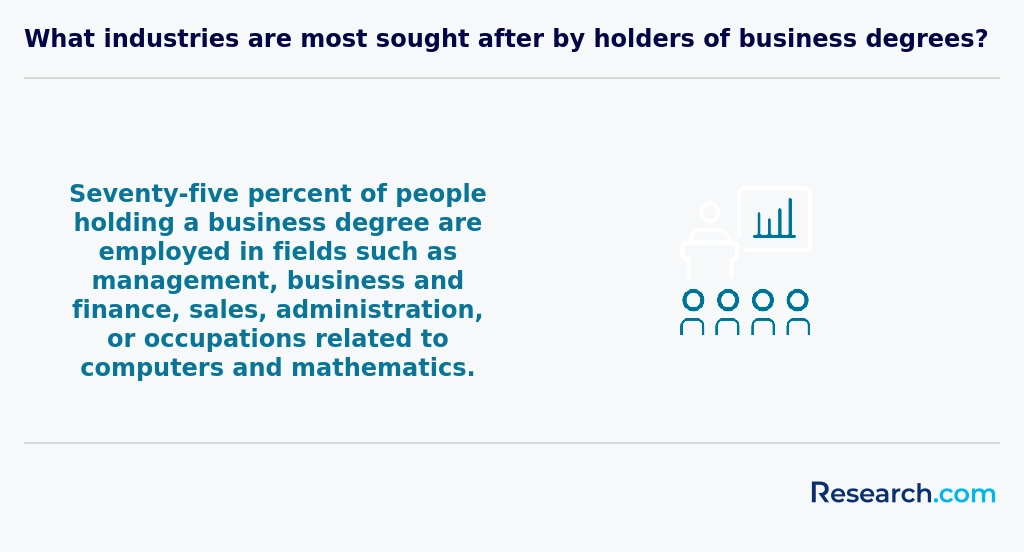
Graduates from Omaha's popular universities often find themselves navigating a landscape rich with diverse opportunities, shattering the notion that a business degree leads to a single path. Consider the expanding financial sector anchored by firms like TD Ameritrade: here, business degree holders step confidently into roles as financial analysts or investment advisors, earning competitive wages that reflect Omaha's robust economy. Many graduates recall their internships fueling this transition, transforming classroom theory into real-world strategies.
Marketing and sales positions also captivate business students, especially those inspired by Omaha's vibrant startup culture and established corporations. For these graduates, crafting innovative marketing campaigns becomes a thrilling challenge rather than routine work. The appeal of these roles is amplified by Omaha's welcoming network, which aligns well with sources listing top Omaha business degree job prospects. Success stories of students utilizing such networks often highlight the city's encouragement for entrepreneurial ventures.
Operations and supply chain management is a third pillar. Business students frequently mention how Omaha's central location makes this sector both dynamic and strategic. Whether working as supply chain analysts or procurement specialists, they appreciate how local logistics hubs offer tangible examples of complex global systems functioning at their doorstep. For those pondering education costs alongside career outcomes, resources like the Affordable Online Master's in Business Degree Programs Ranking in Saint Charles, MO provide clarity and direction on investment versus opportunity.
Overall, if you seek business degree career opportunities in Omaha, the city's blend of accessible education, diverse industries, and supportive business environment redefines what it means to launch a fulfilling business career here.
The job market for business degree holders in Omaha defies the myth that only large coastal cities offer lucrative opportunities. Graduates from local universities, such as Creighton University or the University of Nebraska Omaha, often find themselves quickly landing roles in finance, marketing, or logistics within well-established companies like Berkshire Hathaway. This strong demand in Omaha's diverse economy makes the business degree job outlook Omaha particularly promising.
Many graduates reflect on how internships offered through their programs provided direct paths to employment, often in sectors like insurance or healthcare management, which thrive locally. The regional median annual wage near $74,000 reinforces why Omaha is an attractive destination for business professionals. Those exploring alternative routes also benefit from the city's growing startup ecosystem, which encourages innovation and entrepreneurship.
For students balancing budget and ambition, Omaha's affordable education costs combined with tangible employment opportunities challenge the belief that career success requires high tuition. Exploring accelerated bachelors degrees here provides yet another edge in this dynamic market. Ultimately, Omaha's environment proves that strong opportunities exist beyond the usual metropolitan powerhouses, making Omaha business degree employment opportunities both robust and accessible.
2027 Most Valuable Business Degree Programs Ranking in Omaha
Investing in your education is a significant decision that can shape your future, and the Research.com team understands the importance of making informed choices. To assist prospective students in Omaha, we have meticulously crafted the "2027 Most Valuable Business Degree Programs Ranking in Omaha." Our commitment to quality, credibility, and accuracy is reflected in the extensive research and analysis conducted to compile this ranking.
We utilized the following reputable data sources to ensure a comprehensive evaluation of business degree programs:
By exploring this ranking, readers will gain valuable insights into the most valuable business degree programs available in Omaha, empowering them to make informed decisions about their educational and career paths. For more details on our methodology, please visit our Research.com methodology page.


Frequently Asked Questions About business
Business degree students in Omaha can maximize their learning by engaging with the city's thriving business community. Omaha hosts headquarters of major firms like Berkshire Hathaway and Union Pacific, offering valuable internship and networking opportunities. According to the Greater Omaha Chamber, nearly 65% of local companies collaborate with universities to provide real-world projects and mentorship programs.
Students should also take advantage of experiential learning options available at Omaha's colleges, such as case competitions and business incubators. This hands-on approach helps bridge theory with practice and develop critical skills. Furthermore, joining local professional groups like the Omaha Young Professionals can expand industry connections.
Finally, leveraging Omaha's affordable cost of living allows students to balance part-time work with studies, building practical business experience before graduation.
Emerging niches within the business field reflect shifting economic demands and technological advances. In Omaha, areas like supply chain management and logistics are growing rapidly, driven by the city's status as a major transportation hub. According to the Greater Omaha Chamber of Commerce, over 15% of local companies are expanding operations in these sectors.
Another rising niche is data analytics. Businesses increasingly rely on data-driven decisions, and programs in Omaha now emphasize skills in big data and predictive modeling. This aligns with a national trend where data analyst roles are projected to grow 25% by 2031, according to the U.S. Bureau of Labor Statistics.
Additionally, sustainability management is gaining importance. Firms in Omaha are adopting environmentally friendly practices, creating demand for professionals skilled in sustainable business strategies. This niche integrates finance, marketing, and ethics to meet corporate social responsibility goals.
After earning a business degree in Omaha, preparation for the job market involves strategic steps to enhance employability. Omaha's strong economy, particularly finance, insurance, and logistics sectors, offers various opportunities for graduates. According to the Greater Omaha Chamber, industries such as banking and transportation are growing steadily, making skills in these areas valuable.
Networking is essential; joining local professional groups like the Omaha Chamber of Commerce or attending industry events can connect graduates with employers. Internships and cooperative education during studies also provide practical experience highly regarded by hiring managers in the region.
Additionally, developing soft skills such as communication, teamwork, and adaptability is crucial. Omaha employers prioritize candidates with strong problem-solving abilities and technological proficiency, especially in data analysis and digital marketing.
Employers in Omaha highly value business graduates who demonstrate strong analytical and communication skills. According to the Nebraska Department of Labor, about 65% of local business roles emphasize data interpretation and problem-solving abilities. These skills help graduates navigate complex market trends and make informed decisions.
Leadership and teamwork are also critical. Omaha's growing industries, such as finance and logistics, frequently require collaboration across multiple departments. Graduates with experience in project management tend to stand out.
Additionally, technological proficiency is increasingly important. Familiarity with business software and digital tools ranks among the top requested skills in job postings surveyed by the Greater Omaha Chamber of Commerce.
Finding internships in Omaha relevant to a business degree involves leveraging local resources and networks. Omaha hosts major corporations like Berkshire Hathaway and Union Pacific, which often offer internships to business students, providing valuable hands-on experience. Many universities in Omaha, such as the University of Nebraska Omaha, have dedicated career services that connect students with local businesses and startups.
Utilizing online platforms like Handshake and the Nebraska Internship Network also increases internship opportunities. According to the Omaha Chamber of Commerce, sectors such as finance, logistics, and healthcare show growing internship availability, aligning with common business disciplines.
Networking through professional associations, like the Omaha Young Professionals Network, further strengthens internship prospects in the city.
A business degree significantly enhances career mobility and advancement opportunities in Omaha's growing economy. According to the U.S. Bureau of Labor Statistics, professionals with a bachelor's degree in business earn a median annual wage approximately 25% higher than those without a degree. Omaha hosts numerous headquarters and regional offices in finance, insurance, and logistics, where business graduates are in demand.
Locally, the Greater Omaha Chamber reports that employers prioritize candidates with skills in management, data analysis, and strategic planning-competencies developed through business programs. Graduates often move into roles such as financial analysts, marketing managers, or operations directors, advancing faster than peers without formal business education.
The city's expanding startup ecosystem also values business degrees, especially for leadership and entrepreneurial roles. Continuing education and networking through Omaha-based professional associations further support career growth for business graduates.
Studying for a business degree in Omaha offers students a distinctive advantage in preparing for interdisciplinary roles. Many local universities emphasize a curriculum that integrates core business principles with fields such as technology, healthcare, and supply chain management. This approach reflects Omaha's diverse economy, which includes significant sectors like finance, transportation, and biotechnology. According to the Greater Omaha Chamber, over 20% of businesses require employees to collaborate across multiple disciplines.
Students often engage in experiential learning, internships, and projects with leading firms such as Union Pacific and Berkshire Hathaway. These opportunities foster skills in teamwork, problem-solving, and communication across varied industries, enhancing adaptability in complex work environments.
Choosing between a thesis and a non-thesis business degree program in Omaha depends largely on your academic and career goals. Thesis programs require students to conduct original research and write a detailed paper, which is ideal if you plan to pursue a Ph.D. or a research-focused career.
Non-thesis programs emphasize coursework and practical skills, appealing to professionals aiming for immediate employment or advancement in Omaha's business sectors like finance and logistics. According to the Nebraska Department of Labor, Omaha's business job market grew by 5.3% from 2020 to 2023, favoring applied knowledge.
Consider your learning style and time commitment; thesis paths often take longer to complete. Also, local employers may prefer practical experience over research when hiring for roles in the metro area.
Students based in Omaha who want to study business abroad have several pathways within the US higher education system. Many local universities, including the University of Nebraska Omaha, offer study abroad programs through partnerships with institutions around the world. These programs allow students to earn credits toward their business degrees while gaining international experience.
Typical destinations include Europe, Asia, and Latin America, where students can explore global business practices firsthand. According to the Institute of International Education, about 10% of US business students participate in study abroad annually, highlighting growing interest among Omaha's business students.
Additionally, dual-degree and exchange programs provide options for extended study overseas, enhancing cultural competencies important in today's business environment.
Omaha's diverse economy offers numerous part-time job opportunities beneficial for students pursuing business degrees. Roles such as retail management assistants, marketing interns, and customer service representatives provide practical experience in sales, communication, and organizational skills.
Local businesses, including finance firms and startups, often seek interns who can contribute to financial analysis or digital marketing, complementing classroom learning. According to the Nebraska Department of Labor, Omaha's unemployment rate remains below the national average, indicating steady availability of part-time work.
Engaging in positions like administrative support within corporate offices also allows students to understand workplace dynamics and business operations firsthand. These roles help build a professional network and resume, which are vital for future career growth in Omaha's competitive market.
Business students in Omaha benefit from robust networking opportunities through local universities and the city's active business community. Schools like the University of Nebraska Omaha offer student chapters of organizations such as Beta Gamma Sigma and the American Marketing Association, which provide networking events with industry professionals.
Omaha's thriving economy, anchored by Fortune 500 companies including Berkshire Hathaway and Union Pacific, creates frequent internship and mentorship possibilities for students. According to the Omaha Chamber of Commerce, over 2,000 businesses operate in the metro area, fostering diverse connections.
Additionally, Omaha hosts regular business conferences and meetups, such as those organized by the Economic Development Council, where students can engage directly with entrepreneurs and corporate leaders.
Alumni networks offer significant advantages to business degree students in Omaha by providing access to a community of experienced professionals. Graduates often share job opportunities, mentorship, and insights into the local business environment, which fosters career development. According to the Greater Omaha Chamber of Commerce, 60% of positions in the region are filled through referrals within networks, highlighting the value of these connections.
Many Omaha institutions encourage alumni involvement by hosting networking events and workshops. This engagement bridges academic learning with real-world application, enhancing students' practical skills and expanding their professional contacts.
Business sectors in Omaha, such as finance and logistics, benefit from strong alumni support, which helps students secure internships and gain industry-specific knowledge.
Customizing a business degree program in Omaha allows students to align their education with specific career goals. Local universities offer various concentrations such as finance, marketing, supply chain management, and entrepreneurship, reflecting Omaha's strong industries like finance and logistics. Many schools provide elective courses and internship opportunities with prominent Omaha employers, including major firms headquartered in the city. Additionally, students can tailor their degree by participating in experiential learning projects and networking with local business leaders.
According to the Omaha Chamber of Commerce, 70% of local businesses prefer candidates with practical experience, emphasizing the value of customization through internships and cooperative education. This approach enhances employability in Omaha's competitive job market.
Business students in Omaha often face several challenges during their studies. One major hurdle is balancing academic demands with part-time work or internships, which are common given Omaha's cost of living and competitive job market. According to the U.S. Bureau of Labor Statistics, the Omaha metro area has a growing economy, especially in finance and insurance sectors, pressuring students to gain relevant experience while studying.
Additionally, students may struggle with adapting to rapidly changing business technologies and digital tools, which are integral in Omaha's evolving corporate environment. Access to internship opportunities can be competitive, with notable firms like mutual insurance companies and Fortune 500 company headquarters located in the city.
Furthermore, managing student debt is a concern, as Nebraska's average undergraduate debt is close to the national average, influencing decisions about degree programs and time to complete the degree.
With a business degree in Omaha, graduates have access to several professional certifications that can enhance their career prospects. Popular options include the Certified Public Accountant (CPA) for those interested in accounting and finance. The CPA credential is highly regarded in Nebraska's growing financial sector.
Another valuable certification is the Project Management Professional (PMP), which prepares graduates to lead projects effectively-skills in high demand in Omaha's expanding logistics and tech industries.
For those focused on financial analysis, the Chartered Financial Analyst (CFA) credential is widely recognized nationwide. Local companies, including several headquartered in Omaha, often seek CFA charterholders to guide investment decisions.
Additional certifications such as Certified Management Accountant (CMA) and Six Sigma can also prove beneficial, improving skills in cost management and operational efficiency.
Writing a winning application for a business program in Omaha starts with a strong academic record. Most programs look for a minimum GPA of 3.0, but competitive schools may require higher. Highlight any coursework related to economics, finance, or management. Including relevant internships or work experience in Omaha's key sectors, such as finance or transportation, strengthens your application.
Applicants should also craft a clear, focused personal statement. This essay should explain why you want a business degree and how it aligns with Omaha's growing economy, known for companies like Berkshire Hathaway and Union Pacific.
Lastly, letters of recommendation from professors or employers familiar with your skills are vital. According to the National Center for Education Statistics, letters that attest to leadership potential often improve admission chances.
Business careers today are shaped by an increasingly global economy, requiring professionals to understand diverse markets and international trade. Graduates with business degrees from Omaha-area institutions can benefit from local ties to companies involved in global supply chains, finance, and technology sectors. According to the Greater Omaha Chamber, the city hosts over 1,100 international companies, highlighting opportunities for business graduates to work in multinational environments.
US employers often seek candidates with cross-cultural communication skills and global business knowledge. Study abroad programs and international internships offered by Omaha universities further prepare students for global challenges. Awareness of global economic trends boosts competitiveness in roles such as marketing, finance, and management worldwide.
Gaining practical experience while studying for a business degree in Omaha is achievable through several strategic opportunities. Many local universities offer internship programs that connect students with Omaha's diverse business community, including finance, healthcare, and logistics sectors. For example, the Omaha metropolitan area hosts over 60,000 businesses, providing rich internship prospects. According to the Greater Omaha Chamber, internships significantly boost employment chances post-graduation.
Students can also participate in cooperative education (co-op) programs where they alternate semesters of study with full-time work related to their field. Additionally, networking events, business competitions, and local entrepreneurial incubators provide hands-on experiences and allow students to apply classroom knowledge in real-world settings.
Choosing the right concentration within a business degree program in Omaha begins with evaluating your career goals and interests. Concentrations like finance, marketing, management, or entrepreneurship align with different industry needs in the region. For example, Omaha's strong finance and insurance sectors, which constitute a sizeable portion of local employment, may make finance or risk management appealing choices (U.S. Bureau of Labor Statistics, 2023).
Next, consider the curriculum and faculty expertise at Omaha institutions. Look for programs that offer internships or networking opportunities with local companies such as Mutual of Omaha or Berkshire Hathaway, which enhance practical learning. Finally, review projected job growth and salaries in your chosen concentration using resources like the Nebraska Department of Labor to ensure alignment with market demand.
- 2027 Most Valuable Business Degree Programs Ranking in Lincoln
- 2027 Most Valuable Business Degree Programs Ranking in Kansas City
- 2027 Most Valuable Business Degree Programs Ranking in Columbia
- 2027 Most Valuable Business Degree Programs Ranking in Wichita
- 2027 Most Valuable Business Degree Programs Ranking in Dubuque
- 2027 Most Valuable Business Degree Programs Ranking in Saint Paul
- 2027 Most Valuable Business Degree Programs Ranking in Springfield
- 2027 Most Valuable Business Degree Programs Ranking in Saint Louis
- 2027 Most Valuable Business Degree Programs Ranking in Madison
- 2027 Most Valuable Business Degree Programs Ranking in River Forest
See What Experts Have To Say About Studying Business
Read our interview with Business experts


Ingrid S. Greene
Business Expert
Clinical Assistant Professor of Management
Loyola Marymount University

David Souder
Business Expert
Senior Associate Dean for Faculty and Research
Michigan State University

- Online Degree vs. Traditional: Choosing the Right Path https://beal.edu/online-degree-vs-traditional/
- What Does It Cost To Attend A Top 100 Business School? https://poetsandquantsforundergrads.com/financing/what-does-it-cost-to-attend-a-top-100-business-school/
- BUSINESS MANAGEMENT ENGLISH (THESIS / NON-THESIS) - Lisansüstü Eğitim Enstitüsü https://lee.nisantasi.edu.tr/en/business-management-english-thesis-non-thesis/
- Professional Business Certifications to Boost Your Career in 2025 https://www.business.com/articles/best-business-certifications/
- Networking Tips for Business Students and MBA Candidates - Cyprus West University https://www.cwu.edu.tr/networking-tips-for-business-students-and-mba-candidates/
- Top 10 Skills Employers Seek in Business Graduates in 2026 https://www.ibat.ie/blogs/top-10-skills-employers-seek-in-business-graduates-in-2026
- Finding Networking Opportunities as a Student | National Society of High School Scholars https://www.nshss.org/resources/blog/blog-posts/how-to-find-networking-opportunities-as-a-student/
- 55 Trending Business Ideas for 2025 and Beyond https://www.uschamber.com/co/start/business-ideas/top-trending-business-ideas
- 5+1: Five challenges facing business schools and one solution https://charteredabs.org/insights/opinion/51-five-challenges-facing-business-schools-and-one-solution
- A 2016 Global Perspective on Business and Career Planning https://careerproinc.com/blogging/a-2016-global-perspective-on-business-and-career