2027 Most Valuable Business Degree Programs Ranking in River Forest

Co-Founder and Chief Data Scientist
Choosing the right business degree program is a crucial step for students in River Forest aiming to build a successful future. This article presents the 2027 Most Valuable Business Degree Programs Ranking in River Forest, thoughtfully created by the Research.com team of data scientists.
By exploring this ranking, you'll gain valuable insights to help you select programs that offer strong career prospects and solid returns on your investment.
Pursuing a business degree can open doors to exciting opportunities, and this guide is designed to support your journey with clear, dependable information.
Key benefits of getting business degree in River Forest
- Salary for business degree graduates: Business degree holders in River Forest can expect competitive salaries, such as a Business Analyst earning a mean annual wage of $112,950 and a Business Development Executive earning around $83,190 yearly. These figures reflect rewarding financial opportunities after graduation.
- Career paths: Graduates from colleges in River Forest often pursue diverse careers including business analysis, marketing, and leadership roles, leveraging their degree to enter dynamic industries. This variety allows students to follow their passions and grow professionally.
- Online degree benefits: Earning a business degree online offers flexible scheduling and the ability to balance work and studies, as seen with graduates from local online programs. This flexibility can make education more accessible and tailored to individual needs.
- 2027 Most Valuable Business Degree Programs Ranking in River Forest
- What can I expect from business degree in River Forest?
- Where can I work with business degree in River Forest?
What can I expect from business degree in River Forest?
When it comes to the cost of earning a business degree in River Forest, you'll find that prices can vary quite a bit depending on where you study. If you're checking out public colleges nearby, in-state tuition tends to be a lot friendlier on your wallet. Some graduates remember feeling relieved they didn't have to take on huge debt thanks to these more affordable rates, making it easier to focus on internships and networking instead of bills.
On the flip side, private colleges in River Forest offer top-notch programs, but their tuition often runs higher. Many students say the investment feels worth it because of the smaller class sizes and direct connections to local businesses for hands-on experiences. Picture yourself sitting in a class right next to downtown Chicago, where your professor might pull cases straight from major financial firms nearby.
Overall, while costs differ, River Forest's mix of public and private options means you can find a business degree path that fits your budget and career goals without getting overwhelmed by expenses.
Where can I work with business degree in River Forest?
If you're earning a business degree in River Forest, you're stepping into a pretty exciting job market right next to Chicago's bustling financial scene. Many grads from local colleges dive into finance roles at banks or investment firms downtown, soaking up fast-paced work that really gets the heart racing. Others find themselves in marketing or management positions at nearby manufacturers or healthcare providers, where they get hands-on with operations and supply chain challenges.
Some graduates love the energy of small businesses and startups around River Forest. Working in these tight-knit teams often means wearing multiple hats-from business development to accounting-which builds killer skills and a strong network. Nonprofits are also a cool option here, offering chances to jump into roles like fundraising or program coordination, making a real community impact.
Students from schools popular in River Forest often share stories of landing internships through local connections, turning those into full-time gigs. It's all about combining what you learn with real-world experience to make your career take off.
If you're earning a business degree in River Forest, you're in a great spot to land solid paychecks after graduation. Graduates from local schools often find themselves stepping into roles like Business Development Executive, which pulls in about $83,190 a year on average. Imagine starting your career making that kind of money right out of the gate!
Business Analysts, another popular path for River Forest grads, tend to do even better, with average salaries around $112,950 annually. Many students from regional colleges have shared how landing a Business Analyst role opened doors to exciting projects and growth opportunities in thriving Chicago-area companies.
Even though some positions like Project Manager don't have clear salary info right now, the numbers for available roles show that your business degree can be a ticket to financial stability and career satisfaction. Just picture building your career close to Chicago's busy business hubs, where experience and savvy push your earnings higher year by year.
- Tuition and fees for business programs near River Forest typically range from $15,000 to $35,000 per year, excluding room and board.
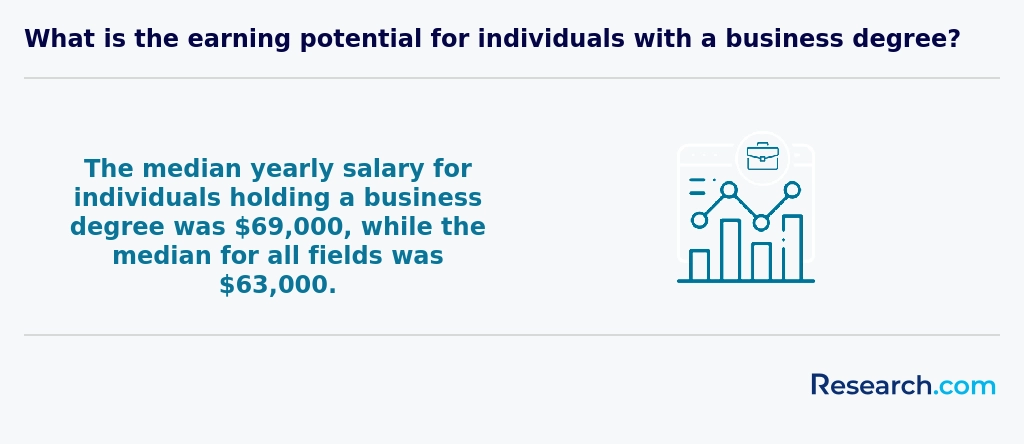
- Entry-level salaries for business graduates usually fall between $50,000 and $65,000 annually, with mid-career professionals earning $85,000 to $100,000.
- Employment in business and financial occupations in the region is projected to grow by about 5% over the next decade.
- Local scholarships and work-study options are available to help students manage educational expenses.
- Business graduates have steady job opportunities in sectors like finance, marketing, management, consulting, and retail management.
If you're thinking about getting a business degree in River Forest, you're probably wondering how long it'll take. Most grads from local schools like Dominican University find that a bachelor's degree usually takes about four years if you're going full-time. It's pretty much the classic path-around 120 to 130 credit hours spread out over those years.
But life happens, right? A lot of students balance work or family and go part-time, which can stretch things out beyond four years. On the flip side, some River Forest colleges have cool accelerated options where you can finish in three years by taking extra courses or summer classes.
For those aiming at an MBA around here, it varies too-full-time usually means one to two years, but part-time and flexible programs let you stretch it to three years or so, which is great if you're juggling a job.
Plus, many grads tell me that transferring credits from community colleges or using AP scores really helped shave off some time, making the whole journey feel quicker and a lot more doable.
Pursuing a business degree in River Forest, IL, can be a transformative decision, equipping students with the skills and knowledge necessary to excel in a competitive job market. When considering the value of a business degree, it's essential to weigh the benefits against the potential drawbacks. On one hand, a business degree from a reputable institution in River Forest, IL, can open doors to lucrative career opportunities, with median salaries ranging from $60,000 to over $100,000 depending on the role. Furthermore, the versatility of a business degree allows graduates to explore various sectors, from finance and marketing to entrepreneurship and human resources. For those interested in exploring more options, researching valuable business schools in illinois can provide valuable insights into the educational landscape and career prospects. On the other hand, the cost of pursuing a business degree can be substantial, and the job market is increasingly competitive. Despite these challenges, the skills and knowledge gained through a business degree program can provide a strong foundation for a successful and fulfilling career. By understanding the local job landscape and the skills that employers value, graduates can confidently embark on their career journeys in River Forest and beyond.
If you're thinking about a business degree in River Forest, you'll quickly notice the big difference between online and on-campus programs. Imagine a day in the life of an on-campus student at a local college: waking up, joining a lively classroom discussion, grabbing coffee with classmates, and maybe even catching a networking event with Chicago businesses nearby. Graduates often say these face-to-face connections made their learning feel real and exciting.
Now picture an online student balancing work or family while studying at their own pace. They log in when it fits their schedule, watch lectures, and join virtual chats. This flexibility is a lifesaver for many, especially those juggling a busy life. Some River Forest grads share how online courses kept them motivated without a long commute or strict class hours, though they sometimes missed the spontaneous conversations in hallways.
Both paths equip you with solid business skills but in totally different vibes - one with that hands-on college buzz, the other with comfy, flexible learning at home.
Investing in a business degree demands careful consideration of tuition costs, potential earnings, and the time needed to recoup that investment. In River Forest, IL, the average total cost for a four-year bachelor’s degree ranges from $45,040 at public in-state institutions to over $166,160 at private colleges. With median starting salaries of $65,000 and mid-career earnings climbing to $95,000+, graduates typically achieve payback in approximately 5–7 years, depending on program type and debt levels. Key factors influencing ROI include: • Debt-to-Income Ratio: Graduates who borrow an average of $30,000 can expect monthly payments of $300–$350 over 10 years. When paired with entry-level salaries of $60,000–$70,000, this ratio remains manageable, often below the recommended 10% threshold. • Program Format and Cost Savings: Online and hybrid programs can reduce living expenses and eliminate relocation fees. Prospective students seeking accelerated, affordable pathways may explore low cost mba online programs no gmat, which offer streamlined curricula and no-GMAT admissions. • Career Advancement and Salary Growth: Business analysts and project managers in River Forest report salary increases of 20–30% within five years post-graduation, shortening the break-even period. Specializations in data analytics and digital marketing often command premium salaries, further boosting long-term ROI. • Additional Value Drivers: Networking events, alumni mentorship, and internship placements significantly enhance employability and can translate into signing bonuses or accelerated promotions, effectively increasing overall return on investment. By weighing these variables-tuition, debt structure, program flexibility, and projected salary growth-students can make informed choices that optimize ROI and pave the way for a financially sustainable business career in River Forest, IL.
When it comes to the average cost of a business degree in River Forest, you're generally looking at a total expense of around $50,438. This figure reflects tuition, fees, and other essentials and is based on recent local data. Many graduates from Dominican University, one of River Forest's well-known schools, share that while the sticker price might seem steep at first, financial aid and scholarships often help bring it down to something more manageable.
Most students find that total expenses for business degree River Forest programs include more than just tuition-think books, supplies, and living costs. For example, a business student living near campus will tell you the extra expenses make a difference, but the overall investment feels worth it because of the quality education and networking opportunities offered. Although private school tuition tends to be higher, around $44,000 per year, compared to public institutions nearby, many find that scholarships and aid balance the costs.
For those weighing options, considering public universities-especially in-state-is smart, since their costs often fall in a lower range. To see which schools rank among the valuable business schools in Illinois, you can check out specific rankings that help highlight affordable yet impactful education paths focused on business careers.
Embarking on a business degree journey can be both exciting and challenging. To help you navigate this dynamic landscape, consider these expert tips that have proven invaluable for many students: • Develop a Clear Career Roadmap: Identifying your career goals early will help tailor your academic choices. Seek mentoring opportunities, attend industry-specific events, and actively participate in career workshops to refine your future path. • Leverage Internships and Networking: Practical experience is key. Engage in internships and build relationships with professionals, professors, and alumni. These connections often translate into lasting opportunities and insights about industry trends. • Embrace Continuous Learning: Beyond your coursework, strive to stay informed about emerging business trends, digital transformation, and sustainable practices. Regularly consult reputable industry publications and academic resources. • Utilize Available Resources: Take advantage of career counseling services and academic support programs offered by your institution. For those exploring alternative pathways, check out lists of easiest business degrees to find programs that best fit your learning style and career objectives. • Cultivate Essential Soft Skills: Success in today’s job market requires not just technical know-how but also strong communication, problem-solving, and teamwork skills. Participate in group projects, workshops, and leadership seminars that can help sharpen these competencies. Implementing these strategies can help you maximize your educational experience and lay a strong foundation for a successful career in business.
When you're chasing a business degree in River Forest, there are plenty of ways to ease the financial load. Graduates from local schools often share how crucial federal aid was-for example, Pell Grants that don't need paying back and can cover thousands of dollars each year. Plus, applying for federal student loans with low interest or subsidized options made a big difference during their studies at well-known River Forest colleges.
State aid is another big help. If you're living in Illinois, programs like the Illinois Monetary Award Program (MAP) can knock a serious chunk off tuition, which past students say felt like a weight lifted. Schools in River Forest also offer merit-based scholarships and work-study gigs, so you can earn money while gaining experience, something many grads found super rewarding.
Local business groups, like the River Forest Chamber of Commerce, toss in exclusive scholarships too, aimed at students wanting to make an impact in the area. And don't overlook national private scholarships-plenty of students told us digging into sites like Fastweb paid off big time by finding extra support outside campus. Starting early and applying widely is the secret!
Investing in a business degree is a significant financial commitment, and understanding the return on investment (ROI) can guide prospective students toward programs that deliver strong career outcomes. In River Forest, IL, graduates report an average starting salary of $62,000, rising to a mid-career median of $95,000 within ten years. These figures reflect not only the quality of education received but also the robust network and industry connections fostered by local institutions. When calculating ROI, it’s essential to weigh total program costs-including tuition, fees, and living expenses-against projected earnings. For example, a four-year bachelor’s degree at a private nonprofit college in River Forest may cost approximately $166,160, but graduates often achieve a salary premium that enables them to recoup this investment in under six years. Conversely, in-state public programs averaging $45,040 can shorten the payback period to around three years, making them an attractive option for cost-conscious students. Debt-to-income ratios further illustrate ROI: River Forest graduates typically carry student loan balances around $28,000, which, when paired with starting salaries, results in manageable monthly payments and a healthy debt-to-income ratio below 10%. Alumni success stories underscore the long-term benefits: one graduate who specialized in finance reported a 120% salary increase over eight years, while another in marketing leveraged internship experience to secure a leadership role that doubled her initial earnings. For students prioritizing affordability without sacrificing program quality, exploring out-of-region online offerings can be invaluable. Many budget-friendly alternatives mirror the curriculum and accreditation standards of local programs. Prospective applicants should consider our Inexpensive Online Business Degree Programs Ranking in Springfield, MO to compare low-cost pathways that deliver strong ROI and career outcomes.
If you're thinking about jumping into a business degree in River Forest, there are some key things you'll want to have lined up. Most students starting out come in with a high school diploma or something equivalent, which is a must-have for admission at popular spots like Elmhurst College or Concordia University Chicago. Graduates often say that having a solid grip on math and English really helps, since professors expect you to handle numbers and reports smoothly right from the get-go.
Standardized tests like the SAT or ACT usually pop up in applications, though some schools have gone test-optional recently. If you're aiming for grad programs like an MBA, you might need GRE or GMAT scores-something grads mention as a hurdle but totally doable with prep. Beyond grades and tests, schools look for letters of recommendation and personal essays that share your story and goals. Many students found these parts a good chance to show off leadership skills or passion for business.
Also, keep in mind some programs expect you to have taken basic courses in economics or accounting before jumping into advanced classes. International students in River Forest should plan to prove their English skills with tests like TOEFL. And yes, tuition and fees vary quite a bit, so understanding costs and financial aid options is crucial-many grads have joked about budgeting carefully but feeling it was all worth it!
If you're diving into a business degree in River Forest, you'll find yourself tackling courses that really prepare you for the real world. Graduates from local colleges often mention how core classes like Principles of Management gave them practical leadership skills - imagine leading a team project just like running a small business!
Financial and Managerial Accounting might sound tricky at first, but they're key to understanding how money moves in companies, something every business student learns hands-on through case studies and group assignments. Marketing Fundamentals isn't just theory either; you get to explore real marketing strategies that businesses in nearby Chicago actually use.
Then there's Business Law and Ethics, which really opened graduates' eyes to how important making the right choices is in business. Economics and Business Statistics bring the numbers side to life-picture analyzing market trends or customer data for a startup idea you're passionate about.
Plus, electives let you explore extras like international business or HR, making your degree feel personal and super relevant to your goals.
If you're diving into a business degree in River Forest, you'll find plenty of cool specializations to choose from. Graduates from popular local colleges often mention how the hands-on focus in fields like Accounting and Finance really helped them land internships in Chicago's buzzing financial scene. You could get into Marketing, where you learn all about digital ads and brand vibes, perfect if you're eyeing the city's marketing powerhouse jobs.
Management and Entrepreneurship are also big hits-students love how practical it gets, like learning to run a startup or manage teams. Those into tech side of things dig the Information Systems track, which gears them up for IT roles within businesses. The variety of business degree specializations River Forest offers means there's something for everyone, whether you're into numbers, people, or innovation. Feel free to check out lists of easiest business degrees if you want a smoother ride through college life.
Picking the best business degree programs River Forest has to offer means thinking about what fits your goals and lifestyle. Graduates from popular colleges around here often rave about how the strong ties to Chicago's business scene open doors for internships and real-world experience. If you're into finance or marketing, choosing a program with solid connections to local firms can really boost your chances of landing a good job after graduation.
Cost matters too, and that's where top affordable business schools in River Forest shine. Many students appreciate programs that balance quality education with manageable tuition fees, especially when factoring in living expenses. Plus, scholarships and financial aid can make a huge difference, so keep an eye out for those.
Also, check if the program offers something hands-on. Graduates often say that internships or projects with local businesses helped them feel confident stepping into their careers. If you want to explore flexible options, consider low cost mba online programs no gmat, which can fit well with busy schedules.

If you're looking at business degree jobs in River Forest, you'll find a bunch of awesome options thanks to the area's close ties with Chicago. Graduates from local colleges often jump straight into roles like financial analyst or investment advisor, taking advantage of Chicago's status as a financial hotspot. Many students share how internships at big firms around the city helped them land these positions, making the most of nearby opportunities.
Marketing and sales careers are also popular picks. Graduates from River Forest's well-known business programs often land gigs in digital marketing or brand management, where creative skills meet analytics. It's exciting to hear how some former students used their roles to climb into leadership, thanks to the steady growth in these fields around town. If you want practical ideas on how to start, check out Inexpensive Online Business Degree Programs Ranking in Springfield, MO for affordable degree options.
For those curious about career opportunities for business graduates River Forest really shines with management consulting jobs. Graduates often tell stories about advising local companies and even bigger Chicago corporations, helping with strategy and operations by applying what they learned.
Entrepreneurship is a big deal here too. Many graduates have excitedly launched startups, boosted by River Forest's supportive business community and access to resources like the Chicagoland Chamber of Commerce. The blend of hands-on support and networking really makes this a great place to turn business dreams into reality.
Graduates who earn a business degree in River Forest find themselves in a solid job market thanks to the area's connection to the larger Chicago metropolitan economy. Many students from popular local colleges share stories of landing jobs at financial services firms right in downtown Chicago or snapping up roles at consulting agencies nearby. Employers really appreciate skills learned during these programs-things like management, analytics, and marketing-which makes graduates feel confident stepping into their new careers.
Networking also plays a big role here. Business students enjoy accessing numerous events and professional organizations around River Forest, which often leads to internships or even full-time positions. The steady demand means employment opportunities for business graduates River Forest remain strong, with salaries that keep pace with national rates. Some graduates even boost their options by pursuing 1 year master degree programs to sharpen their resumes and accelerate career growth.
2027 Most Valuable Business Degree Programs Ranking in River Forest
Investing in your education is a significant decision that can shape your future, and the Research.com team understands the importance of making informed choices. To assist prospective students in River Forest, we have meticulously crafted the "2027 Most Valuable Business Degree Programs Ranking in River Forest." Our commitment to quality, credibility, and accuracy is reflected in the extensive research and analysis conducted to compile this ranking.
We utilized the following reputable data sources to ensure a comprehensive evaluation of business degree programs:
By exploring this ranking, readers will gain valuable insights into the most valuable business degree programs available in River Forest, empowering them to make well-informed decisions about their educational investments. For more details on our methodology, please visit our Research.com methodology page.


Frequently Asked Questions About business
Business degree students in River Forest can maximize their learning by engaging actively with local industry opportunities. River Forest's proximity to Chicago provides access to internships and networking events with firms in finance, marketing, and consulting. Students should seek internships during summer or academic terms to gain practical experience, as 70% of business graduates nationwide report internships helped them secure jobs (National Association of Colleges and Employers, 2023).
Additionally, participating in student organizations focused on business and entrepreneurship can enhance leadership skills and professional connections. Taking advantage of career services and attending workshops offered by nearby colleges enriches skill development. Finally, leveraging online resources alongside classroom learning supports a well-rounded education tailored to River Forest's competitive job market.
The business field is evolving rapidly, with several emerging niches gaining prominence in River Forest's academic and professional landscape. One of the fastest-growing areas is data analytics, where businesses use large datasets to drive decisions. According to the U.S. Bureau of Labor Statistics, jobs in this area are expected to grow 23% nationally by 2030, reflecting strong demand locally as well.
Another rising niche is sustainable business practices. Companies in River Forest increasingly seek experts who can develop eco-friendly strategies that balance profitability with social responsibility.
Additionally, digital marketing and e-commerce continue to expand, fueled by changes in consumer behavior and technology adoption in the region.
These niches offer promising opportunities for students pursuing business degrees, aligning education with market needs.
Preparing for the job market after completing a business degree in River Forest involves several key steps. Graduates should leverage local networking opportunities, as River Forest's proximity to Chicago offers access to a robust job market with diverse industries. According to the U.S. Bureau of Labor Statistics, business-related roles in the Chicago metropolitan area are expected to grow by 7% through 2030.
Internships and cooperative education programs, available through many River Forest colleges, provide crucial hands-on experience. Building a professional LinkedIn profile and attending career fairs can connect graduates with employers. Additionally, developing soft skills such as communication and teamwork is essential for success in the competitive business environment.
Employers in River Forest increasingly seek business degree graduates who demonstrate strong analytical and problem-solving skills. According to recent reports from the Illinois Department of Employment Security, candidates with the ability to interpret complex data and make strategic decisions have a competitive advantage.
Communication skills, both written and verbal, are also highly valued. Employers emphasize teamwork and leadership capabilities as essential for success in local firms and startups. Additionally, proficiency in technology, particularly in Excel, data management, and emerging business software, ranks among the top skills.
Adaptability and emotional intelligence are frequently mentioned by hiring managers as crucial for navigating evolving market conditions and workplace diversity in River Forest's business community.
Finding internships in River Forest relevant to a business degree involves a strategic approach combining local resources and broader professional networks. River Forest's proximity to Chicago, a major financial and corporate hub, provides students access to numerous companies offering internships in marketing, finance, and management. According to the Illinois Department of Employment Security, internships in these fields have grown by 8% annually in the Chicagoland area.
Students should leverage campus career centers and attend local business networking events hosted by chambers of commerce or professional groups. Online platforms like Handshake and LinkedIn also list positions specifically suited for business majors in the region. Additionally, River Forest College and universities nearby often partner with local firms to facilitate internship placements.
In River Forest, earning a business degree significantly enhances career mobility and advancement opportunities. According to U.S. Bureau of Labor Statistics data, individuals with business degrees generally experience faster salary growth compared to those without specialized education. The local economy, influenced by nearby Chicago's financial and corporate sectors, offers diverse positions in management, marketing, and finance that often require formal business training.
Employers in River Forest increasingly prioritize candidates with business degrees due to demonstrated skills in leadership, analytics, and strategic planning. Networking opportunities through local universities also contribute to career progression, connecting graduates to internships and job openings within suburban firms and regional headquarters.
Data from the Illinois Department of Employment Security highlights that business graduates in the Chicago metropolitan area enjoy unemployment rates lower than the state average, reflecting stable demand for business expertise. These factors collectively make a business degree a practical investment for career growth in River Forest.
Studying for a business degree in River Forest equips students with skills to excel in interdisciplinary roles by combining core business knowledge with practical experiences. Local programs often emphasize collaboration across fields such as finance, marketing, technology, and management, reflecting workplace demands.
River Forest benefits from proximity to Chicago's diverse economy, offering students internship opportunities in various industries. According to the Illinois Board of Higher Education, business graduates in the region show strong employment growth in cross-functional roles like project management and consulting.
Courses frequently include case studies and projects requiring teamwork among students from different disciplines. This approach fosters problem-solving and communication skills essential for navigating complex business environments.
Choosing between a thesis and a non-thesis business degree program in River Forest depends on your career goals and learning preferences. Thesis programs often suit students aiming for research roles or doctoral studies by emphasizing deep analytical skills and original research. In contrast, non-thesis tracks focus on practical knowledge with internships or capstone projects, appealing to those targeting immediate entry into business roles.
Local data from the National Center for Education Statistics shows that about 40% of business graduate students in Illinois opt for non-thesis paths, valuing time efficiency and applied learning. Your choice should align with professional ambitions and available resources in River Forest's academic institutions.
Students based in River Forest interested in studying business abroad have several pathways through partnerships and exchange programs offered by Illinois-based universities. Institutions such as Loyola University Chicago and DePaul University provide study abroad options in Europe, Asia, and Latin America focused on international business and management.
These programs often last a semester or a year and include internships or practicum components, enhancing real-world experience. According to the Institute of International Education, about 10% of U.S. business students participate in study abroad programs annually. River Forest students can leverage these partnerships to earn credits transferable to their U.S. degree.
Scholarships and financial aid are commonly available to support participation, lowering barriers for international study. Local academic advisors in River Forest recommend early planning to meet application deadlines and visa requirements.
River Forest offers a variety of part-time job opportunities that can effectively complement a business degree education. Many local businesses, including retail shops and service providers, seek part-time employees with basic knowledge in marketing, sales, and customer relations. This hands-on experience helps students develop practical skills in business communication and management.
Additionally, internships or assistant roles at financial services firms or consulting agencies in nearby Oak Park provide exposure to accounting, finance, and strategic planning. According to the U.S. Bureau of Labor Statistics, gaining relevant experience in these roles improves employability upon graduation.
Students may also explore opportunities in nonprofit organizations, which are common in the region, to enhance leadership and organizational skills.
Business students in River Forest benefit from a variety of networking opportunities through local colleges and community events. Institutions like Dominican University offer career fairs and workshops that connect students with regional employers and alumni. The proximity to Chicago's business hub also provides access to numerous professional meetups, industry conferences, and business incubators.
Additionally, local chambers of commerce and organizations such as the River Forest Chamber actively promote networking events aimed at young professionals and entrepreneurs. According to data from the Illinois Board of Higher Education, participation in these events correlates with higher internship placement rates among River Forest business students.
Alumni networks provide valuable support to business degree students in River Forest by offering access to industry connections and career opportunities. These networks often include graduates working in the Chicago metropolitan area, a major financial and corporate hub, which broadens students' professional reach.
Students benefit from mentorship programs that connect them with experienced professionals, enhancing their understanding of real-world business challenges. According to the National Association of Colleges and Employers, graduates with active alumni engagement tend to find jobs faster and earn higher starting salaries.
Local alumni-hosted events and webinars facilitate networking within River Forest's competitive business environment, fostering collaboration and job referrals.
Customizing a business degree program in River Forest allows students to align their education with specific career goals. Many local institutions offer flexible curricula with options to concentrate in areas such as marketing, finance, or entrepreneurship. Choosing electives strategically can develop skills tailored to targeted industries in the Chicago metropolitan area, which surrounds River Forest.
Internships and cooperative education programs with nearby companies provide practical experience and networking opportunities. According to the Illinois Board of Higher Education, experiential learning enhances job prospects for business graduates in this region by over 20%.
Students can also pursue minors or certificates in complementary fields like data analytics or international business to broaden expertise. Careful academic advising helps ensure that course selections support the desired career path.
Business students in River Forest often face challenges related to balancing academic workload and practical experience. Many programs require internships or cooperative education, which can be difficult to secure given the competitive local market.
Additionally, students encounter high tuition costs, with private institutions in the area averaging over $45,000 per year, creating financial pressure and potential student debt.
Another obstacle is staying updated with rapidly changing business technologies and trends. Courses must adapt quickly to cover new software, analytics tools, and digital marketing strategies to remain relevant.
Finally, networking opportunities, while available in River Forest, may be limited compared to larger metropolitan areas, potentially impacting job placement after graduation.
With a business degree, professionals in River Forest can pursue various certifications to enhance their career prospects. Popular options include the Certified Public Accountant (CPA), especially for those interested in accounting or finance roles. The CPA credential is widely recognized across the US and requires passing a standardized exam and meeting state-specific experience requirements.
Another key certification is the Project Management Professional (PMP), ideal for business graduates focusing on leadership and project coordination. PMP certification demands relevant project experience and passing an exam administered by the Project Management Institute.
Additionally, the Certified Financial Planner (CFP) credential suits those aiming for financial advisory careers. River Forest professionals benefit from growing demand in financial services reflected in regional labor statistics from the Bureau of Labor Statistics.
Obtaining these certifications often requires continued education, aligning well with the educational resources available in the Chicago metropolitan area near River Forest.
To write a winning application for a business program in River Forest, begin by clearly demonstrating your understanding of business fundamentals and local economic conditions. Highlight relevant experiences such as internships or jobs that relate to the Chicago metropolitan area, which heavily influences River Forest's economy.
River Forest benefits from proximity to a strong business community, including firms in finance, consulting, and technology. Showcase your knowledge of these sectors in your personal statement to show alignment with local industry demands.
Additionally, use your essays to reflect critical thinking and leadership skills, as Illinois business schools value these traits highly. Submit well-organized materials and request strong recommendation letters from professionals familiar with your business aptitude to strengthen your case.
Global perspectives on a business career emphasize adaptability and cultural awareness, traits increasingly valued in today's interconnected economy. For students considering business degrees in River Forest, understanding international markets is vital, as nearly 60% of U.S. businesses engage in some form of global trade, according to the U.S. Census Bureau (2023).
The U.S. Bureau of Labor Statistics projects a 7% growth in management occupations through 2031, reflecting demand for skills applicable worldwide. Business programs in River Forest often integrate case studies on multinational corporations and cross-border strategies to prepare graduates for global challenges.
Networking opportunities with alumni working abroad and local companies involved in international commerce can further enhance global readiness. Such exposure equips graduates to navigate diverse economic landscapes confidently.
Gaining practical experience while studying for a business degree in River Forest is essential for career success. Many local institutions encourage internships at nearby firms, including those in Oak Park and Chicago, which hosts over 150,000 businesses as of 2023 (U.S. Census Bureau). Internships offer real-world exposure, helping students apply classroom knowledge to workplace challenges.
Additionally, business students can participate in cooperative education programs that integrate work experience with academic study. These programs often provide paid opportunities in areas such as marketing, finance, or management.
Networking events and business clubs on campus also support skill development and industry connections. Students should explore these options early to maximize hands-on learning.
Choosing the right concentration within a business degree program in River Forest begins with understanding local industry demands. The Chicago metropolitan area, including River Forest, is a hub for finance, healthcare, and manufacturing, influencing popular concentrations like finance, healthcare administration, and supply chain management. According to the U.S. Bureau of Labor Statistics, jobs in these sectors are projected to grow 6-8% over the next decade.
Students should evaluate their personal interests and career goals alongside job market trends. River Forest institutions often offer guidance through career services and internships with nearby companies, providing real-world experience. Reviewing course content and speaking with academic advisors can clarify which concentration fits best. Ultimately, selecting a concentration that aligns with both employment opportunities and individual strengths enhances career prospects in River Forest's competitive economy.
- 2027 Most Valuable Business Degree Programs Ranking in Chicago
- 2027 Most Valuable Business Degree Programs Ranking in Kenosha
- 2027 Most Valuable Business Degree Programs Ranking in Milwaukee
- 2027 Most Valuable Business Degree Programs Ranking in West Lafayette
- 2027 Most Valuable Business Degree Programs Ranking in Madison
- 2027 Most Valuable Business Degree Programs Ranking in Grand Rapids
- 2027 Most Valuable Business Degree Programs Ranking in Fort Wayne
- 2027 Most Valuable Business Degree Programs Ranking in Dubuque
- 2027 Most Valuable Business Degree Programs Ranking in Indianapolis
- 2027 Most Valuable Business Degree Programs Ranking in Ann Arbor
See What Experts Have To Say About Studying Business
Read our interview with Business experts

Ingrid S. Greene
Business Expert
Clinical Assistant Professor of Management
Loyola Marymount University


David W. Stewart
Business Expert
Emeritus President's Professor of Marketing
Loyola Marymount University

- Exploring Different Types of Business Majors https://www.ivywise.com/ivywise-knowledgebase/exploring-different-types-of-business-majors/
- Global Perspectives: International Opportunities for Business School Students - SBS Swiss Business School https://sbs-uae.org/global-perspectives-international-opportunities-for-business-school-students-3/
- Top 10 Emerging Business Niches of 2026 & How to Plan for Them https://prometai.app/blog/emerging-niches-business-planning
- Bringing global perspectives to leadership in business https://www.eaie.org/resource/global-perspectives-leadership-business.html
- Business Study Abroad Programs | Go Overseas https://www.gooverseas.com/study-abroad/business
- Business Office - Oak Park and River Forest High School https://www.oprfhs.org/about/business-office
- 5+1: Five challenges facing business schools and one solution https://charteredabs.org/insights/opinion/51-five-challenges-facing-business-schools-and-one-solution
- Green Jobs: Exploring Forest Careers - Activity 1 - Who Works in this Forest? - Project Learning Tree https://www.plt.org/activity-resources/green-jobs-exploring-forest-careers-activity-1-who-works-in-this-forest/
- The Seven Biggest Challenges Faced by Student Entrepreneurs https://venturewell.org/blog/five-biggest-challenges/
- 1. Online registration https://moderna.edu.pl/majors/management/bachelor-of-management/business-management/