
2027 Most Affordable Business Degree Programs Ranking in Michigan

Co-Founder and Chief Data Scientist
Choosing the right business degree can shape your future, especially when affordability matters. This article introduces the 2027 Most Affordable Business Degree Programs Ranking in Michigan, compiled by the Research.com team of skilled data scientists. It's designed to help you make an informed choice about which programs truly offer value for your investment.
By exploring this ranking, you'll discover options that balance quality education and cost, paving the way for new career opportunities. If you're considering a business degree, this guide is an encouraging step toward a brighter future in Michigan's competitive job market.
Key benefits of getting business degree in Michigan
- Business degree graduates in Michigan can earn competitive salaries, with roles like Business Development Executive averaging $83,190 annually and Business Analyst roles paying about $112,950 per year.
- Graduates from popular Michigan universities often find diverse career paths including marketing, finance, and management, opening doors to exciting and rewarding job opportunities.
- Online business degrees offer flexible scheduling and the ability to study while working, making education more accessible and allowing graduates to quickly apply new skills in their current roles.
- 2027 Most Affordable Business Degree Programs Ranking in Michigan
- What can I expect from business degree in Michigan?
- Where can I work with business degree in Michigan?
What can I expect from business degree in Michigan?
The average cost of a business degree in Michigan varies widely, but many students find public universities like the University of Michigan and Michigan State University offer more affordable tuition rates, especially for in-state residents. Graduates often recall balancing the cost against quality, noting that scholarships and financial aid specifically for business programs made their investment manageable and rewarding. For example, a graduate from Wayne State University shared how targeted financial assistance allowed focusing on internships in Detroit's booming automotive sector without overwhelming debt concerns.
These experiences highlight how cost considerations don't have to limit opportunities. Public institutions generally provide a practical path toward earning a degree, with tuition often lower by thousands compared to private counterparts. Students also emphasize the value of connecting coursework to local industries, which enhances job prospects post-graduation-turning tuition into an investment with real-world returns.
Looking forward, as Michigan's economy grows in tech and green energy, financial support for innovative business tracks may expand, potentially lowering costs further for future students eager to enter emerging markets.
Where can I work with business degree in Michigan?
Graduates from business programs at institutions like the University of Michigan and Michigan State often find themselves stepping into dynamic careers across Detroit's automotive giants, such as General Motors and Ford. These roles frequently involve supply chain management or operations, where analytical skills meet real-world challenges in a fast-paced environment. Many recall the excitement of managing projects that directly impact the future of transportation innovation.
Others discover opportunities in expanding financial hubs like Troy and Southfield, applying their knowledge in banking or insurance firms. Entry-level positions in financial analysis or sales serve as solid foundations, with many students sharing stories of rapid professional growth fueled by Michigan's growing economy.
Health care administration is also a promising path, especially near Ann Arbor's medical centers. Business graduates often contribute as human resources or financial planners, experiencing firsthand the fulfillment of supporting complex organizations that improve community well-being.
Startups around Grand Rapids and Ann Arbor provide entrepreneurial business majors with vibrant playgrounds for innovation, business development, and project management. Graduates describe an energizing atmosphere where their skills help launch new ventures, supported by resources like the Michigan Small Business Development Center.
Graduates from business programs at universities like the University of Michigan or Michigan State University often see promising salary prospects. For example, business analysts in Michigan earn a mean annual wage of about $112,950, reflecting the high demand for analytical skills in sectors such as finance and technology.
Business development executives also enjoy competitive pay, with a mean annual salary near $83,190, which aligns well with roles focused on growth and strategy within Michigan's diverse economy. These figures highlight the real-world value of a business degree, especially when coupled with internships and networking opportunities prevalent in cities like Detroit or Ann Arbor.
Students from Michigan's top business schools often share enthusiasm about emerging fields like data analytics and strategic business development, where their education directly boosts earning potential. With these roles offering salaries that can grow quickly as skills and responsibilities increase, many feel optimistic about their financial futures after graduation.
Choosing a business degree in Michigan today means stepping into a landscape rich with possibilities and solid compensation, particularly for those eager to innovate or lead within thriving industries.
- The average annual tuition for business programs at public universities in Michigan ranges from $13,000 to $17,000 for in-state students.
- Private business schools in Michigan typically charge over $35,000 per year.
- Entry-level salaries for business graduates in Michigan average about $52,000 annually.
- Experienced business professionals in finance, marketing, and management often earn more than $85,000 per year.
- Michigan's job market for business and financial occupations is strong, with unemployment rates near or below the national average.
- Many universities offer BBA and MBA programs, including options accredited by AACSB, and provide internships for practical experience.
Completing a business degree in Michigan often takes about four years for a full-time bachelor's student, a timeline many graduates from the University of Michigan's Ross School of Business and Michigan State University's Broad College of Business find both manageable and rewarding. Imagine balancing coursework with internships in Detroit's vibrant business scene, making those four years fly by as you build valuable connections and skills.
For those choosing associate degrees at community colleges, the journey tends to be faster-around two years-perfect for students eager to quickly enter the workforce or transfer credits to a bachelor's program later. Graduates often share how finishing early gave them a strong start in entry-level roles, sparking excitement for future growth.
Graduate degrees like an MBA usually range from one to two years full-time, though part-time options stretch over three to four years, allowing working professionals in Michigan to grow their careers while studying. These flexible timelines reflect the state's understanding of diverse student needs, creating an encouraging environment for all business learners.
Graduates from the University of Michigan often reflect warmly on the vibrant, face-to-face interactions that on-campus business programs provide. The energy of collaborating on group projects in lively classrooms or networking events on campus creates a sense of community that fuels motivation and future career opportunities. In contrast, business students from Michigan State University highlight the flexibility of online programs, sharing how balancing coursework with family responsibilities became doable thanks to asynchronous classes. This digital approach allows for learning at one's own pace without sacrificing the quality expected from Michigan's accredited institutions.
Looking ahead, the blending of these formats might intensify, with Michigan schools adopting hybrid models that offer both the camaraderie of in-person settings and the convenience of virtual classrooms. Imagine students attending occasional on-campus workshops for hands-on experiences while completing most coursework online-optimizing both schedules and social networking. With tuition in Michigan ranging widely, this evolution could also influence cost structures, making higher education more accessible while maintaining the personalized support that students value deeply.
Navigating your business degree journey goes beyond choosing an affordable program-it’s about actively shaping your future success. Embrace a proactive approach by taking advantage of campus career centers, professional development workshops, and mentorship programs offered by universities. Seek out internships and co-op opportunities early on; these real-world experiences serve as a launchpad for your career and help you build a robust professional network. In addition, it’s crucial to understand the financial aspects of your education to optimize your overall return on investment. For instance, evaluating the business degree cost alongside available scholarships and in-state tuition benefits can inform strategic decisions and minimize financial strain. Regularly engaging with faculty and alumni can provide insider insights into industry trends and help tailor your curriculum focus, ensuring you acquire the skills that are most prized in the job market. Finally, integrate continuous learning into your routine by participating in seminars, industry panels, and online courses related to emerging business technologies and market strategies. This holistic approach not only enriches your academic experience but also positions you as a competitive candidate ready to excel in Michigan’s dynamic business landscape.
The average cost of obtaining a business degree in Michigan typically centers around a median total of approximately $46,354, although this figure can vary notably depending on residency status and institution type. In-state students often find their total costs closer to $23,000, which makes pursuing business studies at popular public universities like Michigan State University or the University of Michigan more financially accessible. Many graduates from these institutions express satisfaction with balancing quality education and affordability, appreciating the value of their investment.
Out-of-state students, however, often encounter higher expenses, aligning closely with the median out-of-state total cost of $46,354. While this may feel daunting, students frequently highlight the enriching experience of diverse campus communities and widely respected business programs. At private colleges such as Walsh College or the University of Detroit Mercy, the costs tend to be on the higher end of the spectrum but come with benefits like smaller class sizes and tailored course offerings, which some find worth the extra investment.
When exploring Michigan affordable business degree programs cost, it's crucial to consider that tuition is only part of the story. Additional expenses like housing, textbooks, and materials can add significantly to the yearly budget. Many students recommend carefully examining all costs and pursuing scholarships or aid available at their chosen universities. Those interested in flexible learning options might explore an affordable online business school in Michigan to potentially reduce costs while advancing their career goals.
When evaluating the true affordability of a business degree in Michigan, understanding the return on investment (ROI) is essential. By comparing total program costs with median post-graduation earnings, prospective students can make data-driven decisions that align with their financial goals. On average, in-state tuition for a four-year bachelor’s business program in Michigan is approximately $38,496 per year, resulting in a total investment of around $153,984. Graduates entering roles such as Business Analysts ($108,790/year) or Project Managers ($80,220/year) typically recoup their educational expenses within 2–3 years, assuming steady employment and average living costs. Key factors influencing ROI include program length, delivery format, and career trajectory. For example, accelerated options-like a one year mba distance education-can significantly shorten the payback period by reducing tuition outlays and lost income. Online and hybrid formats further lower indirect expenses (commuting, housing) without sacrificing accreditation or employer recognition. To calculate your personalized ROI: 1. Total Cost of Attendance (TCA): Sum of tuition, fees, textbooks, and ancillary expenses. 2. Expected Annual Earnings (EAE): Median salary for your target role in Michigan. 3. Break-Even Point (BEP): TCA ÷ EAE. For instance, a TCA of $153,984 divided by an EAE of $80,220 yields a BEP of 1.92 years. Graduates who pursue internships and leverage campus career services often accelerate this timeline by securing higher‐starting salaries or signing bonuses. Ultimately, a comprehensive ROI analysis empowers students to choose the most cost-effective business degree program in Michigan, ensuring both academic excellence and financial sustainability.
Business students in Michigan frequently rely on federal financial aid options such as Pell Grants and the Federal Work-Study Program to ease tuition costs. Imagine an undergraduate at the University of Michigan's Ross School of Business balancing classes while working part-time on campus through work-study, feeling empowered by the financial support that lets them focus on their studies rather than overwhelming debt.
State initiatives like the Michigan Competitive Scholarship and Tuition Incentive Program also play a significant role. For example, a graduate from Michigan State University might recount how the TIP helped cover community college fees before transferring to a four-year program, creating a smoother, more affordable path to a business degree.
In addition to public aid, many students discover merit-based scholarships that reward leadership and academic excellence, inspiring them to pursue ambitious goals without financial hesitation. Community scholarships offered by local businesses further bridge gaps, fostering strong connections between students and Michigan's evolving business landscape.
Expanding your search beyond Michigan’s borders can uncover additional affordable business degree pathways, especially through accredited online programs that often waive out-of-state tuition premiums. When evaluating out-of-state or fully online business degrees, prioritize accreditation, transfer-credit policies, and flat-rate tuition models to ensure total cost transparency. These programs can deliver the same rigorous curriculum in management, finance, and marketing while offering scheduling flexibility for working professionals. To compare costs and outcomes, consider reviewing programs in other regions with competitive pricing and strong industry ties. For example, Research.com’s Inexpensive Online Business Degree Programs Ranking in Virginia Beach, VA highlights institutions where tuition, fees, and support services are optimized for affordability. By benchmarking Michigan’s tuition rates against these online options, you can project your return on investment more accurately and identify programs that balance quality with cost savings. Ultimately, integrating out-of-state and online offerings into your decision-making process enhances your ability to secure a business degree that aligns with both your career goals and budget constraints-without sacrificing program rigor or networking opportunities.
Enrolling in a business degree program in Michigan commonly begins with securing a high school diploma or its equivalent for undergraduates, often paired with submitting SAT or ACT scores, although test-optional policies are gaining traction at institutions like the University of Michigan and Michigan State University. Graduates recall how official transcripts emphasizing strengths in math and English played a crucial role in their acceptance, reflecting the importance placed on foundational skills.
Many prospective students find that completing a detailed application along with personal essays and, occasionally, recommendation letters offers a chance to showcase their unique ambitions and strengths. For graduate programs, especially MBA tracks popular in Detroit-area schools, a bachelor's degree with a solid GPA serves as a baseline, while GMAT or GRE scores may be waived if significant professional experience - often two to three years - is demonstrated.
Financial planning is more than just a checklist; graduates often speak about the relief of securing scholarships or aid programs amid Michigan's average in-state tuition of about $14,000 yearly. Anticipating prerequisites like introductory courses in accounting or economics helps students confidently navigate their first semesters, fueling excitement for future opportunities.

When selecting a business degree program in Michigan, it's essential to consider several factors that can impact your educational experience and future career prospects. One crucial aspect is the cost of the program and the availability of financial aid. Prospective students can explore various options, such as the affordable online business school in Michigan, which offers flexibility and affordability. By weighing factors like accreditation, program offerings, cost, and reputation, you can make an informed decision that aligns with your career aspirations and financial realities. This careful consideration will enable you to choose a program that not only provides a quality education but also sets you up for success in the competitive job market.
Business degree programs in Michigan typically include courses that blend foundational knowledge with real-world relevance. Graduates from the University of Michigan and Oakland University often recall how Principles of Management helped them understand team dynamics during internships at Detroit-based companies, while Marketing Fundamentals opened doors to creative campaign strategies in local startups.
Courses like Financial Accounting and Managerial Accounting become more than just theory when students at Michigan State University apply these skills managing budgets for campus organizations or analyzing investment opportunities in community projects.
Emerging trends in the region's economy mean topics like Information Systems and Business Ethics are increasingly vital, especially as students engage with the automotive and tech industries in Detroit's evolving marketplace.
Economics and Operations Management classes prepare students for Michigan's manufacturing landscape by illustrating supply chain challenges faced by local firms. This practical, hands-on approach creates confident graduates ready to contribute strategically to diverse business environments across the state.
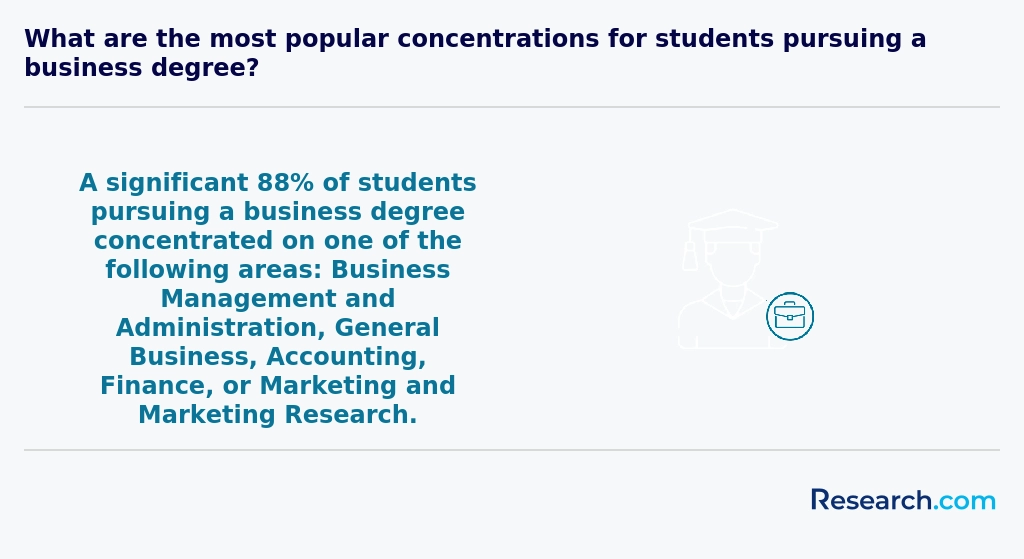
Michigan's business degree specializations offer a rich variety of paths that reflect the state's evolving economic landscape. Graduates from universities like the University of Michigan and Michigan State often highlight how focusing on Finance or Supply Chain Management connected them directly to Detroit's automotive and manufacturing sectors, making real-world applications feel immediate and rewarding. The rise of Business Analytics programs is especially exciting, as students learn to harness data for strategic decisions, a skill increasingly valued in a digital economy. Marketing specializations, meanwhile, are adapting to new trends in digital consumer behavior, preparing students for dynamic careers in brand management and advertising.
Many students appreciate how these specializations blend traditional strengths-such as Accounting, which thrives under Michigan's regulatory framework-with emerging areas like Entrepreneurship, energized by the state's startup ecosystem. Considering Michigan affordable business degree options, these focused programs not only prepare students for current demands but also foster adaptability for future shifts.
Those exploring options often weigh factors like business degree cost and specialization fit to make informed decisions that align with their career ambitions.
Choosing the best business degree in Michigan means looking beyond rankings and focusing on how the program fits your future ambitions. Graduates from well-known schools like the University of Michigan's Ross School of Business often highlight how specialized programs, especially those with AACSB accreditation, shaped their careers. These schools offer concentrations closely tied to Michigan's strong automotive and manufacturing industries, creating exciting opportunities for the best affordable business degree programs in Michigan.
Successful alumni often mention how flexible formats-part-time or online classes-allowed them to work while studying, gaining real-world experience without interrupting their career path. For those exploring rapid advancement, programs with strong corporate connections, like Michigan State's Broad College of Business, provide valuable internships and networking that lead to higher job placement rates. Considering emerging options, some students turn to one year mba distance education, which offers an efficient route that blends convenience with career growth.
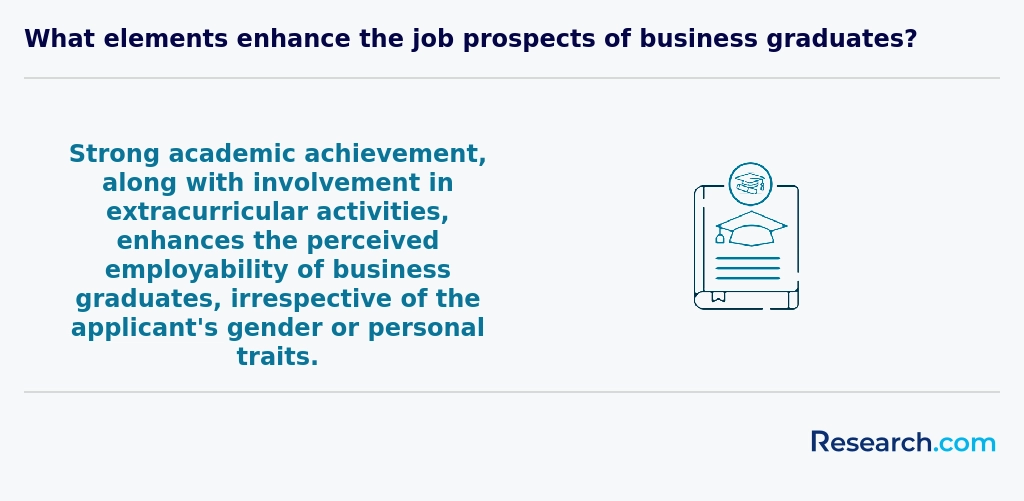
Graduates with a business degree in Michigan find a wide array of career paths shaped by the state's dynamic economy. Many step into financial analysis roles within Detroit's bustling financial sector, leveraging their skills to interpret market trends and guide investments. Marketing careers also flourish, especially for those trained at popular universities like the University of Michigan or Michigan State University, where graduates enjoy helping local companies innovate in digital marketing and brand strategy. This variety illustrates strong business degree career opportunities in Michigan as digital transformation accelerates across industries.
Management positions remain a cornerstone, with graduates often reflecting on how internships and projects in Michigan's manufacturing hubs helped them confidently lead teams. Entrepreneurs, inspired by incubators in Ann Arbor or Detroit, launch startups that tap into emerging tech and green energy markets, embodying the spirit of Michigan business degree job prospects. Many also embrace roles in human resources or supply chain management, vital to sustaining regional growth.
For students weighing costs and benefits, exploring options like the Inexpensive Online Business Degree Programs Ranking in Virginia Beach, VA can offer financial flexibility while pursuing these promising careers.
The business degree job outlook in Michigan reveals a promising landscape for graduates ready to dive into diverse industries. With metropolitan hubs like Detroit and Ann Arbor bolstering economic growth, recent business graduates from universities such as the University of Michigan's Ross School of Business or Michigan State University often find themselves thriving in roles related to financial analysis, project management, or supply chain operations. These students commonly share stories of landing internships with Fortune 500 companies, which pave the way for stable entry-level positions paired with competitive salaries ranging from $50,000 to $60,000 annually.
Many business graduates appreciate that Michigan's varied economy offers opportunities across healthcare administration, manufacturing, and finance, reinforcing why the Michigan career opportunities for business graduates remain strong. The growing entrepreneurial ecosystem also fuels excitement among graduates launching startups or entering innovation-driven roles. Students balancing their education with fast track college courses report gaining valuable skills that align with this trend, boosting their employability and readiness for the evolving market.
2027 Most Affordable Business Degree Programs Ranking in Michigan
Investing in your education is a significant decision that can shape your future, and the Research.com team understands the importance of making informed choices. To assist prospective students in Michigan, we have meticulously developed the "2027 Most Affordable Business Degree Programs Ranking in Michigan." Our commitment to quality, credibility, and accuracy is demonstrated through the thorough research and analysis behind this ranking. We utilized the following reputable data sources to ensure a comprehensive evaluation of business degree programs:
By exploring this ranking, readers will gain valuable insights into affordable, high-quality business degree options across Michigan, empowering them to make well-informed educational decisions. For more information on how this ranking was created, please visit our Research.com methodology page.


Frequently Asked Questions About business
Business degree students in Michigan can maximize their learning by actively engaging with local industries. Michigan's economy, driven by sectors like automotive, technology, and manufacturing, offers numerous internship and networking opportunities. According to the Michigan Economic Development Corporation, internships provide real-world experience that complements classroom knowledge.
Students should also leverage campus resources such as business clubs and career services. Participating in case competitions and workshops can enhance problem-solving skills and professional readiness. Furthermore, choosing programs accredited by the Association to Advance Collegiate Schools of Business (AACSB) ensures a rigorous curriculum recognized nationwide.
Lastly, staying informed about Michigan's evolving market trends through resources like the Detroit Regional Chamber can help students align their studies with local economic demands.
The business field in Michigan is evolving with new niches that reflect the state's economic strengths and technological advancements. One rapidly growing area is supply chain management, driven by Detroit's role as a major manufacturing hub. According to the Michigan Economic Development Corporation, demand for professionals skilled in logistics and operations is increasing as companies seek to optimize global supply chains.
Another emerging niche is sustainable business practices. Michigan businesses are adopting green technologies, creating demand for experts in environmental finance and corporate social responsibility. Data analytics is also prominent, with the Bureau of Labor Statistics noting a 15% growth in data-related business roles statewide over the past five years.
Additionally, health care management is expanding, reflecting Michigan's strong medical sector. These niches offer promising career paths for business students looking to align with local industry trends.
Graduates with a business degree in Michigan can enhance their job market readiness by combining strong academic credentials with practical experience. Many Michigan employers value internships and cooperative education programs, which provide hands-on skills and networking opportunities. According to the Michigan Department of Technology, Management & Budget, sectors like finance, manufacturing, and healthcare show steady demand for business talent.
Building a professional network through university career services and local business organizations, such as the Michigan Business Network, is crucial. Additionally, obtaining relevant certifications like CPA or CFA can improve competitiveness. Utilizing resources from the Michigan Economic Development Corporation helps graduates align skills with regional economic needs.
Employers in Michigan seek specific skills when hiring business degree graduates, reflecting the state's diverse economy. According to the Michigan Economic Development Corporation, critical thinking and problem-solving abilities are among the top traits companies desire, as businesses face constant market changes.
Additionally, communication skills, both written and verbal, are vital for collaboration across Michigan's strong manufacturing, finance, and technology sectors. Proficiency in data analysis tools is increasingly important given the rise of data-driven decision-making in regional businesses.
Leadership and teamwork remain essential, with nearly 70% of Michigan employers valuing graduates who can guide projects and work well in groups, based on surveys by the Michigan Association of Colleges and Employers.
Finding internships in Michigan relevant to a business degree involves leveraging multiple local resources and networks. The Michigan Economic Development Corporation reports that Detroit, Grand Rapids, and Ann Arbor host numerous corporate headquarters and startups offering business internships.
Start by visiting university career centers, which often partner with local companies to provide internship listings tailored to business students. Websites like Handshake and Michigan Talent Connect also aggregate regional internship opportunities specifically for Michigan residents.
Networking remains crucial; joining business student organizations and attending career fairs hosted by institutions such as the University of Michigan or Michigan State University can connect students with employers. Additionally, the Michigan Small Business Development Center offers valuable contacts and guidance.
Internships in Michigan's finance, automotive, and technology sectors offer practical experience, supporting strong job placement rates after graduation, as reported by the National Association of Colleges and Employers.
In Michigan, earning a business degree significantly enhances career mobility and advancement opportunities. The state's diverse economy, which includes industries like automotive, finance, and technology, demands skilled business professionals. According to the Michigan Department of Labor and Economic Opportunity, jobs in management, finance, and marketing are projected to grow steadily by 7% through 2028, highlighting strong demand for business graduates.
A business degree equips students with critical skills such as leadership, strategic thinking, and financial analysis, making them attractive candidates for promotions and new roles. Graduates often access higher salaries and faster career progression compared to those without degrees.
Additionally, Michigan's growing business hubs-Detroit, Grand Rapids, and Ann Arbor-offer networking and internship opportunities that support career advancement.
Studying for a business degree in Michigan equips students with skills relevant to interdisciplinary roles through a curriculum combining core business disciplines with related fields. Many Michigan universities integrate courses in economics, information technology, and communications, fostering a broad understanding needed in diverse industries.
For example, the University of Michigan's Ross School of Business emphasizes data analytics and leadership, preparing graduates for roles that cross traditional business functions. According to the Michigan Department of Labor, over 40% of regional jobs require workers to apply skills from multiple disciplines, highlighting the demand for such education.
Additionally, partnerships with Michigan's manufacturing and tech sectors offer practical exposure to interdisciplinary challenges.
Choosing between a thesis and a non-thesis business degree program in Michigan depends on your career goals and learning preferences. Thesis programs typically emphasize research, requiring students to develop original work under faculty supervision. This path suits those aiming for academic roles or advanced study, like a PhD. Non-thesis programs focus more on practical skills and coursework, appealing to professionals seeking direct entry or advancement in Michigan's diverse business sectors.
Michigan's strong presence in industries such as automotive and finance, according to the Michigan Economic Development Corporation, encourages practical knowledge. Students should consider their time availability and interest in research when deciding. Graduate programs at universities like the University of Michigan or Michigan State offer both options with varied requirements.
Students in Michigan interested in studying business abroad have several pathways through U.S. institutions with established international programs. Many Michigan universities, including the University of Michigan and Michigan State University, offer exchange programs with partner schools worldwide. These programs often allow students to earn credit toward their business degrees while experiencing different cultures.
Additionally, some Michigan colleges participate in consortiums such as the Michigan International Internship Program, providing internships and study opportunities in global business hubs. According to the Institute of International Education, business students represent a significant portion of study abroad participants from Michigan, highlighting strong institutional support.
These options help Michigan students gain valuable international experience without sacrificing progress toward their degree.
Students pursuing business degrees in Michigan can benefit from a variety of part-time job opportunities that reinforce their academic knowledge. Common roles include administrative assistants, retail sales associates, and customer service representatives. These positions enhance skills in communication, organization, and sales-core components of business education.
Internships or assistant roles within local firms also provide practical experience in areas like marketing, finance, and project management. According to the Michigan Workforce Development Agency, sectors such as professional services and finance are growing steadily, creating increased demand for entry-level business roles.
Additionally, part-time employment in Michigan's strong automotive industry can offer unique insights into supply chain and operations management. Using these jobs strategically helps students build resumes with relevant skills before graduation from their business programs.
Business students in Michigan benefit from extensive networking opportunities through university-sponsored events and local professional organizations. Many Michigan schools partner with the Detroit Regional Chamber, which represents over 1,000 businesses and offers networking mixers, workshops, and mentoring programs. The state's strong automotive and finance sectors create valuable industry connections. For example, the University of Michigan's Ross School of Business hosts an annual Career Fair attracting more than 200 employers, including major companies like Ford and JPMorgan Chase.
Additionally, organizations such as the Michigan Business Network provide platforms for students to engage with entrepreneurs and alumni. These connections can lead to internships, job placements, and collaboration opportunities early in students' careers.
Alumni networks play a significant role in supporting business degree students in Michigan by providing valuable professional connections and mentorship opportunities. Many Michigan universities with business programs, such as the University of Michigan and Michigan State University, have extensive alumni communities. These networks often host events, workshops, and panels that connect current students with successful graduates working in Michigan's diverse business sectors.
Studies show that networking through alumni can increase job placement rates and career advancement. In Michigan, where industries like automotive, finance, and technology are prominent, alumni connections can open doors to internships and employment in major companies. According to the Michigan Economic Development Corporation, leveraging alumni networks contributes to higher employment prospects for business graduates across the state.
Engagement with alumni networks also fosters skill development through real-world advice and insights. This dynamic environment helps business students navigate career challenges specific to Michigan's economic landscape, enhancing their overall readiness for the job market.
Customizing a business degree program in Michigan allows students to align education with specific career goals. Many institutions offer concentrations such as finance, marketing, supply chain management, or entrepreneurship. Choosing relevant electives enhances expertise in targeted areas. Internships with Michigan's diverse industries, such as automotive or healthcare, provide practical experience and networking opportunities.
Students can also select programs with flexible formats, including online or part-time options, suited for working professionals. Accreditation by bodies like AACSB ensures quality education recognized by employers.
According to the Michigan Department of Labor, business-related roles are projected to grow significantly, emphasizing the value of specialized knowledge.
Business students in Michigan often face financial challenges due to rising tuition costs. According to the National Center for Education Statistics (NCES), the average annual tuition at Michigan public universities was over $15,000 in 2023. Many students must balance part-time jobs with demanding coursework, which can affect academic performance. Additionally, access to high-quality internships varies; while Detroit offers opportunities in automotive and finance sectors, competition remains intense.
Students also navigate rapidly changing business environments shaped by technology and economic shifts, requiring strong adaptability. Networking opportunities, essential for career advancement, can be limited outside major metro areas. These factors contribute to the pressure Michigan business students encounter during their studies.
With a business degree in Michigan, students can pursue several professional certifications that enhance career prospects. Common options include the Certified Public Accountant (CPA) credential, which is highly valued in accounting and finance roles and requires passing a uniform exam along with meeting state-specific education and experience criteria.
Another popular certification is the Project Management Professional (PMP), recognized nationwide and beneficial for managing projects across industries. Additionally, the Certified Management Accountant (CMA) certification focuses on financial management skills and is gaining popularity among Michigan professionals.
According to the Michigan Department of Labor and Economic Opportunity, certified professionals often see higher employment rates and salary increases in the state's competitive business markets.
To write a winning application for a business program in Michigan, emphasize your academic achievements and relevant experiences. Michigan schools often look for strong quantitative skills, so highlight coursework in math, economics, or statistics. Include internships or work experience in local industries such as automotive, finance, or manufacturing, which are significant in Michigan's economy.
Craft a clear personal statement demonstrating your career goals and how the program aligns with Michigan's business environment. Use specific examples to show your leadership and problem-solving abilities. Refer to data from the Michigan Economic Development Corporation to understand key sectors employers value.
Finally, secure strong recommendation letters from academic or professional mentors familiar with your business aptitude.
Business careers today are shaped by global markets, requiring professionals to understand international trade, finance, and cultural diversity. For Michigan students, this means gaining skills that apply beyond local businesses to multinational corporations. According to the U.S. Bureau of Labor Statistics, demand for business roles connected to global commerce is expected to grow 8% from 2022 to 2032.
Michigan's economy, anchored in manufacturing and automotive industries, increasingly engages in global supply chains. Business graduates with global perspectives can better navigate challenges and opportunities in export management and international marketing.
Many Michigan universities incorporate global business courses emphasizing cross-cultural communication, international regulations, and emerging markets to prepare students for this landscape.
Gaining practical experience while studying for a business degree in Michigan is essential for career readiness. Many Michigan universities offer cooperative education (co-op) programs, allowing students to alternate between classroom learning and paid work in local businesses. According to the Michigan Association of State Universities, co-op programs increase job placement rates by up to 20%.
Internships are another common avenue, often facilitated by universities through partnerships with Detroit's growing business sector. The state's economic reports show that sectors like manufacturing and finance provide thousands of internship opportunities annually.
Additionally, Michigan campuses frequently host business plan competitions and consulting projects with local companies, helping students apply theoretical knowledge in real-world settings.
Choosing the right concentration within a business degree program in Michigan involves assessing your career goals and local market demand. Popular options include finance, marketing, management, and supply chain, reflecting key industries in Michigan such as automotive, manufacturing, and technology. According to the Michigan Economic Development Corporation, sectors like advanced manufacturing and information technology are growing rapidly, offering strong job prospects for graduates with relevant skills.
Consider your interests and strengths alongside labor market trends. Research employment rates and average salaries for different concentrations through sources like the Bureau of Labor Statistics or Michigan's Department of Labor. Additionally, explore internships or cooperative education opportunities offered by Michigan universities to gain practical experience in your chosen field.
- 2027 Most Affordable Online Business Degree Programs Ranking in Ohio
- 2027 Most Affordable Online Business Degree Programs Ranking in Indiana
- 2027 Most Affordable Online Business Degree Programs Ranking in Wisconsin
- 2027 Most Affordable Online Business Degree Programs Ranking in Minnesota
- 2027 Most Affordable Online Business Degree Programs Ranking in Pennsylvania
- 2027 Most Affordable Online Business Degree Programs Ranking in Kentucky
- 2027 Most Affordable Online Business Degree Programs Ranking in West Virginia
- 2027 Most Affordable Online Business Degree Programs Ranking in Missouri
- 2027 Most Affordable Online Business Degree Programs Ranking in New York
- 2027 Most Affordable Online Business Degree Programs Ranking in Tennessee
See What Experts Have To Say About Studying Business
Read our interview with Business experts


Ingrid S. Greene
Business Expert
Clinical Assistant Professor of Management
Loyola Marymount University

David W. Stewart
Business Expert
Emeritus President's Professor of Marketing
Loyola Marymount University

- Global careers, real impact: building your career with an international business degree | University of East London https://www.uel.ac.uk/blog/global-careers-real-impact-building-your-career-international-business-degree
- Is a thesis always mandatory in a master's degree program? - EFMU: The Euler-Franeker Memorial University and Institute https://euler.euclid.int/is-a-thesis-always-mandatory-in-masters-degree-program/
- 101 Niche Business Ideas https://membership.io/blog/101-niche-business-ideas
- Business Work Experience & Careers Day - Career Days https://www.careerdays.co.uk/business-work-experience-careers-day
- Business School Detroit Michigan https://www.schoolcraft.edu/academics/business/
- WESTERN MICHIGAN UNIVERSITY https://tes.collegesource.com/publicview/TES_publicview03_group_report.aspx
- How to Find a Job with an International Business Degree - Hunter Recruiting https://www.hirecruiting.com/newsroom/how-to-find-a-job-with-an-international-business-degree/
- education https://mbami.org/education/
- Exploring Different Types of Business Majors https://www.ivywise.com/ivywise-knowledgebase/exploring-different-types-of-business-majors/
- 7 Practical Graduate Business Certificates to Round Out Your Resume https://www.umassglobal.edu/blog-news/7-practical-graduate-business-certificates-round-out-your-resume





