2027 Most Affordable Online Business Degree Programs Ranking in Michigan

Co-Founder and Chief Data Scientist
Choosing the right business degree program can feel overwhelming, especially with so many online options available. This article presents the 2027 Most Affordable Online Business Degree Programs Ranking in Michigan, created by the Research.com team of data scientists to guide you toward smart, budget-friendly choices.
By exploring this ranking, you'll discover programs that balance quality and affordability, helping you invest in your future with confidence. A business degree opens doors to diverse career paths and growth opportunities, making it a valuable step in your professional journey.
We're here to support your success every step of the way.
Key benefits of getting online business degree in Michigan
- Business degree graduates in Michigan can earn competitive salaries, such as a Business Analyst making a mean annual wage of $112,950 and a Business Development Executive earning about $83,190 per year, reflecting strong earning potential.
- Graduates from Michigan universities like the University of Michigan often pursue diverse careers in management, marketing, finance, and consulting, providing flexible and rewarding job opportunities.
- Online business degrees at institutions such as Michigan State University offer the convenience of learning from home, allowing graduates to balance work and study while gaining valuable skills recognized by employers.
- 2027 Most Affordable Online Business Degree Programs Ranking in Michigan
- What can I expect from online business degree in Michigan?
- Where can I work with online business degree in Michigan?
What can I expect from online business degree in Michigan?
The average cost of an online business degree in Michigan is generally more affordable than many out-of-state or private options, making it a practical choice for local students. For example, graduates from Michigan State University and the University of Michigan often report manageable tuition expenses thanks to in-state rates, which typically reduce overall program costs significantly. These public institutions provide comprehensive financial aid packages and scholarships that many students successfully leverage to lower expenses even further.
One graduate shared how budgeting carefully and applying for multiple scholarships helped them complete their degree without overwhelming debt. Another found that attending a program aligned with Michigan's strong economic sectors-like automotive and manufacturing-added value without adding unexpected fees. These real-life experiences highlight how choosing a well-established Michigan university for an online business degree makes financial planning straightforward and less stressful.
Keep in mind that tuition varies by degree level and institution, but most programs maintain competitive pricing to support Michigan residents aiming to build practical business skills without excessive cost.
Where can I work with online business degree in Michigan?
Graduates from online business programs at schools like the University of Michigan or Michigan State University find broad opportunities across Michigan's diverse economy. Many quickly secure roles in automotive hubs such as Detroit and Warren, joining companies like Ford or General Motors where business-savvy professionals handle marketing, supply chain logistics, and financial planning. These roles offer hands-on experience shaping major industry operations.
Others tap into Michigan's growing finance sector, gaining positions at regional banks or insurance firms around Detroit and Grand Rapids. Here, business graduates develop skills as financial advisors or analysts by working directly with clients or internal teams, making their degree immediately applicable.
Healthcare administration is a practical path with high demand, especially at institutions like the University of Michigan Health System, where graduates contribute to managing day-to-day operations and patient services. For those drawn to entrepreneurship, Michigan's supportive startup environment encourages graduates from online programs to launch or grow small businesses, applying their learned strategies in real time.
In cities such as Ann Arbor or Lansing, tech firms prize business graduates who can translate complex data and project goals between technical staff and executives-roles that challenge and reward problem solvers who thrive on collaboration.
Graduates with an online business degree in Michigan can reasonably expect starting salaries that reflect the state's thriving business sector. For example, business development executives often earn a mean annual wage of about $83,190, offering a solid entry point for those stepping into management roles after studying at institutions like Michigan State University or the University of Michigan-Dearborn. These graduates often share how their online programs combined with local networking helped them land these positions.
Those aiming for analytical roles, such as business analysts, see even higher earnings. The mean annual wage for business analysts in Michigan is approximately $112,950, according to recent data. This aligns with feedback from graduates at Oakland University who emphasize how their curriculum prepared them for high-demand analytical skills corporations seek.
With focused effort and experience, Michigan online business degree holders can envision progressing into these lucrative roles fairly quickly. Graduates often note that focusing on practical skills and leveraging alumni connections from their schools made a tangible difference in achieving these salaries while enjoying Michigan's dynamic urban job markets.
- Undergraduate online business degrees in Michigan typically cost between $10,000 and $20,000, with some public universities offering lower in-state tuition.
- Graduate programs like MBAs range from $20,000 to $40,000, depending on the program's reputation and length.
- Entry-level business graduates earn about $50,000 annually, while mid-career professionals make between $75,000 and $90,000 per year.
- Many programs focus on skills in management, business analytics, and finance to meet local industry needs such as automotive, manufacturing, and technology.
- Most online business degrees are accredited by agencies like AACSB or ACBSP, ensuring quality and degree transferability.
- Career support, networking, and alumni services are commonly available, aiding job prospects in Michigan's business market.
The time to complete an online business degree in Michigan depends mainly on the degree level and study pace. For those aiming for an associate degree, expect about two years of full-time work, typically around 60 credit hours. Many community colleges in Michigan offer these programs with flexible schedules, perfect for balancing work and family.
Bachelor's degrees generally require four years of full-time study, with 120 to 130 credit hours. Graduates from Western Michigan University often share how part-time options allowed them to manage jobs while steadily progressing over five years. Transferring credits or taking extra courses each term can shorten this timeframe, as seen at Central Michigan University's programs.
Graduate degrees, like the MBA, usually take one to two years full-time. At Michigan State University, accelerated tracks let students finish in as little as one year, sparking motivation from fast progress, while part-time options stretch to two or three years, fitting busy professional lives. Students who set clear goals and use flexible pacing find success without feeling overwhelmed.
Ensuring your online business degree program in Michigan is properly accredited is critical for maintaining educational standards, securing financial aid, and guaranteeing that your credits will transfer if you pursue further study. Accreditation falls into two main categories: regional (institutional) accreditation and programmatic accreditation. Regional accreditation, granted by U.S. Department of Education–recognized agencies such as the Higher Learning Commission (HLC), confirms that an institution meets broad quality standards. Programmatic accreditation-most notably AACSB (Association to Advance Collegiate Schools of Business), ACBSP (Accreditation Council for Business Schools and Programs), or IACBE (International Accreditation Council for Business Education)-focuses specifically on business curricula, faculty qualifications, and student outcomes. When evaluating online business degrees, prioritize programs with both regional and programmatic accreditation. AACSB accreditation, for example, is held by fewer than 5% of business schools worldwide and signals rigorous peer review in areas such as strategic management, faculty research, and student learning. ACBSP and IACBE accreditations also represent robust teaching standards and continuous improvement processes, often with a stronger emphasis on teaching effectiveness and student engagement. To verify accreditation status, consult the U.S. Department of Education’s Database of Accredited Postsecondary Institutions and Programs (DAPIP) or the Council for Higher Education Accreditation (CHEA) directories. Beyond accreditation, quality assurance extends to state authorization and participation in the National Council for State Authorization Reciprocity Agreements (NC-SARA), which simplifies interstate offerings for online students. Michigan institutions that are SARA participants have met uniform standards for consumer protection, admissions transparency, and complaint resolution, ensuring you receive the same level of support regardless of where you live. Always confirm that a program is approved by the Michigan Department of Labor and Economic Opportunity for distance education delivery. For students comparing affordability and accreditation across state lines, it can be helpful to benchmark Michigan programs against other highly rated options. For example, you may wish to explore the Cheapest Online Business Degree Programs Ranking in North Dakota to see how different accreditation models and cost structures impact overall value. By selecting a fully accredited program with strong state authorization and programmatic recognition, you safeguard your investment and set a solid foundation for future career and educational endeavors.
The main difference between online and on-campus business degrees in Michigan is how and where you study. Online programs let you access coursework remotely, which is a game-changer for busy adults balancing jobs or family life. Graduates from Grand Valley State University's online business program often mention the freedom to review recorded lectures late at night, fitting study around their schedules without the stress of commuting.
On the other hand, traditional students at Central Michigan University appreciate face-to-face interactions. They value spontaneous hallway chats with professors, networking events, and group projects that help build real connections. This hands-on experience often feels more engaging and immediate.
Cost-wise, online studies save money by cutting parking and housing expenses, although tuition per credit hour at Michigan public universities remains similar. Both formats cover essential skills like marketing and finance, meeting recognized accreditation standards, so you get a quality degree either way.
Choosing your path means weighing flexibility against in-person interaction, but Michigan's programs make either option practical and rewarding.
When evaluating the true cost of an online business degree in Michigan, it’s essential to balance tuition expenses against projected earnings, career advancement potential, and the time required to recoup your investment. Here’s how to assess the ROI of a program: • Average Payback Period – In-state tuition median: $31,908; out-of-state: $45,345 – With starting salaries around $65,000–$70,000, most graduates break even within 3–5 years. • Salary Growth Trajectory – Entry-level roles (e.g., Business Analyst at $60K) – Mid-career positions (e.g., Project Manager at $80K–$90K) – Executive track (e.g., Director of Operations at $120K+) • Specialization Impact – Finance and Data Analytics graduates report 10%–15% higher starting salaries. – Marketing and Entrepreneurship specializations often lead to rapid income growth through commissions or business launches. • Debt-to-Income Ratio – Aim for a student debt payment under 10% of your monthly gross income. – Leverage scholarships, employer tuition assistance, and federal aid to minimize borrowing. • Advanced Credentials for Elevated ROI For ambitious professionals, an executive path can amplify returns. Consider exploring an affordable dba online to command higher salaries, transition into C-suite roles, and expand research or consulting opportunities. By analyzing these factors-cost, earnings potential, specialization premiums, and advanced degree options-you can make a data-driven decision that maximizes both your educational investment and long-term career growth.
The average cost of an online business degree in Michigan varies significantly depending on whether you attend a public or private institution. For in-state students at public universities, total costs commonly average around $42,603, combining tuition and other expenses. Graduates of these programs often highlight the value of choosing well-regarded public options, where affordability pairs with quality education. This balance allows many to pursue degrees without overwhelming debt, especially when factoring in savings on commuting and housing.
Private colleges in Michigan typically require a higher investment, with median total costs nearing $72,255. Prospective students weighing these options find it helpful to consider scholarship opportunities and financial aid packages. For those targeting flexible scheduling and networking benefits in an online MBA, some private institutions justify their higher tuition by offering specialized tracks and career services that can accelerate job placement.
Many students appreciate how keeping costs reasonable lets them focus on their studies and career goals without constant financial stress. When comparing offers, practical planners look closely at the specific tuition, fees, and technology expenses that come with each program. For up-to-date details, students are encouraged to explore resources like the affordable business school in michigan listings, which provide clear guidance on cost-effective pathways.
Choosing an affordable online business degree program in Michigan requires careful budgeting and research but opens doors to rewarding careers with a solid return on investment.
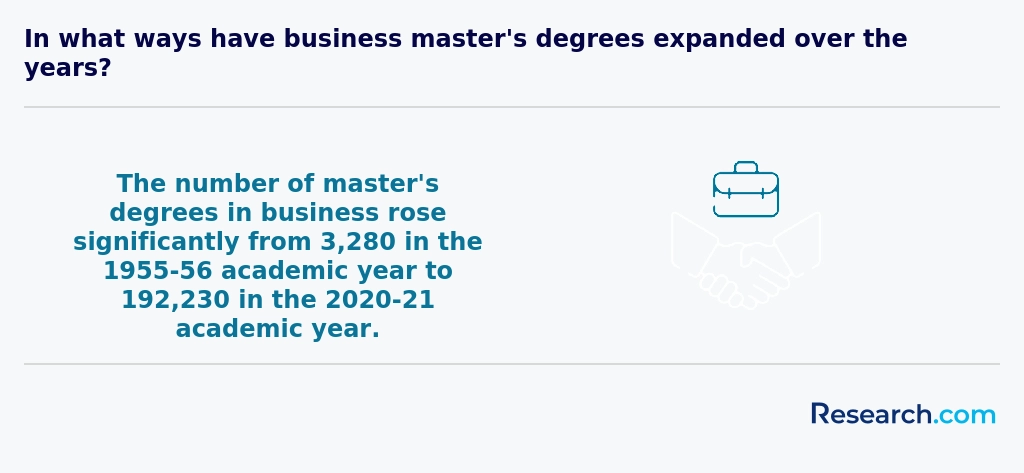
While online business degree programs in Michigan offer flexibility and cost-efficiency, it's important for prospective students to also consider potential challenges. Many online learners report that self-discipline is crucial to stay on track with coursework and manage time effectively. Technical issues, limited in-person networking opportunities, and the need for proactive engagement can sometimes create a steeper learning curve compared to traditional on-campus experiences. However, these challenges can be mitigated by leveraging robust student support services, virtual study groups, and clear goal-setting strategies. Prospective students should also weigh the potential difference in learning outcomes when comparing online programs with traditional settings. For instance, while online learning platforms offer convenience, integrating interactive sessions and real-time problem solving may require more self-motivation. Additionally, when evaluating program affordability and return on investment, it might be useful to compare similar metrics across different states. For example, looking into the texas state business school ranking can provide valuable insights regarding regional opportunities and program distinctions. By acknowledging these challenges upfront, students can better prepare for the transition to an online learning environment, ensuring they take full advantage of available resources and ultimately achieve success in their business careers.
Start by completing the FAFSA to unlock federal aid options like the Pell Grant, which can offer up to $7,395 annually based on your financial need and enrollment level. Many Michigan business students find this a key resource for managing costs.
Next, explore state-specific aid such as the Michigan Tuition Grant (MTG), which supports eligible undergraduates attending private Michigan colleges. Graduates from institutions like Grand Valley State University often mention how this grant eased their financial burden.
Merit-based scholarships from universities like Oakland University provide another avenue, rewarding academic excellence and leadership skills. These awards can substantially reduce tuition, making the degree more affordable and motivating you to excel.
Working professionals pursuing business degrees online should check if their employer offers tuition reimbursement. Nearly 40% of companies in Michigan provide this benefit, allowing graduates to pursue education without large out-of-pocket expenses.
Finally, don't overlook scholarships from local organizations like the Michigan Business Network. These niche funds not only help financially but also connect students to valuable career networks in Michigan's business community.
When it comes to selecting an affordable business school in Michigan, there are several factors to consider, including accreditation, cost, program flexibility, curriculum, and support services. Prospective students can benefit from researching and comparing different institutions to find the one that best fits their needs and goals. For instance, students can explore the affordable business school in michigan options, which can provide valuable insights into the most cost-effective pathways to achieving their career goals. By prioritizing these factors and doing thorough research, students can make an informed decision and set themselves up for success in their future business careers.
To enroll in an online business degree program in Michigan, start by ensuring you have a high school diploma or an equivalent like a GED, which is a basic requirement across institutions such as those at the University of Michigan and Michigan State University. Many graduates recall how this foundational step gave them confidence before starting their college journey.
Next, familiarize yourself with the standardized testing policies of your chosen school. While some Michigan colleges, especially post-pandemic, have adopted test-optional policies, others might still require SAT or ACT scores. Planning ahead helps reduce last-minute stress and keeps your options open.
If you're transferring from another college, prepare your transcripts showing a GPA of around 2.0 to 2.5, a requirement commonly expected by Michigan's business programs. Many successful students mention how maintaining this GPA benchmark smoothed their transfer process.
Additional documents like letters of recommendation and personal statements often enhance your application, especially for accelerated or graduate programs. Practical advice from recent graduates highlights that these materials are your chance to showcase motivation and relevant experience.
Lastly, be ready with basic computer skills and reliable internet-a common piece of advice from Michigan business students who thrive in virtual classrooms. These prerequisites ensure you engage fully with online learning tools and stay connected throughout your studies.
Ensuring your online business degree holds proper accreditation helps guarantee academic rigor, credit transferability, and employer recognition. In Michigan, look for:
- Regional accreditation by the Higher Learning Commission (HLC) to confirm overall institutional quality
- Specialized business accreditation from bodies like AACSB, ACBSP, or IACBE for industry-specific standards
- Program-level accreditation for areas such as accounting (ACCA) or supply chain (APICS)
Before applying, verify accreditations on official accreditor websites. Well-accredited programs often provide clear pathways to advanced degrees, including an online phd leadership for students aiming to reach top executive roles.
Online business degree programs in Michigan typically include practical courses that prepare you for real-world challenges. Graduates from institutions like Michigan State University highlight how courses in Principles of Management taught them leadership skills they applied while managing student projects, simulating actual business teams.
Marketing classes cover strategies and digital trends, helping students grasp how Michigan businesses promote products locally and online. Many found the hands-on digital campaigns especially useful for entering Michigan's growing tech sector.
Courses in Accounting and Finance give a solid grasp on budgeting and financial analysis, skills graduates used when launching startups or working with established firms in Detroit's automotive industry.
Business Law and Ethics equip students to navigate regulations confidently, a key factor in Michigan's complex business environment. Economics classes explain market forces, often illustrated through case studies reflecting Michigan's economy.
Operations Management prepares students to optimize processes-critical for Michigan's manufacturing and logistics sectors. Many students also valued electives like entrepreneurship, which helped them craft business plans tailored to local opportunities.
Online business degree specializations Michigan students often choose build practical skills that directly translate to local and national job markets. Graduates from well-known Michigan universities highlight specializations such as accounting, which prepares them for roles in auditing and financial reporting, often leading to CPA certification-a credential highly valued by regional employers.
Other common tracks include supply chain management, reflecting Michigan's leadership in manufacturing and automotive industries, where logistics and procurement expertise are in high demand. Marketing specialization is also popular, focusing on digital marketing and consumer behavior, helping graduates thrive in e-commerce environments.
Finance and entrepreneurship are practical options as well. Finance covers investment analysis and corporate financial planning, while entrepreneurship equips students with real-world business planning skills crucial for Michigan's growing small business sector. Some programs even offer niche focus areas like human resource management or data analytics, allowing students to tailor their education.
For a detailed regional perspective, students often compare Michigan options with other states, such as reviewing the texas state business school ranking, which helps identify the most affordable online business programs specializations that make sense locally.
Start by verifying program accreditation through agencies like ACBSP or AACSB to ensure your degree holds value with employers and qualifies for federal aid. Graduates from popular Michigan universities often stress how accreditation impacted credit transfers and job interviews positively. Next, weigh costs carefully-public schools in Michigan average around $14,000 per year in-state, but many online programs have more affordable or flat tuition rates. For those budget-conscious, exploring affordable dba online options can reveal hidden savings beyond sticker price.
Flexibility is key for working adults balancing life. Look for asynchronous classes, part-time schedules, and strong support services, as many Michigan business students report these features helped them stay motivated while managing family obligations. Finally, focus on programs aligned with Michigan's economy, such as those connected to automotive or healthcare sectors, which often provide networking advantages and better job placement rates. Choosing from the best online business degree programs Michigan has to offer means matching your goals with practical, proven program features.

Graduates with an online business degree in Michigan find career paths that directly connect to the state's evolving economy. For example, many take roles in financial analysis and planning, helping local businesses and individuals in Detroit manage budgets and investments with confidence. Others pursue marketing and sales management positions, driving brand growth for Michigan's automotive or tech startups emerging in Grand Rapids. Human resources management is another common route, where graduates support recruitment and employee development at popular institutions.
Operations management is attractive to those interested in Michigan's manufacturing sectors, overseeing the supply chains and production processes essential to regional companies. Many successful business grads have launched entrepreneurial ventures, leveraging Detroit's startup support networks to turn ideas into thriving businesses. Students from well-known Michigan colleges emphasize that these job opportunities reflect practical outcomes tied to their online business degree careers in Michigan.
Considering financial investment, potential students should explore Cheapest Online Business Degree Programs Ranking in North Dakota as a benchmark while benefiting from Michigan's affordable tuition rates for online programs.
The job market for online business degree graduates in Michigan remains promising, especially for those who leverage skills in data analysis, digital marketing, and project management. Graduates from institutions like the University of Michigan-Dearborn and Western Michigan University often find entry-level roles in management or finance paying between $45,000 and $55,000. Many appreciate how these salaries increase significantly with experience, reaching over $80,000 in cities like Detroit or Grand Rapids.
Networking with Michigan-based corporations such as Ford and Quicken Loans helps graduates secure positions in competitive industries. The growth in fields like professional services and healthcare also opens doors. Business students benefit by complementing their degrees with certifications, which can boost employability; for guidance, exploring medical certifications that pay well can be valuable.
Understanding the Michigan job market for online business graduates is key to making strategic career moves. Many alumni find flexibility in applying their skills across sectors, supporting their career growth as local industries continue to diversify and expand.
2027 Most Affordable Online Business Degree Programs Ranking in Michigan
Investing in your education is a significant decision that can shape your future, and the Research.com team understands the importance of making informed choices. To assist prospective students in Michigan, we have meticulously developed the "2027 Most Affordable Online Business Degree Programs Ranking in Michigan." Our commitment to quality, credibility, and accuracy is demonstrated by the extensive research and analysis used to compile this ranking.
We utilized the following reputable data sources to ensure a comprehensive evaluation of online business degree programs:
Readers will gain valuable insights into affordable and quality online business degree options in Michigan, empowering them to make well-informed educational decisions. For more information on how this ranking was created, please visit our Research.com methodology page.


# 10 position
Walsh College
Master of Business Administration


# 13 position
Central Michigan University
Bachelor of General Business Administration: Applied Communications
# 16 position
Walsh College
Bachelor of General Business


Frequently Asked Questions About business
Online business degree students in Michigan can maximize their learning experience by actively engaging with course materials and participating in virtual discussions. Utilizing Michigan's strong business networks, such as the Detroit Regional Chamber, provides valuable local insights and networking opportunities. Students should also take advantage of academic resources like online tutoring and library access offered by their institutions.
Balancing studies with internships in Michigan's diverse economy, especially in sectors like automotive and technology, allows practical application of business concepts. According to the Michigan Department of Labor, hands-on experience significantly improves job readiness.
Lastly, setting a structured study schedule and using digital tools to stay organized helps maintain consistent progress throughout the program.
Emerging niches within the business field reflect shifting economic priorities and technological advances. In Michigan, sectors like supply chain management and sustainable business practices are gaining momentum due to the state's manufacturing and automotive industries adapting to global challenges.
Data analytics and digital marketing are also growing areas as businesses increasingly rely on online platforms to reach customers. The Michigan Economic Development Corporation highlights a rise in demand for professionals skilled in e-commerce and data-driven decision-making.
Additionally, entrepreneurship and innovation management are key focuses, supported by Michigan's expanding startup ecosystem in cities such as Detroit and Ann Arbor. These niches offer promising career opportunities for online business graduates.
After completing an online business degree in Michigan, preparing for the job market involves several key steps. First, graduates should leverage Michigan's robust economy, notably its strong automotive and finance sectors, by targeting relevant local employers. According to the Michigan Department of Labor and Economic Opportunity, business-related roles in the state are projected to grow by 5% from 2022 to 2032.
Building a professional network through LinkedIn and Michigan-based business associations can increase job prospects. Additionally, gaining practical experience via internships or part-time roles helps bridge the gap between academics and industry expectations.
Maintaining updated skills in areas like data analytics and digital marketing, which are in demand across Michigan companies, is essential. Using resources like the Michigan Economic Development Corporation can aid in career development. Finally, tailored resumes and interview preparation focusing on business competencies strengthen outcomes for graduates entering the competitive job market.
Employers in Michigan prioritize several key skills when hiring business degree graduates, especially those completing online programs. According to the Michigan Economic Development Corporation, critical thinking and problem-solving are among the top abilities desired. Communication skills, both written and verbal, remain essential for collaborating in diverse teams and managing clients.
Data from the Michigan Workforce Development Agency highlights the growing importance of technological proficiency, including familiarity with data analysis software and digital marketing tools. Additionally, leadership and project management skills help graduates stand out in Michigan's competitive business environment. Understanding local economic trends and regulatory frameworks is also valuable for business professionals in the state.
Finding internships relevant to a business degree in Michigan requires a strategic approach. Start by exploring university career centers, which often partner with local businesses to provide internship listings. For online students, many Michigan universities offer virtual career services accessible remotely.
Michigan's economy, with strong sectors in automotive, finance, and technology, provides diverse internship opportunities. According to the Michigan Economic Development Corporation, companies like Ford, General Motors, and Quicken Loans frequently offer business-related internships. Using platforms like Handshake or LinkedIn can also connect students with employers focused in Michigan.
Networking events hosted by organizations such as the Detroit Regional Chamber are valuable for meeting potential internship providers. Additionally, contacting local small businesses directly can uncover unadvertised openings.
In Michigan, earning an online business degree can significantly enhance career mobility and advancement opportunities. The state's diverse economy, including automotive, finance, and technology sectors, demands professionals with solid business skills. According to the Michigan Department of Labor and Economic Opportunity, business-related occupations are projected to grow by 6.5% through 2030, reflecting strong demand for qualified candidates.
Online business degrees offer flexibility, enabling students to gain relevant skills while balancing work or personal commitments. Graduates often report increased chances for promotions and higher salaries. The U.S. Bureau of Labor Statistics notes that median annual wages for management roles in Michigan exceed $90,000, underlining the value of business education in career advancement.
Furthermore, many Michigan employers recognize accredited online degrees, making them a credible path to professional growth. Networking and internship opportunities tied to these programs also support career development in competitive local markets.
Studying for a business degree in Michigan equips students with skills that reach beyond traditional business boundaries. Michigan's universities emphasize interdisciplinary learning by integrating courses in technology, healthcare management, and supply chain logistics, reflecting the state's diverse economy. According to the Michigan Economic Development Corporation, sectors like automotive, healthcare, and technology are key employers, making cross-functional knowledge valuable.
Students gain critical thinking, data analysis, and communication skills to adapt in various roles. Online programs often include projects simulating real-world problems across industries, promoting collaboration.
This approach readies graduates to work effectively in interdisciplinary teams, a growing demand in Michigan's evolving job market.
Choosing between a thesis and a non-thesis online business degree program in Michigan depends on your career goals and learning preferences. Thesis programs focus on research, ideal for those considering doctoral study or roles in research and analysis.
Non-thesis options emphasize practical skills through projects and internships, which suit students aiming for immediate entry into Michigan's diverse business sectors like automotive, finance, and services.
According to the Michigan Economic Development Corporation, strong industry growth demands adaptable skills, favoring non-thesis formats for hands-on experience. However, thesis pathways may enhance critical thinking valued in academia or strategic roles.
Cost and time commitments also differ; thesis programs typically require more time and effort to complete.
Students based in Michigan seeking to study business abroad have several options facilitated by their home institutions. Many Michigan universities with online business degree programs offer study abroad partnerships or exchange programs with universities in Europe, Asia, and Latin America. These opportunities allow students to earn credits toward their degree while gaining international experience.
For example, institutions like Michigan State University provide structured international study options tailored to business students. Additionally, programs often focus on global business environments, trade, and economics, reflecting Michigan's strong international trade ties, particularly with Canada, Mexico, and China, according to the Michigan Economic Development Corporation.
Online students may also participate in virtual international business projects or internships with global companies, expanding practical knowledge without leaving the state. These options align with growing remote education trends and offer valuable exposure to global markets.
Part-time job opportunities in Michigan that complement online business degree studies include roles in retail management, customer service, and administrative support. These positions develop essential skills such as communication, leadership, and organizational abilities, crucial for business students. According to the Michigan Talent Dashboard, industries like finance, insurance, and professional services show growth, offering internships and part-time roles that provide hands-on experience.
Additionally, Michigan's small business sector, supported by the Michigan Small Business Development Center, offers entrepreneurial students opportunities to engage in marketing and operations tasks. These roles strengthen practical knowledge alongside academic learning.
Online business students in Michigan have access to a variety of networking opportunities that can enhance their educational experience and career prospects. Many universities offer virtual events, webinars, and online meetups connecting students with faculty, alumni, and business professionals. For example, Michigan State University and the University of Michigan provide active online career services and LinkedIn networking groups specifically for business students.
Additionally, Michigan's strong economy and diverse industries encourage collaboration through organizations like the Michigan Business Network and local chambers of commerce. These groups often host virtual events accessible to online learners. The state's focus on sectors such as automotive, finance, and technology further broadens professional contacts available to students.
According to the Michigan Economic Development Corporation, over 500,000 people are employed in business-related roles statewide, bolstering networking potential for students seeking internships or employment. Leveraging these resources helps online business students in Michigan build valuable connections despite not attending on-campus classes.
Alumni networks offer significant benefits to online business degree students in Michigan by fostering valuable professional connections. Graduates from Michigan institutions often join networks that include more than 100,000 members statewide, helping students connect with industry professionals and potential employers.
These networks often provide mentorship opportunities, which can guide students through career planning and job searches. According to the Michigan Economic Development Corporation, networking plays a crucial role in securing jobs in Michigan's growing sectors like finance, manufacturing, and technology.
Additionally, alumni events and online forums facilitate knowledge sharing and access to exclusive job postings. This can increase a student's chances of employment in competitive local markets, supporting long-term career growth within Michigan's dynamic business community.
Online business degree programs in Michigan often allow students to tailor their studies through electives, concentrations, or specializations. Common options include finance, marketing, entrepreneurship, and supply chain management. Choosing these can directly align your education with specific career goals.
Many Michigan universities offering online business degrees provide flexible course schedules and internship opportunities with local businesses. This flexibility helps students gain practical experience relevant to Michigan's economy, which emphasizes manufacturing, healthcare, and automotive industries.
Additionally, students can customize their learning paths by selecting capstone projects or research topics focused on regional business challenges, supported by institutions like the University of Michigan's Ross School of Business or Michigan State University.
Online business students in Michigan commonly face challenges such as maintaining motivation and managing time effectively. Since many programs require self-discipline, students often struggle to balance coursework with work and family responsibilities. Connectivity can also be an issue, particularly in rural areas where high-speed internet access is less reliable; according to the Michigan Department of Technology, Management, and Budget, approximately 10% of state residents lack consistent broadband access.
Additionally, students sometimes report limited networking opportunities compared to traditional on-campus experiences. Building professional connections is essential in Michigan's competitive business job market, which includes key industries like automotive and finance. Lastly, understanding and navigating financial aid options remains a hurdle for some, despite state initiatives supporting affordable education.
With an online business degree from Michigan, you can pursue a variety of professional certifications to enhance your career prospects. Popular certifications include the Certified Management Accountant (CMA), Project Management Professional (PMP), and Certified Business Analyst Professional (CBAP). These credentials are highly regarded by Michigan employers, especially in Detroit's growing finance and automotive sectors, according to the Michigan Economic Development Corporation.
Additionally, certifications like the Certified Financial Planner (CFP) and Six Sigma Green Belt are valuable for specialization and leadership roles in business. Earning such certifications demonstrates expertise and can increase earning potential. The Michigan Association of Certified Public Accountants notes strong local demand for professionals with recognized certifications in accounting and finance.
These options offer flexible paths to career advancement after completing your online business degree, accommodating diverse interests and the evolving Michigan job market.
Applying to an online business program in Michigan requires clear focus and preparation. Start by thoroughly researching programs offered by Michigan universities, including admission criteria and deadlines. Highlight your professional experience and how it aligns with business studies, as Michigan increasingly values practical knowledge alongside academics.
Strong essays that explain your goals and why you chose an online program demonstrate commitment. Michigan's business sectors, like automotive and tech, benefit from applicants who mention relevant skills and local industry awareness.
Also, ensure your transcripts and test scores meet requirements-some schools waive these based on work experience. According to the Michigan Department of Education, 65% of online applicants succeed when presenting clear career alignment.
The global perspective on a business career increasingly values cultural awareness and international experience, which are essential in today's interconnected economy. Graduates with online business degrees from Michigan can expect to engage with diverse markets and global business models.
According to the U.S. Bureau of Labor Statistics, business-related occupations in Michigan are projected to grow by 5% through 2031, reflecting steady demand for professionals who understand global commerce.
Furthermore, Michigan's economy is deeply linked to international trade, with automotive and manufacturing sectors relying heavily on global supply chains. This creates opportunities for graduates with skills in international business strategy and cross-cultural communication.
Emphasizing global perspectives in business education equips students to navigate challenges like evolving regulations, digital transformation, and sustainability in multinational contexts.
Gaining practical experience while studying for an online business degree in Michigan is essential to bridge theory and real-world application. Many Michigan universities offer virtual internships with local companies, allowing students to work remotely on projects that build relevant skills. According to the Michigan Economic Center, industries such as manufacturing, technology, and finance frequently seek business students for internship roles.
Students can also participate in case competitions and business simulations offered by their programs. These activities help develop problem-solving and leadership abilities. Additionally, joining online student organizations and networking events connected to Michigan's business community can open doors to mentorship and job shadowing.
The state's pro-business climate encourages collaborations between universities and the private sector, which enhances opportunities for online learners to gain practical experience despite physical distance.
Choosing the right concentration within an online business degree in Michigan involves aligning your career goals with local industry demands. According to the Michigan Economic Development Corporation, sectors like automotive, technology, and healthcare drive the state's economy, making concentrations in supply chain management, information systems, or healthcare management especially relevant.
Consider your strengths and interests carefully. If you enjoy analyzing data, a concentration in business analytics might suit you. For those interested in leadership roles, management or human resources are common choices.
Review program curricula and speak with advisors to ensure the concentration offers practical skills. Also, check if Michigan employers recognize the specialization to improve job prospects after graduation.
- 2027 Most Affordable Online Business Degree Programs Ranking in Ohio
- 2027 Most Affordable Online Business Degree Programs Ranking in Indiana
- 2027 Most Affordable Online Business Degree Programs Ranking in Wisconsin
- 2027 Most Affordable Online Business Degree Programs Ranking in Minnesota
- 2027 Most Affordable Online Business Degree Programs Ranking in Pennsylvania
- 2027 Most Affordable Online Business Degree Programs Ranking in Kentucky
- 2027 Most Affordable Online Business Degree Programs Ranking in West Virginia
- 2027 Most Affordable Online Business Degree Programs Ranking in Missouri
- 2027 Most Affordable Online Business Degree Programs Ranking in New York
- 2027 Most Affordable Online Business Degree Programs Ranking in Tennessee
See What Experts Have To Say About Studying Business
Read our interview with Business experts

David W. Stewart
Business Expert
Emeritus President's Professor of Marketing
Loyola Marymount University

Ingrid S. Greene
Business Expert
Clinical Assistant Professor of Management
Loyola Marymount University


- Exploring Different Types of Business Majors https://www.ivywise.com/ivywise-knowledgebase/exploring-different-types-of-business-majors/
- 5+1: Five challenges facing business schools and one solution https://charteredabs.org/insights/opinion/51-five-challenges-facing-business-schools-and-one-solution
- Finding Networking Opportunities as a Student | National Society of High School Scholars https://www.nshss.org/resources/blog/blog-posts/how-to-find-networking-opportunities-as-a-student/
- Enterprise project challenge https://barclayslifeskills.com/help-others/lessons/enterprise-project-challenge/
- How to Write a Statement of Purpose for Business School https://www.statementswritingservices.com/blog/how-to-write-a-statement-of-purpose-for-business-school.html
- 2025 Most Popular Online Business Degrees in Michigan https://www.onlineu.com/degrees/business/michigan
- Professional Business Certifications to Boost Your Career in 2025 https://www.business.com/articles/best-business-certifications/
- Niche Business Ideas: A Guide to Profitable Niche Business Selection - Inar Learn https://inarlearn.com/niche-business-ideas-a-guide-to-profitable-niche-business-selection/
- Networking Tips for Business Students: Building a Foundation for Success https://londonsba.org.uk/blog/networking-tips-for-business-students-building-a-foundation-for-success/
- Why Alumni Networks Matter in Business School: 7 Reasons https://europe.ceibs.edu/article/why-alumni-networks-matter-business-school