2027 Best Business Degree Programs Ranking in Maryland

Co-Founder and Chief Data Scientist
Choosing the right business degree program can shape your future career and open doors to exciting opportunities. If you're a student in Maryland, this article offers valuable insights tailored just for you.
The 2027 Best Business Degree Programs Ranking in Maryland, created by the Research.com team of data scientists, presents an objective overview of top programs. It's designed to help you make an informed decision based on trusted data, not just opinions.
Exploring these programs can inspire confidence and clarity as you plan your academic journey and invest in your professional growth.
Key benefits of getting business degree in Maryland
- Business degree graduates in Maryland can enjoy strong earning potential, with roles like Business Analyst averaging $112,950 annually and Business Development Executives earning around $83,190 per year.
- Graduates from universities in Maryland often pursue diverse career paths including marketing, finance, and management, giving them flexibility and exciting opportunities to grow professionally.
- Completing a business degree online offers convenient scheduling and accessibility, allowing students to balance work and study effectively without sacrificing educational quality.
- 2027 Best Business Degree Programs Ranking in Maryland
- What can I expect from business degree in Maryland?
- Where can I work with business degree in Maryland?
What can I expect from business degree in Maryland?
When it comes to the average cost of pursuing a business degree in Maryland, many students find that affordability balances well with quality. For example, graduates from the University of Maryland College Park often recall the manageable tuition compared to out-of-state options, especially benefiting in-state rates. Public institutions like Towson University typically charge around $10,600 annually for in-state students, making it an accessible choice for those eager to dive into business studies without overwhelming debt.
Private schools such as Loyola University Maryland may have higher tuition fees, yet many students express excitement over scholarships and financial aid packages that make the journey possible. Imagine navigating bustling classrooms and energetic campus life, all while knowing the investment is within reach-this blend fuels motivation and a strong sense of community.
These costs reflect more than just numbers; they represent a gateway to tailored business curricula, local internship opportunities, and a thriving network right here in Maryland's vibrant economy.
Where can I work with business degree in Maryland?
Graduates with a business degree from universities like the University of Maryland or Towson University discover a vibrant job market right in their backyard. Imagine stepping into a bustling office in Baltimore's fintech scene, analyzing data that shapes cutting-edge financial products, or managing projects at Johns Hopkins Medicine, where business skills directly impact healthcare innovation.
Many alumni find themselves navigating government roles near Washington, D.C., where contract management and public administration unlock unique career pathways with rewarding salaries. Envision collaborating with defense contractors like Lockheed Martin, optimizing supply chains that support national security-all while building valuable leadership experience.
Others embrace the entrepreneurial spirit thriving in Maryland's startup ecosystem, contributing to venture capital firms or driving business development in dynamic small businesses. These roles let you apply classroom theories to real-world challenges, fueling excitement and growth.
Business graduates here don't just find jobs; they embark on adventures shaping industries from healthcare to technology, feeling the pulse of Maryland's diverse economy and the energy of continuous innovation.
Imagine stepping out of a Maryland university like the University of Maryland's Smith School of Business or Towson University, ready to claim your spot in the vibrant job market. Graduates with a business degree here can dive into roles like Business Development Executive, earning an average annual salary of about $83,190. It's an encouraging starting point filled with opportunities to grow.
For those adventurous minds aiming higher, the path of a Business Analyst shines brightly with an average salary nearing $112,950 per year. Many graduates from Maryland's top business programs share stories of landing these roles, excited by the potential to influence decisions and shape strategies while enjoying a rewarding paycheck.
This financial potential, combined with Maryland's dynamic industries, means your degree can open doors to not just jobs but exciting careers. Earning figures like these give a thrilling glimpse of what's possible when you combine education with ambition in Maryland's buzzing business scene.
- Business degree costs in Maryland vary: public universities charge $10,000 to $15,000 per year for in-state students, private colleges often exceed $35,000, and community colleges offer fees under $5,000 annually.
- Starting salaries for business graduates in Maryland range from $55,000 to $60,000 per year shortly after graduation.
- Experienced business professionals in Maryland earn between $80,000 and over $100,000 annually, depending on their job and industry.
- Maryland's proximity to Washington, D.C., creates many internship and job opportunities, especially in finance, government contracting, healthcare management, and technology sectors.
- Several Maryland business schools have AACSB accreditation, which indicates quality education and can improve job prospects.
In Maryland, most eager minds chasing a business degree discover a typical journey of about four years full-time, aligning with the experience at universities like the University of Maryland's Smith School of Business. Imagine balancing lively campus life while tackling core business courses, usually spread across eight semesters-each bringing fresh challenges and opportunities.
Some graduates from Bowie State University found their path stretched to five or six years, juggling part-time study alongside work commitments, turning their experience into a rich blend of learning and real-world application. Meanwhile, at Towson University, adventurous students sometimes leap into accelerated tracks, savoring the rush of completing a degree in as little as three years by diving into summer sessions and packed semesters.
Graduate seekers often find themselves on varied timelines too. A full-time MBA at Maryland's top schools generally requires two years, but part-time or evening options, valued by working professionals, gently expand that timeline to three or four years. The flexibility of online programs adds another twist-some learners relish wrapping up an MBA in just 18 months, embodying the spirit of flexibility Maryland proudly offers.
Accreditation is a critical indicator of program quality and can greatly influence both educational outcomes and employability. In Maryland, top business schools often hold accreditation from recognized bodies such as AACSB (Association to Advance Collegiate Schools of Business), ACBSP (Accreditation Council for Business Schools and Programs), or IACBE (International Accreditation Council for Business Education). AACSB accreditation, for instance, is awarded to fewer than 5% of business schools worldwide and signals rigorous standards in faculty qualifications, curriculum development, and student learning. Prospective students should verify accreditation status on the institution’s website or through the accrediting agency’s directory. Accredited programs typically offer up-to-date curricula that align with industry needs, access to faculty actively engaged in research, and stronger career services support. Employers often prefer graduates from accredited institutions, as accreditation ensures that the program meets national and international benchmarks. Additionally, many professional certifications and graduate programs require a degree from an accredited institution for eligibility. When comparing value and quality, look beyond regional offerings. You might also explore the Most Affordable Online Business Degree Programs Ranking in Newark, NJ to assess how accreditation and cost intersect across different markets. Ensuring your chosen program’s accreditation not only protects your investment but also enhances your long-term career trajectory in the competitive business landscape.
Choosing between online and on-campus business degrees in Maryland opens a world of different experiences. Imagine juggling work and family while earning a Bachelor of Science in Business Administration through the University of Maryland Global Campus's fully online program-this path offers the freedom to study anytime, anywhere, without the hassle of commuting. Graduates often appreciate the flexibility that lets them tailor learning to their hectic lives.
On the flip side, students attending Towson University or University of Maryland College Park dive into dynamic classrooms, forming face-to-face connections with professors and peers. These in-person moments spark lively discussions, strengthen networking, and create lasting bonds through student organizations and campus events.
Cost-wise, Maryland's public universities generally hover between $10,000 and $12,000 annually for in-state students, whether online or on campus. Some online programs might offer discounts, but the real difference lies in your preferred rhythm-whether you thrive with scheduled classes and campus buzz, or crave the self-paced independence of virtual learning.
Choosing an accredited business program is vital to ensure the quality, rigor, and recognition of your degree. In Maryland, the most respected accreditation bodies include the Association to Advance Collegiate Schools of Business (AACSB), the Accreditation Council for Business Schools and Programs (ACBSP), and the International Accreditation Council for Business Education (IACBE). AACSB accreditation, in particular, is granted to fewer than 5% of business schools worldwide and signifies excellence in curriculum design, faculty qualifications, and research output. Employers and graduate schools often prioritize candidates from AACSB- or ACBSP-accredited institutions because these programs adhere to strict standards that prepare students for competitive roles. Graduates of accredited programs typically report higher starting salaries, better career advancement, and greater confidence in their strategic decision-making skills. Accreditation also impacts eligibility for certain certifications-such as the Certified Business Analyst Professional (CBAP) or Project Management Professional (PMP)-which can further boost your marketability. For students considering graduate study, accreditation remains equally important. Accredited master’s programs provide the specialized coursework and networking opportunities that translate into higher lifetime earnings. If you’re weighing the benefits of an MBA versus a specialized master’s degree, explore our guide to best paying business master’s degrees for insights into programs that deliver strong financial returns. Before applying, verify each Maryland institution’s accreditation status on the U.S. Department of Education or Council for Higher Education Accreditation (CHEA) databases. Confirming accreditation not only safeguards your investment but also ensures you receive transferable credits, access to federal financial aid, and qualifications that are respected by employers worldwide.
The average cost of a business degree in Maryland offers an intriguing blend of opportunity and challenge. For many students enrolled at popular institutions like the University of Maryland, College Park, or Towson University, the median in-state total expenses hover around $13,920. This reflects not only tuition but also fees and some living costs, weaving into the vibrant life experienced on campuses buzzing with entrepreneurial spirit.
Out-of-state students often marvel at the difference, facing a median total cost close to $50,388. Imagine a graduate recalling those lively days balancing studies with internships while navigating the financial maze-this range captures that reality in a bold, adventurous way. Maryland's private universities, renowned for their prestige, mirror these higher costs, yet many graduates describe the investment as a key to unlocking world-class networking and career pathways in the bustling business scene.
For those exploring affordable routes, data on average cost business degree Maryland highlights a spectrum of choices. It's always worth checking out the cheapest business programs in Maryland, where ambitious students have found ways to thrive without breaking the bank. These stories remind us that fiscal considerations are just one part of a richer educational adventure.
Maryland business degree total expenses can feel daunting at first, but graduates often speak of the rewarding experiences and meaningful connections that make this investment worthwhile. The balance of cost and opportunity invites every prospective student to dream big while planning wisely.
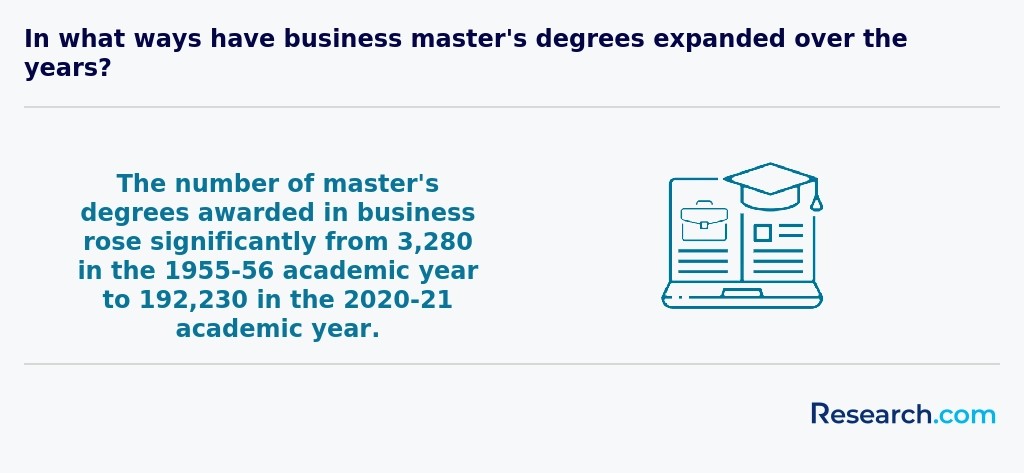
When considering business degree programs in Maryland, one crucial aspect that prospective students often overlook is the affordability and financial implications of their decision. Understanding the costs associated with pursuing a business degree, as well as the potential return on investment, is essential for making informed decisions. For instance, students looking to enroll in the cheapest business programs in Maryland can significantly reduce their financial burden, allowing them to focus more on their studies and less on the financial strain of tuition fees. Additionally, exploring financial aid options, scholarships, and part-time job opportunities can further alleviate the economic pressures of higher education, making the pursuit of a business degree more accessible and viable for a wider range of students. By carefully evaluating these financial considerations, aspiring business professionals can set themselves up for success, both academically and professionally, in Maryland's vibrant business landscape.
Imagine stepping into the bustling halls of the University of Maryland's Robert H. Smith School of Business, where financial aid is more than just a number-it's a lifeline. Many Maryland business students dive into federal aid by filing the FAFSA, unlocking grants like the Pell Grant, which can offer up to $7,395 annually. For those who call Maryland home, the Maryland State Grant adds extra support, often exceeding $4,000 a year, easing the weight of tuition fees.
Graduates often recall the relief of securing merit-based scholarships that reward academic spark and leadership, reducing costs and fueling ambition. Some took part in work-study programs, blending paychecks with invaluable experience in roles connected to their business goals. Others leveraged internships in nearby economic hubs like Washington, D.C., earning stipends while building networks.
And if you're employed, employer tuition assistance programs might just open another door, reimbursing parts or all of the tuition, turning work into an investment. This mosaic of financial aid options keeps the dream of a business degree in Maryland within adventurous reach.
As the business landscape continues to evolve, Maryland's educational institutions are embracing new trends and technological innovations to ensure that students are well-prepared for the challenges and opportunities of tomorrow. One significant trend is the integration of advanced digital tools, such as data analytics and artificial intelligence, into the curriculum. This shift not only sharpens students’ technical skills but also fosters a mindset that is agile and adaptable. Additionally, many programs now prioritize experiential learning through virtual simulations, interactive case studies, and collaborative projects that mirror real-world scenarios. These strategies are designed to bridge the gap between academic theory and practical application, ultimately driving higher retention rates and employability. Furthermore, the emphasis on interdisciplinary studies is helping students customize their academic experience by combining traditional business courses with emerging fields such as sustainability, technology management, and digital marketing. This customization is complemented by the availability of specialized pathways, including the renowned business management degree, which equips students with leadership skills that are critical in today’s dynamic job market. As Maryland continues to attract major industry players and fosters innovation hubs, graduates benefit from expanded networking opportunities and a resilient professional community. Overall, by keeping pace with industry trends, Maryland's business programs are not only enhancing the quality of education but also ensuring that learners remain competitive and future-ready.
To dive into a business degree in Maryland, imagine stepping into the energetic halls of the University of Maryland or Towson University, where completing high school or having a GED is your first gateway. Graduates recall how their solid foundation in math, English, and social studies gave them an edge, proving essential as they tackled foundational business courses. Official transcripts become your story's proof, showcasing your past academic success and paving the way for admissions teams to recognize your potential.
Many students share how submitting SAT or ACT scores helped unlock doors, though more schools now embrace test-optional policies, making the path more flexible and inviting. Picture writing a personal statement or gathering recommendation letters that reveal your passion and readiness-steps that made the journey feel more personal and exciting. For those venturing into graduate business studies, professional experience and GMAT or GRE scores paint an even richer picture.
Maryland's business programs also expect you to be digitally savvy and confident in communication-skills that graduates often credit as keys to standing out in class and beyond. This blend of requirements shapes a welcoming yet challenging adventure for anyone ready to explore business in the Old Line State.
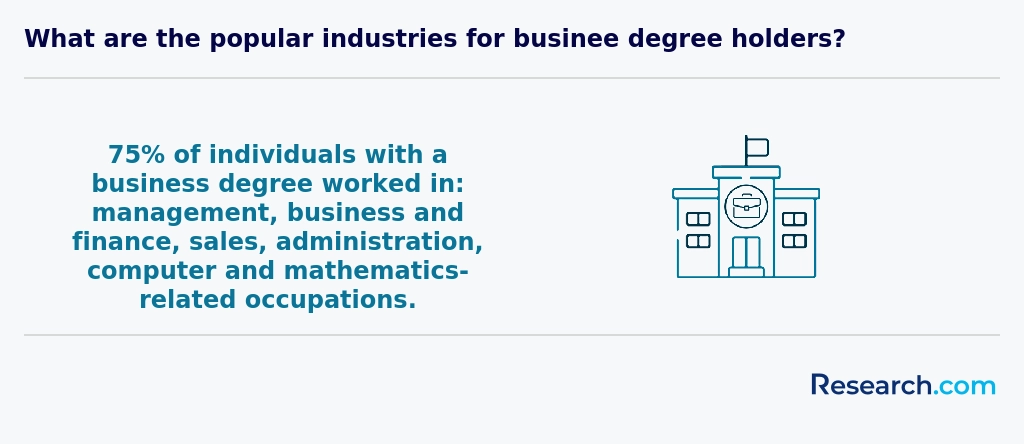
Diving into a business degree in Maryland means embracing a vibrant mix of courses that shape you into a versatile professional ready to navigate real-world challenges. Imagine sitting in a finance class at the University of Maryland, College Park, where the professor breaks down balance sheets-suddenly, managing a budget feels like unlocking a powerful tool rather than a chore.
Graduates from Towson University often reflect on how courses like Organizational Behavior helped them understand team dynamics, turning everyday group projects into exciting leadership practice. At universities near Baltimore's bustling ports, students get hands-on with Operations and Supply Chain Management, connecting theory to the real pulse of regional commerce.
Core classes such as Financial Accounting, Marketing, Business Ethics, and Economics build a solid foundation, while electives dive into entrepreneurship and international business, sparking the adventurous spirit in many Maryland business students. Capstone projects and internships, common across these programs, bring it all together-letting students explore industries from healthcare to technology right in their own backyard.
In Maryland, business degree specializations open doors to dynamic worlds like Finance, Marketing, Management, Accounting, Information Systems and Technology Management, and Entrepreneurship. Imagine a graduate from a Baltimore college eagerly analyzing investments one day, then crafting savvy marketing campaigns targeting Maryland's diverse communities the next. Many find that these options perfectly match their personal ambitions and the pulse of local industries.
Graduates often share stories of hands-on experiences, like managing projects at local startups or interning at financial firms near Washington D.C., where the merging of business fundamentals and Maryland's unique economic ecosystem sparks innovation. Exploring a business management degree in Maryland means choosing a path tailored to thriving sectors, all while balancing academic rigor with vibrant real-world challenges.
Students frequently highlight how these specializations shape their career journeys, tracking Maryland business degree programs options that help them confidently step into roles with promising salaries and exciting growth opportunities.
Choosing the best business degree in Maryland begins with exploring accredited programs that align with your passions and career goals. Graduates from AACSB-accredited schools near Baltimore often share how their rigorous curriculum and robust alumni networks opened doors to exciting internships and jobs in thriving local industries. Imagine joining a buzzing classroom at a top Maryland university where finance or marketing classes spark new ideas and connections.
Many students appreciate the affordability of public institutions offering in-state tuition benefits, making it easier to focus on building skills rather than stressing over costs. The charm of affordable business colleges Maryland lies in balancing quality education and manageable expenses. Some graduates recall late afternoons networking over coffee in D.C. metro area campuses, where proximity to economic hubs brings a vibrant professional scene right to their doorstep.
Specializing in areas like entrepreneurship or supply chain management can fuel your adventurous spirit and open doors in growing fields. To gauge long-term success, looking into graduation and employment stats is key; reviewing the best paying business master's degrees can offer insight on where demand is hot and how your degree can pay off in the real world.
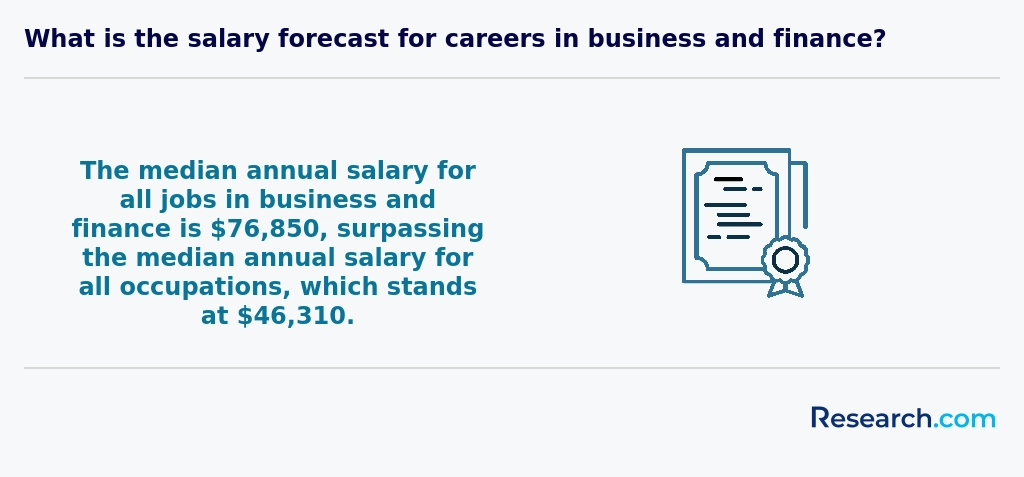
Business degree jobs in Maryland unfold across an exciting variety of fields, inviting you to explore roles like financial analyst in Baltimore's bustling finance sector, where graduates often celebrate the thrill of mastering data that shapes local markets. Marketing and sales roles within Maryland's emerging tech and healthcare companies provide dynamic environments for recent grads from institutions like the University of Maryland to innovate and lead. Imagine managing teams or developing HR strategies at a mid-sized firm in College Park, where practical business knowledge meets real-world challenges. Entrepreneurship buzzes with energy in Maryland's startup hubs, fueled by resources from organizations such as TEDCO, encouraging graduates to turn bold ideas into thriving ventures. Additionally, supply chain management near the Port of Baltimore offers strategic roles that connect commerce with logistics in a vital gateway city.
Career opportunities for Maryland business graduates reflect this adventurous spirit, blending diverse industries in a landscape shaped by Maryland's unique economy and geography. Students eager to balance ambition with affordability may also consider exploring the Most Affordable Online Business Degree Programs Ranking in Newark, NJ for additional pathways.
Exploring business degree job opportunities in Maryland reveals a vibrant market where graduates from universities like the University of Maryland and Towson University find diverse roles waiting for them. Whether drawn to Baltimore's bustling financial services sector or the government and defense contracting opportunities near Washington, D.C., students often share stories of landing management or consulting roles shortly after graduation.
Maryland's business degree employment outlook shines especially bright in sectors like healthcare administration and technology, where graduates bring fresh ideas to established institutions and innovative startups alike. These experiences not only boost confidence but also broaden professional networks, making the leap into the job market an exciting adventure rather than a daunting challenge.
Many graduates discover that pairing their degree with specialized skills enhances their career paths, and those pressed for time sometimes explore a 1 year masters program online to accelerate progress. With salaries notably above national averages and a cost of education that feels manageable, Maryland offers a compelling blend of opportunity and value for business students ready to carve their own path.
2027 Best Business Degree Programs Ranking in Maryland
Investing in your education is a significant decision that can shape your career, and the Research.com team is committed to helping you make well-informed choices. To support prospective students in Maryland, we have carefully developed the "2027 Best Business Degree Programs Ranking in Maryland." Our dedication to quality, credibility, and accuracy is demonstrated through rigorous research and thorough data analysis.
We utilized the following reputable data sources to ensure a comprehensive evaluation of business degree programs:
By reviewing this ranking, readers will gain valuable insights into Maryland's top business degree programs, enabling them to choose the best educational path for their goals. For more information on how we created this ranking, please visit our Research.com methodology page.


# 8 position
St. Mary's College of Maryland
Bachelor of Science in Business Administration and Management


Frequently Asked Questions About business
Business degree students in Maryland can maximize their learning experience by actively engaging with both academic and practical opportunities. Maryland hosts prominent business schools offering access to internships in major industries such as finance, healthcare, and technology, particularly in Baltimore and the Washington D.C. metro area. According to the Maryland Department of Labor, internships increase job placement rates by up to 30% for graduates in the state. Students should also participate in networking events hosted by local chambers of commerce and business clubs to connect with professionals.
Utilizing Maryland's proximity to federal agencies can provide unique insights into public-private partnerships. Additionally, students can enhance skills through Maryland's Small Business Development Centers, which offer workshops and consulting. Pursuing certifications alongside coursework, such as project management or data analytics, further prepares students for Maryland's competitive business landscape.
Emerging niches within the business field reflect rapid changes in technology, sustainability, and analytics. In Maryland, sectors like cybersecurity business management are gaining prominence due to the state's strong federal defense and technology presence. According to the Maryland Department of Labor, cybersecurity job openings grew by over 15% between 2021 and 2023, influencing business degree programs to include this specialization.
Another rising niche is data analytics and business intelligence. Maryland businesses increasingly rely on data-driven decisions, creating demand for professionals skilled in statistical analysis and predictive modeling. Sustainable business practices also attract attention, aligning with Maryland's environmental goals outlined in the Greenhouse Gas Reduction Plan.
To prepare for the job market after earning a business degree in Maryland, graduates should focus on building practical skills alongside their academic knowledge. Internships serve as a critical bridge to employment; many Maryland universities, like the University of Maryland, offer strong internship programs connected to the Baltimore and D.C. metro job markets.
Networking is essential. Joining local business organizations, such as the Greater Baltimore Committee, helps graduates connect with employers and industry leaders. Maryland's unemployment rate in business-related fields was around 3.5% in early 2024, indicating steady demand for skilled graduates.
Additionally, obtaining certifications like Certified Business Analyst or Project Management Professional can boost employability. Utilizing resources from Maryland's Department of Labor can aid in job searching and skill development tailored to local economic trends.
Employers in Maryland highly value business degree graduates with strong analytical and problem-solving skills. According to the Maryland Department of Labor, candidates who demonstrate data literacy and financial acumen have a competitive edge in the job market. Communication skills, both written and verbal, are equally crucial, enabling graduates to collaborate effectively within diverse teams.
Additionally, leadership and project management abilities are frequently sought by employers, especially in Maryland's growing sectors like healthcare and technology. Familiarity with digital tools such as Excel, CRM software, and basic coding can improve job prospects. The University System of Maryland reports that adaptability and critical thinking remain essential as businesses navigate evolving market challenges.
Finding internships in Maryland relevant to a business degree involves leveraging local resources and industry connections. The state's proximity to Washington, D.C., offers opportunities in finance, consulting, and government sectors, which are significant employers of business interns.
Start with university career centers, as many Maryland institutions maintain partnerships with regional companies. According to the Maryland Department of Labor, sectors like professional services and finance employ nearly 20% of the state's workforce, making them key targets for internship seekers.
Additionally, networking through local chapters of organizations such as the Maryland Chamber of Commerce can provide valuable contacts. Online platforms focused on Maryland job markets, like MDJobs.com, also list business internship opportunities.
Early application and customized resumes aligned with Maryland employers' expectations increase chances of securing internships that enhance your business skills and professional development.
A business degree in Maryland significantly enhances career mobility and advancement opportunities. According to the U.S. Bureau of Labor Statistics (BLS), Maryland's strong economy, dominated by sectors like finance, healthcare, and technology, demands skilled business professionals. Graduates with business degrees often qualify for managerial and specialized roles, which typically offer higher salaries and promotion potential.
The University System of Maryland reports that business graduates see a 10-15% higher employment rate within the state compared to non-degree holders in related fields. Additionally, Maryland's proximity to Washington, D.C., expands networking and internship opportunities, further boosting career prospects.
Professional certifications combined with a business degree can accelerate advancement, especially in fields such as accounting, marketing, and supply chain management.
Studying for a business degree in Maryland offers a strong foundation for interdisciplinary roles by integrating knowledge across various fields. Maryland's institutions emphasize skills in finance, marketing, technology, and management, enabling students to adapt in diverse work environments. Many programs include collaboration with fields such as data analytics, information systems, and public policy, reflecting the state's growing tech and government sectors.
According to the Maryland Department of Labor, sectors like cybersecurity and health services drive the state's economy, creating demand for professionals with versatile business skills. This interdisciplinary focus prepares graduates for roles that require both technical and managerial expertise.
Hands-on projects and internships with Maryland businesses further enhance practical learning, promoting problem-solving and communication across disciplines.
When choosing between a thesis and a non-thesis business degree program in Maryland, consider your career goals and learning preferences. Thesis programs focus on research and require you to complete a substantial thesis paper, which can be ideal if you aim for a career in academia, consulting, or research-driven roles. Non-thesis programs typically emphasize coursework and practical skills, suited for those looking to enter the workforce quickly or advance in business management positions.
According to the Maryland Higher Education Commission, many local employers value practical experience and applied knowledge, which non-thesis programs often highlight. Additionally, thesis tracks may take longer to complete, sometimes by six months to a year. Weigh the time commitment against your professional aims to make an informed choice.
Students pursuing business degrees in Maryland have several opportunities to study abroad through their home institutions. Many Maryland universities, such as the University of Maryland and Towson University, maintain partnerships with business schools around the world. These programs typically last one semester to a full academic year, allowing students to gain international exposure while earning credits toward their degree.
Participation in programs accredited by organizations like AACSB ensures high educational standards are maintained abroad. Additionally, Maryland students can access federal financial aid to support study abroad activities, making international education more affordable.
According to the Institute of International Education, nearly 10% of U.S. business students study abroad, reflecting growing interest in global business perspectives.
Maryland offers various part-time job opportunities that align well with business degree education. Common positions include administrative assistants, sales associates, and marketing interns, which help students develop organizational and communication skills essential in business management.
Maryland's diverse economy, with strong sectors in government contracting, healthcare, and technology, provides students access to internships and roles in companies like Lockheed Martin and MedStar Health. According to the Maryland Department of Labor, internships in business-related fields grew by 12% from 2020 to 2023, reflecting increased demand for practical experience.
Additionally, jobs in data analysis and customer service offer practical knowledge in analytics and client relations, core areas of a business curriculum. These roles provide valuable networking opportunities and real-world applications that complement academic studies effectively.
Business students in Maryland benefit from a variety of strong networking opportunities through university-affiliated events, local business organizations, and statewide professional groups. Many institutions, such as the University of Maryland's Smith School of Business, offer career fairs and alumni networking sessions that connect students directly with employers.
Additionally, Baltimore and the DC metropolitan area provide access to numerous chambers of commerce and business meetups focused on sectors like technology and finance. According to the Maryland Department of Commerce, these industries employ over 600,000 residents, highlighting key areas for connections.
Students can also join clubs such as the Maryland Business Society to build peer networks and gain leadership experience while engaging with local entrepreneurs and industry leaders.
Alumni networks play a significant role for business degree students in Maryland by providing valuable connections within the state's vibrant economic landscape. Maryland hosts diverse industries such as technology, finance, and government contracting, where networking often leads to internships and job opportunities. According to the Maryland Department of Commerce, 65% of jobs are filled through networking, highlighting the importance of alumni ties.
Business schools in Maryland, including those at University of Maryland and Johns Hopkins University, often facilitate events and mentoring programs that connect students with former graduates. These relationships offer guidance, career advice, and job referrals, enhancing students' chances of employment in competitive fields.
Furthermore, alumni networks offer ongoing professional development, industry insights, and localized knowledge about Maryland's business climate. This support system increases students' access to resources that may not be available through formal coursework alone, ultimately enriching their educational experience and career prospects.
Customizing a business degree program in Maryland allows students to align their education with specific career goals. Many universities offer concentrations such as finance, marketing, entrepreneurship, or supply chain management. Choosing electives related to local industries, like biotechnology or cybersecurity, can enhance job prospects in Maryland's growing sectors.
Additionally, internships and cooperative education programs available at Maryland institutions provide hands-on experience and networking opportunities. According to the Maryland Higher Education Commission, nearly 40% of business graduates participate in internships before completing their degrees, improving employment outcomes.
Students may also pursue dual majors or certificates to broaden their skills. This flexibility helps tailor the program to personal ambitions and regional economic demands.
Business students in Maryland face several challenges that can impact their academic success. One common issue is the high cost of tuition, which has risen steadily in recent years. According to the Maryland Higher Education Commission, in-state tuition averages around $10,000 per year at public universities, which can be a financial hurdle for many.
Another challenge is balancing coursework with internships and part-time jobs. Maryland's competitive business environment encourages students to gain real-world experience, but this can strain their time management skills. Additionally, students often struggle with adapting to technological changes in business education, such as advanced data analytics and digital marketing tools.
Networking and finding mentorship opportunities also present difficulties, especially for those not residing near major business hubs like Baltimore or the D.C. metro area. These challenges require students to be proactive and resourceful to succeed.
A business degree earned in Maryland opens doors to various professional certifications that can enhance career prospects. Common certifications include the Certified Public Accountant (CPA) for those interested in accounting, requiring passing the Uniform CPA Exam and meeting state education and experience criteria. Another popular choice is the Project Management Professional (PMP) certification, which validates skills in managing projects and is widely recognized across industries.
The Certified Management Accountant (CMA) credential is also valuable for business graduates focusing on financial management and strategic planning. According to the Maryland Department of Labor, sectors like finance and insurance employ over 150,000 workers statewide, highlighting strong demand for such expertise.
Other certifications worth considering include Certified Financial Planner (CFP) and Six Sigma, which target financial advising and operational excellence, respectively. Earning such certifications complements a Maryland business degree by demonstrating specialized knowledge sought by employers.
To write a winning application for a business program in Maryland, start by clearly demonstrating your passion for business and your career goals. Maryland's economy is strongly linked to sectors like finance, healthcare, and technology, so highlighting relevant experiences can make your application stand out. According to the Maryland Higher Education Commission, many local programs value leadership and community involvement.
Ensure your essays are concise, well-organized, and tailored to each school's values and offerings. Include specific reasons why you want to study in Maryland, referencing the state's robust job market for business graduates.
Strong letters of recommendation and a competitive GPA, typically 3.0 or higher, improve your chances. Also, prepare for standardized tests if required, though many Maryland schools have test-optional policies.
Business careers today are viewed through a global lens, reflecting the interconnected nature of markets and organizations. Maryland's strategic location near Washington, D.C., offers students unique opportunities to engage with international business, trade, and policy. According to the Maryland Department of Commerce, the state's economy benefits significantly from global exports, totaling over $23 billion annually, emphasizing the importance of global business knowledge.
Understanding cross-cultural communication, international regulations, and global finance are increasingly valuable skills. Business degrees in Maryland often integrate these topics, preparing graduates for careers that span multiple countries and industries. With firms expanding internationally, a global perspective enhances career prospects and adaptability in a competitive job market.
Students pursuing a business degree in Maryland can gain practical experience through several key opportunities. Many Maryland colleges offer co-op programs and internships with local companies, such as those in Baltimore's financial and technology sectors. These experiences allow students to apply classroom knowledge in real-world settings while building professional networks.
The Maryland Department of Commerce highlights that internships in business fields often lead to higher employment rates after graduation, with more than 60% of students securing jobs due to prior hands-on experience. Additionally, business schools commonly collaborate with Maryland-based startups and established firms to offer consulting projects or case competitions, enhancing problem-solving skills.
Choosing the right concentration within a business degree program in Maryland involves considering your career goals and the local job market. Popular concentrations such as finance, marketing, and management align well with Maryland's diverse economy, including government agencies, healthcare, and technology sectors. For example, Maryland's financial services industry employs over 58,000 people, highlighting the relevance of finance-focused studies (Maryland Department of Labor, 2023).
Research programs that offer internships or connections to Maryland's businesses for practical experience. Look for concentrations with strong alumni networks and faculty expertise. Additionally, consider emerging fields like data analytics or supply chain management, as Maryland's logistics sector is growing rapidly. Consulting official university websites and state labor statistics can provide valuable insights.
- 2027 Best Online Business Degree Programs Ranking in Virginia
- 2027 Best Online Business Degree Programs Ranking in West Virginia
- 2027 Best Online Business Degree Programs Ranking in Pennsylvania
- 2027 Best Online Business Degree Programs Ranking in New Jersey
- 2027 Best Online Business Degree Programs Ranking in New York
- 2027 Best Online Business Degree Programs Ranking in Ohio
- 2027 Best Online Business Degree Programs Ranking in North Carolina
- 2027 Best Online Business Degree Programs Ranking in Tennessee
- 2027 Best Online Business Degree Programs Ranking in South Carolina
- 2027 Best Online Business Degree Programs Ranking in Massachusetts
See What Experts Have To Say About Studying Business
Read our interview with Business experts

Ingrid S. Greene
Business Expert
Clinical Assistant Professor of Management
Loyola Marymount University

David Souder
Business Expert
Senior Associate Dean for Faculty and Research
Michigan State University


- The Seven Biggest Challenges Faced by Student Entrepreneurs https://venturewell.org/blog/five-biggest-challenges/
- BUSINESS MANAGEMENT ENGLISH (THESIS / NON-THESIS) - Lisansüstü Eğitim Enstitüsü https://lee.nisantasi.edu.tr/en/business-management-english-thesis-non-thesis/
- 5+1: Five challenges facing business schools and one solution https://charteredabs.org/insights/opinion/51-five-challenges-facing-business-schools-and-one-solution
- Networking Tips for Business Students and MBA Candidates - Cyprus West University https://www.cwu.edu.tr/networking-tips-for-business-students-and-mba-candidates/
- Guide to Business Internships | Higherin https://higherin.com/career-guides/business/business-internships
- Networking Tips for Business Students: Building a Foundation for Success https://londonsba.org.uk/blog/networking-tips-for-business-students-building-a-foundation-for-success/
- Finding Networking Opportunities as a Student | National Society of High School Scholars https://www.nshss.org/resources/blog/blog-posts/how-to-find-networking-opportunities-as-a-student/
- The Biggest Challenges for Business School Students | EU Business School https://www.euruni.edu/blog/the-biggest-challenges-for-business-school-students/
- Maryland Financial Aid | College Fair Guide https://www.collegefairguide.com/state-financial-aid/maryland-financial-aid
- Business Administration Major Jobs & Career Resources https://www.towson.edu/careercenter/planning-resources/major/busadmin.html