2027 Most Affordable Business Degree Programs Ranking in Tulsa

Co-Founder and Chief Data Scientist
Choosing the right business degree program in Tulsa can feel overwhelming. To help you navigate this important decision, our article presents the 2027 Most Affordable Business Degree Programs Ranking in Tulsa. This ranking is crafted by the Research.com team of data scientists to provide clear, trustworthy guidance.
Whether you're starting fresh or seeking a career boost, a business degree opens doors to exciting opportunities. Reading this article will give you confidence in selecting a program that balances quality and affordability, setting you on a path to success.
Key benefits of getting business degree in Tulsa
- Business degree graduates in Tulsa can earn competitive salaries, such as a Business Development Executive making about $83,190 annually and a Business Analyst earning around $112,950 per year.
- Graduates often explore diverse and rewarding career paths, like marketing, finance, or management roles, many starting strong after earning degrees from local schools like the University of Tulsa.
- Completing a business degree online offers great flexibility, letting students balance work and study while gaining skills recognized just as highly as traditional degrees from institutions such as Tulsa Community College.
- 2027 Most Affordable Business Degree Programs Ranking in Tulsa
- What can I expect from business degree in Tulsa?
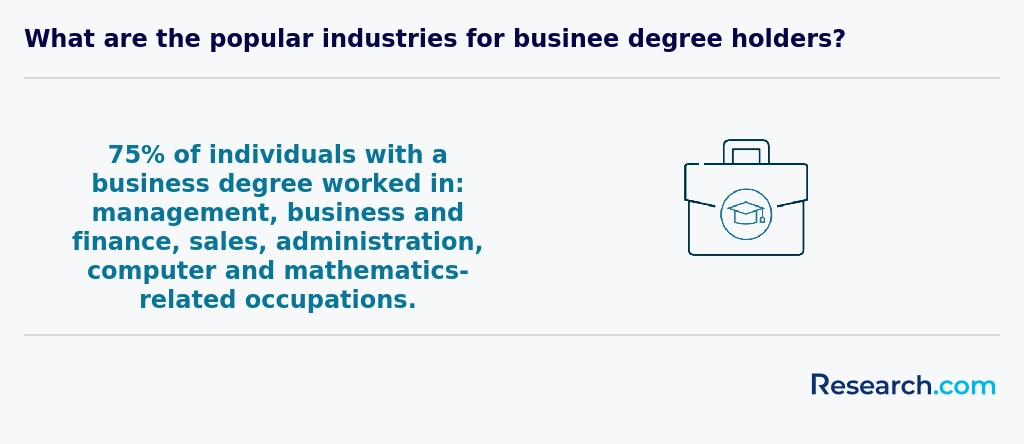
- Where can I work with business degree in Tulsa?
What can I expect from business degree in Tulsa?
When considering the cost of a business degree in Tulsa, you'll find it's notably more affordable compared to larger cities. For instance, graduates from Tulsa Community College often share how their associate degrees provided a budget-friendly launchpad into the business world, thanks to lower in-state tuition rates and practical programs that didn't break the bank.
Many undergraduate and graduate programs at the University of Tulsa balance quality education with reasonable tuition fees, often supplemented by scholarships and financial aid tailored to local students. This combination allows students to focus on gaining real-world skills without overwhelming financial stress.
Imagine connecting with Tulsa's thriving industries through internships that are built into your coursework, all while knowing your tuition aligns with your budget. This financial accessibility empowers you to pursue concentrations like supply chain management or entrepreneurship without compromising your economic stability.
Graduates often praise their ability to blend valuable classroom learning with hands-on experience, feeling both prepared and confident to enter Tulsa's dynamic business landscape without hefty student debt.
Where can I work with business degree in Tulsa?
Graduates from business programs at universities like the University of Tulsa and Oklahoma State University-Tulsa often find themselves stepping confidently into Tulsa's dynamic job market. Many start careers in the energy sector, joining companies such as ONEOK or Williams Companies, where their skills in management and finance drive real-world projects that impact the region's economy.
Others thrive in financial services at banks like BOK Financial or Arvest Bank, applying classroom knowledge to roles in analysis, accounting, or banking management. These positions offer not only growth but also the satisfaction of contributing to Tulsa's economic heartbeat.
Healthcare administration is another exciting avenue, where business graduates support health systems like Hillcrest or Saint Francis, blending business acumen with a mission to improve community wellbeing. Aerospace firms such as Spirit AeroSystems also welcome graduates into logistics and operations roles, turning their studies into tangible improvements in manufacturing efficiency.
For those drawn to entrepreneurship, Tulsa Innovation Labs embodies the city's vibrant startup culture, providing a perfect stage for creative business minds to launch and grow ventures. These pathways reflect the broad, promising landscape that Tulsa's economy offers to business graduates eager to make their mark.
Graduates from business programs in Tulsa often find promising salary opportunities that reflect both their skills and the local economy. For instance, business analysts-a role commonly pursued by Tulsa business grads-earn a mean annual wage of $112,950 according to recent BLS data. This figure highlights the strong potential for financial growth as one gains experience and hones analytical expertise.
Many Tulsa business graduates from institutions like the University of Tulsa or Oklahoma State University-Tulsa share how their starting salaries, typically between $45,000 and $55,000 in entry-level roles such as marketing coordinators or financial specialists, laid a solid foundation for career growth. Over time, stepping into positions like business development executives, who earn around $83,190 yearly, offers a rewarding boost in earning potential.
These salaries are encouraging, especially given Tulsa's supportive business environment and vibrant industries like energy and finance. Graduates often express pride and motivation, knowing their degrees open doors to meaningful work and competitive wages in their hometown.
- In-state tuition for public universities in Tulsa ranges from $7,000 to $11,000 annually, while private schools charge between $15,000 and $25,000 per year.
- Entry-level salaries for business graduates in Tulsa start around $45,000 per year, with experienced professionals earning between $75,000 and $85,000 annually.
- Tulsa's economy has a 1.5% annual growth rate in business-related occupations, indicating steady job market expansion.
- High-demand roles include financial analysts, marketing managers, and business operations specialists.
- The cost of living in Tulsa is lower than larger metropolitan areas, helping graduates maximize their income.
- Several Tulsa schools provide internships and cooperative education programs to improve job placement rates after graduation.
Completing a business degree in Tulsa most often takes about four years for full-time students enrolled in programs at well-known schools like the University of Tulsa or Tulsa Community College. These graduates often share how maintaining a steady course load of 120 to 130 credit hours helped them stay on track without feeling overwhelmed, balancing core business classes with engaging electives.
For those who juggle work and family, many local programs offer flexible evening or weekend classes. Graduates following this path suggest planning for three to six years, depending on course availability and personal commitments. Some even take advantage of accelerated options, tackling heavier credit loads or summer sessions to finish early-though this requires significant dedication.
Graduate students pursuing an MBA in Tulsa typically complete their degree in two years full-time, but part-time options can extend the timeline to three or four years. Many find the blend of on-campus and hybrid classes perfect for advancing their careers without putting life on hold.
Pursuing an affordable business degree in Tulsa, OK, should always include a clear understanding of your return on investment (ROI). By comparing the total cost of attendance-including tuition, fees, and living expenses-with potential starting salaries and long-term earning growth, you can make more informed decisions. For example, if your bachelor’s program costs $13,000 per year but leads to an average entry-level salary of $65,000, you could recoup tuition costs within two years of full-time employment. Key factors in calculating ROI:
- Total Cost: Sum of tuition, fees, books, and living expenses over four years.
- Starting Salary: Average first-year income for business graduates in Tulsa (~$60,000–$70,000).
- Payback Period: Time it takes to earn back educational investment, typically 2–3 years for Tulsa business programs.
- Long-Term Growth: Projected salary increases, with mid-career averages exceeding $100,000 for roles like Business Analyst or Project Manager.
When choosing between online and on-campus business degrees in Tulsa, the core curriculum remains consistent-finance, marketing, management, and economics-but the experience varies greatly. Graduates from the University of Tulsa often praise the on-campus program for its vibrant classroom interactions and access to local internships, creating valuable networking opportunities with Tulsa's business community.
Meanwhile, those who completed online business programs at Tulsa Community College highlight the flexibility to balance work and family. They appreciated studying asynchronously, which let them dive into coursework at their own pace without sacrificing a paycheck. Yet, this path demands strong self-discipline, as there's no in-person structure to rely on.
On-campus students benefit from immediate feedback and face-to-face connections, making collaboration feel natural. Conversely, online learners save on commuting and housing costs, a financial relief, especially with Tulsa's lower tuition rates. Both paths lead to meaningful outcomes, but your lifestyle and learning preferences will shape which journey feels right.
For students interested in pursuing their business education in other parts of Oklahoma, it's worth exploring the most affordable business programs in Oklahoma, which offer a range of options for those looking to study business without breaking the bank. By considering factors such as program flexibility, accreditation, and specializations, prospective students can find a business degree program that aligns with their career goals and financial situation.
Understanding the average cost of business degree in Tulsa is crucial for planning your education journey effectively. Graduates from Tulsa Community College and the University of Tulsa often reflect on how their investment in education, while significant, aligned well with their career goals. The median total cost for a business degree in Tulsa hovers around $51,590, with in-state students typically facing about $35,470. This difference highlights the advantage local students enjoy when pursuing affordable Tulsa business degree programs cost, especially at public institutions.
For many students, attending a local public college means managing tuition fees that are relatively lower, which makes obtaining a quality business education a reachable ambition. At private universities in Tulsa, tuition can be higher, but these schools often provide financial packages that help reduce out-of-pocket expenses. Graduates often share how scholarships and financial aid transformed their experience, making the path to a business degree smoother and less financially stressful.
Financial planning is key, and using resources like the most affordable business programs in Oklahoma can help you find options that fit your budget without compromising educational value. Many find that budgeting for additional expenses, such as textbooks and living costs, alongside tuition, prepares them for success both in school and beyond. Embracing this knowledge empowers Tulsa's future business leaders to pursue their dreams confidently within their means.

As the business landscape evolves at a rapid pace, prospective students must stay informed about emerging trends that significantly shape the skills and knowledge required for success. Recent advancements in digital technology, artificial intelligence, and data analytics are not only transforming how companies operate but also redefining the curriculum of modern business programs. Institutions in Tulsa, OK, are increasingly integrating industry-specific tools and real-world case studies into their courses, ensuring that graduates are well-equipped to lead innovative projects and navigate increasingly complex markets. Furthermore, as remote work and global connectivity expand, modern business education now emphasizes versatile communication skills and cross-cultural competencies. For those planning their academic journey, exploring accredited programs like business management degree can provide valuable insights into how these dynamic trends are integrated within the curriculum. Staying updated with industry trends and aligning your academic choices with future market demands is essential for long-term career success in today's competitive environment.
If you're aiming for a business degree in Tulsa, tapping into financial aid can make a huge difference. Many students at places like the University of Tulsa and Tulsa Community College have found that federal aid programs, starting with completing the FAFSA, open doors to valuable support. Pell Grants offer need-based funds that don't need to be repaid, often covering thousands yearly, easing the burden significantly.
Federal loans, such as Direct Subsidized Loans, are another reliable option, offering manageable repayment plans and the benefit of interest not accumulating until after graduation. State programs like the Oklahoma Tuition Aid Grant (OTAG) also help local students, rewarding residents who choose to study business right here in Tulsa.
Graduates often share how checking in with their college's financial aid office helped them discover scholarships tailored specifically for business majors-many from the Tulsa Community Foundation or local employers investing in professional growth through tuition reimbursement. These opportunities can transform your educational journey, boosting confidence and opening future doors.
To enroll in a business degree program in Tulsa, you'll need to start by completing your high school diploma or an equivalent like a GED. Tulsa's universities and colleges expect this foundation to ensure you're ready for the challenges ahead. Graduates often share how submitting strong academic transcripts, especially showcasing math and English skills, really helped them stand out during admissions.
Standardized tests such as the SAT or ACT might come into play, although some places like Tulsa Community College use them mainly for placement rather than strict admission. Many students find this flexibility encourages them to focus on building practical skills early on.
Beyond academics, demonstrating comfort with basic computer applications and analytical thinking can make a difference. In classes at Tulsa's popular institutions, graduates talk about how these skills were essential for group projects and real-world case studies.
If you're an international student, showing proficiency in English through tests like TOEFL or IELTS is required, helping you thrive in Tulsa's diverse learning environment.
To broaden your perspective on cost-effective business education, consider comparing Tulsa’s offerings with other regions covered by Research.com. For instance, the Cheapest Online Business Degree Programs Ranking in Murray, KY identifies top-value online programs that deliver flexibility and quality at competitive tuition rates. By analyzing metrics such as tuition costs, graduation rates, and online learning support across different markets, you can uncover programs that align with your budget, schedule, and career objectives. This comparative approach not only sharpens your selection criteria but also empowers you to invest in a program that maximizes both learning outcomes and return on investment.
When pursuing a business degree in Tulsa, you'll dive into courses that truly prepare you for the real world. Graduates from Tulsa Community College often recall starting with foundational classes like principles of management, where they learned to navigate leadership challenges and team dynamics-skills they still use every day. Courses in financial and managerial accounting demystify the numbers behind businesses, making budgeting and cost control feel much more approachable.
Marketing classes here go beyond theory; they explore market research and consumer behavior, helping students craft strategies that can win customers in Tulsa's vibrant energy and aerospace sectors. Many students find business law and ethics courses invaluable, as they provide clarity on legal responsibilities and build integrity, critical in any career.
Specialized tracks, such as entrepreneurship or international business, allow you to tailor your learning. For instance, former students from the University of Tulsa share how finance courses on investments and markets gave them the confidence to manage portfolios or aid local startups. Tulsa's business programs balance theory with practical skills, making your education feel relevant and inspiring every step of the way.
When pursuing a business degree in Tulsa, you'll find a diverse array of specializations designed to match the city's unique economic landscape. Graduates from Tulsa's top universities often reflect on how focusing on management unlocked leadership roles locally, especially given Tulsa's vibrant small business community. This specialization covers essential skills like strategic planning and human resources, gearing you to lead effectively in many industries.
Marketing is another exciting path, ideal for students drawn to Tulsa's growing media and advertising sectors. Learning digital marketing and consumer behavior here means crafting campaigns that resonate with local businesses and beyond. Many graduates praise how their expertise helped them thrive in Tulsa's dynamic retail and service markets.
For those interested in finance, Tulsa's banking and finance institutions offer great opportunities. Specializing in finance focuses on investment strategies and corporate finance, which aligns well with the city's steady industry growth. If you want to explore a comprehensive range of options, consider the business management degree, which often includes several of these popular tracks.
These specializations, along with others like entrepreneurship and supply chain management, make affordable Tulsa business degree programs uniquely valuable for students eager to succeed in real-world settings.
Choosing the best business degree in Tulsa means looking beyond just the name of the school. Many graduates from popular universities here emphasize the value of attending programs with strong accreditation and connections to Tulsa's industries, like energy and manufacturing. For instance, students who pursued specializations aligned with local job growth found internships through school partnerships, easing their transition into rewarding careers. If you seek the best affordable business degree Tulsa offers, consider not only tuition but the overall investment-including living expenses and experiential learning opportunities that build your resume.
Remember, the best business programs Tulsa 2027 will likely offer flexible schedules, catering to working professionals balancing life while studying. Graduates often share how evening or online classes helped them keep steady incomes while gaining vital skills. Leveraging local labor market trends will guide you toward skills in high demand, enhancing job prospects after graduation.
If you want to explore career outcomes further, check out what is the highest-paying masters in business to shape your ambitions. Your choice should inspire you to grow confidently in Tulsa's thriving economy.

Graduates with a business degree in Tulsa find themselves entering a vibrant job market rich with diverse opportunities. From financial analysts in Tulsa's strong energy sector to marketing managers working with regional leaders like ONEOK, a business degree opens doors across industries. Many graduates from popular colleges in Tulsa share how internships with local companies sharpened their knowledge and made them competitive candidates, perfectly positioning them for roles in sales, human resources, or operations management.
For those eager to explore entrepreneurial paths, Tulsa's growing startup ecosystem offers fertile ground for innovation. Business degree jobs in Tulsa also include consulting and project management roles, where understanding local economic trends makes a significant impact. With Tulsa's cost of living about 15% below the national average, graduates appreciate the balance between salary and lifestyle, empowering them to thrive professionally and personally.
Additional career opportunities include positions in financial services at Tulsa's regional banks, logistics management benefiting from the city's transportation hubs, and management roles within the oil and gas industries. Nonprofit management also attracts business graduates drawn to Tulsa's supportive community and social entrepreneurship initiatives. Those curious about expanding their education options can check out the Cheapest Online Business Degree Programs Ranking in Murray, KY to weigh affordable paths that complement Tulsa's cost-effective education benefits.
The job market for business degree graduates in Tulsa is vibrant and full of promise. Locally renowned universities equip students with practical skills that align well with the needs of Tulsa's diverse industries, including energy firms like Williams Companies and financial institutions such as BOK Financial. Graduates find themselves stepping confidently into roles in management, finance, and entrepreneurship, supported by continued growth in these sectors.
Many business students from popular Tulsa colleges share stories of internships and job offers tied directly to the city's expanding economy. The lower cost of living paired with competitive salaries ranging from $55,000 to $75,000 for entry-level positions makes Tulsa especially appealing for those launching their careers. For those eager to advance quickly, Tulsa's startup ecosystem and business incubators offer inspiring environments to develop new ideas.
Those exploring flexible study options might also consider a master degree online 1 year to enhance their credentials while engaging with Tulsa's job market. This approach resonates with graduates seeking to balance education, work, and life effectively while capitalizing on Tulsa business degree career prospects.
2027 Most Affordable Business Degree Programs Ranking in Tulsa
Investing in your education is a significant decision that can profoundly impact your career and future. The Research.com team recognizes the importance of making well-informed choices and has dedicated extensive effort to ensure the quality, credibility, and accuracy of the "2027 Most Affordable Business Degree Programs Ranking in Tulsa." To create this comprehensive ranking, we carefully analyzed multiple trusted data sources:
Readers will benefit from clear, data-driven insights that simplify the decision-making process when selecting an affordable, high-quality business degree program in Tulsa. To learn more about how this ranking was developed, please visit our Research.com methodology page.
# 1 position
Spartan College of Aeronautics and Technology
Bachelor of Business Administration


Frequently Asked Questions About business
Business degree students in Tulsa can maximize their learning experience by engaging deeply with the local business community. Tulsa's economy, driven by energy, aerospace, and finance sectors, offers valuable internship and networking opportunities that enhance practical skills. According to the Tulsa Regional Chamber, internships in local firms increase employment chances by 20% after graduation.
Students should also leverage Tulsa's affordable higher education institutions, such as the University of Tulsa and Tulsa Community College, which provide access to experienced faculty and tailored business programs. Participating in student organizations and attending regional business events can further develop leadership and communication skills.
Additionally, Tulsa's growing focus on entrepreneurship encourages students to connect with innovation hubs like 36 Degrees North. Utilizing these resources complements classroom learning with real-world application, ultimately strengthening job market readiness.
Emerging niches within the business field reflect the evolving economic landscape, particularly in Tulsa. One notable area is supply chain management and logistics, driven by Tulsa's central location and its role as a transportation hub. According to the Tulsa Regional Chamber, demand for professionals skilled in managing complex supply networks is increasing.
Another growing niche is sustainable business practices. Tulsa companies are implementing green initiatives, creating opportunities for business graduates focused on environmental management and corporate social responsibility. Data from the U.S. Bureau of Labor Statistics highlights that jobs in sustainability consulting are projected to grow by over 20% nationally through 2030.
Additionally, digital marketing and data analytics are rapidly expanding fields relevant to Tulsa's growing tech sector. Businesses seek analysts who can interpret large data sets to drive strategy and growth. These niches reflect broader trends, offering promising career paths for Tulsa business students.
Preparing for the job market after earning a business degree in Tulsa involves strategic planning and local networking. Tulsa's diverse economy, with strong sectors in energy, finance, and manufacturing, offers many opportunities for business graduates (U.S. Bureau of Labor Statistics, 2023). Students should leverage Tulsa's career fairs and university connections to secure internships, which 70% of employers value highly when hiring graduates.
Building skills in data analysis and digital marketing is also crucial, as these areas are growing in Tulsa's job market. Additionally, obtaining professional certifications like CPA or PMP can improve employability. Graduates should utilize Tulsa's Workforce Tulsa portal for job searches and career resources.
Employers in Tulsa highly value business degree graduates who demonstrate strong communication skills. According to the Tulsa Regional Chamber, clear and effective communication ranks among the top soft skills sought across sectors such as energy, finance, and manufacturing. Analytical thinking is equally crucial, with companies emphasizing data-driven decision-making to stay competitive in Tulsa's evolving economy.
Leadership and teamwork capabilities are also in demand. Tulsa's growing entrepreneurial scene encourages collaboration and adaptability, which employers expect from new hires. Additionally, proficiency in digital tools, including Excel and basic data analytics software, is a key differentiator in job postings across the Tulsa metropolitan area.
Finding internships in Tulsa relevant to a business degree involves leveraging local resources and institutions. Tulsa's economy is strong in sectors like energy, finance, and transportation, providing diverse internship opportunities.
Begin by exploring career services at Tulsa-area universities such as the University of Tulsa and Oral Roberts University, which maintain partnerships with local businesses. These services often post exclusive internship listings and organize job fairs.
Additionally, Tulsa's Chamber of Commerce offers networking events that connect students with employers seeking business interns. Online platforms like Handshake and LinkedIn can target Tulsa-based companies specifically.
According to the Tulsa Regional Chamber, nearly 60% of local employers prefer interns who have some prior coursework or experience tied to their business field, highlighting the value of focused preparation.
A business degree significantly enhances career mobility and advancement opportunities in Tulsa's diverse economy. With Tulsa's growing sectors such as energy, healthcare, and finance, employers increasingly seek candidates with strong business acumen. According to the U.S. Bureau of Labor Statistics, individuals with bachelor's degrees in business-related fields have a 20% higher chance of moving into management roles compared to those without.
Local data from the Tulsa Regional Chamber highlights that business graduates can expect average salary increases of 15-25% when advancing into leadership positions. Additionally, Tulsa's expanding startup scene values entrepreneurial skills developed through such degrees.
Studying for a business degree in Tulsa offers students a strong foundation for interdisciplinary roles by blending business fundamentals with local industry insights. Tulsa's educational institutions emphasize collaboration across fields such as finance, marketing, information technology, and management.
The city's growing sectors, including energy, aerospace, and healthcare, require professionals who understand multiple disciplines. According to the Tulsa Regional Chamber, over 80% of Tulsa employers prefer candidates with versatile skill sets.
Business programs in Tulsa often encourage internships and projects with local companies, providing real-world experience that integrates technical knowledge and business strategy. This practical approach helps graduates adapt to varied roles beyond traditional business functions.
Choosing between a thesis and a non-thesis business degree program in Tulsa depends on your career goals and learning preferences. Thesis programs emphasize research and developing original insights, ideal if you aim for roles in academia, consulting, or advanced studies. Non-thesis options focus more on practical skills and coursework, suitable for immediate entry into Tulsa's business market, which is growing in finance and energy sectors, according to the Tulsa Regional Chamber.
Consider the time commitment; thesis tracks often require more months to complete due to research. Also, tuition costs may vary between programs offered by universities like the University of Tulsa or Tulsa Community College.
Students in Tulsa seeking to study business abroad have several pathways available through local universities and study abroad programs. Institutions like the University of Tulsa and Oral Roberts University often partner with international schools, providing exchange programs in Europe, Asia, and Latin America. These experiences allow Tulsa students to earn credits toward their business degrees while gaining global perspectives.
Additionally, organizations such as the Tulsa Metro Chamber promote international business connections, enhancing opportunities for study and internships overseas. According to the Institute of International Education, nearly 10% of Oklahoma's study abroad participants focus on business-related fields, reflecting growing interest.
Financial aid and scholarships specific to study abroad are also accessible through Tulsa universities, helping reduce costs.
Students pursuing a business degree in Tulsa can benefit from several part-time job opportunities that provide practical experience and complement their academic studies. Positions such as administrative assistants, customer service representatives, and sales associates in Tulsa's diverse retail and corporate sectors allow students to develop communication and organizational skills crucial in business.
The Tulsa Metro Chamber reports strong growth in finance, insurance, and professional services, offering internships and part-time roles in accounting firms and financial institutions. This exposure helps students apply classroom theories to real-world financial analysis and client management.
Additionally, Tulsa's expanding small business environment provides opportunities for roles in marketing, social media management, and event planning, which align well with business curricula.
Business students in Tulsa benefit from numerous networking opportunities thanks to the city's vibrant economic environment. Tulsa is home to several business organizations, such as the Tulsa Metro Chamber, which regularly hosts events and mixers that connect students with local entrepreneurs and corporate leaders. These gatherings provide valuable face-to-face interactions critical for career growth.
Universities like the University of Tulsa and Oral Roberts University offer student chapters of national groups, including the American Marketing Association and Beta Gamma Sigma, enabling students to attend conferences and network nationally. Tulsa's thriving sectors, including energy and finance, also host internship fairs supporting real-world connections.
Alumni networks provide valuable connections for business degree students in Tulsa by linking them with graduates who have established careers locally and nationally. These networks often offer mentorship programs, internships, and job opportunities in Tulsa's growing sectors, such as energy, finance, and manufacturing.
According to the Tulsa Regional Chamber, graduates with strong alumni ties tend to access job placements 20% faster than those without. Alumni also facilitate professional development workshops and networking events, helping students build skills and relationships.
Additionally, Tulsa's business alumni can offer insights into the regional market, making the transition from education to employment smoother for new graduates.
Customizing a business degree program in Tulsa allows students to align their education with specific career goals. Many local institutions offer flexible curricula where students can choose concentrations such as finance, marketing, or entrepreneurship. Tulsa's growing sectors, including energy and telecommunications, influence available specialization options. According to the Tulsa Regional Chamber, business jobs in these industries are expected to increase by over 5% through 2028, highlighting relevant fields for specialization.
Students can also take advantage of internships and cooperative education programs offered by Tulsa universities to gain practical experience. Elective courses tailored to management or data analytics can further refine skills. Advisors play a key role in guiding course selection to fit individual career objectives.
Business students in Tulsa often face challenges balancing coursework with part-time jobs, as many need to support themselves financially. According to the National Center for Education Statistics, over 60% of undergraduate students in Oklahoma work while studying. This can add stress and reduce time for studying or internships.
Another issue is access to relevant local internships. While Tulsa hosts growing industries like energy and finance, competition is high, and some students struggle to find internships matching their career goals. Networking opportunities can be limited outside major metropolitan areas, affecting professional development.
Tuition costs also impact students, with Oklahoma in-state tuition averaging $5,000 per year, but additional fees and living expenses increase the financial burden. Managing these expenses while maintaining academic performance is a notable challenge for many Tulsa students.
With a business degree in Tulsa, you can pursue various professional certifications that enhance your career prospects. Common options include the Certified Public Accountant (CPA), ideal for those interested in accounting and finance, and the Project Management Professional (PMP), valuable for managing business projects effectively.
The Certified Management Accountant (CMA) is another respected credential, focusing on financial management and strategy. Additionally, the Chartered Financial Analyst (CFA) certification suits those aiming for investment analysis roles.
According to the Tulsa Regional Chamber, professionals holding certifications often earn 10-20% more than their non-certified peers. These credentials require passing exams and meeting work experience standards, providing a clear advantage in Tulsa's competitive business environment.
When applying for a business program in Tulsa, a clear and well-organized application is key to standing out. Begin by carefully reviewing each program's requirements, as many local schools like the University of Tulsa and Oral Roberts University emphasize strong academic records and relevant experience.
Highlight your leadership skills and community involvement, especially since Tulsa's growing business sectors value practical experience. Tailor your personal statement to reflect your career goals aligned with Tulsa's economy, which is robust in energy, aerospace, and finance.
Include any internships or work experience in Tulsa's industries, as this adds credibility.
Keep transcripts and recommendation letters ready and ensure application deadlines are met to enhance your chances.
The global outlook on a business career highlights significant opportunities fueled by international trade and cross-border investments. In the United States, including Tulsa, business degrees emphasize skills like global management, supply chain logistics, and international finance to prepare students for these dynamic markets.
According to the U.S. Bureau of Labor Statistics, jobs in business and financial operations are projected to grow by 8% between 2020 and 2030, reflecting steady global demand. Tulsa's expanding economy, with industries such as energy and aerospace, benefits from graduates skilled in global business practices.
Many Tulsa business programs incorporate global case studies and partnerships, reflecting the real-world demand for professionals who understand cultural diversity and international regulations.
Students pursuing a business degree in Tulsa can gain practical experience through internships, cooperative education programs, and part-time jobs related to their field. Tulsa's diverse economy, including energy, finance, and manufacturing sectors, offers ample opportunities for students to apply classroom knowledge in real workplaces. Many local colleges maintain partnerships with companies such as Williams Companies and BOK Financial to facilitate internships.
Additionally, Tulsa hosts business networking events and student-run organizations that enable hands-on project management and leadership skills. According to Tulsa Regional Chamber reports, students engaging in internships have a 20% higher chance of job placement after graduation.
Community projects and case competitions also provide practical experience while studying in Tulsa.
Choosing the right concentration within a business degree program in Tulsa involves considering local economic trends and personal career goals. Tulsa's economy emphasizes sectors like energy, aerospace, and finance, suggesting concentrations such as finance, supply chain management, or entrepreneurship could offer strong job prospects. According to the Tulsa Regional Chamber, businesses in these fields are expanding, creating demand for skilled graduates.
Students should assess their interests and strengths alongside labor market data, including Tulsa's lower unemployment rate compared to the national average of 3.6% as of early 2024. Internship opportunities with local firms, such as Williams Companies or American Airlines, can also guide practical specialization choices.
Consulting academic advisors and reviewing program curriculum diversity at Tulsa-area universities helps align education with industry needs and personal ambitions.
- 2027 Most Affordable Business Degree Programs Ranking in Wichita
- 2027 Most Affordable Business Degree Programs Ranking in Conway
- 2027 Most Affordable Business Degree Programs Ranking in Denton
- 2027 Most Affordable Business Degree Programs Ranking in Kansas City
- 2027 Most Affordable Business Degree Programs Ranking in Little Rock
- 2027 Most Affordable Business Degree Programs Ranking in Dallas
- 2027 Most Affordable Business Degree Programs Ranking in Lubbock
- 2027 Most Affordable Business Degree Programs Ranking in Dubuque
- 2027 Most Affordable Business Degree Programs Ranking in New Orleans
- 2027 Most Affordable Business Degree Programs Ranking in Birmingham
See What Experts Have To Say About Studying Business
Read our interview with Business experts


David W. Stewart
Business Expert
Emeritus President's Professor of Marketing
Loyola Marymount University

Ingrid S. Greene
Business Expert
Clinical Assistant Professor of Management
Loyola Marymount University

- Financial Aid - Tulsa Public Schools https://www.tulsaschools.org/about/teams/academics/psr/resources/fafsa
- What is the future of bachelor’s degrees in business? https://www.amba-bga.com/insights/what-is-the-future-of-bachelors-degrees-in-business
- The Biggest Challenges for Business School Students | EU Business School https://www.euruni.edu/blog/the-biggest-challenges-for-business-school-students/
- Interdisciplinary Business https://www.okwu.edu/academics/undergraduate/bachelor-interdisciplinary-business/
- Business Administration Degree Salary | UE Amsterdam https://www.ue-amsterdam.com/blog/business-administration-degree-salary-how-much-can-you-earn
- Top 10 Skills Employers Seek in Business Graduates in 2026 https://www.ibat.ie/blogs/top-10-skills-employers-seek-in-business-graduates-in-2026
- Why Alumni Networks Matter in Business School: 7 Reasons https://europe.ceibs.edu/article/why-alumni-networks-matter-business-school
- Global Perspectives: International Opportunities for Business School Students - SBS Swiss Business School https://sbs-uae.org/global-perspectives-international-opportunities-for-business-school-students-3/
- Niche Business Ideas: A Guide to Profitable Niche Business Selection - Inar Learn https://inarlearn.com/niche-business-ideas-a-guide-to-profitable-niche-business-selection/
- Is a thesis always mandatory in a master's degree program? - EFMU: The Euler-Franeker Memorial University and Institute https://euler.euclid.int/is-a-thesis-always-mandatory-in-masters-degree-program/