
2027 Most Affordable Business Degree Programs Ranking in Little Rock

Co-Founder and Chief Data Scientist
Choosing the right business degree program in Little Rock can feel overwhelming. That's why this article shares the 2027 Most Affordable Business Degree Programs Ranking in Little Rock, created by the Research.com team of data scientists. This ranking helps you explore options based on value and affordability, making your decision easier.
Getting a business degree opens doors to exciting careers and personal growth. Reading this guide gives you clear insights to find programs that fit your goals and budget. Take the first step toward a rewarding future with confidence.
Key benefits of getting business degree in Little Rock
- Business degree graduates in Little Rock can earn competitive salaries, such as a Business Analyst with a mean annual wage of $112,950 and a Business Development Executive earning about $83,190 per year, reflecting strong financial potential.
- Career paths for business graduates from local institutions often include roles like Business Analyst or Business Development Executive, offering diverse opportunities to grow in industries such as finance, marketing, and management.
- Obtaining a business degree online from a recognized university in Little Rock provides flexibility and convenience, allowing students to balance work and studies while gaining valuable skills that employers appreciate.
- 2027 Most Affordable Business Degree Programs Ranking in Little Rock
- What can I expect from business degree in Little Rock?
- Where can I work with business degree in Little Rock?
What can I expect from business degree in Little Rock?
The average cost of earning a business degree in Little Rock is notably affordable compared to national rates, especially at public institutions like the University of Arkansas at Little Rock. Graduates often recall managing tuition and fees that stay below the U.S. average, allowing them to focus more on learning and less on financial stress. Many report that this affordability made it possible to take advantage of additional opportunities like internships downtown, which helped boost their resumes without incurring extra debt.
Beyond tuition, students find value in programs accredited by respected bodies such as the Accreditation Council for Business Schools and Programs (ACBSP), ensuring the education is rigorous and market-ready. Evening and online course options offer flexibility for working students, which graduates credit for balancing jobs and family responsibilities while advancing their careers.
Overall, students can expect a practical, cost-effective path through their business degree, gaining key skills and real-world experience uniquely supported by Little Rock's dynamic economy and accessible education system.
Where can I work with business degree in Little Rock?
Graduates with a business degree from institutions like the University of Arkansas at Little Rock often step directly into key roles within the city's vibrant economy. Many find themselves employed in financial services firms, such as Stephens Inc., where analytical skills in investment and advisory serve as daily tools. Others land positions at Dillard's, gaining hands-on experience in marketing, corporate finance, or supply chain management, which brings real-world challenges that develop problem-solving abilities.
Healthcare administration at Arkansas Children's Hospital or Baptist Health attracts business graduates seeking growth in operations and human resources. One graduate shared how managing logistics in a hospital environment sharpened their leadership and organizational talents, creating a rewarding career path.
Government agencies in Little Rock hire business degree holders for roles in budgeting and economic development, allowing graduates to contribute directly to public policy and community growth. Entrepreneurship also thrives here; the Little Rock Technology Park and local incubators offer exciting platforms for new ventures, where graduates apply marketing and project management skills daily.
Graduates with a business degree in Little Rock can expect competitive salaries that align well with the city's cost of living and opportunities. For example, business analysts in the area earn an average annual wage of about $112,950, reflecting strong demand for analytical skills in local companies. This salary figure often surprises new graduates from universities like the University of Arkansas at Little Rock, who find that applying classroom knowledge to real business challenges in internships or entry-level roles quickly leads to well-paying positions.
Similarly, business development executives report average earnings around $83,190 per year, offering solid pathways for graduates focusing on sales, client relations, or strategic growth. Little Rock's expanding sectors in finance and corporate services provide many chances to advance rapidly. Graduates note that combining their degree with networking and on-the-job experience helps unlock these higher salaries.
Focusing on roles such as business analyst or business development executive builds a practical bridge from education to income, demonstrating how a Little Rock business degree can translate into financial stability and career growth.
- In Little Rock, public universities charge between $8,000 and $12,000 per year for in-state business undergraduates, while private colleges range from $15,000 to $25,000 annually.
- Community colleges offer more affordable associate degrees in business, often costing less than $5,000 per year.
- Entry-level salaries for business graduates typically start between $45,000 and $50,000 annually.
- Experienced business professionals in the area can earn over $80,000 per year within five to ten years.
- Business and financial operations jobs in Little Rock are expected to grow about 5% over the next decade, matching national averages.
- Specialized tracks offered include marketing, accounting, supply chain management, and entrepreneurship, with strong local internship opportunities.
Completing a business degree in Little Rock typically takes around four years for full-time students, especially at well-known institutions like the University of Arkansas at Little Rock. Graduates often share that attending full-time allowed them to finish strong within this timeframe, balancing classes and campus activities effectively.
For those with work or family commitments, part-time study is a common path, usually extending the program to six years or more. Many part-time students appreciate the flexibility offered by UA Little Rock's business programs, which accommodate their busy schedules while keeping them on track toward graduation.
Accelerated options or transferring previous college credits can help reduce the time needed. Several students in Little Rock successfully used these strategies to graduate sooner, feeling motivated by their ability to save time and tuition costs.
For graduate degrees like the MBA, expect about two years full-time, or three to four years part-time. Balancing work and studies at local universities often brings a rewarding challenge for students aiming to boost their careers without pausing their income.
When weighing the true cost of a business degree in Little Rock, AR, prospective students must consider not only tuition but also post-graduation earnings and career trajectory. On average, graduates report starting salaries between $50,000 and $60,000, with mid-career earnings climbing to $80,000 or more for roles like Project Manager and Business Analyst. By comparing total program costs-often ranging from $30,000 to $50,000 for a bachelor’s degree-with expected first-year salaries, students can project a payback period of just 1–2 years. Factoring in scholarships and federal aid reduces upfront expenses further, often cutting repayment timelines in half. For those exploring online master’s options, balancing affordability with flexibility is key. You may also be interested in the Low Cost Online Master's in Business Degree Programs Ranking in Tennessee, which highlights programs offering exceptional ROI through lower per-credit rates and accelerated pathways. Ultimately, maximizing return on investment hinges on selecting a program that aligns with your budget, specialization goals, and local employment demand-ensuring that every dollar spent translates into long-term career growth and financial stability.
Online business degrees in Little Rock, such as those offered by the University of Arkansas at Little Rock, provide flexibility for students balancing work or family. Graduates often share how studying via virtual classrooms allowed them to complete assignments on their own schedules, making it easier to stay motivated while managing life's demands. Reliable internet and a good device are essential to keep up with coursework and participate in online discussions.
On-campus programs offer a different experience. Students at colleges like UALR benefit from face-to-face interactions with professors and peers, which many graduates describe as invaluable for networking and teamwork skills. The ability to join local internships easily and access campus resources like career services creates opportunities for hands-on learning and job placement in Little Rock's business community.
Cost-wise, on-campus tuition typically ranges from $9,000 to $12,000 per year for in-state students, while some online programs might be slightly cheaper but often match this price due to technology and support services.
One of the most effective ways to balance cost and quality is to explore AACSB-accredited online MBA programs that combine rigorous curricula with flexible learning formats. AACSB accreditation signals a program’s commitment to excellence, ensuring you benefit from industry-aligned coursework, experienced faculty, and robust career services-all at an affordable price point. By choosing an accredited online MBA, you can often access reduced tuition rates, transfer credits more easily, and leverage asynchronous classes to continue working full time. For a curated list of cost-effective choices, explore aacsb online mba degree programs affordable to compare tuition rates, program lengths, and student outcomes. These programs typically include virtual internships, live networking events, and specialized career coaching, helping you apply classroom theory directly to real-world business challenges. Whether you aim to pivot into finance, marketing, or entrepreneurship, an AACSB-accredited online MBA offers the quality assurance of a top-tier credential without the premium price tag of traditional on-campus degrees.
The average cost of a business degree in Little Rock typically falls around $13,014 for in-state students, according to median total cost data. Many local students find these figures manageable, especially when attending popular schools like the University of Arkansas at Little Rock, where tuition and fees are designed to accommodate in-state residents. Graduates often share how this affordability helped them focus on their studies without overwhelming financial stress, proving that choosing local institutions can be a smart move.
Out-of-state students generally face higher expenses, with median total costs reaching approximately $28,590. This difference makes it crucial for non-residents to budget carefully or seek scholarships and financial aid. Fortunately, many students have successfully mitigated these costs by applying early for aid or enrolling in affordable business degree programs Little Rock offers, which often provide tailored support.
Beyond tuition, incoming students should also consider costs such as textbooks, supplies, and additional fees, which can add up. Many graduates advise planning for these expenses to maintain a balanced budget throughout the academic year. To explore more options, students can review the cheapest business programs in Arkansas, which highlight pathways to reduce the overall cost of earning a business degree in the region.

To embark on the journey of pursuing an affordable business degree in Little Rock, AR, it's crucial to have a clear understanding of the initial steps. Prospective students should first research the cheapest business programs in Arkansas to find options that align with their financial situation and career goals. Understanding the prerequisites for enrollment, such as GPA requirements and standardized test scores, is also essential. Many institutions in Little Rock offer flexible program structures, including online and part-time options, which can be particularly appealing to working professionals or those with family commitments. By exploring these avenues and considering factors like accreditation, program offerings, and internship opportunities, individuals can make informed decisions about their educational path. Furthermore, reaching out to academic advisors or attending information sessions at local universities can provide valuable insights into the application process and what to expect from the program. This proactive approach will not only facilitate a smooth transition into higher education but also set the stage for a successful and fulfilling career in the business sector.
Business students in Little Rock often rely on federal financial aid like Federal Pell Grants and Direct Loans to make tuition at schools such as the University of Arkansas at Little Rock (UALR) more manageable. One graduate shared how a Pell Grant covered a substantial portion of their $9,000 annual tuition, easing financial stress and allowing focus on studies. Work-study jobs on campus further helped them gain experience while earning money for textbooks and living expenses.
State aid is another valuable resource. The Arkansas Academic Challenge Scholarship offers renewable awards averaging $3,500 yearly to students who meet GPA and ACT requirements. Many UALR business students use this to reduce their tuition costs, boosting confidence in their ability to afford school.
Local scholarships from private organizations also provide targeted help for business majors interested in entrepreneurship or finance. These scholarships often require separate applications but can create exciting opportunities to engage with the community and build a stronger resume.
Actively combining these aids early lets prospective students turn financial challenges into manageable steps toward earning their degree in Little Rock.
To enroll in a business degree program in Little Rock, you must first have a high school diploma or GED, which is a universal requirement across local colleges and universities. Graduates often share how completing key high school courses like algebra and basic economics gave them confidence entering business studies, as these subjects support essential skills like finance and statistics.
Most schools ask for SAT or ACT scores, but some have embraced test-optional policies, easing the application process. For instance, a recent graduate recalls how submitting strong recommendation letters and a clear personal statement helped showcase their motivation beyond test scores.
Non-native English speakers need to prove language proficiency through exams like TOEFL. This ensures smooth participation in group projects and presentations, common at institutions such as the University of Arkansas at Little Rock.
For MBA hopefuls, two to three years of work experience is typically required, which enriches classroom learning with real-world insights. Many students find this practical experience rewarding, linking theories directly to career ambitions in Little Rock's thriving business community.
Financial readiness is key. Public universities in Little Rock offer in-state tuition near $10,000 annually, making quality business education affordable and accessible.

As you prepare to embark on your business education journey in Little Rock, AR, it’s essential to take actionable steps that ensure your choice aligns with your career aspirations and financial planning. Begin by researching each institution’s accreditation status and student support services, which are crucial indicators of program quality and long-term career success. Engage with current students and alumni through virtual information sessions or campus visits to gain firsthand insights about the program culture, internship opportunities, and networking potential. Moreover, utilize comprehensive online resources to compare program offerings and career outcomes. For example, if you’re curious about how different specializations impact long-term earning potential, you might explore insights from Highest Paying Business Majors. Additionally, ensure that you meet the prerequisite requirements and prepare a compelling application portfolio that highlights your academic achievements and career goals. Leveraging scholarship databases and financial aid opportunities can further refine your options while aligning your educational investment with your future aspirations. These proactive measures will empower you to make a well-informed decision, setting the stage for a rewarding academic and professional journey in business.
A business degree in Little Rock typically includes core courses designed to build practical skills relevant to local industries. Graduates from well-known colleges in the city often highlight how Principles of Management helped them lead real student groups and projects, reflecting leadership demands in Arkansas's expanding healthcare and finance sectors.
Accounting classes-both financial and managerial-are valued for teaching precise money management, crucial for navigating budgets in Little Rock's growing logistics companies. Marketing Fundamentals focus on digital strategies and consumer behavior, directly applicable when graduates intern at local firms seeking to attract regional customers.
Courses in Business Law clarify state-specific regulations, giving students confidence when handling contracts or compliance challenges locally. Economics and Statistics classes equip students to analyze market trends and business data, skills praised by alumni working in dynamic economic roles around Little Rock.
Additionally, Operations Management and Business Ethics provide insights into efficient workflows and responsible leadership, shaping graduates who can confidently contribute to Arkansas's business environment with practical and ethical approaches.
Business degree programs in Little Rock typically offer a range of practical specializations that help students focus on their career goals. Graduates from institutions like the University of Arkansas at Little Rock report that concentrating on accounting prepares them well for CPA certification and roles in corporate finance or public accounting. Marketing specializations equip students with skills in market research and digital campaigns, which align with the needs of local retailers and service companies.
Finance tracks emphasize investment analysis and financial planning, ideal for those targeting banking or insurance sectors prominent in Little Rock's economy. Many find management courses valuable for developing leadership and strategic thinking needed across various city industries. Entrepreneurship remains a favorite for those eager to launch startups or innovate within established firms, reflecting the city's growing business scene. Choosing the right specialization is easier when you understand how each aligns with local job markets and personal interests.
For more insight on lucrative career paths, explore Highest Paying Business Majors. This knowledge helps tailor your degree plan within the spectrum of business degree specializations in Little Rock while considering Little Rock affordable business degree options.
To choose the best business degree in Little Rock, focus on programs that offer strong specializations aligned with your career goals, such as management, marketing, or finance, commonly found at the University of Arkansas at Little Rock and Philander Smith College. Graduates from these schools often highlight the advantage of personalized attention due to smaller class sizes and experienced faculty, which enhances understanding and confidence.
Verify that the program has AACSB accreditation or other reputable regional accreditation, as this ensures quality education and better job prospects. Many students appreciate the affordability of local options like Pulaski Technical College, which can help minimize debt while still providing valuable skills.
Internships with Little Rock's thriving healthcare, manufacturing, and finance companies bring classroom lessons to life and build networks. Evening and online courses offer necessary flexibility for working students, making affordable business schools Little Rock options accessible for many.
For cost-conscious students, exploring aacsb online mba degree programs affordable is a great strategy to access quality education without breaking the bank.
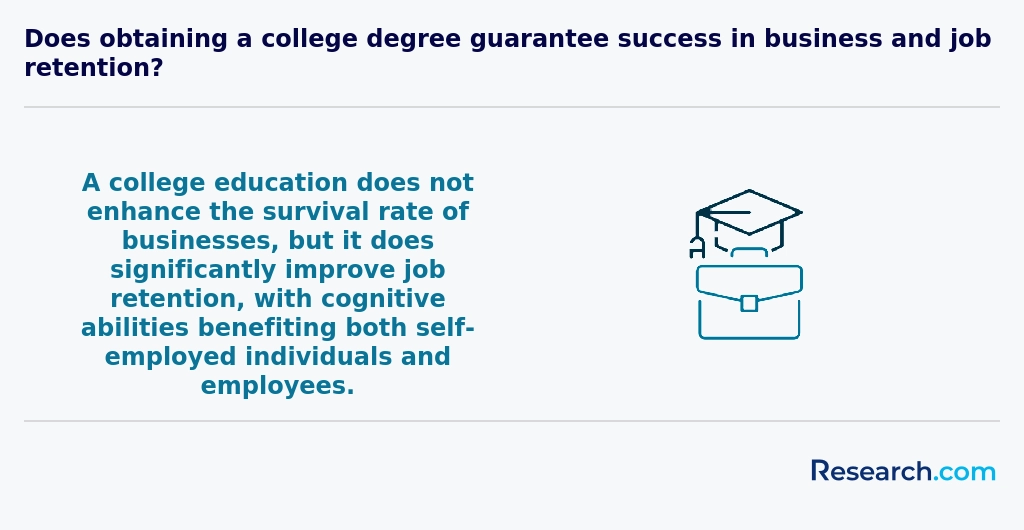
Graduates with a business degree in Little Rock can pursue several rewarding career paths tailored to the city's economic strengths. Many find opportunities in accounting and finance, working for local firms or corporate headquarters like Dillard's, where practical financial skills lead to roles such as auditors and financial analysts. Business students from well-known colleges here often highlight how internships with these companies solidify their readiness for such positions, making the job search smoother.
Marketing and sales remain vibrant fields, especially as businesses expand both online and physical presence. Graduates with knowledge of local market trends enjoy an edge securing roles in digital strategy or sales management. Real-life experiences shared by local university alumni show that adapting to Little Rock's unique consumer behavior can accelerate career growth in these sectors.
For those interested in innovation, entrepreneurship flourishes thanks to support from organizations like the Little Rock Regional Chamber of Commerce. Business degree careers in Little Rock often include launching startups, and graduates report the city's community resources help them confidently develop their ventures.
Additional options include human resources, operations management, and business analytics, all critical to regional employers. To explore affordability while preparing for these job opportunities for business graduates Little Rock offers, prospective students might consider programs highlighted in the Low Cost Online Master's in Business Degree Programs Ranking in Tennessee.
The job market for business degree holders in Little Rock offers promising business degree job opportunities in Little Rock, especially for graduates of local institutions like the University of Arkansas at Little Rock. Many recent graduates share how internships with regional finance firms or healthcare administration offices helped launch their careers quickly. The city's strong presence in financial services, healthcare management, manufacturing, and retail sectors translates into real-world openings for roles in management, marketing, and operations.
The employment outlook for business graduates Little Rock is positive, with expected growth slightly above the national average. Entry-level salaries typically start between $45,000 and $55,000, rising as professionals gain experience and certifications. Graduates often emphasize the value of combining their degree with practical experience and professional credentials to stand out in this competitive market.
Students aiming to study business locally appreciate affordable tuition rates under $8,000 per year, supporting access to quality education within budget. For those exploring further educational paths, easiest masters programs can be an excellent next step to deepen expertise and increase earning potential in Little Rock's evolving business environment.
2027 Most Affordable Business Degree Programs Ranking in Little Rock
Investing in your education is a significant decision that can profoundly impact your future, and the Research.com team is committed to helping you make well-informed choices. To support prospective students in Little Rock, we have carefully developed the "2027 Most Affordable Business Degree Programs Ranking in Little Rock." Our dedication to quality, credibility, and accuracy is demonstrated through extensive research and rigorous analysis.
We utilized the following reputable data sources to ensure a comprehensive evaluation of business degree programs:
By exploring this ranking, readers will gain valuable insights into affordable business degree options in Little Rock, enabling them to make confident and strategic choices for their educational paths. For a deeper understanding of our methodology, please visit our Research.com methodology page.
# 1 position
Arkansas Baptist College
Bachelor of Business Administration
# 2 position
Strayer University-Arkansas
Bachelor of Business Administration

# 3 position
Strayer University-Arkansas
Master of Business Administration

Frequently Asked Questions About business
Business degree students in Little Rock can maximize their learning experience by engaging actively with local industry opportunities. Little Rock hosts several Fortune 500 company headquarters, such as Dillard's and Windstream, providing valuable internship and networking prospects. Connecting with the Arkansas Small Business and Technology Development Center offers guidance and practical experience in entrepreneurship and business management.
Students should seek out experiential learning through internships and cooperative education programs, which are often available at institutions like the University of Arkansas at Little Rock. These programs help develop real-world skills alongside academic knowledge.
Additionally, attending local business events and workshops supports professional growth and community integration. Utilizing campus resources like career services and business clubs further enhances practical learning and career readiness.
The business field is rapidly evolving, and several emerging niches are gaining attention within the Little Rock area. One key area is sustainable business practices, driven by increased local demand for environmentally conscious operations. Data from the Little Rock Regional Chamber highlights a 20% growth in green businesses over the past five years.
Another growing niche is data analytics and business intelligence. As companies collect more data, the need for professionals skilled in interpreting and applying this data rises. The Arkansas Economic Development Commission notes a 15% increase in job postings requiring data analysis skills in Little Rock since 2020.
Additionally, digital marketing and e-commerce have expanded significantly, reflecting shifting consumer behavior online. Students interested in these fields can find increasing opportunities in Little Rock's expanding tech and retail sectors.
After completing a business degree in Little Rock, graduates should focus on building relevant skills and professional networks to succeed in the local job market. Little Rock's diverse economy, with strong sectors in finance, healthcare, and manufacturing, offers varied opportunities for business graduates, according to the Arkansas Economic Development Commission.
Internships and cooperative education programs, often available through local universities like the University of Arkansas at Little Rock, provide practical experience that employers value.
Additionally, attending career fairs and joining local business organizations such as the Little Rock Regional Chamber of Commerce can enhance networking and job prospects. Business graduates should also consider certifications in project management, digital marketing, or data analysis to improve employability in competitive fields.
Employers in Little Rock consistently seek business graduates equipped with strong analytical and communication skills. According to the Greater Little Rock Chamber of Commerce, candidates who can interpret data effectively and present insights clearly are highly valued in local industries such as finance and healthcare.
Leadership and teamwork abilities also rank high, as many businesses emphasize collaboration and management potential. A 2023 report by Arkansas Economic Development Commission highlights that adaptability and tech proficiency, especially in software like Excel and QuickBooks, are critical skills in this evolving market.
Problem-solving and ethical decision-making are frequently mentioned by hiring managers in Little Rock's competitive business environment, reflecting the importance of responsible leadership in the region's growth sectors.
Finding internships in Little Rock related to a business degree involves a mix of research, networking, and utilizing local resources. Start by exploring opportunities at local companies such as Dillard's, Stephens Inc., and Windstream Holdings, which have significant business operations in the area.
Students should also leverage campus career centers if enrolled in colleges like the University of Arkansas at Little Rock, as these often maintain updated internship listings and host career fairs.
Joining local chapters of professional organizations, such as the Little Rock Chamber of Commerce, can provide valuable networking connections. Additionally, online platforms like Handshake and Arkansas Workforce offer internship postings specifically in the Little Rock region.
According to the Arkansas Department of Workforce Services, business-related internships in Central Arkansas have grown by 8% over the last three years, reflecting an increasing local demand for young professionals.
In Little Rock, earning a business degree significantly enhances career mobility and advancement opportunities. The city's growing economy, driven by sectors like finance, healthcare, and technology, values candidates with strong business acumen and leadership skills. According to the Bureau of Labor Statistics, business-related occupations in Arkansas are expected to grow by about 5% through 2030, indicating steady demand for qualified professionals.
Local employers often prefer candidates with a degree due to their understanding of management principles, data analysis, and strategic planning. Business graduates typically advance faster to supervisory or executive roles compared to those without formal education in the field.
In addition, many Little Rock businesses actively recruit from nearby universities, such as the University of Arkansas at Little Rock, which offers networking opportunities that support career growth. A business degree thus acts as a catalyst for upward career movements within this competitive regional market.
Studying for a business degree in Little Rock offers students essential skills to excel in interdisciplinary roles. Many local programs emphasize collaboration between business, technology, and communication fields, reflecting the demands of Arkansas's growing economy.
Little Rock's business schools often incorporate coursework in data analysis, marketing, and management, giving students a versatile foundation. According to the Arkansas Department of Workforce Services, industries such as healthcare, finance, and logistics-key sectors in the city-require professionals who understand multiple disciplines.
Additionally, internships and partnerships with local companies provide practical experience, helping students bridge theory with real-world challenges. This approach prepares graduates to work in diverse teams and adapt to evolving business environments.
Choosing between a thesis and a non-thesis business degree program in Little Rock depends on your career goals and learning preferences. Thesis programs often require original research and can prepare students for doctoral studies or analytical roles. Non-thesis programs focus more on coursework and practical skills, which suits those aiming for immediate industry employment.
According to the Arkansas Department of Higher Education, many local employers in finance and marketing prioritize practical experience over research background. Students planning to work in Little Rock's business hubs might find a non-thesis degree aligns better with local job market demands.
Consider consulting academic advisors to understand each program's structure and potential networking opportunities in Little Rock's business community.
Students based in Little Rock seeking to study business abroad have several pathways supported by U.S. higher education systems. Many Arkansas universities with business programs offer study abroad partnerships, particularly in Europe and Asia, allowing credit transfer back toward a degree. For example, the University of Arkansas at Little Rock facilitates exchanges with institutions in countries like Spain and Germany, enhancing global business perspectives.
Additionally, federal programs such as the Gilman Scholarship provide financial assistance to undergraduates pursuing international study. According to Open Doors Report 2023, about 15% of Arkansas business students participated in study abroad programs, reflecting growing interest. These options enable Little Rock students to gain valuable cross-cultural experience essential for today's global business environment.
Little Rock, Arkansas, offers several part-time job opportunities that can enrich business degree education through practical experience. Positions in retail management, customer service, and accounting roles are common among students, allowing direct application of business theories such as marketing and finance. Local businesses, including the headquarters of Dillard's and Windstream Communications, sometimes provide internships or part-time roles valuable for building professional networks.
According to the U.S. Bureau of Labor Statistics, sales and financial clerk roles in Little Rock have seen steady demand, aligning well with business curricula. Additionally, part-time work at Chamber of Commerce events or non-profits can enhance leadership and organizational skills. Students benefit most by seeking positions offering real-world insights alongside academic study.
Business students in Little Rock benefit from a variety of networking opportunities linked to the city's robust economic environment. Little Rock is home to the headquarters of several major corporations, including Dillard's and Windstream Communications, offering connections through internships and corporate events. The Greater Little Rock Chamber of Commerce actively supports student involvement in business activities, providing access to workshops and mixers.
Local universities frequently host career fairs and speaker series featuring business leaders. Additionally, organizations such as the Arkansas Small Business and Technology Development Center offer resources and networking events tailored to entrepreneurs and business students. These platforms help students build professional relationships critical for career advancement.
Alumni networks play a significant role in supporting business degree students in Little Rock by offering extensive professional connections within the local economy. Graduates often provide mentorship, internships, and job referrals, which are invaluable given Little Rock's growing sectors, such as finance and healthcare management. According to data from the Little Rock Regional Chamber, businesses here frequently prioritize candidates with strong community ties, making alumni connections crucial.
Moreover, alumni events and networking opportunities allow students to engage with experienced professionals who understand the regional market. This access can lead to collaborations, enhanced career guidance, and insights on evolving industry trends. Overall, these networks help bridge academic learning with real-world business opportunities in Little Rock.
In Little Rock, students can customize their business degree programs by selecting concentrations that align with their career goals. Many institutions offer specializations such as finance, marketing, management, or entrepreneurship, allowing students to build relevant skills.
Additionally, students may choose elective courses tailored to local industry needs. For example, Little Rock's growing healthcare and logistics sectors provide opportunities to focus studies on healthcare management or supply chain management.
Internships and cooperative education with local businesses offer practical experience and networking advantages. According to the U.S. Bureau of Labor Statistics, Little Rock's business services sector continues to grow, increasing demand for specialized skills.
Students should also explore faculty expertise and available resources to ensure their program supports their professional ambitions.
Business students in Little Rock often face challenges related to balancing coursework with part-time work or internships. According to the Arkansas Department of Higher Education, many students juggle jobs to manage tuition costs, which can impact study time and academic performance. Additionally, access to specialized business resources may be limited compared to larger metropolitan areas, affecting networking opportunities and real-world experience.
Another common challenge is adapting to evolving business technologies. Local employers increasingly demand skills in data analytics and digital marketing, requiring students to remain proactive in upgrading their abilities. Furthermore, economic factors in Arkansas, with a median household income below the national average, sometimes influence students' decisions about continuing education.
With a business degree in Little Rock, you can pursue several valuable professional certifications that enhance your career prospects. Popular options include the Certified Public Accountant (CPA), ideal for graduates interested in accounting and finance. The Project Management Professional (PMP) certification is highly regarded for those aiming to lead projects across industries. Additionally, the Certified Management Accountant (CMA) focuses on financial management and strategy.
Little Rock's growing economy, driven by sectors like finance and healthcare, benefits from professionals holding certifications that improve skills and earning potential. According to the U.S. Bureau of Labor Statistics, certified professionals tend to earn 10-15% more than non-certified peers.
These certifications typically require a mix of education, work experience, and passing rigorous exams, making a business degree a critical first step.
When applying to a business program in Little Rock, it is essential to present a clear and focused application. Start by thoroughly researching each school's specific requirements and tailor your personal statement to highlight your career goals in relation to Little Rock's growing business sectors, such as finance, healthcare, and logistics.
Include concrete examples of your leadership experience and any relevant internships or work in Little Rock's competitive local job market, which, according to the Little Rock Regional Chamber, has seen a 3.5% job growth in business occupations recently.
Strong letters of recommendation from professionals familiar with your business skills add credibility. Finally, ensure all documents are error-free and submitted before deadlines to improve your chances.
Business careers today are shaped by a global marketplace where understanding international trends is essential. Graduates with business degrees in Little Rock benefit from exposure to worldwide economic dynamics, such as global supply chains and cross-cultural management. According to the U.S. Bureau of Labor Statistics, global business-related jobs are projected to grow by 7% through 2031, aligning with increasing trade and digital transformation.
The Little Rock metropolitan area supports diverse industries including transportation, finance, and manufacturing, which interact with global markets. This regional context offers students practical insights into how local firms compete internationally. Universities in Little Rock increasingly incorporate global business topics in their curricula to enhance graduates' competitiveness.
Students pursuing business degrees in Little Rock can gain practical experience through internships, cooperative education programs, and networking opportunities. Many universities partner with local companies, such as Dillard's and Windstream, providing students hands-on experience in retail, telecommunications, and other industries. According to the Arkansas Department of Workforce Services, internships increase job placement rates by 20% within six months of graduation.
Additionally, business students can join student-run organizations or participate in local business competitions to develop real-world skills. Little Rock's Chamber of Commerce and Innovation Hub offer mentoring and workshops that connect students to industry professionals, fostering valuable professional relationships early in their careers.
Choosing the right concentration within a business degree program in Little Rock involves considering local economic trends and personal career goals. Little Rock's economy is strong in sectors like healthcare, finance, and logistics, influencing demand for skills in these areas according to the Greater Little Rock Chamber of Commerce. Prospective students should research which concentrations align with prominent regional industries, such as accounting, supply chain management, or healthcare administration.
Additionally, students can consult job market data from the Arkansas Department of Workforce Services to identify in-demand careers and expected salary ranges. Understanding program offerings at Little Rock universities and their connections to local employers also supports informed decisions.
- 2027 Most Affordable Business Degree Programs Ranking in Conway
- 2027 Most Affordable Business Degree Programs Ranking in Dallas
- 2027 Most Affordable Business Degree Programs Ranking in Denton
- 2027 Most Affordable Business Degree Programs Ranking in Birmingham
- 2027 Most Affordable Business Degree Programs Ranking in Kansas City
- 2027 Most Affordable Business Degree Programs Ranking in Wichita
- 2027 Most Affordable Business Degree Programs Ranking in New Orleans
- 2027 Most Affordable Business Degree Programs Ranking in Mobile
- 2027 Most Affordable Business Degree Programs Ranking in Montgomery
- 2027 Most Affordable Business Degree Programs Ranking in Louisville
See What Experts Have To Say About Studying Business
Read our interview with Business experts

David Souder
Business Expert
Senior Associate Dean for Faculty and Research
Michigan State University

David W. Stewart
Business Expert
Emeritus President's Professor of Marketing
Loyola Marymount University

Ingrid S. Greene
Business Expert
Clinical Assistant Professor of Management
Loyola Marymount University

- 2024 Best Business Schools | How Alumni Rate Their Undergraduate Business Degrees https://poetsandquantsforundergrads.com/news/best-business-schools-alumni-rate-undergraduate-business-degrees/5/
- 8 Best Places to Study Abroad for Business [+ How to Choose] https://www.semesteratsea.org/study-abroad-for-business/
- 1. Online registration https://moderna.edu.pl/majors/management/bachelor-of-management/business-management/
- Global Perspectives: International Opportunities for Business School Students - SBS Swiss Business School https://sbs-uae.org/global-perspectives-international-opportunities-for-business-school-students-3/
- Interdisciplinary Business https://www.okwu.edu/academics/undergraduate/bachelor-interdisciplinary-business/
- Online and Traditional Business Degrees Comparison | Free Essay Example https://studycorgi.com/online-and-traditional-business-degrees-comparison/
- Finding Networking Opportunities as a Student | National Society of High School Scholars https://www.nshss.org/resources/blog/blog-posts/how-to-find-networking-opportunities-as-a-student/
- How to Find a Job with an International Business Degree - Hunter Recruiting https://www.hirecruiting.com/newsroom/how-to-find-a-job-with-an-international-business-degree/
- How to Use Your MBA for Career Growth While You’re Still Studying - International Career Institute USA https://icieducation.com/blog/how-to-use-your-mba-for-career-growth-while-youre-still-studying/
- The Biggest Challenges for Business School Students | EU Business School https://www.euruni.edu/blog/the-biggest-challenges-for-business-school-students/


