2027 Most Affordable Business Degree Programs Ranking in Kansas City

Co-Founder and Chief Data Scientist
Choosing the right business degree program can feel overwhelming, especially with so many options in Kansas City. To make this easier, the article presents the 2027 Most Affordable Business Degree Programs Ranking in Kansas City, created by the Research.com team of data scientists.
By exploring this ranking, you'll discover quality programs that balance cost and value. Whether you're starting your career or advancing it, this guide helps you find programs worth considering.
Getting a business degree opens doors to new opportunities and personal growth. This article is here to support your journey with clear, trustworthy information.
Key benefits of getting business degree in Kansas City
- Business degree graduates in Kansas City can expect competitive salaries, such as a Business Analyst earning around $112,950 annually and a Business Development Executive making approximately $83,190 per year.
- Graduates from local universities like the University of Missouri-Kansas City enjoy diverse career paths in roles such as business analysis, development, and management, opening doors to exciting opportunities.
- Online business degrees from institutions like Park University offer flexibility and convenience, allowing students to balance work and study while gaining industry-relevant skills remotely.
- 2027 Most Affordable Business Degree Programs Ranking in Kansas City
- What can I expect from business degree in Kansas City?
- Where can I work with business degree in Kansas City?
What can I expect from business degree in Kansas City?
The average cost of pursuing a business degree in Kansas City typically ranges from $7,000 to $10,000 per year for in-state students at public universities such as the University of Missouri-Kansas City (UMKC). Graduates from these institutions often highlight the affordability as a key factor in their positive experience, allowing them to focus more on gaining practical skills rather than worrying about excessive financial burdens. This cost-effective education is enhanced by accessible scholarship opportunities and financial aid, which many students successfully utilize to reduce their tuition fees further.
Many students appreciate the flexibility offered by programs at institutions like UMKC and Rockhurst University, where evening and online classes accommodate working professionals. This adaptability helps students balance their education with personal and professional responsibilities while benefiting from Kansas City's vibrant business landscape.
Students emerging from these programs frequently cite internship experiences with local corporations such as Hallmark or H&R Block, facilitated by their universities, as invaluable. These opportunities complement affordable tuition by providing real-world exposure and strong networking channels, making the cost of education a worthwhile investment.
Where can I work with business degree in Kansas City?
Graduates with a business degree from prominent Kansas City institutions such as the University of Missouri-Kansas City (UMKC) often find rewarding employment across diverse sectors in the region. Many embark on careers within the city's robust finance industry, joining firms like U.S. Bank and Commerce Bank, where they apply skills in banking, investment analysis, and risk management. These roles offer dynamic environments that enable graduates to contribute to the local economy while developing valuable expertise.
Others leverage their education to secure positions in the thriving healthcare sector, working for organizations like HCA Midwest Health or Saint Luke's Health System. Here, business graduates frequently manage operations or lead marketing initiatives, experiencing professional growth alongside expanding medical services in Kansas City.
Opportunities also abound in corporate settings, with companies such as Hallmark Cards and Cerner Corporation hiring business alumni for roles in business analytics, project management, and supply chain logistics. Many graduates appreciate the vibrant entrepreneurial landscape supported by local startups and small businesses, which stimulate innovation and consulting prospects.
Graduates often highlight the advantage of studying business locally, citing strong networking connections and real-world internships that enhance their readiness for these varied career paths.
Graduates with a business degree from universities in Kansas City often find rewarding salary prospects aligned with regional market dynamics. For instance, business analysts-roles frequently obtained by recent graduates-earn a mean annual salary of approximately $112,950 in this area. This figure illustrates the premium placed on analytical and strategic skills by local employers.
Another common career path, business development executives, command an average yearly wage around $83,190, reflecting steady demand across Kansas City's diverse industries. Graduates launching their careers here appreciate that these salaries compare favorably with both national levels and the city's relatively moderate cost of living.
Business students from popular institutions in Kansas City report that internships and networking opportunities significantly enhance their ability to secure these competitive salaries. Real-world experiences often lead to superior job offers, enabling graduates to quickly transition from entry-level positions to more lucrative roles.
In sum, earning a business degree in Kansas City equips graduates with skills that translate into solid financial outcomes, fostering confidence and motivation to thrive in a dynamic metropolitan job market.
- In-state tuition and fees for a bachelor's degree in business at public universities in Kansas City range from $25,000 to $40,000.
- Private institutions often charge over $50,000 but may provide scholarships to lower costs.
- Entry-level salaries for business graduates start around $50,000 per year, varying by specialty.
- Mid-career salaries in the area typically increase to between $80,000 and $90,000 annually.
- The job market in Kansas City includes key industries like finance, insurance, real estate, and professional services, with an employment growth projection of about 7% over the next decade.
- Kansas City's affordable living costs and expanding economy support opportunities for new graduates and entrepreneurs.
Completing a business degree in Kansas City commonly takes four years for full-time students pursuing a Bachelor of Business Administration, consistent with the 120 to 130 credit hours required by most local universities, such as the University of Missouri-Kansas City (UMKC). Graduates often describe the experience as intense yet rewarding, with flexible formats like evening and weekend classes accommodating working professionals who opt for part-time enrollment. These part-time students may take five to seven years to finish, balancing coursework with career and personal commitments.
Accelerated programs offered by some colleges enable completion in as few as three years, often by leveraging Advanced Placement credits or dual enrollment options. Graduates appreciate the opportunity to enter the workforce sooner without sacrificing quality. For graduate business education, a full-time MBA typically lasts one to two years, while part-time or executive MBA tracks extend to three years or more, providing adaptability for busy professionals in Kansas City's dynamic economy. Students value this flexibility as it allows career advancement alongside academic growth.
Online and on-campus business degree programs in Kansas City differ primarily in delivery style, interaction, and cost. Students at institutions like the University of Missouri-Kansas City appreciate the immersive face-to-face learning environment that fosters meaningful networking, collaborative projects, and mentorship opportunities. These graduates often highlight access to campus resources such as career services and local business incubators, which enrich their practical experiences and connection to the city's business community.
Conversely, online programs offer invaluable flexibility especially beneficial to working professionals or those balancing family commitments. Graduates from online formats describe the freedom to study asynchronously, allowing them to manage coursework around demanding schedules. This self-paced learning model suits many Kansas City residents who need to juggle multiple responsibilities without sacrificing educational goals.
Financially, on-campus students face additional costs like commuting and housing, while online learners often find tuition and fees more affordable due to the elimination of these expenses. Both formats hold regional accreditation, ensuring educational quality, but employer preference in Kansas City may lean towards traditional degrees for entry-level roles in some sectors.
As the business landscape rapidly evolves, understanding future trends can significantly enhance your educational investment. Today’s business programs are adapting to technological advancements, shifting market demands, and global economic changes, making it essential for prospective students to consider not only quality and affordability but also long-term career trajectories. Emerging specializations in areas such as sustainability, digital transformation, and data analytics are increasingly attracting recruiters, ensuring that graduates are well-equipped to navigate an ever-changing marketplace. In Kansas City, MO, institutions are integrating real-world challenges into their curricula by emphasizing experiential learning and innovative teaching methods. As a result, graduates become adept at leveraging modern tools and practices to excel in roles that demand both strategic insight and technological proficiency. This forward-thinking approach is reflected in trends where businesses prioritize agile decision-making, making modern business degrees more valuable than ever. For those aiming to capitalize on future opportunities, it is important to align your studies with sectors that promise robust growth. Our detailed guide on Highest Paying Business Majors offers additional insights into lucrative career paths and practical strategies to optimize your return on investment. This evolving outlook reinforces the importance of a comprehensive education that not only prepares you for current market demands but also sets the stage for future success.
The average cost of obtaining a business degree in Kansas City varies significantly based on the type of institution and residency status. In general, in-state students at public universities can expect to pay around $13,340 annually in tuition and fees. Over the duration of a typical four-year business program, this brings the total in-state cost close to $45,121, which aligns with median total expenses reported locally. Graduates from these programs often share how the manageable tuition allows them to focus more confidently on academic growth and professional networking without overwhelming financial stress.
Private universities and colleges in Kansas City tend to have higher tuition rates but often offer robust business programs that appeal to students seeking specialized opportunities and smaller class sizes. Students studying at these private institutions find that their investment may be greater; however, scholarships and aid frequently alleviate the cost burden. For those considering a more economical route, community colleges offer affordable options with tuition rates as low as $4,000 to $6,000 per year, providing a practical pathway into the business field.
When evaluating the Kansas City affordable business degree tuition, students should also account for additional expenses such as books, supplies, and living costs, which combined can add several thousand dollars annually. Many prospective business students have reported that utilizing scholarships and financial aid resources helped them succeed financially throughout their studies.
For anyone comparing options, reviewing the most affordable business schools in Missouri can provide clear guidance on budget-conscious degree paths tailored to Kansas City residents.

Evaluating the return on investment (ROI) of a business degree in Kansas City, MO, involves comparing total educational costs against projected earnings over time. With average undergraduate tuition ranging from $12,600 to $13,100 and additional fees of roughly $65 per semester, students can expect a total investment of approximately $55,000 over four years. Given that Business Analysts earn a mean annual wage of $108,790 and Project Managers around $80,220, graduates often recoup their undergraduate costs within 3–4 years of full-time employment. Key factors influencing ROI:
- Net Cost vs. Salary Differential: The median salary for bachelor’s degree holders in business is about 20% higher than for those with only a high school diploma.
- Time to Break Even: Assuming annual loan payments of $7,000, graduates typically break even in 36–48 months, based on average starting salaries in Kansas City.
- Opportunity Cost: Part-time or online formats can reduce foregone wages; many working professionals choose flexible options to maintain income while studying. For those aiming to accelerate ROI through advanced credentials, pursuing an MBA can boost mid-career earnings by up to 30%. Prospective students should consider affordable aacsb accredited online mba programs no gmat to minimize additional costs and maximize long-term financial gains.
Students pursuing business degrees in Kansas City benefit from diverse financial aid options tailored to ease tuition costs and living expenses. Federal aid, including Pell Grants up to $7,395 for eligible undergraduates, significantly reduces financial barriers, while Direct Subsidized and Unsubsidized Loans offer manageable repayment plans. Graduates from institutions like the University of Missouri-Kansas City often share how the Dean's Scholarship for Business lifted a considerable portion of their tuition burden, enabling them to focus on studies and campus leadership.
State programs such as Missouri's A+ Scholarship support students by covering up to two years of community college tuition, an ideal pathway for those aiming at business certifications or associate degrees before transferring to four-year universities. Many local businesses and organizations provide private scholarships and employer tuition assistance, which working students find invaluable for balancing employment and education commitments.
Work-study opportunities at Kansas City colleges further help students gain professional experience while funding their education, creating a supportive environment that fosters both academic and career growth.
Attending a business school in Kansas City, MO, offers a unique blend of academic rigor and real-world application, thanks to the city's thriving business community. The decision to pursue a business degree in Kansas City should be based on several key factors, including the potential for networking, the availability of internships, and the overall cost of attending a business program. When researching business schools, it's essential to weigh the pros and cons of each institution, considering aspects such as accreditation, program specializations, and faculty expertise. For those looking for affordable options, exploring the most affordable business schools in Missouri can provide valuable insights into institutions that balance quality education with financial feasibility. By understanding the local business landscape and the opportunities it presents, prospective students can make informed decisions about their educational journey and future career aspirations.
To enroll in a business degree program in Kansas City, applicants must first hold a high school diploma or equivalent, supported by official transcripts. Many local universities expect a minimum GPA around 2.5 to 3.0, ensuring students are academically prepared to tackle business coursework. Graduates from popular Kansas City colleges often recall the reassurance of meeting these clear benchmarks as a positive step toward their educational goals.
Standardized tests like the SAT or ACT have commonly been part of the requirements, though several Kansas City institutions have adopted test-optional policies recently. This shift has eased stress for many incoming students, allowing them to focus on other strengths such as personal statements or recommendation letters, which local business programs value highly.
For those pursuing graduate business degrees, like MBAs, having a completed undergraduate program and two to three years of professional experience is frequently necessary. Some schools also require GMAT or GRE scores, though exemptions are sometimes granted. Students frequently share how these prerequisites made them feel both challenged and motivated to advance their careers through quality education in Kansas City.
Kansas City’s business degree programs stand out for their strong emphasis on hands-on experience, connecting classrooms to boardrooms through established partnerships with leading local firms. Students can secure internships at companies like Hallmark, H&R Block, American Century Investments, and Cerner, gaining practical skills in marketing campaigns, financial analysis, and project management. These opportunities often culminate in real-world projects-such as developing go-to-market strategies for emerging startups or conducting cost-benefit analyses for nonprofit organizations-which not only bolster resumes but also foster professional networks in the heart of the Midwest. To maximize experiential learning: • Collaborate with academic advisors to identify internships aligned with your specialization-whether in finance, marketing, or entrepreneurship. • Leverage career centers and alumni mentors for résumé reviews, mock interviews, and introductions to hiring managers. • Attend local industry events and pitch competitions hosted by organizations like the Kansas City Chamber of Commerce to showcase your talents and expand your network. For students who require greater scheduling flexibility or wish to compare online alternatives, it’s worth exploring the Affordable Online Business Degree Programs Ranking in West Virginia, which highlights accredited programs known for robust virtual practicum offerings and virtual mentorship. By integrating these experiential learning pathways into your academic plan, you can transform theoretical knowledge into career-ready expertise, positioning yourself for success in Kansas City’s competitive job market.
Business degree programs in Kansas City typically offer a comprehensive curriculum that equips students with essential skills applicable to diverse industries. Graduates from popular institutions like UMKC and Rockhurst University often recall courses such as Financial Accounting and Managerial Accounting, which provide practical insight into how businesses manage and analyze financial data for decision-making.
Marketing Fundamentals is another core course, familiar to many students who have applied concepts of consumer behavior and advertising strategies during internships with local companies. Students also engage in Business Statistics and Quantitative Methods, honing their ability to interpret data-an invaluable skill for roles in Kansas City's thriving logistics and finance sectors.
Courses covering Economics, Principles of Management, Business Law, and Operations Management round out the curriculum, ensuring students understand leadership dynamics, legal regulations, and supply chain operations. These well-rounded subjects prepare students to enter Kansas City's robust job market with confidence and relevant experience.
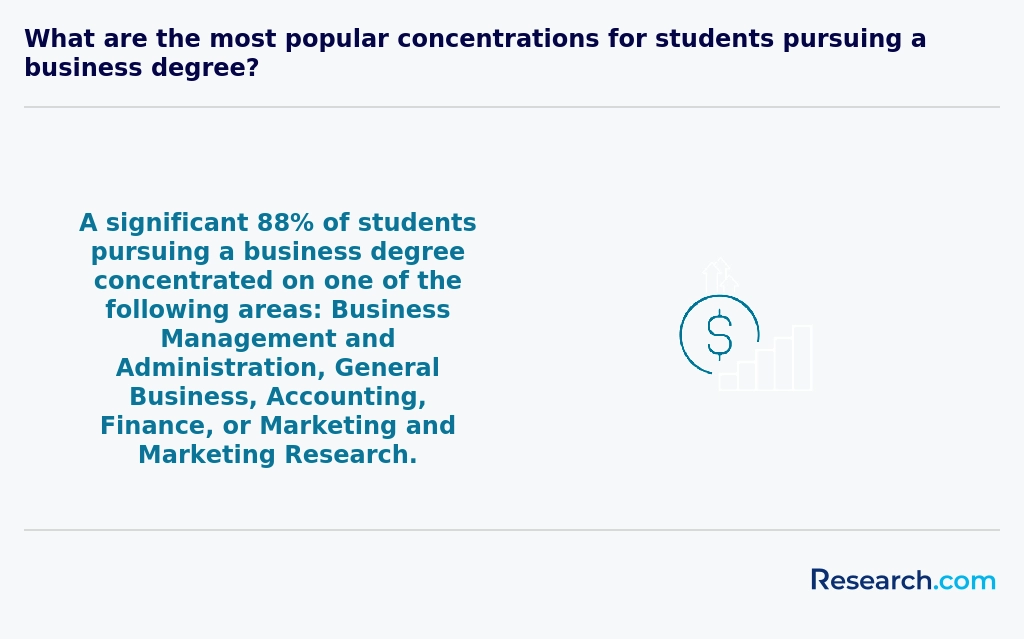
Business degree specializations in Kansas City offer focused pathways that align with the city's economic strengths and student career ambitions. Graduates from popular institutions in the area report that finance is a favored track due to Kansas City's thriving financial services sector, including firms like American Century Investments. This specialization provides practical skills in investment and risk management, preparing students for competitive roles in banking and corporate finance.
Marketing is another top business major option Kansas City students pursue, combining digital marketing techniques with consumer insights-a reflection of the city's growing tech and e-commerce industries. Alumni often highlight how marketing classes mirrored regional industry needs, boosting their confidence when entering the job market with a salary potential noted by local labor statistics.
More hands-on specializations include management and accounting. Graduates emphasize that programs focused on management, offered at renowned colleges nearby, equip them to lead diverse teams across manufacturing and logistics sectors. Accounting students benefit from Kansas City's broad corporate presence, gaining expertise vital for compliance and auditing roles in over 200 local headquarters.
Entrepreneurship stands out as a dynamic option that resonates with Kansas City's startup culture. Business students delight in applying real-world ventures learned through coursework, supported by regional growth data from the Missouri Small Business Development Center. For those seeking more tailored options, specialized tracks such as supply chain management or international business reflect the city's pivotal transport hub status.
Prospective students curious about financial aspects can explore detailed Highest Paying Business Majors to understand potential returns on investment. These well-rounded specializations ensure students gain applied knowledge relevant to local business environments, making Kansas City a prime choice for ambitious business learners.
Choosing the best affordable business degrees Kansas City offers starts with assessing the accreditation and program quality of local institutions. Graduates from the University of Missouri-Kansas City often highlight the advantage of its AACSB accreditation, which signals a rigorous curriculum and enhances employment prospects. Cost is a decisive factor; UMKC's in-state tuition near $8,500 annually provides an accessible path compared to pricier private colleges in the region. Those seeking specialized knowledge should explore programs aligned with Kansas City's economic strengths, such as supply chain management, which benefits from the city's role as a logistics hub.
Students value programs with strong internship connections to local corporations, enabling real-world experience and networking essential for career growth. Alumni frequently express satisfaction with smaller class sizes and personalized faculty attention available at several Kansas City colleges. To identify the best business degree, consider graduation and job placement rates reported by each program, which often reflect quality support and career services. For those interested in further study, accessible options include affordable aacsb accredited online mba programs no gmat, which balance quality and convenience.

Graduates holding a business degree in Kansas City benefit from diverse career paths shaped by the city's dynamic economy. Prominent universities and colleges in the area provide students with practical experiences that prepare them for roles in finance, marketing, management, and entrepreneurship. For instance, many graduates from local programs find employment as financial analysts or accountants within Kansas City's robust banking and investment sectors, reflecting the steady demand for skilled professionals in these fields.
Marketing and sales roles attract business graduates who thrive in Kansas City's retail and technology-driven markets. Colleges often emphasize digital marketing and data analytics skills, allowing students to secure positions as marketing coordinators or market research analysts. This adaptability enhances career prospects significantly, aligning with the top job opportunities for business graduates Kansas City offers.
Entrepreneurial ambitions are strongly supported by regional incubators and networks, giving graduates from popular business schools the confidence to launch startups. Those exploring cost-effective education may also find value in programs highlighted in the Affordable Online Business Degree Programs Ranking in West Virginia, which can complement their qualifications and open additional pathways.
The job market for business degree graduates in Kansas City remains strong and encouraging, supported by the city's diverse economy. Employers spanning finance, manufacturing, logistics, and healthcare regularly seek professionals with robust business acumen. Graduates from well-regarded local universities often find themselves well-positioned to enter roles such as financial analysts, marketing coordinators, and management trainees, benefiting from a steady employment outlook. This favorable environment contributes positively to the Kansas City business degree employment outlook, where local firms like Cerner Corporation and Burns & McDonnell actively recruit new talent.
Many graduates appreciate the balanced cost of education relative to starting salaries, finding that lower tuition fees at regional institutions make pursuing a business degree more affordable. This affordability, combined with practical learning experiences, has led some alumni to pursue further advancement through a 1 year master program, enhancing their credentials without significant delay.
Engagement with the city's entrepreneurial scene also offers graduates exciting opportunities beyond traditional roles, especially for those eager to join startups or small businesses. Real-world internships, mentorship from business professionals, and networking events organized by colleges provide invaluable pathways for career development, making Kansas City's market a fertile ground for professional growth and satisfaction in business careers.
2027 Most Affordable Business Degree Programs Ranking in Kansas City
Investing in your education is a significant decision that can shape your future, and the Research.com team understands the importance of making informed choices. To assist prospective students in Kansas City, we have carefully developed the "2027 Most Affordable Business Degree Programs Ranking in Kansas City." Our dedication to quality, credibility, and accuracy is demonstrated through thorough research and analysis conducted to compile this ranking.
We utilized the following reputable data sources to ensure a comprehensive evaluation of business degree programs:
By exploring this ranking, readers will gain valuable insights into the most affordable and credible business degree programs available in Kansas City, enabling them to make well-informed decisions about their educational investments. For more information on how this ranking was created, please visit our Research.com methodology page.
# 1 position
City Vision University
Bachelor of Science in Business Administration

# 2 position
City Vision University
Master of Business Administration
# 3 position
Midwestern Baptist Theological Seminary
Bachelor of Business Administration


Frequently Asked Questions About business
Business degree students in Kansas City can maximize their learning experience by engaging with the city's strong commercial environment. Kansas City hosts a diverse economy, including sectors like finance, manufacturing, and technology, offering students opportunities for internships and networking. According to the Greater Kansas City Chamber of Commerce, local businesses often collaborate with universities, providing practical projects and mentorship programs.
Students should also take advantage of experiential learning options such as cooperative education and case competitions. Many Kansas City institutions offer access to resources like business incubators and innovation labs. Additionally, staying informed on regional economic trends through sources like the Kansas City Fed can enhance business acumen.
The business field is rapidly evolving, and emerging niches are gaining attention in Kansas City's educational market. One key area is data analytics and business intelligence, where professionals learn to interpret large datasets to drive strategic decisions. This trend aligns with Kansas City's growing tech sector, which has expanded by over 10% since 2020, according to the Greater Kansas City Chamber of Commerce.
Another niche is sustainable business practices, focused on environmental impact and corporate responsibility. With increasing local support for green initiatives, businesses value managers skilled in sustainability.
Entrepreneurship and small business management remain significant, supported by Kansas City's active startup ecosystem, which saw a 15% increase in new ventures in 2023.
After completing a business degree in Kansas City, preparing for the job market involves several strategic steps. First, leveraging local internship opportunities is crucial. Kansas City hosts major corporations like Cerner and Hallmark, offering valuable real-world experience. According to the Kansas City Chamber of Commerce, internships boost employment chances by 25% within the region.
Networking is another key factor. Attending events hosted by the Kansas City Business League or joining professional groups such as the Downtown Council can connect graduates with industry leaders. Business graduates should also refine skills in data analysis and digital marketing, which are in high demand according to the Bureau of Labor Statistics.
Finally, tailoring resumes to highlight practical skills and local experience improves visibility to employers in Kansas City's diverse business sectors.
Employers in Kansas City increasingly seek business graduates with strong analytical and communication skills. According to the Kansas City Area Development Council, local businesses emphasize the importance of data literacy to support decision-making processes. Graduates must also demonstrate proficiency in teamwork and leadership, as many roles involve managing cross-functional projects.
Technology skills, including familiarity with software like Excel and enterprise resource planning (ERP) systems, are in high demand. The Missouri Economic Research and Information Center reports that adaptability and problem-solving abilities rank among the top qualities for entry-level positions.
Additionally, understanding local market trends and exhibiting cultural awareness can set candidates apart in this competitive region.
Finding internships in Kansas City relevant to a business degree involves leveraging local resources and networks. Many universities in the area, such as the University of Missouri-Kansas City, offer career services that connect students with businesses in finance, marketing, and management sectors.
Kansas City's strong economy, including a growing tech and startup scene, provides numerous internship opportunities. According to the Greater Kansas City Chamber of Commerce, over 30,000 businesses operate locally, many seeking interns to support their operations.
Job boards like Handshake and LinkedIn list business internships specifically for students in this region. Additionally, attending local networking events and career fairs can increase chances of securing an internship. Companies such as Cerner and Hallmark often recruit interns from Kansas City universities.
Obtaining a business degree in Kansas City greatly enhances career mobility and advancement opportunities. The city's diverse economy, including strong sectors in finance, manufacturing, and healthcare, demands skilled professionals with formal business education.
According to the Greater Kansas City Chamber of Commerce, graduates holding business degrees see an average salary increase of 20% compared to those without degrees. Employers often prefer candidates with college credentials for management and leadership roles, making a business degree a key to promotion and job switching within the region.
Furthermore, Kansas City's numerous corporate headquarters provide networking and internship opportunities that complement academic learning, helping graduates gain practical skills and advance quickly in their careers.
Studying for a business degree in Kansas City equips students with skills that extend beyond traditional business knowledge, preparing them for interdisciplinary roles. Local universities emphasize collaboration across fields such as technology, healthcare, and logistics, reflecting the city's diverse economy. According to the Greater Kansas City Chamber of Commerce, industries like finance, telecommunications, and manufacturing employ over 60% of the workforce, highlighting the value of cross-industry competence.
Business programs often include courses in data analytics, communication, and project management, bridging gaps between departments. Internships with major local employers like Cerner and Hallmark provide practical experience in multidisciplinary environments. This real-world exposure deepens adaptability and problem-solving skills, essential for complex roles where business intersects with other sectors.
Choosing between a thesis and a non-thesis business degree program in Kansas City depends on your career goals and learning preferences. Thesis programs typically focus on research, suitable for students interested in academic or analytical roles. Non-thesis programs emphasize practical skills and coursework, which may better suit professionals aiming for direct entry into business management or entrepreneurship.
According to the National Center for Education Statistics, about 40% of business master's students in the U.S. opt for non-thesis options, reflecting demand for applied knowledge. Kansas City hosts several institutions like UMKC offering both choices, allowing flexibility.
Cost and time commitment also vary; thesis programs often take longer due to research requirements. Consider local industry needs-Kansas City's growing tech and finance sectors value hands-on experience, which non-thesis paths commonly provide.
Students based in Kansas City looking to study business abroad have several opportunities through partnerships established by local universities. Both the University of Missouri-Kansas City (UMKC) and Rockhurst University offer study abroad programs allowing business students to gain international experience while earning credits. Common destinations include countries in Europe, Asia, and Latin America, focusing on global business practices and cultural exchange. UMKC's Bloch School of Management regularly facilitates summer programs and semester-long exchanges, enhancing exposure to international markets. These programs typically include internships or company visits, providing practical insights into global commerce.
Participation in such programs often requires coordination with academic advisors to ensure transferability of credits. Scholarships and financial aid may be available specifically for study abroad students, helping to offset additional costs. According to the Institute of International Education, around 10% of U.S. business students study abroad, reflecting the value placed on global competence in today's economy. Kansas City's emphasis on international trade and multinational business ties aligns well with these educational pathways, preparing graduates for diverse career opportunities.
Part-time jobs in Kansas City that complement business degrees often involve roles in finance, marketing, and administration. Students frequently find opportunities as accounting assistants, sales associates, or marketing interns. These positions allow hands-on experience in real-world business environments, enhancing analytic and communication skills.
Kansas City's diverse economy, which includes strong sectors like financial services and manufacturing, offers a variety of relevant job options. According to the Greater Kansas City Chamber of Commerce, the metropolitan area hosts more than 1,000 financial firms, creating numerous entry points for business students.
Internships in local startups or at major firms such as H&R Block and Hallmark also provide valuable exposure to corporate operations and project management. These roles often accommodate student schedules and support career development while studying.
Kansas City offers robust networking opportunities for business students through its vibrant economic landscape. The city is home to various professional organizations such as the Kansas City Chamber of Commerce and the Young Presidents' Organization, which frequently host events tailored for emerging business professionals. According to the Kansas City Economic Development Corporation, industries like finance, tech, and manufacturing provide ample chances to connect with local leaders.
Universities in the area often collaborate with businesses for internships and mentorship programs, enhancing student access to real-world contacts. Additionally, numerous business-focused conferences and meetups occur throughout the year, supporting relationship-building within the community.
Alumni networks play a crucial role in supporting business degree students in Kansas City. These networks provide valuable connections that help students access internships, mentorships, and job opportunities within the city's vibrant corporate sectors, including finance, logistics, and technology. According to the Kansas City Business Journal, companies in the region increasingly value local graduates familiar with the community, making alumni ties a significant advantage.
Active alumni associations also host networking events and workshops, enhancing students' professional skills. Students benefit from guidance on career paths and advice on navigating Kansas City's competitive market.
Such networks often facilitate introductions to hiring managers, leading to higher employment rates after graduation. For example, universities like the University of Missouri-Kansas City report stronger job placement through alumni connections. This practical support complements academic learning, fostering student success in the region's business environment.
Customizing a business degree program in Kansas City involves selecting specializations and electives that align with your career ambitions. Many local universities, such as the University of Missouri-Kansas City (UMKC), offer concentrations like entrepreneurship, finance, marketing, and supply chain management. These options allow students to focus on skills relevant to Kansas City's business landscape, which is notable for its strong logistics and manufacturing sectors.
Internships and partnerships with local companies provide practical experience, enhancing employability. According to the Kansas City Economic Development Corporation, the area supports over 15,000 business establishments, offering diverse opportunities for networking and career growth.
Some schools also enable flexible scheduling or online courses, ideal for working professionals balancing education and employment.
Business students in Kansas City often face challenges related to balancing rigorous coursework with practical experience. Many programs emphasize internships and real-world projects, which require students to manage time effectively alongside classes. Additionally, the cost of education remains a significant hurdle; according to the National Center for Education Statistics, the average annual tuition for public universities in Missouri is about $10,000, which can strain budgets. Kansas City's competitive job market also puts pressure on students to build strong networks and relevant skills quickly. Access to mentorship and industry connections can vary widely between institutions, impacting student opportunities.
Another common challenge is staying updated with rapidly evolving business technologies and practices. Students must adapt to trends like digital marketing, data analytics, and supply chain innovations. Local economic fluctuations also influence internship availability and employment prospects, with sectors such as finance and manufacturing experiencing shifts. The Missouri Economic Research and Information Center reports that Kansas City's unemployment rate was approximately 3.8% in early 2024, slightly below the national average, indicating a moderately stable but competitive environment for new graduates.
With a business degree, individuals in Kansas City can pursue numerous professional certifications to enhance their career prospects. Common options include the Certified Public Accountant (CPA) credential, suited for those interested in accounting and finance roles. The Project Management Professional (PMP) certification is valuable for those aiming to manage projects across industries, including Kansas City's growing tech and manufacturing sectors.
The Certified Management Accountant (CMA) is another respected certification focusing on financial management and strategic planning. Additionally, the Chartered Financial Analyst (CFA) designation benefits those pursuing careers in investment and financial analysis.
According to the Kansas City Chamber of Commerce, professionals holding these certifications often experience a 10-20% salary premium compared to peers without them, reflecting strong local demand for certified expertise.
Writing a winning application for a business program in Kansas City requires clear communication of your goals and strengths. Begin by researching local schools like the University of Missouri-Kansas City, which offers AACSB-accredited business degrees recognized nationwide. Highlight your academic achievements, work experience, and leadership skills relevant to business.
Be sure to tailor your personal statement to reflect an understanding of Kansas City's business environment, including its strong sectors such as finance and transportation. According to the Greater Kansas City Chamber of Commerce, these industries employ thousands and are key to regional economic growth.
Strong letters of recommendation from professionals or professors familiar with your abilities can significantly boost your application. Lastly, maintain a competitive GPA-UMKC's business program typically requires a minimum 3.0 for admission.
Global perspectives on a business career emphasize the importance of cultural awareness and international markets. For students in Kansas City, understanding global business trends is crucial, as the city hosts companies like Cerner and Hallmark, which operate worldwide. According to the U.S. Bureau of Labor Statistics, careers in business administration are expected to grow by 8% from 2022 to 2032, partly driven by globalization.
Business degrees often include courses on international trade, finance, and cross-cultural communication. These skills prepare graduates to navigate global supply chains and international regulations.
Moreover, Kansas City's strategic location as a transport hub gives business graduates opportunities in logistics and export-oriented industries, enhancing their global career prospects.
Students pursuing a business degree in Kansas City have multiple opportunities to gain practical experience alongside their studies. Many local universities partner with regional businesses, offering internships that provide real-world exposure. According to the Greater Kansas City Chamber of Commerce, these internships often span industries like finance, marketing, and supply chain management, which are vital to the city's economy.
Additionally, Kansas City's vibrant startup ecosystem allows students to engage in entrepreneurship programs or business incubators. Participation in case competitions and networking events hosted by schools or organizations such as the Kansas City Business Journal further enhances hands-on learning.
Volunteer roles and cooperative education (co-op) programs are also common pathways for acquiring professional skills while earning academic credit.
Choosing the right concentration within a business degree program in Kansas City begins with understanding your career goals and interests. Common concentrations include finance, marketing, management, and entrepreneurship, each aligning with different sectors thriving locally. For instance, Kansas City's growing finance and tech industries may influence students toward finance or information systems concentrations.
Research local job markets using sources like the Bureau of Labor Statistics or the Kansas City Business Journal. Data shows demand for managerial and financial analysts is rising in the region, suggesting these areas offer strong career prospects.
Consider internship opportunities offered by nearby companies. Hands-on experience can clarify whether a concentration matches your skills and goals.
- 2027 Most Affordable Business Degree Programs Ranking in Wichita
- 2027 Most Affordable Business Degree Programs Ranking in Conway
- 2027 Most Affordable Business Degree Programs Ranking in Dubuque
- 2027 Most Affordable Business Degree Programs Ranking in Little Rock
- 2027 Most Affordable Business Degree Programs Ranking in Madison
- 2027 Most Affordable Business Degree Programs Ranking in River Forest
- 2027 Most Affordable Business Degree Programs Ranking in Minneapolis
- 2027 Most Affordable Business Degree Programs Ranking in Chicago
- 2027 Most Affordable Business Degree Programs Ranking in West Lafayette
- 2027 Most Affordable Business Degree Programs Ranking in Kenosha
See What Experts Have To Say About Studying Business
Read our interview with Business experts


David W. Stewart
Business Expert
Emeritus President's Professor of Marketing
Loyola Marymount University

David Souder
Business Expert
Senior Associate Dean for Faculty and Research
Michigan State University

- Business Administration Degree Salary | UE Amsterdam https://www.ue-amsterdam.com/blog/business-administration-degree-salary-how-much-can-you-earn
- Top 10 Emerging Business Niches of 2026 & How to Plan for Them https://prometai.app/blog/emerging-niches-business-planning
- 1. Online registration https://moderna.edu.pl/majors/management/bachelor-of-management/business-management/
- How to Write a Statement of Purpose for Business School https://www.statementswritingservices.com/blog/how-to-write-a-statement-of-purpose-for-business-school.html
- The 6 Best Places to Study Abroad for Business Students https://www.ciee.org/go-abroad/college-study-abroad/blog/6-best-places-study-abroad-business-students
- A 2016 Global Perspective on Business and Career Planning https://careerproinc.com/blogging/a-2016-global-perspective-on-business-and-career
- How to Identify Profitable Business Niches: A Guide for ... https://www.invoiceonline.com/the-entrepreneur-s-handbook/entrepreneurship/business-strategy/how-to-identify-profitable-business-niches-97365
- Professional Business Certifications to Boost Your Career in 2025 https://www.business.com/articles/best-business-certifications/
- Business Administration Program - Avila University https://www.avila.edu/program/business-administration-program/
- Is a thesis always mandatory in a master's degree program? - EFMU: The Euler-Franeker Memorial University and Institute https://euler.euclid.int/is-a-thesis-always-mandatory-in-masters-degree-program/