2027 Most Affordable Business Degree Programs Ranking in the Northeast

Co-Founder and Chief Data Scientist
Choosing the right business degree program can feel overwhelming, especially with so many options in the Northeast. To help you navigate this important decision, the Research.com team of data scientists has created the 2027 Most Affordable Business Degree Programs Ranking in the Northeast.
This ranking offers clear, data-driven insights to guide you toward programs that provide great value without breaking the bank. Whether you're starting fresh or aiming to advance your career, a business degree opens doors to exciting opportunities and personal growth.
Read on to discover programs worth considering and take a confident step toward your future success.
Key benefits of getting business degree in the Northeast
- Business degree graduates in the Northeast can enjoy strong earning potential, with roles like Business Analysts earning an average annual wage of $112,950 and Business Development Executives making about $83,190 per year.
- Graduates from popular Northeastern schools often pursue diverse careers, including business analysis, development, and account management, offering exciting opportunities to grow in dynamic industries.
- Online business degrees from reputable Northeastern universities provide flexibility and convenience, allowing graduates to balance work and study while gaining skills valued by employers in today's fast-paced market.
- 2027 Most Affordable Business Degree Programs Ranking in the Northeast
- What can I expect from business degree in the Northeast?
- Where can I work with business degree in the Northeast?
What can I expect from business degree in the Northeast?
The average cost of pursuing a business degree in the Northeast varies widely, largely influenced by whether a student attends a public or private institution. Graduates from well-known public universities often share how in-state tuition keeps expenses more manageable, sometimes around $10,000 to $20,000 per year, which allows them to focus on building networks and gaining internship experience without excessive financial stress.
In contrast, private colleges in the Northeast-many with prestigious business programs-can charge upwards of $50,000 annually. Graduates from these institutions frequently mention receiving financial aid or scholarships, which can significantly reduce the burden, though such funding is not guaranteed. These students highlight the value of access to extensive alumni networks and corporate partnerships in places like New York City, which they feel justify the higher cost for some.
Nonetheless, some students question whether the steep tuition always correlates with better outcomes, noting that local experiential learning and affordable programs at regional universities provide competitive advantages. Practical opportunities, such as consulting projects and case competitions, often prove more critical to career readiness than tuition alone, regardless of the institution's price.
Where can I work with business degree in the Northeast?
Graduates from business programs at well-known Northeast schools like Boston University or the University of Pennsylvania often find themselves stepping into dynamic roles within finance, especially in New York City's bustling banking sector. Being close to Wall Street means many start as financial analysts or in corporate finance, where the pressure and fast pace can be both challenging and exhilarating.
Others, particularly those from institutions like Georgetown University or Northeastern, discover opportunities in management consulting across Boston and Philadelphia. These graduates describe early projects in strategic planning that sharpen critical thinking and provide a steep learning curve, fostering professional confidence.
Healthcare administration is becoming a notable path, with large hospital networks near universities such as Columbia offering internships that lead to roles managing complex health services-an area that appeals to graduates seeking meaningful impact alongside business acumen.
Meanwhile, tech hubs around Boston encourage graduates skilled in data analytics and digital marketing from schools like MIT Sloan to blend business insights with innovation, although the competitive environment demands continual skill development.
Still, some graduates find rewarding careers in small and medium enterprises throughout the region, where entrepreneurial spirits thrive and roles in sales or marketing allow creative freedom often missed in larger firms.
Graduates with a business degree in the Northeast can expect varied earnings depending on their chosen career path and experience. For instance, a Business Development Executive typically earns around $83,190 annually, according to the U.S. Bureau of Labor Statistics (BLS) 2023 data. This figure reflects solid entry to mid-level compensation in vibrant markets like Boston or New York, where graduates from renowned institutions such as Boston University or NYU often launch their careers.
Meanwhile, Business Analysts in the region enjoy higher salary potential, with mean annual wages averaging $112,950. Graduates from universities such as Northeastern or Carnegie Mellon report increased satisfaction as they apply analytical skills to industries ranging from finance to technology, leveraging the strong demand in metropolitan hubs.
Though salaries are encouraging, it's important to factor in regional living costs. For example, while a Business Development Executive in New York City may make $83,000, expenses there are substantially higher than in smaller cities like Providence or Albany. Many graduates weigh these trade-offs carefully, aligning their professional growth ambitions with lifestyle preferences and financial goals.
- Business degrees in the Northeast are offered by many well-established universities with strong programs combining theory and practical experience.
- Tuition costs vary, with public universities charging $10,000 to $25,000 per year for in-state students, while private universities can exceed $40,000 annually.
- Starting salaries for business graduates average around $55,000 per year, with mid-career salaries ranging between $95,000 and $110,000 depending on the industry.
- The Northeast job market for business graduates is strong, especially in finance, consulting, technology, and healthcare sectors.
- Internships and networking opportunities are emphasized in many programs to help students gain experience and improve employment chances.
Completing a business degree in the Northeast generally takes about four years for a traditional bachelor's program, following the standard of 120 to 130 credit hours set by regional accrediting bodies. Graduates from universities like Northeastern or Boston University often recount a balance of rigorous coursework with vibrant campus life, making the four-year timeline both challenging and rewarding.
However, accelerated paths are increasingly popular. Some students at schools in New York or Massachusetts take advantage of year-round classes, including summer sessions, reducing their time to three years. These programs appeal to motivated individuals eager to enter the workforce sooner, yet they demand strong time management skills and stamina.
For those starting with an associate degree from community colleges, the journey roughly spans two years before transferring to a four-year institution. This route, common in Pennsylvania, extends the total time but offers affordability and flexibility.
Graduate business degrees such as MBAs often vary from one to two years full-time, with flexible part-time options stretching beyond three years to accommodate working professionals. This flexibility helps students sustain their careers while advancing academically, a key advantage for many in the region.
Online business degrees in the Northeast offer flexibility that suits working adults balancing careers or family, allowing them to study from anywhere on their own schedule. Graduates from institutions like Pennsylvania State University praise this freedom, noting how it enabled them to maintain full-time jobs while progressing academically. However, self-motivation and reliable internet access are crucial.
In contrast, on-campus programs at schools such as Northeastern University offer immersive, face-to-face experiences. Graduates often highlight the value of networking events, in-person group projects, and access to career services that helped them secure internships within Boston's business community. This direct interaction fosters strong peer connections and real-time feedback.
Cost is another consideration. While tuition fees are similar across formats, online students avoid commuting or housing expenses, reducing overall costs by up to 30%. Yet, some prestigious on-campus programs may justify higher fees due to brand reputation and proximity to regional employers, offering a different kind of investment.
Both modes maintain rigorous AACSB accreditation standards, ensuring education quality, but the choice hinges on whether flexibility or in-person engagement better fits the student's lifestyle and learning preferences.
Investing in a business degree demands a clear understanding of the return on investment (ROI)-the balance between tuition costs, time to completion, and expected salary growth. On average, a bachelor’s program in the Northeast costs between $12,600 and $13,100 per year, while graduates immediately enter the workforce earning median salaries above $79,050. To estimate your payback period, divide total program expenses (including fees and living costs) by your annual post-graduation salary increase. For example, a student spending $50,000 on a bachelor’s degree and moving from an entry-level role at $45,000 to $69,000 a year sees a three-year ROI break-even point. Advanced degrees can accelerate this timeline: programs such as an accelerated mba 1 year online often cost under $40,000 and lead to salary jumps of 20–30%, reducing payback to 2–3 years. When comparing options, factor in indirect benefits-networking opportunities, industry partnerships, and alumni support-that compound ROI over your career. To maximize value:
- Choose accredited programs (AACSB, ACBSP) for higher employer recognition.
- Leverage internships and co-ops to secure offers before graduation.
- Analyze scholarship and grant packages to lower upfront costs. By weighing tuition against realistic salary projections and non-monetary gains, prospective students can make data-driven decisions, ensuring their business education yields long-term financial and professional returns.
The average cost of obtaining a business degree in the Northeast generally falls around $51,284, with variations depending on residency status and institution type. In-state students at well-known public universities benefit from lower costs, typically closer to $35,274 total, making these options attractive for those focused on affordability without compromising quality. Graduates from these programs often share positive reflections about balancing manageable tuition with strong regional networks.
Conversely, out-of-state students and attendees of prestigious private colleges in cities like Boston and New York frequently encounter higher total expenses, near the median $51,284 mark. These costs reflect the premium reputation and resources available, though they may prompt students to weigh financial aid opportunities carefully. Alumni from such institutions often emphasize the long-term value in career growth despite the upfront financial commitment.
Exploring affordable business degree programs Northeast 2027 highlights the significance of including additional fees, such as housing and materials, which can substantially affect the overall investment. For example, students at community colleges or online programs sometimes experience costs under $5,000 annually, although these routes are less common for comprehensive business degrees in the region.
Prospective students assessing the cost of getting business degree should consider the broader financial picture, including scholarships and average starting salaries of graduates. This nuanced approach helps clarify the tangible trade-offs involved in pursuing a business education in the Northeast.

Pursuing a business degree in the Northeast offers a unique blend of academic excellence, practical experience, and unparalleled networking opportunities. The region is home to some of the world's most prestigious universities and businesses, providing students with access to a vast array of resources, internships, and job opportunities. By studying business in the Northeast, students can gain a comprehensive understanding of the field, develop essential skills, and build a strong foundation for a successful career. Furthermore, the Northeast's diverse economy, ranging from finance and technology to healthcare and entrepreneurship, allows students to explore various industries and find their niche. The region's strong sense of community and vibrant business landscape also foster a culture of innovation, collaboration, and mutual support, making it an ideal place to launch a career in business. With its rich history, cultural attractions, and exciting lifestyle, the Northeast provides an enriching environment that extends beyond the classroom, offering students a truly transformative educational experience.
Students pursuing business degrees in the Northeast often rely on a mix of federal, state, and institutional financial aid to manage the high tuition costs. For instance, graduates from public universities like the University of Massachusetts found Pell Grants vital in reducing their expenses, as these grants-offering up to $7,395-do not require repayment and are based on demonstrated financial need.
State-specific grants also ease the burden for in-state residents. Business students attending schools such as SUNY Albany frequently highlight New York's Tuition Assistance Program (TAP), which can cover up to $5,665 annually, as a crucial resource. Similarly, residents of Massachusetts attending schools like Boston University or UMass Amherst benefit from programs like MassGrant designed to promote access for local students.
Beyond public funding, many private scholarships tailored for business majors provide relief. Graduates recall relying on scholarships offered by local organizations and university programs that reward leadership and academic excellence, sometimes making a decisive difference in affordability.
Work-study positions create additional support by allowing students at colleges like Northeastern University to earn while gaining relevant experience, blending financial aid with career-building opportunities.
Accreditation is the hallmark of quality assurance for business degree programs in the Northeast, ensuring that your education meets rigorous academic and industry standards. Prospective students should look for regional accreditation (e.g., Middle States Commission on Higher Education) as well as specialized business accreditations such as AACSB (Association to Advance Collegiate Schools of Business), ACBSP (Accreditation Council for Business Schools and Programs), or IACBE (International Accreditation Council for Business Education). These accrediting bodies evaluate faculty qualifications, curriculum relevance, student outcomes, and continuous improvement processes-factors that directly impact credit transferability, eligibility for federal financial aid, and employer recognition. When reviewing program materials, verify accreditation status on both the institution’s website and the U.S. Department of Education’s database. Graduates from AACSB-accredited schools often report higher starting salaries and stronger networking opportunities, while ACBSP and IACBE programs are praised for their emphasis on teaching excellence and practical application. For students seeking diverse, cost-effective online pathways, consider exploring our sister ranking on Affordable Online Business Degree Programs Ranking in Mount Pleasant, MI, which highlights accredited options that balance affordability with academic rigor. By prioritizing accredited programs, you safeguard the value of your credential and position yourself for long-term career success.
Enrolling in a business degree program in the Northeast typically requires completing a high school diploma or its equivalent, such as a GED. Graduates from institutions like Boston University or the University of Pennsylvania often recall submitting official transcripts alongside their applications, demonstrating consistent academic achievement with a GPA usually between 3.0 and 3.5. While the SAT or ACT has historically been a standard requirement, nearly 40% of Northeastern schools now embrace test-optional policies, a shift many students have appreciated, especially those whose strengths better show outside standardized exams.
Applicants often need background knowledge in key subjects like math and English, reflecting the rigorous foundation needed for business coursework. Graduate applicants pursuing MBAs typically hold a bachelor's degree and present GMAT or GRE scores around 600 to 650, alongside at least two years of work experience. Many find this blend of academic and professional prerequisites reassuring, as it fosters both preparedness and confidence in their ability to contribute meaningfully once enrolled.
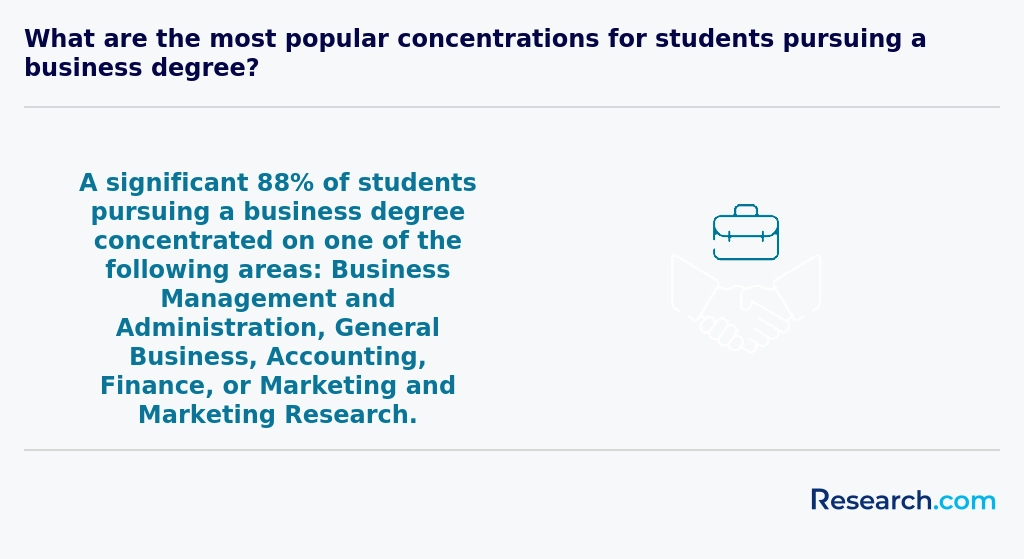
As employers and industry experts increasingly emphasize digital literacy and entrepreneurial agility, emerging trends in business education are reshaping the landscape for both current students and alumni. Innovative curricula now incorporate advanced data analytics, artificial intelligence, and technology-driven business models to prepare graduates for a progressively digital workplace. This forward-thinking approach not only enhances the learning experience but also ensures that students are well-equipped to meet future market demands. Additionally, institutions are responding to growing student needs by expanding flexible learning options and competitive financial packages, which include insights into the cost of getting business degree alongside innovative funding opportunities. As the business environment evolves, these developments underscore the importance of adaptive educational strategies that merge academic theory with real-world applications, thereby ensuring that graduates remain competitive in an ever-changing global economy.
Business degree programs in the Northeast commonly feature core courses like Principles of Management, Financial and Managerial Accounting, and Marketing Fundamentals. These classes provide students from institutions such as those in Boston or New York City with a solid grasp of organizational leadership, financial literacy, and strategic market analysis. Graduates often recall how studying Financial Accounting helped them confidently interpret real company statements during internships.
Courses like Business Law and Microeconomics introduce legal frameworks and economic reasoning vital for navigating local industries, offering insights directly applicable to bustling regional markets. Others, such as Business Statistics and Operations Management, develop data-driven decision-making and process optimization skills, which graduates find essential when working at startups or established firms in the Northeast's competitive environment.
Many students appreciate electives like international business or supply chain management, tailoring their education to reflect the Northeast's diverse economy. Hands-on experiences through capstone projects further reinforce these lessons, bridging theory with practical challenges encountered in major economic hubs like Philadelphia.
Business degree specializations in the Northeast reflect the region's dynamic economic fabric, offering students varied paths based on local industry strengths. Finance remains a top choice, especially given New York City's prominence as the nation's largest banking hub. Graduates often share how studying finance at schools like Boston University or NYU allowed them to immerse themselves in real-world investment scenarios, preparing them for demanding roles in asset management or corporate finance.
Marketing and management are similarly popular, benefiting from proximity to vibrant advertising and corporate centers in cities such as Philadelphia and Boston. Many graduates appreciate how marketing courses integrate digital trends alongside consumer behavior, giving them confidence to thrive in media-driven environments. Meanwhile, entrepreneurship specializations appeal to those drawn to the Northeast's bustling startup culture, with universities fostering connections to innovation hubs in Boston and New York.
Students focusing on accounting often highlight the rigor and professional readiness gained at institutions like the University of Massachusetts. Supply chain management also stands out, leveraging the region's busy ports and logistics networks to create practical learning opportunities.
While choosing among these options, students considering affordable Northeast business degree programs may also explore online routes to balance quality and cost, such as through an mba 1 year online program.
Choosing the best business degree in the Northeast requires weighing several factors beyond reputation. Graduates from well-known urban universities often highlight the advantage of proximity to corporate hubs like Boston or New York City, where internships and networking are abundant. Yet, smaller colleges in the region can offer more personalized attention and smaller class sizes, which some students find crucial for their growth. It's important to assess how accreditation, especially AACSB recognition, impacts curriculum quality and career prospects, as this distinction is commonly valued by employers.
Cost is another decisive element. While public institutions in the Northeast may offer more affordable tuition, private colleges often come with higher price tags but potentially stronger alumni networks. Exploring resources like the Affordable Online Business Degree Programs Ranking in Mount Pleasant, MI can reveal options that balance quality and expense, particularly for those seeking affordable business degree programs Northeast.
Lastly, consider your interests and learning style. For example, some students have thrived by enrolling in programs offering finance or marketing concentrations, while others preferred schools with hybrid or online formats to accommodate work. The best business schools in the Northeast reflect this diversity, making it vital to match offerings with your career aims and lifestyle.
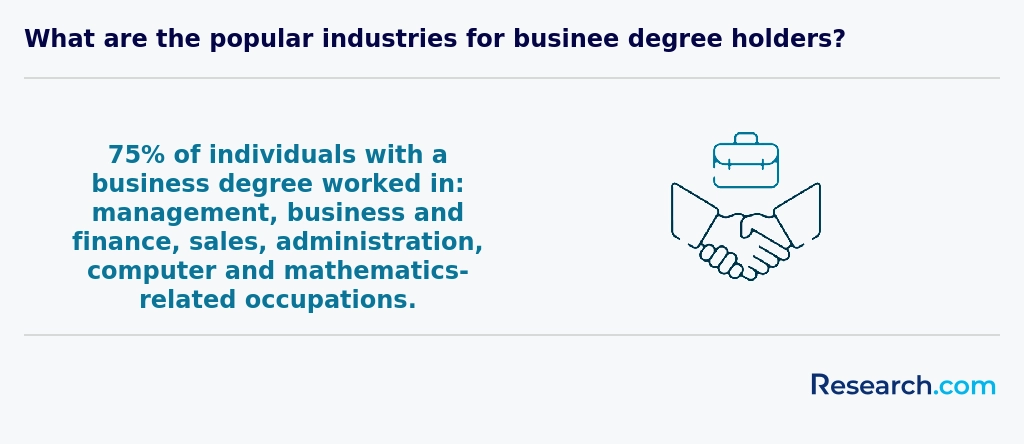
Graduates with a business degree in the Northeast often find robust career paths in finance and banking, largely influenced by the proximity to financial hubs like New York City. These opportunities include roles in investment banking, asset management, and financial analysis, where real-life graduates from institutions such as Boston University report benefiting from strong networking and internship connections. However, not all career options lead directly to Wall Street; marketing and sales roles also attract many, especially those from schools in Philadelphia, reflecting the region's demand for expertise in digital marketing and customer relations. This diversity demonstrates the range of job opportunities with business degree Northeast students can explore.
Management consulting is another often-cited path, where graduates frequently leverage skills learned in coursework and internships at colleges like Northeastern University. They contribute to projects on organizational development or operational efficiency, particularly in tech-forward cities. Entrepreneurship and business analytics are emerging fields as well, supported by the region's startup culture and local incubators, encouraging practical application of knowledge. Some students even pursue alternative approaches, such as an associate degree in 6 months accredited, before advancing in the business sector, illustrating varied entry points into these careers.
The job market for business degree graduates in the Northeast remains strong, fueled by diverse industries and metropolitan hubs such as New York, Boston, and Philadelphia. Graduates from popular universities in these cities often find themselves drawn to roles in finance, consulting, or healthcare management, where demand is steady and opportunities expand as these sectors grow. For instance, a recent graduate from a well-known Boston business school shared how internships in nearby tech startups connected them to managerial positions post-graduation, illustrating the practical benefits of urban access.
Employment opportunities for business degree holders Northeast are not without challenges, however. Many graduates emphasize the importance of acquiring strong analytical and communication skills to stand out in competitive markets. Salaries vary considerably, reflecting both the cost of living and industry demands, but most agree the return on investment of an education in this region is promising.
Students looking to enhance their qualifications might consider certificate programs online that pay well, popular among business majors aiming to specialize while managing costs. This approach aligns well with the realities faced by those pursuing business careers in the Northeast's fast-paced economy.
2027 Most Affordable Business Degree Programs Ranking in the Northeast
Investing in your education is a significant decision that can shape your future, and the Research.com team understands the importance of making informed choices. To assist prospective students in the Northeast, we have meticulously crafted the "2027 Most Affordable Business Degree Programs Ranking in the Northeast." Our commitment to quality, credibility, and accuracy is reflected in the extensive research and analysis conducted to compile this ranking.
We utilized the following reputable data sources to ensure a comprehensive evaluation of business degree programs:
By exploring this ranking, readers will gain valuable insights into the most affordable business degree options in the Northeast, empowering them to make informed decisions that align with their financial and educational goals. For more details on our methodology, please visit our Research.com methodology page.

# 3 position
Thomas Edison State University
Bachelor of Science in Business Administration

# 4 position
Thomas Edison State University
Master of Business Administration
# 5 position
Charter Oak State College
B.S. in Business Administration

# 6 position
Charter Oak State College
Master of Business Administration

# 9 position
University of New Hampshire College of Professional Studies Online
Bachelor of Science in Business Administration

# 10 position
University of New Hampshire College of Professional Studies Online
Master of Business Administration


# 17 position
Boricua College
Bachelor of Business Administration


Frequently Asked Questions About business
Business degree students in the Northeast can maximize their learning by combining classroom knowledge with real-world experience. Many universities, such as those in New York and Massachusetts, partner with local industries to offer internships that often lead to job placements. According to the U.S. Bureau of Labor Statistics, internships boost employment chances by over 50% for business graduates.
Engaging in networking events and joining business clubs can also be beneficial. The Northeast is home to numerous corporate headquarters, providing ample networking opportunities for students. Additionally, taking advantage of technology resources, like online databases and business simulations offered by schools, enhances practical skills.
Emerging niches in the business field within the Northeast reflect broader economic shifts and technological trends. One rapidly growing area is data analytics, where businesses leverage large data sets to guide strategic decisions. According to the Bureau of Labor Statistics, jobs related to data analysis in the Northeast are projected to grow by over 20% through 2030.
The rise of sustainability management is also notable, driven by increasing environmental regulations and corporate social responsibility demands. New York and Massachusetts lead in green business initiatives, offering students opportunities in this expanding field.
Additionally, fintech innovation hubs are rapidly developing in cities such as Boston and Philadelphia, creating demand for professionals skilled in both finance and technology. This niche is expected to grow as the Northeast remains a major financial center.
Graduates with business degrees in the Northeast should focus on building relevant skills and professional networks to prepare for the job market. According to the U.S. Bureau of Labor Statistics, major metropolitan areas such as New York City and Boston offer diverse opportunities in finance, marketing, and management, with the regional unemployment rate for business occupations around 4.2% as of early 2024.
Internships and cooperative education programs are highly valuable, providing real-world experience and connections. Additionally, students are advised to engage with local business organizations and attend career fairs frequently held by universities in the region.
Developing technical skills such as data analysis and proficiency with software like Excel and Tableau can increase employability. Many employers in the Northeast prioritize candidates with strong communication abilities combined with technical knowledge, according to recent surveys by the National Association of Colleges and Employers.
Employers in the Northeast highly value business graduates who demonstrate strong analytical skills. According to the National Association of Colleges and Employers (NACE), 75% of employers seek candidates who can interpret and use data effectively. Communication skills are equally crucial; professionals who can clearly articulate ideas both in writing and verbally are preferred in this region's competitive job market.
Leadership and teamwork abilities are frequently emphasized by employers in cities like New York and Boston, where collaboration across diverse teams is essential. Additionally, proficiency in digital tools, including Excel and CRM software, continues to be a necessary skill for business roles in the Northeast.
Problem-solving skills also rank highly. Many local employers look for graduates who can address complex challenges and adapt to rapidly changing environments, particularly in finance and technology sectors. These skills are essential for securing positions in the Northeast's dynamic business landscape.
Finding internships in the Northeast relevant to a business degree requires a strategic approach focused on regional opportunities. The Northeast hosts major financial hubs such as New York City and Boston, which account for over 30% of US finance and business jobs, according to the U.S. Bureau of Labor Statistics (2023). Students should utilize university career centers, which often maintain relationships with top firms offering internships.
Networking is crucial; attending industry events in cities like Philadelphia or Hartford can lead to direct contacts. Many business schools in the Northeast also partner with local companies, providing paid internship pathways.
Online job platforms tailored for students, such as Handshake, list thousands of region-specific business internships from startups to corporate giants.
A business degree in the Northeast significantly enhances career mobility and advancement opportunities. The region hosts numerous financial, technology, and healthcare companies that value graduates with business skills. According to the U.S. Bureau of Labor Statistics, the Northeast has one of the highest concentrations of management and business occupations in the country, making degrees in these fields highly relevant.
Employers in cities like New York, Boston, and Philadelphia often seek candidates with strong analytical and leadership abilities developed through business education. Business graduates tend to access higher starting salaries and faster promotions compared to those without degrees, supported by data from the National Association of Colleges and Employers (NACE).
Moreover, many Northeastern universities have robust alumni networks that facilitate job placements and career growth. For professionals aiming to shift roles or industries, a business degree adds credibility and practical knowledge leveraged for upward mobility within competitive markets.
Studying for a business degree in the Northeast offers unique preparation for interdisciplinary roles due to the region's diverse economic landscape. Institutions here often integrate curricula that combine business fundamentals with tech, healthcare, and public policy courses, reflecting major local industries like finance, biotech, and government.
For example, schools collaborate with nearby sectors, providing internships and projects that cross traditional boundaries. According to the National Center for Education Statistics, over 65% of business programs in the Northeast offer combined majors or certificates with fields such as data analytics, environmental science, or communications.
This approach equips students with skills to work effectively across departments, important for leadership roles in today's complex markets. Graduates often emerge with both technical expertise and strategic business thinking, valuable for employers seeking adaptable professionals.
Choosing between a thesis and a non-thesis business degree in the Northeast depends largely on career goals and learning preferences. Thesis programs typically appeal to students interested in research or pursuing doctoral studies, as they involve writing an extensive research paper. Non-thesis options often suit those focused on practical skills and direct entry into the workforce.
According to the National Center for Education Statistics, many Northeast institutions offer both paths, with thesis programs generally requiring fewer but more intensive courses. Students in the Northeast may also consider local industry demands, as metropolitan areas like Boston and New York emphasize practical experience.
Cost and time commitment often influence the decision: thesis programs can take longer but may provide deeper academic expertise, while non-thesis degrees might allow faster graduation and job readiness.
Students in the Northeast interested in studying business abroad have several options through local universities' established exchange and study abroad programs. Many institutions, including NYU, Boston University, and the University of Pennsylvania, offer partnerships with business schools in Europe, Asia, and Latin America.
According to the Institute of International Education's 2023 report, about 12% of U.S. students studying abroad come from Northeastern schools, with business being one of the most popular fields. These programs typically last a semester or a full academic year, allowing students to gain global business perspectives while earning credits transferrable to their degrees.
Students can explore markets such as the European Union, China, and Brazil, enhancing their cultural competence and expanding professional networks, critical skills in today's global business environment.
Students pursuing business degrees in the Northeast have several part-time job opportunities that align well with their academic focus. Roles such as administrative assistants, sales associates, and marketing interns provide practical experience relevant to business studies. The U.S. Bureau of Labor Statistics notes that the finance and insurance sector in the Northeast employs over 600,000 workers, highlighting ample internship and job openings.
Many colleges partner with local companies in cities like Boston and Philadelphia, where business services drive the economy. These positions often involve tasks like data entry, customer relations, and social media management, helping students build skills in communication and analytics.
Additionally, campus-based jobs in career services or finance clubs offer leadership experience. According to a 2023 survey by the National Association of Colleges and Employers, students with internships in their field are 15% more likely to secure full-time employment after graduation.
Business students in the Northeast benefit from a wealth of networking opportunities given the region's dense concentration of industries and corporate headquarters. Major cities such as New York, Boston, and Philadelphia host numerous business conferences, industry meetups, and internship fairs, providing direct access to professionals in finance, technology, and consulting fields.
Universities frequently collaborate with local businesses to offer students networking events, guest lectures, and mentorship programs. According to the Graduate Management Admission Council, 73% of business graduates from Northeast schools secured internships through university-facilitated connections.
Furthermore, organizations like the Northeast Business Council organize regular forums and workshops enhancing student engagement with industry leaders. These resources are invaluable for building contacts that support career advancement within the competitive business environment of the Northeast.
Alumni networks in the Northeast offer business degree students significant advantages by connecting them with professionals who have graduated from the same programs. These networks frequently provide mentorship opportunities, career guidance, and access to exclusive job openings in key regional industries like finance, technology, and consulting. According to the Council for Advancement and Support of Education, Northeast schools with strong alumni engagement report higher employment rates within six months of graduation.
Many institutions organize networking events and workshops, allowing students to build relationships that can lead to internships and full-time roles. For example, schools in New York and Boston, two major business hubs, leverage vast alumni networks to support career placement.
Such connections often ease the transition from academics to the professional world while facilitating long-term career growth.
Customizing a business degree in the Northeast starts with selecting programs that offer flexible concentrations, such as finance, marketing, or entrepreneurship. Many institutions in this region allow students to choose electives aligned with local industry demands, supported by the Northeast's diverse economy.
Internships and cooperative education opportunities are abundant, especially in major cities like Boston and New York, enabling hands-on experience relevant to your career goals. Schools often partner with regional firms to provide practical learning and networking.
Additionally, some programs offer dual degrees or certificates in areas like data analytics or supply chain management, enhancing your skill set.
According to the National Center for Education Statistics, about 60% of business students in the Northeast include a specialization, reflecting growing emphasis on tailored education.
Business students in the Northeast often face high tuition costs, with some regional universities charging over $35,000 annually, according to the National Center for Education Statistics. This financial burden can increase reliance on student loans, leading to long-term debt concerns.
Additionally, competition for internships and job placements is fierce due to the dense population and concentration of businesses in cities like New York and Boston. According to the Bureau of Labor Statistics, the Northeast has a higher cost of living, which affects student budgeting and housing options.
Time management challenges also arise from balancing rigorous coursework with networking activities and part-time work, a common necessity among business students in this area.
With a business degree, you can pursue several valuable professional certifications recognized across the United States, including the Northeast. Popular options include the Certified Public Accountant (CPA) for those interested in accounting and finance careers. The CPA credential requires meeting state-specific education and experience criteria, often facilitated by business programs in the region.
Another key certification is the Project Management Professional (PMP), highly regarded in industries from finance to technology. PMP certification demonstrates expertise in leading projects and is accessible after gaining practical experience.
Additionally, the Certified Management Accountant (CMA) is ideal for business graduates focusing on financial management and strategic planning, with Northeastern universities often providing CMA exam preparation resources.
Other certifications include the Chartered Financial Analyst (CFA), favored in investment management, and Certified Business Analysis Professional (CBAP). These certifications enhance career prospects and salary potential in competitive Northeastern markets.
Writing a winning application for a business program in the Northeast requires clear focus and strong preparation. Admissions committees look for candidates who demonstrate leadership potential, academic excellence, and a genuine interest in business fields aligned with the regional economy.
Start by maintaining a competitive GPA; many Northeastern business schools expect a minimum of 3.0, with top programs preferring above 3.5. Highlight experiences related to finance, marketing, or entrepreneurship, which are particularly relevant in the Northeast job market dominated by finance and tech sectors (source: U.S. Bureau of Labor Statistics).
Craft a compelling personal statement explaining why you want to study business in the Northeast, emphasizing your career goals and how the program fits those goals. Include measurable achievements and quantify results when possible, as data-driven examples resonate well with business faculties.
Lastly, secure strong recommendations from employers or professors who can attest to your professional aptitude and work ethic, reinforcing your readiness for graduate-level business education.
Global perspectives on a business career emphasize the importance of cross-cultural understanding and international market dynamics. For students in the Northeast pursuing business degrees, this means gaining skills applicable to a diverse and interconnected economy.
According to the U.S. Bureau of Labor Statistics, managerial roles and business operations jobs in metropolitan areas such as New York City and Boston are projected to grow by about 8% through 2031. These cities serve as financial and innovation hubs, drawing global businesses and fostering international collaboration.
The emphasis on global business knowledge in Northeast programs prepares graduates to navigate challenges such as trade policies, global supply chains, and multinational regulations.
Institutions often include study abroad options or international case studies, reflecting the broader trend of globalization impacting the U.S. business landscape.
Students pursuing business degrees in the Northeast have multiple options to gain practical experience alongside their studies. Many universities offer cooperative education (co-op) programs that alternate periods of academic study with full-time work in relevant industries. For example, Northeastern University in Boston is renowned for its extensive co-op program, providing students with real-world business exposure.
Internships are another critical pathway, often facilitated through university career centers. According to the National Association of Colleges and Employers, 62% of business students in the Northeast secured internships before graduation, significantly boosting job prospects.
Additionally, participation in student-run consulting groups or business competitions allows learners to apply classroom knowledge in practical scenarios, sharpening skills employers seek.
Choosing the right concentration within a business degree program in the Northeast involves assessing your career goals and regional economic trends. Popular concentrations include finance, marketing, management, and entrepreneurship. According to the U.S. Bureau of Labor Statistics, finance roles are strong in metropolitan areas like New York City and Boston due to their large financial sectors.
Consider programs that align with industries thriving in the region, such as technology, healthcare, or finance. Research from the Northeastern University D'Amore-McKim School of Business highlights growth in technology management roles in Boston's innovation economy.
Additionally, evaluate program flexibility and internship opportunities. Local networking connections can significantly impact job placement after graduation.
See What Experts Have To Say About Studying Business
Read our interview with Business experts


David W. Stewart
Business Expert
Emeritus President's Professor of Marketing
Loyola Marymount University

Ingrid S. Greene
Business Expert
Clinical Assistant Professor of Management
Loyola Marymount University

- Guide to Business Internships | Higherin https://higherin.com/career-guides/business/business-internships
- Interdisciplinary Business https://www.okwu.edu/academics/undergraduate/bachelor-interdisciplinary-business/
- Why Alumni Networks Matter in Business School: 7 Reasons https://europe.ceibs.edu/article/why-alumni-networks-matter-business-school
- How to Find a Job with an International Business Degree - Hunter Recruiting https://www.hirecruiting.com/newsroom/how-to-find-a-job-with-an-international-business-degree/
- Online and Traditional Business Degrees Comparison | Free Essay Example https://studycorgi.com/online-and-traditional-business-degrees-comparison/
- Graduate Tuition https://www.nec.edu/admission/graduateadmissions/graduate-tuition
- The Seven Biggest Challenges Faced by Student Entrepreneurs https://venturewell.org/blog/five-biggest-challenges/
- 1. Online registration https://moderna.edu.pl/majors/management/bachelor-of-management/business-management/
- Great Colleges for Business in the Northeast https://www.collegexpress.com/interests/business/articles/schools-business/colleges-great-business-programs-northeast/
- 2024 Best Business Schools | How Alumni Rate Their Undergraduate Business Degrees https://poetsandquantsforundergrads.com/news/best-business-schools-alumni-rate-undergraduate-business-degrees/5/