2027 Best Business Degree Programs Ranking in Columbia

Co-Founder and Chief Data Scientist
Choosing the right business degree program is a big step toward a successful future. If you're a student in Columbia aiming to make an informed decision, this article is for you.
The 2027 Best Business Degree Programs Ranking in Columbia was carefully created by the Research.com team of data scientists. It highlights top programs worth considering based on reliable data and expert analysis.
Reading this guide will help you explore the best options and feel confident about investing in your education. A business degree can open doors to exciting career opportunities and personal growth.
Key benefits of getting business degree in Columbia
- Salary for business degree graduates: Graduates can earn competitive wages, such as a Business Analyst making a mean annual wage of $112,950 and a Business Development Executive earning around $83,190 annually.
- Potential career paths: A graduate from a well-known university in Columbia might pursue roles in analysis, sales, or executive positions, gaining diverse opportunities in dynamic industries.
- Benefits of online degrees: Earning a business degree online offers flexibility and the chance to balance work and study, enabling graduates to gain valuable experience while advancing their education from home.
- 2027 Best Business Degree Programs Ranking in Columbia
- What can I expect from business degree in Columbia?
- Where can I work with business degree in Columbia?
What can I expect from business degree in Columbia?
Paying for a business degree in Columbia feels like investing in a golden ticket to the city's vibrant professional scene. At the University of Missouri's Trulaske College of Business, Missouri residents find undergraduate tuition averaging about $11,500 a year-an affordable gateway compared to the $33,000 charged to out-of-state students. Graduate programs, such as the MBA, stretch between $20,000 and $40,000 total, a range that many graduates recall as worth every penny for the real-world skills gained.
Graduates reminisce about balancing budgets while juggling internships with buzzing local firms-experiences amplified by Columbia's thriving business ecosystem. Those fortunate enough to study here appreciate how tuition translates into access to a network rich with alumni connections, internships, and hands-on projects that spark excitement and confidence. The price tag becomes less about numbers and more about stepping stones to careers thriving amidst Missouri's dynamic economy and beyond.
Where can I work with business degree in Columbia?
Picture yourself stepping out of the University of South Carolina's business school, diploma in hand, and stepping into Columbia's vibrant job market, where possibilities stretch like the skyline. Graduates here don't just chase typical office gigs-they dive into financial realms with places like South State Bank calling for fresh financial analysts ready to impact local markets. Imagine crafting budgets at Prisma Health or navigating supply chains at Mercedes-Benz Vans, where your business acumen turns everyday challenges into triumphs.
Columbia's entrepreneurial spirit, fueled by hubs like Innovate Midlands, invites you to spark your own startup story, blending classroom strategies with real-world grit. Graduates from Midlands Technical College often find themselves consulting for nonprofits or marketing agencies, thriving in roles that let creativity meet business savvy. These paths aren't mere jobs; they're launches into careers filled with growth, driven by the pulse of Columbia's diverse industries.
In every corner-from government offices to sleek boardrooms-the skill set forged in Columbia's classrooms transforms ambitions into tangible success, waiting just for you to claim.
Graduates from well-known Columbia institutions often discover that their business degrees unlock doors to rewarding salaries. Imagine stepping into a bustling office after class at the University of South Carolina and landing a role as a Business Development Executive, where the mean annual wage is around $83,190. That's a solid paycheck reflecting both local industry demand and your effort.
Now picture another graduate working as a Business Analyst in Columbia's growing market, enjoying a mean annual salary of $112,950. It's a figure that not only boosts confidence but also empowers new grads to plan exciting futures.
These numbers aren't just statistics-they resonate with the stories of locals who balanced study with internships in Columbia's finance sector and saw paychecks rise accordingly. With city sectors like healthcare and manufacturing offering competitive wages, your degree becomes a launchpad for success in diverse fields.
The local economic vibe combined with specialized skills means Columbia business grads can realistically expect to earn from mid-$80,000s to well over $110,000, depending on their chosen path.
- Annual tuition for business degrees in Columbia ranges from $8,000 to $15,000 at public colleges and over $25,000 at private universities.
- Starting salaries for business graduates typically fall between $45,000 and $55,000 per year, depending on the field and employer.
- Experienced business professionals with advanced degrees earn median salaries between $75,000 and $100,000 annually.
- Key industries hiring business graduates include finance, marketing, management, healthcare management, retail, and technology-related services.
- Many Columbia programs offer specializations like accounting, finance, supply chain management, and international business, often accredited by AACSB.
In Columbia, chasing a business degree feels like stepping into a dynamic time machine where your pace shapes the journey. Imagine a full-time undergraduate at the University of Missouri, diving into a Bachelor of Business Administration-a solid four-year adventure packed with late-night study sessions and bustling campus buzz. Some peers, fueled by summer courses and AP credits, sprint through in as little as three years, turning their academic path into a whirlwind express ride.
Others, juggling jobs and life's unpredictable rhythms, might stretch this quest to five or six years, crafting wisdom alongside work experience. Graduate students at Columbia College or the University of Missouri savor a different rhythm; their MBA unfolds around two years full-time, or between two and four years part-time, blending classroom insights with career growth in urban settings.
Specialized master's programs, like finance at Webster University, offer a focused, one-year dive, perfect for those hungry for depth without the broader MBA marathon. Each timeline is a personal story-tailored, flexible, and vibrant-echoing Columbia's spirited academic scene.
Understanding the ROI of a Business degree in Columbia, MO, is critical for making an informed decision. On average, a bachelor’s program costs around $38,496 for in-state students, while graduates can command starting salaries between $50,000 and $70,000-rising swiftly to six figures in roles like Business Analyst or Financial Manager. By comparing total tuition (including fees and materials) against first-year earnings, students typically recoup their investment within 3–4 years of full-time employment. Factors influencing ROI:
- Tuition and Fees: With per-credit costs ranging from $79 to $99, a 120-credit bachelor’s degree totals approximately $9,480–$11,880 per year.
- Salary Trajectory: Entry-level roles average $55,000, growing to $108,790 for Business Analysts and $131,710 for Financial Managers within 5–7 years.
- Opportunity Cost: Full-time study delays earnings, but accelerated paths reduce this gap-explore best accelerated mba online programs to fast-track credentialing. Strategies to Improve ROI: 1. Leverage internships and on-campus recruiting to secure higher-paying positions immediately after graduation. 2. Seek employer tuition assistance or professional certifications (e.g., PMP, CFA) to boost market value. 3. Consider part-time or online coursework to maintain income flow during study. By carefully evaluating tuition costs, projected salaries, and time to break even, prospective students can maximize the financial benefits of a Business degree in Columbia, MO, ensuring that their educational investment delivers strong long-term returns.
Picture a graduate from the University of Missouri, waking up early to join a buzzing classroom where ideas fly freely in face-to-face debates and group brainstorms. The on-campus experience pulses with spontaneous networking-corridors teem with future business partners and mentors. Semesters here stretch over 15 weeks, peppered with hands-on projects and access to vibrant campus resources like career centers and dynamic business incubators that transform concepts into ventures.
Contrast that with another graduate navigating the digital corridors of Columbia College's online MBA program. Their classroom is a flexible universe where lectures replay at midnight, and study groups form through screens across time zones. This student juggles family and work, savoring freedom from rigid schedules, yet feels the subtle pull of missing those coffee-fueled hallway chats that spark serendipitous opportunities.
Costs tell another tale: online options in Columbia often trim expenses, sidestepping campus fees, with annual tuitions hovering between $8,000 and $15,000. Both paths remain equally accredited, but the choice hinges on whether you thrive amid in-person buzz or embrace the digital frontier's adaptable rhythm.
Investing in a business degree in Columbia, MO, can yield substantial financial and professional returns when measured against tuition costs, time to degree, and post‐graduation earnings. On average, in‐state students pay approximately $20,290 per year for undergraduate business programs, totaling around $81,160 over four years. With entry‐level salaries for Business Analysts and Project Managers averaging $108,790 and $80,220 respectively, many graduates recoup their tuition investment within three to four years of employment. Beyond starting salaries, mid‐career earnings for business graduates in Columbia frequently exceed $100,000, boosting long‐term ROI and helping alumni manage student loan obligations more efficiently. Additionally, career services, internship stipends, and networking events offered by institutions like the University of Missouri further reduce opportunity costs by facilitating faster job placement. Prospective students weighing bachelor’s and master’s pathways should compare program affordability and salary projections. For those considering an MBA or specialized master’s, affordable options can significantly impact ROI. Our sister study on the most cost‐effective graduate programs highlights this: “Students pursuing a master’s in business management can explore the Affordable Online Master's in Business Degree Programs Ranking in Pittsburgh, PA to identify low‐cost, high‐value pathways that minimize debt while maximizing earning potential.” By analyzing tuition fees, graduate stipends, and regional salary trends, Columbia’s business degree ROI remains competitive nationalwide, positioning graduates for rapid debt recovery and sustained income growth in diverse industries.
The average cost of a business degree in Columbia weaves together varied threads-from bustling public universities to private sanctuaries of learning. Median total costs hover near $47,248, a figure that captures both in-state comfort and out-of-state ambition. Imagine a graduate who embraced Columbia's vibrant campus life, balancing tuition with café study breaks and valuable internships; their financial journey reflected the balance between opportunity and investment in their future.
Columbia business degree tuition and fees often mirror this blend: in-state students might experience a more modest figure around $20,331, a welcoming gateway through state-supported programs, while those from afar encounter higher totals but sophisticated resources that justify the climb. This nuanced pricing doesn't just pay for classes; it pays for dreams shaped within historic halls and dynamic classrooms filled with collaborative energy.
Graduates from renowned Columbia institutions frequently recount how managing expenses felt like an extension of their business education-budgeting wisely, seeking scholarships, and occasionally celebrating small victories with peers. For newcomers navigating these waters, exploring the most affordable business programs in Missouri offers a compass pointing toward sustainable choices without sacrificing ambition.

Landing a business degree in Columbia often means tapping into a rich mosaic of financial aid designed to lighten the load. Imagine a graduate from Columbia Business School reminiscing about how a Pell Grant transformed their dream into reality-no repayment strings attached, just pure support. Many students weave their way through FAFSA, unlocking federal grants and low-interest loans that feel like a safety net rather than a burden.
At places like Barnard College, scholarships bloom for those who shine, rewarding merit and nurturing diversity with need-based awards. Picture juggling books and a work-study gig on campus, earning with purpose while gaining valuable experience-something countless business students swear by to keep living expenses at bay.
State grants in Columbia act as secret allies, topping up federal aid and softening financial pressure. Meanwhile, private lenders offer tailored loans, often requiring co-signers, but with terms crafted for aspiring entrepreneurs and future executives. Each aid option is a stepping stone, turning ambition into attainable success for Columbia's business hopefuls.
For students seeking to pursue a business degree in Columbia, MO, without accumulating significant debt, exploring affordable options is crucial. One of the key considerations for prospective students is the cost of tuition and the potential return on investment. To make an informed decision, it's essential to weigh the costs against the benefits, including potential salaries and career opportunities. Students can find more information on the most affordable business programs in Missouri, which can provide valuable insights into budget-friendly educational paths that still offer high-quality instruction and promising career outcomes. By understanding the financial aspects and available aid, students can set themselves up for success in their academic and professional journeys.
Envision stepping into a bustling business school in Columbia, where the gateway to your ambitions hinges on clear, yet empowering prerequisites. To enroll in these vibrant programs, first, you'll need a solid foundation-a high school diploma or a comparable credential. Many students at renowned Columbia colleges recall their anxious moments submitting SAT or ACT scores, though increasingly, test-optional paths offer relief to those who shine through their academic rigor alone.
Graduate hopefuls bring a richer tapestry: a bachelor's degree paired with stories of balancing work and study. Imagine applying to an MBA program equipped not only with transcripts but also with GMAT or GRE scores-unless, like many seasoned professionals in Columbia, you tap into waiver opportunities thanks to valuable work experience. This experience, often two years or more, transforms theory into relatable practice, making discussions in classrooms especially electrifying.
Letters of recommendation and personal statements are your backstage pass, letting your unique voice and drive resonate with admissions committees. For international students, proof of English proficiency is the final key that unlocks this immersive academic journey, where tuition investments open doors to Columbia's thriving business community.
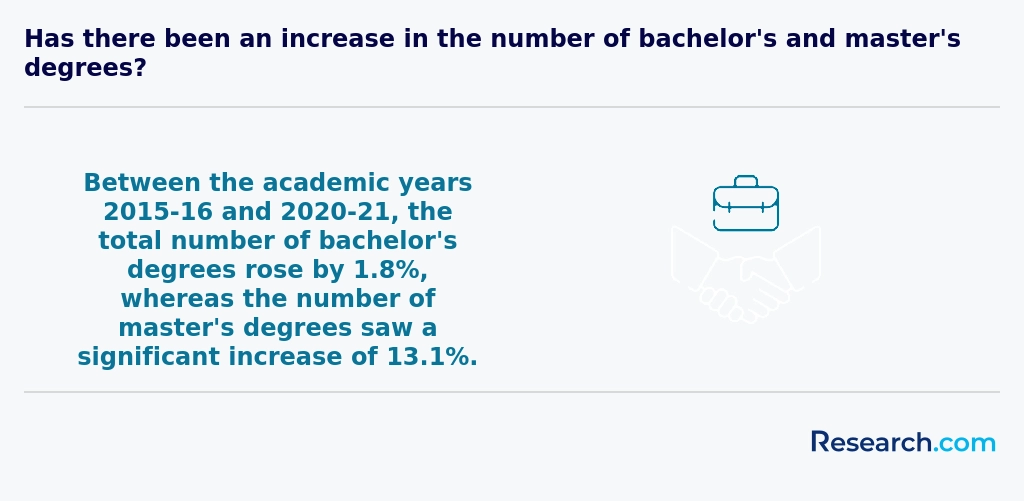
In today’s competitive job market, supplementing your business degree with industry-recognized certifications can set you apart from other candidates. Professional certifications not only deepen your practical knowledge but also demonstrate a commitment to continuous learning and adaptability. By pursuing targeted courses in areas such as digital marketing, data analysis, or project management, you can build on your academic foundation and address the evolving needs of employers. For instance, many professionals choose to complement their degree with a list of online business certificates to advance your career that align directly with current industry trends. By strategically combining academic achievements with certifications, you can boost your resume, expand your professional network, and open doors to enhanced career opportunities within a rapidly changing business landscape.
Diving into a business degree in Columbia means enrolling in a vibrant mix of courses that build your skills from the ground up. Graduates from popular colleges often recall how Principles of Management felt like unlocking the blueprint of leadership, guiding them through real-life team challenges on campus projects. Microeconomics and Macroeconomics are more than theory-they're keys to understanding local markets and how Columbia's economy hums in sync with global shifts.
Accounting classes transform numbers into stories, with Financial and Managerial Accounting providing tools to decode balance sheets-something graduates found empowering when interning at local firms. Marketing courses bring a dynamic vibe, teaching everything from dissecting consumer behavior in Columbia's diverse neighborhoods to crafting ad campaigns that truly connect.
Beyond theory, Statistics and Business Analytics transform data into decisions, helping students at state universities analyze trends and predict business outcomes. Specialized courses like Entrepreneurship and Innovation spark excitement by inviting students to create startups that reflect Columbia's entrepreneurial spirit, while International Business prepares them to navigate global trade, crucial for a city immersed in cross-border commerce.
Among the vibrant halls of Columbia's top universities, graduates often reflect on how their chosen business degree specializations in Columbia shaped their journeys. Finance students dive into real-world investment strategies, feeling the pulse of the city's growing financial district, inspired by rising market trends. Those focusing on marketing craft compelling digital campaigns that ripple through social media, transforming ideas into vibrant brand stories. Management majors recall late-night strategy sessions sharpening leadership skills, preparing them to steer organizations through uncertainty. Entrepreneurship enthusiasts thrive on the city's start-up ecosystem, launching ventures fueled by innovation and local support. International Business students ride the wave of globalization, mastering cross-cultural negotiations that echo through Columbia's diverse business environment. Meanwhile, accounting students gain practical command over audits and tax codes, dreams of CPA certifications within reach. Picking a focus here isn't just academic; it's stepping into a living lab where the pulse of the market guides every class. For those eager to expand horizons, exploring a list of online business certificates to advance your career can be the next leap in this exciting adventure.
Imagine walking across the vibrant campuses of Columbia's top universities, where graduates recall how choosing the best business degree programs in Columbia wasn't just about textbooks-it was about discovering programs with AACSB accreditation that felt like a passport to opportunities. Picture a classroom where practical internships and consulting projects at a popular college sharpen skills beyond theory, forging confidence for the real business battlefield. One graduate from a renowned Columbia business school talks about how their curriculum, rich with data analytics and finance, aligned perfectly with booming market trends, fueling their excitement for what lay ahead.
Cost whispers loudly in the minds of many; affordable business degrees Columbia are a treasure, especially when scholarships and aid transform dreams into attainable realities. Another student shared how balancing part-time work with study was simpler thanks to flexible schedules, a critical factor in their choice. Exploring options like the best accelerated mba online programs also opened doors previously thought closed, blending convenience with strong alumni networks. Picking a degree here means weaving quality, passion, and practicality into a tapestry of success.

Graduates with a business degree career opportunities in Columbia often dive into vibrant roles that blend analytical rigor with creative problem-solving. Imagine a graduate stepping into a bustling healthcare administration office in downtown Columbia, orchestrating budgets and improving patient services, while another thrives as a marketing manager, crafting compelling brand stories for local startups. Recent grads from popular Columbia institutions revel in the city's dynamic crossover between traditional finance jobs and innovative roles in emerging tech firms-where business savvy meets coding fluency, opening doors to management consulting gigs or entrepreneur ventures.
Those chasing high paying jobs with business degree in Columbia frequently find themselves as financial analysts interpreting market pulses or human resources managers fostering workplace culture on campus and beyond. Many benefit from internships at local companies or government agencies, gaining practical chops that turn classroom skills into real-world success. For students juggling tuition costs, exploring options like Affordable Online Master's in Business Degree Programs Ranking in Pittsburgh, PA offers a strategic path to enhance credentials and stand out in Columbia's competitive job marketplace.
Business degree job opportunities in Columbia unfold like a dynamic mosaic where local universities and colleges fuel a bustling economy. Graduates often describe their first weeks in Columbia's vibrant business ecosystem as energizing, tapping into roles in finance, healthcare administration, and retail management. Picture a fresh graduate from the University of Missouri confidently stepping into a startup, wielding skills honed through hands-on internships and university networking events that ripple throughout the city's entrepreneurial scene.
Columbia business graduate employment outlook shines particularly bright when considering industries seeking talents in data analysis and digital marketing-fields growing due to the city's tech-driven ambitions. These tangible opportunities spring from Columbia's unique position, bridging established healthcare providers and innovative small business ventures, creating fertile job prospects for graduates ready to lead and adapt.
With tuition fees in a reasonable range and a strong local demand, the investment in a business degree here delivers promising returns. For those eager to accelerate their education without sacrificing quality, exploring options for best accelerated online associate degrees can turbocharge the path to opportunity.
2027 Best Business Degree Programs Ranking in Columbia
Investing in your education is a significant decision that can profoundly impact your career and future, and the Research.com team recognizes the importance of providing trustworthy and accurate guidance. To support prospective students in Columbia, we have carefully developed the "2027 Best Business Degree Programs Ranking in Columbia." Our dedication to quality, credibility, and precision is evident in the thorough research and rigorous analysis behind this ranking.
We utilized the following reputable data sources to ensure a comprehensive evaluation of business degree programs:
By reviewing this ranking, readers will gain valuable insights into the top business degree programs available in Columbia, enabling informed educational decisions aligned with their goals. For more information on how this ranking was created, please visit our Research.com methodology page.


Frequently Asked Questions About business
Business degree students in Columbia can maximize their learning experience by engaging actively in both classroom and extracurricular activities. Participating in internships with local firms enhances practical knowledge and builds valuable networks in the Columbia business community. According to the U.S. Bureau of Labor Statistics, internships increase job placement rates by nearly 60% for recent graduates.
Students should also take advantage of campus resources such as career services, business clubs, and guest lectures featuring industry experts. Columbia houses several small and mid-size businesses, offering unique opportunities for applied learning and entrepreneurial projects.
Additionally, students benefit from seeking mentorships and attending workshops focused on current business trends and digital skills to stay competitive in today's market.
The business field is evolving rapidly, and several niches are emerging as promising areas for students in Columbia. One key growth sector is data analytics and business intelligence, where professionals analyze large data sets to help companies make informed decisions. According to the U.S. Bureau of Labor Statistics, jobs in this area are expected to grow by 23% through 2031.
Another expanding niche is sustainable business and corporate social responsibility, reflecting increasing consumer and regulatory focus on environmental and ethical practices. Columbia-based universities are responding with targeted courses in these areas.
Additionally, fintech-the integration of technology and financial services-is booming, driven by advancements in blockchain and mobile payment systems. This sector holds strong appeal for business students seeking innovation-focused careers.
Lastly, healthcare management continues to grow due to rising healthcare costs and policy changes, offering solid employment prospects for graduates.
Graduates with a business degree in Columbia should begin preparing early for the job market by building relevant skills and gaining practical experience. According to the U.S. Bureau of Labor Statistics, internships significantly increase employability, with 60% of business students securing jobs through internship networks. Students are encouraged to seek internships in local firms or national companies with offices nearby.
Networking plays a vital role. Attending events hosted by organizations such as the Chamber of Commerce of Columbia can connect graduates with potential employers. Additionally, developing proficiency in data analytics and digital marketing is increasingly important, as reported by industry surveys from the National Association of Colleges and Employers.
Strong communication and problem-solving skills remain essential. Graduates should also consider obtaining certifications like Lean Six Sigma or Project Management Professional to boost their resumes and appeal to recruiters. Career services at universities often provide excellent resources for interview preparation and job search strategies.
Employers in Columbia highly value business degree graduates who exhibit strong analytical and communication skills. According to the National Association of Colleges and Employers (NACE), about 80% of hiring managers prioritize critical thinking and problem-solving abilities. Proficiency in data analysis and financial literacy also plays a crucial role, as Columbia's growing economy demands professionals who can interpret complex information for strategic decisions.
Additionally, interpersonal skills and teamwork remain essential for business roles, reflecting trends reported by the Columbia Chamber of Commerce. Digital literacy, including familiarity with business software and social media marketing, ranks increasingly important as well, aligning with national business sector developments. Leadership potential and adaptability are noted as valuable traits for career growth in this competitive environment.
Finding internships in Columbia relevant to a business degree involves targeting organizations that actively seek business talent. The city hosts numerous companies in finance, manufacturing, and healthcare, all sectors providing meaningful internship opportunities. According to the Columbia Chamber of Commerce, nearly 40% of interns in the area secure positions within business operations or marketing departments.
Students should leverage their college career centers, which often maintain partnerships with local businesses. Additionally, platforms like Handshake and LinkedIn offer listings specifically filtered for internships near Columbia. Networking events and local business meetups are also vital for connecting with potential employers.
Many internships in Columbia pay between $12 and $18 per hour, which is competitive in the region. Pursuing internships during summer or semester breaks increases chances of gaining practical experience. The South Carolina Department of Employment reports that internships contribute significantly to full-time job offers post-graduation.
In Columbia, earning a business degree significantly enhances career mobility and advancement opportunities. According to the U.S. Bureau of Labor Statistics, professionals with a bachelor's in business-related fields experienced a 12% higher likelihood of promotion compared to those without a degree. This advantage is notable in sectors such as finance, marketing, and management, which are prominent in Columbia's growing economy.
Business degrees provide practical skills and networking opportunities, which employers value highly. Graduates often access broader job markets beyond entry-level positions, positioning themselves for leadership roles.
Additionally, Columbia's proximity to multiple corporate headquarters creates a dynamic environment where degree holders can leverage their education for career growth.
Studying for a business degree in Columbia equips students with a broad skill set essential for interdisciplinary roles. Columbia's business programs often integrate courses from economics, data analytics, and communication, bridging gaps between traditional business knowledge and other fields. This approach reflects the current job market, where 71% of business professionals in Columbia engage in cross-functional teams, according to the Columbia Economic Research Institute (2023).
Students gain hands-on experience through internships and collaborative projects, developing critical thinking and problem-solving skills needed across industries. Additionally, leadership training and exposure to emerging technologies prepare graduates to navigate complex business environments effectively.
When choosing between a thesis and a non-thesis business degree program in Columbia, students should consider their career goals and academic preferences. Thesis programs generally require original research and a formal written dissertation, ideal for those interested in pursuing doctoral studies or research-intensive roles. Non-thesis options focus more on coursework and practical experience, appealing to professionals seeking to advance quickly in business or management careers.
According to the U.S. Department of Education, Columbia's universities offer both options, with approximately 40% of business graduate students opting for thesis tracks to deepen their expertise. Evaluating your professional objectives and learning style helps guide this decision effectively.
Students based in Columbia have several options to study business abroad, primarily through exchange programs and dual-degree partnerships with U.S. institutions. Many Colombian universities collaborate with American business schools to offer opportunities for academic mobility, allowing students to earn credits transferable toward their degrees. For example, the Colombian Ministry of Education supports programs aligning with U.S. accreditation standards, which enhances the recognition of these qualifications internationally.
Colombia's growing economy has increased demand for business expertise, with institutions like Universidad de los Andes and Universidad Nacional offering international study tracks. Business students often focus on areas such as international finance, entrepreneurship, or supply chain management during their time abroad.
In Columbia, part-time job opportunities that complement business degree education often focus on roles requiring strong analytical and communication skills. Positions such as sales associate, marketing intern, and administrative assistant are common for students pursuing business degrees. These roles allow students to apply classroom concepts in real-world settings, enhancing skills in customer relations, data analysis, and project management.
Due to Columbia's growing business sector, internships with local startups or small businesses are increasingly available. According to the U.S. Bureau of Labor Statistics, business-related part-time jobs in the region can offer hourly wages ranging from $12 to $20, depending on responsibility level. Such positions not only provide practical experience but also valuable networking opportunities within the Columbia business community.
Business students in Columbia benefit from a variety of networking opportunities through university-affiliated organizations, local chambers of commerce, and industry-specific events. Many institutions partner with Columbia's growing corporate sector, offering internships and guest lectures that connect students with experienced professionals. According to the Columbia Chamber of Commerce, over 60% of business students secure internships through networking events held on campus or in the city annually. Student-run clubs and business competitions also serve as key platforms for building professional relationships. These opportunities help students develop critical contacts, gain mentorship, and improve their chances of employment after graduation.
Alumni networks play a significant role in supporting business degree students in Columbia by offering valuable connections that extend beyond graduation. These networks provide access to experienced professionals who can offer mentorship, advice, and industry insights, helping students navigate their career paths effectively.
According to the National Association of Colleges and Employers, 85% of jobs are secured through networking. In Columbia's competitive business environment, leveraging alumni contacts can open doors to internships, job opportunities, and collaborations. Schools in Columbia with active alumni associations often host events, workshops, and panels, fostering relationships between current students and graduates.
This ongoing engagement enhances students' professional development, broadens their industry knowledge, and increases their chances of employment in sectors such as finance, marketing, and entrepreneurship within Columbia.
Customizing a business degree program in Columbia allows students to align their studies with specific career goals. Many universities in the state offer flexible curricula where students can choose concentrations such as finance, marketing, entrepreneurship, or supply chain management. According to the National Center for Education Statistics, nearly 60% of business undergraduates in Columbia select a specialization to enhance job readiness.
Internships and cooperative education opportunities are widely available, providing practical experience critical for career advancement. Additionally, students can often select electives and participate in study abroad programs focused on global business practices.
Business schools in Columbia also emphasize experiential learning through case competitions and consulting projects, which help develop real-world skills tailored to sectors prominent in the region, such as manufacturing and technology.
Business students in Columbia face several common challenges throughout their academic journey. One key difficulty is balancing rigorous coursework with internships or part-time jobs, which are essential for gaining practical experience. According to the National Center for Education Statistics, 70% of business undergraduates in the region report time management as a major obstacle. Financial pressure is another challenge, with tuition and living costs rising faster than average incomes in Columbia's metropolitan areas.
Additionally, students often struggle with the evolving demands of technology and data analytics in business curriculums. Many find it hard to keep pace with tools like Excel, SQL, and business intelligence software, which are increasingly vital. Finally, networking and finding mentorship opportunities can be tough due to the competitive environment within local business schools, impacting career readiness and placement rates.
With a business degree from a university in Columbia, graduates can pursue various professional certifications to enhance their careers. One popular option is the Certified Public Accountant (CPA) license, ideal for those interested in accounting and finance. The CPA credential is highly respected and often required by employers in the region.
Another widely recognized certification is the Project Management Professional (PMP), which equips professionals with advanced skills in managing projects effectively. Columbia's growing industries increasingly value such expertise.
Additionally, the Certified Management Accountant (CMA) is valuable for those focusing on financial management and strategy. According to the National Association of State Boards of Accountancy (NASBA), over 60% of business graduates in Columbia pursue at least one certification within three years of graduation.
Writing a winning application for a business program in Columbia requires careful preparation and attention to detail. Begin by thoroughly researching the specific program's requirements, as top universities often seek candidates with strong academic records and relevant experience.
Highlight your leadership skills and any involvement in business-related activities or internships. According to the National Center for Education Statistics, applicants with practical experience have a higher chance of admission.
Craft a clear, concise personal statement that reflects your career goals and how the program aligns with them. Use data when possible, such as Columbia's growing business sector valued at billions annually, to show your local market awareness.
Finally, ensure all standardized test scores, transcripts, and recommendation letters are submitted on time to avoid disqualification. Staying organized and professional is essential in making your application stand out.
The global perspective on a business career is increasingly influenced by the growing importance of international markets and cross-cultural management. Business degrees equip students with skills that apply worldwide, such as strategic thinking, communication, and leadership. For students in Columbia, understanding these global trends is vital, as nearly 70% of business leaders surveyed by the Graduate Management Admission Council in 2023 highlighted global experience as key for success.
U.S. business schools emphasize global case studies and opportunities for international internships, reflecting trends observed by the Association to Advance Collegiate Schools of Business (AACSB). Moreover, Columbia's metropolitan location offers access to diverse industries, enhancing exposure to global business practices. This international outlook can improve career prospects across sectors including finance, technology, and consulting.
Gaining practical experience while studying for a business degree in Columbia is essential for career readiness. Many universities in Columbia offer internship programs that connect students with local businesses and nonprofit organizations. For example, the Columbia Chamber of Commerce lists over 150 internship opportunities annually in various sectors like finance, marketing, and management.
Additionally, business students can participate in cooperative education (co-op) programs, which alternate classroom study with paid work experience. According to the National Association of Colleges and Employers, co-op participants often receive higher starting salaries post-graduation.
Networking events, student-run businesses, and case competitions also provide hands-on experience, allowing students to apply theoretical knowledge in real-world scenarios while building valuable professional connections.
Choosing the right concentration within a business degree program in Columbia involves assessing your career goals and local industry demands. Popular concentrations include finance, marketing, management, and entrepreneurship, reflecting Columbia's growing economy and business environment. According to the U.S. Bureau of Labor Statistics, fields like finance and marketing show steady growth nationally, which can influence your choice.
Consider the types of companies in Columbia; the city hosts numerous startups and established firms, especially in finance and technology sectors. Research each concentration's curriculum to match your interests with relevant skills employers seek.
Additionally, seek programs with strong internship opportunities in Columbia to gain practical experience. Many students benefit from networking events and mentorship programs offered by local universities.
Lastly, review program accreditation and graduate employment rates to ensure your chosen concentration leads to viable career pathways.
- 2027 Best Business Degree Programs Ranking in Kansas City
- 2027 Best Business Degree Programs Ranking in Conway
- 2027 Best Business Degree Programs Ranking in Dubuque
- 2027 Best Business Degree Programs Ranking in Wichita
- 2027 Best Business Degree Programs Ranking in Little Rock
- 2027 Best Business Degree Programs Ranking in West Lafayette
- 2027 Best Business Degree Programs Ranking in River Forest
- 2027 Best Business Degree Programs Ranking in Chicago
- 2027 Best Business Degree Programs Ranking in Madison
- 2027 Best Business Degree Programs Ranking in Indianapolis
See What Experts Have To Say About Studying Business
Read our interview with Business experts

David Souder
Business Expert
Senior Associate Dean for Faculty and Research
Michigan State University


Ingrid S. Greene
Business Expert
Clinical Assistant Professor of Management
Loyola Marymount University

- Online Degree vs. Traditional: Choosing the Right Path https://beal.edu/online-degree-vs-traditional/
- Global Perspectives: International Opportunities for Business School Students - SBS Swiss Business School https://sbs-uae.org/global-perspectives-international-opportunities-for-business-school-students-3/
- Exploring Different Types of Business Majors https://www.ivywise.com/ivywise-knowledgebase/exploring-different-types-of-business-majors/
- Professional Business Certifications to Boost Your Career in 2025 https://www.business.com/articles/best-business-certifications/
- What are the key requirements for the Columbia MBA? https://mentr-me.com/question/what-are-the-key-requirements-for-the-columbia-mba
- Columbia Business School Jobs: Elite Careers Await https://www.academicjobs.com/employers/columbia-business-school/17845
- Skills Employers Look for in Business Graduates – EU Business School https://www.euruni.edu/blog/skills-employers-look-for-in-business-graduates/
- A guide to finding an internship https://www.ipag.edu/en/blog/guide-finding-internship
- 7 Practical Graduate Business Certificates to Round Out Your Resume https://www.umassglobal.edu/blog-news/7-practical-graduate-business-certificates-round-out-your-resume
- Top 10 Emerging Business Niches of 2026 & How to Plan for Them https://prometai.app/blog/emerging-niches-business-planning