2027 Most Affordable Business Degree Programs Ranking in Delaware

Co-Founder and Chief Data Scientist
Exploring business degree programs in Delaware can feel overwhelming, especially when budgeting matters. This article presents the 2027 Most Affordable Business Degree Programs Ranking in Delaware, created by the Research.com team of data scientists. It's designed to guide you toward smart, data-backed decisions on the best-value programs available.
With a clear focus on affordability and quality, this ranking helps you find a path that fits your goals. Pursuing a business degree opens doors to exciting career opportunities and personal growth. Let this resource inspire your educational journey.
Key benefits of getting business degree in Delaware
- Salary for business degree graduates: Business graduates in Delaware can expect competitive salaries, such as Business Development Executives earning a mean annual wage of $83,190 and Business Analysts averaging $112,950 per year, reflecting strong earning potential.
- Career path opportunities: Graduates often pursue diverse roles from exciting startups to established companies, with paths including management, consulting, and analysis, offering plenty of room for growth and skill development.
- Benefits of online business degrees: Online programs from Delaware institutions provide flexibility to balance work and study while gaining the same respected qualifications, making it easier for busy students to advance their careers without relocating.
- 2027 Most Affordable Business Degree Programs Ranking in Delaware
- What can I expect from business degree in Delaware?
- Where can I work with business degree in Delaware?
What can I expect from business degree in Delaware?
The average cost of pursuing a business degree in Delaware often feels like an investment wrapped in opportunity rather than just a number. Graduates from well-known local colleges recall balancing tuition fees hovering around $12,000 to $18,000 annually, which opens the gateway to dynamic internships with Fortune 500 companies nestled in Delaware's corporate landscape. These costs, while significant, often come bundled with access to networking goldmines and hands-on experiences that transform classrooms into launchpads.
Imagine walking the bustling halls of a Delaware university, where lecture fees mingle with stories of peers who secured internships at major banks and chemical firms. The financial outlay feels more tangible when paired with the promise of practical business acumen and real-world applications tailored to Delaware's economic strengths.
Many students appreciate the flexibility offered by hybrid or online options, easing the financial pressure while juggling jobs or personal commitments. This adaptability makes the degree's cost feel less like a jump off a cliff and more like a steady climb up a well-lit ladder toward a rewarding career.
Where can I work with business degree in Delaware?
Graduates from Delaware's top business programs, like those at the University of Delaware or Delaware State University, often find themselves stepping into vibrant roles in Wilmington's bustling financial district. Imagine joining a team at a major credit card company, your daily tasks weaving through marketing strategies and financial analysis, powering the engine of a city known for corporate giants. The thrill of the fast-paced corporate services sector isn't just a dream-it's a reality for many who graduated hungry to lead and innovate.
Others channel their business savvy into Delaware's healthcare sphere, managing operations for institutions like ChristianaCare. Here, the strategic thinker thrives, juggling budgeting and leadership with a sense of purpose that goes beyond profit margins.
Startups and small businesses buzz with energy too, especially with guidance from the Delaware Small Business Development Center. Business grads play crucial roles, turning bold ideas into thriving ventures, fueled by a community eager to grow together.
From supply chains routed through Delaware's strategic ports to public sector jobs shaping economic futures, a business degree here transforms ambition into opportunity across multiple industries.
Imagine graduating from a business program at the University of Delaware and stepping into Wilmington's bustling financial district. As a fresh business analyst, your salary might start around $112,950 annually, reflecting not just your skills but Delaware's vibrant corporate landscape. This figure far exceeds many entry-level wages in other states, showing the tangible value of your degree here.
Another graduate, diving into a business development executive role, could expect a comfortable mean wage near $83,190. It's a salary that resonates well with the growing economy, where Delaware's unique blend of international companies and local banks fuels opportunity.
Picture attending Delaware State University and dreaming of climbing the corporate ladder in a neighboring city. While some roles like project managers don't have specific local data, the trend is clear: the state's economic ecosystem supports rewarding career paths, especially if you harness your degree with experience and strategic career moves.
These numbers are more than statistics; they represent the doorway from classroom learning to real-world success, a journey many Delaware business grads know well.
- Annual tuition for in-state students at Delaware public universities ranges from $12,000 to $15,000, while private schools often exceed $30,000 per year.
- Starting salaries for early-career business graduates in Delaware are approximately $50,000 to $55,000 annually.
- Mid-career business professionals can expect salaries between $75,000 and $90,000, depending on their specialization and role.
- Delaware's business job market is growing at about 5% annually, matching the national average for business and financial occupations.
- Key industries offering jobs include finance, insurance, marketing, accounting, and management in Delaware's corporate-rich environment.
Picture yourself at the University of Delaware, where most business hopefuls navigate four years of full-time study, stacking around 15 credit hours each semester like stepping stones toward their dream career. Graduates from this path often describe the journey as a steady, manageable rhythm, a balance between challenge and accomplishment that wraps up in the classic collegiate timeline.
But not every story marches to that same beat. At Delaware State University, some take a detour-part-time enrollees stretch their adventure beyond four years, savoring the learning at a slower pace to juggle work or family, turning education into a flexible, life-infused marathon rather than a sprint.
Then there are those who chase the fast lane with accelerated programs, slicing their business degree timeline to three intense, exhilarating years. Imagine packing years of knowledge, connections, and career-launching moments into this condensed sprint-exhilarating and rewarding in equal measure!
Transfers from local community colleges bring another twist-credits in hand, they leapfrog steps to graduate sooner, feeling the thrill of wise planning paying off. Whether full-time, part-time, or accelerated, Delaware business degrees uniquely shape your pace to success.
Accreditation serves as a benchmark for academic rigor and employer recognition in Delaware’s business degree landscape. Prospective students should verify whether a program holds accreditation from the Association to Advance Collegiate Schools of Business (AACSB), the Accreditation Council for Business Schools and Programs (ACBSP), or the International Accreditation Council for Business Education (IACBE). AACSB accreditation, for example, is awarded to fewer than 5% of global business schools and signals exceptional faculty credentials, research output, and continuous improvement processes. Similarly, ACBSP and IACBE accreditations emphasize teaching excellence and student outcomes, ensuring that curricula align with industry standards. Beyond national bodies, regional accreditation-such as that granted by the Middle States Commission on Higher Education (MSCHE)-confirms institutional integrity and eligibility for federal aid. Checking the U.S. Department of Education’s database or the Council for Higher Education Accreditation (CHEA) directory can help students validate these credentials. For those weighing affordability alongside quality, it may be useful to compare Delaware offerings with programs in neighboring states. Students seeking online flexibility and cost savings can explore the Most Affordable Online Business Degree Programs Ranking in Ohio to understand how accreditation and tuition fees interact in similar markets. By prioritizing accredited programs, graduates can maximize their return on investment, secure robust career placement support, and gain confidence that their degree will be respected by employers nationwide.
Picture a busy Wilmington commuter juggling work and family while clicking through an online business course from the University of Delaware, savoring the freedom to rewind lectures on marketing concepts. That's the online business degree experience-flexible, self-paced, and tailored for those who can't pause life's hustle.
Meanwhile, an on-campus business student at Delaware State University wakes up to campus coffee chats and lively debates in classrooms filled with peers dreaming of Delaware's thriving finance and healthcare sectors. They dive into internships and networking events, feeling the electric buzz of face-to-face connections fueling their ambitions.
Both graduates share a strong grasp of management and finance, but one mastered digital collaboration across time zones, the other thrived in hands-on workshops and spontaneous campus brainstorms. Tuition-wise, online programs often shave 10-30% off costs-important when balancing budgets against Newark's living expenses.
In Delaware's tight-knit business community, choosing between these paths means weighing dynamic flexibility against immersive real-world interactions, each crafting a unique professional journey.
A crucial area that warrants further attention is practical advice on how students can maximize the return on their business degree. Beyond learning theoretical concepts, successful navigation of the business world depends largely on strategic career planning, active networking, and continuous skill development. In this section, prospective students will find actionable tips on establishing a strong professional network, leveraging campus resources, and exploring internship opportunities that align with their career goals. To kick-start your journey, consider seeking out mentorship programs and career workshops offered by many Delaware institutions. These resources not only provide guidance on industry trends but also help build connections with experienced professionals. Additionally, engaging in professional organizations and participating in local business events can significantly boost your employability-these experiences often serve as the bridge between classroom theory and real-world practice. Another key strategy is to harness online resources for career advancement. For instance, exploring complementary educational pathways can provide insights into innovative business practices. One such resource is available at what is the most versatile business degree, which offers perspectives on different curricular approaches and specialization benefits. By embracing these proactive measures, you can transform your academic journey into a launchpad for long-term career success. This approach not only enhances the overall value of your degree but also ensures that you stay ahead in an ever-evolving business landscape.
The average cost of a business degree in Delaware vibrantly reflects the balance between ambition and investment. For in-state students, the median total cost hovers around $13,920, a figure that feels tangible when imagining the daily grind on the University of Delaware campus or the cozy study corners in smaller community colleges. Graduates recall juggling textbooks and late-night coffee runs, all while knowing their education was a smart, affordable move compared to private universities. Out-of-state students face a steeper climb, with median costs around $33,732, but many find the journey worthwhile, drawn by Delaware's strong business community and supportive academic environments.
Stories from classrooms at Delaware's public institutions paint a picture of practical learning combined with excitement: business students discovering marketing strategies or financial modeling with peers in active discussions. It's no wonder that many who seek an affordable business degree programs Delaware-wide feel encouraged by opportunities like scholarships, which soften the financial edges and kindle hope. For the curious and persistent, exploring the best business school in Delaware offers a roadmap to turning passion into a profession without breaking the bank.
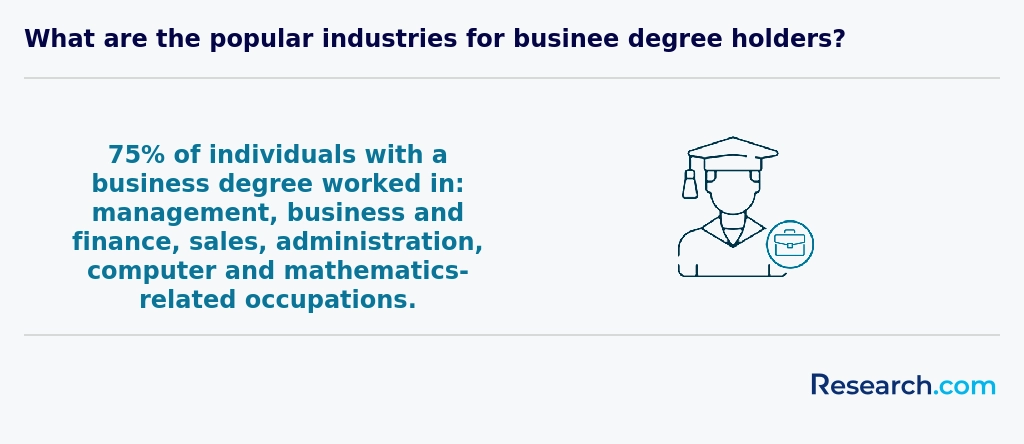
To make an informed decision when selecting a business school in Delaware, it's crucial to consider several factors, including accreditation, program rankings, curriculum, and career outcomes. Prospective students should research institutions that offer a best business school in Delaware, ensuring they meet high standards of education. Additionally, looking into the specializations available, such as international business, entrepreneurship, and finance, can help students align their studies with their career goals. By evaluating these aspects, students can choose a business program that sets them up for success in Delaware's thriving business landscape.
Imagine walking through the bustling campus of the University of Delaware, where the weight of tuition doesn't cloud your ambitions because federal Pell Grants and low-interest federal student loans have paved the way. These grants, requiring no repayment, become the lifeline that transforms dreams into reality for many business students here. Early applicants who complete the FAFSA unlock a treasure chest of aid options designed to ease financial stress.
Down the road at Delaware State University, students often share stories about the Delaware SEED Scholarship easing their path, especially those attending in-state community colleges or universities. This state-funded gem wraps them in support, making costs feel less daunting while they focus on mastering marketing strategies and finance fundamentals.
Then there are the private scholarships-offered by local chambers and foundations-that feel like cheers from the community, motivating business students as they balance classes and campus life. The work-study programs offer more than just money; they craft hands-on experiences, turning part-time jobs into stepping stones within Delaware's vibrant business hubs.
Merit-based scholarships, awarded at places like the University of Delaware, celebrate leadership and academic fire, lighting up students' paths with recognition and financial relief. Each dollar gained is more than money-it's confidence, opportunity, and a promise that a business degree in Delaware is within reach.
Calculating the return on investment (ROI) of a business degree in Delaware involves weighing tuition costs against potential earnings and career advancement. On average, a bachelor’s degree in business management in Delaware costs between $50,400 and $52,400 total, including fees and materials. Given the state’s average entry‐level salary of $54,000 and mid‐career earnings exceeding $80,000, graduates can typically recoup their educational expenses within four to six years of full‐time employment. Beyond initial payback, specialized credentials-such as an accelerated one year online mba-can further compress ROI timelines by enhancing leadership skills and expanding professional networks in just 12 months. Graduates who pursue these intensive programs often report salary increases of 20% to 30% within two years of completion, driven by promotions into managerial or executive roles. Moreover, ROI isn’t limited to salary alone. Business alumni in Delaware consistently cite improved job security, faster career progression, and broader industry recognition as key outcomes. Factoring in employer‐sponsored tuition reimbursement and available scholarships, the effective net cost of a business degree can drop by 30% or more, further accelerating the breakeven point and maximizing long‐term financial gains.
Imagine stepping onto the vibrant campus of the University of Delaware, clutching your high school diploma with a GPA hovering around 3.0, feeling ready to dive into the world of business. This isn't just a dream-it's the reality for many prospective students who meet Delaware's typical undergraduate prerequisites. Like many graduates from Delaware State University, you'll find that proving your academic foundation with a diploma or GED is just the start.
Standardized test scores like the SAT or ACT sometimes still peek into the admissions process, especially for scholarships, but many students share relief as these become optional. Picture yourself crafting a personal statement or gathering letters of recommendation that showcase your drive and character, echoing the journey of those who thrive at Wilmington University.
For MBA hopefuls, the scene sharpens-holding a bachelor's degree and potentially submitting GMAT or GRE scores. Yet, numerous programs recognize the seasoned professional's value, waiving tests for experience and strong records. In Delaware, prerequisites mix academic grit with personal resolve, setting a stage where ambition meets opportunity.
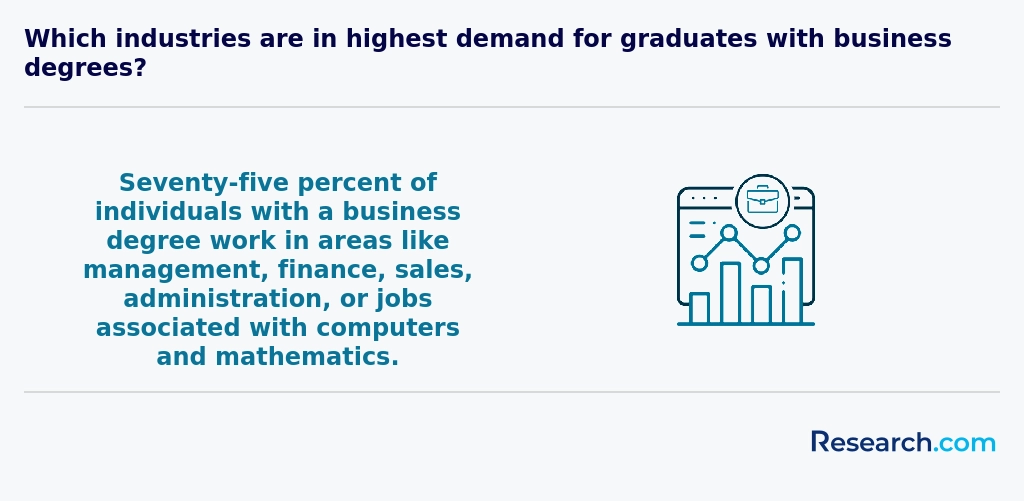
Imagine diving into Principles of Management at a Delaware university, where graduates recall lively debates on leadership tactics inspired by local businesses thriving in Wilmington's financial hubs. Financial and Managerial Accounting classes aren't just about numbers-they're like decoding secrets that unlock how companies in Newark track success and make powerful decisions.
Marketing Fundamentals transform theory into action, as students on Delaware's campuses craft campaigns reflecting the vibrant consumer culture of their home state. Business Law courses resonate deeply, with learners exploring contracts and regulations that shape Delaware's robust corporate landscape, known nationwide for its business-friendly statutes.
Economics classes-Micro and Macro-paint vivid pictures of local and global markets, helping students connect classroom theories to the economic pulse running through Delaware's healthcare and manufacturing sectors. Electives like Entrepreneurship spark inspiration from nearby startup scenes, while Business Statistics and Operations Management sharpen analytical tools with real-world data from regional industries.
Graduates often cherish these courses not only for knowledge gained but for how they animate Delaware's unique economy in every lecture, project, and internship experience.
In Delaware's vibrant business programs, students commonly dive into specializations like Finance, Marketing, Management, Accounting, and Supply Chain and Logistics, each tailored to the state's unique economic landscape. Imagine a graduate from a top Delaware college happily navigating the state's credit card banking hub, mastering financial strategies that fuel major corporations. Another might sparkle in Marketing, leveraging digital trends to captivate audiences from bustling Wilmington to Newark. Those drawn to leadership flourish in Management, honing skills to steer local startups or established firms. For number lovers, Accounting offers a direct path to influential roles in the corporate filings scene.
Supply Chain and Logistics students often describe hands-on experience with Delaware's ports and transportation networks, gaining real-world insight into a thriving industry crucial for the region. These specializations illuminate why so many choose Delaware affordable business degree programs that combine practical skills with an adaptable foundation.
Emerging paths like Business Analytics and Entrepreneurship also attract curious minds ready to innovate. If you're wondering what is the most versatile business degree, exploring these specializations could spark your next adventure in the First State.
Choosing a business degree in Delaware goes beyond just picking a school; it's about envisioning your future self thriving amid bustling financial hubs like Wilmington or Dover. Graduates from local colleges often share how the AACSB accreditation assured them their degree carried weight beyond campus-a passport to industries where Delaware's economy hums with life. When exploring affordable business degree programs in Delaware, consider not just tuition but the ripple effects of scholarships and employer tuition programs that transform numbers on a page into real relief.
Picture yourself diving into curriculums tailored to Delaware's heartbeat-finance and healthcare-or daring to explore entrepreneurship sprouting from Philadelphia's proximity. Graduates often recount their networks blossoming through tight-knit internships with local businesses, turning classroom theories into vivid real-world wins.
Balancing work, life, and study sparks many to choose flexibility. Some follow the path of a one year online mba, blending ambition with practicality. When researching the best business schools Delaware tuition fees naturally factor in, but you'll find savvy choices that marry affordability with opportunity.
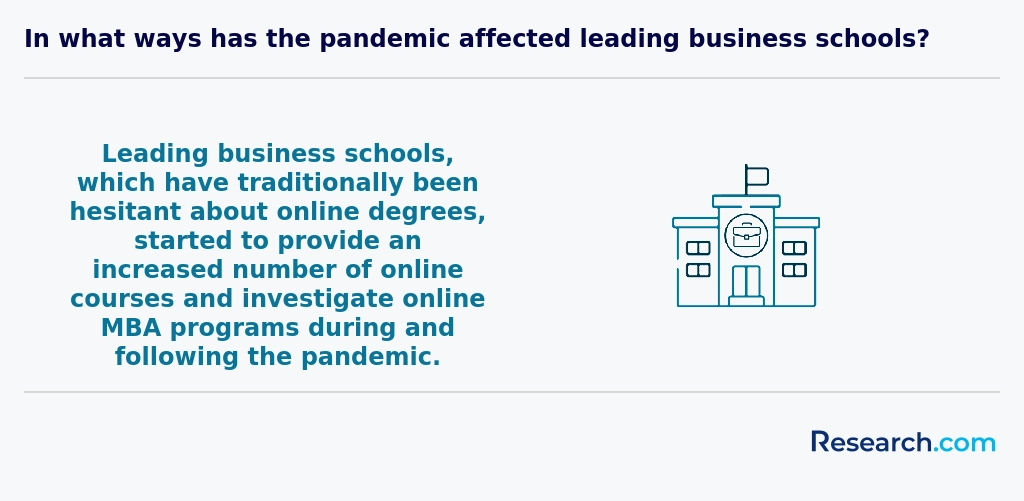
Imagine graduating with a business degree in Delaware and stepping into a mosaic of career paths that pulse with opportunity. From the vibrant classrooms of the University of Delaware to the innovative hubs at Wilmington University, grads dive into financial services where Delaware's position as a corporate magnet fuels roles like financial analysts and compliance officers. This isn't just a job; it's a gateway to thriving in a state where over 60% of Fortune 500 companies register their presence.
Beyond finance, management roles in manufacturing and distribution unfold like a well-choreographed dance, with nearly 10% of Delaware's workforce shaping this dynamic sector. Recent graduates often tell of hands-on experiences securing supply chains amid the state's bustling ports, making logistics and procurement exciting fields that echo the pulse of global trade.
For those pondering business degree career opportunities in Delaware, marketing, sales, and human resources paint canvases rich with local flavor-think small business growth supported by state innovation programs and the real estate market's energetic rise. Many students appreciate Delaware's affordability, and if you want to explore options for online study, check the Most Affordable Online Business Degree Programs Ranking in Ohio for comparison. Dreams of entrepreneurship also flourish here, nurtured by programs designed to turn bold ideas into reality.
Business degree job opportunities in Delaware unfold like a tapestry woven through the state's vibrant economic fabric. Graduates from popular institutions such as the University of Delaware find themselves stepping into bustling hubs like Wilmington, where the rhythm of finance and professional services sets the tone. Imagine a recent graduate landing a role at a regional bank, thriving in a landscape shaped by giants like JPMorgan Chase. The relatively low unemployment rate of 3.7% breathes confidence into these fresh professionals as they navigate marketing, sales, or financial analysis positions.
In the lively classrooms of Delaware State University, students sharpen skills in data analysis and digital marketing, transforming into sought-after assets for companies seeking innovative minds. The Delaware business degree career outlook brightens with state labor projections forecasting growth in marketing managers and human resources specialists. The affordable tuition between $8,000 and $15,000 amplifies the value, making investment in a local business degree more appealing.
Some graduates choose a flexible path, exploring an accelerated bachelors degree to jumpstart their careers. Networking thrives through the Delaware State Chamber of Commerce, where connections spark ideas and open doors. These vivid scenarios weave together to paint an optimistic picture for those eyeing the Delaware business degree job market.
2027 Most Affordable Business Degree Programs Ranking in Delaware
Investing in your education is a significant decision that can shape your future, and the Research.com team understands the importance of making informed choices. To support prospective students in Delaware, we have carefully developed the "2027 Most Affordable Business Degree Programs Ranking in Delaware." Our dedication to quality, credibility, and accuracy is evident through the thorough research and analysis behind this ranking.
We utilized the following reputable data sources to ensure a comprehensive evaluation of business degree programs:
By consulting this ranking, readers will gain valuable insights into affordable and quality business degree options in Delaware, enabling them to make well-informed educational decisions. For further information about our ranking process, please visit our Research.com methodology page.
# 1 position
Strayer University-Delaware
Bachelor of Business Administration

# 2 position
Strayer University-Delaware
Master of Business Administration
# 3 position
Wilmington University
Master of Business Administration

# 4 position
Wilmington University
Bachelor of Business Administration
# 5 position
Wilmington University
Doctor of Business Administration


Frequently Asked Questions About business
Business degree students in Delaware can maximize their learning by engaging actively with internship opportunities offered by the state's diverse economic sectors. Delaware hosts major corporations, especially in finance and pharmaceuticals, providing practical experience for students. According to the Delaware Department of Labor, internships improve job placement rates by up to 15% within six months post-graduation.
Students should also take advantage of Delaware's proximity to major metro areas like Philadelphia and Baltimore, which offer networking events, business seminars, and workshops. Participating in these activities helps build professional connections and understanding of regional markets.
Additionally, enrolling in programs accredited by the Association to Advance Collegiate Schools of Business (AACSB) ensures high-quality curriculum and better recognition in the job market. Utilizing campus career services and joining student business organizations can further enhance skills and professional readiness.
Emerging niches within the business field are reshaping degree programs in Delaware. Areas such as data analytics, supply chain management, and sustainable business practices are gaining momentum. According to the Delaware Department of Labor, demand for professionals skilled in logistics and analytics has grown by over 15% since 2020.
Business programs increasingly emphasize technology integration, including blockchain and artificial intelligence applications in commerce. Green business and corporate social responsibility are also expanding fields, reflecting a national trend toward sustainability.
These niches offer promising career paths for Delaware students seeking relevant, future-focused skills within the local economy.
After completing a business degree in Delaware, preparing for the job market involves a strategic approach focused on gaining practical experience and building professional networks. Delaware's economy, with strong sectors like finance, healthcare, and manufacturing, offers diverse job opportunities for business graduates, according to the Delaware Department of Labor.
Students should seek internships or cooperative education roles during their studies, as these experiences improve employability and professional skills. Additionally, connecting with local business chambers or Delaware-based organizations, such as the Delaware Small Business Chamber, can provide valuable networking.
Acquiring certifications like Certified Business Analyst or project management credentials can further enhance career prospects. Finally, leveraging career services at Delaware universities and participating in job fairs helps graduates access regional job openings effectively.
Employers in Delaware highly value business degree graduates who demonstrate strong analytical and communication skills. According to the Delaware Department of Labor, the ability to interpret data and make data-driven decisions is essential in sectors like finance, healthcare, and manufacturing, which dominate the state's economy.
In addition, teamwork and leadership are frequently cited as top skills. Many Delaware businesses emphasize collaboration and effective management as critical for driving project success and innovation.
Problem-solving skills also rank prominently, with many employers seeking graduates who can adapt quickly and develop creative solutions to evolving challenges in a competitive market.
Finding internships in Delaware related to a business degree involves leveraging local resources and institutional partnerships. Delaware's close proximity to major business hubs like Philadelphia and Washington, D.C., expands opportunities for students. University career centers often list internships with regional companies, including financial services, healthcare, and manufacturing sectors that dominate the state's economy.
Students should also explore the Delaware JobLink system, which offers listings for paid internships statewide. Networking events and business associations, such as the Delaware State Chamber of Commerce, provide valuable connections and insights into the local job market.
Additionally, consulting sites like the U.S. Bureau of Labor Statistics reveals that business internships in Delaware are growing, reflecting positive trends in the state's 2023 economic reports.
A business degree significantly enhances career mobility and advancement opportunities in Delaware's diverse economic landscape. According to the Delaware Department of Labor, business-related occupations are projected to grow by 5% through 2030, reflecting steady demand in finance, management, and entrepreneurship fields. Graduates with a business degree often gain critical skills in leadership, financial analysis, and strategic planning, which employers highly value across industries such as banking, healthcare, and logistics.
Obtaining a degree also increases the likelihood of securing higher-level positions; Delaware professionals with a bachelor's in business tend to earn notably more than those without.
Moreover, local networking opportunities connected to business programs can provide crucial footholds in Delaware's tight-knit corporate community.
Studying for a business degree in Delaware equips students with the skills needed for interdisciplinary roles by combining core business knowledge with practical applications across various fields. Delaware's universities emphasize collaboration between business, technology, and social sciences, preparing graduates to work effectively in diverse teams.
The state's strong financial and corporate sectors, home to over 60% of Fortune 500 companies, offer students opportunities to engage with real-world business challenges, enhancing problem-solving and communication skills vital for interdisciplinary work (Delaware Economic Development Office, 2023).
Curricula often include courses in data analytics, marketing, and ethics, promoting adaptable skill sets that meet evolving workplace demands.
Choosing between a thesis and a non-thesis business degree program in Delaware depends on your career goals and learning preferences. A thesis program typically suits students interested in research, academia, or pursuing a PhD. It involves conducting original research and writing a substantial paper under faculty supervision.
Non-thesis programs focus more on practical skills, with coursework and projects designed to prepare students quickly for managerial roles. Many Delaware universities offer flexible non-thesis options, catering to working professionals in the state's strong finance and chemical industries.
According to the Delaware Department of Labor, business occupations are expected to grow 7% by 2030, making practical experience valuable. Reviewing curriculum details and career services at Delaware institutions can help decide the best fit.
Students in Delaware seeking to study business abroad have several pathways available through U.S. higher education systems. Many universities in Delaware, like the University of Delaware, offer established study abroad programs, allowing business students to spend semesters in countries such as the United Kingdom, Spain, and China. These programs often include partnerships with accredited international business schools to ensure credits transfer seamlessly.
According to the Institute of International Education, approximately 15% of U.S. business students participate in study abroad initiatives, reflecting growing interest. Delaware students benefit from these opportunities without interrupting their degree progress.
Apart from university programs, Delaware students can explore exchange programs driven by international organizations or third-party providers focusing on business immersion experiences worldwide.
Delaware offers several part-time job opportunities that effectively complement business degree education. Positions in retail management, customer service, and administrative support are common choices, providing practical experience in operations, communication, and leadership. For instance, Wilmington, a key economic hub, hosts many financial services firms where students can intern or work part time in entry-level finance roles.
Additionally, many small businesses across Delaware seek marketing assistants or social media coordinators, aligning well with business students' coursework in marketing and communications. According to the Delaware Department of Labor, these roles support skill development in strategic planning and digital marketing.
Internships at local nonprofits and chambers of commerce also offer hands-on exposure to organizational management and networking, valuable for understanding regional economic trends.
Business students in Delaware benefit from a range of networking opportunities that connect them to local industries and professionals. Universities such as the University of Delaware host career fairs and business clubs that invite speakers from Delaware's diverse economy, including sectors like finance, healthcare, and chemicals, vital to the state's workforce according to the Delaware Economic Development Office.
Student organizations like the Delaware Society of Certified Public Accountants offer networking events tailored for accounting and finance students. Additionally, internships arranged through academic programs often lead to real-world connections in companies headquartered in Delaware, such as DuPont and Chemours.
Regional business conferences and events sponsored by the Delaware Small Business Development Center further expand opportunities for students to meet entrepreneurs and industry leaders.
Alumni networks offer significant benefits for business degree students in Delaware, providing valuable connections within the local and regional economy. Delaware's status as a corporate hub-with over 50% of Fortune 500 companies incorporated there-means that strong alumni ties can open doors to internships, mentorships, and job opportunities in diverse industries. According to the Delaware Department of Labor, students leveraging alumni networks report higher employment rates post-graduation.
These networks facilitate knowledge exchange, career guidance, and access to exclusive events, often enhancing students' professional development. Additionally, many Delaware colleges host alumni chapters focused on business sectors, strengthening community ties and fostering lifelong professional relationships.
Customizing a business degree program in Delaware allows students to align education with specific career goals. Many Delaware institutions offer flexible curricula, including elective courses in areas like finance, marketing, or entrepreneurship. This lets students gain specialized knowledge tailored to their career interests.
Internships and cooperative education opportunities are also common, giving practical experience in Delaware's key industries such as banking, healthcare, and manufacturing. According to the Delaware Department of Labor, internships increase job placement rates by nearly 20% for business graduates statewide.
Students can further enhance their degrees by choosing certificate programs or minors in related fields like data analytics or project management, adding skills valued by local employers.
Business students in Delaware commonly face several challenges during their studies. One major concern is balancing coursework with part-time jobs, as many students work to support themselves financially. According to the National Center for Education Statistics, about 30% of undergraduates in Delaware work while enrolled.
Another challenge is accessing sufficient internship opportunities. Delaware's smaller size compared to neighboring states can limit hands-on business experience, which is critical for career readiness. Students often compete for internships within Wilmington's financial and corporate sectors.
Additionally, some students struggle with adapting to fast-changing business technologies and data analytics skills demanded in today's market. Keeping up with curriculum updates and industry standards is essential for success.
With a business degree in Delaware, graduates can pursue several well-recognized professional certifications to advance their careers. Popular options include the Certified Public Accountant (CPA) designation, especially relevant for those interested in accounting and finance roles. Delaware's Division of Professional Regulation outlines state-specific requirements for CPA licensure.
Another common certification is the Project Management Professional (PMP), which is valuable for roles in operations, management, and consulting. The PMP credential is nationally recognized and can boost salary potential.
Other notable certifications include the Certified Management Accountant (CMA) and the Chartered Financial Analyst (CFA), both enhancing expertise in management accounting and investment analysis respectively. These certifications align well with Delaware's growing finance and business sectors.
Writing a winning application for a business program in Delaware begins with careful preparation. Start by researching the specific requirements of each university's business school, such as the University of Delaware or Delaware State University. These typically include academic transcripts, standardized test scores (if required), and a compelling personal statement.
Highlight your interest and experience in business, emphasizing skills like leadership, problem-solving, and teamwork. Delaware's growing economy-particularly in finance and logistics sectors-offers relevant examples to connect your goals with local industry trends. According to the Delaware Department of Labor, business and financial operations jobs are expected to grow by 5% over the next decade.
Additionally, strong letters of recommendation and clear career objectives tailored to Delaware's business environment can distinguish your application. Ensure your essays demonstrate your understanding of business concepts and your motivation for contributing to the state's economy.
Business careers today require a global mindset, especially for students in Delaware considering a business degree. Companies increasingly operate across borders, making international knowledge vital. US educational institutions emphasize this by incorporating global case studies and international internships into business programs.
Delaware's strategic location near major East Coast economic hubs also offers students exposure to diverse markets and global trade practices. According to the Delaware Department of Labor, international business roles in the state have grown by 12% over recent years, reflecting broader global economic integration.
Access to multinational corporations and trade organizations in Delaware provides networking opportunities that prepare graduates for challenges in global business environments. Understanding cultural differences, international regulations, and global market trends is now essential for career success in this field.
Students pursuing a business degree in Delaware can gain practical experience through internships, co-op programs, and local business partnerships. Many Delaware colleges, including the University of Delaware, connect students with internships in finance, marketing, and management fields. These opportunities help build professional skills and networks early in a career.
Delaware's business-friendly environment, home to many corporations, provides access to internships in sectors like banking, insurance, and logistics. According to Delaware's Department of Labor, internships and cooperative education programs increase job placement rates for business graduates by over 20%.
Additionally, attending networking events and business competitions organized by Delaware's business schools offers hands-on project experience and exposure to real-world challenges.
Choosing the right concentration within a business degree program in Delaware begins with understanding your career goals. Fields like finance, marketing, and management are popular, with finance roles growing by 5% annually in Delaware according to the Delaware Department of Labor. Exploring local industry demands can help; Delaware's economy leans heavily on banking, healthcare, and manufacturing sectors.
Consider accredited programs, which ensure quality education recognized by employers nationwide. The Association to Advance Collegiate Schools of Business (AACSB) is a key accreditation some Delaware universities hold. Additionally, review course offerings and internship opportunities linked to your interests, as practical experience is critical.
Finally, evaluate your strengths and passions to select a concentration aligning with both personal skills and Delaware's job market trends.
- 2027 Most Affordable Online Business Degree Programs Ranking in Maryland
- 2027 Most Affordable Online Business Degree Programs Ranking in New Jersey
- 2027 Most Affordable Online Business Degree Programs Ranking in Pennsylvania
- 2027 Most Affordable Online Business Degree Programs Ranking in Virginia
- 2027 Most Affordable Online Business Degree Programs Ranking in West Virginia
- 2027 Most Affordable Online Business Degree Programs Ranking in New York
- 2027 Most Affordable Online Business Degree Programs Ranking in North Carolina
- 2027 Most Affordable Online Business Degree Programs Ranking in Ohio
- 2027 Most Affordable Online Business Degree Programs Ranking in Kentucky
- 2027 Most Affordable Online Business Degree Programs Ranking in South Carolina
See What Experts Have To Say About Studying Business
Read our interview with Business experts


Ingrid S. Greene
Business Expert
Clinical Assistant Professor of Management
Loyola Marymount University

David W. Stewart
Business Expert
Emeritus President's Professor of Marketing
Loyola Marymount University

- Top 10 Skills Employers Seek in Business Graduates in 2026 https://www.ibat.ie/blogs/top-10-skills-employers-seek-in-business-graduates-in-2026
- 55 Trending Business Ideas for 2025 and Beyond https://www.uschamber.com/co/start/business-ideas/top-trending-business-ideas
- 1. Online registration https://moderna.edu.pl/majors/management/bachelor-of-management/business-management/
- University of Delaware Lerner College of Business and Economics https://poetsandquantsforundergrads.com/school-profile/university-delaware-lerner-college-business-economics/
- Career Goals: 17 Inspirational Examples for you in 2026 https://www.imd.org/blog/learning-and-development/career-goals/
- Guide to Business Internships | Higherin https://higherin.com/career-guides/business/business-internships
- Business Study Abroad Programs | Go Overseas https://www.gooverseas.com/study-abroad/business
- Online Degree vs. Traditional: Choosing the Right Path https://beal.edu/online-degree-vs-traditional/
- Finding Networking Opportunities as a Student | National Society of High School Scholars https://www.nshss.org/resources/blog/blog-posts/how-to-find-networking-opportunities-as-a-student/
- Online and Traditional Business Degrees Comparison | Free Essay Example https://studycorgi.com/online-and-traditional-business-degrees-comparison/