
2027 Most Affordable Business Degree Programs Ranking in Nebraska

Co-Founder and Chief Data Scientist
Choosing the right business degree program in Nebraska can feel overwhelming, but it doesn't have to be. This article offers a clear look at the 2027 Most Affordable Business Degree Programs Ranking in Nebraska, created by the Research.com team of data scientists. Their careful analysis helps you find options that balance quality and cost, making your decision easier and more informed.
Exploring these programs can open doors to new career opportunities and personal growth. Taking the step toward a business degree is an investment in your future-and this guide is here to support you every step of the way.
Key benefits of getting business degree in Nebraska
- Salary for business degree graduates: Graduates can expect competitive earnings, such as Business Development Executives making an average annual wage of $83,190 and Business Analysts earning around $112,950 in Nebraska, reflecting strong financial opportunities.
- Career paths example: A graduate from the University of Nebraska might explore diverse roles including business development, analysis, and management, offering broad options to find a rewarding career that fits their skills and passions.
- Benefits of online degrees: Earning a business degree online from a university like Bellevue University allows flexible scheduling and balancing work-life commitments, making higher education more accessible and tailored to busy lifestyles.
- 2027 Most Affordable Business Degree Programs Ranking in Nebraska
- What can I expect from business degree in Nebraska?
- Where can I work with business degree in Nebraska?
What can I expect from business degree in Nebraska?
The average cost of pursuing a business degree in Nebraska's public universities like the University of Nebraska-Lincoln or University of Nebraska at Omaha ranges from about $8,000 to $12,000 per year for in-state students. Graduates often recall balancing this cost with vibrant campus life and opportunities for real-world learning, from internships with Omaha's bustling corporate scene to hands-on projects in Lincoln's entrepreneurial hubs.
Many students appreciate how these tuition fees open doors to AACSB-accredited programs, providing them with skills in finance, marketing, and management that feel immediately applicable. Imagine diving into case studies tailored to Nebraska's key industries, or connecting with local businesses during career fairs-these experiences make the investment feel worthwhile and exciting.
Community colleges and smaller private institutions offer even more affordable routes, often attracting students eager to kickstart their careers or transfer to a university later. The positive energy from engaging with Nebraska's business community adds a sense of adventure to the whole journey, proving that the cost can be just the beginning of something rewarding.
Where can I work with business degree in Nebraska?
With a business degree from universities like the University of Nebraska-Lincoln or Creighton University, graduates discover a landscape rich with opportunity across Nebraska's thriving industries. Imagine stepping into Berkshire Hathaway's bustling finance department in Omaha or leading a supply chain project at Valmont Industries-these real-world adventures await those ready to apply their skills.
Many grads find themselves diving into Omaha's vibrant financial sector, working as financial analysts or loan officers, where every decision matters and shapes the city's dynamic economy. Others embrace the entrepreneurial spirit nurtured at schools such as Nebraska Wesleyan University, joining family-owned businesses or launching startups in smaller communities, fueling local innovation.
Some graduates eagerly tackle public sector roles, improving municipal management or driving economic development efforts, experiencing firsthand the impact of their work on Nebraska's communities. These varied paths illustrate how a business degree here acts as a passport to diverse careers-each filled with challenges, growth, and the thrill of making a difference.
Graduates from Nebraska's well-regarded business programs, such as those at the University of Nebraska-Lincoln or Creighton University, often find the rewards of their hard work reflected in their salaries. For example, business analysts-a role many alumni pursue-earn a substantial mean annual wage of around $112,950, offering a thrilling glimpse into a prosperous career path.
Meanwhile, business development executives can anticipate an average yearly income of about $83,190, a figure that excites those eager to blend innovative strategy with financial success. These salaries illustrate the vibrant opportunities awaiting graduates who embrace the state's diverse business environment.
Picture a recent graduate navigating Omaha's bustling business scene, thriving as a business analyst and enjoying both professional growth and financial stability. The experience of these graduates showcases how Nebraska's business degree holders can unlock impressive earning potential while contributing to key industries across the state.
- Nebraska offers business degrees through accredited colleges, typically awarding Bachelor of Science or Bachelor of Arts degrees.
- In-state tuition for public universities averages $9,000 to $10,000 per year, while private colleges often exceed $25,000 annually.
- Entry-level salaries for business graduates in Nebraska range from $50,000 to $55,000 per year.
- Mid-career business professionals in Nebraska can earn between $75,000 and $85,000, especially in finance, management, and marketing.
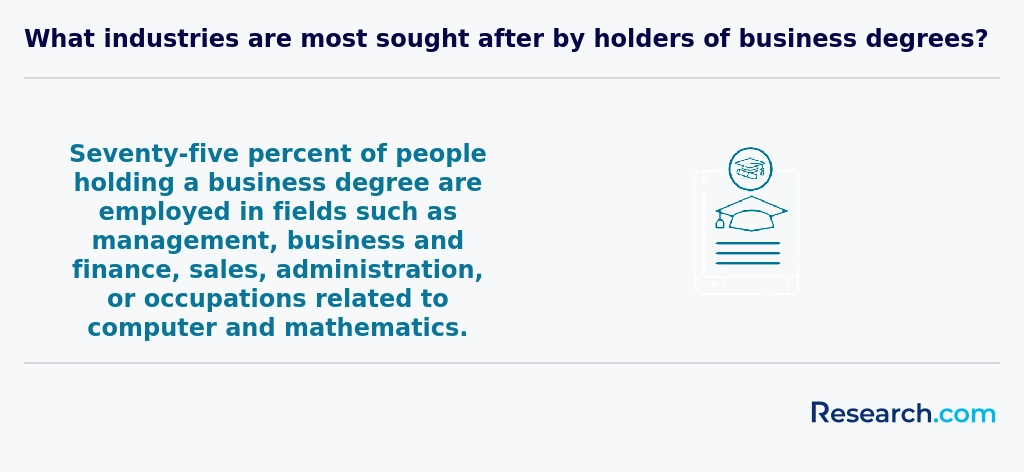
- Key industries hiring business graduates include agriculture, finance, insurance, manufacturing, and transportation.
- Omaha and Lincoln provide many internships and entry-level job opportunities, supported by local networking and university career centers.
In Nebraska, completing a business degree usually takes about four years when studying full-time at universities like the University of Nebraska-Lincoln or Creighton University. Imagine immersing yourself in engaging classes, networking events, and real-world projects that build your skills steadily over those four years. Many graduates recall the rewarding challenge of balancing coursework and campus life while feeling a strong sense of accomplishment upon finishing.
However, if you're eager to fast-track your journey, accelerated programs can shrink this timeline to around three years. Some students, fueled by ambition, take heavier course loads or attend classes year-round, sometimes using credits earned from AP exams or dual enrollment during high school. These pathways offer an adventurous route, allowing students to dive into the workforce sooner and start applying their knowledge in practical settings.
For those eyeing graduate degrees like an MBA in Nebraska, the timeline flexes between two to four years depending on full-time or part-time enrollment. This flexibility lets you design your education around work and personal commitments, making the experience both practical and inspiring.
. When considering the pursuit of a business degree in Nebraska, one crucial factor for many prospective students is affordability. With the rising costs of tuition and the increasing burden of student debt, finding an affordable option is paramount. For those interested in online education, which offers the flexibility to balance studies with other responsibilities, identifying the cheapest online business school in Nebraska can be a significant challenge. Nebraska provides a range of options for students seeking affordable business degrees online, with institutions such as the University of Nebraska-Lincoln and Bellevue University offering competitive pricing for their online programs. To find the most affordable option, students can visit cheapest online business school in Nebraska to explore rankings and reviews that can guide their decision-making process. By comparing tuition costs, financial aid options, and program quality, prospective students can make informed decisions about their educational investments, ensuring they find a program that meets their academic and financial needs.
Imagine juggling a busy life while earning a business degree-online programs in Nebraska open that door with flexible scheduling, perfect for working professionals or parents. Graduates from the University of Nebraska system often share how the ability to learn anywhere, anytime, transformed their experience, allowing them to balance family and career effortlessly.
On the flip side, picture walking through the bustling campus of Nebraska Wesleyan University, engaging face-to-face with professors and classmates, soaking in the vibrant energy during group projects and local networking events. This immersive environment sparks connections and hands-on learning that online platforms can't fully replicate.
Costs often differ too-online students save on commuting and housing, while traditional students invest in the full campus experience. Both paths in Nebraska maintain high academic standards, with accredited programs ensuring valuable credentials.
Whether attending evening lectures on campus or logging in after work, Nebraska's business students describe the journey as both challenging and exciting, uniquely shaped by their chosen format.
Nebraska business programs are not solely defined by rigorous academics-they also offer a vibrant student experience that enriches personal growth and career readiness. From dynamic campus clubs and networking events to career fairs and mentorship programs, these institutions provide ample opportunities to engage with peers, industry professionals, and alumni. Many students attest that participating in extracurricular activities, such as business plan competitions and leadership workshops, cultivates invaluable soft skills and builds long-lasting connections that often pave the way for internship and job opportunities. In addition, campus resources like modern libraries, state-of-the-art labs, and dedicated career centers play a crucial role in supporting the holistic development of students. A supportive campus culture encourages collaboration, allowing students to benefit from group study sessions, collaborative projects, and guest lectures from industry experts. This well-rounded experience can be a decisive factor for prospective students debating if are business degrees worth it-as a stimulating campus environment often translates into real-world success and increased confidence upon graduation. By prioritizing both academic excellence and a rich campus life, Nebraska business programs stand out as environments where both professional and personal aspirations are nurtured side-by-side.
The average cost of a business degree in Nebraska offers an intriguing blend of accessibility and value. Graduates from well-known institutions like the University of Nebraska-Lincoln often look back fondly on their investment, noting an average in-state total cost around $19,552. This figure reflects the median total cost that includes tuition, fees, and essential expenses over the course of the degree. Out-of-state students experience a higher median cost, hitting about $37,778, which can feel like a bigger leap but often comes with unique opportunities and wider networking prospects.
Many students appreciate the affordable business degree programs Nebraska offers, especially when they consider options at community colleges or public universities where tuition is more manageable. For example, some students start at a community college before transferring to a university, enjoying reduced tuition during their first two years while still progressing toward their business degree goals. This approach opens a path to balance cost and quality education, matching perfectly with the desire for affordable business degree programs Nebraska 2027 and beyond.
Private institutions, while pricier, often come with scholarships and financial aid that can ease the burden, creating exciting opportunities for ambitious students willing to explore financial support options. For those seeking alternative pathways, exploring the cheapest online business school in Nebraska brings an added layer of flexibility and affordability, proving that a business degree in Nebraska can be tailored to suit diverse needs and dreams.
Investing in a business degree in Nebraska yields compelling returns when balancing tuition costs against post-graduation earnings. On average, a bachelor’s program costs between $12,600 and $13,100, while graduates report mean starting salaries of approximately $55,000 to $65,000. With careful financial planning-including scholarships and grants-the average break-even point is reached within four to five years of full-time employment. Key ROI factors to consider:
- Total Cost vs. Lifetime Earnings: Assuming a total tuition outlay of $13,000 and typical student debt of $15,000, graduates who secure roles as Business Analysts or Project Managers (with mean salaries of $108,790 and $80,220 respectively) can expect to recoup educational expenses in under five years.
- Payback Period: For roles at the median salary of $60,000, the payback period is roughly 3.5 years after accounting for federal loan interest rates.
- Scholarship Impact: Nebraska institutions award over $1 million in business scholarships annually, reducing net costs by up to 30% and accelerating ROI by nearly one year.
- Accelerated Pathways: Students interested in fast-tracking their business education and maximizing ROI may explore our top-rated 1 year mba programs online, which combine affordability with an expedited timeline.
- Career Advancement: With ongoing networking and professional development, many graduates report salary growth exceeding 5% annually, further enhancing long-term ROI. By understanding these metrics-total investment, earnings trajectories, and accelerated program options-prospective students can make data-driven decisions that align educational spending with career aspirations.
Imagine starting your business degree journey at the University of Nebraska or Nebraska Wesleyan University, where financial aid unfolds as an adventurous map guiding you through tuition challenges. Many students thrive by tapping into federal resources like the Pell Grant, which offers up to $7,395 annually for those qualifying, sparking hope for affordable learning. Graduates often recall how submitting the FAFSA opened doors to Direct Subsidized and Unsubsidized Loans, easing the burden with manageable repayment plans.
Beyond federal aid, Nebraska's unique programs like the Nebraska Opportunity Grant add another layer of support, providing up to $1,500 each year to those with financial need. Some graduates speak fondly of institutional scholarships from their own universities that celebrated their leadership and academic drive-turning ambition into tangible support. Work-study and internships also become more than just jobs; they're stepping stones to real-world business skills while funding education.
The combination of state, federal, and campus opportunities creates a vibrant safety net that invites every Nebraska business student to dream bigger with practical financial backing.
Calculating the return on investment (ROI) is essential when evaluating affordable business degree programs in Nebraska. On average, the total tuition for a four-year bachelor’s degree in business management ranges from $12,600 to $13,100, excluding fees and living expenses. Considering graduates’ mean first-year salaries of approximately $55,000 to $65,000, the typical break-even point occurs within three to four years of full-time employment. Many students recoup their educational expenses more rapidly by leveraging financial aid and scholarships-over 98% of Nebraska business students receive some form of assistance. For instance, a student who reduces out-of-pocket costs to $8,000 through grants and employer tuition support can expect to recover these investments in just under two years, based on average entry-level salaries. When comparing on-campus and online formats, online delivery often lowers indirect costs such as commuting and housing. Prospective students seeking even more budget-friendly options should explore our Inexpensive Online Business Degree Programs Ranking in the Midwest, which highlights programs with comparable ROI metrics across the region. Beyond salary figures, ROI also hinges on long-term career advancement. Graduates of Nebraska business programs report strong mid-career salaries-often exceeding $90,000-especially in roles like financial management and business analysis. By considering factors such as time-to-degree, financial aid packages, and projected salary growth, students can make informed decisions that maximize their educational investment and ensure a robust financial future.
Jumping into a business degree program in Nebraska feels like stepping onto the trail of a rewarding adventure, with some clear signposts along the way. Before you can join the ranks at popular schools like the University of Nebraska-Lincoln or the University of Nebraska at Omaha, you'll need to have your high school diploma or an equivalent like a GED in hand. Picture this as your passport-essential for entry and proof you've already conquered foundational subjects like math, English, and social studies, which many graduates say gave them crucial skills for their first classes.
Many students recall submitting their academic transcripts showing steady performance, often with a GPA hovering around 2.5 to 3.0. It's like showing your map marks where you've been academically. Some schools ask for test scores such as the SAT or ACT, but many campuses now embrace a test-optional path, focusing more on your overall academic journey than just numbers.
Beyond grades, adventurous applicants sometimes share personal statements or letters of recommendation that reveal their passion for business, helping schools understand the story behind the transcripts. Those aiming for graduate paths like an MBA usually come prepared with a bachelor's degree and professional experience-like seasoned explorers ready for the next challenge.
Diving into a business degree program in Nebraska means immersing yourself in a vibrant mix of practical and theoretical courses tailored to prepare you for real-world challenges. Imagine studying Principles of Management at the University of Nebraska-Lincoln, where graduates share how leadership skills learned in class helped them confidently lead team projects that mirrored actual corporate environments.
Courses like Financial and Managerial Accounting aren't just numbers on a page-they shape your ability to track and analyze financial data, a vital skill graduates recall using during internships with local businesses.
Marketing Fundamentals open a door to understanding consumer behavior, making students feel like they're crafting strategies for real campaigns in Nebraska's unique markets, from bustling Omaha startups to agricultural ventures.
Other exciting subjects include Business Law, which equips students to navigate the legal aspects behind everyday business decisions, and Operations Management, where learning about the flow of goods and services feels like solving a puzzle that impacts entire industries important to Nebraska's economy.
Graduates often highlight how these courses give them confidence to take on diverse roles, showing the degree's power to transform ambition into action within Nebraska's dynamic business landscape.
Diving into business degree specializations in Nebraska reveals a fascinating landscape tailored to meet the state's unique economic vibe. Imagine yourself delving into Accounting at a university in Omaha, mastering financial reporting just as local corporations demand fresh talent. Or picture taking on Marketing in Lincoln, where digital strategies are buzzing, helping businesses capture the online spotlight. Graduates describe feeling energized by Nebraska's robust Finance programs, especially with ties to agriculture finance and banking sectors that shape the region's economy.
Venturing into Management and Supply Chain Management specializations equips students with leadership skills and logistical know-how, gearing them for hands-on roles in thriving industries across the state. Some adventurous learners even find themselves drawn to Entrepreneurship, fueled by Nebraska's supportive climate for startups and small business growth. Such paths are why many wonder if these focused opportunities make a difference, and Nebraska students often explore if business degrees are business degrees worth it here.
Each specialization unwraps fresh possibilities, embodying the adventurous spirit of learning and career-building right in Nebraska's heart.
Choosing the best business degree in Nebraska feels like setting out on an exciting journey. Imagine walking through the halls of a leading university in Omaha, where graduates often share how their programs helped them land internships connected to booming local businesses. The choice starts with the type of degree-a Bachelor of Business Administration or something specialized like finance-each offering its own adventure. Many students find value in affordable business degrees in Nebraska, especially when tuition fees at public universities stay well below the national average.
Picture yourself in Lincoln, where flexible online and hybrid courses allow working professionals to balance life and study. Here, students praise programs that are AACSB accredited, a mark of quality that employers trust nationwide. Career-focused learners often tap into strong job placement services, hearing stories from alumni who seized chances in thriving Nebraska markets.
If you are considering accelerating your journey, explore 1 year mba programs online for a fast track to success. Reflecting on these real experiences helps you navigate toward top Nebraska business degree programs that ignite your ambition.
Graduates exploring business degree career opportunities in Nebraska find a vibrant landscape filled with diverse roles. Imagine stepping out of the classroom at the University of Nebraska-Lincoln, eager to dive into Omaha's bustling financial sector as a financial analyst or advisor. Other graduates have thrived as marketing coordinators supporting the state's agricultural giants or manufacturing firms, blending creativity with local business growth. In smaller colleges across Nebraska, human resource specialists navigate ever-changing labor laws while fostering workplace culture, energizing their companies with fresh talent strategies.
Top Nebraska business degree jobs also include management consultants who partner with growing tech and service industries, crafting strategies that spark expansion and innovation. And there's a pulse of entrepreneurial spirit too-graduates launching startups benefit from resources like the Nebraska Business Development Center, turning urban hubs into launchpads for fresh ideas and ventures. For those seeking to learn more about affordable pathways, the Inexpensive Online Business Degree Programs Ranking in the Midwest is a great resource to explore.
The business degree job outlook Nebraska offers is vibrant and full of promise for eager graduates ready to dive into dynamic roles. From the University of Nebraska's bustling campuses to smaller colleges across the state, many graduates discover opportunities in thriving sectors like finance, insurance, and agribusiness. Imagine starting your career in Omaha's insurance firms or managing supply chains for agribusiness ventures-real-world experiences that highlight Nebraska's unique economic landscape.
Graduates often share stories of landing roles in healthcare administration or retail trade companies, where their strategic planning skills shine. The Nebraska business degree employment opportunities reflect steady growth, with entry-level salaries around $66,000, making the state's cost of living and salary balance an appealing combo.
For those hungry to accelerate their education and jumpstart their careers, exploring options like a fast track undergraduate degree can open doors faster and lead to engaging jobs in Nebraska's diverse markets.
2027 Most Affordable Business Degree Programs Ranking in Nebraska
Investing in your education is a significant decision that can shape your future, and the Research.com team understands the importance of making informed choices. To assist prospective students in Nebraska, we have meticulously crafted the "2027 Most Affordable Business Degree Programs Ranking in Nebraska." Our commitment to quality, credibility, and accuracy is reflected in the extensive research and analysis conducted to compile this ranking.
We utilized the following reputable data sources to ensure a comprehensive evaluation of business degree programs:
By exploring this ranking, readers will gain valuable insights into the most affordable and credible business programs in Nebraska, empowering them to make well-informed decisions about their educational investments. For more information on how this ranking was created, please visit our Research.com methodology page.


# 5 position
Wayne State College
Bachelor of Science in Business Administration

# 6 position
Wayne State College
Master of Business Administration
# 7 position
Peru State College
Bachelor of Business Administration

# 8 position
Peru State College
Master of Science in Business


Frequently Asked Questions About business
Business degree students in Nebraska can maximize their learning by combining classroom knowledge with real-world experience. Nebraska's economy is diverse, with key sectors like agriculture, manufacturing, finance, and transportation, offering ample internship opportunities. Engaging in local internships helps students build relevant skills and professional networks.
Additionally, many Nebraska universities encourage involvement in student organizations such as the Nebraska Business Student Association, which fosters leadership and teamwork. Students should also consider leveraging resources like career services and attending industry events in cities such as Omaha and Lincoln to connect with employers.
Research from the Nebraska Department of Economic Development highlights that practical experience significantly improves job prospects for graduates in business fields.
Emerging niches within the business field in Nebraska reflect broader national trends while addressing local economic needs. One rapidly growing area is data analytics, where companies use big data to improve decision-making. According to the Nebraska Department of Labor, demand for data analysts in the state has increased by 18% since 2020.
Another key niche is sustainable business practices, driven by Nebraska's agricultural and energy sectors focusing on environmental responsibility. Green supply chain management and renewable energy finance are gaining traction among students.
Additionally, cybersecurity has become critical as Nebraska businesses face increasing digital threats. Many universities in Nebraska now offer specialized coursework to prepare graduates for these roles. These niches offer promising career paths for incoming business students.
After completing a business degree in Nebraska, preparing for the job market involves building practical skills and gaining relevant experience. Nebraska's economy, driven by agriculture, manufacturing, and finance, offers diverse opportunities for business graduates. According to the Nebraska Department of Labor, sectors like finance and insurance are expected to grow by 5% through 2030, signaling steady job prospects.
Students should seek internships or cooperative education programs to enhance their resumes. Networking is vital; joining local chapters of professional organizations such as the Nebraska Business Development Center can open doors. Additionally, developing proficiency in data analysis and technology tools aligns with employer expectations in Nebraska's evolving business landscape.
Employers in Nebraska highly value business degree graduates who demonstrate strong analytical and communication skills. According to the Nebraska Department of Labor, candidates proficient in data analysis and financial literacy are in demand, especially in sectors like agriculture, manufacturing, and finance.
Leadership and teamwork abilities are also crucial. The Business-Higher Education Forum highlights that Nebraska employers prefer graduates who can manage projects and collaborate across diverse teams effectively. Problem-solving skills remain a top priority for businesses adapting to evolving markets.
Familiarity with digital tools and technology, including proficiency in Microsoft Excel and enterprise software, is increasingly important for local businesses aiming to improve efficiency and competitiveness.
Finding internships in Nebraska for business degree students involves several practical steps. Begin by exploring university career centers, as many Nebraska colleges partner with local companies to offer internship opportunities tailored to business majors. The Nebraska Department of Labor reports that industries such as finance, insurance, and corporate services are growing, creating more internships in cities like Omaha and Lincoln.
Online job boards like Handshake or NebraskaWorks.gov list internships suited for students in business fields. Networking through local professional groups such as the Omaha Chamber of Commerce can also help connect students with hiring managers. Additionally, consider federal and state government internship programs, which offer valuable business-related experience in public administration and economic development.
A business degree in Nebraska significantly enhances career mobility and advancement opportunities. Employers in the state value graduates with strong business acumen, as Nebraska's economy is diverse, including agriculture, manufacturing, finance, and transportation sectors. According to the Nebraska Department of Labor, individuals with business-related credentials have a 12% higher employment rate than those without degrees in similar fields.
Business graduates often enter roles in management, marketing, and financial analysis, which typically offer quicker paths to promotion. Earning a degree also provides access to professional networks and internships throughout Nebraska's urban centers such as Omaha and Lincoln, increasing visibility to local employers.
Studying for a business degree in Nebraska equips students with interdisciplinary skills essential for today's dynamic job market. Nebraska's business programs often integrate coursework in economics, data analytics, communication, and technology, reflecting the state's diverse economy, which includes agriculture, healthcare, and manufacturing sectors (U.S. Bureau of Labor Statistics, 2023).
Many universities in Nebraska emphasize real-world applications and collaboration across fields such as finance, marketing, and information systems. This approach prepares graduates to adapt to roles that require a blend of managerial and technical expertise.
According to the Nebraska Department of Labor, graduates with interdisciplinary business knowledge have higher employability in regional industries needing versatile skills.
Choosing between a thesis and a non-thesis business degree program in Nebraska depends on your career goals and learning preferences. A thesis option emphasizes research, ideal for those considering doctoral studies or roles requiring strong analytical skills. It involves producing original research under faculty supervision, which can be time-intensive.
Non-thesis programs focus more on coursework and practical knowledge, appealing to students aiming for direct entry into the workforce or managerial positions. According to the Nebraska Department of Education, many business professionals in the state prefer non-thesis degrees for faster completion and applied learning.
The decision should also consider time commitment, financial costs, and faculty expertise available at Nebraska institutions.
Students in Nebraska who wish to study business abroad have several accessible options through their home institutions. Many Nebraska universities, including the University of Nebraska system, participate in exchange programs with international partner schools. These partnerships often allow students to spend a semester or year abroad while earning credit toward their business degrees.
According to the Institute of International Education, about 10% of Nebraskan college students engage in study abroad programs, with business students representing a significant portion. Popular destinations include Europe, Asia, and Latin America, where students can explore global markets and gain cross-cultural experience relevant to business careers.
Scholarships and financial aid specific to study abroad are also available, helping to reduce costs. Additionally, virtual global internships and online courses from foreign institutions are becoming common, providing alternatives for students unable to travel. These options reflect Nebraska's growing emphasis on integrating international perspectives into business education.
Students pursuing business degrees in Nebraska can benefit from several part-time job opportunities that align well with their academic goals. Positions such as marketing assistants, sales associates, and customer service representatives offer practical experience in fields like retail, finance, and corporate communications. These roles help develop skills in client interaction, market research, and business operations.
Nebraska's growing economy supports part-time internships and entry-level positions especially in Omaha and Lincoln, two major business hubs. According to the Nebraska Department of Labor, job growth in business-related sectors is expected to increase by 6% through 2028, highlighting opportunities for business students.
Part-time roles in small businesses and startups can also provide valuable exposure to business strategy and management, enhancing a student's resume while studying. These experiences complement coursework and improve employability after graduation.
Nebraska offers robust networking opportunities for business students through a combination of university programs, local business organizations, and state initiatives. Many universities, such as the University of Nebraska-Lincoln, host career fairs and alumni events that connect students with regional employers.
The Nebraska Chamber of Commerce and Industry provides internships and mentorship programs aimed at fostering professional relationships within the state's diverse economic sectors, including agriculture, finance, and manufacturing.
Additionally, business students benefit from Nebraska's small business incubators and networking events held in cities like Omaha and Lincoln, which are recognized hubs for entrepreneurial activity. According to the Nebraska Department of Economic Development, these opportunities help students build valuable contacts that can lead to internships and job placements.
Alumni networks offer significant advantages for business degree students in Nebraska. These networks provide access to a wide community of graduates who work across key industries such as finance, agriculture, and logistics, which are vital to Nebraska's economy. According to the Nebraska Department of Economic Development, connections through alumni can improve internship and job placement opportunities by linking students with established professionals. Strong alumni ties also facilitate mentorship, guiding students through career decisions and professional development. Additionally, many Nebraska universities host networking events and online platforms where students can engage with alumni, making these networks a valuable resource for building career pathways.
Customizing a business degree program in Nebraska allows students to align their education with specific career goals. Many Nebraska colleges and universities offer concentrations such as finance, marketing, entrepreneurship, and supply chain management. These options help students focus on industries important to Nebraska's economy, such as agriculture, manufacturing, and transportation.
Elective courses and internships within local businesses give students valuable practical experience. Schools often partner with Nebraska companies for real-world projects, enhancing career readiness. Additionally, Nebraska's community colleges and universities frequently provide flexible formats, including online and evening classes, accommodating working professionals pursuing specialization.
Business students in Nebraska often face several common challenges that can impact their academic success and career readiness. One major hurdle is balancing the cost of education with available financial aid, as Nebraska's average annual tuition for public universities was approximately $9,400 in 2023, which can present difficulties even for in-state students (NCES, 2023).
Another challenge is gaining relevant work experience during studies. Nebraska's smaller metropolitan areas may offer fewer internship opportunities compared to larger urban centers, making practical experience harder to obtain.
Additionally, adapting to rapidly changing business technologies and market demands requires students to continuously update their skills, especially in areas like data analytics and digital marketing.
Finally, networking outside campus can be limited in a largely rural state, posing challenges in building professional connections early in one's career.
With a business degree from Nebraska institutions, students have various professional certifications they can pursue to enhance their careers. Popular options include the Certified Public Accountant (CPA), especially for those focusing on accounting, a credential highly respected statewide. Nebraska's growing economy supports demand for CPAs in finance and tax roles.
Another common certification is the Project Management Professional (PMP), which is valuable across industries and aligns well with Nebraska's expanding sectors like agriculture and manufacturing. The PMP boosts leadership and organizational skills.
Additionally, business graduates can aim for the Certified Management Accountant (CMA) or the Chartered Financial Analyst (CFA). These certifications are recognized nationally and provide a competitive edge in Nebraska's financial and management fields.
According to the Nebraska Department of Labor, demand for certified professionals remains strong with steady job growth projections through 2030.
Applying to a business program in Nebraska requires clear focus on your academic and professional strengths. Highlight relevant experience, such as internships or jobs in Nebraska's key industries like agriculture, manufacturing, or finance. Nebraska's business schools value applicants with a strong GPA-typically above 3.0-and competitive standardized test scores, though many institutions are now test-optional.
Writing a compelling personal statement is essential. Explain your career goals, why Nebraska suits your ambitions, and how a business degree aligns with local economic trends. According to the Nebraska Department of Economic Development, sectors like finance and insurance employ over 100,000 people statewide, showing strong job growth.
Additionally, secure strong letters of recommendation that emphasize your leadership and teamwork skills. Finally, ensure all application materials are error-free to demonstrate professionalism and attention to detail.
The global perspective on a business career emphasizes adaptability and cross-cultural competence, essential in today's interconnected economy. For Nebraska students, understanding international markets can enhance job prospects, particularly in export-driven sectors like agriculture and manufacturing. According to the Nebraska Department of Economic Development, the state's businesses increasingly engage in global trade, making knowledge of global business strategies valuable.
U.S. higher education institutions, including those in Nebraska, are expanding international business curricula to meet demand. This includes courses on global finance, supply chain management, and international marketing.
Graduates with this expertise tend to earn higher salaries and access broader career opportunities, aligning with the growing need for globally aware business professionals.
Students pursuing a business degree in Nebraska have multiple opportunities to gain practical experience alongside their studies. Many universities encourage internships, with nearly 70% of business students in the state participating in internships before graduation, according to the Nebraska Department of Labor. These internships often connect students with local industries such as agriculture, finance, and manufacturing-key sectors in Nebraska's economy.
Additionally, cooperative education (co-op) programs allow students to alternate between classroom study and work experience. Business students can also engage in case competitions, consulting projects, and student-run enterprises, which develop real-world skills. Career services at Nebraska colleges typically aid in securing relevant, paid work placements during study.
Choosing the right concentration within a business degree program in Nebraska depends on your career goals and local job market trends. Popular concentrations include finance, marketing, management, and entrepreneurship. Nebraska's economy, rooted in agriculture, manufacturing, and transportation, shapes demand for skills in supply chain management and agribusiness, accounting for about 15% of state employment according to the Nebraska Department of Labor.
Research shows that concentrations in data analytics and information systems are growing due to digital transformation in Nebraska's business sectors. Consider programs offering internships or partnerships with local companies in Omaha or Lincoln, where many headquarters and regional offices are located.
Evaluating faculty expertise and alumni outcomes can also guide your choice. The U.S. Bureau of Labor Statistics forecasts steady growth in business-related occupations in Nebraska, highlighting the importance of selecting a concentration aligned with the state's economic strengths.
- 2027 Most Affordable Online Business Degree Programs Ranking in Kansas
- 2027 Most Affordable Online Business Degree Programs Ranking in South Dakota
- 2027 Most Affordable Online Business Degree Programs Ranking in Missouri
- 2027 Most Affordable Online Business Degree Programs Ranking in Minnesota
- 2027 Most Affordable Online Business Degree Programs Ranking in Oklahoma
- 2027 Most Affordable Online Business Degree Programs Ranking in North Dakota
- 2027 Most Affordable Online Business Degree Programs Ranking in Wisconsin
- 2027 Most Affordable Online Business Degree Programs Ranking in Texas
- 2027 Most Affordable Online Business Degree Programs Ranking in New Mexico
- 2027 Most Affordable Online Business Degree Programs Ranking in Indiana
See What Experts Have To Say About Studying Business
Read our interview with Business experts


David W. Stewart
Business Expert
Emeritus President's Professor of Marketing
Loyola Marymount University

David Souder
Business Expert
Senior Associate Dean for Faculty and Research
Michigan State University

- Business Administration, Bachelor of Science https://catalog.unk.edu/undergraduate/departments-programs/management/business-administration-bs/
- How to Write the Perfect Cover Letter – EU Business School https://www.euruni.edu/blog/write-perfect-cover-letter/
- 8 Best Places to Study Abroad for Business [+ How to Choose] https://www.semesteratsea.org/study-abroad-for-business/
- A guide to finding an internship https://www.ipag.edu/en/blog/guide-finding-internship
- BUSINESS MANAGEMENT ENGLISH (THESIS / NON-THESIS) - Lisansüstü Eğitim Enstitüsü https://lee.nisantasi.edu.tr/en/business-management-english-thesis-non-thesis/
- What is the future of bachelor’s degrees in business? https://www.amba-bga.com/insights/what-is-the-future-of-bachelors-degrees-in-business
- Global careers, real impact: building your career with an international business degree | University of East London https://www.uel.ac.uk/blog/global-careers-real-impact-building-your-career-international-business-degree
- How to Identify Profitable Business Niches: A Guide for ... https://www.invoiceonline.com/the-entrepreneur-s-handbook/entrepreneurship/business-strategy/how-to-identify-profitable-business-niches-97365
- Career Goals: 17 Inspirational Examples for you in 2026 https://www.imd.org/blog/learning-and-development/career-goals/
- 2024 Best Business Schools | How Alumni Rate Their Undergraduate Business Degrees https://poetsandquantsforundergrads.com/news/best-business-schools-alumni-rate-undergraduate-business-degrees/5/


