2027 Most Affordable Business Degree Programs Ranking in Washington

Co-Founder and Chief Data Scientist
Considering a business degree in Washington? This article presents the 2027 Most Affordable Business Degree Programs Ranking in Washington, created by the Research.com team of data scientists. It's designed to help you make an informed choice by highlighting programs that offer great value without compromising quality.
Whether you're starting your education journey or exploring new opportunities, this ranking sheds light on affordable options that can lead to rewarding careers. Reading it can give you confidence in selecting a program that fits your goals and budget, making your path to success a little clearer and more exciting.
Key benefits of getting business degree in Washington
- Business degree graduates in Washington can expect strong earning potential, with roles like Business Development Executive earning a mean annual salary of $83,190 and Business Analyst earning about $112,950.
- Graduates from popular Washington universities often pursue diverse career paths including marketing, finance, and management, opening doors to dynamic and rewarding opportunities.
- Completing a business degree online in Washington provides flexibility and convenience, allowing students to balance work and study while gaining valuable skills recognized by employers.
- 2027 Most Affordable Business Degree Programs Ranking in Washington
- What can I expect from business degree in Washington?
- Where can I work with business degree in Washington?
What can I expect from business degree in Washington?
When considering the cost of earning a business degree in Washington, graduates from institutions like the University of Washington or Washington State University often remark that the investment feels balanced against the quality and opportunities offered. Public universities typically have tuition ranging from $10,000 to $20,000 per year for in-state students, making a full degree cost approximately $40,000 to $80,000 over four years. Private colleges usually cost more, sometimes upwards of $30,000 annually, but many students find value in smaller class sizes and personalized career services.
Students have shared that the reasonable tuition, combined with access to internships and networking events in Seattle's thriving business environment, makes the cost worthwhile. The ability to connect with major employers during studies enhances both learning and career prospects, turning expenses into strategic investments. Financial aid and scholarship options also alleviate the burden, making the pursuit of a business degree in Washington feel manageable and promising for many.
Where can I work with business degree in Washington?
With a business degree earned at institutions like the University of Washington or Seattle University, graduates often find themselves stepping into dynamic roles across Washington's thriving industries. For example, a graduate might join Amazon or Microsoft, applying skills in management or marketing while feeling the excitement of contributing to leading tech innovations.
Others discover rewarding careers in retail and wholesale sectors, especially in Seattle's bustling corporate centers, where roles in sales management or supply chain operations offer both challenge and fulfillment. It's common for graduates to share how they embraced fast-paced environments that sharpened their strategic thinking and customer relations abilities.
Healthcare organizations also attract business graduates who bring vital expertise in administration and finance. Working at major providers like Providence Health & Services offers the satisfaction of supporting community well-being through efficient program management.
Moreover, many find fulfillment running startups or small businesses in Washington's entrepreneurial hubs, taking advantage of networks like the Washington Small Business Development Center. Such paths nourish both ambition and creativity, reflecting the diverse possibilities awaiting business graduates in the state.
Graduates with a business degree in Washington can anticipate a rewarding financial future, especially when they tap into the state's dynamic economy. For example, business development executives hold a mean annual wage of about $83,190, reflecting solid entry-to-mid-level earning potential. Those stepping into business analyst roles often see even greater rewards, with average wages reaching $112,950 per year. This aligns with the experiences of graduates from popular institutions like the University of Washington's Foster School of Business and Seattle University, where many find positions that value their analytical and strategic skills.
It's common to hear from recent graduates who, after internships and practical projects in Seattle's thriving tech environment, quickly secure roles that offer both growth and competitive pay. The combination of strong academic programs and connection to major employers in technology and professional services creates a fertile ground for lucrative opportunities.
Although some roles like project manager or account manager don't have specific public salary data here, focusing on careers with verified figures helps graduates set clear expectations. Ultimately, pursuing certifications and gaining specialized skills can further elevate earning potential beyond these solid baseline salaries.
- Annual tuition for business degrees in Washington ranges from $7,000 to $12,000 at public universities and can exceed $30,000 at private institutions.
- Community colleges offer associate degrees in business for under $5,000 per year.
- Entry-level salaries for business graduates average about $55,000 per year in Washington.
- Mid-career business professionals earn between $85,000 and $110,000 annually, with top earners in management and finance making more.
- The Seattle area has strong job opportunities in marketing, finance, supply chain, and business analytics due to big companies like Amazon and Microsoft.
- Washington offers accredited bachelor's, master's, and certificate programs in business fields like entrepreneurship, accounting, and information systems.
Completing a business degree in Washington varies based on your goals and lifestyle. Graduates from local community colleges like Seattle Central or Bellevue often reflect on their two-year associate's degrees as a solid foundation that allowed them to quickly enter the workforce or transfer to four-year schools. The affordability of these programs, typically costing between $4,000 and $8,000 annually for in-state students, adds to their appeal and accessibility.
For those pursuing a bachelor's degree, many students at the University of Washington or Washington State University experience the typical four-year journey. They recall balancing a full course load of about 15 credits per quarter with internships, often feeling a rewarding sense of steady progress. Part-time students juggling work or family sometimes extend this period to five or six years without losing momentum, appreciating the flexibility.
Graduate students pursuing an MBA often share how one to two years of evening or online classes allowed them to advance careers without pausing life. Accelerated programs offer an intense but fulfilling 12 to 18 months, while traditional two-year paths provide depth and networking opportunities treasured by many.
Investing in a business degree in Washington, DC requires careful evaluation of both costs and long-term benefits. By comparing tuition expenses, living costs, and expected salary outcomes, prospective students can determine the payback period and overall value of their education. Most affordable bachelor’s programs in DC range from $15,000 to $25,000 per year in tuition. When you factor in average living expenses of $11,300 and materials costs of $1,000 annually, the total investment for a four-year degree can approach $150,000. However, graduates often secure entry-level salaries between $60,000 and $70,000, with median mid-career earnings climbing above $100,000. This suggests a typical break-even point of 5–7 years, depending on individual career paths and salary progression. For professionals seeking faster returns, accelerated graduate options can significantly shorten this timeline. Programs like our featured 1 year online mba programs offer specialized curricula and intensive hands-on projects, enabling graduates to boost earnings more quickly while minimizing additional tuition and living expenses. In calculating ROI, consider:
- Net Present Value (NPV): Discount future salary gains to today’s dollars to compare program costs more accurately.
- Payback Period: Divide total cost by annual salary differential to estimate years needed to recoup investment.
- Career Services Impact: Strong internship placement and alumni networks can accelerate job offers and salary increases. Ultimately, Washington, DC’s competitive business landscape rewards those who pair affordable programs with robust career support and strategic specialization, ensuring a high ROI and sustained professional growth.
Graduates from the University of Washington often reflect on the rich face-to-face engagement they experienced in on-campus business programs. The real-time discussions, group projects, and networking events created a vibrant learning atmosphere that helped them build strong professional connections locally. In contrast, alumni of online programs like those at Washington State University Global Campus highlight the freedom to study on their own schedules, which was invaluable while juggling jobs or family commitments.
The on-campus route typically involves tuition between $11,000 and $16,000 per year for in-state students, providing direct access to campus resources and internships. Meanwhile, online programs, with rates around $7,000 to $10,000 annually, offer a more flexible and often more affordable path without sacrificing accreditation or the quality of education.
Choosing between these formats depends heavily on one's lifestyle and learning preferences. Some students thrive on campus energy, while others appreciate the autonomy and digital tools of online studies. Both paths, especially in Washington, equip students with relevant skills and recognized credentials when thoughtfully approached.
The average cost of a business degree in Washington typically centers around $40,680, reflecting a balanced view between public and private education options. For in-state students, the median cost is often lower, about $35,810, which aligns with the more affordable tuition rates found at public universities such as the University of Washington. Graduates from such institutions often share how the manageable costs helped them focus more on building their skills and networks instead of financial strain.
Private universities in Washington, including popular schools like Seattle University and Pacific Lutheran University, tend to have higher tuition, sometimes exceeding $40,000 annually. This can push the total cost well beyond the median, yet many graduates emphasize the value gained from smaller class sizes and strong alumni connections, which might justify the investment. These experiences reveal how exploring both personal priorities and financial aid opportunities becomes essential when seeking an affordable business degree program Washington offers.
Some students highlight the importance of considering additional expenses beyond tuition, such as housing and books, which can significantly impact the total cost. Many find that combining scholarships, grants, and part-time work helps ease this burden. For those looking to understand the full financial commitment better, resources like the cheapest business school in district of columbia offer insights into comparing affordable options and help prospective students tailor their financial plans wisely.
Washington, DC not only offers an outstanding educational landscape but also a vibrant campus life that enriches the overall learning experience. Beyond the classroom, business students immerse themselves in a dynamic environment buzzing with cultural events, diverse student organizations, and professional networking opportunities. From interactive workshops and career fairs to social clubs and community outreach programs, students gain soft skills and build lifelong connections that pave the way for career success. Many institutions in the city maintain state-of-the-art facilities, active career centers, and mentoring programs that make student life both engaging and rewarding. These experiences provide practical insights into the local job market, helping students develop professionalism and a network that extends well beyond graduation. For instance, participating in industry panel discussions or attending alumni events can significantly boost one’s confidence and readiness to enter the competitive world of business. Students considering a dynamic, well-rounded academic life can learn more about trusted academic options by exploring Business Degree programs designed to enhance both academic knowledge and real-world experience. Cultivating a strong campus culture, combined with academic rigor, ensures that graduates are not only prepared for their chosen careers but are also well-equipped to thrive in the unique, fast-paced environment of Washington, DC.
Students pursuing business degrees in Washington often find relief through federal financial aid, which forms the backbone of their funding. Completing the FAFSA unlocks access to Pell Grants that can provide up to $7,395 annually, easing the burden significantly. Graduates from the University of Washington recall how these grants, combined with federal Direct Loans, made their ambitious business goals more attainable without overwhelming debt.
Beyond federal support, the Washington College Grant plays a vital role for many attending institutions such as Seattle University or Washington State University. This state-funded assistance targets low- to middle-income residents and can cover a substantial portion of tuition, reflecting the state's commitment to nurturing future business leaders.
Institutional scholarships also prove invaluable, with awards based on merit and leadership shining for many students. At local colleges, these scholarships often mean the difference between struggling financially and fully embracing the business curriculum. Employer tuition reimbursement is another hopeful path for working students, allowing them to grow professionally while advancing academically.
Private scholarships from business associations bring additional optimism. Recipients often share how these awards recognized their dedication and community involvement, fostering a deep sense of encouragement and purpose during their studies.
When deciding on a business school in Washington, DC, it's essential to consider several factors, including accreditation, curriculum, faculty credentials, and networking potential. Prospective students should research institutions that offer a cheapest business school in district of columbia, while also providing a high-quality education that prepares them for the competitive job market. By evaluating these aspects, students can make an informed decision that aligns with their career aspirations and financial situation. Additionally, considering the location of the school, with its proximity to government agencies, non-profits, and multinational corporations, can provide unique opportunities for internships, networking, and job placements, ultimately enhancing the overall educational experience and future career prospects.
Enrolling in a business degree program in Washington calls for a clear academic foundation and readiness to engage deeply with the material. For undergraduates aiming for schools like the University of Washington or Seattle University, having a solid high school record-especially in math, English, and economics-is crucial. Graduates recall how early exposure to algebra and statistics helped them feel confident during orientation and their first business courses.
Many students appreciate the flexibility brought by test-optional policies, which have made applications less stressful, though competitive SAT or ACT scores still open doors. For MBA hopefuls, holding a bachelor's degree with a GPA around 3.0 is typical, and submitting GMAT or GRE scores often strengthens the application, reflecting the standards at top programs such as those at Foster School of Business.
Work experience is another valued ingredient. Graduates frequently share how one to three years in the workforce not only enhanced their real-world understanding but also made classroom discussions more meaningful. Letters of recommendation and personal statements remain powerful tools to showcase motivation and fit within Washington's business education community.
Business degree programs in Washington typically blend foundational courses with specialized subjects that truly prepare students for real-world challenges. Graduates from popular institutions like the University of Washington recall how core classes in accounting and economics laid the groundwork for understanding financial flows and market trends, essential skills when managing budgets or analyzing economic policies in local businesses.
Many share how statistics and business analytics courses were eye-opening, turning abstract numbers into powerful insights useful in decisions at tech startups or established corporations in Seattle. Finance classes, focusing on investments and corporate finance, resonate deeply with students aiming to work in Washington's dynamic financial sectors or pursue certifications like the CFA.
Marketing courses, often enhanced by digital tools and social media strategies, reflect Washington's tech-driven market. Alumni describe practical projects that connected theory to crafting campaigns targeting local consumers. Management and organizational behavior classes foster leadership skills crucial to navigating diverse teams that are common in Washington's entrepreneurial scene.
Ethics and business law deepen a student's appreciation for responsible leadership and compliance within Washington's regulatory landscape, empowering graduates to make principled decisions in their careers.
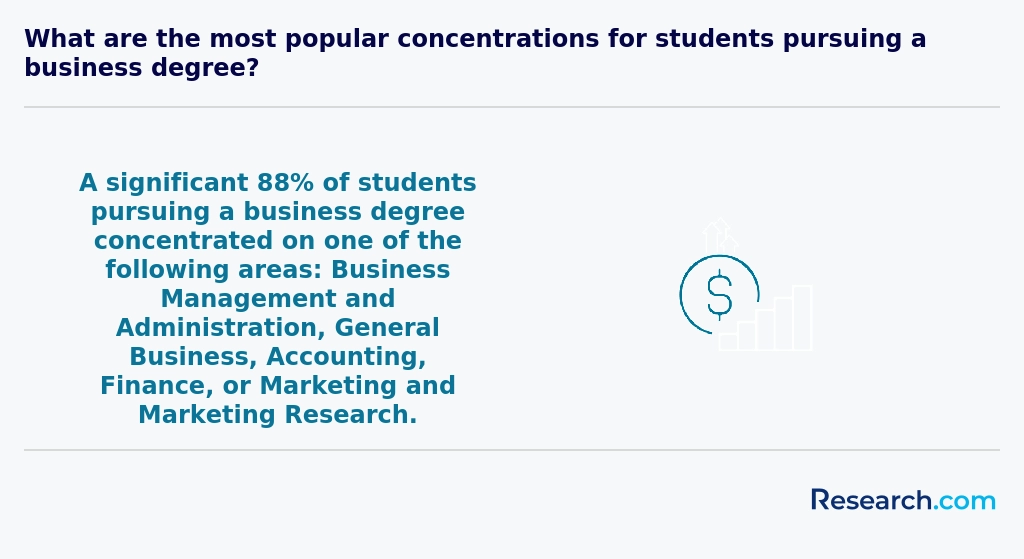
Business degree specializations in Washington offer students diverse pathways to tailor their education to specific interests and local industry demands. Graduates from prominent universities often speak highly of concentrations such as finance, marketing, and management, which provide practical skills in areas like investment analysis, brand strategy, and leadership. For example, many find the accounting track invaluable, especially when preparing for CPA certifications, as it combines rigorous coursework with real-world tax and auditing scenarios often emphasized at Washington's well-regarded colleges.
Emerging fields like information systems and supply chain management are particularly relevant in Washington's economy, shaped by tech hubs and international trade. Students concentrating in information systems enjoy opportunities to engage with cybersecurity challenges and data management projects, mirroring the innovative environments in Seattle's technology sector. Those exploring the supply chain focus often connect classroom theory to logistics operations in port cities like Tacoma. These specializations embody the balance of tradition and innovation notable in Washington's business education landscape.
Choosing a business degree in Washington means embracing a curriculum shaped by the state's distinct economic fabric. For those considering a comprehensive guide to options and costs, viewing the Business Degree offerings across the state can offer valuable insights into finding a concentration that resonates with both passion and professional success.
Choosing the best business degree in Washington hinges on aligning your interests with programs that offer both specialization and practical experience. Graduates from the University of Washington Foster School of Business often highlight how its AACSB accreditation and strong industry ties in Seattle enriched their learning and opened doors to rewarding internships and job opportunities. When reflecting on their journey, many emphasize the value of selecting programs that blend theory with real-world application, enhancing confidence and career readiness.
Cost remains a vital consideration, especially for those seeking affordable business degree programs in Washington. Public universities provide significant benefits here, balancing tuition fees with quality education. Graduates recall how scholarships and financial aid not only eased their burden but also allowed them to focus fully on learning and networking.
Flexibility is equally important, particularly for working adults or those balancing commitments. Online options, such as 1 year online mba programs offered by several Washington institutions, deliver convenience without compromising program integrity. This flexibility fosters a positive, motivating experience that many students appreciate while advancing their careers.

Graduates with a business degree in Washington find a wide array of career options shaped by the state's dynamic economy and educational environment. Many alumni from prominent institutions like the University of Washington have stepped confidently into roles such as financial analysts, marketing managers, and human resource specialists, benefiting from Washington business degree job opportunities in sectors ranging from technology to nonprofit organizations. These positions not only offer competitive salaries but also fulfilling challenges that foster personal and professional growth.
Others have discovered rewarding paths in government agencies or have launched entrepreneurial ventures, leveraging skills learned in organizational management and budgeting. The proximity to major corporations in Seattle creates real-world internship and networking opportunities that graduates treasure, enabling smooth transitions into project coordination or business analytics roles. For those curious about affordability, exploring programs through resources like the Affordable Online Master's in Business Degree Programs Ranking in South Dakota can provide perspective on accessible pathways to advancement.
The job market for business degree holders in Washington is robust and diverse, offering promising opportunities across multiple sectors. Graduates from universities such as the University of Washington and Washington State University often find themselves well-prepared for roles in management, marketing, and finance within Seattle's thriving technology and retail industries. Many recall internships turning into full-time positions at local giants like Microsoft and Amazon, which value the analytical and leadership skills cultivated by these programs.
Employment opportunities for business graduates Washington-wide are projected to grow faster than average, particularly in business and financial operations where the state benefits from clustered corporate headquarters. Wages remain competitive, with median salaries above national averages, reflecting the strength of the economy.
For those concerned about balancing cost with benefit, affordable tuition options exist at public institutions, and students often explore pathways such as the top 6-month online associate degree programs to accelerate entry into the job market. This practical approach aligns well with current industry demands.
2027 Most Affordable Business Degree Programs Ranking in Washington
Investing in your education is a significant decision that can shape your future, and the Research.com team understands the importance of making informed choices. To assist prospective students in Washington, we have meticulously crafted the "2027 Most Affordable Business Degree Programs Ranking in Washington." Our commitment to quality, credibility, and accuracy is reflected in the extensive research and analysis conducted to compile this ranking.
We utilized the following reputable data sources to ensure a comprehensive evaluation of business degree programs:
By exploring this ranking, readers will gain valuable insights into affordable and quality business degree options in Washington, assisting them in making well-informed educational choices. For more details on our methodology, please visit our Research.com methodology page.
# 1 position
University of the Potomac-Washington DC Campus
Master of Business Administration

# 2 position
University of the Potomac-Washington DC Campus
Bachelor of Science in Business
# 3 position
Strayer University-District of Columbia
Bachelor of Science in Accounting

# 4 position
Strayer University-District of Columbia
Master of Business Administration
# 5 position
University of the District of Columbia
Bachelor of Business Administration in Business Management

# 6 position
University of the District of Columbia
Master of Business Administration


Frequently Asked Questions About business
Business degree students in Washington can maximize their learning by engaging in internships within the state's diverse economy, including Seattle's strong technology and trade sectors. Practical experience complements academic knowledge and improves job prospects after graduation.
Utilizing resources like the Washington Business Resource Center and career services at local universities can connect students to networking events and mentorship opportunities. Participating in student organizations focused on entrepreneurship and finance also enhances leadership skills.
Washington's business schools often emphasize experiential learning through case studies and group projects, which develop critical thinking and teamwork abilities important in the business world.
Additionally, taking advantage of online platforms for business analytics and management courses can broaden skillsets, responding to the evolving market demands in the Pacific Northwest.
The business field in Washington is evolving rapidly, with several emerging niches attracting attention from students and professionals. One prominent area is data analytics and business intelligence, driven by the state's growing tech industry. According to the Washington Workforce Training & Education Coordinating Board, demand for data-savvy business professionals is projected to grow by over 15% through 2027.
Another promising niche is sustainable business practices, reflecting Washington's commitment to environmental policies. Businesses increasingly seek expertise in green supply chains and corporate social responsibility.
Additionally, e-commerce management is expanding due to the rise of online retail and digital marketing-sectors supported by Seattle's robust tech ecosystem.
Finally, financial technology (fintech) is a rising field combining finance and technology, with Seattle emerging as a fintech hub offering new career pathways.
Preparing for the job market after completing a business degree in Washington requires a strategic approach. Washington's economy is diverse, with strong sectors in technology, manufacturing, and services, making networking crucial. Engage with local business organizations such as the Washington State Chamber of Commerce to build valuable connections.
Internships and cooperative education programs offered by many Washington universities provide practical experience and increase employability. According to the U.S. Bureau of Labor Statistics, the state's business and financial professions are projected to grow by over 6% from 2022 to 2032.
Developing skills in data analytics and digital marketing aligns well with employer demands seen in Seattle and Bellevue's business hubs. Utilizing university career services and attending job fairs can also provide targeted opportunities in the region.
Employers in Washington highly value business degree graduates who demonstrate strong analytical and communication skills. According to the Washington State Workforce Training and Education Coordinating Board, 82% of employers seek candidates proficient in data analysis and financial literacy. These skills help graduates make informed decisions in dynamic business environments.
In addition, leadership and teamwork abilities are essential. Many Washington businesses, especially in the tech and service sectors, prioritize adaptability and collaboration. The state's economic diversification means employers expect graduates to handle complex projects across multiple disciplines.
Finally, proficiency with digital tools and an understanding of regional market trends greatly improve job prospects for business graduates in Washington.
Finding internships in Washington relevant to a business degree involves strategic planning and utilizing multiple resources. Start by exploring university career centers, as many Washington institutions have partnerships with local companies in Seattle, Bellevue, and Tacoma that offer business internships. According to the Washington State Employment Security Department, sectors like technology, finance, and retail provide many opportunities for business students.
Online job portals such as Handshake and LinkedIn can also list internships specifically for Washington-based students. Additionally, business students should attend local networking events sponsored by chambers of commerce and professional groups like the Washington Business Alliance. Internships often require proactive outreach, so preparing a strong resume and cover letter is essential for success.
In Washington, earning a business degree significantly enhances career mobility and advancement opportunities. The state's diverse economy, including major industries like technology, manufacturing, and trade, demands skilled business professionals to manage growth and innovation.
According to the Washington State Employment Security Department, individuals with a bachelor's degree in business typically see higher employment rates and faster promotions compared to those without degrees. The strong presence of companies such as Amazon and Microsoft makes business acumen highly valuable.
A business degree equips graduates with essential skills-like leadership, finance, and marketing-that are crucial for progressing into managerial roles. Many employers in Washington prioritize candidates with formal business education when considering internal promotions and higher-level positions.
Furthermore, Washington professionals with business credentials often earn median annual salaries significantly above the state average, reflecting greater advancement potential as reported by the Bureau of Labor Statistics.
Studying for a business degree in Washington equips students with skills applicable across multiple disciplines. Washington's universities emphasize integrative learning, blending courses in economics, technology, communication, and management. This prepares graduates to address complex challenges in sectors like technology, healthcare, and international trade.
According to the Washington State Workforce Training and Education Coordinating Board, interdisciplinary skills improve employability by 15% over single-discipline graduates. Business programs frequently include experiential learning through projects, internships, or collaborations with local businesses such as Microsoft and Amazon, fostering practical problem-solving.
Students also gain exposure to data analytics and sustainability, aligning with Washington's growing green economy.
When choosing between a thesis and a non-thesis business degree program in Washington, students should consider their career goals and learning preferences. Thesis programs emphasize research, requiring students to produce an original study, which suits those aiming for academic or research roles.
Non-thesis programs focus more on coursework and practical skills, appealing to students targeting immediate employment in Washington's diverse business sectors like technology and finance. According to the Washington State Employment Security Department, these sectors grew by 3.2% annually over the last five years, highlighting demand for applied business skills.
Financial and time commitments also differ; thesis options typically require longer completion times due to research demands, while non-thesis paths may offer faster graduation. Prospective students should review program details at Washington universities to align education with their professional objectives.
Students based in Washington interested in studying business abroad have several options through U.S. colleges and universities that maintain international partnerships. Many Washington schools offer study abroad programs in Europe, Asia, and Latin America, allowing business students to gain global experience while earning credits toward their degrees.
Top institutions like the University of Washington and Washington State University provide structured programs focusing on international business, finance, and management. According to the Institute of International Education, over 30% of U.S. business students participate in study abroad programs, highlighting the popularity of this path.
Financial aid and scholarships are often available to help offset the costs, making global study more accessible. Additionally, Washington's thriving business sectors encourage students to seek international perspectives to enhance their career prospects.
Students pursuing business degrees in Washington can enhance their education by taking part-time jobs that build relevant skills. Popular opportunities include roles in retail management, customer service, and administrative support, which help develop communication and organizational abilities. According to the Washington State Employment Security Department, sectors like professional and business services are among the fastest-growing, offering internships and part-time roles aligning well with business studies.
Positions in local financial institutions or startups provide practical experience in finance and entrepreneurship. Additionally, roles in marketing agencies or nonprofit organizations can sharpen skills in digital marketing and project management. These positions often offer flexible hours, accommodating academic schedules.
Business students in Washington benefit from extensive networking opportunities that connect them with industry leaders and alumni. Many universities in the state host regular networking events, career fairs, and guest speaker sessions tailored specifically for business disciplines. For example, schools like the University of Washington Foster School of Business offer multiple platforms for students to engage with local businesses and global corporations headquartered in Seattle.
Washington's thriving economy, driven by sectors such as technology, manufacturing, and international trade, provides valuable internships and mentorship programs. The Washington Technology Industry Association reports that business students can leverage events such as the annual Business Innovation Conference, attracting thousands of professionals seeking collaboration.
Additionally, student organizations and clubs in Washington universities facilitate peer networking and professional development, preparing graduates to enter the competitive job market effectively.
Alumni networks play a significant role for business degree students in Washington by offering valuable professional connections. Access to these networks helps students find internships, job placements, and mentorship opportunities, crucial in Washington's competitive business environment.
Seattle, a major business hub, houses many headquarters and startups, making networking vital. According to the Washington State Employment Security Department, strong connections often lead to faster employment post-graduation.
Alumni events and online platforms increase engagement, allowing students to learn directly from experienced graduates with insights into local industries like technology, finance, and trade.
Overall, robust alumni networks enhance career growth by bridging education and real-world business opportunities.
Customizing a business degree program in Washington allows students to align their education with specific career objectives. Many universities in the state, including public institutions like the University of Washington, offer customizable majors with various concentrations such as finance, marketing, entrepreneurship, and supply chain management. Students can select electives, internships, and capstone projects that directly relate to their target industry.
Washington's strong economy, driven by sectors like technology and international trade, influences curriculum options focused on innovation and global business. According to the Washington State Employment Security Department, business-related roles are among the fastest growing in the region, validating the emphasis on practical specialization.
Additionally, partnerships between colleges and local businesses provide opportunities for hands-on experience and networking, which are key to career success.
Business students in Washington often face challenges related to the high cost of education. According to the College Board, the average annual tuition and fees at public four-year institutions in Washington exceed $12,000, which can strain students financially. Many also encounter intense competition for limited internship opportunities in Seattle's business hubs, especially in tech and finance sectors. Balancing demanding coursework with part-time jobs or internships is another common difficulty, as practical experience is crucial for career prospects. Additionally, adapting to rapidly evolving business technologies and maintaining skills relevant to digital transformation proves challenging for many students.
With a business degree in Washington, you can pursue several valuable professional certifications to enhance your career prospects. Common options include the Certified Public Accountant (CPA) designation, ideal for those interested in accounting and finance. The CPA credential is regulated by the Washington State Board of Accountancy and requires passing a national exam plus state-specific education.
Another popular certification is the Project Management Professional (PMP), which focuses on leadership and managing complex projects, highly valued across many Washington industries such as technology and manufacturing.
The Certified Management Accountant (CMA) helps professionals develop skills in financial analysis and strategic management, with certification governed by the Institute of Management Accountants.
These certifications typically boost salary potential and job opportunities in Washington's competitive business market, according to the U.S. Bureau of Labor Statistics and state workforce data.
Writing a winning application for a business program in Washington requires careful preparation and attention to detail. Start by researching institutions accredited by bodies like AACSB, which ensures quality education. Highlight relevant work experience, internships, or leadership roles to demonstrate practical skills.
Clearly state your career goals and show how the program aligns with Washington's dynamic business environment, which includes key sectors like technology and trade. Use concrete examples reflecting local business trends reported by the Washington State Department of Commerce. Strong letters of recommendation and a well-crafted personal statement emphasizing your motivation and adaptability are essential.
Finally, meet all deadlines and proofread thoroughly to present a professional application.
A career in business today is shaped by an increasingly global marketplace. For students in Washington, understanding international business trends is essential. According to the U.S. Bureau of Labor Statistics, multinational corporations and trade agreements have expanded opportunities beyond local markets. Washington state's economy, anchored by tech giants and international trade hubs like the Port of Seattle, provides real-world relevance to global business concepts.
Business degrees in Washington emphasize cross-cultural communication, global supply chains, and international finance. Studies show that over 25% of Washington's export activities involve Asia-Pacific markets, highlighting the importance of global expertise. As companies seek professionals with worldwide awareness, business students must develop skills that transcend borders.
Gaining practical experience while pursuing a business degree in Washington is essential for building career readiness. Many universities in the state offer cooperative education (co-op) programs where students alternate between classroom study and paid work experience with local employers. For example, the University of Washington has partnerships with Seattle-area companies, providing students with hands-on opportunities.
Internships are another common path. According to the Washington Student Achievement Council, over 70% of business students secure internships during their studies, often through campus career centers. These experiences help students develop skills in marketing, finance, and management while networking with professionals.
Additionally, some programs incorporate project-based learning with real companies, allowing students to solve actual business challenges as part of their coursework.
Choosing the right concentration within a business degree program in Washington involves considering your career goals and local industry demands. Washington's economy is strong in technology, aerospace, and international trade, making concentrations like supply chain management, marketing, and finance particularly relevant. According to the Washington State Employment Security Department, demand for business professionals in these sectors is projected to grow steadily through 2030.
Evaluate your interests alongside the concentration's curriculum, internship opportunities, and connections with local employers. Research universities such as the University of Washington or Washington State University often offer specialized tracks aligned with regional business trends. Selecting a concentration that matches both personal strengths and state economic needs can enhance employment prospects post-graduation.
- 2027 Most Affordable Business Degree Programs Ranking in Arlington
- 2027 Most Affordable Business Degree Programs Ranking in College Park
- 2027 Most Affordable Business Degree Programs Ranking in Fairfax
- 2027 Most Affordable Business Degree Programs Ranking in Baltimore
- 2027 Most Affordable Business Degree Programs Ranking in Frederick
- 2027 Most Affordable Business Degree Programs Ranking in Dover
- 2027 Most Affordable Business Degree Programs Ranking in New Castle
- 2027 Most Affordable Business Degree Programs Ranking in Lancaster
- 2027 Most Affordable Business Degree Programs Ranking in Richmond
- 2027 Most Affordable Business Degree Programs Ranking in Wilmington
See What Experts Have To Say About Studying Business
Read our interview with Business experts


David Souder
Business Expert
Senior Associate Dean for Faculty and Research
Michigan State University

David W. Stewart
Business Expert
Emeritus President's Professor of Marketing
Loyola Marymount University

- BUSINESS MANAGEMENT ENGLISH (THESIS / NON-THESIS) - Lisansüstü Eğitim Enstitüsü https://lee.nisantasi.edu.tr/en/business-management-english-thesis-non-thesis/
- 2024 Best Business Schools | How Alumni Rate Their Undergraduate Business Degrees https://poetsandquantsforundergrads.com/news/best-business-schools-alumni-rate-undergraduate-business-degrees/5/
- How to Write the Perfect Cover Letter – EU Business School https://www.euruni.edu/blog/write-perfect-cover-letter/
- Know more about thesis vs non- thesis: what is the difference? https://studyfans.com/en/blogs/816
- Exploring Different Types of Business Majors https://www.ivywise.com/ivywise-knowledgebase/exploring-different-types-of-business-majors/
- Top 10 Emerging Business Niches of 2026 & How to Plan for Them https://prometai.app/blog/emerging-niches-business-planning
- Business Administration, B.A. - Trinity Washington University | Washington, DC https://www2.trinitydc.edu/academic_program/business-administration-b-a/
- Business Management Major https://www.washcoll.edu/majors/business-management/index.php
- The Seven Biggest Challenges Faced by Student Entrepreneurs https://venturewell.org/blog/five-biggest-challenges/
- Career Goals: 17 Inspirational Examples for you in 2026 https://www.imd.org/blog/learning-and-development/career-goals/