
2027 Most Popular Business Degree Programs Ranking in Scranton

Co-Founder and Chief Data Scientist
Choosing the right business degree can shape your future in meaningful ways. If you're in Scranton and exploring your options, this article is designed just for you.
The 2027 Most Popular Business Degree Programs Ranking in Scranton was developed by the Research.com team of data scientists to provide clear, reliable insights. It helps you identify which programs offer the best opportunities and align with your goals.
By reading this ranking, you'll gain confidence in your decision and feel motivated to pursue a rewarding business education.
Key benefits of getting business degree in Scranton
- Salary for business degree graduates: Graduates can expect rewarding salaries, with roles like Business Development Executive earning around $83,190 annually and Business Analysts making about $112,950 per year, reflecting strong financial potential.
- Career paths: A business degree from Scranton opens diverse opportunities in management, marketing, and analytics, empowering graduates to thrive in dynamic industries with many growth options.
- Online degree benefits: Earning a business degree online from Scranton's institutions offers flexibility and convenience, allowing students to balance studies with work while gaining the same valuable knowledge as traditional learners.
- 2027 Most Popular Business Degree Programs Ranking in Scranton
- What can I expect from business degree in Scranton?
- Where can I work with business degree in Scranton?
What can I expect from business degree in Scranton?
The average cost of pursuing a business degree in Scranton remains competitive with national averages, making it an accessible option for many local students. Graduates from the University of Scranton and Marywood University often share how financial aid and scholarships play a crucial role in easing tuition expenses. Many find that the investment pays off quickly through internships and job placements gained within Scranton's dynamic economy.
Students also describe the value of affordable tuition combined with personalized support as a key factor in their academic success. For example, one graduate recalls how close faculty mentorship enabled hands-on projects aligned with regional business trends, which bolstered their confidence entering the workforce. This real-world alignment makes the costs seem reasonable compared to programs in larger metropolitan areas.
Looking ahead, as Scranton's industries evolve with technology and data analytics, the financial commitment may yield even greater returns. The integration of practical experiences tied to local enterprises ensures that tuition dollars contribute not only to academic growth but also to career readiness within the community.
Where can I work with business degree in Scranton?
Graduates with a business degree in Scranton often find themselves stepping into dynamic roles across industries that are actively expanding and evolving. Those from the University of Scranton frequently land positions in finance or healthcare administration, working with organizations like Geisinger Health or local banks such as PNC and M&T. Imagine applying analytical skills to optimize hospital operations one day and supporting regional financial services the next-with a strong sense of impact on community well-being.
Others from Marywood University often pursue entrepreneurial paths, encouraged by Scranton's growing downtown revitalization. They may launch startups or join small and medium-sized enterprises (SMEs) thriving in business development and customer relations, experiencing the excitement of shaping new ventures. These graduates share stories of using business acumen to help local retail or hospitality sectors flourish amid increasing demand.
The evolving job market and regional economic programs create opportunities in organizational management and nonprofit work, where graduates contribute to fundraising and strategic growth with agencies like United Way of Lackawanna and Wayne Counties. This diversity of options inspires confidence in students imagining their future in Scranton's vibrant business landscape.
Graduates from business programs in Scranton, such as those at the University of Scranton or Marywood University, often find promising starting salaries. For instance, those entering roles like business analysts report mean annual wages around $112,950 according to national data, which reflects potential earnings beyond local averages. This suggests that with strong qualifications, including hands-on projects and internships locally, graduates can command competitive compensation.
Many alumni share how their targeted skillsets in data analytics or strategic management, sharpened through these Scranton institutions, pave the way to well-paying positions. Business development executives from the region typically earn about $83,190 annually, signaling solid mid-level income potential in a range of industries.
While Scranton's market might evolve steadily rather than rapidly, these salaries underscore the value of investing in local business education. Graduates envision careers where expanding expertise, perhaps through an MBA or specialized certifications, continually opens doors to greater financial rewards within familiar regional employers.
- Annual tuition for business degrees in Scranton ranges from $15,000 to $25,000 for in-state students, depending on the institution and program level.
- Entry-level salaries for business graduates typically start between $45,000 and $50,000 per year.
- Mid-career salaries average around $70,000 or more, with higher earnings for those holding advanced degrees or specialized certifications.
- The job market shows steady growth in sectors like healthcare administration, financial services, and retail management.
- Internships and cooperative education programs are widely available, partnering students with local businesses for practical experience.
Business students in Scranton often find that completing their degree aligns with traditional timelines, but emerging trends are reshaping these expectations. For instance, many full-time undergraduates at popular local colleges like the University of Scranton celebrate completing their Bachelor of Business Administration in about four years, relishing the steady pace that balances coursework and campus life.
However, some graduates recall how accelerated programs offered by institutions such as Marywood University allowed them to finish in just three years by embracing more intensive course loads and summer classes. This option sparks enthusiasm among motivated students eager to launch their careers sooner.
Part-time pathways also attract working adults balancing family and jobs, often extending the journey to five years or more. These flexible schedules foster a strong sense of achievement as students manage real-world responsibilities while progressing academically.
Looking ahead, hybrid and online business degree formats in Scranton may shorten durations further, offering personalized pacing and greater access. Several MBA candidates here report positive experiences with part-time executive tracks that span two to three years, enabling them to advance professionally without pausing their careers.
Online and on-campus business degrees in Scranton each shape distinct student experiences, reflecting evolving educational trends. Graduates from the University of Scranton often recall vibrant campus life, where face-to-face interactions during group projects and networking events spark lasting professional connections. The immersive environment supports those who thrive in real-time discussions and benefit from access to physical resources like career centers or business incubators.
By contrast, online learners juggling work or family commitments appreciate the flexibility Marywood University's remote programs offer, studying asynchronously at their own pace. These students often develop exceptional self-discipline and time management skills, while still accessing occasional live sessions that keep them engaged with faculty. The reduced cost and the ability to study from anywhere create appealing opportunities for Scranton's busy professionals.
Looking ahead, the gap between these formats could blur as hybrid models expand, combining on-campus camaraderie with the convenience of online study. This evolution promises to make Scranton's business education both accessible and deeply connected to local industries, enhancing students' readiness for dynamic markets.
As the business landscape in Scranton, PA continues to evolve, prospective students should be aware of key trends shaping today’s degree programs. Digital transformation drives curricula that emphasize data analytics, artificial intelligence, and blockchain applications, ensuring graduates can navigate complex decision-making environments. Sustainability and social responsibility are increasingly integrated into coursework, reflecting employer demand for leaders who balance profitability with ethical practices. Furthermore, micro-credentials and stackable certificates allow learners to upskill rapidly in areas like digital marketing or supply chain analytics, complementing traditional degrees and boosting employability. Hybrid and online models remain popular, offering flexibility for working professionals and parents. For those seeking an accelerated path to leadership, institutions now offer intensive formats-graduates looking to fast-track their careers may explore a one year mba program that combines core business fundamentals with advanced experiential modules. These programs often include virtual simulations, live case studies, and mentorship opportunities with industry experts, ensuring a practical, hands-on experience. By staying attuned to these emerging trends-data proficiency, ethical leadership, modular learning, and flexible delivery-you can choose a business degree program in Scranton that not only meets today’s market needs but also anticipates the skills of tomorrow.
The average cost of earning a business degree in Scranton is shaped by various factors, with recent data indicating a median total cost around $56,598. This figure balances in-state and out-of-state tuition fees, reflecting what many students at popular institutions in Scranton face today. For example, graduates from local universities often recall managing tuition fees alongside daily expenses, which creates a realistic picture of the overall financial commitment.
Compared to national trends, the business degree tuition and fees Scranton 2027 projections suggest steady growth, which calls for prospective students to prepare thoughtfully. Many students appreciate how Scranton's private universities offer competitive pricing, especially considering the quality of education and community connections available. These graduates often describe a sense of optimism, knowing their investment supports not only academic growth but also future career opportunities.
Living costs in Scranton tend to be friendlier than in major metropolitan areas, helping to soften the blow of tuition expenses. Students commonly share experiences balancing study with part-time work or financial aid, which highlights the importance of scholarships or grants. For those seeking detailed insights into these costs, looking at the popular business degree programs in Scranton offers a useful window into what to expect.
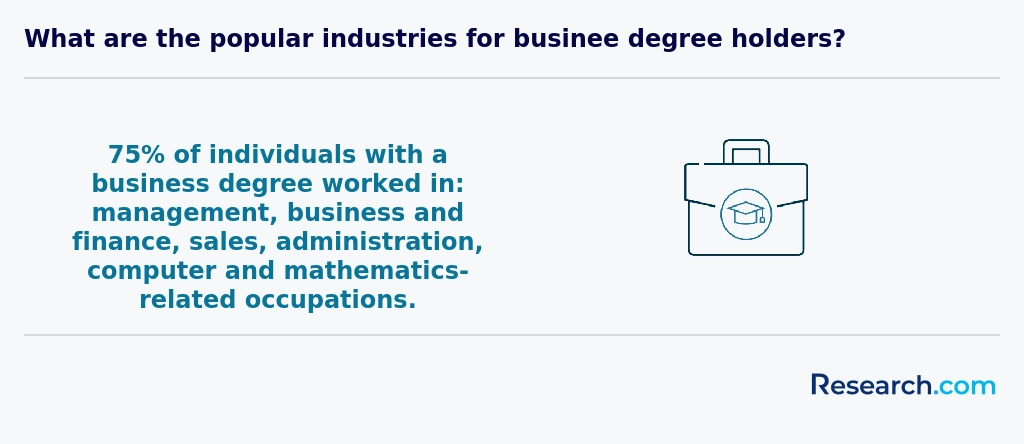
Investing in a Business degree requires weighing tuition costs against future earning potential. In Scranton, the average total tuition for a bachelor’s in business management ranges from $12,600 to $13,100 per year. With graduates entering roles such as Project Managers ($80,220/year) and Business Analysts ($108,790/year), the typical payback period-time needed to recoup educational expenses-falls between 1.5 and 2 years, assuming full‐time employment and average living costs. When calculating ROI, factor in additional expenses like textbooks (approximately $1,200 per year) and fees (around $65 per semester). Graduates who leverage internships often secure higher starting salaries, reducing their break-even timeline by up to 6 months. For example, a Project Manager earning $80,220 might have an estimated net gain of $47,000 in the first year after expenses, translating to an ROI of 360% within five years. Prospective students seeking cost-efficiency without sacrificing quality should explore Affordable Online Business Degree Programs. These programs can lower tuition costs by 20–30%, offer flexible payment plans, and maintain accreditation standards, helping you achieve a favorable ROI faster. Ultimately, understanding your personal break-even point empowers you to make informed decisions. Compare program costs, projected salaries, and potential financial aid to identify the path that maximizes both your investment and your career growth in Scranton’s dynamic business landscape.
Business students in Scranton currently benefit from a mix of federal, state, and local financial aid options, creating a supportive environment that makes pursuing a degree more accessible. Graduates often reflect on how Pell Grants, which can cover up to $7,395 annually, were a game-changer, allowing them to focus on studies without the constant pressure of tuition bills. Federal Direct Loans also offer competitive interest rates, providing flexible repayment plans that ease financial stress during and after college.
Looking forward, it's likely that Scranton's institutions, like the University of Scranton, will expand merit- and need-based scholarships tailored specifically to business students, recognizing the critical role these programs play in shaping future entrepreneurs and leaders. Pennsylvania State Grants continue to support local residents, and many graduates recall how these funds, coupled with generous private scholarships from area business groups, helped them bridge financial gaps.
As digital access to financial aid improves, prospective students can expect swifter FAFSA processing and more personalized aid packages. This evolving landscape offers hope for increasing affordable pathways to business degrees in Scranton's growing academic community.
Beyond the classroom and career-focused curriculum, the vibrant student life in Scranton plays a pivotal role in shaping a well-rounded business education. Prospective students can enjoy a dynamic campus culture where extracurricular clubs, networking events, and community service initiatives create opportunities for personal growth and professional development. Many local institutions host career fairs, entrepreneurial workshops, and leadership seminars that not only complement academic learning but also foster strong bonds among peers and mentors. These immersive experiences help students build essential soft skills-such as teamwork, communication, and adaptability-that are highly valued by employers. In addition, university campuses in Scranton offer access to modern facilities, comprehensive libraries, and dedicated career centers that provide guidance on internships, resume building, and interview strategies. For a deeper look into how seamlessly academic and social life blend in these programs, you might explore how is getting business degree easy through flexible pathways and supportive networks. Embrace the energetic campus spirit and leverage these resources to enhance both your academic journey and your future career success.
Enrolling in a business degree program in Scranton increasingly requires more than just a high school diploma or GED; graduates from local schools often recall how a strong foundation in math and communication set them up for success. At universities like the University of Scranton, aspiring business students are encouraged to submit SAT or ACT scores-typically around 1170 for the SAT or 25 for the ACT-which helps gauge readiness for challenging coursework. Many students vividly remember tackling prerequisite subjects like algebra, statistics, or economics before diving into major classes, enabling them to confidently engage in business strategy discussions and case studies.
Looking ahead, programs in Scranton might emphasize even more holistic prerequisites, integrating skills like digital literacy and critical thinking, which current graduates highlight as key to thriving in today's fast-evolving business world. Letters of recommendation and personal statements often reveal an applicant's passion for entrepreneurship or leadership, making the admissions process feel more personal and motivating. Transfer students with relevant experience find this practical background highly valued, especially in MBA pathways.

Pursuing a popular business degree in Scranton, PA, can be a life-changing decision, offering a wide range of benefits and opportunities. With a strong foundation in business principles, graduates can navigate the complex and dynamic business landscape with confidence. The city's unique blend of traditional industries and emerging sectors creates a fertile ground for innovation and entrepreneurship, making it an ideal location for business students to grow and thrive. By leveraging the resources and networks available in Scranton, business graduates can unlock their full potential, drive success, and make a lasting impact in their chosen fields. Whether you aspire to lead a multinational corporation, launch a startup, or contribute to a non-profit organization, a business degree from a reputable institution in Scranton can provide the necessary tools and expertise to turn your dreams into reality.
Business degree programs in Scranton typically feature a robust mix of core courses that prepare students for dynamic careers. Graduates from well-known local colleges often recall how classes like Financial Accounting and Managerial Accounting helped them confidently analyze real company data during internships. In these courses, students learn to decode financial statements and make decisions that directly impact business outcomes.
Courses such as Principles of Marketing immerse students in understanding consumer behavior, often through project-based assignments reflecting Scranton's evolving market trends. Meanwhile, classes like Organizational Behavior connect theoretical learning with leadership workshops, equipping students to navigate complex team dynamics in local companies.
Looking ahead, Scranton's business programs are likely to integrate more technology-driven courses like Management Information Systems and Business Statistics, reflecting the increasing importance of data analysis and digital tools. Graduates describe how exposure to Strategic Management sparked their enthusiasm for shaping future business landscapes in the region, making their education both practical and inspiring.
Students enrolled in Scranton business degree programs with concentrations often find a variety of specializations that reflect both traditional foundations and emerging trends. Finance, marketing, management, and accounting remain popular choices, offering graduates the skills to thrive in competitive sectors tied closely to Scranton's local economy.
Graduates from universities in Scranton frequently share how these specializations prepared them for tangible challenges, such as leading strategic initiatives in healthcare administration or managing supply chains for manufacturing firms. More forward-looking programs now incorporate business analytics and entrepreneurship, catering to students eager to harness data insights or launch innovative startups. These options make the learning experience dynamic and relevant.
For those exploring future-focused studies, Scranton offers a compelling environment where hands-on opportunities blend with evolving curricula. Thanks to this adaptability, those researching specializations often ask if is getting business degree easy here, finding the programs accessible and engaging, with support tailored to diverse career goals.
Choosing among business degree specializations in Scranton also reflects broader industry shifts, encouraging students to develop versatile skills that will remain valuable in tomorrow's marketplace.
Choosing the best business degree programs in Scranton means looking beyond just curriculum to imagine how your education fits future career paths. Graduates from the University of Scranton often share how smaller classes allowed close interaction with professors who have real-world experience, fostering mentorships that extended into internships with local companies. This hands-on approach is crucial as Scranton's business landscape evolves, particularly in healthcare administration and finance sectors where practical skills become invaluable.
Considering affordable business colleges Scranton offers, private schools often still finance scholarship opportunities that make these degrees accessible. Many students find that the balance of cost and quality, combined with financial aid, shapes their decision more than just tuition alone. As these institutions embrace hybrid and flexible schedules, exploring a one year mba program could be a strategic choice for those eager to enter the workforce quickly while gaining competitive skills.
Graduates with a business degree in Scranton frequently find promising career paths that align with the region's evolving economic landscape. Many enter financial roles such as analysts or auditors within the growing Northeastern Pennsylvania market, where local employers value graduates who understand both theory and the practical demands of the workplace. For instance, business students from popular colleges in Scranton often share how internships with nearby firms have boosted their confidence and job readiness, translating academic knowledge into real-world problem-solving.
Marketing and sales careers remain vibrant options, especially as Scranton's small- and medium-sized enterprises seek graduates skilled in digital marketing and market research. Job prospects for business graduates in Scranton include roles that emphasize innovative approaches to customer engagement, reflecting the region's dynamic business environment. Leadership positions in healthcare and manufacturing also attract graduates who enjoy guiding teams and optimizing operations, often citing how local universities' project-based coursework bolstered their leadership skills.
Entrepreneurship is steadily gaining momentum, with graduates inspired by the city's supportive startup culture. Business degree holders often leverage resources like incubators and networking events to launch ventures that address community needs. Those considering cost and curriculum options may explore Affordable Online Business Degree Programs to balance investment and opportunity effectively in this promising field.
The job market for business degree graduates in Scranton is promising and evolving, supported by the city's diverse economy. Graduates from local institutions like the University of Scranton often find roles in thriving sectors such as financial services, healthcare administration, and manufacturing management. These opportunities illustrate the practical benefits of a business degree job opportunities in Scranton, where expanding local industries frequently seek skilled professionals to navigate operational challenges.
Many recent business graduates describe a sense of optimism as they transition into roles with competitive salaries aligned to the lower cost of living in Scranton. They often highlight hands-on experiences that prepared them well for tasks like supply chain coordination and marketing leadership. For those considering alternative pathways, exploring a 6-month certification program that pays well has become increasingly attractive, offering quicker entry into the workforce.
Looking ahead, the Scranton business degree employment outlook remains stable, reflecting steady regional growth. Graduates continue to contribute to local economic vitality while benefiting from opportunities that balance professional growth with approachable living costs.
2027 Most Popular Business Degree Programs Ranking in Scranton
Investing in your education is a significant decision that can shape your future, and the Research.com team understands the importance of making informed choices. To assist prospective students in Scranton, we have meticulously crafted the "2027 Most Popular Business Degree Programs Ranking in Scranton." Our commitment to quality, credibility, and accuracy is reflected in the extensive research and analysis conducted to compile this ranking.
We utilized the following reputable data sources to ensure a comprehensive evaluation of business degree programs:
By exploring this ranking, readers will gain valuable insights into the most popular business degree programs available in Scranton, helping them make well-informed decisions about their educational and professional futures. For more details on our methodology, please visit our Research.com methodology page.


# 5 position
Lackawanna College
Bachelor of Business Administration

Frequently Asked Questions About business
Business degree students in Scranton can maximize their learning by engaging deeply with both academic and practical experiences. Scranton's local economy, which includes strong sectors like healthcare, manufacturing, and financial services, offers abundant internship and networking opportunities. According to the Greater Scranton Chamber of Commerce, internships increase job placement rates by up to 60% for local business students.
Students should also take advantage of resources offered by schools such as dedicated career centers, mentorship programs, and business clubs. Participating in case competitions or local business workshops can enhance real-world skills. Additionally, staying updated with economic trends in Northeastern Pennsylvania through regional reports strengthens classroom learning with relevant context.
The business field is evolving rapidly, with several emerging niches gaining attention from students and employers alike. In Scranton, areas such as data analytics, digital marketing, and sustainable business practices are becoming particularly important. According to the U.S. Bureau of Labor Statistics, jobs in business analytics are projected to grow 25% by 2030, reflecting growing demand for data-driven decision-making.
Additionally, e-commerce management is expanding due to the rise of online shopping, impacting local businesses in Scranton. Sustainability-focused roles, like green supply chain management, also draw interest as organizations prioritize environmental responsibility. These niches blend traditional business skills with new technologies and societal trends, preparing graduates for the future job market.
After completing a business degree in Scranton, preparing for the local job market involves strategic steps to enhance employability. Networking is crucial; Scranton benefits from a close-knit business community with numerous small and medium enterprises. Engaging with organizations like the Scranton Chamber of Commerce can open doors to internships and job opportunities.
Practical experience through internships or cooperative education programs offered by local universities significantly boosts a graduate's resume. According to the U.S. Bureau of Labor Statistics, internships increase employment likelihood by nearly 50% within six months after graduation.
Developing skills in data analysis, digital marketing, and financial management aligns well with Scranton's job market trends, where companies increasingly seek tech-savvy business professionals.
Additionally, accessing career services provided by colleges in Scranton helps with resume building, interview preparation, and job placement tailored to the region's economic landscape.
Employers in Scranton seek business degree graduates with a blend of technical knowledge and soft skills. Critical thinking and problem-solving top the list, as businesses here value employees capable of making data-driven decisions. According to the Scranton Regional Chamber of Commerce, 68% of local employers prioritize communication skills, both written and verbal.
Proficiency in digital tools like Excel and business analytics software is increasingly important, reflecting national trends reported by the U.S. Bureau of Labor Statistics. Additionally, teamwork and adaptability resonate strongly due to the dynamic nature of today's workplace in Northeast Pennsylvania.
Understanding local market conditions and regulatory environments also gives graduates an edge in Scranton's growing sectors such as healthcare administration and manufacturing.
Finding internships in Scranton relevant to a business degree involves leveraging local resources and university connections. Candidates should explore opportunities with Scranton's key industries such as finance, healthcare, and retail, which employ a significant portion of business graduates. According to the Scranton Chamber of Commerce, over 40% of local businesses offer internship programs during the academic year.
Students can connect with employers through career services at institutions like the University of Scranton and Marywood University, which maintain partnerships with area companies. Online platforms, including Handshake and local job boards, also list business internships specific to the Scranton region.
Networking events and internships fairs hosted by local business associations provide direct access to hiring managers, enhancing the chances of placement. Additionally, applying early and tailoring applications to local market demands remain essential strategies.
Obtaining a business degree in Scranton can significantly enhance career mobility and advancement. Local employers often value skills such as management, finance, and marketing, which are core components of business programs. According to the U.S. Bureau of Labor Statistics, employment in business and financial occupations in the Scranton-Wilkes-Barre metropolitan area is projected to grow moderately through 2030, increasing opportunities for degree holders.
Scranton's diverse economy, including healthcare, manufacturing, and retail, creates a demand for professionals with business expertise. A degree also strengthens a candidate's eligibility for leadership roles, as many management positions require or prefer formal education in business.
Additionally, networking through local colleges and universities can connect students to internships and job placements, critical for advancing careers. Institutions such as the University of Scranton and Marywood University offer connections to regional businesses that support graduates' career growth.
Studying for a business degree in Scranton equips students with skills that extend beyond traditional business functions, fostering interdisciplinary expertise. Local universities often integrate courses in technology, communication, and data analysis, reflecting the diverse demands of modern workplaces. This approach readies graduates to collaborate across departments such as marketing, finance, and operations.
The Scranton economy, with growing sectors in healthcare, manufacturing, and education, offers practical opportunities for hands-on experience, enhancing students' ability to apply business principles in varied contexts. According to the U.S. Bureau of Labor Statistics, Scranton's business-related job market is expected to grow steadily, emphasizing the value of broad skill sets.
Students also benefit from partnerships between universities and local industries, enabling interdisciplinary internships and projects. This exposure helps students understand how business strategies influence and are influenced by other fields, preparing them for complex, cross-functional roles.
Choosing between a thesis and a non-thesis business degree program in Scranton depends largely on your career goals and interests. A thesis track involves conducting original research and writing a substantial paper, which is ideal for students considering further academic work or research roles in business. In contrast, a non-thesis program emphasizes coursework and practical skills, often suited for professionals aiming for immediate career advancement.
Local institutions like the University of Scranton offer both options, reflecting a broader U.S. trend where about 40% of master's business programs include a thesis option (NCES, 2023). Your decision should consider how much time you can devote to independent research versus professional preparation.
Students based in Scranton interested in studying business abroad have several pathways through their local institutions. The University of Scranton, a key educational provider in the area, offers exchange programs and affiliated partnerships with international universities, allowing students to gain global experience while earning credits toward their degree. According to the university's 2023 study abroad report, approximately 10% of business students participate in such programs annually.
Additionally, several Pennsylvania-based universities with strong business programs provide semester-long study abroad options in Europe and Asia, accessible to Scranton students through transfer agreements. These programs focus on global business practices and cross-cultural communication, essential skills in today's market.
Financial aid and scholarships for studying abroad are often available, with many students using federal grants or institutional funding to offset costs. For Scranton students, exploring these options early is crucial due to application deadlines and visa requirements.
Students pursuing business degrees in Scranton can find valuable part-time jobs that enhance both their education and resume. Local opportunities include positions in retail management, customer service, and office administration, where practical skills like communication and organizational management are developed.
Scranton's growing small business sector offers internships and assistant roles in marketing, finance, and entrepreneurship. These roles provide hands-on experience dealing with financial records, inventory management, and digital marketing strategies relevant to business studies.
According to the Scranton Chamber of Commerce, small businesses employ approximately 60% of the local workforce, making part-time roles in such environments a practical choice for business students seeking real-world exposure.
Business students in Scranton benefit from numerous networking opportunities through local universities, professional organizations, and community events. The University of Scranton, a key institution in the area, hosts regular career fairs and networking mixers connecting students with employers from regional industries.
Additionally, the Greater Scranton Chamber of Commerce offers events that foster relationships between students and established business leaders. These gatherings often include panel discussions, workshops, and mentoring programs.
According to the Pennsylvania Department of Labor & Industry, Scranton's business sector has been growing steadily, emphasizing the value of networking to access internships and job placements.
Alumni networks offer crucial support for business degree students in Scranton by connecting them to local professionals and companies, fostering career opportunities. These networks often provide mentoring, internships, and job placements tailored to the region's economic landscape. Scranton's business community benefits from strong ties with university alumni, enhancing student access to industry events and workshops.
According to the Pennsylvania Department of Labor, networking significantly increases employment chances for recent graduates, with 70% of jobs secured through connections.
Students engaging with alumni gain practical insights into Scranton's key industries, such as healthcare administration and retail management, which dominate the local economy.
Customizing your business degree program in Scranton allows you to align education with your specific career goals. Many local universities offer flexible curricula where you can choose concentrations such as marketing, finance, or entrepreneurship. According to the U.S. Department of Education, selecting relevant electives and internships with Scranton-based businesses enhances practical experience.
Some programs encourage students to participate in cooperative education or hands-on projects, fostering connections with local industries. This is valuable since Scranton's economy includes strong healthcare and manufacturing sectors. Tailoring your coursework and gaining real-world experience locally can improve job prospects and readiness for the Scranton job market.
Business students in Scranton often face challenges related to balancing rigorous coursework with part-time work. Many students pursue internships or jobs alongside classes to gain practical experience, which can create time-management pressures. Additionally, the competitive job market in the Northeastern Pennsylvania region requires students to develop strong networking skills and relevant work experience early in their studies.
Access to specialized business resources and up-to-date technology can be limited at smaller local institutions compared to larger universities. According to data from the Pennsylvania Department of Labor, Scranton's unemployment rate hovers near the national average, increasing pressure on graduates to distinguish themselves. Financial constraints and rising tuition costs also affect many students, making it harder to complete degrees without accumulating debt.
With a business degree, you can pursue several professional certifications to enhance your career prospects. Common certifications include the Certified Public Accountant (CPA) for accounting professionals and the Project Management Professional (PMP) for those interested in managing projects effectively.
For finance-focused graduates, the Chartered Financial Analyst (CFA) designation is a respected choice. Additionally, the Certified Management Accountant (CMA) certification is valuable for roles in financial management and strategic planning.
In Scranton, the demand for certified professionals in business fields such as accounting and project management aligns with statewide trends reported by the Pennsylvania Department of Labor & Industry, highlighting increased job openings requiring these credentials.
Writing a winning application for a business program in Scranton involves demonstrating clear career goals and strong academic preparation. Admissions committees often look for applicants with a solid background in quantitative subjects, such as math or economics, alongside leadership experience. Highlighting involvement in local business organizations or internships in the Scranton area can strengthen your profile.
According to the U.S. Bureau of Labor Statistics, Northeast Pennsylvania, including Scranton, has seen steady growth in business sectors like finance and healthcare administration. Showcasing how your goals align with these regional opportunities can make your application more compelling.
Be sure to write a concise personal statement that explains why you chose Scranton and the specific program. Use clear examples to illustrate your skills and ambitions. Also, submit all required documents early to avoid last-minute issues.
A business career today requires an understanding of global markets and cultural diversity. Graduates with business degrees from Scranton have access to programs emphasizing international trade, finance, and management, which reflect the interconnected nature of modern commerce. According to the U.S. Bureau of Labor Statistics, jobs in business fields such as management and marketing are expected to grow nationally by 8% through 2030, highlighting strong demand.
Scranton's local economy benefits from global business ties, particularly in manufacturing and service sectors. Universities here often integrate case studies from multinational corporations to prepare students for worldwide challenges. Additionally, courses focusing on global supply chains and digital transformation ensure students stay competitive in an evolving international environment.
Students pursuing a business degree in Scranton can gain practical experience through internships, which are often facilitated by area colleges and universities. Local businesses, including finance firms and manufacturing companies, regularly seek interns to support their operations. According to the University of Scranton, about 60% of business students complete internships before graduation, enhancing their employability.
Additionally, many programs encourage participation in consulting projects with real companies, allowing students to solve actual business challenges. Networking events and career fairs held in Scranton also provide valuable opportunities to connect with employers. Taking advantage of these resources bridges classroom learning with hands-on experience essential for career readiness.
Choosing the right concentration within a business degree program in Scranton involves evaluating your career goals and local industry trends. Popular concentrations like finance, marketing, and management align well with Scranton's growing sectors in healthcare, manufacturing, and retail.
Scranton's regional economy has seen steady growth in finance-related jobs, with the Bureau of Labor Statistics reporting a projected 6% increase by 2030. This makes finance a solid choice for students seeking stable employment locally.
Additionally, consider programs offering internships with Scranton-based companies, as hands-on experience is crucial for career readiness. Research specific schools' partnerships and alumni success stories.
Finally, assess your strengths and interests to ensure your chosen concentration matches both your skills and the job market conditions.
- 2027 Most Popular Business Degree Programs Ranking in Wilkes-Barre
- 2027 Most Popular Business Degree Programs Ranking in Bethlehem
- 2027 Most Popular Business Degree Programs Ranking in Allentown
- 2027 Most Popular Business Degree Programs Ranking in Reading
- 2027 Most Popular Business Degree Programs Ranking in Madison
- 2027 Most Popular Business Degree Programs Ranking in Ithaca
- 2027 Most Popular Business Degree Programs Ranking in Newark
- 2027 Most Popular Business Degree Programs Ranking in Saint Davids
- 2027 Most Popular Business Degree Programs Ranking in Jersey City
- 2027 Most Popular Business Degree Programs Ranking in Lancaster
See What Experts Have To Say About Studying Business
Read our interview with Business experts

David W. Stewart
Business Expert
Emeritus President's Professor of Marketing
Loyola Marymount University


David Souder
Business Expert
Senior Associate Dean for Faculty and Research
Michigan State University

- Top 10 Skills Employers Seek in Business Graduates in 2026 https://www.ibat.ie/blogs/top-10-skills-employers-seek-in-business-graduates-in-2026
- The Seven Biggest Challenges Faced by Student Entrepreneurs https://venturewell.org/blog/five-biggest-challenges/
- Global Perspectives: International Opportunities for Business School Students - SBS Swiss Business School https://sbs-uae.org/global-perspectives-international-opportunities-for-business-school-students-3/
- Business Work Experience & Careers Day - Career Days https://www.careerdays.co.uk/business-work-experience-careers-day
- How to Write the Perfect Cover Letter – EU Business School https://www.euruni.edu/blog/write-perfect-cover-letter/
- Business Study Abroad Programs | Go Overseas https://www.gooverseas.com/study-abroad/business
- Online and Traditional Business Degrees Comparison | Free Essay Example https://studycorgi.com/online-and-traditional-business-degrees-comparison/
- Niche Business Ideas: A Guide to Profitable Niche Business Selection - Inar Learn https://inarlearn.com/niche-business-ideas-a-guide-to-profitable-niche-business-selection/
- Funding & Resources - University of Scranton Small Business Development Center ( SBDC ) https://www.scrantonsbdc.com/funding-resources/
- Professional Business Certifications to Boost Your Career in 2025 https://www.business.com/articles/best-business-certifications/





