2027 Most Popular Business Degree Programs Ranking in Lancaster

Co-Founder and Chief Data Scientist
Choosing the right business degree program can feel overwhelming, especially with so many options available in Lancaster. That's where the 2027 Most Popular Business Degree Programs Ranking in Lancaster comes in. Created by the Research.com team of data scientists, this ranking helps you identify top programs based on data-backed insights.
Reading this article will guide you toward degrees that match your goals, making your decision easier and more confident. A business degree can open doors to exciting career opportunities and personal growth, setting a strong foundation for your future success.
Key benefits of getting business degree in Lancaster
- Salary for business degree graduates: Graduates in Lancaster often pursue careers like Business Development Executive, with a mean annual wage of $83,190, and Business Analyst roles offering an average of $112,950, reflecting strong earning potential in the field.
- Career paths: A Lancaster business graduate might work in diverse areas such as business analysis, consulting, or development, enjoying varied and exciting opportunities that match their strengths and interests.
- Online degree benefits: Studying business online in Lancaster allows flexible scheduling and valuable real-world experience, enabling graduates to balance work and education while advancing their careers confidently.
- 2027 Most Popular Business Degree Programs Ranking in Lancaster
- What can I expect from business degree in Lancaster?
- Where can I work with business degree in Lancaster?
What can I expect from business degree in Lancaster?
The average cost of earning a business degree in Lancaster varies depending on the institution and program level. For undergraduate business degrees at local colleges, tuition typically ranges from $15,000 to $25,000 per year. Graduates describe the investment as worthwhile, emphasizing close connections with Lancaster's robust economy and hands-on internship opportunities. These practical experiences often help justify the expense by improving job prospects in sectors like manufacturing and healthcare.
Graduate programs, including MBAs and specialized master's degrees, usually cost between $20,000 and $40,000 total. Flexible scheduling in these programs appeals to working professionals seeking career advancement without sacrificing income. Graduates report that the blend of real-world applications and updated analytics tools makes these programs particularly valuable.
When considering the cost, many students weigh the potential salary growth against tuition fees. Lancaster's projected 5% employment growth in business roles suggests a favorable return on investment. Personal accounts from alumni highlight satisfaction with accessible career services and regional networking, which support positive outcomes after graduation.
Where can I work with business degree in Lancaster?
Graduates holding a business degree from institutions like Franklin & Marshall College or Millersville University in Lancaster find themselves well-positioned in a city with diverse economic sectors. Many secure roles in finance and banking, thriving in regional banks or credit unions where skills in financial analysis and management are essential. The steady employment growth reported by the U.S. Bureau of Labor Statistics in Lancaster's finance industry reinforces this trend.
Healthcare administration also attracts business graduates, with large systems such as WellSpan Health seeking professionals in operations and human resources. This demand aligns with Lancaster's aging population and its healthcare needs, creating stable career paths.
Retail management and marketing jobs are abundant due to Lancaster's importance as a shopping hub, offering graduates opportunities in sales and supply chain roles. Manufacturing firms value strategic business planning expertise, making this sector another significant employer.
Entrepreneurship thrives with support from the Lancaster Chamber of Commerce and local incubators, allowing graduates to launch startups confidently after completing business programs locally.
Business graduates in Lancaster can expect competitive earnings, although local salaries tend to be somewhat below the national averages reported by the U.S. Bureau of Labor Statistics. For example, business development executives typically earn around $83,190 annually, reflecting solid mid-career compensation that encourages graduates from institutions like Millersville University or Franklin & Marshall College.
Graduates entering business analyst roles-which often attract students from these local universities-can anticipate median salaries near $112,950 nationwide, suggesting strong earning potential in Lancaster's regional market, especially when factoring local economic conditions.
Starting salaries for roles such as marketing coordinators or sales representatives are generally in the $45,000 to $55,000 range locally, with many Lancaster graduates noting steady growth as they gain experience.
Many graduates appreciate how degrees from Lancaster's respected colleges open doors to roles with promising career trajectories and salaries that improve with advanced skills and certifications.
Real-life alumni describe transitioning from entry-level earnings into higher-paying business development and analysis positions after a few years, showcasing the value of a business degree tailored to the Lancaster job market.
- Tuition for business programs in Lancaster ranges from $8,000 to $15,000 per year at public universities and $25,000 to $35,000 at private schools.
- Early career salaries for business graduates typically range from $50,000 to $60,000 annually within one to two years of graduation.
- Long-term salary growth can reach $80,000 or more per year within five to ten years, especially in management and specialized fields.
- Job growth in Lancaster's business sectors is expected to increase by about 5-7% over the next decade.
- Key local industries with business opportunities include healthcare administration, retail management, banking, and manufacturing.
- Internships and local networking are widely available and important for gaining work experience and employment.
Completing a business degree in Lancaster typically requires four years for full-time students pursuing a bachelor's degree in business administration at local universities. Graduates often reflect on the structured timeline as manageable, allowing engagement in campus life and internships that enhance their career readiness.
Part-time students, balancing work and family, may extend their studies to five or six years. These students appreciate the flexibility offered by many Lancaster colleges, which enables steady progress without sacrificing income or personal commitments.
For master's degrees like an MBA, full-time programs generally last one to two years. Some accelerated options available at Lancaster's institutions can condense this into 12 to 18 months, appealing to ambitious professionals eager to advance quickly. Part-time and executive MBA tracks span two to three years, providing a paced approach that fits busy schedules.
Students often find value in internships integrated into these degrees, which might slightly lengthen their timeline but deliver hands-on experience. This balance between duration and experience is a standout feature of business education in Lancaster.
Graduating with a business degree is not just an educational milestone-it’s a strategic investment in your future. In this section, we delve into how your degree can translate into long-term career success and strong returns over time. Many alumni report that an emphasis on practical application, robust networking opportunities, and access to industry insights have significantly boosted their career trajectories. For instance, graduates who studied in Lancaster, PA, often see continued salary growth and expanded leadership roles, reflecting favorable ROI in both financial and professional terms. A critical factor in evaluating any degree is understanding the time commitment relative to career outcomes. To explore this further, you might be interested in learning more about How Long Does It Take to Get a Business Degree, which offers detailed insights into the timeline and milestones associated with earning a business degree. Furthermore, employers increasingly value not only the theoretical knowledge acquired but also the strategic, analytical, and interpersonal skills developed during the program. Success stories from local business leaders highlight that the blend of academic rigor and real-world experience-notably through internships and collaborative projects-cements a competitive edge in today’s dynamic job market. This enduring value of your educational investment serves as both a source of professional pride and a measurable asset on your career journey.
Online and on-campus business degrees in Lancaster differ primarily in delivery, interaction, and flexibility. Graduates from Franklin & Marshall College value the face-to-face engagement and immediate access to campus resources like libraries and career centers, which creates vibrant networking opportunities. This traditional setting suits students who benefit from direct interaction with professors and peers.
Conversely, online programs offer flexibility ideal for working professionals or those balancing family obligations. Millersville University alumni pursuing business degrees online highlight the convenience of studying remotely without commuting, enabling them to manage their schedules efficiently. While online students interact through virtual office hours and discussion boards, the depth of connection can vary.
Cost differences also matter: tuition for Lancaster area business degrees ranges from $10,000 to $15,000 annually for in-state students. Online programs often reduce additional expenses like transportation and campus fees, making them a more affordable option in many cases.
The average cost of a business degree in Lancaster typically revolves around a median total of $44,050. In-state students generally experience lower expenses, with a median in-state total cost of about $29,990, making public universities an attractive and affordable option. Graduates from these institutions often share that the manageable tuition fees, coupled with solid academic programs, make pursuing business degrees here a worthwhile investment in their future careers.
For students considering private colleges in Lancaster, tuition expenses tend to be notably higher. These colleges offer specialized programs and enhanced networking opportunities but come with steeper price tags. Nonetheless, many graduates highlight that generous financial aid and scholarship opportunities effectively reduce the real cost, making it possible to manage expenses without compromising educational quality.
Community colleges in Lancaster also present viable alternatives for those seeking foundational knowledge or associate degrees in business fields at significantly lower costs, often below $5,000 annually for local students. These programs are practical for quicker workforce entry or seamless transfer to four-year degrees, appealing to students prioritizing cost-efficiency in their educational journey.
Beyond tuition, business students must also consider additional expenses such as fees, textbooks, and living costs. In Lancaster, these can add between $12,000 and $18,000 each year, depending on housing and lifestyle choices. For those researching the average cost of business degree in Lancaster, it is advisable to explore detailed information on specific schools, including popular business school cost structures and financial aid options, by visiting resources like the popular business school rankings available locally.
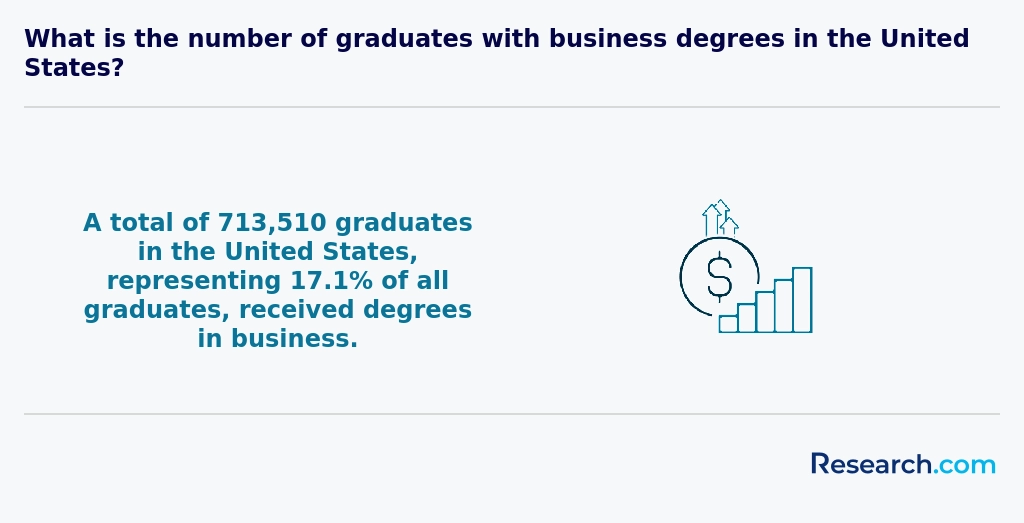
Business students in Lancaster often rely on a mix of federal, state, and local financial aid to manage tuition costs, which range roughly between $15,000 and $40,000 annually at institutions like Franklin & Marshall College and Millersville University. Federal aid, including Pell Grants offering up to $7,395 for undergraduates with significant need, plays a crucial role in reducing financial barriers.
State support through the Pennsylvania State Grant Program provides an average award of around $4,000 annually for eligible Lancaster residents, supplementing federal assistance. The Pennsylvania Higher Education Assistance Agency (PHEAA) further enhances opportunities through scholarships targeted at in-state students pursuing business degrees.
- Local universities frequently award institutional scholarships and grants from $1,000 to full tuition remission based on merit or need, which many graduates have credited with transforming their educational journeys.
- Private scholarships from Lancaster businesses and community organizations reward leadership and service, offering an encouraging boost to many students.
- Employer tuition assistance programs are also prevalent, enabling working professionals to pursue advancement without financial strain.
Graduates often describe the combination of work-study jobs and these aid options as empowering, not only financially but also through the valuable experience gained. Early FAFSA submission is consistently advised to maximize aid eligibility, aligning with a common narrative among Lancaster business students who successfully balanced education and finances.
To enroll in a business degree program in Lancaster, students must hold a high school diploma or an equivalent like a GED. Graduates from local colleges often reflect on how strong foundations in mathematics, English, and social studies prepared them for business coursework, especially in subjects demanding data analysis and clear communication.
Standardized tests such as the SAT or ACT remain relevant at many Lancaster institutions. While test-optional policies exist, submitting scores near the national average-around 1050-1100 for SAT or 20-24 for ACT-can enhance an application in competitive programs, according to admissions data.
Transcripts showing a GPA of at least 2.5 to 3.0 are generally required. Business students from universities in the area recall that recommendation letters and personal statements helped highlight their motivation and business aptitude, giving them an edge in admissions.
International candidates must demonstrate English proficiency with tests like TOEFL or IELTS to thrive in class discussions and coursework. Many schools also suggest prerequisite courses in economics or accounting, which past students found helpful for adapting to the program's rigor.
Extracurricular activities and relevant work experience further boost admission prospects, as shared by graduates who credited these experiences for their smoother transition into Lancaster's dynamic business environment.

To make an informed decision about which business school to attend in Lancaster, PA, it's essential to consider several factors, including accreditation, specializations, internship opportunities, and job placement rates. Prospective students should research institutions that offer a popular business school in the area, as these programs often have strong connections with local businesses and can provide valuable networking opportunities. By evaluating these factors and exploring different options, students can find a business program that aligns with their career goals and sets them up for success in the competitive business world.
Business degrees in Lancaster universities and colleges typically include a core set of courses providing foundational knowledge in management and operations. Graduates frequently highlight courses such as Principles of Management, which equips them with leadership strategies used daily in local startups and established companies alike. Financial and Managerial Accounting courses stand out as essential, helping students interpret vital financial data during internships at Lancaster's small-business firms.
Marketing Fundamentals is another key course, exposing students to market research and consumer behavior, skills often applied in real-time projects for Lancaster's growing digital commerce sector. Business Law classes clarify the legal frameworks students encounter when launching or managing businesses in Pennsylvania. Economics, both micro and macro, helps bridge theory to practice by analyzing local market dynamics and economic policy impacts.
Many students appreciate Business Ethics and Corporate Social Responsibility, which fosters responsible decision-making relevant to Lancaster's community-oriented business culture. Operations Management courses further prepare students for supply chain challenges frequently experienced in the region's manufacturing and service industries.
Business degree programs in Lancaster typically offer specializations that equip students with targeted skills aligned to the local economy. Popular areas include Accounting, which covers financial reporting and auditing, directly responding to Pennsylvania's projected steady job growth for accountants. Marketing specializations focus on consumer behavior and digital marketing, relevant for Lancaster's manufacturing and retail sectors. Finance students gain experience in investment and corporate finance, benefiting from Lancaster's proximity to financial centers like Philadelphia through internships and networking.
Management programs emphasize leadership and strategic planning, preparing graduates to manage teams in diverse Lancaster businesses. Supply Chain and Logistics is another key specialization, reflecting Lancaster County's agricultural and manufacturing significance. Graduates often share that practical exposure in these fields boosts their career readiness. Emerging specializations such as Business Analytics and Entrepreneurship increasingly attract students at top Lancaster business degree programs, providing cutting-edge skills. For an overview on program duration and structure, students often consult resources like How Long Does It Take to Get a Business Degree.
Choosing the best business degree in Lancaster involves prioritizing accredited programs, as graduates from institutions like Franklin & Marshall College often highlight the confidence accreditation brings to their credentials. Accreditation bodies such as AACSB ensure rigorous curriculum standards and enhance employability. Students should examine specialization tracks that align with Lancaster's key industries-manufacturing, retail, and agriculture-to increase practical internship and career opportunities.
Cost remains a critical factor; Lancaster offers a range consistent with Pennsylvania's public tuition averaging around $14,000 for in-state students, while private colleges can exceed $28,000 annually. Graduates frequently stress balancing tuition against total costs, including fees, while accessing scholarships or work-study options. Career services also impact outcomes, as strong alumni networks and local business partnerships in Lancaster significantly improve job placement rates.
Many who seek the best business degree programs in Lancaster find value in experiential learning opportunities and smaller class sizes, which enhance personalized mentoring. Prospective students may also explore accredited accelerated degree programs online to fast-track their education while managing affordability.
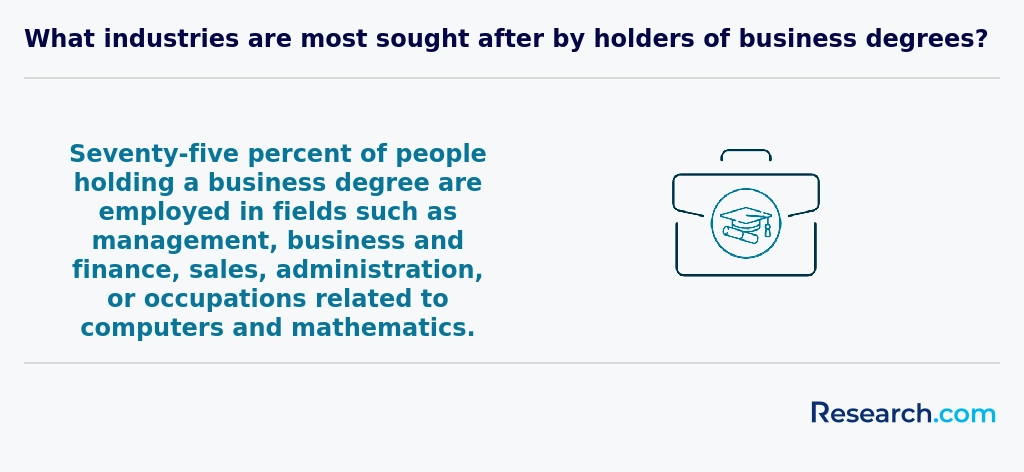
Business degree career options in Lancaster reflect the region's diverse economy, offering graduates roles in manufacturing management, logistics, finance, marketing, and human resources. Many business students from popular local colleges find employment in management positions within Lancaster's robust manufacturing sector, gaining hands-on experience coordinating operations. Others leverage the city's strategic location near major transportation routes to build careers in supply chain and logistics firms, often starting in entry-level roles before advancing.
Jobs for business graduates in Lancaster also include financial analysis, banking, and insurance, where a solid understanding of business principles is essential. Marketing and sales positions are abundant in retail and service industries growing steadily in the region. Graduates often report feeling optimistic about their career prospects after obtaining practical experience through internships at these firms or exploring community college options offering associate degrees or certificates as affordable pathways. Many students pursue certificates that pay well to enhance their qualifications and local employability.
The job market for business degree graduates in Lancaster reflects steady demand across varied sectors such as healthcare, manufacturing, and finance. Graduates from popular local institutions often secure roles in management, marketing, and human resources, leveraging the city's expanding industries. Business degree job opportunities in Lancaster remain robust, supported by employers like Armstrong World Industries and Lancaster General Health, who prize skills in data analytics and strategic planning.
Many graduates from Lancaster colleges share positive experiences securing internships that transition into full-time roles, finding that networking through local Chambers of Commerce significantly enhances career prospects. Salaries for business and financial operations in Lancaster average around $67,000 annually, with entry-level positions offering between $45,000 and $55,000, which is competitive within Pennsylvania's market.
Cost-conscious students benefit from accessible local options, reflecting the importance of affordable education paths. Those prioritizing value and career outlook often explore programs such as an online master degree cheap, balancing cost with employability. This practical approach is key for navigating the Lancaster business degree career outlook effectively.
2027 Most Popular Business Degree Programs Ranking in Lancaster
Investing in your education is a significant decision that can shape your future, and the Research.com team understands the importance of making informed choices. To assist prospective students in Lancaster, we have meticulously crafted the "2027 Most Popular Business Degree Programs Ranking in Lancaster." Our commitment to quality, credibility, and accuracy is reflected in the extensive research and analysis conducted to compile this ranking.
We utilized the following reputable data sources to ensure a comprehensive evaluation of business degree programs:
By exploring this ranking, readers will gain valuable insights into the most popular business degree programs available in Lancaster, helping them make well-informed decisions about their educational paths. For more details on our methodology, please visit our Research.com methodology page.


Frequently Asked Questions About business
Business degree students in Lancaster can maximize their learning experience by engaging actively in internships and cooperative education programs. Local businesses, especially in sectors like manufacturing and logistics, offer valuable opportunities for hands-on experience, which enhances practical skills. According to the Lancaster Economic Development Corporation, internships in business-related fields have grown by 12% in the last three years, reflecting increased industry collaboration.
Students should also take advantage of networking events and career fairs hosted by institutions such as Millersville University and Franklin & Marshall College. These events connect students to local employers and alumni, fostering professional relationships that can lead to job offers.
Participating in student organizations, case competitions, and business clubs strengthens teamwork and leadership abilities, essential for career success. Utilizing campus resources like academic advising and career services further supports personalized educational planning and job preparedness.
The business field is evolving rapidly, with new niches emerging to meet changing economic and technological demands. In Lancaster, one growing area is sustainable business practices. Companies increasingly focus on environmental responsibility, creating opportunities for specialists in green supply chains and ethical management.
Another promising niche is data analytics and business intelligence. According to the Lancaster Economic Development Corporation, over 25% of local businesses plan to expand their data capabilities by 2027, highlighting demand for graduates skilled in analyzing and interpreting complex data.
Additionally, digital marketing and e-commerce are expanding niches due to Lancaster's rising small business sector shifting online. Understanding social media strategies and consumer behavior is especially valuable here.
Finally, healthcare management is an emerging focus, reflecting the region's growing healthcare services industry.
Preparing for the job market after completing a business degree in Lancaster requires a strategic approach. Graduates should focus on gaining practical experience through internships or cooperative education programs offered by local universities. According to the Lancaster Chamber of Commerce, companies in sectors like manufacturing, finance, and healthcare actively seek business graduates with hands-on skills.
Networking is vital; attending local business events and joining professional associations such as the Lancaster Business Network can open job opportunities. Additionally, developing soft skills like communication and teamwork improves employability.
Graduates may also benefit from career services at their institutions, which provide resume workshops and interview preparation tailored to Lancaster's job market.
Employers in Lancaster highly value business degree graduates who demonstrate strong analytical skills. According to the Lancaster Chamber of Commerce, 78% of local employers prioritize candidates who can interpret data effectively to support decision-making. Communication skills are also essential, as 65% of managers seek graduates able to present ideas clearly both in writing and verbally.
Leadership and teamwork capabilities remain crucial. The U.S. Bureau of Labor Statistics highlights that employers favor graduates who can manage projects and collaborate well within diverse teams. Additionally, proficiency in digital tools like Excel and business analytics software significantly improves job prospects.
Finding internships in Lancaster relevant to a business degree involves leveraging local resources and connections. Lancaster's diverse economy, including sectors like manufacturing, healthcare, and finance, offers multiple internship opportunities for business students. According to Lancaster County Economic Development Corporation, over 15% of local companies participate in student internship programs.
Start by utilizing college career centers, which often maintain updated listings of internships specifically targeted at business students. Networking events hosted by the Lancaster Chamber of Commerce also provide valuable face-to-face opportunities with local employers.
Online platforms like Handshake and LinkedIn list Lancaster-based internships, making it easier to apply directly. Additionally, contacting local businesses in industries such as retail management, financial services, and marketing can uncover hidden opportunities.
In Lancaster, earning a business degree significantly enhances career mobility and advancement opportunities. According to the U.S. Bureau of Labor Statistics, individuals with a bachelor's in business typically experience faster promotion rates compared to those without degrees. Local employers in sectors such as manufacturing, healthcare, and logistics often prefer candidates with formal business education due to skills in management, finance, and strategic planning.
Graduates gain access to a broader professional network through university connections, boosting job prospects. Lancaster's growing economy, with a 3.1% increase in business establishments since 2020 (Lancaster Economic Development Authority), favors degree holders for leadership roles.
Moreover, a business degree supports transitioning into specialized careers, from marketing to supply chain management, facilitating long-term career growth within the region.
Studying for a business degree in Lancaster offers a strong foundation for interdisciplinary roles by integrating multiple fields such as management, finance, marketing, and information technology. Many programs emphasize critical thinking and problem-solving skills that are essential when working across diverse industries. According to the U.S. Bureau of Labor Statistics, business roles requiring interdisciplinary skills are growing by 8% annually, reflecting a demand for versatile professionals. Local Lancaster universities also collaborate with nearby industries, providing internships and project-based learning, which expose students to real-world challenges beyond traditional business functions. This practical experience enhances adaptability in dynamic work environments.
Business curricula often incorporate elements from economics, data analysis, and communication studies, equipping graduates to understand complex systems and collaborate with specialists from other disciplines. The integration of emerging technologies in Lancaster's business programs prepares students to lead in fields such as supply chain management and digital marketing, where cross-functional knowledge is crucial. Institutions in Lancaster regularly update their syllabi based on regional economic data from the Lancaster Chamber of Commerce to reflect industry needs. This tailored education model helps students transition smoothly into interdisciplinary roles post-graduation.
When choosing between a thesis and a non-thesis business degree program in Lancaster, consider your career goals and learning preferences. Thesis programs emphasize research and analytical skills, preparing students for roles in academia or positions that require strong problem-solving abilities.
Non-thesis options focus more on practical coursework and internships, appealing to those aiming for immediate entry into the local business sector. Lancaster's economy, with growing sectors in manufacturing and logistics, values hands-on experience. According to the Lancaster Chamber of Commerce, many employers prioritize applied skills over research experience.
Additionally, thesis programs may take longer to complete, potentially affecting time-to-employment. Assess your personal timeline and long-term plans when deciding between these paths.
Students based in Lancaster interested in studying business abroad have several options through U.S. colleges that offer international study programs. Many institutions provide partnership exchanges with universities in Europe, Asia, and Latin America, allowing students to spend a semester or year abroad while earning credits towards their business degree. For example, Pennsylvania State University, popular among Lancaster students, has exchange agreements with schools in the United Kingdom and Germany. These programs often focus on global business practices and cross-cultural management, enhancing international career readiness.
According to the Institute of International Education, approximately 12% of U.S. business undergraduates participate in study abroad programs, reflecting growing demand for global exposure. Lancaster-based students can also consider summer business immersion courses abroad, which offer condensed, practical experiences without disrupting regular academic progress. Such opportunities support developing language skills and global networking essential for modern business careers.
Part-time job opportunities in Lancaster offer valuable experience for students pursuing business degrees. Many local businesses seek interns or part-time assistants in retail management, financial services, and marketing, which align with core business skills. For example, the Lancaster Chamber of Commerce reports a steady demand for customer service representatives and social media coordinators, roles that help students develop communication and analytical abilities.
Additionally, administrative assistant positions in nonprofit organizations around Lancaster provide hands-on experience in office management and budgeting. According to the U.S. Bureau of Labor Statistics, part-time jobs in this region often pay between $12 and $18 per hour, offering financial support while enhancing resumes.
Business students in Lancaster benefit from various networking opportunities that connect them with local industries and professionals. Many colleges in Lancaster, such as Millersville University, organize career fairs and business expos each year, attracting over 100 local employers. These events enable students to meet potential mentors and secure internships.
The Greater Lancaster Chamber of Commerce hosts regular networking mixers and workshops tailored for business students. These gatherings often feature successful entrepreneurs and corporate leaders who share insights and advice.
Additionally, student-led organizations like business clubs and honor societies provide platforms for peer networking and professional development. According to the Lancaster Economic Development Corporation, over 60% of local hiring happens through such networking events, highlighting their importance.
Alumni networks offer significant benefits to business degree students in Lancaster by providing valuable professional connections. These networks connect current students with graduates who work in various industries, enhancing internship and job opportunities. According to the Lancaster Chamber of Commerce, 65% of local businesses prefer candidates with strong community ties, which alumni connections help foster.
Students gain access to mentorship and career advice from experienced professionals familiar with Lancaster's unique business environment. Additionally, alumni events and online platforms facilitate knowledge sharing and networking.
Overall, leveraging alumni networks can improve career readiness and local employment prospects for business students in Lancaster.
Customizing a business degree program in Lancaster allows students to align their education with specific career goals through elective courses and concentrations. Many local institutions offer specializations such as finance, marketing, entrepreneurship, or supply chain management. This flexibility helps students develop skills tailored to roles in Lancaster's diverse economy, including manufacturing, agribusiness, and retail sectors.
Internship opportunities with nearby companies provide valuable hands-on experience and networking connections. Additionally, choosing between part-time, full-time, or online formats enables learners to balance studies with professional responsibilities. According to the U.S. Bureau of Labor Statistics, graduates with focused business skills often see improved job prospects and higher earnings.
Business students in Lancaster often face challenges related to balancing rigorous coursework with part-time employment. According to data from the National Center for Education Statistics, nearly 45% of undergraduates in Pennsylvania work while studying, which can impact study time and academic performance.
Many also report difficulties in accessing internships that align with their career goals. Lancaster's smaller market size compared to major cities limits local internship opportunities in high-demand sectors like finance and technology. This can affect practical experience gained during studies.
Furthermore, adapting to rapidly changing business technologies and data analytics tools is a common hurdle. Schools in Lancaster are increasingly updating curricula to address this, but students must actively engage in continuous learning to remain competitive.
With a business degree in Lancaster, you can pursue several professional certifications to enhance your career prospects. Popular options include the Certified Public Accountant (CPA) for those interested in accounting and finance, and the Project Management Professional (PMP), ideal for managing business projects effectively.
The Certified Management Accountant (CMA) is also valued, focusing on financial management and strategy. Additionally, the Chartered Financial Analyst (CFA) credential suits those aiming for investment and financial analysis roles.
According to the U.S. Bureau of Labor Statistics, Lancaster's growing economy increasingly demands certified professionals in finance and management sectors.
To write a winning application for a business program in Lancaster, start by thoroughly researching the schools you are interested in, focusing on programs accredited by bodies like AACSB. Highlight your academic achievements and relevant work experience, especially in local industries such as finance and manufacturing, which are prominent in Lancaster County according to the U.S. Bureau of Labor Statistics.
Craft a clear personal statement that explains your motivation for studying business and how a Lancaster program aligns with your career goals. Use specific examples to demonstrate leadership, problem-solving skills, and community involvement.
Ensure your application materials are error-free and tailored to each program's requirements. If standardized tests are required, aim for scores above the national average for business programs. Lastly, obtain strong recommendation letters that speak to your abilities and potential for success in a business curriculum.
Business careers today are influenced by global trends, emphasizing adaptability and cross-cultural skills. Graduates with business degrees often find opportunities in multinational corporations, international trade, and global finance. In Lancaster, business programs integrate global case studies and promote internships with firms engaged in overseas markets.
According to the U.S. Bureau of Labor Statistics, jobs in business and financial operations are expected to grow about 8% through 2030, reflecting steady demand worldwide. Lancaster's growing economy benefits from its proximity to major urban centers, fostering connections to global supply chains and export activities.
Developing international business knowledge helps students stay competitive. Universities often include courses on global economics, international marketing, and cross-border regulations.
Students pursuing business degrees in Lancaster can gain practical experience through internships offered by many local companies in industries like manufacturing, healthcare, and retail. For example, firms such as Armstrong World Industries and Lancaster General Health frequently provide internships that allow students to apply classroom knowledge in real-world settings.
Additionally, several colleges in Lancaster encourage participation in business clubs and student organizations, which often host networking events and case competitions. These opportunities help develop leadership and problem-solving skills valued by employers.
Cooperative education programs (co-ops) are available at some universities, blending academic study with work experience over several semesters. The Pennsylvania Department of Labor & Industry reports that internships in Lancaster increase graduate employability by approximately 20%.
Choosing the right concentration within a business degree program in Lancaster involves understanding both your career goals and the local job market. Lancaster, PA, has a growing economy with strengths in manufacturing, healthcare, and retail industries, which may influence which business specializations are in demand. For example, concentrations in supply chain management or healthcare administration align well with regional employment trends reported by the Lancaster County Workforce Development Board.
Students should also consider their personal interests and skills, such as whether they prefer finance, marketing, or entrepreneurship. Researching alumni outcomes from local colleges can offer insights into which concentrations lead to successful careers in Lancaster. Additionally, reviewing course offerings and internship opportunities within each concentration can help ensure relevant practical experience.
- 2027 Most Popular Business Degree Programs Ranking in Reading
- 2027 Most Popular Business Degree Programs Ranking in Wilmington
- 2027 Most Popular Business Degree Programs Ranking in New Castle
- 2027 Most Popular Business Degree Programs Ranking in Saint Davids
- 2027 Most Popular Business Degree Programs Ranking in Allentown
- 2027 Most Popular Business Degree Programs Ranking in Philadelphia
- 2027 Most Popular Business Degree Programs Ranking in Baltimore
- 2027 Most Popular Business Degree Programs Ranking in Bethlehem
- 2027 Most Popular Business Degree Programs Ranking in Dover
- 2027 Most Popular Business Degree Programs Ranking in Frederick
See What Experts Have To Say About Studying Business
Read our interview with Business experts


Ingrid S. Greene
Business Expert
Clinical Assistant Professor of Management
Loyola Marymount University

David W. Stewart
Business Expert
Emeritus President's Professor of Marketing
Loyola Marymount University

- Online and Traditional Business Degrees Comparison | Free Essay Example https://studycorgi.com/online-and-traditional-business-degrees-comparison/
- How to Write a Statement of Purpose for Business School https://www.statementswritingservices.com/blog/how-to-write-a-statement-of-purpose-for-business-school.html
- Pre-Master's in Business and Management | Lancaster University International Study Centre https://www.lancaster-isc.com/en/courses/pre-master-s-in-business-and-management
- 8 Best Places to Study Abroad for Business [+ How to Choose] https://www.semesteratsea.org/study-abroad-for-business/
- Business Management BSc (Hons) - Lancaster University Leipzig https://www.lancasterleipzig.de/study/undergraduate/courses/business-management/
- Interdisciplinary Business https://www.okwu.edu/academics/undergraduate/bachelor-interdisciplinary-business/
- Business Administration Degree (BSBA) - Lancaster Bible College https://www.lbc.edu/academics/bachelor-programs/business-administration-degree/
- The Biggest Challenges for Business School Students | EU Business School https://www.euruni.edu/blog/the-biggest-challenges-for-business-school-students/
- Know more about thesis vs non- thesis: what is the difference? https://studyfans.com/en/blogs/816
- Is a thesis always mandatory in a master's degree program? - EFMU: The Euler-Franeker Memorial University and Institute https://euler.euclid.int/is-a-thesis-always-mandatory-in-masters-degree-program/