2027 Most Popular Business Degree Programs Ranking in Pennsylvania

Co-Founder and Chief Data Scientist
Are you thinking about pursuing a business degree in Pennsylvania? Choosing the right program can shape your career and open exciting opportunities. This article presents the 2027 Most Popular Business Degree Programs Ranking in Pennsylvania, developed by the Research.com team of data scientists to guide your decision-making.
By exploring these top programs, you'll discover options that align with your goals and interests. Earning a business degree can boost your skills, confidence, and future prospects. Let this ranking help you take a confident step toward a rewarding educational journey.
Key benefits of getting business degree in Pennsylvania
- Salary Benefits: Business degree graduates in Pennsylvania can expect competitive salaries, with roles like Business Development Executive earning a mean annual wage of $83,190 and Business Analyst roles averaging $112,950, providing strong financial stability.
- Diverse Career Paths: Graduates from popular Pennsylvania universities often find rewarding careers in various fields such as marketing, finance, or consulting, showcasing the versatility and demand for business skills.
- Online Degree Advantages: Earning a business degree online from a respected Pennsylvania institution offers flexibility and the ability to balance work and study, making it easier for busy students to advance their careers without sacrificing income.
- 2027 Most Popular Business Degree Programs Ranking in Pennsylvania
- What can I expect from business degree in Pennsylvania?
- Where can I work with business degree in Pennsylvania?
What can I expect from business degree in Pennsylvania?
The average cost of obtaining a business degree in Pennsylvania varies depending on the institution but generally falls within accessible ranges for many students. Graduates from universities such as Pennsylvania State University and Temple University often recount balancing tuition expenses with the value gained from AACSB-accredited programs, which significantly enhance their career prospects.
Public universities typically offer more affordable tuition compared to private institutions, with in-state students benefiting from reduced rates. Many students express satisfaction that these costs align well with the strong return on investment seen through internships and job placements in thriving local industries, including finance and technology sectors.
Part-time and online options provided by several Pennsylvania colleges also help reduce the financial strain by allowing students to work while studying. This flexibility supports graduates who describe feeling empowered by managing both their education and income effectively, making the pursuit of a business degree a realistic and rewarding goal within the state.
Where can I work with business degree in Pennsylvania?
Graduates with a business degree from institutions like the University of Pennsylvania's Wharton School or Pennsylvania State University often secure roles in Pennsylvania's dynamic financial sector. Many find fulfilling careers as financial analysts, accountants, or banking professionals in cities such as Philadelphia and Pittsburgh, where major banks and financial institutions thrive.
Business graduates also excel in healthcare management within expansive health systems across the state, taking on leadership roles that impact patient services and hospital operations. Those from schools like Temple University appreciate the diverse opportunities in hospital administration and insurance companies that require strong business acumen.
Manufacturing hubs in Erie and Allentown offer career paths in supply chain management and production planning, where graduates apply their skills to enhance operational efficiency. Tech companies in Philadelphia and Pittsburgh attract graduates eager to lead in project management, marketing, or sales roles within growing startups and established firms alike.
Additionally, business degree holders contribute significantly to government agencies and educational institutions, managing budgets and developing programs. These career paths provide graduates from Pennsylvania's top business programs a sense of purpose and stability in a robust and versatile job market.
Business degree graduates in Pennsylvania can anticipate strong earning potential, especially in roles with available salary data. For instance, a Business Development Executive typically earns a mean annual wage of $83,190, reflecting a competitive income level attractive to many recent graduates from well-known Pennsylvania institutions such as the University of Pennsylvania's Wharton School or Pennsylvania State University's Smeal College of Business.
Graduates pursuing careers as Business Analysts enjoy an even higher mean annual wage, around $112,950, demonstrating the lucrative opportunities available in this field within the state. These figures resonate with experiences shared by alumni who, after completing internships in Philadelphia's vibrant corporate sector, reported satisfaction with their salary growth linked to their specialized skills.
Such income levels correlate with Pennsylvania's dynamic economy, where employers value the analytical and strategic expertise gained through rigorous business programs. The ability to secure roles with salaries above $80,000 shortly after graduation encourages prospective students to envision rewarding, stable careers locally without needing to relocate.
This strong financial outlook reinforces Pennsylvania as an ideal place to pursue a business degree, where education directly translates into tangible, well-compensated employment paths.
- In-state tuition at public universities in Pennsylvania for business degrees ranges from $10,000 to $15,000 per year.
- Private colleges have higher tuition costs, often exceeding $30,000 annually, while community colleges cost between $5,000 and $8,000 per year.
- Entry-level salaries for bachelor's degree holders in business typically start between $50,000 and $60,000 annually.
- Mid-career salaries for business professionals with advanced degrees or certifications range from $80,000 to $100,000 or more.
- Business and financial occupations in Pennsylvania are projected to grow by about 5% over the next decade.
- Pennsylvania colleges often have AACSB accreditation, which can enhance education quality and graduate employability.
Completing a business degree in Pennsylvania typically takes around four years for full-time students pursuing a bachelor's degree, reflecting the standard across many universities such as Pennsylvania State University and the University of Pennsylvania. These students usually complete between 120 and 130 credit hours, balancing core business coursework with general education and electives.
For those attending community colleges, associate degrees in business generally require about two years, providing a quicker pathway to the workforce or a seamless transfer to four-year institutions.
Graduate programs, like the MBA, vary more significantly in duration. Full-time MBA students often finish within one to two years, while part-time formats offered by Pennsylvania's institutions allow working professionals the flexibility to extend their studies across three to four years - a practical choice praised by many graduates managing careers alongside education.
Factors such as enrollment status, program type, and transfer credits frequently influence completion time, giving students the ability to tailor their educational journey within Pennsylvania's diverse higher education landscape.
When evaluating the true value of a business education, return on investment (ROI) is a crucial metric for prospective students. In Pennsylvania, the average cost of a four-year in-state public business degree totals approximately $45,040, while private nonprofit tuition can exceed $166,160. Against this backdrop, graduates entering roles such as Project Manager ($80,220 mean annual salary) or Business Analyst ($108,790) can typically recoup their educational expenses within 1.5 to 3 years, depending on program type and living costs. Key factors influencing ROI include:
- Debt-to-income ratio: Graduates from public institutions often graduate with lower average debt, improving short-term financial stability.
- Salary growth trajectory: Alumni reports indicate a 5–8% annual salary increase during the first five years, accelerating long-term ROI.
- Career services effectiveness: Schools with robust internship pipelines and employer partnerships yield higher placement rates, reducing job‐search durations. For students eyeing advanced credentials, accelerated pathways can further compress payback periods. For example, enrolling in a fastest online mba reduces time in the classroom and tuition outlay, allowing graduates to leverage elevated salaries-often 20–30% above entry-level roles-more quickly. Ultimately, understanding ROI empowers candidates to align program costs, scholarship opportunities, and career goals, ensuring their investment in a business degree in Pennsylvania delivers maximum financial and professional dividends.
Online business degree programs in Pennsylvania offer remarkable flexibility, allowing students to manage studies around work or family commitments. Graduates frequently highlight the convenience of asynchronous coursework through institutions like Pennsylvania State University World Campus, which enables learning without daily commutes or rigid schedules. This flexibility often reduces overall costs by eliminating transportation and housing expenses, making online degrees a financially appealing choice.
By contrast, on-campus programs-such as those at the University of Pennsylvania or Temple University-deliver immersive experiences with in-person lectures, direct access to campus resources, and vibrant networking opportunities. Students benefit from real-time interactions with professors and peers, which fosters motivation and practical learning. Many graduates appreciate the structured environment that supports internships and connections within Pennsylvania's local business community, enhancing job prospects.
While online students must be self-disciplined and comfortable with digital communication, on-campus learners enjoy a traditional college atmosphere. Both routes, however, provide accredited and rigorous business education tailored to diverse lifestyles in Pennsylvania.
As you wrap up your exploration of the most popular business degree programs in Pennsylvania for 2024, it’s important to integrate all the insights into your decision-making process. By reviewing the benefits, financial aid options, cost considerations, and diverse career pathways, you are now equipped with solid information to steer your academic journey. Before you make a final commitment, take time to compare program formats and speak with advisors to address any remaining concerns about campus environment, online learning options, and internship opportunities. Also, staying updated on industry trends and credential advancements can give you an edge in today’s competitive job market. For instance, learning how to further enhance your qualifications through certifications can supplement your degree and boost your career prospects. Consider exploring the best online business certificates to advance your career as a strategic next step. Remember, an informed decision today paves the way for professional success tomorrow.
The average cost of obtaining a business degree in Pennsylvania varies notably depending on residency and institution type. For in-state students attending well-known public universities such as Pennsylvania State University or Temple University, the median total expenses are approximately $35,330. This figure reflects tuition, fees, and related academic costs over the full duration of the degree, providing an accessible pathway for residents aiming to gain a comprehensive business education without excessive financial strain.
Graduates of these programs often highlight the value of combining quality education with manageable costs, describing their experience as a solid investment in their future careers. On the other hand, out-of-state students or those enrolling in private universities face higher median total expenses, close to $52,001, reflecting the premium on specialized programs and networking opportunities.
When considering total expenses for business degree Pennsylvania 2027, students must also factor in ancillary costs such as housing, textbooks, and transportation, which vary by location and lifestyle. Many students find that starting at a community college or exploring the cheapest business programs in Pennsylvania can provide a financially strategic foundation before transferring to four-year institutions.

When considering a business degree program in Pennsylvania, one crucial factor to evaluate is the affordability and potential return on investment (ROI). Prospective students should research not only the tuition costs but also the financial aid options, scholarships, and grants available to help offset these expenses. Understanding the costs and benefits can help students make informed decisions about their educational investments. For instance, exploring the cheapest business programs in Pennsylvania can provide valuable insights into affordable education options without compromising on quality. By weighing the costs against the potential career outcomes and salary expectations, students can determine the ROI of their degree program and choose a path that aligns with their financial goals and career aspirations.
Business students in Pennsylvania access diverse financial aid resources to alleviate tuition costs, which vary significantly between public and private institutions. For instance, graduates from Penn State's Smeal College of Business often emphasize the impact of merit-based scholarships that reward academic excellence and leadership, sometimes covering full tuition. These scholarships are critical, given that public universities in Pennsylvania charge between $10,000 and $15,000 annually for in-state tuition, while private schools can exceed $30,000 per year.
Federal aid, particularly Pell Grants and Direct Loans accessed via the FAFSA, remains foundational for many students. Additionally, state-specific assistance through the Pennsylvania State Grant Program offers up to $5,000 based on financial need, providing targeted support that eases the burden on families.
Private scholarships and employer tuition assistance frequently supplement this aid. Graduates often recount how employer programs enabled them to balance work and study effectively, highlighting real-world benefits beyond the classroom. Specialty scholarships from organizations like the Pennsylvania Association of Certified Public Accountants also narrow financial barriers for ambitious business students.
Enrolling in a business degree program in Pennsylvania requires a high school diploma or equivalent, with emphasis on coursework in math, English, and social studies-foundations critical for success in business studies. Graduates from universities such as Penn State or Temple University often recall how their strong high school preparation eased their transition into rigorous business curricula.
Most programs request SAT or ACT scores, though an increasing number of Pennsylvania colleges have adopted test-optional policies following the pandemic, providing flexibility without compromising admissions standards. Applicants must also submit transcripts, recommendation letters, and personal essays that demonstrate motivation and readiness.
Transfer students must present official transcripts showing satisfactory academic records from previous institutions. Graduate business programs, including MBA tracks at schools like the University of Pittsburgh, typically require a bachelor's degree with at least a 3.0 GPA and may ask for GMAT or GRE scores; however, some programs waive these exams for candidates with strong professional experience.
International students must demonstrate English proficiency through TOEFL or IELTS scores, ensuring they can engage confidently in academic discussions and coursework.
Earning a business degree in Pennsylvania represents a significant financial commitment, but the long-term return on investment (ROI) can be substantial. On average, bachelor’s students at public in-state institutions invest roughly $45,040 in tuition over four years, while private nonprofit programs may exceed $166,160. Graduates enter the workforce with starting salaries that often range between $60,000 and $70,000, compared with a national average of $40,000 for those without a degree. This salary premium of $20,000–$30,000 annually translates to a payback period as short as two to three years for public-school graduates and four to five years for private-school peers. When factoring in graduate education, ROI becomes even more attractive. For example, a two-year MBA at a Pennsylvania institution can cost between $30,000 and $80,000, yet alumni frequently report post-MBA salaries climbing into the six-figure bracket within three years of graduation. Prospective students should also consider flexible, lower-cost options such as the Inexpensive Online Master's in Business Degree Programs, which can reduce both tuition and opportunity costs by allowing continued full-time employment during studies. Beyond salary gains, the true ROI of a business degree encompasses enhanced career progression and access to leadership roles. Data shows that within ten years of graduation, business alumni in Pennsylvania outperform their non-degree counterparts by an estimated $500,000 in cumulative earnings. When calculating net present value (NPV) over a 20-year career span, business graduates typically enjoy returns exceeding 200%–400%, even after accounting for living expenses, student loans, and forgone wages. Ultimately, evaluating ROI requires a holistic view: compare program costs, average post-graduation salaries, and career support services. Prospective students should request detailed cost breakdowns, alumni salary surveys, and placement rates from institutions to ensure that their investment aligns with both personal financial goals and long-term career ambitions.
Business degree programs in Pennsylvania commonly include courses such as accounting, finance, marketing, management, and business law, forming a robust foundation for students. Graduates from popular institutions like Penn State and Temple University often reflect on how accounting classes equipped them with skills to analyze financial statements, essential for making informed business decisions. Finance courses, covering investment strategies and budgeting, are frequently praised for preparing students to manage corporate resources confidently.
Marketing courses introduce techniques to understand customer behavior, which students from universities like the University of Pittsburgh find invaluable when working on real-world projects promoting products. Management classes, addressing leadership and organizational behavior, help students envision themselves effectively leading teams, a common sentiment among graduates. Business law, focusing on contracts and corporate governance, provides crucial knowledge for navigating Pennsylvania's corporate landscape.
Moreover, many programs integrate quantitative subjects such as statistics and economics, enhancing students' analytical abilities. Electives like international business and entrepreneurship offer opportunities to explore specialized interests, empowering graduates to adapt dynamically to Pennsylvania's evolving business environment.
Business degrees in Pennsylvania offer a variety of specializations that cater to diverse career goals. Popular options include finance, marketing, management, accounting, entrepreneurship, and supply chain logistics. For instance, graduates from the University of Pennsylvania's Wharton School often speak highly of the finance specialization, highlighting its in-depth focus on investment strategies and corporate finance. Marketing students at Pennsylvania colleges engage with real-world advertising projects, developing skills in consumer behavior and digital campaigns, making their learning both dynamic and practical.
Many students appreciate the chance to personalize their education by choosing among top business majors Pennsylvania universities provide, aligning their studies with local economic strengths. Graduates with a management focus frequently describe how strategic planning and leadership skills helped them lead teams in fast-paced environments. Accounting specializations prepare students for CPA certification, while entrepreneurship programs foster innovation through business plan development. Those interested in logistics find Pennsylvania's manufacturing hubs an ideal backdrop for hands-on experience. Prospective students can also explore the best online business certificates to advance your career alongside their degree.
When selecting the best business degree in Pennsylvania, accreditation is paramount; graduates from universities with AACSB accreditation often express confidence in the value of their degrees when pursuing careers in Philadelphia's competitive financial district or Pittsburgh's emerging tech hubs. Cost considerations play a crucial role too, as prospective students weighing affordable business schools Pennsylvania often find that public universities offer reasonable tuition combined with strong networking opportunities.
Program flexibility also shapes student satisfaction. Many working adults at Pennsylvania institutions appreciate part-time, evening, or online formats that accommodate employment while maintaining rigorous academics. Students frequently recommend exploring resources like career services and internships, which deeply connect learners to Pennsylvania's business ecosystem and enhance job prospects.
Faculty engagement and smaller class sizes enrich learning, enabling personalized mentorship and exposure to current industry trends, as reported by graduates from well-known Pennsylvania business schools. For those seeking accelerated pathways, exploring the fastest online mba options available can provide both flexibility and speed without sacrificing quality.

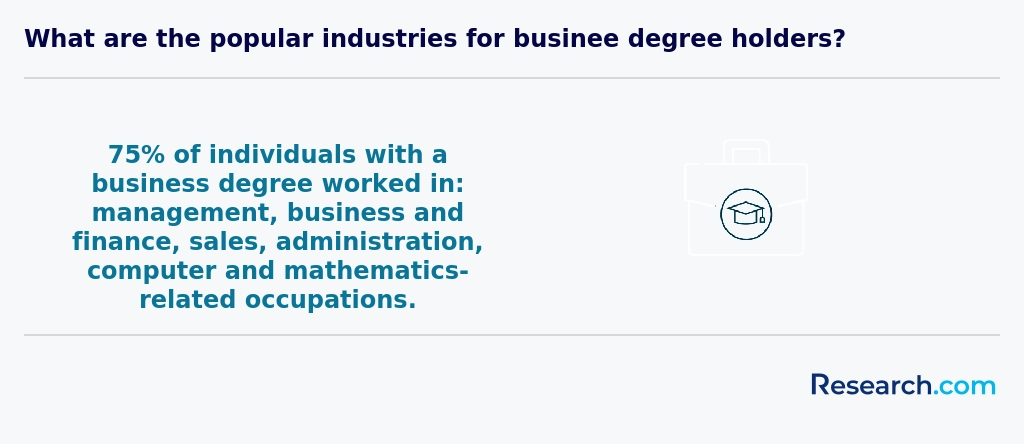
Graduates holding a business degree in Pennsylvania enjoy diverse career opportunities across several dynamic sectors. Many find rewarding roles in finance and accounting, with cities like Philadelphia serving as thriving centers for banking and investment, where alumni secure positions as financial analysts and auditors. Others pursue marketing and sales, often joining companies headquartered in Pittsburgh to drive growth through market research and strategic sales initiatives. Management and human resources roles are also popular, enabling graduates to lead operational teams and develop employee engagement programs in healthcare or manufacturing firms statewide. Consulting represents another prominent path, where business degree holders leverage their skills to optimize efficiency for Pennsylvania-based businesses. Additionally, entrepreneurship flourishes in entrepreneurial hubs such as Pittsburgh, inspiring graduates to launch startups fueled by their education. Those interested in exploring varied programs can consider Inexpensive Online Master's in Business Degree Programs that complement local career aspirations. The breadth of jobs for business graduates in Pennsylvania ensures adaptability and sustained professional growth in a competitive economy.
Business degree job opportunities in Pennsylvania remain promising due to the state's diverse metropolitan hubs such as Philadelphia, Pittsburgh, and Harrisburg. Graduates from well-known institutions report securing roles in finance, marketing, and management with relative ease, thanks to Pennsylvania's concentration of Fortune 500 companies and vibrant small business ecosystems. For example, many graduates from Pennsylvania universities find themselves engaged in operations or consulting roles within Philadelphia's bustling financial sector or Pittsburgh's expanding healthcare and tech industries.
Employment outlook for Pennsylvania business degree holders is characterized by steady growth, with job prospects solidified by strong networking facilitated through local chambers of commerce and professional associations. Entry-level salaries generally start near $50,000, while experienced professionals can expect median wages exceeding $100,000 annually in management positions. These trends reflect stable and attractive career trajectories for business students, especially those attending institutions that emphasize practical experience and offer internship pathways.
Prospective students should also consider exploring cheap one year master's programs online to augment their credentials quickly and enter the workforce with enhanced skills, aligning well with the Pennsylvania business degree employment outlook.
2027 Most Popular Business Degree Programs Ranking in Pennsylvania
Investing in your education is a significant decision that can shape your future, and the Research.com team understands the importance of making informed choices. To assist prospective students in Pennsylvania, we have meticulously crafted the "2027 Most Popular Business Degree Programs Ranking in Pennsylvania." Our commitment to quality, credibility, and accuracy is reflected in the extensive research and analysis conducted to compile this ranking.
We utilized the following reputable data sources to ensure a comprehensive evaluation of business degree programs:
By exploring this ranking, readers will gain valuable insights into the most popular business degree programs in Pennsylvania, empowering them to make well-informed decisions about their education and career paths. For more details on our methodology, please visit our Research.com methodology page.
# 1 position
Pennsylvania State University-Main Campus
Bachelor of Science in Business

# 2 position
Pennsylvania State University-Main Campus
Master of Business Administration
# 3 position
Pennsylvania State University-Main Campus
Doctor of Philosophy in Business

# 6 position
University of Pittsburgh-Pittsburgh Campus
Bachelor of Science in Business Administration


Frequently Asked Questions About business
Business degree students in Pennsylvania can maximize their learning experience by combining classroom knowledge with practical opportunities. Many institutions encourage internships within the state's diverse economy, which includes key sectors like finance, manufacturing, and healthcare. According to the Pennsylvania Department of Labor & Industry, internships can increase employment chances by up to 60% after graduation.
Students should also engage with professional organizations such as the Pennsylvania Business Council or local chapters of national groups like the American Marketing Association. These networks offer valuable events, workshops, and mentorship programs.
Utilizing university resources like career centers and attending business-related seminars broadens understanding of real-world challenges. Pennsylvania's robust small business environment presents chances for project collaborations and case studies, enhancing practical skills essential for success.
Emerging niches within the business field in Pennsylvania reflect broader trends in technology, sustainability, and data analysis. One growing area is business analytics, where professionals learn to interpret big data to improve decision-making. According to the Pennsylvania Department of Labor & Industry, jobs in data analysis are expected to grow by over 20% through 2030.
Another expanding niche is sustainable business practices, aimed at reducing environmental impact while maintaining profitability. Pennsylvania's green economy supports roles focused on corporate social responsibility and environmental management.
Additionally, digital marketing continues to evolve rapidly, driven by the rise of e-commerce and social media. Many Pennsylvania universities now offer specializations to meet this demand.
After completing a business degree in Pennsylvania, preparing for the job market involves a mix of strategic steps. Pennsylvania's diverse economy, including strong sectors like finance, healthcare, and manufacturing, offers varied career opportunities for graduates. According to the Pennsylvania Department of Labor & Industry, the state's business and financial operations occupations are projected to grow by 8% through 2030.
Building practical experience through internships or cooperative education programs offered by many Pennsylvania universities is essential. These opportunities help develop relevant skills and create professional networks.
Additionally, obtaining industry certifications such as Certified Business Manager (CBM) or Project Management Professional (PMP) can enhance a candidate's appeal to employers.
Networking through local organizations like the Pennsylvania Chamber of Business & Industry also supports job placement efforts.
Employers in Pennsylvania highly value practical skills in business degree graduates, focusing on communication, analytical thinking, and technological proficiency. According to the Pennsylvania Department of Labor & Industry, strong data analysis and problem-solving abilities are critical due to the state's growing finance and manufacturing sectors.
Additionally, teamwork and leadership skills are essential, especially as many companies in cities like Philadelphia and Pittsburgh emphasize collaborative environments. Familiarity with business software such as Excel, Tableau, and basic coding can give graduates a competitive edge.
Understanding financial principles and marketing strategies also ranks high, reflecting Pennsylvania's diverse economy where businesses require versatile graduates. Employers increasingly seek adaptability and the ability to apply knowledge in real-world scenarios, according to reports from the National Association of Colleges and Employers.
Finding internships in Pennsylvania for business degree students requires proactive research and networking. Start by exploring university career centers, which often have partnerships with local businesses and provide internship listings tailored to business students. According to the Pennsylvania Department of Labor, sectors like finance, marketing, and management are expanding in metropolitan areas such as Philadelphia and Pittsburgh, increasing internship opportunities.
Online platforms such as Handshake and internships.com list numerous part-time and summer positions relevant to business majors. Additionally, attending local business events and joining student organizations can help in making valuable connections. Remember, well-targeted applications combined with practical experiences boost employability after graduation.
In Pennsylvania, earning a business degree significantly enhances career mobility and advancement opportunities. According to the Pennsylvania Department of Labor & Industry, sectors like finance, management, and marketing are projected to grow by 7% from 2022 to 2032, creating more demand for qualified business professionals. Graduates with business degrees often experience higher starting salaries; for example, the average starting wage for business graduates in Pennsylvania is about $54,000 annually, compared to the state average of $42,000 for all fields.
Business degrees provide critical skills such as leadership, strategic thinking, and financial analysis, which employers highly value across industries. The degree also opens doors to management roles, which tend to offer stronger promotion prospects and salary growth tracks. Furthermore, accredited programs in Pennsylvania frequently partner with local businesses and offer internships, helping students build professional networks essential for career progress. A business degree thus serves as a key lever for professionals seeking upward mobility in Pennsylvania's competitive job market.
Studying for a business degree in Pennsylvania equips students with skills that are essential for interdisciplinary roles. Many Pennsylvania institutions emphasize a curriculum combining core business disciplines with courses in technology, communication, and analytics. This broad approach reflects the actual demands of employers in the state's diverse economy.
According to data from the Pennsylvania Department of Labor and Industry, interdisciplinary skills such as data literacy and project management are highly valued in businesses ranging from finance to manufacturing. Business programs often encourage collaboration across fields like computer science and marketing, preparing graduates for versatile roles.
Additionally, partnerships between Pennsylvania universities and local industries provide practical experiences that foster cross-functional teamwork. This strengthens students' ability to adapt and lead in varied professional environments.
When choosing between a thesis and a non-thesis business degree program in Pennsylvania, consider your career goals and learning preferences. Thesis programs typically focus on research and require students to produce an original study. This path is ideal for those interested in academic careers or advanced research roles.
Non-thesis programs usually emphasize practical skills, often including internships or projects. These are designed for students aiming to enter the workforce quickly or advance in business management positions without a research component.
According to the Pennsylvania Department of Education, approximately 40% of graduate business students prefer non-thesis options due to shorter completion times. Cost and program length can also differ, so weigh these factors carefully before deciding.
Students in Pennsylvania pursuing business degrees often have access to numerous study abroad opportunities through their home universities. Many institutions, such as the University of Pennsylvania and Pennsylvania State University, maintain partnerships with international business schools, allowing students to earn credit while experiencing global markets firsthand.
According to the Institute of International Education, approximately 11% of U.S. business students study abroad, with Pennsylvania universities among the top contributors. Programs commonly focus on regions like Europe and Asia, emphasizing international finance, marketing, and management practices.
Additionally, some Pennsylvania business programs offer semester-long exchanges or faculty-led short-term trips, which provide immersion without disrupting degree progress. These options enable students to develop cross-cultural skills crucial for today's global economy.
Part-time job opportunities in Pennsylvania that complement business degree education often focus on roles that develop practical skills in finance, marketing, and management. Common positions include administrative assistants, sales associates, and bookkeeping clerks. These jobs provide hands-on experience with budgeting, customer relations, and organizational operations.
Pennsylvania's diverse economy, including strong sectors like manufacturing, finance, and healthcare, offers opportunities for business students to engage with local companies. According to the U.S. Bureau of Labor Statistics, business and financial occupations in Pennsylvania are projected to grow 5% through 2032, indicating expanding part-time roles.
Internships and roles in small businesses or startups also help develop entrepreneurship skills vital in the state's growing markets.
Business students in Pennsylvania benefit from strong networking opportunities through universities, professional organizations, and local business communities. Many institutions, like the University of Pennsylvania and Pennsylvania State University, host career fairs and alumni networking events that connect students with industry leaders. According to the Pennsylvania Department of Labor & Industry, the state has over 250,000 business-related jobs, supporting a wide range of internship and mentorship possibilities.
Additionally, students can join professional groups such as the Pennsylvania Business Council and local chapters of national organizations like the American Marketing Association, helping them build valuable contacts early in their careers. Networking events often include workshops, guest speakers, and industry panels that promote relationship-building.
Alumni networks are a significant resource for business degree students in Pennsylvania. These networks connect current students with graduates who have established careers in the region's diverse business sectors. For example, Pennsylvania hosts major industries such as finance, healthcare, and manufacturing, providing ample networking opportunities through alumni contacts.
Through events, mentorship programs, and job referrals, alumni help students gain insights into local job markets. According to the Pennsylvania State System of Higher Education, over 75% of business graduates find jobs within six months, partly due to alumni connections.
These networks also assist students in building professional relationships essential for career advancement and accessing hidden job opportunities.
In Pennsylvania, customizing a business degree program to match career goals is feasible through various academic options. Many universities offer flexible curricula allowing students to select concentrations such as finance, marketing, or supply chain management. For example, Pennsylvania State University provides multiple specialization tracks within its business programs, helping learners target their interests.
Students can also pursue internships or cooperative education placements with local companies, gaining practical experience aligned with their career aspirations. According to the Pennsylvania Department of Labor & Industry, the state's business sector is expected to grow 6.4% by 2030, emphasizing demand in areas like data analytics and management.
Additionally, elective courses and certificate programs in emerging fields, such as digital marketing or entrepreneurship, enhance skill sets and employability. Working professionals can benefit from part-time or online options offered by institutions like Temple University, enabling career advancement while studying.
Business students in Pennsylvania often face challenges balancing rigorous coursework with practical experience. Many programs require internships or projects that demand time and networking skills, which can be difficult to manage alongside academic responsibilities. According to the Pennsylvania Department of Education, about 38% of business students express concerns over finding relevant internship opportunities aligned with their studies.
Another challenge is the rising cost of education. Data from the College Board shows that the average annual tuition fee at Pennsylvania public universities reached nearly $18,000 in 2023, putting financial pressure on students. Additionally, staying updated with rapidly changing business technologies and regulations adds complexity to the learning process.
With a business degree in Pennsylvania, you can pursue several professional certifications that enhance career opportunities. Popular options include the Certified Public Accountant (CPA) for those focused on accounting, recognized nationally and critical for finance roles. The Project Management Professional (PMP) certification is valued in various industries, including Philadelphia's growing tech and healthcare sectors.
The Certified Financial Planner (CFP) is ideal for graduates interested in financial advising, a field expanding steadily in Pennsylvania with over 25,000 professionals statewide according to the Bureau of Labor Statistics (2023). Additionally, the Certified Management Accountant (CMA) certification suits those focused on strategic management and cost control.
When applying to a business program in Pennsylvania, it is essential to present a clear and focused application. Start by showcasing your academic achievements, particularly in relevant courses such as economics, mathematics, and communication. Pennsylvania hosts many accredited institutions, including Pennsylvania State University and the University of Pennsylvania, which highly value a strong GPA and standardized test scores.
Highlight your professional experience or internships, especially those connected to Pennsylvania's significant industries like finance and manufacturing. The state's Department of Labor & Industry reports a growing demand for business graduates in metropolitan areas like Philadelphia and Pittsburgh.
Craft a compelling personal statement emphasizing your career goals and how the program aligns with Pennsylvania's business environment. Incorporate any leadership roles or community involvement to demonstrate well-roundedness.
Letters of recommendation from academics or employers familiar with Pennsylvania's business climate can strengthen your application. Finally, meet all deadlines and provide accurate, complete documentation to avoid delays.
A business career is increasingly viewed through a global lens, reflecting the interconnected nature of today's markets. In Pennsylvania, where export and international trade play significant roles, understanding global business dynamics is essential. According to the Pennsylvania Department of Community and Economic Development, the state ranks among the top 10 US exporters, emphasizing the need for professionals with global business skills.
US business degrees often integrate international case studies, cross-cultural communication, and global market analysis. This prepares graduates to operate in diverse environments and compete worldwide. Such skills are vital due to the rise of multinational corporations headquartered in Pennsylvania, including Comcast and PNC Financial.
Data from the National Association of Colleges and Employers shows that employers increasingly seek candidates with global awareness, highlighting the importance of international internships and language proficiency for Pennsylvania students pursuing business studies.
Students pursuing a business degree in Pennsylvania can gain practical experience through internships, cooperative education (co-op) programs, and participation in business-related clubs. Many universities in Pennsylvania, including Penn State and Temple University, have established strong connections with local industries, offering internships that provide real-world exposure.
According to the Pennsylvania Department of Labor & Industry, internships in the business sector grew by over 15% between 2019 and 2023, reflecting increasing opportunities. Co-op programs allow students to alternate between study and full-time work, often earning academic credit and pay. Additionally, networking events and case competitions hosted by universities provide hands-on project experience.
When choosing a concentration within a business degree program in Pennsylvania, it is important to consider your career goals and local job market trends. Fields like finance, marketing, and healthcare management are prominent due to Pennsylvania's diverse economy and presence of major financial hubs such as Philadelphia and Pittsburgh, according to the Pennsylvania Department of Labor & Industry.
Students should also assess their personal interests and strengths. For example, if you enjoy data analysis, concentrations in business analytics or information systems could be appealing and very relevant in this data-driven economy.
Additionally, exploring Pennsylvania universities' program offerings can help, as some specialize in areas linked closely to the state's growing industries such as manufacturing or healthcare.
- 2027 Most Popular Business Degree Programs Ranking in Delaware
- 2027 Most Popular Business Degree Programs Ranking in Maryland
- 2027 Most Popular Business Degree Programs Ranking in Connecticut
- 2027 Most Popular Business Degree Programs Ranking in Indiana
- 2027 Most Popular Business Degree Programs Ranking in Maine
- 2027 Most Popular Business Degree Programs Ranking in Georgia
- 2027 Most Popular Business Degree Programs Ranking in Illinois
- 2027 Most Popular Business Degree Programs Ranking in Alabama
- 2027 Most Popular Business Degree Programs Ranking in Florida
- 2027 Most Popular Business Degree Programs Ranking in Missouri
See What Experts Have To Say About Studying Business
Read our interview with Business experts

David W. Stewart
Business Expert
Emeritus President's Professor of Marketing
Loyola Marymount University

Ingrid S. Greene
Business Expert
Clinical Assistant Professor of Management
Loyola Marymount University


- Business Administration https://www.commonwealthu.edu/academics/programs/business-administration-bsba-as
- Finding Networking Opportunities as a Student | National Society of High School Scholars https://www.nshss.org/resources/blog/blog-posts/how-to-find-networking-opportunities-as-a-student/
- Online and Traditional Business Degrees Comparison | Free Essay Example https://studycorgi.com/online-and-traditional-business-degrees-comparison/
- 5+1: Five challenges facing business schools and one solution https://charteredabs.org/insights/opinion/51-five-challenges-facing-business-schools-and-one-solution
- A guide to finding an internship https://www.ipag.edu/en/blog/guide-finding-internship
- Career Goals: 17 Inspirational Examples for you in 2026 https://www.imd.org/blog/learning-and-development/career-goals/
- Business Administration Degree Salary | UE Amsterdam https://www.ue-amsterdam.com/blog/business-administration-degree-salary-how-much-can-you-earn
- Enterprise project challenge https://barclayslifeskills.com/help-others/lessons/enterprise-project-challenge/
- How to Write a Statement of Purpose for Business School https://www.statementswritingservices.com/blog/how-to-write-a-statement-of-purpose-for-business-school.html
- 2024 Best Business Schools | How Alumni Rate Their Undergraduate Business Degrees https://poetsandquantsforundergrads.com/news/best-business-schools-alumni-rate-undergraduate-business-degrees/5/