2027 Most Affordable Business Degree Programs Ranking in Ann Arbor

Co-Founder and Chief Data Scientist
Choosing the right business degree can be both exciting and overwhelming, especially in a vibrant city like Ann Arbor. To guide you through this important decision, the Research.com team of data scientists has created the 2027 Most Affordable Business Degree Programs Ranking in Ann Arbor.
This article highlights cost-effective options that balance quality and value, helping you find a program that fits your goals and budget.
Investing in a business degree is a powerful step toward new opportunities and personal growth. Exploring these programs can inspire confidence as you plan your future.
Key benefits of getting business degree in Ann Arbor
- Salary for business degree graduates: Graduates can expect strong earning potential, with roles like Business Analyst averaging $112,950 annually and Business Development Executives earning about $83,190 per year, reflecting rewarding financial opportunities.
- Career paths: A business degree graduate from the University of Michigan in Ann Arbor can pursue diverse careers including business analysis, development, and management, offering flexibility and growth in various industries.
- Online degree benefits: Earning an online business degree from an Ann Arbor institution allows for flexible scheduling and often cost savings, making it easier to balance work, life, and education effectively without sacrificing quality.
- 2027 Most Affordable Business Degree Programs Ranking in Ann Arbor
- What can I expect from business degree in Ann Arbor?
- Where can I work with business degree in Ann Arbor?
What can I expect from business degree in Ann Arbor?
The average cost of earning a business degree in Ann Arbor varies significantly based on residency status and the institution. For in-state students attending the University of Michigan's Ross School of Business, tuition is substantially more affordable due to public university rates, typically ranging around $15,000 to $20,000 per year. Out-of-state students face higher tuition fees, often exceeding $50,000 annually, which reflects the institution's prestigious standing.
Many business graduates recall balancing these costs with scholarships and financial aid, which are readily available and frequently awarded. These financial supports make the investment in education feel more manageable and foster positive student experiences. Graduates often mention how their practical internships and strong alumni network helped justify the expense by securing competitive job offers shortly after graduation.
An Ann Arbor business student's typical scenario involves leveraging university resources to offset costs, such as merit scholarships or work-study programs, while benefiting from a rigorous curriculum and regional industry connections that enhance both learning and career outcomes.
Where can I work with business degree in Ann Arbor?
Graduates with a business degree in Ann Arbor find a wide array of employment opportunities across key local industries. The University of Michigan's strong connection to the city's economy helps many alumni secure roles in administration, project management, and business development within its campus and affiliated organizations. For instance, numerous graduates have reported thriving in administrative roles that leverage both analytical skills and leadership abilities cultivated during their studies.
Financial services employ over 30 companies in Ann Arbor, including banks, insurance firms, and consultancies. These companies seek candidates skilled in accounting, finance, and management, particularly those familiar with modern business technologies. This sector offers stable career paths with growth potential, which graduates often describe as both challenging and rewarding.
Technology firms, including major players like Duo Security and Barracuda Networks, actively hire graduates for business analytics, product management, and marketing roles, blending business acumen with technical expertise. About 15% of local jobs are in IT, providing dynamic environments that many graduates find inspiring and innovative.
The healthcare sector, represented by large institutions such as Michigan Medicine, accounts for over 20% of employment and offers positions in operations, finance, and human resources. Graduates frequently mention the gratification from working in environments focused on community well-being. Additionally, educational and non-profit organizations provide diverse management roles, further broadening career possibilities. Manufacturing companies also seek business professionals for logistics and strategic roles, rounding out Ann Arbor's robust job market for business graduates.
Graduates with a business degree in Ann Arbor can anticipate promising salary prospects tied to the city's dynamic economy and strong university connections. For instance, business development executives typically earn a mean annual wage of around $83,190, reflecting solid entry to mid-level compensation.
Business analysts, a common role for local graduates especially those connected with the University of Michigan's Ross School of Business, command an average annual salary of $112,950. This positions them well above many national averages and highlights the premium employers place on local expertise combined with a Ross degree.
These salary figures illustrate realistic outcomes for Ann Arbor business graduates navigating careers in sectors such as automotive, technology, and finance, where employers offer competitive pay and value hands-on experience gained through university-industry partnerships. Recent alumni often share enthusiasm about how their education translated into lucrative roles, benefiting from the city's diversified market and strong professional networks.
- Ann Arbor is home to the University of Michigan's Ross School of Business, ranked among the top business schools nationwide.
- In-state undergraduate tuition at the University of Michigan is about $18,500 per year, while out-of-state students pay around $55,000 annually.
- Entry-level business graduates in Ann Arbor earn between $55,000 and $65,000 per year, with median salaries reaching $90,000 or more after 5 to 10 years.
- Key industries for business graduates include finance, consulting, technology management, healthcare administration, and automotive.
- The local job market is strong with low unemployment and plentiful networking and internship opportunities through universities and business groups.
Completing a business degree in Ann Arbor most commonly takes four years for full-time undergraduates, such as those attending the University of Michigan's Ross School of Business. These graduates often describe the journey as challenging but rewarding, with the first two years building foundational knowledge and the latter half focusing on specialized business topics. For students balancing jobs or other commitments, it's common to take five or more years, reflecting a flexible approach to achieving their goal without compromising work-life balance.
Graduate students pursuing an MBA in Ann Arbor typically invest about two years in full-time study. Many appreciate the intense, immersive experience that prepares them for leadership roles. Part-time or executive MBA options extend from two to three years, catering well to working professionals seeking advancement without pausing their careers.
Certificate programs, on the other hand, can be completed in less than a year and provide valuable skill boosts for those wanting quick specialization or continued education alongside degrees.
Choosing an accredited business degree program in Ann Arbor, MI, is vital for guaranteeing rigorous academic standards, smooth credit transfers, and strong employer recognition. The three primary accrediting bodies to look for are:
- AACSB (Association to Advance Collegiate Schools of Business): Widely regarded as the gold standard, AACSB accreditation signifies excellence in faculty research, curriculum relevance, and continuous improvement. Graduates from AACSB-accredited programs often enjoy higher starting salaries and enhanced networking opportunities.
- ACBSP (Accreditation Council for Business Schools and Programs): Emphasizing teaching excellence and student outcomes, ACBSP-accredited schools demonstrate a strong commitment to practical skills and experiential learning-ideal for students seeking hands-on projects and internships in local enterprises.
- IACBE (International Accreditation Council for Business Education): Focused on outcomes assessment, IACBE accreditation ensures that programs maintain clear objectives, measurable results, and a student-centered approach, making it easier to assess ROI and career alignment. When evaluating program quality, prospective students should: 1. Verify accreditation status on the U.S. Department of Education’s database. 2. Review faculty qualifications-look for professors with industry experience and peer-reviewed publications. 3. Compare program curricula to ensure coverage of core competencies such as financial analysis, strategic management, and data analytics. 4. Assess partnerships with local businesses and internship placement rates. For applicants balancing cost and quality, consider comparing accredited online offerings through our Cheapest Online Business Degree Programs Ranking in Michigan, which highlights programs that meet both affordability and accreditation criteria. By prioritizing accreditation and program quality, students can maximize their educational investment and bolster their long-term career prospects.
On-campus business degrees in Ann Arbor, especially at institutions like the University of Michigan's Ross School of Business, provide immersive learning through face-to-face interaction with professors and peers. Graduates often highlight benefits such as direct networking opportunities, collaboration on projects, and participating in campus events like guest lectures and student organizations. These experiences create a vibrant academic community that supports career growth.
Conversely, online business programs cater to students needing flexibility, such as working professionals or those with family commitments. They offer remote access to lectures and assignments through digital platforms, mirroring traditional curricula while requiring strong self-discipline and time management. Research indicates that over 30% of U.S. higher education students take at least one online course, reflecting growing acceptance of this format among Ann Arbor residents.
Tuition costs differ as well; in-state public university tuition averages $11,000 annually, while online programs may be more affordable due to reduced facility expenses. However, some on-campus degrees charge premium rates justified by enhanced reputational and networking advantages that can impact post-graduation salaries in the competitive Ann Arbor business market.
When evaluating the true value of affordable business degree programs in Ann Arbor, MI, prospective students should consider the balance between total program cost and expected earnings. On average, bachelor’s degree holders in business management graduate with debt ranging from $20,000 to $30,000, depending on public versus private institution choice and available aid. However, early-career salaries for roles like Project Manager ($80,220) and Business Analyst ($108,790) often enable graduates to recoup tuition within three to five years. Calculating net ROI involves subtracting estimated debt service from post-tax income. For example, assuming a $25,000 loan at a 5% interest rate over ten years, monthly payments of $265 translate to annual debt service of $3,180. When paired with an entry-level salary of $65,000, the remaining discretionary income can cover living expenses while allowing for continued professional development. Factors that enhance ROI include:
- Grant and scholarship utilization, which can reduce debt by 30–50%.
- High-demand specializations (e.g., Data Analytics, Finance) commanding 10–20% higher starting salaries.
- Accelerated pathways, such as one year online mba programs, that minimize tuition and lost income by compressing graduate study into twelve months. By modeling these variables, students can identify affordable programs that align with both budget constraints and long-term career goals, ensuring a financially sound investment in their future.
The average total cost for obtaining a business degree in Ann Arbor is around $77,432, with in-state students typically paying about $17,736. This reflects the fees at prominent institutions such as the University of Michigan, where business students benefit from strong programs like those offered by the Ross School of Business. Graduates often recall balancing tuition expenses with other living costs, noting that the investment in this City's education opens doors to valuable career opportunities and a rewarding student experience.
For students seeking affordable business degree programs Ann Arbor offers options beyond flagship universities, although the University of Michigan remains the primary benchmark due to its reputation and resources. Many students find that financial aid, scholarships, and assistantships make the financial commitment more manageable, helping bridge the gap between cost and the quality of education pursued here.
Living expenses also contribute significantly to the overall cost. Housing and meal plans near campus generally range from $11,000 to $13,000 yearly, while books and supplies add an additional $1,200. These tangible expenses, paired with tuition, create a realistic view of total investment for prospective business students considering Ann Arbor.
Individuals interested in comparing cost structures can explore the cheapest business schools in Michigan for alternatives that might better fit their budgets while still offering quality education within the state.
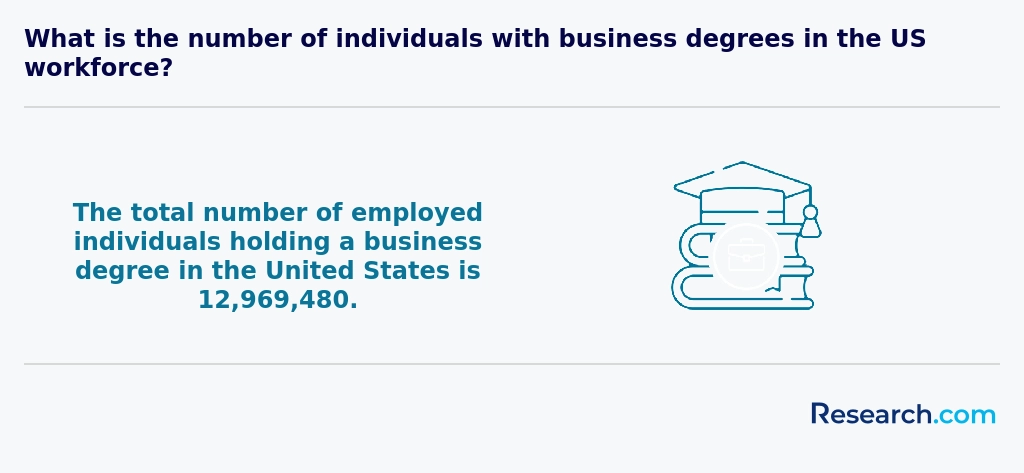
Living and learning in Ann Arbor extends well beyond classroom lectures and internship opportunities. Prospective students will benefit from exploring the vibrant campus culture, diverse extracurricular activities, and robust support services available at local institutions. Many universities here pride themselves on fostering tight-knit communities where academic rigor is balanced with social engagement-ranging from student-led clubs and mentorship programs to extensive career counseling and wellness centers that help ease the transition to university life. These elements create an environment in which students not only excel academically but also build lasting relationships and acquire practical life skills. Additionally, gaining insights into the overall student experience can be crucial when weighing educational options; for instance, a well-informed Business Degree program review often incorporates details about campus housing, on-site networking events, and dedicated career placement services that collaborate with industry partners. This comprehensive view of campus life and support systems empowers prospective students to make confident decisions about their educational journey in Ann Arbor.
Business students in Ann Arbor typically access a mix of federal, state, and institutional financial aid to manage tuition costs, which range roughly from $15,000 to $30,000 annually for in-state attendees. Federal Pell Grants provide need-based, no-repayment scholarships that many students from the University of Michigan's Ross School of Business find invaluable in lessening their debt burden. Similarly, federal student loans with low-interest rates and flexible repayment options help graduates enter the workforce without overwhelming financial stress.
State-level support, such as the Michigan Competitive Scholarship, rewards academic excellence and benefits numerous Ann Arbor residents pursuing undergraduate business studies. Within campus walls, Ross School's merit-based scholarships reflect a commitment to high-achieving students and inspire a culture of academic ambition.
Local scholarships and business foundation grants supplement these funds, offering real relief that students often describe as empowering during tight budgeting phases. Additionally, paid work-study roles and internships with Ann Arbor businesses provide both income and practical experience, boosting career readiness alongside financial stability. Financial aid counseling on campus ensures students maximize all opportunities available to them.
To enroll in a business degree program in Ann Arbor, applicants must first present a high school diploma or equivalent. Most undergraduate programs, including those at the University of Michigan's Ross School of Business, favor candidates with a strong GPA, typically above 3.0 on a 4.0 scale. Standardized tests like the SAT or ACT remain crucial; for example, admitted freshmen at the University of Michigan report middle 50% ACT scores between 32 and 35. These scores reflect the rigor expected and reassure applicants of their readiness for demanding coursework.
Graduate business degrees add further layers, requiring a bachelor's degree, competitive GMAT or GRE scores, and professional experience spanning two to five years. Ross MBA applicants often share stories of how leadership projects or work roles prepared them for challenges ahead, emphasizing both academic and practical skills.
Admission is holistic-letters of recommendation, personal statements, and résumés help showcase communication and teamwork strengths. Graduates recall the confidence gained submitting these materials, which allowed them to express motivation beyond numbers and grades.
When considering business education options in Ann Arbor, MI, one of the pivotal factors is affordability. Aspiring business professionals often find themselves at a crossroads, weighing the costs of their education against the potential benefits. To navigate this challenge, it's essential to explore the most affordable business schools in the area. By examining the cheapest business schools in Michigan, you can gain a deeper understanding of the educational landscape and make informed decisions about your future. This includes evaluating factors such as tuition rates, financial aid opportunities, and the potential return on investment for your degree.
Business degree programs in Ann Arbor commonly include a comprehensive set of courses designed to build essential management and analytical skills. Graduates from local institutions like the University of Michigan frequently highlight core classes such as Principles of Management, Financial Accounting and Reporting, and Marketing Fundamentals as foundational to their success. These courses equip students to navigate real-world business challenges, from budgeting to market analysis.
Other typical courses include Business Statistics and Data Analysis, which help students develop quantitative skills crucial for data-driven decision-making. Business Finance and Operations Management classes provide practical insights into managing resources effectively and optimizing business processes.
Many students appreciate taking Microeconomics and Macroeconomics to understand market forces and economic policies affecting businesses. Ethical leadership is emphasized through Business Ethics and Corporate Social Responsibility courses, reflecting Ann Arbor's commitment to teaching responsible business practices.
Local graduates often share that electives like entrepreneurship and digital marketing enable them to personalize their learning experience while preparing for dynamic industry roles in and beyond Ann Arbor.
Business degree specializations in Ann Arbor cover a range of focused fields that align closely with the city's economic landscape. Students in programs at institutions like the University of Michigan Ross School often choose Finance, which emphasizes investment strategies and financial analysis-fields where graduates report strong starting salaries exceeding $70,000 nationally. Marketing remains a popular path too, training students in brand management and digital techniques critical for businesses aiming to expand their consumer base.
Supply Chain Management is particularly relevant in Ann Arbor due to its proximity to Detroit's automotive industry, offering practical opportunities in operations and logistics. Business Analytics attracts students eager to master data interpretation and predictive modeling, skills increasingly sought after in today's market. Lastly, Entrepreneurship courses support those inspired to launch startups or engage in innovation financing, reflecting a vibrant local startup ecosystem.
Students seeking affordable business degree programs Ann Arbor can benefit from scholarships and financial support at public universities. For those exploring these options, the Business Degree pathways offer tailored specializations that address both local industry needs and national trends.
Choosing the best business degree in Ann Arbor requires a close look at accreditation and program quality. The Ross School of Business at the University of Michigan is AACSB-accredited, a key factor signaling rigorous academic standards. Graduates from this program often report strong post-graduation success, with average starting salaries exceeding $85,000 and job placements in consulting, technology, and finance sectors. This data highlights why many students prefer the best business schools Ann Arbor has to offer.
Cost considerations are essential, especially for those seeking affordable business degrees Ann Arbor offers. Public universities charge around $16,000 annually for in-state tuition, but out-of-state and private program costs are substantially higher. Living expenses in Ann Arbor run about 12% above the national average, impacting the total financial commitment.
Students should prioritize programs with specializations aligned to career goals, such as finance or entrepreneurship. Experiential learning through local internships enhances readiness. For greater flexibility, exploring one year online mba programs can provide alternatives suited to busy schedules.
Graduates with a business degree in Ann Arbor find diverse career paths driven by the city's strong economic environment. Popular industries include finance, marketing, management, and entrepreneurship, supported by major local institutions like the University of Michigan. Business students from this university often secure roles in technology firms such as Duo Security and Barracuda Networks, engaging in business development and sales strategy. These experiences highlight the promising job prospects and professional growth opportunities for those pursuing a business degree in Ann Arbor.
Ann Arbor's healthcare sector, anchored by the University of Michigan Health System, offers business graduates roles in healthcare administration and hospital management. Approximately 30,000 people worked in this sector in Washtenaw County in 2023, reflecting high demand. Additionally, graduates find opportunities in financial services supported by regional banks, with median financial analyst wages nationally at $87,660 in 2023 and a projected 6% growth over the next decade.
Entrepreneurship thrives in Ann Arbor's vibrant startup ecosystem, bolstered by incubator programs at popular colleges. Many graduates leverage their education to launch startups or join early-stage companies, enhancing job prospects. Those considering costs can explore competitive tuition ranges through programs listed in the Cheapest Online Business Degree Programs Ranking in Michigan, which aid in making informed educational investments.
The business degree job outlook Ann Arbor graduates face is characterized by a dynamic and expanding job market supported by a diverse economy. Many graduates from the University of Michigan experience firsthand how internship opportunities and the university's alumni network facilitate entry into firms specializing in finance, technology, healthcare, and manufacturing. Entry-level salaries in these sectors typically range from $57,000 to $75,000 annually, reflecting competitive compensation paired with Ann Arbor's moderate cost of living.
Ann Arbor business degree employment opportunities are abundant in thriving fields such as software services and professional consultancy, where startups and Fortune 500 companies actively recruit. Graduates often find roles in financial analysis, product management, and healthcare operations, translating classroom knowledge into rewarding careers. This variety allows students to align their professional ambitions with sectors promising growth.
For students aiming to enhance their marketability, complementing a business degree with credentials linked to certificate jobs that pay well can be a strategic move, supported by local employers who value practical skills alongside academic achievement.
2027 Most Affordable Business Degree Programs Ranking in Ann Arbor
Investing in your education is a significant decision that can shape your future, and the Research.com team understands the importance of making informed choices. To assist prospective students in Ann Arbor, we have carefully developed the "2027 Most Affordable Business Degree Programs Ranking in Ann Arbor." Our dedication to quality, credibility, and accuracy is demonstrated through thorough research and rigorous analysis behind this ranking.
We utilized the following reputable data sources to ensure a comprehensive evaluation of business degree programs:
By exploring this ranking, readers will gain valuable insights into the most affordable business degree programs available in Ann Arbor, enabling them to make well-informed decisions about their educational investment. For more details on our methodology, please visit our Research.com methodology page.


Frequently Asked Questions About business
Business degree students in Ann Arbor can maximize their learning by actively engaging with the city's vibrant business community. Ann Arbor is home to numerous startups and established companies, offering valuable internship and networking opportunities. According to the Ann Arbor SPARK 2023 report, internships in local businesses increase job placement rates by 20% for recent graduates.
Students should also take advantage of experiential learning programs at universities such as the University of Michigan, which consistently ranks among the top business schools nationally. Participating in case competitions and consulting projects helps apply theory to real-world challenges.
Moreover, joining student organizations and attending local business conferences enhances leadership and communication skills essential for career success.
Emerging niches within the business field reflect rapid changes in technology and evolving market demands. In Ann Arbor, areas like data analytics and sustainable business practices are gaining particular attention. According to the University of Michigan's Ross School of Business, demand for skills in data-driven decision-making is growing by over 15% annually.
Another key niche is digital marketing, where businesses seek experts skilled in social media, SEO, and content strategy. This aligns with local trends, as Ann Arbor hosts many startups needing these capabilities. Additionally, corporate social responsibility and ethical leadership are increasingly important, reflecting national shifts toward sustainable business models.
Finance professionals specializing in fintech also represent a promising niche. The city's expanding tech ecosystem offers various opportunities for those focusing on blockchain and digital payment systems. Overall, these emerging fields provide strong prospects for students pursuing business degrees in Ann Arbor.
Graduates with a business degree in Ann Arbor can enhance their job prospects by leveraging local resources and networking opportunities. The city's strong economy, driven by technology, healthcare, and education sectors, offers diverse employment options. Ann Arbor's close ties to the University of Michigan provide access to career fairs, internships, and employer connections. According to the Michigan Department of Labor, the professional and business services sector grew by 4.3% in 2023, highlighting increased hiring potential.
Building practical experience through internships or cooperative education programs is essential. Students should also develop skills in data analytics, communication, and digital marketing, which are highly valued by employers in the region. Joining professional organizations, such as the Ann Arbor Business Association, can further aid in building a local network.
Finally, focusing on certifications such as Project Management Professional (PMP) or Certified Business Analysis Professional (CBAP) enhances employability. Continuous learning and adaptability remain key to navigating the evolving job market in Ann Arbor's competitive business landscape.
Employers in Ann Arbor highly value business degree graduates who demonstrate strong analytical and communication skills. According to the Ann Arbor Area Chamber of Commerce, over 70% of local companies prioritize candidates with proficiency in data analysis and financial literacy. Moreover, leadership and teamwork abilities rank among the top sought-after skills, reflecting the collaborative nature of many business environments in the region.
Adaptability is also crucial, given Ann Arbor's dynamic economy led by technology and healthcare sectors. Graduates who can navigate changing market conditions and apply strategic thinking are in demand. Additionally, proficiency with tools like Excel, Salesforce, and other business software enhances employability, with a survey by the Michigan Economic Development Corporation confirming these as common employer requirements.
Finding internships in Ann Arbor relevant to a business degree involves several practical steps. Start by exploring resources at the University of Michigan's Ross School of Business, which offers a dedicated Career Center that connects students with local companies. According to the Career Center's 2023 report, over 70% of Ross students secure internships before graduation.
Networking is crucial in Ann Arbor's business community. Attending local events hosted by groups like the Ann Arbor Area Chamber of Commerce can provide valuable contacts. Online platforms such as Handshake and LinkedIn are also widely used by local employers to post internship opportunities.
Additionally, businesses in Ann Arbor often partner with universities for internship programs, ranging across finance, marketing, and consulting fields. Leveraging these partnerships can increase your chances of finding a suitable placement.
A business degree in Ann Arbor significantly enhances career mobility and advancement opportunities. The city's diverse economy, anchored by industries such as automotive, technology, and healthcare, values candidates with strong business acumen. According to the University of Michigan's Ross School of Business employment reports, over 90% of business graduates find roles within six months, often with starting salaries above the national average.
Employers in Ann Arbor frequently seek graduates with skills in management, finance, and marketing, which a business degree provides. This credential enables professionals to transition across sectors and pursue leadership positions more rapidly than those without formal business education.
Networking through local business incubators and alumni associations further supports career growth, making the degree a practical tool in Ann Arbor's competitive job market.
Studying for a business degree in Ann Arbor offers students a strong interdisciplinary foundation, essential for today's complex job market. Programs often integrate courses from economics, technology, and social sciences, enabling students to develop versatile skills. For example, the University of Michigan's Ross School of Business encourages collaboration across its engineering and information departments, reflecting the city's tech-driven economy. This approach prepares graduates for roles that require both business acumen and technical expertise.
Ann Arbor's growing startup ecosystem and presence of major companies provide practical learning opportunities. Internships and projects allow students to apply knowledge across fields like data analytics, marketing, and operations management. According to the Ann Arbor SPARK economic report, diverse industry demand supports interdisciplinary graduates, enhancing employability in roles requiring broad skill sets.
Choosing between a thesis and a non-thesis business degree program in Ann Arbor involves assessing your career goals and learning preferences. Thesis programs focus on research and typically require students to produce a significant written project, which is ideal for those considering doctoral studies or careers in academia or research. Non-thesis programs often emphasize practical skills and coursework, appealing to professionals aiming to enter or advance in industry roles quickly.
In Ann Arbor, where prominent institutions like the University of Michigan offer both options, students should consider that thesis tracks may take longer to complete. The Ann Arbor area's strong corporate presence often values practical experience, which non-thesis programs may better provide. According to U.S. Department of Education data, thesis degrees in business are pursued by less than 30% of master's students nationally, reflecting this preference.
Students based in Ann Arbor interested in studying business abroad have several options through local universities' exchange programs and partnerships. The University of Michigan's Ross School of Business offers international study opportunities in over 30 countries, including semester-long programs in Europe, Asia, and Latin America. These programs allow Ann Arbor students to earn credits toward their degree while gaining global business insights.
Beyond Ross, other institutions in Ann Arbor collaborate with global partners to facilitate summer study and internships abroad. The Midwest is strong in international business education, with programs designed to provide practical experience alongside academic study. According to the University of Michigan, over 20% of business students participate in some form of international study before graduation.
Ann Arbor offers a variety of part-time job opportunities that align well with business degree studies. Popular options include internships and assistant roles at local startups, which allow students to gain hands-on experience in marketing, finance, and project management. The city's strong startup ecosystem, supported by organizations like Ann Arbor SPARK, fosters these roles. Retail management positions in Ann Arbor's vibrant retail sector also provide practical skills in customer service and operations.
University of Michigan students often find campus jobs related to business administration and event coordination. According to the Ann Arbor Area Chamber of Commerce, such jobs can enhance leadership and organizational skills critical for business careers.
Ann Arbor is a vibrant hub for business students seeking meaningful networking opportunities. The University of Michigan's Ross School of Business plays a central role, hosting over 400 student clubs and professional organizations, many focused on entrepreneurship, finance, and marketing.
Local events like the Ann Arbor SPARK business accelerator foster connections between students and over 400 startups, offering hands-on experience and mentorship. Additionally, the city benefits from proximity to Detroit, expanding access to industry leaders and internships.
Annual career fairs attract more than 200 companies, providing students direct access to recruiters. Data from the Michigan Economic Development Corporation highlights steady growth in professional services locally, enhancing prospects for network-building within the community.
Alumni networks provide significant advantages for business degree students in Ann Arbor. Graduates from local universities, including the University of Michigan's Ross School of Business, have access to a wide-ranging network of professionals across various industries. These connections often lead to internships, mentorship opportunities, and job placements.
According to the University of Michigan Alumni Association, over 600,000 alumni remain active worldwide, with a dense concentration in Michigan, particularly in Detroit and Ann Arbor. This local network helps students gain industry insights and build relationships with business leaders.
Strong alumni ties can enhance career readiness by offering workshops, networking events, and recruitment fairs tailored specifically for business students.
In Ann Arbor, customizing a business degree involves selecting electives and concentrations aligned with your career goals. Many universities, including the University of Michigan, offer options such as finance, marketing, entrepreneurship, and supply chain management. This flexibility helps students tailor their skills to local industries.
Internships play a crucial role in customization; Ann Arbor's robust business community offers opportunities to gain practical experience. For example, companies in the automotive and tech sectors frequently recruit business students.
Additionally, students can engage in experiential learning through case competitions, leadership programs, or research projects that enhance specialized knowledge. According to the University of Michigan's Ross School of Business, 90% of graduates secure jobs within three months, reflecting successful alignment of education with career objectives.
Business students in Ann Arbor often face significant academic and financial challenges. The rigorous coursework demanded by top institutions, like the University of Michigan's Ross School of Business, requires strong quantitative and analytical skills. Many students report difficulties balancing classwork with internships and networking efforts, crucial for future employment.
Financially, Ann Arbor's cost of living is higher than the national average, which can strain students budgeting for housing, transportation, and materials. According to data from the University of Michigan's Office of Budget and Planning, the average annual expenses can exceed $30,000 including tuition and living costs.
Additionally, competition for internships in Ann Arbor's growing business hubs is intense, making practical experience challenging to secure. Time management and stress are commonly cited issues among business students navigating these demands.
A business degree from Ann Arbor can open doors to various professional certifications that boost career prospects. Common options include the Certified Public Accountant (CPA) for those interested in accounting, and the Project Management Professional (PMP) for project management roles. Both are highly respected in the US job market.
Additionally, the Certified Financial Planner (CFP) is ideal for graduates focusing on financial advising. The Certified Business Analysis Professional (CBAP) suits those aiming at business analysis careers. Local employers in Ann Arbor, including automotive and tech sectors, value these credentials highly.
According to the University of Michigan's School of Business, these certifications complement academic knowledge with practical skills, increasing employability.
Writing a winning application for a business program in Ann Arbor requires attention to both academic credentials and personal presentation. The University of Michigan, a leading institution in Ann Arbor, emphasizes strong undergraduate GPA, relevant coursework, and clear career goals. Business programs often look for applicants with demonstrated leadership and practical experience, so including internships or volunteer work in business-related roles can strengthen your case.
Essays should be focused and reflect genuine motivation for pursuing business studies in Ann Arbor's vibrant economic environment. According to the 2023 U.S. News & World Report, programs in Ann Arbor value concise, well-structured statements that clearly align with the applicant's career aspirations.
Additionally, letters of recommendation from professionals familiar with your skills in business contexts add credibility. Attention to detail in completing application forms and meeting deadlines is crucial, since competitive programs often have acceptance rates below 25%.
Global perspectives on a business career emphasize the growing importance of cross-cultural skills and international market understanding. For students in Ann Arbor pursuing business degrees, this means gaining knowledge that extends beyond local or national business practices. Many U.S. programs, including those around Ann Arbor, integrate global case studies, preparing graduates for an interconnected world economy.
According to the U.S. Bureau of Labor Statistics, global business roles are expected to grow 7% between 2022 and 2032, reflecting increased demand for professionals with international expertise. Ann Arbor's proximity to multinational corporations offers students unique internship and networking opportunities to develop these competencies.
Additionally, business programs often stress language skills and international regulations, helping graduates succeed abroad or in diverse domestic markets. This global focus enhances career flexibility and opens doors in sectors like finance, marketing, and supply chain management.
Gaining practical experience while studying for a business degree in Ann Arbor is essential for building a strong professional foundation. Many universities offer internship programs that connect students with local companies, including major employers like Domino's and Toyota, both having headquarters or operations in the area.
Ann Arbor's vibrant startup scene offers opportunities for students to engage with innovative businesses through on-campus incubators or networking events. Additionally, cooperative education (co-op) programs allow students to alternate between classroom learning and paid work terms in relevant industries.
Students often participate in case competitions and consulting projects, enabling hands-on problem solving with real clients. According to the University of Michigan's Ross School of Business, nearly 80% of undergraduates complete internships before graduation, significantly enhancing their employment prospects.
Choosing the right concentration within a business degree program in Ann Arbor involves assessing your career goals and interests alongside local market demands. Popular concentrations include finance, marketing, management, and entrepreneurship, reflecting the region's diverse economy.
Ann Arbor is home to major employers such as the University of Michigan and tech startups, which influence demand for skills in data analytics and technology management. According to the Ann Arbor SPARK report, jobs in these areas have grown by over 10% in recent years.
Consider how each concentration aligns with your strengths and the types of companies you aim to work for. Additionally, researching course offerings, internships, and networking opportunities in Ann Arbor can provide practical insights before deciding.
- 2027 Most Affordable Business Degree Programs Ranking in Fort Wayne
- 2027 Most Affordable Business Degree Programs Ranking in Chicago
- 2027 Most Affordable Business Degree Programs Ranking in West Lafayette
- 2027 Most Affordable Business Degree Programs Ranking in Kenosha
- 2027 Most Affordable Business Degree Programs Ranking in River Forest
- 2027 Most Affordable Business Degree Programs Ranking in Indianapolis
- 2027 Most Affordable Business Degree Programs Ranking in Milwaukee
- 2027 Most Affordable Business Degree Programs Ranking in Madison
- 2027 Most Affordable Business Degree Programs Ranking in Louisville
- 2027 Most Affordable Business Degree Programs Ranking in Dubuque
See What Experts Have To Say About Studying Business
Read our interview with Business experts

David W. Stewart
Business Expert
Emeritus President's Professor of Marketing
Loyola Marymount University


Ingrid S. Greene
Business Expert
Clinical Assistant Professor of Management
Loyola Marymount University

- How to Write the Perfect Cover Letter – EU Business School https://www.euruni.edu/blog/write-perfect-cover-letter/
- A guide to finding an internship https://www.ipag.edu/en/blog/guide-finding-internship
- How to Identify Profitable Business Niches: A Guide for ... https://www.invoiceonline.com/the-entrepreneur-s-handbook/entrepreneurship/business-strategy/how-to-identify-profitable-business-niches-97365
- Enterprise project challenge https://barclayslifeskills.com/help-others/lessons/enterprise-project-challenge/
- Global careers, real impact: building your career with an international business degree | University of East London https://www.uel.ac.uk/blog/global-careers-real-impact-building-your-career-international-business-degree
- Top 10 Skills Employers Seek in Business Graduates in 2026 https://www.ibat.ie/blogs/top-10-skills-employers-seek-in-business-graduates-in-2026
- Business Administration Degree Salary | UE Amsterdam https://www.ue-amsterdam.com/blog/business-administration-degree-salary-how-much-can-you-earn
- Know more about thesis vs non- thesis: what is the difference? https://studyfans.com/en/blogs/816
- A 2016 Global Perspective on Business and Career Planning https://careerproinc.com/blogging/a-2016-global-perspective-on-business-and-career
- Online Degree vs. Traditional: Choosing the Right Path https://beal.edu/online-degree-vs-traditional/