2027 Most Affordable Business Degree Programs Ranking in University

Co-Founder and Chief Data Scientist
Choosing the right business degree program can feel overwhelming, especially when budget is a big factor. Our 2027 Most Affordable Business Degree Programs Ranking in University, created by the Research.com team of data scientists, is here to guide you through the options.
This article will help you identify quality programs that won't break the bank, making it easier to invest in your future confidently.
Getting a business degree can open doors to exciting careers and personal growth-this ranking is designed to support your journey toward success.
Key benefits of getting business degree in University
- Salary benefits: Business degree graduates often secure well-paying roles, such as Business Development Executives earning a mean annual wage of $83,190 and Business Analysts making around $112,950 annually, highlighting strong financial prospects.
- Career paths: Graduates from popular universities can explore diverse fields like marketing, finance, and management, offering exciting opportunities to grow and specialize based on individual interests and skills.
- Online degree advantages: Completing a business degree online from a renowned university provides flexibility and convenience, allowing students to balance work and study while gaining the same valuable knowledge as traditional programs.
- 2027 Most Affordable Business Degree Programs Ranking in University
- What can I expect from business degree in University?
- Where can I work with business degree in University?
What can I expect from business degree in University?
The average cost of earning a business degree at a university in the US can vary widely, but many students attending popular business schools in University often face tuition ranging from $10,000 to $30,000 per year, depending on whether they enroll in public or private institutions. Graduates from well-known colleges in University reflect on balancing this investment with valuable experiences like internships and networking opportunities, which greatly enhance their career prospects.
Thinking about the total cost means considering not just tuition, but also fees, books, and living expenses. Many find that scholarships, grants, and work-study programs make a real difference. For example, some students at top University business schools leverage cooperative education programs that blend classroom theory with paid work, easing financial pressure while building a resume.
Remember, the true value comes from applying what you learn in classes on management, finance, and marketing directly to real-world challenges. The cost is an investment toward skills that can open doors to jobs with median salaries well above the national average, making the effort deeply rewarding.
Where can I work with business degree in University?
Graduates from business programs at universities like the University of Washington and Ohio State often step into vibrant roles such as financial analysts, marketing coordinators, or sales managers. Imagine working in Seattle's bustling tech hubs, analyzing market trends to help a startup thrive - this is the real-world impact of your business degree. These roles not only offer competitive salaries but foster dynamic work environments where your problem-solving skills shine.
Many alumni find themselves thriving as operations or project managers in places like Chicago's corporate offices. They draw on leadership and communication skills honed during their studies to guide teams and streamline processes. Picture collaborating with colleagues to launch innovative projects that shape company futures - this hands-on experience is invaluable.
Business graduates also embrace entrepreneurship, crafting their own ventures or joining startups in cities like Austin. University programs equip them with strategies for launching businesses, enabling them to turn ideas into reality. The excitement of building something from scratch reflects the true versatility and empowerment a business degree offers.
Graduates from business programs at well-regarded universities across the United States often find encouraging salary prospects right after completing their degrees. For instance, a business development executive with a solid degree can expect a mean annual wage of about $83,190.
Some graduates from top business schools in University, who step into roles such as business analysts, enjoy even higher earnings, with mean salaries around $112,950 per year. These figures reflect the value employers place on the skills and knowledge gained through rigorous academic training combined with real-world internships.
Consider the experience of graduates from competitive colleges in metropolitan hubs, where internship opportunities at reputable firms boost confidence and salary offers. It's common for these graduates to step into the workforce with a strong salary foundation, opening doors to impressive career growth.
Keep in mind, your earning potential is shaped not only by the degree but also by proactive engagement in internships and choosing specializations aligned with market demand. With dedication and strategic choices, a business degree can truly become a gateway to a rewarding and financially secure career.
- Average cost for a four-year business degree ranges from $25,000 to over $100,000 depending on whether the institution is public or private.
- Popular business majors include finance, marketing, management, and accounting, offering diverse career paths.
- Median starting salary for business graduates is around $55,000 annually, with experienced professionals earning between $75,000 and over $100,000.
- The business job market is projected to grow about 7% over the next decade, matching the overall national job growth rate.
- Internships and cooperative education programs are important for gaining experience and improving job prospects.
Completing a business degree at a university usually takes about four years for full-time students, a timeline many graduates from top schools like the University of Michigan or the University of Texas at Austin are familiar with. This period covers around 120 to 130 credit hours, where students dive into essential subjects such as accounting, marketing, and management. Imagine yourself navigating this journey, surrounded by motivated peers, tackling projects, and building connections that will last a lifetime.
For those balancing work or other responsibilities, part-time study can extend this to five or six years, just like many students at institutions like Boston University or Indiana University have experienced. These students often find a rewarding rhythm, blending practical life skills with their academic progress.
Graduate business degrees add more flexibility: a full-time MBA often takes two years, while doctoral candidates invest four to six years in deep research. Remember, the time you spend reflects the depth and value of your knowledge gained, preparing you for a vibrant professional future.
When considering a business degree program in University, MS, one of the most crucial factors is affordability. Prospective students should explore various financial aid options and understand the costs associated with their education. For instance, researching the most affordable business schools in Mississippi can provide valuable insights into managing educational expenses. Additionally, students can look into scholarships, grants, and part-time jobs to help fund their studies. By carefully evaluating the financial aspects of their education, students can make informed decisions that align with their career goals and personal aspirations, ultimately setting themselves up for success in the vibrant business landscape of University, MS.
Choosing between an online and on-campus business degree at a university comes down to your lifestyle and learning preferences. Graduates from well-known colleges in University often highlight that online programs offer unmatched flexibility-allowing them to study after work or during family time. This suits those juggling busy schedules or living far from campus. Imagine accessing lectures at midnight or submitting assignments between shifts, making progress without sacrificing other responsibilities.
On the other hand, students enrolled in traditional on-campus programs enjoy dynamic face-to-face interactions with professors and peers, which can spark collaboration and networking. Graduates from popular University institutions recall how participating in student organizations or internships empowered their career paths. The structure of regular class meetings can keep you motivated and connected to campus resources like career services.
Both paths cover core business topics-from marketing to finance-and require strong self-discipline. Accreditation, especially from respected bodies like AACSB, ensures your degree will hold value with employers nationwide. Consider what fits your goals and daily rhythm to thrive in your business education journey.
The average cost of earning a business degree in University can be quite manageable when you understand the numbers behind it. The median total cost stands around $43,500, with in-state students typically paying closer to $9,772. This significant difference between in-state and out-of-state tuition reminds many graduates of how choosing the right institution in University not only enhances their learning but also supports their financial planning. Many students sharing their experiences from popular colleges in University emphasize how this cost aligns with valuable resources, networking, and career opportunities they received.
Graduates from these schools often describe the investment as worthwhile, especially when considering scholarships and financial aid, which most students can tap into. If you're exploring affordable business degrees in universities 2027, consider community colleges or transfer pathways that can drastically reduce your upfront tuition while still opening doors to a top business program later on.
Keep in mind the additional expenses related to books, supplies, and living costs, which students at business schools in University frequently encounter. Planning ahead helps turn these challenges into achievable steps toward your career. For those weighing specialized options, looking into accounting certificate programs online accredited can also enhance your business education without overwhelming your budget.

Many business students at universities in University have found that tapping into financial aid can transform their educational journey. Federal grants like the Pell Grant often come as a relief, covering substantial portions of tuition without the burden of repayment. For instance, a business major at a state university might receive a Pell Grant that significantly lowers their annual $10,940 in-state tuition.
State grants also play a vital role, especially for residents attending public colleges within University. These grants can be a game-changer when paired with institutional scholarships offered by business schools, which reward academic achievement and leadership. Graduates from top business programs often recall how such scholarships helped them focus on their studies instead of finances.
If grants don't cover all expenses, federal student loans offer manageable options with low interest rates and flexible payback plans, allowing students to invest in their future confidently. Work-study programs provide hands-on business experience while earning money, making students feel productive and motivated.
Finally, private scholarships from companies and organizations provide added support. Many students have leveraged online resources to find these opportunities, easing the challenges of textbook and living costs in University. Starting early with FAFSA is key to unlocking these resources.
To enroll in a business degree program at a university in the United States, you must first have a high school diploma or an equivalent credential like a GED. Graduates from well-known business schools often recall how a strong foundation in math, economics, and English was essential-not just for admission but for thriving in their courses.
Standardized tests like the SAT or ACT remain important at many institutions, although some schools have shifted to test-optional policies. These scores help admissions teams gauge your readiness. For example, many students at top state universities find that good test results complement their academic record, improving their chances.
Letters of recommendation and personal essays are your opportunity to shine beyond numbers. Successful applicants often highlight leadership in clubs, internships, or part-time jobs related to business, showing real-world experience that resonates with admissions officers.
Some programs require you to complete prerequisite courses such as accounting or introductory economics before officially joining the business college. Many students share how these courses helped them feel confident stepping into more advanced finance or management classes later on.
Remember, universities want to see your passion and preparation-integrating academics with leadership and practical experience propels your application forward and sets a strong foundation for success in business.

Business students can boost their academic and professional outcomes by taking proactive steps both on and off campus. Start by engaging in industry-related clubs, networking events, and mentorship programs that align with your career goals. Utilize career services at your institution to receive personalized guidance, resume critiques, and connections with alumni. In addition, consider internships and part-time roles that provide real-world experience, which not only enhance classroom learning but also build practical skills highly valued by employers. Regularly updating your professional profile and exploring resources for business administration careers can position you for future leadership roles. Finally, attend workshops and seminars focused on emerging trends such as digital transformation and data analytics to remain competitive in a rapidly evolving marketplace. These integrated strategies ensure that your time in a business degree program is both productive and enriching, paving the way for long-term success in your career.
In a business degree program at a university, you'll encounter a rich mix of courses designed to build your expertise from the ground up. Graduates from well-known institutions often tell stories about mastering Principles of Management, where they learned vital leadership skills that helped them confidently lead team projects. Imagine navigating real-world scenarios, like managing a group presentation or resolving workplace conflicts, which these courses prepare you for.
Financial courses such as Financial Accounting and Corporate Finance equip you with the know-how to understand company cash flows and investment decisions-skills that graduates say transformed their ability to think critically about money in any job. Marketing classes, focusing on consumer behavior and strategy, helped many envision launching real advertising campaigns while at college.
Core subjects like Business Law, Economics, and Operations Management round out your education, offering insights into legal frameworks, market dynamics, and efficient production processes. Students from universities known for business excellence often highlight how courses in Statistics and Data Analysis sharpened their skills in interpreting numbers, crucial in today's data-driven world.
Don't forget that communication-focused courses and electives like international business or entrepreneurship give you practical tools and exciting paths to customize your degree to your passions. Many graduates recall how these experiences developed their confidence to speak up in meetings and brainstorm innovative ideas-all assets for thriving in business careers.

When pursuing a business degree in University, students can choose from a variety of specializations tailored to their career aspirations. Popular options include finance, marketing, management, accounting, entrepreneurship, international business, and supply chain management. Graduates from well-known universities often share how focusing on finance has prepared them for dynamic roles like financial analyst or investment banker, with promising job growth forecasts. Others recount their excitement mastering marketing strategies, driven by today's digital media landscape.
Many affordable business degree specializations 2027 also guide students through emerging fields like data analytics and business technology management, providing skills relevant to the evolving marketplace. These choices can shape your educational experience, from the courses you take to internships that set you apart.
To find programs that balance quality and cost effectively, consider researching schools recognized as the best colleges for career earnings. This approach helps you invest wisely in your education while building a strong foundation in the business world.
Choosing the best business degree in University means focusing on what aligns with your ambitions and lifestyle. Graduates from top colleges often highlight the value of programs accredited by AACSB, a mark of excellence that few schools achieve but that ensures quality education and respected credentials. Reflect on the specializations offered-whether you're drawn to marketing, finance, or entrepreneurship, selecting a program that fuels your passion will keep you motivated throughout the intense four years.
Many students find success by weighing the most affordable business degree programs 2027, balancing cost with quality. Public universities often provide a great return on investment, especially with scholarships and work-study options. Beyond tuition, think about connections: programs with strong industry ties open doors to internships that transform theory into experience, essential for launching your career. For example, graduates from business schools in University praise how their internships boosted confidence and job prospects.
Flexibility is also key. Look for online or hybrid courses that fit your schedule without sacrificing learning. To explore career paths, consider opportunities linked to international business strategy careers, which often grow from a solid foundation at the right university.
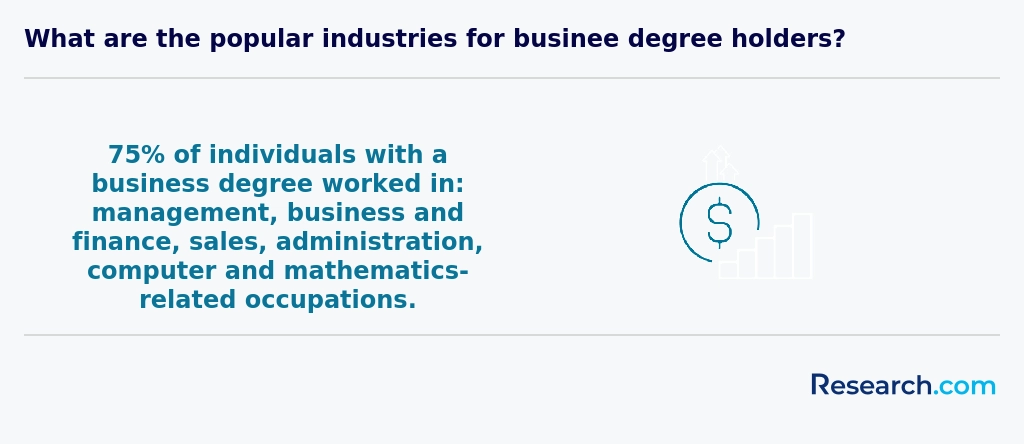
Graduates from universities known for robust business programs often step confidently into diverse career paths, such as financial analysts, marketing managers, sales managers, and human resources specialists. A graduate from a top college in University might find themselves strategizing a marketing campaign or analyzing financial data to guide key business decisions. These roles not only capitalize on core skills taught in business degrees but also inspire growth in strategic thinking and communication.
Many graduates pursue entrepreneurship, drawing strength from the versatile education gained at University institutions celebrated for their business studies. Imagining yourself launching a startup or joining a vibrant new company is a common scenario for these ambitious students. Considering affordable business degree career options 2027, you'll find that your degree opens doors to exciting industries and innovative opportunities.
Finance students frequently explore roles such as financial planners or investment analysts, with some even advancing to the point where earning an advanced degree is beneficial-for instance, exploring online doctoral accounting degrees to deepen expertise and boost career growth. Business degrees from University colleges truly prepare you to thrive in dynamic, evolving markets.

The job market for graduates holding a business degree from a University is both vibrant and promising. Many graduates from well-regarded colleges in University find their skills in high demand across industries like finance, marketing, and consulting, reflecting a broad range of employment prospects. These fields not only reward analytical and leadership talents but also offer a strong starting salary, often averaging around $60,000 nationally, which highlights the value of a business degree in University.
Graduates often share how internships or real-world projects during their time at University helped secure roles as financial analysts or marketing managers, strengthening their university business degree employment prospects. Business programs in University emphasize skills like digital marketing and data analytics, key areas where demand is rapidly growing and shaping the business degree job outlook 2027.
For students concerned about affordability, exploring the most affordable business schools in Mississippi can make this career path more accessible without compromising quality education or future success.
2027 Most Affordable Business Degree Programs Ranking in University
Investing in your education is a significant decision that can profoundly impact your career and future opportunities. The Research.com team recognizes this responsibility and has dedicated extensive effort to ensure the quality, credibility, and accuracy of the "2027 Most Affordable Business Degree Programs Ranking in University." Our thorough research and transparent process aim to provide prospective students with trusted guidance on affordable education options.
We utilized the following reputable data sources to create this ranking:
By exploring this ranking, readers will gain valuable insights into affordable business degree programs, enabling informed and confident decisions about their education investments. For a detailed explanation of our approach, please visit our Research.com methodology page.

Frequently Asked Questions About business
Business degree students in university can maximize their learning by actively engaging in both classroom and practical experiences. Participating in internships is crucial; the National Association of Colleges and Employers reports that 60% of students with internship experience receive job offers upon graduation. Networking through business clubs and professional organizations also enhances opportunities and real-world understanding.
Additionally, students should take advantage of case competitions and workshops, which improve problem-solving and leadership skills. Utilizing campus resources such as career centers and academic advisors can guide course selections aligned with evolving industry demands. This proactive approach fosters deeper knowledge and better career readiness.
The business field is evolving rapidly, with several emerging niches gaining attention in U.S. universities. One growing area is data analytics, which combines business knowledge with statistical skills. According to the National Center for Education Statistics (NCES), programs in analytics have increased by 40% since 2018. Another key niche is sustainable business, focusing on environmentally responsible practices; institutions like Arizona State University now offer specialized degrees in this field.
Additionally, digital marketing is expanding due to the rise of online commerce, with the Bureau of Labor Statistics projecting a 10% growth in marketing analyst jobs through 2032. Finally, entrepreneurship remains popular, supported by university incubators and accelerators fostering innovation for new startups.
Preparing for the job market after completing a business degree in a U.S. university involves strategic planning and skill development. Graduates should focus on building a professional network through internships and career fairs, which 62% of employers find highly valuable when hiring business majors, according to the National Association of Colleges and Employers (NACE).
It is essential to develop both technical skills, like proficiency in Excel and data analytics, and soft skills such as communication and teamwork. According to NACE's 2023 data, over 75% of employers seek candidates with strong interpersonal abilities.
Additionally, creating a polished resume tailored to specific business sectors and practicing interview techniques are critical steps. Utilizing university career services for mock interviews and job placement support also improves employment outcomes.
Employers consistently seek business degree graduates who demonstrate strong analytical and communication skills. According to the National Association of Colleges and Employers (NACE) Job Outlook 2024, 85% of surveyed employers prioritize critical thinking and problem-solving abilities in candidates. Additionally, teamwork and interpersonal skills are essential, as 78% of hiring managers reported valuing collaboration experience in business graduates.
Technical proficiency also plays a key role. Knowledge of data analysis tools like Excel and familiarity with business intelligence software can boost employability. The Bureau of Labor Statistics highlights that digital literacy has become increasingly important in the evolving business landscape.
Finally, leadership potential remains a top asset, with employers looking for graduates who can manage projects and motivate teams effectively. These core skills align closely with fundamental courses offered in US university business programs.
Finding internships while pursuing a business degree in a U.S. university can significantly enhance career prospects. Students should start by visiting their university's career services office, which often partners with companies specifically seeking business interns. According to the National Association of Colleges and Employers (NACE), about 60% of business students intern during their studies, boosting employability after graduation.
Online platforms like Handshake and LinkedIn also provide tailored internship listings for business majors. Networking is crucial; joining business clubs and attending career fairs hosted by the university help connect students with potential employers. Applying early and preparing a professional resume tailored to the business field increases chances of landing competitive internships.
A business degree from a university significantly enhances career mobility and advancement opportunities. According to the National Center for Education Statistics, business degrees are among the most popular in the U.S., reflecting their strong market demand. Employers often prioritize candidates with business education because these graduates possess versatile skills in management, finance, and communication.
Business graduates tend to experience higher employment rates and salary growth compared to many other fields. The U.S. Bureau of Labor Statistics reports that business and financial occupations are expected to grow by 8% from 2021 to 2031, faster than the average for all occupations. This growth supports career advancement prospects for graduates.
In addition, universities often connect business students with internships and networking events, which further improve career mobility by providing real-world experience and professional contacts.
Studying for a business degree in University equips students with skills that are essential for interdisciplinary roles. Programs typically cover core areas such as finance, marketing, management, and economics. This diverse curriculum fosters an understanding of how different business functions interact, preparing graduates to collaborate across departments.
Many business degrees also emphasize critical thinking, communication, and data analysis skills, valued in various fields. According to the National Center for Education Statistics (NCES), over 350,000 students earned business degrees in 2021, highlighting its popularity and relevance.
Universities often incorporate case studies and group projects, simulating real-world interdisciplinary work environments. This practical approach supports adaptability in dynamic industries.
Choosing between a thesis and a non-thesis business degree program depends largely on your career goals and learning preferences. Thesis programs often appeal to students interested in research or pursuing a PhD, as they require original research and a formal dissertation. According to the National Center for Education Statistics, about 30% of business master's graduates complete a thesis.
Non-thesis programs typically focus more on practical skills through coursework and may include internships or capstone projects. These are favored by those seeking immediate employment or professional certification. The Graduate Management Admission Council reports that non-thesis options are more popular among working professionals aiming for career advancement.
Assess your future plans, advisor availability, and willingness to commit time to research when making your choice.
Students based in the United States have multiple opportunities to study business abroad through established university programs. Many US universities offer exchange programs or faculty-led tours, allowing students to gain international experience without studying a full degree abroad. According to the Institute of International Education, over 10% of business majors participate in study abroad programs.
Popular destinations include the United Kingdom, Germany, and China, each providing unique perspectives on global business strategies. Programs typically last from a few weeks to a full semester, often integrating internships or company visits.
Costs vary, but scholarships and financial aid are frequently available to help offset expenses.
Part-time job opportunities that complement a business degree in University often include roles in campus finance offices, administrative assistant positions, and student researcher jobs. These positions help develop essential skills such as budgeting, data analysis, and project management. According to the National Association of Colleges and Employers (NACE) 2023 report, 68% of business students found part-time work related to their field, boosting employability after graduation.
Internships with local businesses or start-ups also provide practical exposure to marketing, sales, and management, aligning well with academic studies. Additionally, campus roles like peer tutoring in business subjects or assisting career services can strengthen communication and leadership skills.
Business students in University benefit from numerous networking opportunities that enhance their career prospects. Many universities host exclusive business clubs and professional organizations, such as chapters of the American Marketing Association or Beta Gamma Sigma, which connect students with industry leaders and alumni. According to the National Association of Colleges and Employers (NACE), 70% of business graduates report getting jobs through networking.
Career fairs specific to business disciplines allow students to meet recruiters from top firms, often leading to internships or job offers. Faculty members also play a vital role, frequently facilitating introductions to professionals and guiding students toward networking events. Additionally, guest lectures and workshops by executives provide direct insight and contact with real-world business environments.
Alumni networks in business schools provide valuable resources to current students by offering mentorship, internship opportunities, and industry connections. According to the National Association of Colleges and Employers (NACE), students with strong alumni engagement are 20% more likely to secure internships, which are critical for career development.
These networks often organize events and workshops that allow students to meet professionals, enhancing their understanding of business trends. Data from the Graduate Management Admission Council (GMAC) shows that 85% of MBA graduates credit alumni connections for helping them land their first job post-graduation.
Furthermore, alumni networks foster long-term professional growth by creating communities of shared experience and support throughout one's career.
Customizing your business degree program in University allows you to align your education with specific career goals. Many US universities offer concentrations such as finance, marketing, entrepreneurship, or supply chain management, enabling students to specialize in areas that match their interests. According to the National Center for Education Statistics, over 70% of business degree programs provide various elective options and practical internships.
Additionally, students can tailor their studies through certificate programs or dual majors, enhancing job market competitiveness. Engaging in experiential learning opportunities, such as case competitions or consulting projects, further refines skills essential to your chosen career path.
Business students in US universities commonly face challenges related to heavy workloads and time management. According to the National Center for Education Statistics, business majors often take courses in finance, marketing, and management, which demand strong quantitative and analytical skills. Many students struggle to balance internships, part-time jobs, and extracurricular activities while maintaining academic performance.
Additionally, adapting to complex concepts like statistics and economics can be difficult. A survey by the Association to Advance Collegiate Schools of Business found that about 40% of students cited difficulty with quantitative coursework as a major hurdle.
Networking and securing internships are other critical challenges for business students, affecting career opportunities after graduation.
A business degree from a university in the United States opens pathways to various professional certifications that can enhance career prospects. Popular choices include the Certified Public Accountant (CPA) credential, ideal for those focusing on accounting and finance. The Certified Management Accountant (CMA) certification emphasizes management accounting and financial management skills.
Many business graduates pursue the Project Management Professional (PMP) certification, recognized globally for leadership in managing projects. Another valuable certification is the Chartered Financial Analyst (CFA) designation, well-suited for careers in investment and financial analysis. According to the U.S. Bureau of Labor Statistics, holders of these certifications typically see higher earning potential and better job stability.
Additionally, certifications like Certified Business Analyst Professional (CBAP) target specific roles in business analysis, which are growing in demand. These certifications often require a combination of education, professional experience, and passing rigorous exams, reflecting the advanced knowledge gained during the business degree program.
Writing a winning application for a business program in University requires clear communication of your goals and qualifications. Start with a strong personal statement that highlights your interest in business, specific career goals, and relevant experiences such as internships, leadership roles, or volunteer work. According to the National Association of Colleges and Employers, critical thinking and communication skills are highly valued by business schools.
Include clear evidence of academic readiness by showcasing your GPA and relevant coursework. US business programs often look for minimum GPAs around 3.0, but competitive programs may require higher. Attach strong letters of recommendation from teachers or professionals who can attest to your skills and potential. Lastly, meet all application deadlines and tailor each application to the specific program, as many schools prefer candidates who demonstrate genuine interest.
Business careers increasingly require a global mindset, as companies expand and compete worldwide. According to the U.S. Bureau of Labor Statistics, jobs in international business and management are expected to grow by 7% from 2022 to 2032, highlighting rising global opportunities. American business degrees often emphasize cross-cultural communication and international economics, preparing graduates for diverse markets.
Universities in the U.S. commonly incorporate study abroad programs and global internships, which help students gain practical experience. The Graduate Management Admission Council reports that business school applicants value global career prospects, reflecting rising demand for internationally skilled professionals.
Globalization drives the need for business graduates to understand international finance, supply chains, and emerging markets, which are key topics in most U.S. business curricula.
Gaining practical experience while studying for a business degree is essential to develop job-ready skills. Many universities in the US encourage students to participate in internships, which 58% of business undergraduates complete before graduating, according to the National Association of Colleges and Employers (NACE) 2023 report.
Business programs often offer cooperative education (co-op) opportunities, allowing students to alternate between classroom study and paid work in related fields. Additionally, involvement in student-run businesses or consulting projects provides hands-on experience.
Networking through student organizations and business competitions also helps build professional skills and connections early in your career.
Choosing the right concentration within a business degree program depends on your career goals, interests, and market demand. Common concentrations include finance, marketing, management, and entrepreneurship. According to the National Center for Education Statistics, finance and marketing remain among the most popular for their versatility and career opportunities.
Consider your strengths and preferred work environment. For example, finance suits those interested in analytics and numbers, while marketing appeals to creative thinkers. Labor market data from the U.S. Bureau of Labor Statistics suggests that specialized skills in data analytics and digital marketing are increasingly valuable.
Research each concentration's curriculum and internships offered, as practical experience improves job prospects. Additionally, consult academic advisors to align your choices with long-term objectives.
- 2027 Most Affordable Business Degree Programs Ranking in Little Rock
- 2027 Most Affordable Business Degree Programs Ranking in Birmingham
- 2027 Most Affordable Business Degree Programs Ranking in Conway
- 2027 Most Affordable Business Degree Programs Ranking in Montgomery
- 2027 Most Affordable Business Degree Programs Ranking in Mobile
- 2027 Most Affordable Business Degree Programs Ranking in Atlanta
- 2027 Most Affordable Business Degree Programs Ranking in New Orleans
- 2027 Most Affordable Business Degree Programs Ranking in Louisville
- 2027 Most Affordable Business Degree Programs Ranking in Macon
- 2027 Most Affordable Business Degree Programs Ranking in Indianapolis
See What Experts Have To Say About Studying Business
Read our interview with Business experts

David Souder
Business Expert
Senior Associate Dean for Faculty and Research
Michigan State University

Ingrid S. Greene
Business Expert
Clinical Assistant Professor of Management
Loyola Marymount University

David W. Stewart
Business Expert
Emeritus President's Professor of Marketing
Loyola Marymount University

- Networking Tips for Business Students and MBA Candidates - Cyprus West University https://www.cwu.edu.tr/networking-tips-for-business-students-and-mba-candidates/
- How to Identify Profitable Business Niches: A Guide for ... https://www.invoiceonline.com/the-entrepreneur-s-handbook/entrepreneurship/business-strategy/how-to-identify-profitable-business-niches-97365
- Professional Business Certifications to Boost Your Career in 2025 https://www.business.com/articles/best-business-certifications/
- Career Goals: 17 Inspirational Examples for you in 2026 https://www.imd.org/blog/learning-and-development/career-goals/
- Know more about thesis vs non- thesis: what is the difference? https://studyfans.com/en/blogs/816
- Which Business Degree Prerequisites Can You Take Online? https://www.straighterline.com/blog/business-degree-prerequisites-online
- Why Alumni Networks Matter in Business School: 7 Reasons https://europe.ceibs.edu/article/why-alumni-networks-matter-business-school
- 9 Different Types of Business Degrees and Career Paths https://www.umassglobal.edu/blog-news/9-different-types-business-degrees-and-career-paths
- Global Perspectives: International Opportunities for Business School Students - SBS Swiss Business School https://sbs-uae.org/global-perspectives-international-opportunities-for-business-school-students-3/
- Global careers, real impact: building your career with an international business degree | University of East London https://www.uel.ac.uk/blog/global-careers-real-impact-building-your-career-international-business-degree