
2027 Most Affordable Business Degree Programs Ranking in Greensburg

Co-Founder and Chief Data Scientist
Choosing the right business degree program in Greensburg can feel overwhelming. That's why the Research.com team of data scientists has created the 2027 Most Affordable Business Degree Programs Ranking in Greensburg to guide you through your options.
This article will help you discover programs that offer great value without sacrificing quality. Pursuing a business degree opens doors to new opportunities, personal growth, and a stronger career path.
By using this ranking, you can confidently make an informed decision that suits your goals and budget. Your future starts here.
Key benefits of getting business degree in Greensburg
- Salary for business degree graduates: Graduates in Greensburg with a business degree can pursue roles such as Business Development Executive or Business Analyst, earning mean annual wages of around $83,190 and $112,950 respectively, offering strong financial rewards.
- Career paths: A graduate from a popular Greensburg college might explore diverse positions like marketing, sales, or strategic consulting, gaining valuable experience and expanding opportunities in thriving industries locally and beyond.
- Benefits of an online degree: Completing a business degree online from a reputable Greensburg institution offers flexibility and convenience, allowing students to balance work and study while gaining skills that are instantly applicable in today's fast-paced business world.
- 2027 Most Affordable Business Degree Programs Ranking in Greensburg
- What can I expect from business degree in Greensburg?
- Where can I work with business degree in Greensburg?
What can I expect from business degree in Greensburg?
If you're looking at studying business in Greensburg, one of the biggest perks is the cost. Graduates from schools like Seton Hill University often mention how affordable their education felt compared to bigger cities nearby. On average, tuition runs between $8,000 and $15,000 a year at public colleges in the area, which is pretty budget-friendly. This means you can get a solid business education without stressing too much about crazy fees piling up.
Many students share how this affordability lets them focus more on studying and less on financial stress. Plus, being close to local businesses in Greensburg opens doors for internships that don't just help you learn but also make those tuition dollars feel totally worth it. It's like getting practical, hands-on experience right in your backyard without the heavy price tag you might find elsewhere.
Overall, studying business here gives you that sweet spot of quality education and manageable costs, making it a smart choice if you want to thrive without breaking the bank.
Where can I work with business degree in Greensburg?
If you earn a business degree in Greensburg, you'll find plenty of doors open across the city's main industries. Graduates from local colleges often land jobs in manufacturing companies managing supply chains or crunching numbers as financial analysts. Imagine working behind the scenes to keep big factories running smoothly-it's a real chance to see impact firsthand.
Healthcare is another hotspot. Business grads help run hospitals and medical centers by handling administration or billing. One student shared how an internship at a Greensburg health provider gave them hands-on experience balancing budgets and improving patient services, which was super rewarding.
Retail and service sectors are buzzing here too. Graduates manage stores, fine-tune marketing campaigns, or dive into sales strategies. Local businesses love hiring folks who understand customer vibes and can lead teams effectively. Plus, Greensburg's growing small business scene means you could jumpstart your own venture or consult others on theirs.
Studying business locally means you get valuable internships and solid networking chances-all perfect for starting a career you actually enjoy.
If you're earning a business degree in Greensburg, you can expect some pretty solid paychecks once you graduate. For instance, business analysts coming out of local schools often land jobs with mean salaries around $112,950 per year-that's impressive, especially for becoming the go-to person who breaks down data and drives smart decisions. Meanwhile, business development executives here typically make about $83,190 annually, which is a great starting point for growing your career in sales or partnerships.
Many grads from colleges in Greensburg share that these salary figures feel rewarding, especially when paired with the area's affordable cost of living. Picture this: finishing your degree, landing a role as a business analyst or development exec, and still having some room in your budget for fun weekends and savings.
With hourly rates like $54.30 for analysts and $40 for development execs, your time gets valued pretty well. This kind of earning power combined with real-world opportunities in Greensburg's diverse economy means business grads here can build fulfilling careers without the stress of sky-high city living expenses.
- Annual tuition for in-state public business degrees in Greensburg ranges from $15,000 to $25,000, with private colleges often charging over $30,000.
- Entry-level salaries for business graduates typically fall between $45,000 and $50,000 per year.
- Mid-career business professionals earn between $65,000 and $80,000 annually, while senior roles often exceed $90,000.
- Key industries hiring business graduates include healthcare administration, retail management, and finance.
- Accreditation by bodies like AACSB is important for ensuring program quality and better job prospects.
If you're thinking about getting a business degree in Greensburg, most grads from local schools find that a traditional bachelor's takes about four years if you're going full-time. Imagine balancing classes, part-time jobs, and maybe some campus events-that's the usual vibe to finish around 120 credit hours covering everything from core business topics to electives you enjoy.
Some folks start with an associate degree at community colleges nearby, wrapping it up in about two years. This route feels like a smart shortcut if you want to jump into the workforce quicker or prepare for a bachelor's later on without the stress of a big campus.
For those eyeing an MBA, schools around Greensburg offer options that usually take between one and two years full-time. But many busy professionals love the flexible schedules available, stretching out their studies over three years or more while keeping their jobs and family time intact.
If you're considering a business degree in Greensburg, the choice between online and on-campus really comes down to how you want to experience college life. On-campus students at places like Seton Hill University enjoy being in classrooms, chatting face-to-face with professors, and teaming up with classmates on projects. They get to soak up campus vibes, hit the library, and tap into career services while juggling internships around town. It's perfect if you love that structured schedule and in-person energy.
On the flip side, online business programs give you the freedom to study whenever and wherever you want. For busy professionals or parents in Greensburg, that flexibility is a lifesaver. Graduates mention how they could balance work, family, and classes without stressing about commutes. The coursework covers the same core stuff-accounting, marketing, finance-but you're in charge of managing your time and staying on track.
Both paths are strong choices, but your daily rhythm and learning style make all the difference.
When it comes to the average cost of a business degree in Greensburg, students can expect to see a range that really depends on the type of institution they choose. For instance, the median total tuition and fees hover around $55,148 for out-of-state students, while in-state students benefit from a lower median total closer to $42,944. This difference makes picking the right school and residency status a big factor for your wallet.
Many graduates from popular Greensburg colleges, like Seton Hill University, share how these costs translate into their day-to-day college experience. While private school tuition can feel steep, students appreciate the rich resources, smaller class sizes, and networking opportunities that come with it. Public university attendees, on the other hand, often highlight how the affordable tuition gives them a bit more breathing room for expenses like books and living costs.
Since living expenses add up quickly, with room and board costs ranging widely, budgeting becomes key. Luckily, many business students recommend looking into financial aid and scholarships, which can significantly ease the financial burden. Also, if you're exploring affordable hospitality and tourism degree programs, similar budgeting skills and financial planning tips apply, making your educational journey smoother.
Understanding the total tuition and fees for business programs Greensburg offers will help you set realistic expectations and make informed choices about your education investment.

Getting financial aid for a business degree in Greensburg isn't as tough as it might seem. Many grads from schools like Seton Hill University and the University of Pittsburgh at Greensburg say the key was filling out the FAFSA, which opens the door to federal Pell Grants-free money that can cover up to $7,395 a year-and low-interest federal loans to help handle the rest. It's a real relief when you know you don't have to borrow too much.
On top of that, there are state scholarships through PHEAA that really help local students. Some grads remember how the Pennsylvania State Grant shaved thousands off their tuition bills, making it way easier to focus on their studies instead of stressing over costs.
Plus, campus scholarships tied to business programs often reward strong academics or community work, and work-study gigs let students earn cash while gaining experience. Many also tap into private scholarships from local businesses, which can be a hidden gem if you know where to look.
As the business landscape rapidly evolves, graduates in Greensburg, PA, are uniquely positioned to capitalize on emerging trends and technological innovations. Institutions are increasingly incorporating digital transformation, data analytics, and sustainability into their curricula, ensuring that students not only master foundational business principles but also become adept at navigating a tech-driven economy. For example, programs are now offering specialized courses on artificial intelligence in marketing and fintech innovations, which prepare students for roles in rapidly growing sectors. Staying ahead of the curve is also about cultivating a strong professional network and understanding shifting industry demands. Local graduates have reported that connecting with peers and mentors often leads to opportunities in fields such as Business Administration Careers, where innovative strategies and leadership skills are in high demand. Moreover, many programs are developing partnerships with local enterprises to offer real-world projects, internships, and mentorship opportunities, which are critical for professional growth in a competitive market. Looking to the future, business degree programs in Greensburg are expected to place even greater emphasis on cross-functional expertise, combining traditional business acumen with robust digital literacy. This approach not only enhances employability but also equips graduates with the adaptability needed to thrive as industries continue to innovate and grow.
If you're thinking about jumping into a business degree program in Greensburg, the first stop is making sure you've got the basics covered. Most local colleges expect you to have a high school diploma or GED, nothing too complicated there. Graduates often mention how having solid math and English skills made classes like accounting and economics click a lot easier-these subjects are usually either prerequisites or recommended, so getting comfortable with them beforehand is a smart move.
Some schools around Greensburg might ask for SAT or ACT scores, but plenty are shifting to test-optional policies lately, so don't stress too much if standardized tests aren't your thing. Letters of recommendation and a personal essay are big parts of the application too-they really help admissions see your passion for business beyond just numbers.
For those eyeing MBA programs, expect to need a bachelor's degree and possibly GMAT or GRE scores, although some places waive this if you've got solid work experience under your belt. Many grads say having a couple of years' real-world experience made classes feel super relevant and kept motivation high.
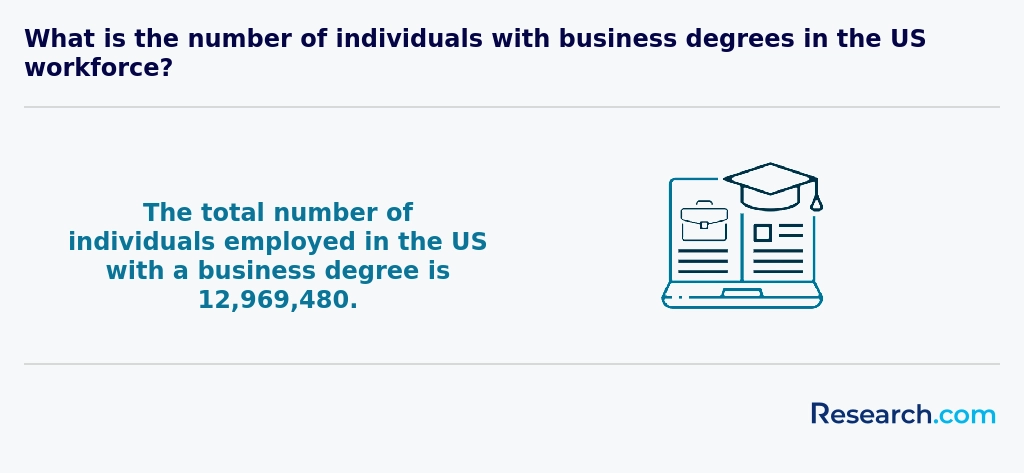
When deciding on a business program in Greensburg, PA, it's essential to consider several factors that can significantly impact your educational journey and future career prospects. One of the crucial steps is to research and understand the different types of business programs available, including their specializations, curriculum, and cost. For instance, students looking for an affordable business school in pennsylvania can explore various options that offer quality education at a lower cost. Additionally, considering the learning format, whether traditional, online, or a combination of both, can help you choose a program that fits your lifestyle and learning preferences. By carefully evaluating these factors and seeking advice from academic advisors or industry professionals, you can make an informed decision that aligns with your career goals and aspirations.
If you're diving into a business degree in Greensburg, expect to tackle courses that really get you ready for the real world. Graduates from well-known local colleges often talk about how classes like Principles of Management taught them not just theory, but practical leadership skills they immediately used during internships. Imagine learning how to lead a team or plan strategies, then seeing those skills come alive in a small business right here in Greensburg.
Other must-take courses include Financial and Managerial Accounting, which help you understand the money side of things-a lifesaver when budgeting for a startup or analyzing company performance. Marketing Fundamentals also gets a lot of love, especially in those digital marketing electives, where grads share how they nailed marketing campaigns that fit the local scene.
Students rave about the variety, from Business Law and Ethics to hands-on Operations Management, making sure you're ready to handle supply chains or legal questions that pop up in the bustling local business world.
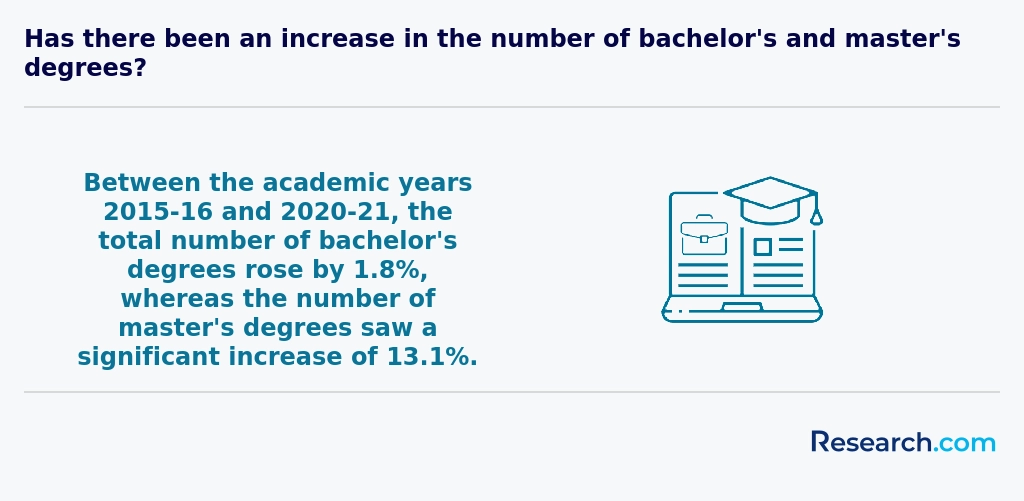
If you're thinking about a business degree in Greensburg, you'll find plenty of specializations to choose from-each one geared to help you thrive in today's job market. Graduates from popular local colleges often mention how the management track boosted their leadership chops, helping them land roles running teams or projects. Others rave about marketing, where they picked up real skills in digital campaigns and brand storytelling that fit perfectly with Greensburg's growing retail scene.
Finance and accounting are big too, and they're especially valuable if you're eyeing a stable career in banking or preparing to become a CPA. For hands-on learners, the entrepreneurial path is exciting; recent grads loved how it pushed them to dream up real business ideas that work in Greensburg's buzzing small business scene.
Supply chain management is another smart choice, given the local manufacturing and logistics industries. And if you're curious about options outside Greensburg, some students explore resources like the Florida accounting schools ranking for comparison or transfer possibilities. These choices make the business degree specializations in Greensburg feel both practical and inspiring, especially with affordable business degree options here putting a quality education within reach.
Picking the best business degree in Greensburg boils down to figuring out what fits your life and goals. Many graduates from local colleges share how choosing a program with flexible online or hybrid classes made juggling work and family so much easier. If you're looking at cost, remember that finding best affordable business degree programs Greensburg is totally doable-community colleges around here often offer solid associate degrees that won't break the bank.
Accreditation matters a lot, too. Programs backed by groups like ACBSP or AACSB stand out because employers recognize them, giving grads an edge when job hunting. Speaking of jobs, lots of business students in Greensburg recommend checking out internships or partnerships with local companies - these real-world connections can really boost your chances of landing a role after graduation.
And if you want to dive deeper into choosing smart options, especially if you lean toward accounting, you might find it helpful to explore the best business schools for accounting in Utah as a way to compare approaches. After all, balancing the business degree cost and value Greensburg offers with quality programs is key to making your investment worthwhile.
If you're thinking about what career paths are available for a business degree in Greensburg, there's quite a variety waiting for you. Graduates from popular schools here often land roles as financial analysts, helping local companies figure out where to invest and how to manage budgets. Others find themselves as marketing coordinators, getting creative with promotions for small businesses around town. If you're someone who loves organizing and working with people, human resource specialist roles are common gigs for business grads.
From what recent graduates at Greensburg's top colleges say, the hands-on experience with local employers really boosts confidence when jumping into operations manager or sales manager positions. These roles let you directly impact how businesses run day-to-day and grow customer bases, which feels pretty rewarding. Plus, for those interested in exploring beyond the city, Greensburg's proximity to Pittsburgh opens up broader job opportunities in finance and consulting.
Many students also check out dual degree programs North Carolina business schools to expand their horizons. If you want to explore more about business degree career options in Greensburg, it's great to see how accessible and varied job opportunities for business graduates Greensburg actually are.

The job market for business degree holders in Greensburg looks pretty steady and promising. Graduates from popular local colleges often find roles in management, marketing, finance, or accounting with companies ranging from healthcare providers to manufacturing firms. Many say their internships through local business networks helped turn real-world skills into great job offers. If you're wondering about business degree employment opportunities in Greensburg, there's a healthy demand for financial analysts, marketing specialists, and operations supervisors, among others.
Plus, the cost of studying here is easier on the wallet compared to bigger cities, especially at community colleges and regional schools. Students often point to this affordability-plus good connections to local businesses-as reasons they'd recommend Greensburg. For those interested in affordable options, check out this affordable business school in pennsylvania, which offers solid value without sacrificing education quality.
Honestly, the job outlook for business graduates Greensburg offers feels realistic but optimistic, especially if you actively build skills and leverage internship opportunities. That hands-on experience alongside your degree can open some neat doors right here at home.
2027 Most Affordable Business Degree Programs Ranking in Greensburg
Investing in your education is a significant decision that can shape your future, and the Research.com team understands the importance of making informed choices. To assist prospective students in Greensburg, we have carefully developed the "2027 Most Affordable Business Degree Programs Ranking in Greensburg." Our dedication to quality, credibility, and accuracy is evident in the thorough research and analysis behind this ranking.
We utilized the following reputable data sources to ensure a comprehensive evaluation of business degree programs:
By exploring this ranking, readers will gain valuable insights into the most affordable business degree options in Greensburg, empowering them to make well-informed decisions about their academic and financial futures. For a detailed explanation of our methods, please visit our Research.com methodology page.


Frequently Asked Questions About business
Business degree students in Greensburg can maximize their learning experience by actively engaging with local resources and opportunities. Internships with nearby companies, like those in Westmoreland County's diverse economy, provide practical experience essential for career success. According to the Greensburg Chamber of Commerce, sectors such as manufacturing, healthcare, and technology offer valuable internship openings.
Participating in campus clubs and organizations focused on business helps students build leadership and networking skills. Additionally, many institutions in Greensburg collaborate with regional businesses, giving students access to mentorship programs.
Students should also take advantage of workshops and seminars offered through local colleges and the nearby University of Pittsburgh at Greensburg, which regularly hosts events about entrepreneurship and business trends.
Emerging niches within the business field reflect shifts in technology, consumer behavior, and global markets. In Greensburg and across the U.S., areas like digital marketing, data analytics, and sustainable business practices are gaining traction. The U.S. Bureau of Labor Statistics projects a 23% growth in market research analysts and marketing specialists through 2031, indicating strong demand.
Another fast-growing niche is supply chain management, especially given recent disruptions highlighted by the pandemic. Businesses in Greensburg increasingly seek professionals skilled in logistics and inventory optimization. Additionally, entrepreneurship with a focus on tech startups and social impact ventures is expanding, supported by local economic development programs.
These evolving fields offer new career opportunities for business graduates willing to specialize beyond traditional roles.
Graduates with a business degree in Greensburg should focus on gaining practical experience alongside academic knowledge to succeed in the job market. Local internship opportunities with businesses in Westmoreland County, including finance, marketing, and management sectors, provide valuable hands-on learning and networking. According to the U.S. Bureau of Labor Statistics, internships increase employment prospects by 20-30% nationally, a trend reflected in the Greensburg area job market. Enhancing soft skills such as communication and teamwork is also crucial. Utilizing resources from nearby career centers and professional organizations in Greensburg can help graduates connect with potential employers and stay informed about local industry trends.
Employers in Greensburg prioritize a blend of technical and soft skills when hiring business degree graduates. Key among these is strong communication, as 68% of local businesses highlight it as essential for team collaboration and client relations (Greensburg Chamber of Commerce, 2023).
Analytical thinking is another top skill, helping graduates interpret data to make informed decisions. Financial literacy and proficiency in software like Excel and QuickBooks are frequently requested, reflecting Greensburg's growing small business sector.
Leadership and adaptability also rank highly, with employers seeking graduates who can manage projects and navigate changing market conditions effectively.
Finding internships in Greensburg relevant to a business degree involves leveraging local resources and networks. Start by exploring opportunities offered by nearby colleges, such as Saint Vincent College, which often partner with local businesses to place students in internships. The Greensburg-Greensburg Chamber of Commerce is another valuable resource, regularly posting openings in various business sectors.
Additionally, platforms like Handshake and LinkedIn allow students to filter internships by location and field. According to the U.S. Bureau of Labor Statistics, internships offer a 14% higher chance of employment after graduation for business majors. Networking through local business events and career fairs in Greensburg can also increase chances of securing an internship. Always tailor your application to highlight relevant skills and coursework.
Obtaining a business degree in Greensburg can significantly enhance career mobility and advancement opportunities. According to the U.S. Bureau of Labor Statistics, business-related occupations in Pennsylvania are projected to grow by about 7% through 2030, reflecting steady demand in this sector.
In Greensburg, many local employers value candidates with formal business education due to the region's growing economy in sectors like retail, finance, and healthcare management. A degree often provides essential skills such as leadership, financial analysis, and strategic planning, which are critical for promotion.
Data from the National Association of Colleges and Employers indicates that business graduates typically see a 20% higher initial salary compared to those without degrees, supporting stronger long-term career progression.
Studying for a business degree in Greensburg offers students opportunities to develop skills that extend beyond traditional business disciplines. Many local programs emphasize interdisciplinary learning by integrating courses in technology, communication, and data analysis. This approach prepares graduates to work effectively in roles that require collaboration across departments.
Greensburg's proximity to regional industries encourages partnerships between universities and businesses, giving students practical experience in diverse fields such as marketing, finance, and information systems. According to the Pennsylvania Department of Labor, 22% of business graduates in the region find interdisciplinary roles within their first two years.
Such programs equip students with critical thinking and problem-solving abilities adaptable to various sectors, making them competitive candidates in a dynamic job market.
When choosing between a thesis and a non-thesis business degree program in Greensburg, students should consider their career goals and learning preferences. Thesis programs typically require original research and are suited for those interested in academic, research, or specialized roles. Non-thesis programs focus more on practical skills through additional coursework, ideal for professionals aiming to enter management or industry directly.
Local institutions in Greensburg offer both options, with some data from the National Center for Education Statistics showing that nearly 40% of business master's students opt for non-thesis paths due to shorter completion times. Cost and time commitment also vary between the two.
Advisors suggest assessing your long-term plans carefully, including whether you might pursue a PhD later or work immediately. Networking opportunities and faculty support can differ and impact your experience. Familiarizing yourself with Greensburg's regional economic trends can also help align your choice with local business demands and opportunities.
Students in Greensburg looking to study business abroad have several pathways through partnerships and exchange programs facilitated by local institutions. Seton Hill University, located nearby, offers study abroad opportunities that include business courses in countries such as Italy and Spain. These programs allow students to gain international business perspectives while earning credits toward their degrees. Additionally, students may explore global internships through affiliations with business schools connected to American universities. According to the Institute of International Education, 14% of U.S. business students participate in study abroad, highlighting growing interest in global business education. Costs and duration vary depending on the destination and program.
For students pursuing a business degree in Greensburg, part-time jobs can provide valuable practical experience alongside academic learning. Positions such as administrative assistants in local companies offer firsthand insight into office management and business operations. Retail roles in Greensburg's growing commercial sector help develop customer service and sales skills, which are crucial for marketing or management careers.
Additionally, internships or part-time roles at small businesses and startups in the area allow students to apply classroom theories in real-world settings. According to recent Bureau of Labor Statistics data, Greensburg's service and retail sectors have seen steady job growth, presenting opportunities for business students.
Business students in Greensburg benefit from various networking opportunities that enhance their educational experience and career prospects. Local universities often host career fairs and business networking events, connecting students with employers in the region. The Greensburg-Greene County Chamber of Commerce actively supports student engagement through mentorship programs and internships, providing real-world business exposure.
Students can also join campus chapters of national business organizations such as the American Marketing Association or Beta Gamma Sigma honor society. These groups offer workshops, speaker events, and industry meetups that foster valuable professional connections.
According to recent surveys from the Pennsylvania Department of Labor, Greensburg's business sector is growing steadily, creating increasing job opportunities for well-networked graduates.
Alumni networks provide valuable support for business degree students in Greensburg by connecting them with experienced professionals who have graduated from local institutions. These networks often offer mentorship opportunities, internships, and job leads tailored to the region's business environment. According to the National Association of Colleges and Employers (NACE), students with strong alumni connections have a 30% higher chance of finding relevant internships before graduation.
In Greensburg, local chambers of commerce and university alumni groups frequently host events that encourage networking. Such engagement helps students build relationships that are critical when entering competitive business fields like finance, management, or marketing.
Moreover, alumni can offer insights into the evolving economic trends in Pennsylvania's business sectors, giving students an advantage in understanding local market demands.
Students seeking to customize their business degree in Greensburg can take advantage of elective courses and specializations that align with their career goals. Many local colleges offer concentrations such as marketing, finance, entrepreneurship, or supply chain management. This allows students to develop skills tailored to specific industries or roles.
Internships and cooperative education programs in Greensburg's growing business sector provide practical experience and networking opportunities. According to the Bureau of Labor Statistics, finance and business management jobs are expected to grow by 7% nationally through 2031, highlighting the value of specialized study.
Furthermore, some institutions enable students to design independent study projects or join business clubs, boosting leadership and problem-solving skills relevant to their ambitions.
Business students in Greensburg often face several common challenges during their studies. One major issue is balancing coursework with part-time work, as many students need to support themselves financially. According to the National Center for Education Statistics, about 43% of undergraduates nationwide work while enrolled, a figure likely similar in Greensburg.
Access to local internships can also be limited, impacting practical experience opportunities. Smaller cities like Greensburg may have fewer corporate offices compared to larger metropolitan areas, which affects networking and job placement chances. Additionally, students sometimes report difficulty in keeping up with rapidly changing business technologies and digital skills required in today's market.
Finally, managing student debt remains a widespread problem. The average student loan debt for business graduates in Pennsylvania is around $30,000, as reported by the Institute for College Access & Success, which can create financial stress post-graduation.
A business degree opens the door to various professional certifications that can enhance your career prospects. Popular options include the Certified Public Accountant (CPA) for those interested in accounting, and the Project Management Professional (PMP) for individuals focused on managing projects efficiently. Another widely recognized credential is the Certified Management Accountant (CMA), ideal for finance and management roles.
Local business organizations in Greensburg recommend certifications like the Certified Business Analysis Professional (CBAP) to address the growing demand for skilled analysts. According to the U.S. Bureau of Labor Statistics, holders of such certifications often earn 10-20% higher salaries.
Many community colleges and universities near Greensburg offer courses to prepare students for these certification exams, making professional advancement accessible.
Writing a winning application for a business program in Greensburg involves clear, focused preparation. Start with a strong personal statement that explains your interest in business and your career goals. Highlight any relevant work experience or extracurricular activities, as practical skills are highly valued in business admissions.
Greensburg-area programs often look for applicants who demonstrate leadership potential and community involvement. According to the National Center for Education Statistics, nearly 30% of business graduates in Pennsylvania secure internships during their studies, so emphasizing your eagerness to apply classroom knowledge can be advantageous.
Carefully review each program's requirements, including GPA and test scores. Submitting letters of recommendation from mentors familiar with your business skills strengthens your application. Proofread materials meticulously to avoid errors, as attention to detail is a trait business schools appreciate.
Business careers today are increasingly shaped by a globalized economy. Professionals with a business degree from Greensburg gain skills that apply to international markets and diverse cultural environments. Understanding global trade, finance, and management practices is essential as companies expand beyond U.S. borders.
According to the U.S. Bureau of Labor Statistics, jobs in business and financial operations are projected to grow 8% from 2022 to 2032, reflecting strong demand for employees who can navigate global challenges. Locally, Greensburg benefits from its proximity to Pittsburgh's international business hubs, offering networking and internship opportunities with multinational companies.
Business students are encouraged to study global economics and intercultural communication to increase competitiveness in the job market. The spread of digital technologies further enables remote collaboration, making international business skills vital for career advancement in the 2020s.
Students pursuing a business degree in Greensburg can gain practical experience through several avenues. Many local institutions encourage internships with nearby companies in sectors like manufacturing and healthcare, important to the region's economy. According to the Pennsylvania Department of Labor, internships in these industries often provide paid opportunities, allowing students to earn while learning.
Also, some business programs incorporate cooperative education (co-op) options, alternating semesters of study with full-time work. This approach helps students apply classroom knowledge directly to real-world business challenges.
Furthermore, participation in student-run business organizations and local chambers of commerce events in Greensburg offers valuable networking and leadership experience. These practical engagements are crucial for developing skills employers seek.
Choosing the right concentration within a business degree program in Greensburg involves assessing your career goals and local market opportunities. Popular concentrations include management, marketing, finance, and entrepreneurship, each catering to different industry demands. According to the U.S. Bureau of Labor Statistics, Greensburg's economy shows steady growth in management and sales-related jobs, which might influence your choice.
It is important to consider your personal strengths and interests alongside job market data from sources like the Pennsylvania Department of Labor & Industry. Many Greensburg institutions offer internships and networking opportunities that align with local business sectors such as manufacturing and healthcare management.
Researching the curriculum and speaking with academic advisors or current students can also clarify which concentration best fits your aspirations. Focusing on skills that are in demand locally and nationally enhances job prospects after graduation.
- 2027 Most Affordable Business Degree Programs Ranking in Arlington
- 2027 Most Affordable Business Degree Programs Ranking in Lynchburg
- 2027 Most Affordable Business Degree Programs Ranking in Fort Wayne
- 2027 Most Affordable Business Degree Programs Ranking in Virginia Beach
- 2027 Most Affordable Business Degree Programs Ranking in Indianapolis
- 2027 Most Affordable Business Degree Programs Ranking in Louisville
- 2027 Most Affordable Business Degree Programs Ranking in West Lafayette
- 2027 Most Affordable Online Master's in Business Degree Programs Ranking in Pittsburgh, PA
- 2027 Most Affordable Online Business Degree Programs Ranking in Slippery Rock, PA
- 2027 Most Affordable Online Master's in Business Degree Programs Ranking in Washington, DC
See What Experts Have To Say About Studying Business
Read our interview with Business experts


David W. Stewart
Business Expert
Emeritus President's Professor of Marketing
Loyola Marymount University

Ingrid S. Greene
Business Expert
Clinical Assistant Professor of Management
Loyola Marymount University

- University of Pittsburgh-Greensburg Business Programs - Business Degree Central https://businessdegreecentral.com/colleges/university-of-pittsburgh-greensburg/
- Networking Tips for Business Students and MBA Candidates - Cyprus West University https://www.cwu.edu.tr/networking-tips-for-business-students-and-mba-candidates/
- Business degree: What to study and how to find a job https://brive.com/blog/studies/business-degree-guide-to-study-and-find-a-job/
- 55 Trending Business Ideas for 2025 and Beyond https://www.uschamber.com/co/start/business-ideas/top-trending-business-ideas
- Why Alumni Networks Matter in Business School: 7 Reasons https://europe.ceibs.edu/article/why-alumni-networks-matter-business-school
- Global careers, real impact: building your career with an international business degree | University of East London https://www.uel.ac.uk/blog/global-careers-real-impact-building-your-career-international-business-degree
- Bringing global perspectives to leadership in business https://www.eaie.org/resource/global-perspectives-leadership-business.html
- 8 Best Places to Study Abroad for Business [+ How to Choose] https://www.semesteratsea.org/study-abroad-for-business/
- What is the future of bachelor’s degrees in business? https://www.amba-bga.com/insights/what-is-the-future-of-bachelors-degrees-in-business
- Top 10 Skills Employers Seek in Business Graduates in 2026 https://www.ibat.ie/blogs/top-10-skills-employers-seek-in-business-graduates-in-2026


