2027 Most Popular Business Degree Programs Ranking in Kirkland

Co-Founder and Chief Data Scientist
Choosing the right business degree program is an exciting step toward building a successful future. For students in Kirkland, navigating countless options can feel overwhelming. This article introduces the 2027 Most Popular Business Degree Programs Ranking in Kirkland, carefully crafted by the Research.com team of data scientists. It aims to simplify your decision-making by presenting clear insights into the programs worth considering.
Reading this guide will not only save you time but also inspire confidence in selecting a program that fits your goals. Earning a business degree opens doors to rewarding career opportunities and personal growth.
Key benefits of getting business degree in Kirkland
- Salary for business degree graduates: Business graduates in Kirkland can expect competitive salaries, such as a Business Development Executive earning around $83,190 annually or a Business Analyst making an average of $112,950 per year, offering solid financial stability.
- Career paths: Graduates often pursue diverse roles in sales, analysis, and management, inspired by success stories from local colleges where many find rewarding opportunities in fast-growing companies in the Kirkland area.
- Online degree benefits: Earning a business degree online provides flexibility for busy adults and reduces commuting stress, as illustrated by graduates of Kirkland's online programs who quickly advance while balancing work and family.
- 2027 Most Popular Business Degree Programs Ranking in Kirkland
- What can I expect from business degree in Kirkland?
- Where can I work with business degree in Kirkland?
What can I expect from business degree in Kirkland?
The average cost of pursuing a business degree in Kirkland varies significantly based on the type of institution. Graduates from local community colleges often recall spending around $5,000 per year, which made balancing work and study achievable. In contrast, those attending private colleges in the area report annual costs exceeding $30,000, reflecting the premium placed on specialized resources and smaller class sizes. This wide range means prospective students must weigh how tuition aligns with their financial situation and career goals.
Many students appreciate how Kirkland's proximity to the University of Washington's Foster School of Business opens doors to collaborative programs without the higher price tag of private institutions. Internships and practical projects related to Seattle's tech and healthcare industries add value beyond tuition, providing real-world experience that graduates often describe as invigorating and confidence-building.
While higher tuition may indicate enhanced opportunities, some graduates from lower-cost programs highlight the importance of personal initiative in securing internships and jobs. Thus, cost is only one factor amid educational quality and networking potential in Kirkland's dynamic business ecosystem.
Where can I work with business degree in Kirkland?
Graduates with business degrees from institutions in Kirkland often find themselves navigating a vibrant job market shaped by the city's proximity to Seattle and the Puget Sound region. For example, alumni from local colleges have described the excitement of landing project management roles at tech firms like Google or Cisco nearby, where their business acumen directly influences product launches and team coordination. Such positions offer dynamic work environments that blend innovation with practical business skills.
Others have experienced rewarding careers in Kirkland's retail sector, managing storefronts or leading marketing campaigns in the bustling downtown area. A graduate recounted how hands-on internships during their studies helped them secure roles coordinating supply chains, a vital function amid steady retail growth. Yet, it's worth considering that retail can be competitive and sometimes demanding, requiring adaptability and resilience.
Business degree holders also report positive engagements in finance and real estate fields. With residential growth driving demand locally, graduates working as financial advisors or loan officers find fulfillment supporting community members through important financial decisions. Additionally, some have chosen paths in nonprofit or public administration, drawn by opportunities to influence budgeting and strategic initiatives for local organizations.
Graduates with business degrees in Kirkland can expect varied earnings depending on their specific roles and experience levels. For example, business analysts in the area earn a mean annual wage of approximately $112,950, according to the U.S. Bureau of Labor Statistics. This figure reflects the demand for analytical skills and the importance of data-driven decision-making among local employers.
Meanwhile, business development executives typically earn around $83,190 annually. This role often appeals to those who enjoy combining strategy with relationship-building, common skills nurtured in Kirkland's business programs at institutions like Lake Washington Institute of Technology or Bellevue College.
Graduates recall that internships and networking opportunities provided by these colleges helped them connect with local tech firms and service companies, boosting their potential salary and career growth. While salaries in Kirkland are attractive, students remain mindful of the city's higher cost of living, especially in housing, which can temper the take-home pay feel.
Ultimately, graduates emphasize that the choice of specialization, combined with experience and certifications, strongly influences income prospects in this competitive but rewarding market.
- Business degrees in Kirkland are available from associate to bachelor's levels, with tuition ranging from $8,000 to over $20,000 annually depending on the institution.
- Entry-level salaries for business graduates in Kirkland typically start between $50,000 and $60,000 per year.
- Experienced business professionals can expect salaries to grow to between $85,000 and $100,000 or more.
- The local job market is strong, with a low unemployment rate near 3%, driven by sectors like technology, retail, finance, and healthcare.
- Many internships and networking opportunities are available locally, supported by Kirkland's proximity to Seattle's business events and professional organizations.
- Business programs often focus on practical skills in data analysis, digital marketing, and entrepreneurship to meet current industry demands.
Completing a business degree in Kirkland typically spans distinct timeframes depending on the level pursued. Graduates from local community colleges often share that earning an associate degree takes about two years of full-time study, providing a solid business foundation that prepares them for entry-level roles or further education. This duration feels manageable for many, balancing academics with part-time jobs or family responsibilities.
At institutions like Lake Washington Institute of Technology, bachelor's degrees generally require four years, aligning with the national standard of around 120 credit hours. Students recount that this period allows immersion in core subjects-like marketing and finance-while also engaging in internships that add practical experience. The consistent timeline helps set clear expectations but can feel rigorous for those juggling external commitments.
Master's options, including MBAs available nearby, vary widely; graduates note full-time programs typically last one to two years, whereas part-time or executive formats extend this due to work-life balance considerations. Flexibility through online or hybrid classes offered in Kirkland offers students freedom to adjust pace without sacrificing quality, illustrating how personal contexts deeply influence completion times.
Accreditation is a critical factor when evaluating business degree programs in Kirkland, WA, as it validates the academic rigor and industry relevance of your education. Most reputable institutions in the region hold regional accreditation from bodies like the Northwest Commission on Colleges and Universities (NWCCU), ensuring that coursework, faculty credentials, and student support services meet high standards. For those seeking specialized recognition, many MBA programs pursue accreditation from the Association to Advance Collegiate Schools of Business (AACSB), a hallmark of excellence in business education. Beyond regional oversight, program-level accreditations-such as ACBSP (Accreditation Council for Business Schools and Programs) and IACBE (International Accreditation Council for Business Education)-offer additional assurances that curricula are continuously reviewed and updated in line with evolving business practices. When researching your options, verify that the institution’s accreditation status is current by visiting the U.S. Department of Education’s database or the accreditor’s official website. Accredited programs often provide enhanced career services, stronger alumni networks, and greater recognition among employers, which can translate into improved job placement rates and starting salaries. For students interested in flexible yet reputable pathways, consider our curated list of affordable online mba aacsb accredited programs, which combine cost-effectiveness with top-tier accreditation. By prioritizing accredited degrees, you not only protect your investment but also position yourself for long-term success in the competitive business landscape of Kirkland and beyond.
Students pursuing business degrees in Kirkland often notice clear contrasts between online and on-campus programs at local institutions like the University of Washington Bothell and other regional colleges. On-campus learners appreciate the energizing atmosphere of campus life, where they engage face-to-face with professors and peers, fostering immediate feedback and dynamic group projects. Access to physical resources such as career centers and networking events makes building local business connections easier, a valuable advantage in Kirkland's growing market.
Conversely, online students value the flexibility to study around work and family demands without sacrificing accreditation quality. A graduate who completed their degree online from a Kirkland-area school mentioned the convenience of attending lectures from home, which reduced commuting stress and allowed more time for job responsibilities. However, some found it challenging to replicate spontaneous networking conversations available on campus, despite virtual events.
Cost considerations also differ; online tuition in Kirkland is often 15% to 25% lower, although some schools maintain comparable fees regardless of delivery mode. Balancing these factors depends on personal priorities, making both paths viable depending on individual circumstances.
The average cost of a business degree in Kirkland typically falls around $14,652 for in-state students, reflecting the median in-state total cost. Graduates from local public universities often share how balancing tuition with Kirkland's higher living expenses shapes their overall financial experience. While tuition is a significant factor, the city's cost of living, roughly 45% above the national average, impacts housing, food, and daily necessities, which students learn to manage carefully alongside their academic commitments. This creates a unique challenge but also an opportunity to develop personal budgeting skills early in their careers.
Community colleges near Kirkland remain an affordable starting point, usually charging about $4,000 annually. Many students appreciate this path as a cost-effective way to build foundational knowledge before transferring to a four-year program. Such routes offer financial relief while keeping students engaged in high-quality business education. However, those aiming for private universities should be prepared for tuition exceeding $35,000 per year, which can significantly alter their financial planning.
Graduate business degrees, especially MBA programs from regional public universities, typically cost between $30,000 and $50,000. Graduates often reflect on the value of these programs relative to their cost, emphasizing networking, specialized knowledge, and career growth. For those navigating the broader landscape of in-demand business programs, Kirkland offers diverse options that cater to different budgets and ambitions. Students considering business degree tuition and fees Kirkland-wide should explore all educational routes carefully, matching their financial resources with their professional goals and personal circumstances.
Prospective students looking for guidance on in demand business programs can find helpful resources that clarify these cost considerations and illuminate pathways suited to their needs.

Students pursuing business degrees in Kirkland often navigate a range of financial aid options tailored to ease the cost of education. Graduates from well-known institutions like Lake Washington Institute of Technology frequently recall how applying for federal aid through FAFSA unlocked Pell Grants, which provided crucial funds for low-income students, sometimes covering up to $7,395 annually. This tangible support reduced their reliance on loans and allowed them to focus more on studies than finances.
Beyond federal programs, many found Washington's College Grant essential, especially for in-state residents. Combining these grants with scholarships offered locally by entities such as the Kirkland Chamber of Commerce further boosted their affordability. Experiences shared by alumni highlight merit-based scholarships awarded at colleges for strong academic and leadership performance, adding another layer of opportunity.
For working students, employer tuition assistance programs often made a meaningful difference. Some graduates balanced jobs while their companies reimbursed partial tuition costs, making business education in Kirkland feel more accessible and worthwhile despite the high private school tuition fees.
While academic excellence is at the heart of every business program in Kirkland, the vibrant campus life and community engagement opportunities add an invaluable dimension to your education. Beyond the classroom, students benefit from a dynamic environment where networking events, student-run clubs, and industry guest lectures foster growth, collaboration, and real-world insights. Campus activities not only enrich your social experience but also provide a platform to develop soft skills and professional relationships that can pave the way to future career success. For instance, many campuses host business case competitions and networking mixers, connecting students with seasoned professionals who offer guidance on topics like the highest paying business majors and emerging industry trends. This holistic approach-where rigorous academics merge with interactive community experiences-ensures that graduates are well-prepared to excel in the competitive business landscape, both locally and beyond.
Enrolling in a business degree program in Kirkland usually starts with having a high school diploma or an equivalent certification like a GED, which forms the foundation for college-level studies. Graduates from local institutions often recall the reassurance they felt meeting this baseline, allowing them to focus confidently on more advanced subjects.
Applicants must typically submit transcripts showing solid performance in math, English, and social studies. For example, those attending popular Kirkland colleges often share that maintaining at least a 2.5 to 3.0 GPA helped secure their admission, though some programs may have more flexible standards depending on competitiveness.
While standardized tests like the SAT or ACT are less emphasized since 2020, handing in strong scores can still offer an edge. Many mature students praise how test-optional policies eased stress but also note that excelling in placement exams for math or English proves valuable to place accurately in courses.
Proof of Kirkland residency is another common prerequisite, with benefits including access to lower in-state tuition-something many students appreciate for easing financial pressure. Additionally, several programs recommend introductory classes in economics or accounting, preparing students for the business challenges ahead in a practical way.
When considering a business degree in Kirkland, WA, understanding the types of programs available is essential. Prospective students should explore the various in demand business programs to find the one that best aligns with their career aspirations and personal preferences. The decision-making process involves evaluating factors such as curriculum, specializations, flexibility, cost, and reputation. By doing so, students can make an informed decision that sets them up for success in their future careers. Each program's unique strengths and focus areas can significantly impact a student's learning experience and post-graduation opportunities, making it crucial to find the best fit.
Business degree programs in Kirkland commonly include foundational courses such as principles of management, microeconomics, and macroeconomics. Graduates from local universities often recall how these classes helped them understand the core dynamics of organizations and economic environments, which proved essential when navigating internships or entry-level roles in the region's competitive market. Financial accounting and business statistics are also standard, equipping students with practical skills to analyze transactions and make data-driven decisions-a routine demand in Kirkland's diverse industries.
As the curriculum advances, students encounter specialized subjects like marketing principles, corporate finance, and operations management. For instance, graduates from Kirkland colleges share that courses in business law and ethics prepared them to address real-world regulatory and ethical challenges confidently. Practical business communication and project management classes further boost readiness, often reflecting the collaborative, tech-savvy work culture prevalent in companies around Kirkland.
Electives such as entrepreneurship and international business offer flexible paths aligning with personal interests and local economic trends, adding valuable layers to the overall learning experience.
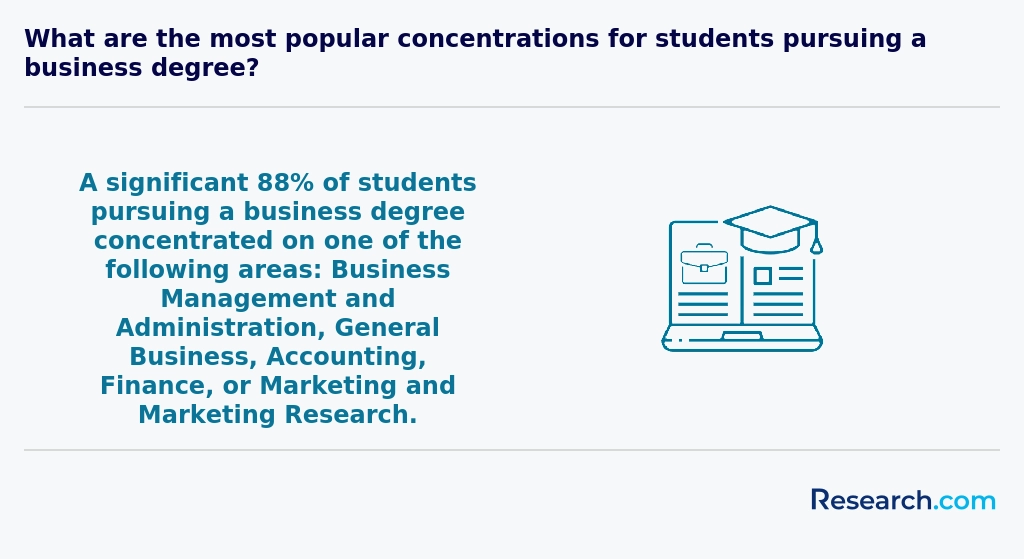
Business degree specializations in Kirkland typically cover finance, marketing, and management, each offering distinct opportunities aligned with the city's dynamic economy. Graduates from local universities often share how studying finance prepared them to navigate real-world investment challenges, reflecting the strong demand and competitive salaries in the Seattle metropolitan area. Marketing students benefit from Kirkland's proximity to tech hubs, gaining hands-on experience with digital strategies that resonate in today's online-focused market. Meanwhile, management specializations provide crucial leadership skills, with many students remarking on the relevance of these skills when working with local small and medium-sized enterprises.
Additional paths such as entrepreneurship, international business, supply chain management, and information systems also attract students interested in the broader business landscape. These niches reflect Washington's role in global trade and regional innovation. For those weighing options, it can be helpful to explore the highest paying business majors to see which align best with career ambitions. Engaging with these specializations at Kirkland's colleges provokes enthusiasm and confidence about future prospects.
Choosing the best business degree programs in Kirkland means carefully balancing personal goals with local market realities. Graduates from Kirkland's well-known universities often emphasize the importance of selecting a program that aligns with your desired career path-whether that's entrepreneurship, marketing, or finance. Since Kirkland thrives in tech and retail, many students find value in programs offering courses tied to those industries and opportunities for internships nearby.
Cost plays a significant role, especially when aiming for affordable business degrees Kirkland WA offers. Public institutions may provide financial relief compared to private alternatives, but examining scholarships and aid options is essential. Some graduates have successfully managed work-study balance by pursuing flexible course formats, including part-time or online options, which can be crucial for working professionals.
Accreditation remains non-negotiable. For example, programs accredited by AACSB often enhance graduates' employment prospects locally and nationwide. Those interested in a balance of quality and cost may consider exploring the affordable online mba aacsb accredited programs offering strong credentials with flexible learning suited to Kirkland's dynamic business environment.
Graduates with a business degree from Kirkland's well-regarded colleges often pursue diverse career paths, reflecting the region's economic strengths. Popular positions include financial analysts advising on corporate and personal wealth, marketing coordinators expanding business reach, and human resource specialists managing recruitment for local firms. These roles are influenced by Kirkland's close ties to Seattle's booming tech and retail sectors, creating ample opportunities in operations and sales management.
Real-world experiences of graduates show that while many find rewarding careers within established companies, others leverage their degree toward entrepreneurship, especially given Kirkland's growing innovation ecosystem. The practical skills gained at institutions popular among business students here equip them well for such ventures, although success can depend on individual adaptability and market conditions. For those weighing options, considering cost-effective programs like those detailed in the Affordable Online Business Degree Programs Ranking in Springfield, MO may influence timely career entry and flexibility.
Understanding business degree career options in Kirkland requires balancing optimistic job market data with the nuances of local economic demands and personal career goals.
Graduates with a business degree in Kirkland enter a job market shaped by the city's strong ties to Seattle's dynamic economy. The Kirkland business degree employment outlook is promising, especially for those with analytical skills and project management experience. Many graduates find roles in technology firms, financial services, and healthcare organizations, reflecting Kirkland's diverse business landscape.
For example, business students from well-known local universities often share stories of landing entry-level positions with starting salaries around $50,000 to $65,000, which feels rewarding given the city's cost of living. Mid-career professionals enjoy upward mobility, with salaries nearing $90,000, especially by leveraging Kirkland's proximity to Seattle's multinational corporations.
However, it is important to consider education expenses alongside these figures. Tuition for in-state business programs at Washington state universities averages about $9,000 annually, which is more accessible compared to private institutions. Students interested in advancing quickly sometimes explore one year masters programs online to balance cost and career growth.
Overall, the business degree job opportunities in Kirkland offer tangible potential but require thoughtful navigation of local market demands and education investments.
2027 Most Popular Business Degree Programs Ranking in Kirkland
Investing in your education is a significant decision that can shape your future, and the Research.com team understands the importance of making informed choices. To assist prospective students in Kirkland, we have meticulously crafted the "2027 Most Popular Business Degree Programs Ranking in Kirkland." Our commitment to quality, credibility, and accuracy is reflected in the extensive research and analysis conducted to compile this ranking.
We utilized the following reputable data sources to ensure a comprehensive evaluation of business degree programs:
By exploring this ranking, readers will gain valuable insights into the most popular business degree programs available in Kirkland, helping them make informed decisions about their educational paths. For more details on our methodology, please visit our Research.com methodology page.

# 3 position
Northwest University-Center for Online and Extended Education
Bachelor of Arts in Business

# 4 position
Northwest University-Center for Online and Extended Education
Master of Business Administration
# 5 position
Lake Washington Institute of Technology
Bachelor of Science in Entrepreneurship

Frequently Asked Questions About business
Business degree students in Kirkland can maximize their learning experience by actively engaging in internships with local companies such as Google and Tableau, both headquartered nearby. These opportunities provide practical skills that complement academic theory. According to the Washington Student Achievement Council, internships increase job placement rates by up to 60% for recent graduates.
Joining student organizations like business clubs or networking groups can also enhance learning by fostering peer collaboration and professional connections. Additionally, pursuing certifications in areas like data analytics or project management alongside the degree adds valuable expertise employers seek in the Kirkland job market.
Utilizing resources offered by nearby universities such as Lake Washington Institute of Technology helps students access workshops and mentoring programs tailored to the evolving business environment of the Seattle metropolitan area.
The business landscape in Kirkland is evolving rapidly, creating new opportunities for specialization within business degrees. Emerging niches include data analytics, which integrates data science skills to guide strategic decisions. Demand for these roles is expected to grow by over 20% nationally through 2030, according to the U.S. Bureau of Labor Statistics.
Another growing field is sustainable business practices. With increasing local attention to environmental impact, Kirkland-based companies favor graduates skilled in corporate social responsibility and green supply chain management.
Additionally, digital marketing and e-commerce have expanded due to shifting consumer habits online, prompting curricula to emphasize these skills.
Students focusing on these niches often benefit from Kirkland's proximity to Seattle's tech industry, which supports internships and networking.
Preparing for the job market after completing a business degree in Kirkland involves strategic steps aligned with local industry demands. Kirkland, located near Seattle, benefits from a strong economy driven by technology, healthcare, and retail sectors, making networking essential. According to the Kirkland Economic Development Office, internships and cooperative education programs with local companies significantly boost employment chances.
Graduates should focus on developing key skills like data analysis, digital marketing, and project management. Participating in career fairs hosted by University of Washington Bothell or Lake Washington Institute of Technology helps connect with employers. Furthermore, obtaining certifications such as PMP or Google Analytics enhances resumes.
Utilizing local resources like Washington State's WorkSource centers provides job search assistance and training programs. Building a LinkedIn profile tailored to the Kirkland job market also supports visibility among recruiters in major nearby employers like Costco and Microsoft. Staying updated on market trends and continuous learning remains crucial for success.
Employers in Kirkland highly value business degree graduates who demonstrate strong analytical skills and the ability to interpret complex data. According to the Washington State Employment Security Department, local businesses increasingly seek candidates proficient in data-driven decision-making. Communication skills also rank prominently, as graduates must effectively collaborate within diverse teams and present ideas clearly.
Problem-solving capabilities are critical in Kirkland's competitive market, especially in technology and retail sectors. Additionally, adaptability and digital literacy, including familiarity with tools like Excel and CRM software, are vital. Leadership potential and ethical judgment remain important, reflecting the region's emphasis on responsible business practices.
Finding internships in Kirkland related to a business degree involves a strategic approach. Start by exploring local companies, especially in technology, retail, and finance sectors, which are prominent employers in the region. Networking events hosted by the Kirkland Chamber of Commerce can provide direct contacts with business leaders.
Utilizing university career centers and online platforms like Handshake can connect students with internship listings suited for business majors. According to the Washington State Employment Security Department, Kirkland's business services sector has grown steadily, increasing internship availability.
Additionally, reaching out to alumni from local colleges such as Bastyr University or students in nearby Seattle institutions can offer guidance and mentorship opportunities.
In Kirkland, obtaining a business degree significantly enhances career mobility and advancement opportunities. The city's economy, driven by tech firms and startups, highly values candidates with formal business education. According to the U.S. Bureau of Labor Statistics, professionals with a business degree in Washington state typically see a 10-15% higher chance of promotion compared to those without. Employers in Kirkland prioritize skills in management, finance, and marketing, which are core components of most business programs.
Locally, networking events and internships offered by Kirkland colleges provide direct access to industry leaders, supporting faster career growth. The region's competitive job market often requires candidates to hold a degree for entry-level positions, making a business degree a critical asset for long-term advancement.
Studying for a business degree in Kirkland equips students with skills applicable across multiple disciplines, fostering versatility in evolving job markets. Local programs often emphasize collaboration between business, technology, and communication fields, reflecting Kirkland's dynamic economy driven by tech companies and startups.
Coursework integrates subjects like data analysis, marketing, and management with hands-on projects, preparing students to work in teams that include engineers, designers, and financial experts. According to the Washington State Board for Community and Technical Colleges, employers increasingly value graduates who can navigate cross-functional roles.
This interdisciplinary approach aligns with industry demand in Kirkland, where firms seek adaptable professionals capable of bridging business strategy and technical implementation.
Choosing between a thesis and a non-thesis business degree program in Kirkland depends on your career goals and learning preferences. A thesis program often suits students aiming for research roles, academic careers, or advanced degrees like a PhD. It involves conducting original research and writing a detailed paper, which can take additional time and effort.
Non-thesis programs focus more on practical skills and coursework. These are ideal for professionals seeking to enter or advance in the business sector quickly. According to the National Center for Education Statistics, most U.S. business master's graduates prefer non-thesis options for faster completion.
In Kirkland, where many companies emphasize applied knowledge, non-thesis degrees may offer a competitive edge in local job markets such as tech and finance. However, if you plan to contribute to business research or pursue academia, a thesis is valuable.
Students in Kirkland interested in studying business abroad have several pathways available through partnerships between local universities and international institutions. Many universities in Washington State, including those near Kirkland, offer study abroad programs that last from a semester to a full academic year focused on global business practices.
Popular destinations often include European financial centers like London and Frankfurt, as well as emerging markets in Asia, enabling students to gain varied international perspectives. According to the Institute of International Education, approximately 20% of U.S. business students participate in study abroad programs annually, reflecting strong interest nationwide.
Additionally, some programs combine internships with coursework, providing practical exposure alongside academic learning. Kirkland students may also consider virtual global immersion programs, increasingly common since 2020, offering international business education remotely while maintaining local ties.
Part-time job opportunities in Kirkland that complement business degree education are diverse and aligned with the city's growing economy. Many students find roles in retail management, where they develop customer service, sales, and inventory skills valuable to business careers.
Local companies, including tech firms and startups, offer internships in marketing, finance, and operations, providing practical experience alongside academic learning. According to the Washington State Employment Security Department, Kirkland's professional and business services sector grew by 7% in 2023, indicating increasing opportunities.
Positions in administrative support and event planning in Kirkland's thriving service industry can also enhance organizational and communication skills critical for business students.
Business students in Kirkland have access to various valuable networking opportunities that can enhance their careers. Local institutions often partner with the city's strong tech and entrepreneurial communities, offering events such as guest lectures, business fairs, and leadership conferences. The Kirkland Chamber of Commerce actively hosts networking mixers and industry-specific meetups that attract local entrepreneurs and business leaders.
Students can also engage with professional organizations like the Seattle Business Alliance, which frequently holds sessions in the greater Seattle area, including Kirkland. These gatherings provide opportunities to build contacts, find mentors, and explore internships. According to recent reports from the Kirkland Economic Development Department, over 60% of new business startups in the area have benefited from such local networking platforms.
Alumni networks provide valuable support to business degree students in Kirkland by offering access to experienced professionals and local business leaders. These connections can lead to internships, mentorships, and job opportunities, helping students enter competitive markets.
Kirkland benefits from proximity to Seattle's dynamic economy, with alumni often working in tech, finance, and entrepreneurship sectors. According to LinkedIn data from 2023, over 70% of business graduates from this area engage with alumni for career advice and networking.
Many local institutions organize alumni events, which foster community ties and facilitate knowledge exchange. For students, this means enhanced career guidance tailored to Kirkland's unique economic landscape.
Customizing a business degree program in Kirkland allows students to align their education with specific career aspirations. Many local institutions offer elective courses in areas like entrepreneurship, marketing, finance, and information systems-key sectors supporting Kirkland's growing tech and retail economy, as noted by the Kirkland Chamber of Commerce. Students can also choose certificate programs or minors that complement their majors, enhancing skills in leadership or data analytics.
Internships and cooperative education opportunities with Kirkland-based companies provide practical experience that tailors learning to industry demands. Academic advisors often help map out flexible course plans to fit job goals. Online and part-time options further support customization for working professionals seeking advancement.
Business students in Kirkland often face the challenge of balancing rigorous coursework with practical experience. While local institutions emphasize real-world application, many students struggle to secure relevant internships due to competitive markets in the Seattle metropolitan area.
Another common difficulty is adapting to rapidly changing business technologies and digital tools, which are essential for careers in finance, marketing, and management. According to a 2023 report by the Washington Workforce Training & Education Coordinating Board, nearly 40% of Kirkland business students felt underprepared for the tech-driven aspects of their degrees.
Additionally, the rising cost of education in Washington state puts financial strain on students, with average tuition at public institutions nearing $11,000 per year, not including living expenses. This economic pressure can impact academic performance and limit access to extracurricular opportunities that enhance networking and skills.
With a business degree, graduates in Kirkland can pursue several professional certifications that enhance career opportunities. Popular credentials include the Certified Public Accountant (CPA) for those interested in accounting. The Project Management Professional (PMP) certification is valuable for managing business projects effectively.
Other well-regarded options include the Certified Management Accountant (CMA) and the Chartered Financial Analyst (CFA), both highly regarded in finance roles. According to the Kirkland Chamber of Commerce, professionals with certifications often see up to a 20% increase in salary compared to non-certified peers.
Additionally, certifications such as the Certified Business Analysis Professional (CBAP) are growing in demand due to the area's expanding tech and service sectors. Pursuing these credentials can help graduates meet regional workforce needs and boost their competitiveness.
To write a winning application for a business program in Kirkland, start by emphasizing your academic achievements and relevant experience. Most local institutions, including Lake Washington Institute of Technology and Bellevue College, look for a strong GPA and completion of prerequisite courses in economics or math.
Highlight your leadership skills and community involvement, as Kirkland's growing business sector values candidates with practical experience. Including specific examples of teamwork or projects, especially those linked to local enterprises, can enhance your application.
Additionally, tailor your personal statement to show clear career goals and how the program aligns with Kirkland's economic environment, noted for its tech startups and retail industries, as reported by the Kirkland Chamber of Commerce.
Submitting strong letters of recommendation and meeting deadlines strictly can further improve your chances of admission to competitive programs nearby.
The global perspective on a business career emphasizes adaptability and cultural awareness, traits increasingly valued in today's interconnected economy. For students in Kirkland, understanding global markets is crucial because many local companies engage in international trade and partnerships. According to the U.S. Bureau of Labor Statistics, business occupations that require global skills are projected to grow 8% from 2022 to 2032, faster than average for all jobs.
Business degrees focused on international business or global management prepare graduates for roles requiring collaboration across borders. Kirkland's proximity to Seattle, a hub for multinational corporations, offers unique opportunities for internships and networking with globally active firms. These experiences can enhance a graduate's readiness to operate in diverse economic environments.
Gaining practical experience while studying for a business degree in Kirkland is possible through various avenues. Many local colleges encourage students to participate in internships, which offer real-world business exposure and networking opportunities.
Students can also join campus organizations focused on entrepreneurship and business leadership, helping to develop teamwork and project management skills.
Additionally, Kirkland's thriving tech and startup scene provides chances for part-time work or consulting projects, complementing academic knowledge with hands-on practice.
According to the U.S. Bureau of Labor Statistics, internships improve employment outcomes by 20% within six months post-graduation.
Choosing the right concentration within a business degree program in Kirkland involves evaluating your career goals and local industry demands. Kirkland's economy is strong in technology, healthcare, and professional services, making concentrations like Information Systems, Healthcare Management, or Finance highly relevant. According to the Washington State Employment Security Department, jobs in these sectors are projected to grow by over 8% through 2030, which can influence your decision.
Consider your interests and strengths. If you prefer analytics and data, a concentration in Business Analytics may suit you. For leadership roles, Management or Marketing specializations offer broad opportunities. Research program curricula to ensure they align with your goals and include experiential learning.
Networking possibilities in Kirkland are important, too, given the area's proximity to Seattle's corporate hubs. Check if programs have partnerships with local companies to enhance practical experience and job prospects.
- 2027 Most Popular Business Degree Programs Ranking in Seattle
- 2027 Most Popular Business Degree Programs Ranking in Tacoma
- 2027 Most Popular Business Degree Programs Ranking in Bellingham
- 2027 Most Popular Business Degree Programs Ranking in Portland
- 2027 Most Popular Business Degree Programs Ranking in Newberg
- 2027 Most Popular Business Degree Programs Ranking in Salem
- 2027 Most Popular Business Degree Programs Ranking in Spokane
- 2027 Most Popular Business Degree Programs Ranking in Pullman
- 2027 Most Popular Business Degree Programs Ranking in Eugene
- 2027 Most Popular Business Degree Programs Ranking in Reno
See What Experts Have To Say About Studying Business
Read our interview with Business experts


David W. Stewart
Business Expert
Emeritus President's Professor of Marketing
Loyola Marymount University

David Souder
Business Expert
Senior Associate Dean for Faculty and Research
Michigan State University

- Networking Tips for Business Students and MBA Candidates - Cyprus West University https://www.cwu.edu.tr/networking-tips-for-business-students-and-mba-candidates/
- Bachelor of Business Administration (BBA): how much does it cost? https://yourdreamschool.com/bachelor-of-business-administration-bba-how-much-does-it-cost/
- Northwest University Business - Islamic Finance & Business in Kirkland | edial.in https://edial.in/institute/northwest-university-business-kirkland-wa
- Interdisciplinary Business https://www.okwu.edu/academics/undergraduate/bachelor-interdisciplinary-business/
- Professional Business Certifications to Boost Your Career in 2025 https://www.business.com/articles/best-business-certifications/
- Niche Business Ideas: A Guide to Profitable Niche Business Selection - Inar Learn https://inarlearn.com/niche-business-ideas-a-guide-to-profitable-niche-business-selection/
- 2025 Most Affordable Online Business Degrees https://www.onlineu.com/most-affordable-colleges/business-degrees
- Jobs after studying business administration: opportunities at a glance | JobTeaser https://www.jobteaser.com/en/advices/jobs-after-studying-business-administration-opportunities-at-a-glance
- Online Degree vs. Traditional: Choosing the Right Path https://beal.edu/online-degree-vs-traditional/
- Bringing global perspectives to leadership in business https://www.eaie.org/resource/global-perspectives-leadership-business.html