2027 Most Popular Business Degree Programs Ranking in Seattle

Co-Founder and Chief Data Scientist
Choosing the right business degree program can shape your future career and open doors to exciting opportunities. This article presents the 2027 Most Popular Business Degree Programs Ranking in Seattle, carefully crafted by the Research.com team of data scientists to guide you in making an informed decision.
By exploring the latest trends and top programs, you'll discover options that align with your goals and passions. Earning a business degree not only boosts your knowledge but also builds confidence for the competitive job market ahead.
Read on to find the program that fits you best and start your journey toward success.
Key benefits of getting business degree in Seattle
- Salary for business degree graduates: Graduates can expect competitive pay, with Business Analysts earning a mean annual wage of $112,950 and Business Development Executives about $83,190 in the US.
- Potential career paths: A business degree from the University of Washington in Seattle opens doors to roles in analysis, development, and management across diverse industries, offering exciting growth opportunities.
- Benefits of online degrees: Earning an online business degree from Seattle University allows flexible learning schedules and often faster completion times, making it ideal for working professionals balancing career and education.
- 2027 Most Popular Business Degree Programs Ranking in Seattle
- What can I expect from business degree in Seattle?
- Where can I work with business degree in Seattle?
What can I expect from business degree in Seattle?
The average cost for a business degree in Seattle varies significantly, often shaped by whether you attend a public or private institution. Many students at public universities, like the University of Washington, find tuition more affordable if they're state residents, sometimes making that challenging investment feel a bit more within reach.
Graduates often recall balancing the tuition with hands-on opportunities that bring their education to life-internships at companies like Amazon or Boeing, for example, which can feel like a priceless extension of their classroom learning. For some, this made each dollar spent worth the practical experience gained and the professional connections forged.
Private colleges may come with a higher price tag, but students often describe an enriched curriculum with smaller class sizes and personalized mentorship. The hustle of commuting around Seattle's bustling neighborhoods and attending startup pitch events adds to the adventure, making every cost feel like part of a bigger journey toward career growth.
Where can I work with business degree in Seattle?
Graduates from Seattle's top business schools find themselves stepping into a city buzzing with opportunity. Imagine landing a role at Amazon or Microsoft, where vibrant teams tackle supply chain challenges or innovate marketing strategies. Business students from the University of Washington often share excitement about entering these dynamic workplaces, gaining hands-on experience that feels like solving real-world puzzles.
Others discover thrilling careers in finance by joining firms like Russell Investments, where they dive into risk management or corporate finance, navigating complex markets with confidence. Graduates from Seattle University find this blend of theory and practice energizing as they apply classroom lessons to client-focused projects.
For those drawn to startups or nonprofits, Seattle's entrepreneurial spirit offers spaces to grow in human resources or business development. Picture yourself collaborating with a local nonprofit to boost organizational impact or crafting innovative solutions within a cutting-edge tech hub alongside peers from Seattle Pacific University.
From global trade at the port to leadership roles in retail giants like Starbucks, Seattle's business landscape invites graduates to explore, innovate, and thrive in ways that spark both curiosity and a rewarding sense of purpose.
Graduates from Seattle's renowned business programs often find themselves stepping into roles with attractive paychecks that reward their hard work and ambition. Imagine finishing your degree and landing a job as a Business Analyst, a role where the mean annual wage in Seattle is an impressive $112,950. That's the kind of salary that sparks excitement and validates late-night study sessions at well-known institutions like the University of Washington's Foster School of Business.
Even those entering the business world as Development Executives can expect a solid start, with average salaries around $83,190 annually. These figures reflect the strong demand in Seattle's dynamic economic landscape, where graduates from local colleges share stories of rapidly growing careers fueled by the city's thriving industries.
Being in Seattle means diving into a career pathway filled with opportunity-where your salary can elevate your quality of life despite the city's higher cost of living. Graduates frequently celebrate the balance of financial rewards and unique experiences this vibrant business community offers, making their degrees feel like a ticket to both stability and adventure.
- Undergraduate business programs in Seattle typically cost between $15,000 and $45,000 per year, with public universities being more affordable for in-state students.
- Entry-level salaries for business graduates in Seattle start around $55,000 to $65,000 annually, increasing to $90,000 to $110,000 for mid-career professionals.
- The job market for business degrees is strong, especially in management, marketing, finance, and supply chain management roles.
- Seattle offers various business degree options including Bachelor of Business Administration and specialized programs in entrepreneurship and information systems.
- A standard bachelor's business degree generally requires four years, with some accelerated options available.
Imagine embarking on your business degree adventure right in the heart of Seattle, where the typical journey for a bachelor's spans about four years of full-time study. Graduates from universities like the University of Washington and Seattle University often recount balancing lively campus life with rigorous courses, clocking around 120 to 130 credit hours before stepping confidently into their careers.
For those seeking an MBA, the story shifts excitingly-full-time students might complete their degree in one to two years, while part-time or executive programs stretch the experience to two or three years. Many graduate students relish the flexibility, juggling work and study through evening or weekend classes, turning education into a personalized adventure.
Some bold students opt for the accelerated path, combining bachelor's and master's degrees in about five years, cutting down time while gaining advanced skills faster. It's a thrilling time frame that captures the energetic spirit of Seattle's dynamic business community.
Choosing between online and on-campus business degrees in Seattle feels like embarking on two distinct adventures. Imagine attending the University of Washington, where on-campus students thrive in buzzing classrooms, eagerly exchanging ideas during group projects and enjoying spontaneous chats after lectures. This hands-on environment sparks real-time connections, with access to career fairs and local business networks that many graduates treasure for their job searches.
Now picture students juggling work and family, logging in from home to Seattle University's online business courses. Their journey is flexible and self-paced, unlocking the freedom to study evenings or weekends without the commute. Many share how digital forums and video discussions became virtual meeting points, turning limitations into vibrant learning moments.
Both paths dive deep into business fundamentals, yet Seattle's diverse options mean you can choose the experience that fits your rhythm and ambitions. Whether immersed in campus life or mastering business skills remotely, each route opens exciting doors in the city's dynamic market.
Investing in a business degree requires weighing upfront costs against long-term earnings. In Seattle, a bachelor’s in business averages $10,000–$30,000 per year at public institutions, while private schools range from $30,000–$60,000. By comparison, entry-level salaries for business graduates-such as $80,220 for Project Managers and $108,790 for Business Analysts-often allow students to recoup tuition within 5–7 years, depending on debt levels and living expenses. Key ROI considerations include: • Total debt burden versus median salary growth. Graduates report that aggressive debt repayment plans can reduce loan balances by 50% within the first five years. • Accelerated programs. One-year Master’s or MBA options not only shorten time to degree but also reduce living costs. For students balancing work and study, exploring an affordable aacsb-accredited online mba can significantly lower tuition per credit hour while maintaining high academic standards. • Scholarship and grant impact. Institutional awards and state Opportunity Grants have helped many graduates lower their effective cost by 20–40%, shortening payback periods and boosting net ROI. • Earnings trajectory. Data shows that business degree holders in Seattle experience salary growth of 6–10% annually, accelerating ROI as they advance into managerial or specialized roles. By comparing program expenses, potential scholarships, and projected income, prospective students can identify the path that maximizes financial returns and aligns with career goals.
The average cost of obtaining a business degree in Seattle offers an intriguing journey into investment and opportunity. Recent data reveals that the median total cost for a business degree typically sits around $62,514, with in-state students enjoying a significantly lower median total cost near $12,973. Graduates from institutions like the University of Washington Seattle or Seattle University often reflect on the value behind this price - the lively campus atmosphere, close-knit networking opportunities, and access to dynamic local industries.
Students chasing their dream business degree in Seattle quickly learn how tuition fees complement the vibrant city life and the challenge of the Seattle market. Exploring Seattle business degree tuition fees uncovers a spectrum of expenses that vary between public and private schools, and in-state versus out-of-state status. Many students speak of balancing the excitement of learning in such a bustling economic hub with the reality of managing costs, yet they also highlight financial aid options that weave affordability into their personal stories.
Living and learning in Seattle means engaging with some of the in demand business schools, where education extends beyond the classroom into hands-on learning and internships. This dynamic makes the price of a Seattle business education feel more like an investment in one's future than just a fee, turning cost conversations into hopeful plans for success in the business world.
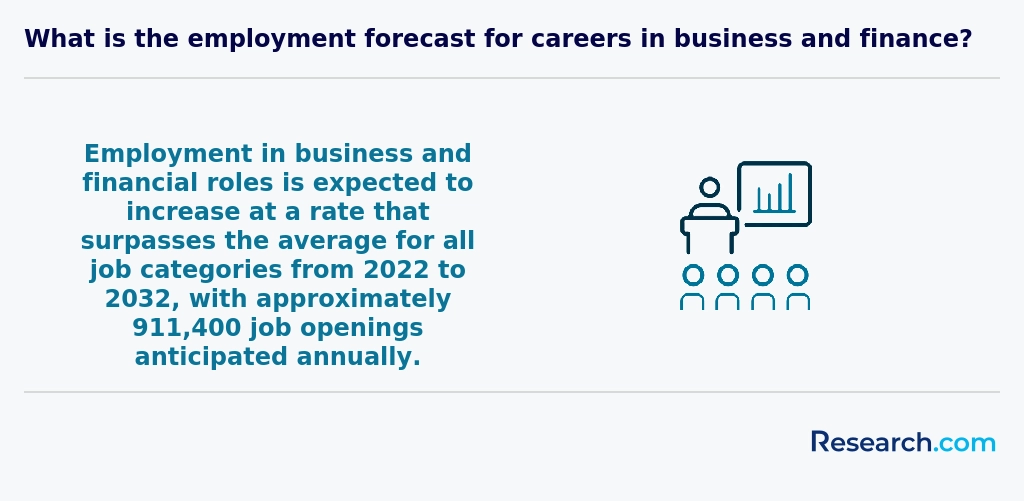
To make an informed decision about which business school in Seattle, WA, is the best fit, prospective students should research and evaluate several key factors. One crucial aspect to consider is the reputation and accreditation of the institution, as well as the quality of its faculty and curriculum. Additionally, students should look into the available resources and support services, such as career counseling, internship opportunities, and networking events. By assessing these factors, students can choose a business school that aligns with their career goals and provides them with the skills and knowledge necessary to succeed in the competitive job market. For instance, students interested in pursuing a degree from in demand business schools can explore various options in Seattle, WA, and find the program that best suits their needs and aspirations.
Imagine stepping into Seattle's vibrant business schools, where financial aid opens doors just as wide as the city's skyline. Graduates from the University of Washington often recall how federal aid, especially the Pell Grant, transformed their college journey by covering up to $7,395 annually in tuition-money they never had to pay back. The Direct Subsidized Loan, with its generous interest-free period while enrolled, brought relief to many balancing studies and part-time work.
Seattle University's business students frequently share stories of scholarships ranging from $2,000 to $10,000, which made their ambitions feel attainable. State initiatives like the College Bound Scholarship and State Need Grant further lightened the financial load, especially for those rooted in Washington communities.
Beyond money, work-study programs and employer tuition assistance create real-world bridges, letting students earn and learn within Seattle's bustling urban scene. It's a puzzle of support pieces, each perfectly placed to help you explore and thrive without the heavy weight of tuition alone.
As the landscape of business continues to evolve, so too does the nature of business education in Seattle, WA. Today’s programs are increasingly integrating technology, sustainability, and global market trends into their curricula to ensure graduates are prepared for a future where adaptability is key. Emerging trends include the accelerated use of data analytics, artificial intelligence in decision-making, and innovative teaching methods that blend online and on-campus learning. These changes not only enhance skill development but also improve long-term career prospects, bolstering the return on investment for students. In response to these shifts, academic institutions in Seattle are forging stronger partnerships with local industries, providing students with access to internship opportunities and networking events that directly align with current market demands. This approach helps graduates transition smoothly into competitive roles, whether in technology firms, financial institutions, or emerging startups. For a deeper dive into navigating career growth in this dynamic sector, consider exploring Highest Paying Business Majors as a resource for understanding which fields are leading the way. By staying informed about these emerging trends and adapting to an ever-changing market environment, prospective students can better prepare themselves for career advancement and sustained success within Seattle’s vibrant business community.
To dive into a business degree in Seattle, you'll generally need a solid academic foundation, like a high school diploma or GED, backed by strong transcripts in subjects such as math and English. Graduates from local universities often recall showing their transcripts and, occasionally, SAT or ACT scores, though many schools in Seattle now let you skip tests if you prefer.
Seattle's business programs also love to see leadership spark-whether from clubs, internships, or volunteer work-that paints a picture beyond grades. Letters of recommendation and personal essays become your story, revealing your drive and dreams, just as many successful grads experienced when applying to the University of Washington's business school.
If you're eyeing an MBA, expect to bring in a bachelor's degree and a couple of years' work experience, sometimes up to five. You might also face GMAT or GRE tests but rest assured, some Seattle programs now waive these for the right applicants, easing the path.
For international students, demonstrating English skills through TOEFL or IELTS scores is key, helping open doors to the vibrant Seattle business community. Each requirement feels like a step closer to your new adventure.

Pursuing a business degree in Seattle requires weighing tuition costs against potential earnings to determine your true return on investment. On average, in-state students at public universities invest between $10,000 and $20,000 per year in tuition, while private institution attendees may pay $30,000 to $50,000 annually. Graduates entering roles such as Project Manager ($80,220 mean annual wage) or Business Analyst ($108,790) can often recoup tuition expenses within three to five years, depending on starting salary and living costs in Seattle’s metropolitan area. Key factors influencing ROI include:
- Total Program Cost: Calculate tuition, fees, and living expenses.
- Expected Salary Growth: Business degree holders can see salary increases of 80%–130% within 12 years of graduation.
- Career Advancement Opportunities: Specializations in finance or data analytics often yield faster promotion paths and higher compensation.
- Alternative Credentials: For those seeking a lower-cost graduate option without sacrificing quality, reviewing the Low Cost Online Master's in Business Degree Programs Ranking in Pittsburgh, PA can offer insights into programs with strong ROI metrics. To improve your ROI further: 1. Leverage internships and co-op programs to boost employability and initial salary offers. 2. Maximize employer tuition assistance or federal aid to reduce out-of-pocket expenses. 3. Target industries with the highest growth projections-healthcare management (32% growth by 2030) and financial management (17% growth) offer strong earning potential. By analyzing these variables and strategically selecting a program that balances cost with career outcomes, prospective students can make an informed investment decision that aligns with both their financial goals and professional aspirations.
Diving into a business degree in Seattle means embracing a vibrant mix of courses designed to spark your curiosity and sharpen your skills. Imagine yourself in a classroom at a university like the University of Washington, where you explore Principles of Management through real-world case studies, unlocking leadership techniques that resonate in Seattle's bustling startups and global corporations.
Graduates often recall unraveling Financial Accounting puzzles, transforming raw data into clear business stories like analyzing Amazon's quarterly reports. The thrill continues with Marketing Fundamentals, where you craft strategies inspired by Seattle's dynamic retail scene, from coffee shops to tech giants.
Specialized courses such as Operations Management bring production and supply chain mysteries to life, drawing on Seattle's aerospace industry examples. And the exciting crossroads of business and ethics challenge students to consider how companies like Starbucks integrate sustainable practices.
Many students relish hands-on learning through internships, making their academic journey an adventurous exploration of Seattle's unique business landscape.
Exploring business degree specializations in Seattle feels like diving into a sea of possibilities tailored to the city's vibrant industries. Graduates from local universities often share stories of immersing themselves in finance classes where managing investments feels like orchestrating the city's economic heartbeat. Others recall marketing courses inspired by Seattle's tech boom, crafting digital campaigns that resonate with real-world data and consumer trends. At colleges known for their business degree programs with specialization, students engage deeply with entrepreneurial ventures, fueled by the city's startup spirit, learning to transform bold ideas into viable businesses. Supply Chain and Logistics is another favorite, connecting students to the pulse of Seattle's busy ports and international trade routes, turning classroom theory into streamlined operations. Information Systems Management bridges tech and business, providing hands-on experience coordinating IT projects in a city dominated by giants like Microsoft. Curious students can explore even more to find the perfect path that matches their ambitions and the city's dynamic economy.
Many graduates highlight how Seattle's business scene breathes life into their studies, offering invaluable internships and networking opportunities. Whether it's collaborating with Amazon or Boeing, students see firsthand how their chosen specialization plays a critical role in real business challenges. For those excited by the prospect of career impact, checking out the Highest Paying Business Majors offers thrilling insights into future paths.
Imagine standing at the crossroads of Seattle's bustling business scene, deciding which path your degree should take. Graduates from local universities often highlight how choosing a program with strong ties to giants like Amazon and Boeing transforms classroom theories into real-world adventures. Think internships alongside Seattle's tech innovators or immersing yourself in supply chain projects that pulse through the city's global trade veins. Exploring the best business degree programs Seattle has to offer means chasing not just knowledge but those electrifying moments of connection and growth.
Cost matters too, but many students find the sweet spot by uncovering hidden gems among affordable business schools in Seattle, balancing tuition with scholarships and work-study opportunities. Some of them even opt for flexible schedules, combining evening classes or online lessons while diving deep into career-building activities. If you're curious about broadening your options, consider exploring an affordable aacsb-accredited online mba-it's a smart route taken by many eager learners ready to launch their futures.
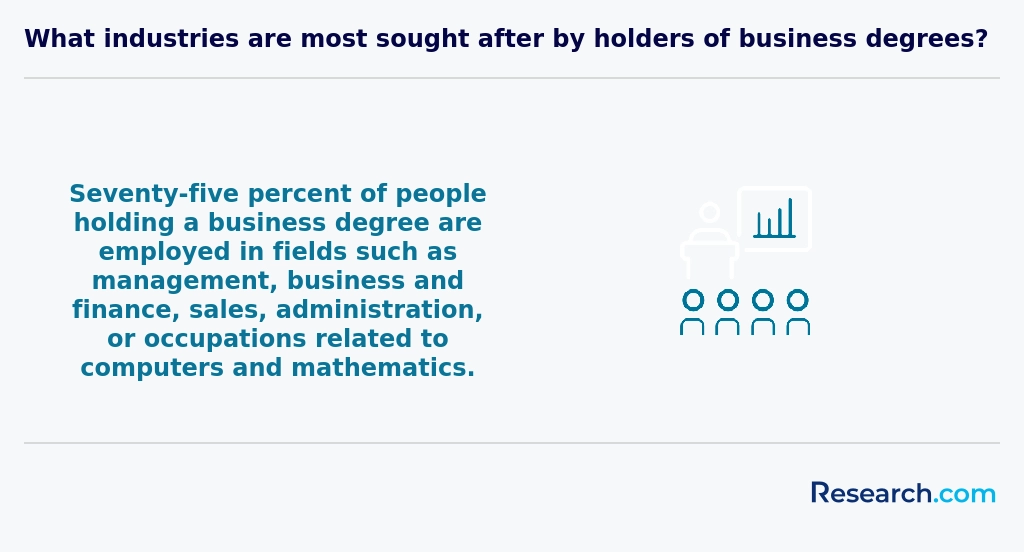
Graduates holding a business degree in Seattle discover a vibrant landscape of career paths fueled by the city's energetic economy. Imagine stepping out of the University of Washington's business school and right into a bustling tech hub where management and administration roles shape the future of companies like Amazon or Microsoft. Many grads thrive as project managers or business analysts, mastering the art of strategic planning and daily operations.
For those eager for dynamic challenges, technology management and consulting offer thrilling doorways. Seattle's startups provide fertile ground to merge business savvy with IT skills, crafting careers in product management or business intelligence. In fact, exploring jobs for business graduates in Seattle frequently leads to opportunities in financial analysis and risk management, where competitive salaries reflect both local demands and living costs. Business students often balance studies with internships around the city, a practical way to unlock these career adventures.
Meanwhile, marketing and sales roles attract graduates who enjoy blending creativity with strategy in a city always eager for innovation. Healthcare management is another emerging field, where grads contribute to improving medical institutions through savvy administrative roles. For those mindful of tuition expenses, you might be interested in the Low Cost Online Master's in Business Degree Programs Ranking in Pittsburgh, PA, showing there are strategic ways to invest in your future while enjoying Seattle's rich career possibilities.
The job market for business degree graduates in Seattle is thriving, thanks to the city's dynamic economy and diverse industries. Many graduates from well-known Seattle universities find themselves stepping into roles within tech giants or healthcare firms, where their skills in management, finance, and marketing are in high demand. Imagine a recent graduate navigating projects at a startup or managing operations at a biotech company-each day bringing new challenges and opportunities to grow.
Seattle career outlook for business graduates is especially promising, with employment in business occupations expected to grow steadily. This energizes students who know their business degree opens doors to roles in financial services, consulting, and strategic planning. With salaries often exceeding the national average, the city's offerings feel like a rewarding adventure for those ready to launch a vibrant career.
Students exploring options might consider an accelerated bachelor degree to enter this bustling market faster, taking advantage of Seattle's expanding small business sector to gain real-world experience and connections.
2027 Most Popular Business Degree Programs Ranking in Seattle
Investing in your education is a significant decision that can profoundly impact your career and future. The Research.com team recognizes the importance of making well-informed choices and has therefore developed the "2027 Most Popular Business Degree Programs Ranking in Seattle" with utmost dedication to quality, credibility, and accuracy. Our team conducted thorough research and analysis to ensure this ranking offers reliable guidance to prospective students.
We utilized the following reputable data sources to create this ranking:
By consulting this ranking, readers will gain valuable insights into the leading business degree programs in Seattle, empowering them to make confident and informed decisions about their education. For a detailed explanation of our methodology, please visit our Research.com methodology page.


# 7 position
City University of Seattle
Bachelor of Science in Business Administration

# 8 position
City University of Seattle
Master of Business Administration
# 9 position
North Seattle College
Bachelor of Applied Science in International Business

# 10 position
South Seattle College
Bachelor of Business Administration

Frequently Asked Questions About business
Business degree students in Seattle can maximize their learning by engaging actively in internship opportunities offered by the city's diverse economy. Seattle hosts major corporations like Amazon, Microsoft, and Starbucks, providing hands-on experience in technology, retail, and management. According to the Seattle Office of Economic Development, over 70% of local businesses prefer hiring interns from nearby universities, making practical experience essential. Networking is crucial; students should participate in local business events and join university-affiliated clubs to build professional connections. Additionally, taking advantage of Seattle's entrepreneurial ecosystem, including startup incubators and workshops, can deepen practical business skills in real-world contexts.
Emerging niches in the business field reflect changes in technology, sustainability, and consumer behavior. In Seattle, sectors like fintech, data analytics, and sustainable business practices are gaining traction due to the city's strong tech industry and commitment to green initiatives.
Fintech combines finance and technology, offering new career paths in digital payments and blockchain. According to a 2023 report from the Seattle Metropolitan Chamber of Commerce, fintech startups in the area grew by 18% over two years. Data analytics is another growing niche, supported by Seattle's abundant tech companies that rely heavily on data-driven decision-making.
Sustainability-focused business roles are expanding, driven by local government regulations and corporate social responsibility demands. Seattle-based companies increasingly seek professionals skilled in ethical supply chain management and environmental economics.
Preparing for the job market after completing a business degree in Seattle involves strategic steps tailored to the region's dynamic economy. Seattle's strong sectors, such as technology, retail, and logistics, offer diverse opportunities for graduates. According to the Seattle Metropolitan Chamber of Commerce, more than 100,000 business-related jobs are projected to grow in the next five years, especially in marketing, sales, and supply chain management.
Networking is crucial; graduates should engage with local professional organizations like the Seattle Business Magazine's events or the Puget Sound chapter of the American Marketing Association. Internships and cooperative education programs, often available through Seattle universities, provide practical experience and industry contacts.
Developing skills in data analysis, digital marketing, and project management can greatly improve employability. Local labor reports emphasize the increasing value of proficiency in software such as Excel, Salesforce, and Tableau. Seattle's competitive job market rewards those who combine academic knowledge with real-world skills and regional networking connections.
Employers in Seattle highly value several key skills in business degree graduates. According to a 2023 report by the Seattle Metropolitan Chamber of Commerce, leadership and communication rank among the top priorities. Graduates who can clearly articulate ideas and manage teams effectively are in demand.
Analytical skills are also crucial. Business analytics roles in Seattle grew by 15% over the past three years, highlighting the need for data interpretation proficiency.
Additionally, adaptability and digital literacy stand out, reflecting the tech-driven business environment in the region fostered by firms like Amazon and Microsoft.
Finding internships in Seattle relevant to a business degree involves leveraging local resources and networks. Seattle is home to a dynamic business environment, including major companies like Amazon, Microsoft, and Starbucks, which regularly offer internship programs. According to the Seattle Office of Economic Development, nearly 230,000 people work in the region's professional and business services sector, which increases internship opportunities.
Students should utilize university career centers, which often maintain exclusive employer contacts and internships tailored for business majors. Additionally, platforms like Handshake and LinkedIn provide focused listings for internships in Seattle's business fields.
Networking through local organizations such as the Seattle Metropolitan Chamber of Commerce can also be effective. Participating in business meetups or industry events increases visibility and improves chances to secure internships.
In Seattle, earning a business degree significantly enhances career mobility and advancement opportunities due to the city's robust economy and diverse industries. According to the Seattle Metropolitan Chamber of Commerce, the demand for skilled business professionals grew by 12% between 2018 and 2023. Business graduates can access roles in technology, finance, and healthcare sectors, which dominate Seattle's job market.
Employers in Seattle often prefer candidates with formal business education, as it signals critical skills like management, finance, and strategic planning. LinkedIn data shows that professionals with business degrees have 25% faster promotion rates within local companies.
Seattle's numerous networking events and professional associations further help graduates leverage their degrees to advance. Overall, a business degree establishes a competitive edge in this dynamic regional economy.
Studying for a business degree in Seattle offers a unique opportunity to develop skills that span multiple disciplines. Seattle's economy, driven by tech, manufacturing, and global trade, encourages universities to design programs blending business fundamentals with technology, communication, and data analysis.
For example, students often engage in coursework that combines finance with information systems or marketing with data analytics. This interdisciplinary approach aligns with the demands of Seattle's diverse industries, where roles require collaboration across teams and knowledge of multiple fields.
According to the U.S. Bureau of Labor Statistics, Seattle's business sector continues to grow rapidly, emphasizing the need for adaptable professionals well-versed in various disciplines.
Choosing between a thesis and a non-thesis business degree program in Seattle depends on your career goals and learning preferences. A thesis option involves conducting original research and writing a detailed paper, which suits students aiming for doctoral studies or research-focused roles. Non-thesis programs typically emphasize practical coursework and capstone projects, ideal for those targeting immediate careers in Seattle's business hubs like tech or finance.
Seattle's vibrant economy, including leading corporations such as Amazon and Microsoft, often favors hands-on experience. According to the Seattle Metropolitan Chamber of Commerce, 68% of local businesses value applied skills over research for entry-level roles. Cost and program length can also differ, with thesis paths sometimes requiring more time and resources.
Students based in Seattle interested in studying business abroad have several options through U.S. universities' international programs. Institutions like the University of Washington Foster School of Business offer exchange programs with partner schools worldwide, enabling students to gain global perspectives while earning credits locally recognized. According to the Institute of International Education, nearly 11% of U.S. business students participate in study abroad programs, reflecting growing interest.
Seattle's business students can also explore faculty-led programs, summer sessions, or dual-degree opportunities overseas. These options emphasize real-world experience and cross-cultural skills highly valued in today's global economy.
Costs and scholarships vary widely, so researching financial aid options early is crucial.
Seattle's dynamic economy offers various part-time job opportunities that complement business degree education. Many students find positions in retail management, customer service, and administrative roles within the city's thriving tech and service sectors. According to the U.S. Bureau of Labor Statistics, Seattle's business and financial operations sector is projected to grow by 9% from 2022 to 2032, creating relevant job openings for students.
Internships in startups and established companies like Amazon, Microsoft, and local financial firms provide hands-on experience in marketing, finance, and project management. Additionally, roles in nonprofit organizations and event coordination can enhance leadership and organizational skills. These experiences align well with academic learning and improve future employability.
Seattle offers business students robust networking opportunities through its vibrant business community and top universities. The city is home to major companies like Amazon and Microsoft, creating numerous events and internships that connect students with industry leaders.
Universities such as the University of Washington provide career fairs and alumni networking events specifically tailored to business majors. According to a 2023 report from the Seattle Chamber of Commerce, over 70% of business students engage in professional networking before graduation, boosting job prospects.
Local organizations, including the Seattle Business Alliance, host regular meetups and workshops, helping students build valuable contacts. These opportunities foster direct interaction with professionals, making Seattle an ideal place for aspiring business leaders to grow their networks.
Alumni networks provide significant advantages for business degree students in Seattle by offering connections to local industries, which is essential in a city with a diverse economy including technology, retail, and finance sectors. According to the Greater Seattle Chamber of Commerce, nearly 60% of new business roles are filled through referrals, highlighting the power of networking.
These networks often facilitate mentorship programs where experienced graduates guide students through career planning and skill development. Access to exclusive job opportunities at major companies like Amazon and Starbucks, both Seattle-based, is also common.
Furthermore, alumni events foster relationships that can lead to internships and collaborative projects, enhancing real-world experience alongside academic learning.
Seattle offers multiple options to customize your business degree to align with your career goals. Many universities allow you to choose concentrations such as entrepreneurship, finance, marketing, or supply chain management. This helps tailor your skills to specific industries thriving in Seattle, like technology and international trade.
You can also gain practical experience through internships with major employers such as Amazon or Boeing, providing valuable industry connections. Additionally, Seattle schools often offer flexible course formats, including evening and online classes, to accommodate working professionals.
According to the U.S. Bureau of Labor Statistics, Seattle's business sector is projected to grow 5% through 2031, highlighting the value of customized education in this region.
Business students in Seattle face challenges related to rising education costs and competitive job markets. According to the National Center for Education Statistics, average tuition for in-state public universities has risen by 3% annually, impacting affordability. Seattle's booming tech sector demands strong analytical skills, often requiring students to balance internships with coursework.
Networking opportunities exist but can be overwhelming due to the city's dense corporate environment, making it difficult for students to stand out. Additionally, housing costs in Seattle remain high, posing financial stress during studies. Students must also navigate rapid industry changes, such as sustainable business practices, to stay relevant in their careers.
With a business degree in Seattle, graduates can pursue various professional certifications to enhance their career prospects. Popular options include the Certified Public Accountant (CPA), ideal for those interested in accounting and finance. Another common path is the Project Management Professional (PMP) certification, which is highly valued in Seattle's thriving tech and business sectors.
The Certified Management Accountant (CMA) focuses on financial management and is also widely recognized. Additionally, those aiming for careers in marketing may consider the Professional Certified Marketer (PCM) credential. These certifications typically require relevant work experience and passing standardized exams.
Seattle's strong economy and presence of Fortune 500 companies like Amazon make these certifications particularly beneficial for job seekers, increasing earning potential and job security.
To write a winning application for a business program in Seattle, start by researching the specific requirements of your target schools. Seattle is home to respected institutions like the University of Washington's Foster School of Business, which values academic excellence and leadership skills. Highlight your achievements with clear examples of teamwork and problem-solving. According to the National Center for Education Statistics, a strong GPA combined with relevant work experience can boost your chances.
Include a compelling personal statement that reflects your passion for business and connection to Seattle's dynamic economy, known for sectors like technology and international trade. Tailor your resume to emphasize skills that align with program goals. Finally, secure strong letters of recommendation from professionals familiar with your business acumen.
Global perspectives on a business career emphasize adaptability and cross-cultural skills, vital in today's interconnected markets. For students in Seattle, understanding global business trends is crucial, as the city hosts many multinational companies like Amazon and Microsoft. According to the U.S. Bureau of Labor Statistics, global trade and international business management roles are growing faster than average, reflecting increasing demand for professionals who can navigate diverse economic environments.
Seattle's position as a tech and trade hub offers unique opportunities for business graduates to engage with global markets. Business programs often include coursework on international finance, marketing, and supply chain management to prepare students for careers worldwide.
Students pursuing a business degree in Seattle can gain practical experience through internships, cooperative education (co-op) programs, and networking events. Seattle's strong economy, anchored by companies like Amazon, Microsoft, and Starbucks, offers numerous internship opportunities in diverse industries, from tech to retail. According to the Seattle Metropolitan Chamber of Commerce, over 60% of business students secure internships locally before graduation.
Many universities partner with local firms to provide internships that often lead to full-time jobs. Additionally, student organizations and business clubs frequently host events where students can develop skills and connect with professionals. Volunteering for local startups also offers hands-on business experience, enhancing resumes and practical knowledge.
Choosing the right concentration within a business degree program in Seattle involves aligning your interests with the region's economic strengths. Seattle's economy is heavily influenced by technology, aerospace, international trade, and healthcare, making concentrations like information systems, supply chain management, and healthcare administration particularly relevant.
Research from the Seattle Metropolitan Chamber of Commerce shows that jobs in tech and logistics are growing faster than the national average, suggesting strong demand for skills in these areas.
Explore programs that offer internships or partnerships with local companies such as Amazon, Boeing, or Providence Health, as practical experience can be invaluable.
Consider your long-term career goals and use resources like the U.S. Bureau of Labor Statistics to analyze salary trends for different business specialties in Seattle.
- 2027 Most Popular Business Degree Programs Ranking in Kirkland
- 2027 Most Popular Business Degree Programs Ranking in Tacoma
- 2027 Most Popular Business Degree Programs Ranking in Bellingham
- 2027 Most Popular Business Degree Programs Ranking in Portland
- 2027 Most Popular Business Degree Programs Ranking in Newberg
- 2027 Most Popular Business Degree Programs Ranking in Salem
- 2027 Most Popular Business Degree Programs Ranking in Spokane
- 2027 Most Popular Business Degree Programs Ranking in Eugene
- 2027 Most Popular Business Degree Programs Ranking in Pullman
- 2027 Most Popular Business Degree Programs Ranking in Reno
See What Experts Have To Say About Studying Business
Read our interview with Business experts


Ingrid S. Greene
Business Expert
Clinical Assistant Professor of Management
Loyola Marymount University

David Souder
Business Expert
Senior Associate Dean for Faculty and Research
Michigan State University

- How to Write the Perfect Cover Letter – EU Business School https://www.euruni.edu/blog/write-perfect-cover-letter/
- How to Write a Statement of Purpose for Business School https://www.statementswritingservices.com/blog/how-to-write-a-statement-of-purpose-for-business-school.html
- 2024 Best Business Schools | How Alumni Rate Their Undergraduate Business Degrees https://poetsandquantsforundergrads.com/news/best-business-schools-alumni-rate-undergraduate-business-degrees/5/
- Global Perspectives: International Opportunities for Business School Students - SBS Swiss Business School https://sbs-uae.org/global-perspectives-international-opportunities-for-business-school-students-3/
- Interdisciplinary Business https://www.okwu.edu/academics/undergraduate/bachelor-interdisciplinary-business/
- Finding Networking Opportunities as a Student | National Society of High School Scholars https://www.nshss.org/resources/blog/blog-posts/how-to-find-networking-opportunities-as-a-student/
- Top 10 Skills Employers Seek in Business Graduates in 2026 https://www.ibat.ie/blogs/top-10-skills-employers-seek-in-business-graduates-in-2026
- Business (Career Training) | North Seattle College https://northseattle.edu/programs/business
- Online Degree vs. Traditional: Choosing the Right Path https://beal.edu/online-degree-vs-traditional/
- Business Administration Degree Salary | UE Amsterdam https://www.ue-amsterdam.com/blog/business-administration-degree-salary-how-much-can-you-earn