
2027 Most Affordable Business Degree Programs Ranking in New Jersey

Co-Founder and Chief Data Scientist
Choosing the right business degree program in New Jersey can feel overwhelming. To help you navigate this important decision, the article presents the 2027 Most Affordable Business Degree Programs Ranking in New Jersey. Developed by the Research.com team of data scientists, this ranking offers clear insights to guide your choices.
Reading this article will help you discover quality programs that fit your budget while setting you up for success. Earning a business degree opens doors to exciting opportunities and personal growth. Let this guide support your journey toward a brighter future.
Key benefits of getting business degree in New Jersey
- Salary for business degree graduates: Business degree holders can earn competitive salaries, such as Business Analysts who make a mean annual wage of $112,950 or Business Development Executives earning around $83,190 per year, showing strong financial potential.
- Career paths: Graduates from New Jersey schools often find diverse career options, including roles in analysis, development, and management, allowing flexibility to pursue jobs that match their passions and strengths.
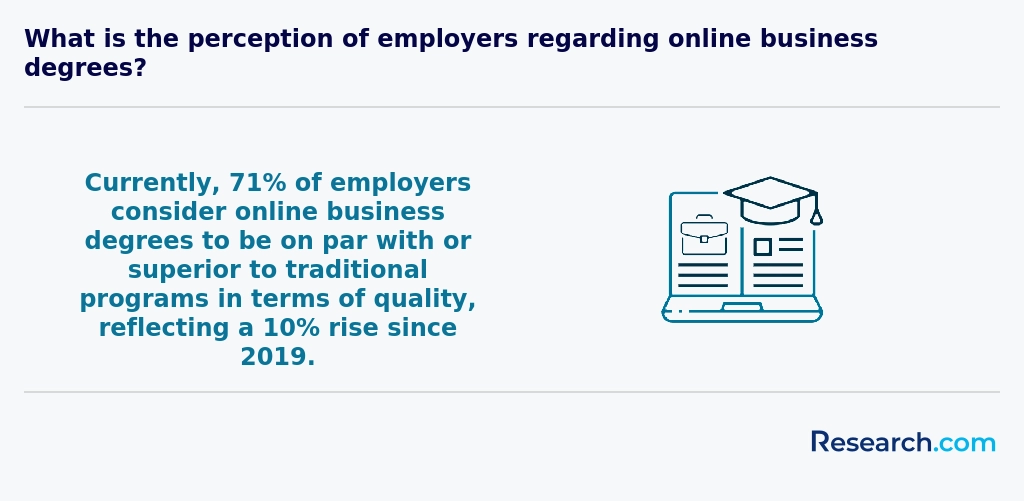
- Online degree benefits: Earning a business degree online from a recognized New Jersey university offers convenience and flexibility, making it easier to balance studies with work or personal life without sacrificing quality education.
- 2027 Most Affordable Business Degree Programs Ranking in New Jersey
- What can I expect from business degree in New Jersey?
- Where can I work with business degree in New Jersey?
What can I expect from business degree in New Jersey?
The cost of a business degree in New Jersey often feels like balancing ambition with savvy budgeting. At public universities like Rutgers or Montclair State, in-state tuition can be a lifeline, making the dream more attainable-imagine juggling part-time work and evening classes without breaking the bank. Graduates recall stretching their dollars while diving into real-world projects, internships that connect them with giants like Johnson & Johnson or Prudential Financial, all without drowning in debt.
Private colleges bring a different flavor: higher tuition, yes, but often paired with flexible schedules and networking goldmines. Students treasure the investment for the personalized attention and exclusive workshops that prime them for careers in finance or digital marketing. The price tag varies, yet many find that the doors opened by New Jersey's well-regarded programs pay back in full through connections and hands-on experience.
Ultimately, the average cost dances between affordability and opportunity, with tuition fees shaped by choices of institution and residency, wrapped in the excitement of launching a promising business career close to home.
Where can I work with business degree in New Jersey?
Graduates from Rutgers or Seton Hall often find themselves stepping into vibrant roles across New Jersey's bustling business landscape, from the financial towers of Jersey City to the pharma labs in Princeton. Imagine starting your day analyzing market trends for a leading insurance firm, or strategizing supply chain logistics at a biotech giant like Johnson & Johnson-both common paths for business grads here.
The thrill of mixing tech savvy with business acumen has graduates diving into cybersecurity firms or data analytics teams nestled in Newark's growing tech hubs. One alum from Montclair State recalls the rush of managing an IT project that saved a healthcare company millions, blending numbers and innovation seamlessly.
Some classmates boldly launch startups with support from incubators in Jersey City, nurturing ideas into flourishing ventures. Others channel their talents into local government, where budgeting and leadership skills turn public services into community powerhouses. This diverse New Jersey ecosystem turns your business degree into a real-life adventure full of opportunity and impact.
Picture finishing your business degree at Rutgers or Seton Hall, stepping into New Jersey's bustling job market. A business development executive fresh out of school can expect to bring in around $83,190 annually, carving out a solid foothold in industries brimming with opportunity.
Picture a business analyst from Montclair State who leverages rigorous training to nab an average salary of $112,950, reflecting the high demand for strategic thinkers who decode market puzzles in this state.
These figures don't just represent numbers but the beginning of vibrant careers woven into New Jersey's dynamic economic fabric, where a blend of smart education and local connections translates into real financial growth.
Graduates often describe the thrill of landing these roles as a rewarding payoff for late nights at the library and hands-on projects with local firms. Every paycheck carries the momentum of New Jersey's competitive spirit, from Newark's financial hubs to Princeton's innovation corridors.
- The total cost for a four-year business degree at a public university in New Jersey ranges from $40,000 to $60,000, including tuition, fees, and living expenses.
- Private institutions may charge over $100,000 for the entire business degree program.
- Starting salaries for business graduates in New Jersey typically range from $50,000 to $60,000 per year, increasing to $80,000 to $100,000 in the long term.
- Key job sectors include finance, healthcare management, pharmaceuticals, and technology, with unemployment rates below the national average.
- Many New Jersey business schools offer internships, networking opportunities, and flexible learning options such as online and part-time programs.
In New Jersey, earning a business degree often feels like setting out on an adventurous journey with flexible routes. For most undergraduates at places like Rutgers University, the classic path is a four-year trek, balancing general education and business-specific courses to hit roughly 120 credit hours. Imagine a graduate recalling those late nights studying marketing strategies, knowing every term brought them closer to the finish line.
But some students, fueled by summer classes or heavier semester loads, zoom through in three years-like a spirited go-getter eager to dive into the professional world sooner. On the flip side, part-time learners, juggling careers or family at institutions such as Montclair State University, might stretch this experience across six years or more, savoring every lesson along the way.
Graduate degrees, like the MBA, tend to clock roughly two years full-time. Yet, many embrace part-time or online options, turning the journey into a three-plus-year experience, blending work and study seamlessly. Some also choose innovative dual-degree programs in New Jersey, shaving off valuable time while expanding their skillset, making each moment feel both challenging and rewarding.
Investing in a business degree is about more than tuition-it’s about how quickly you’ll recoup costs and start earning a premium in the job market. By evaluating average salaries, program length, and post‐graduation outcomes, prospective students can make data‐driven choices that maximize their return on investment (ROI). Many New Jersey institutions offer competitive tuition rates and strong career placement, but ROI varies by program type and duration. Here’s how to assess ROI effectively: • Total Cost vs. Salary Increase: Calculate your total tuition and fees, then compare this to the average entry‐level salary for your intended role. For example, a $13,000 investment in a bachelor’s program that boosts your starting salary by $20,000 yields a payback period under one year. • Program Length: Shorter programs often deliver faster ROI. An accelerated mba one year program, for instance, can cut both tuition costs and time out of the workforce, leading to quicker salary gains. • Specializations and Certifications: Concentrations in finance, data analytics, or healthcare management frequently command higher salaries. Pairing your degree with in‐demand certifications (e.g., PMP, CFA) can further enhance earning potential. • Accreditation and Reputation: Programs accredited by bodies like AACSB or ACBSP tend to secure premium salary offers. Employers recognize the rigorous standards and often prioritize graduates from these schools. Key ROI benchmarks for New Jersey business graduates: • Payback Period: Most bachelor’s graduates recoup costs in 1–2 years; master’s and MBA graduates typically achieve ROI in 2–3 years. • Mid‐Career Salary Growth: Alumni data shows a 35% salary increase five years post‐graduation for those in finance and consulting roles. • Career Advancement: Graduates report promotions to managerial positions within 18 months of hiring, accelerating long‐term earnings. By factoring in tuition, program length, accreditation, and specialization, you can select a business degree pathway in New Jersey that balances affordability with strong career outcomes-and maximizes your ROI.
Imagine stepping onto the vibrant campus of Rutgers, where business students buzz between classes, soaking in face-to-face workshops and networking events that open doors with a handshake. These on-campus graduates often recall the electric energy of live discussions, spontaneous study groups under Montclair State's trees, and the tangible pulse of career fairs that make futures feel within reach. It's a world where routines anchor ambition and in-person connections blossom naturally.
Now picture a different scene: a New Jersey business student at home, laptop aglow, weaving coursework around meetings and family dinners. Online degrees from Rutgers or New Jersey City University offer this flexible rhythm, allowing learners to dive into lessons asynchronously, shaping study time like clay. These students treasure balancing life's demands while still accessing accredited programs that mirror their on-campus peers' quality.
Cost whispers another nuance-while on-campus tuitions hover near $14,000 annually, online formats sometimes trim extra fees, though tech surcharges might appear. Veterans of both realms agree: the choice is vivid, personal, and profoundly shaped by whether you crave the buzz of campus life or the freedom to script your own study tale.
The average cost of a business degree in New Jersey often feels like a pivotal checkpoint for many students plotting their future. For those attending public universities, in-state tuition usually totals around $19,632, a figure many graduates recall balancing carefully with part-time work or internships. This expense is a practical investment, especially at renowned schools like Rutgers or Montclair State, where students savor vibrant campus life alongside their studies. Out-of-state students or those considering private schools face steeper sticker prices, sometimes surpassing $50,000 annually, yet this higher cost often unlocks access to top-tier networks and financial aid possibilities.
Everyone knows tuition is just the headline number. Just imagine budgeting for textbooks, supplies, and living expenses in New Jersey's varied locales-this can quickly add up beyond tuition, making the total outlay a fuller picture for those exploring affordable business degree programs New Jersey 2027 options must consider. Graduates often share stories of creative money management: utilizing scholarships, grants, or work-study programs to navigate these demands without sacrificing their academic or social experience.
For savvy students investigating the landscape, tapping into resources about the cheapest online business schools in New Jersey can reveal hidden gems-programs that blend quality education with flexible pricing and accessibility. The combined financial and experiential foundation equips many to graduate with both a sense of accomplishment and manageable debt, launching confidently into their business careers in the Garden State.

Many prospective students wonder if pursuing a business degree is a smooth journey, yet a few common challenges and misconceptions can make it seem overwhelming. In reality, while the workload and financial commitments may appear daunting, strategic planning and an informed approach can pave the way for success. If you're curious about whether is getting business degree hard, understanding the potential obstacles and learning how to tackle them head-on is essential. One of the main challenges reported by students is balancing academic demands with personal responsibilities. The modern business curriculum is rigorous, combining theoretical concepts with real-world applications. This dual focus can sometimes lead to concerns over workload management and time allocation. However, many institutions offer support services such as mentoring programs, tutoring, and flexible scheduling to help students thrive. Another common myth is that success in business only comes from innate talent. In truth, dedication, continuous learning, and the willingness to adapt play crucial roles in building a rewarding career. Students are encouraged to leverage campus resources such as career counseling and internship opportunities to gain practical insights and industry connections early in their studies. Moreover, technological advancements have transformed business education, making it more interactive and accessible. Innovations such as virtual simulations and online collaboration tools not only facilitate a deeper understanding of business operations but also prepare students for the fast-paced working environment. By adapting to these changes, graduates become adept at navigating both traditional and digital market trends, securing a strong competitive edge in the job market. Embracing these challenges with a proactive mindset can help demystify the path to a business degree, ensuring that students not only complete their studies but also build a solid foundation for a successful career.
Picture this: a business student at Rutgers University-Newark scoring a $5,000 institutional scholarship that feels like a personal victory dance against soaring tuition. That's the magic of New Jersey's tailored financial aid-scholarships that reward leadership and merit, turning campus dreams into affordable realities. The state's Tuition Aid Grant (TAG) acts like a financial safety net for residents, easing the weight of those $10,000-$30,000 yearly tuition bills at public and private schools alike.
Federal aid steps into the spotlight through Pell Grants, which more than one Montclair State graduate has praised for unlocking access without the dread of repayment. Imagine snagging up to $7,395 simply by showing financial need. Flexible federal student loans add another layer of support-low interest and manageable plans designed to keep you focused on business strategies, not debt stress.
Local gems like the New Jersey Business & Industry Association seed private scholarships, rooting opportunities in the community's heart. But here's the real secret sauce: prompt FAFSA submissions, a ritual many thriving business majors swear by, unlocking gates to all these aid treasures.
When selecting a business degree program in New Jersey, it's essential to consider several factors that can impact your educational journey and future career prospects. One crucial step is to research and compare different programs, taking into account aspects such as accreditation, curriculum, and cost. For those looking for affordable options, checking out the cheapest online business schools in New Jersey can be a good starting point. Additionally, considering the program's reputation, faculty expertise, and networking opportunities can provide valuable insights into the overall quality of the program. By weighing these factors and prioritizing your needs, you can make an informed decision that sets you up for success in the competitive business world.
Imagine a fresh graduate stepping onto the bustling campus of Rutgers Business School or Montclair State University, clutching a high school diploma that symbolized years of late-night algebra battles and literature essays. In New Jersey, this diploma-or a GED-is your golden ticket. But it's not just about having it; admissions officers will peek into your academic soul, seeking strong scores and solid roots in math, English, and social studies-your launchpad into business mastery.
Some grads recall checking their SAT or ACT scores anxiously, only to breathe easier as test-optional policies increasingly open doors, a shift inspired by recent education waves. Those with a background in algebra or introductory economics feel a confident stride, knowing these courses sharpen the analytical tools essential for boardroom debates and marketing strategies.
Graduate hopefuls aiming for an MBA often bring a bachelor's degree with at least a 3.0 GPA, alongside real-world hustle-work experience that spices classroom discussions with practical flavor. From transcripts and recommendation letters to heartfelt personal statements, the application process invites you to narrate your business ambitions, making the dream of joining New Jersey's vibrant business community feel thrillingly within reach.
Diving into a business degree in New Jersey means navigating a vibrant curriculum that feels like a map to mastering the state's bustling economy. Imagine sitting in a Rutgers classroom, unraveling the secrets of Principles of Management, where leadership comes alive through role-playing real CEO challenges. Or picture yourself at Seton Hall, cracking open Financial Accounting textbooks while analyzing the balance sheets of nearby Fortune 500 companies-suddenly, numbers tell stories, not just figures.
Courses like Marketing Fundamentals invite you to explore the psyche of New Jersey's diverse consumers, from urban hubs to suburban markets, while Business Law anchors you in practical legal frameworks that protect ventures within the state's unique regulatory landscape. Graduates often reflect on how Operations Management sharpened their skills for optimizing everything from Newark's logistics corridors to local supply chains.
The heartbeat of these programs pulses with practical experiences-internships and group projects-that bring textbooks to life. Enrolling in Statistics and Quantitative Methods feels less abstract when applied to data from regional startups or the Garden State's economic trends. It's education tailored to fuel ambition, right where business thrives.
Imagine diving into a business degree in New Jersey where the choices shape your future like brushstrokes on a canvas. Graduates from Rutgers embrace finance, mastering the dance of dollars near the pulsating heart of Wall Street. Others at Seton Hall thrive in marketing, decoding consumer desires fueled by the state's vibrant pharmaceutical and retail markets. For the tacticians drawn to leadership and strategy, management opens doors at schools scattered across New Jersey, empowering students to lead with confidence.
Amid these exciting options, accounting remains a steadfast path, perfect for those targeting CPA certification and eager to command the language of numbers. Meanwhile, supply chain and logistics specialization resonates deeply here, as students tap into New Jersey's sprawling ports and transportation networks-real-world classrooms for organizing the flow of goods. Some even chase their dream of entrepreneurship, sketching bold new startups while navigating costs tied to local universities.
With so many business degree concentration options New Jersey offers, it's no wonder graduates reflect on their journeys with pride and excitement. For those wondering is getting business degree hard, these specializations highlight the rewarding challenges that come with tailoring a degree to such a dynamic state.
Picture yourself navigating the vibrant business ecosystems of Rutgers or Seton Hall, where graduates often recall how accreditation from the esteemed AACSB acted as their compass. This seal isn't just a stamp; it's a passport to the bustling world of New Jersey's corporate giants like Johnson & Johnson. Choosing a business degree here means tuning into the rhythm of local markets. Students who embraced affordable business degree programs New Jersey-wide found that blending cost with curriculum focus-like diving into supply chain management-unleashed newfound confidence, turning complex theories into real deal maneuvers during internships.
Imagine intimate classrooms where seasoned professors don't just lecture but mentor like coaches, boosting your entrepreneurial sparks. Graduates often mention how those connections helped them leapfrog into careers with Prudential Financial. The key? Flexible learning paths that fit around daily life, from traditional tracks to online varieties. Curious about speeding things up? Explore programs like the mba one year program to fuel ambition without pause.
Ultimately, choosing among the best business schools in New Jersey means painting your own roadmap through a landscape blossoming with opportunity, practical support, and the energy of a community rooting for your success.

Graduates with a business degree in New Jersey find themselves at the crossroads of innovation and opportunity. From crunching numbers as financial analysts to crafting compelling campaigns as marketing specialists, the top career paths for business graduates New Jersey blend traditional roles with vibrant, rapidly evolving industries. Imagine a graduate from Rutgers navigating the bustling finance sector just outside New York City, leveraging skills in accounting to land a position at a prominent investment firm. Others from Montclair State dive into New Jersey's growing pharmaceutical markets, using digital marketing prowess to fuel sales growth and brand visibility.
Management roles flourish amid the state's expansive manufacturing and logistics networks-picture a Stevens Institute alum coordinating supply chains at the Port of New York and New Jersey, orchestrating a symphony of shipments with precision. The entrepreneurial spirit thrives too; veterans from New Jersey City University capitalize on local incubators to launch startups, bolstered by resources tailored for business venture success.
For those balancing careers and studies, exploring fastest online programs for working adults offers a flexible path, ensuring that ambition and learning move in tandem. These vivid pathways affirm why a business degree career opportunities in New Jersey spark excitement and promise amid the state's diverse economic landscape.
New Jersey's business degree graduates often find themselves thriving in a job market pulsing with opportunity, especially in hub cities close to New York City and Philadelphia. Imagine a recent graduate from a popular New Jersey university cutting their teeth as a financial analyst in a bustling pharmaceutical company, benefiting from the state's strong industry diversity. This is no accident; the demand for roles like marketing managers or human resources specialists reflects the dynamic New Jersey business degree employment outlook anchored by a 7% growth projection through 2030.
For those weighing where to enroll, tuition costs around $14,000 annually at public universities seem a strategic investment considering the average management role salary of $132,000, which energizes the ambitions of graduates. Many turn their sights to entrepreneurship, encouraged by the expanding small business scene, or join established corporations nearby. Some explore pathways through open admissions colleges to balance flexibility with career aspirations.
This vibrant ecosystem means job opportunities for business degree graduates in New Jersey are more than numbers-they're stories of real people building futures amid the state's unique economic blend and proximity to major financial centers.
2027 Most Affordable Business Degree Programs Ranking in New Jersey
Investing in your education is a significant decision that can profoundly impact your career and future, and the Research.com team is dedicated to helping you make well-informed choices. To support prospective students in New Jersey, we have carefully developed the "2027 Most Affordable Business Degree Programs Ranking in New Jersey." Our commitment to quality, credibility, and accuracy is demonstrated by thorough research and analysis behind this ranking.
We utilized the following reputable data sources to ensure a comprehensive evaluation of business degree programs:
By exploring this ranking, readers will gain valuable insights into affordable and quality business programs in New Jersey, enabling informed decisions tailored to their educational and financial goals. For more information on our ranking process, please visit our Research.com methodology page.
# 1 position
Thomas Edison State University
Bachelor of Science in Business Administration

# 2 position
Thomas Edison State University
Master of Business Administration
# 3 position
Strayer University-New Jersey
Bachelor of Business Administration

# 4 position
Strayer University-New Jersey
Master of Business Administration


# 17 position
DeVry University-New Jersey
Bachelor of Business Administration


Frequently Asked Questions About business
Business degree students in New Jersey can enhance their learning by actively engaging in internships within the state's diverse economy. According to the New Jersey Business & Industry Association, key sectors include finance, pharmaceuticals, and technology. Gaining hands-on experience in these industries helps bridge classroom theory with practical skills.
Networking is equally important. Students should take advantage of local business events, workshops, and professional organizations like the New Jersey Chamber of Commerce. Connecting with industry professionals can open doors to mentorship and job opportunities.
Additionally, leveraging New Jersey's proximity to major financial hubs like New York City supports access to valuable resources and internships. Participating in research projects or case competitions offered by universities also sharpens problem-solving abilities relevant to real business challenges.
Emerging niches within the business field are shaping the future job market, especially in New Jersey. Areas like data analytics and business intelligence are rapidly growing, driven by companies seeking to make data-driven decisions. According to the New Jersey Business & Industry Association, demand for professionals skilled in these fields has increased by over 20% in recent years.
Sustainability and green business practices are also becoming crucial. New Jersey's emphasis on renewable energy and environmental management creates opportunities for business graduates focused on sustainable development. Additionally, healthcare management remains a strong niche, given the state's large medical and biotech industries.
Finally, digital marketing and e-commerce stand out, with local businesses adapting to an online-first economy. These fields require expertise in technology and consumer behavior, vital for career growth in New Jersey's evolving business landscape.
Preparing for the job market after completing a business degree in New Jersey involves developing both practical skills and professional connections. Networking is key, as New Jersey hosts major industries like pharmaceuticals, finance, and telecommunications that offer diverse business roles. Graduates should leverage internships and cooperative education programs during their studies to gain real-world experience.
According to the New Jersey Department of Labor, business-related occupations are projected to grow by 5-7% through 2028, highlighting steady demand. Enhancing skills in data analysis, digital marketing, and project management can increase employability. Additionally, joining professional organizations such as the New Jersey Business & Industry Association helps build valuable contacts and access job resources.
Employers in New Jersey seek specific skills when hiring business degree graduates. According to surveys by the New Jersey Business & Industry Association, communication skills rank highly, as professionals must effectively present ideas and collaborate across teams.
Analytical and problem-solving abilities are also crucial. Graduates should be comfortable interpreting data, especially with the rise of data-driven decision-making in New Jersey's financial and tech sectors.
Additionally, adaptability is important due to the state's evolving business environment. Knowledge of technology, including proficiency in spreadsheet software and business analytics tools, is increasingly valued.
Project management skills help graduates lead teams and meet deadlines efficiently, which employers recognize as vital.
Overall, a combination of technical expertise and soft skills prepares business graduates for success in New Jersey's competitive job market.
Finding internships in New Jersey for business degree students involves leveraging local resources and connections. Many universities in New Jersey, such as Rutgers University and Montclair State University, offer dedicated career centers that connect students with internships in statewide industries. The New Jersey Business & Industry Association reports that the state hosts over 600,000 business establishments, which increases opportunities in sectors like finance, healthcare, and technology.
Online platforms like Handshake and Internships.com specifically list New Jersey business internships. Networking events hosted by Chambers of Commerce and local business groups also provide valuable contacts. Applying early and tailoring resumes to target New Jersey employers greatly improves your chances.
A business degree significantly enhances career mobility and advancement opportunities in New Jersey. The state's diverse economy, including finance, pharmaceuticals, and technology sectors, values graduates with strong business foundations. According to the New Jersey Department of Labor, holders of bachelor's degrees in business experience higher employment rates and a median annual wage approximately 20% above the state average. This degree provides essential skills such as management, marketing, and financial analysis, which are in demand in New Jersey's competitive job market.
The network opportunities through local universities and alumni associations further facilitate professional growth and access to internships or leadership roles. Additionally, business graduates in New Jersey often find smoother entry into industries concentrated in metropolitan areas like Newark and Jersey City, supporting upward career trajectories.
Studying for a business degree in New Jersey equips students with versatile skills ideal for interdisciplinary roles. Many New Jersey business programs integrate courses in technology, healthcare, and finance, reflecting the state's diverse economy. For example, incorporating data analytics and information systems prepares graduates to collaborate across sectors.
New Jersey's proximity to major industries like pharmaceuticals and finance encourages partnerships between universities and businesses, enhancing practical experience. According to the New Jersey Business & Industry Association, over 70% of employers value cross-functional skills in candidates, making interdisciplinary education crucial.
Additionally, business degrees often emphasize team projects and communication, fostering adaptability across varied professional fields.
When choosing between a thesis and a non-thesis business degree program in New Jersey, consider your career goals. Thesis programs focus on research and require students to write a detailed academic paper, ideal for those planning to pursue a PhD or research roles. Non-thesis programs emphasize practical skills through coursework and internships, fitting for students aiming directly for the workforce. According to the U.S. Department of Education, New Jersey has a strong business sector, especially in finance and healthcare industries, which often value applied experience over research. Cost and time commitment also differ, with thesis options typically taking longer.
Students in New Jersey seeking to study business abroad have several opportunities through their home institutions. Many New Jersey universities, such as Rutgers University and Montclair State University, offer established study abroad programs specifically for business students. These programs allow students to spend a semester or more at partner universities in Europe, Asia, or Latin America, often with credit transfer agreements easing degree completion.
Participation in these programs can enhance global business understanding, a crucial asset given New Jersey's strong economy tied to international trade and finance. According to the New Jersey Business & Industry Association, global commerce is vital in the state, highlighting the benefit of international study.
Additionally, some programs include internships abroad, offering practical experience aligned with academic learning. Students should consult their school's international education office for up-to-date program options and eligibility.
Students pursuing business degrees in New Jersey have several part-time job opportunities that complement their studies while gaining practical experience. Roles in retail management, customer service, and sales assistant positions allow them to develop communication and leadership skills essential in business. Additionally, internships at local firms, including startups in Newark or finance companies in Jersey City-home to a growing financial sector-can provide valuable exposure to corporate environments.
According to the New Jersey Department of Labor, the state's business and financial operations sector employs over 300,000 people, indicating strong local demand. Working in administrative support or bookkeeping roles can also help students understand business operations and financial management firsthand.
Such positions often offer flexible hours, accommodating class schedules. Internships, both paid and unpaid, are common ways for business students to network and enhance resumes before graduation.
Business students in New Jersey benefit from numerous networking opportunities due to the state's diverse economy and proximity to major business hubs like New York City and Philadelphia. Universities often host networking events, career fairs, and guest lectures featuring local industry leaders. For example, Rutgers Business School connects students with alumni and corporate partners, facilitating internships and job placements.
Additionally, professional organizations such as the New Jersey Business & Industry Association provide platforms for students to engage with business professionals. According to the U.S. Bureau of Labor Statistics, New Jersey's business sector employs over 1.5 million people, offering extensive networking potential.
Alumni networks play a crucial role in supporting business degree students in New Jersey. Graduates often gain access to exclusive job opportunities through connections established by former students working in diverse industries across the state. According to the New Jersey Business & Industry Association, networking is a top reason 78% of employers prefer candidates with strong professional contacts.
These networks also provide mentorship programs, helping students navigate internships and career paths. Many New Jersey colleges host events where alumni share insights specific to the region's key sectors like finance, pharmaceutical, and technology.
Overall, alumni connections enhance career readiness by linking students to real-world experience and local industry leaders.
Customizing a business degree program in New Jersey allows students to align their education with specific career goals. Many universities in the state offer flexible majors, concentrations, and electives such as finance, marketing, or entrepreneurship. For example, Rutgers University provides various specialization tracks within its business degrees. Students can also pursue internships with New Jersey's strong economic sectors, including pharmaceuticals and finance, to gain practical experience.
Additionally, some programs incorporate leadership and technology courses to adapt to evolving job markets. Using academic advisors to tailor course selections ensures the degree matches personal and professional ambitions effectively.
Business students in New Jersey often face challenges related to balancing academic demands with the high cost of living in the region. According to the New Jersey Higher Education Student Assistance Authority, tuition and fees for many in-state public institutions remain significant despite some affordable options. Additionally, competition for internships and job placements in the state's dense metropolitan areas, like Newark and Jersey City, can be intense, given the concentration of corporate headquarters.
Many students also report difficulty adapting to the rapid pace of business technology changes, which require continuous learning alongside coursework. Moreover, navigating diverse course requirements and networking opportunities can be overwhelming without proper career guidance. These issues can impact students' academic success and professional readiness in New Jersey's competitive business environment.
A business degree from a New Jersey institution opens doors to various professional certifications that can enhance your career prospects. Common certifications include the Certified Public Accountant (CPA), ideal for graduates interested in accounting and finance. New Jersey requires 150 credit hours for CPA licensure, aligning well with many business programs.
Other key certifications include the Project Management Professional (PMP), valuable for roles in management and operations, and the Certified Management Accountant (CMA), focusing on financial strategy.
According to the New Jersey Department of Labor, sectors like finance and professional services are expected to grow, making these certifications increasingly relevant for local job markets.
To write a winning application for a business program in New Jersey, begin by thoroughly researching the schools you want to apply to. Focus on programs accredited by organizations like AACSB, which ensures quality education in business. Highlight any work experience or internships relevant to business-New Jersey's economy benefits from strong finance and pharmaceutical industries, so experience in these fields can boost your application.
Clearly articulate your career goals in your personal statement, explaining why a degree from that specific New Jersey institution supports those goals. Include measurable achievements, such as leadership roles or academic honors. Be sure to submit all required documents accurately and ahead of deadlines to improve your chances.
The global perspective on a business career emphasizes adaptability, cultural awareness, and digital skills. In the U.S., including New Jersey, employers value graduates with an understanding of international markets and global supply chains. According to the New Jersey Business & Industry Association, companies increasingly seek professionals who can navigate complex global trade environments and foster cross-border collaborations.
Business degrees in New Jersey often integrate global case studies and international internships, preparing students for worldwide challenges. The rise of technology, sustainability, and data analytics shapes business education globally, encouraging students to develop innovative solutions for diverse markets.
Furthermore, New Jersey's strategic location near major ports and corporate hubs offers unique exposure to international commerce, benefiting business students aiming for global careers.
Gaining practical experience while studying for a business degree in New Jersey is crucial for career readiness. Many universities incorporate cooperative education (co-op) programs and internships, allowing students to work in local businesses and corporations. For example, Rutgers University and Montclair State University offer extensive internship networks connecting students to companies in finance, marketing, and management sectors. According to the New Jersey Business & Industry Association, internships improve employability, with over 70% of students receiving job offers following practical work experiences.
Additionally, participating in student-run business organizations and competitions can develop real-world skills. These opportunities help students apply classroom knowledge to actual business challenges, fostering leadership and teamwork.
Choosing the right concentration within a business degree program in New Jersey depends on your career goals and local job market trends. Popular concentrations include finance, marketing, management, and supply chain management, reflecting strong regional industries.
New Jersey's proximity to major financial centers like New York City makes finance and accounting attractive options, with the Bureau of Labor Statistics projecting a 7% job growth in finance-related roles nationwide through 2031.
Marketing and management concentrations suit students aiming for careers in the state's diverse corporate and healthcare sectors. Supply chain management is also growing, supported by New Jersey's strategic location as a transportation hub, according to the New Jersey Economic Development Authority.
Consider program curriculum, internship opportunities, and connections with local employers when selecting your focus to maximize career prospects in New Jersey's competitive business environment.
- 2027 Most Affordable Online Business Degree Programs Ranking in Pennsylvania
- 2027 Most Affordable Online Business Degree Programs Ranking in New York
- 2027 Most Affordable Online Business Degree Programs Ranking in Maryland
- 2027 Most Affordable Online Business Degree Programs Ranking in Virginia
- 2027 Most Affordable Online Business Degree Programs Ranking in West Virginia
- 2027 Most Affordable Online Business Degree Programs Ranking in Ohio
- 2027 Most Affordable Online Business Degree Programs Ranking in Vermont
- 2027 Most Affordable Online Business Degree Programs Ranking in Kentucky
- 2027 Most Affordable Online Business Degree Programs Ranking in North Carolina
- 2027 Most Affordable Online Business Degree Programs Ranking in South Carolina
See What Experts Have To Say About Studying Business
Read our interview with Business experts

David W. Stewart
Business Expert
Emeritus President's Professor of Marketing
Loyola Marymount University


David Souder
Business Expert
Senior Associate Dean for Faculty and Research
Michigan State University

- Requirements to Become a CPA in New Jersey https://www.njcpa.org/build-career/become-a-cpa/requirements
- Niche Business Ideas: A Guide to Profitable Niche Business Selection - Inar Learn https://inarlearn.com/niche-business-ideas-a-guide-to-profitable-niche-business-selection/
- JA Company Program https://janj.ja.org/programs/ja-company-program
- Jobs after studying business administration: opportunities at a glance | JobTeaser https://www.jobteaser.com/en/advices/jobs-after-studying-business-administration-opportunities-at-a-glance
- Networking Tips for Business Students and MBA Candidates - Cyprus West University https://www.cwu.edu.tr/networking-tips-for-business-students-and-mba-candidates/
- A guide to finding an internship https://www.ipag.edu/en/blog/guide-finding-internship
- Enterprise project challenge https://barclayslifeskills.com/help-others/lessons/enterprise-project-challenge/
- 2025 Most Popular Online Business Degrees in New Jersey https://www.onlineu.com/degrees/business/new-jersey
- Online Degree vs. Traditional: Choosing the Right Path https://beal.edu/online-degree-vs-traditional/
- What is the future of bachelor’s degrees in business? https://www.amba-bga.com/insights/what-is-the-future-of-bachelors-degrees-in-business


