2027 Is Humanities a Hard Major? What Students Should Know
Audited and Verified:
Our Editorial and Data Verification Process
Research.com uses government datasets, official education statistics and primary institutional information to support its career and degree guides. Our review process checks factual accuracy, occupational definitions, source dates and the requirements associated with the credentials discussed.
How This Article Was Fact-Checked
Our editorial team verifies salary estimates, employment projections, education requirements and program information against original data providers and official organizations. Salary figures are checked against the relevant occupational definitions and reporting periods. Information about licensure, accreditation and required in-person training is reviewed separately.
Fact-checked and verified on:

Chief Data Scientist & Ranking Editor
Humanities degrees are sometimes perceived as "easier" or less academically demanding than degrees in other fields like STEM or business. However, humanities majors face their own set of academic challenges, as the degree requires critical thinking, analytical reading, and strong research and writing skills.
The difficulty often depends on a student's interests, strengths, and ability to engage with complex ideas. According to a UC Berkeley study, humanities majors spend as much as 24.4 hours a week studying. This guide explores what makes humanities a challenging major, the skills students need to succeed, and what they can expect from its coursework and academic demands.
Key Benefits of Humanities as a Major
- Nearly 10% of U.S. college graduates earn humanities degrees, highlighting the field's continued appeal among students.
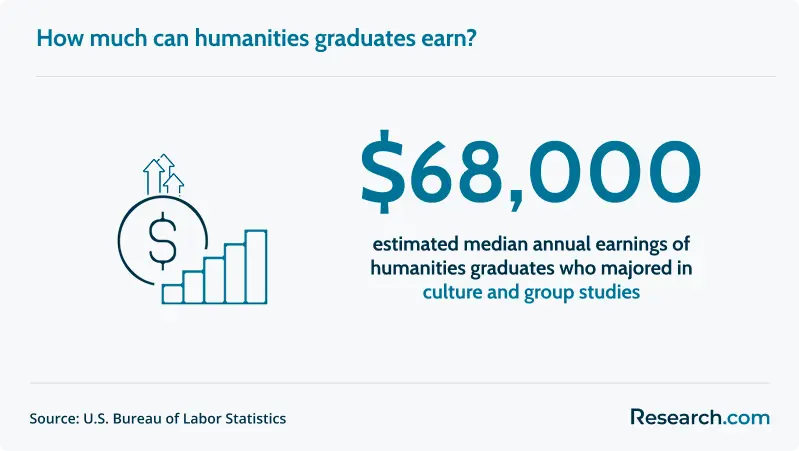
- Humanities graduates earn median annual salaries of $50,000 to $68,000, depending on their chosen field of study.
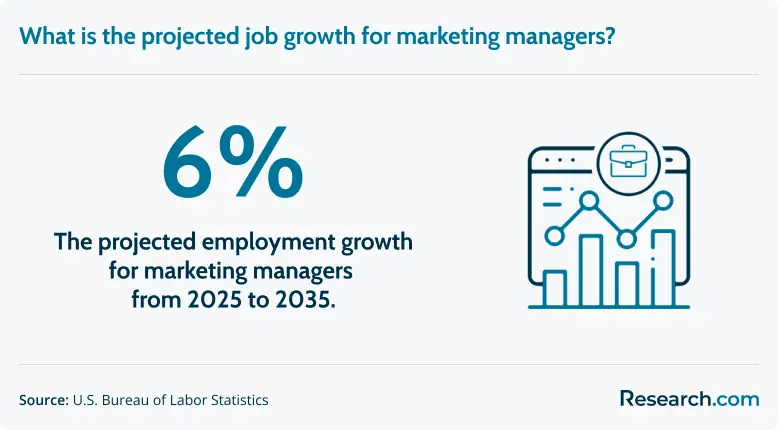
- Management occupations are expected to grow by 6.2% between 2025 and 2035, creating more career advancement opportunities for humanities graduates.
What Makes Humanities a Challenging College Major?
Humanities can be a challenging college major because it requires students to do more than memorize facts or understand basic concepts. Students must read complex texts, analyze historical and cultural perspectives, interpret philosophical ideas, and develop well-supported arguments.
According to findings by the National Survey of Student Engagement, full-time senior students in arts and humanities spent an average of 16 hours per week preparing for class, eight hours reading course materials, and completed approximately 80 pages of assigned writing per academic year. These data highlight the time and effort required to succeed in the field, particularly in developing strong reading, writing, and analytical skills.
The program also involves extensive writing, research, class discussions, and critical thinking, which can be demanding for those who struggle with reading comprehension, expressing ideas, or managing multiple assignments. Unlike courses with clearly defined answers, many humanities subjects require students to examine different viewpoints and defend their interpretations using evidence.
What Skills Do Students Need to Succeed in a Humanities Program?
Succeeding in a humanities program requires academic, analytical, and communication skills. Students must be able to understand complex ideas, evaluate different perspectives, and express their thoughts clearly through writing and discussions. The following skills can help them manage coursework and perform well in their studies:
- Critical Thinking: Students must evaluate information, question assumptions, and develop logical conclusions based on evidence.
- Reading Comprehension: Humanities students need to understand and interpret complex literary works, historical documents, philosophical texts, and academic materials.
- Writing Skills: Strong writing skills help students communicate arguments, present research findings, and develop well-organized academic papers.
- Research Skills: Students must know how to gather credible sources, examine evidence, and use relevant information to support their arguments.
- Communication Skills: The ability to express ideas clearly helps students participate in class discussions, debates, presentations, and group projects.
- Analytical Skills: Students need to examine cultural, historical, and social issues from different perspectives to understand their broader implications.
- Creativity: Creative thinking allows students to explore new interpretations, develop original ideas, and approach complex topics from different angles.
- Time Management: Students must organize their schedules effectively to balance extensive reading assignments, research projects, essays, and examinations.
- Open-Mindedness: Humanities students should be willing to consider different beliefs, cultures, and viewpoints when examining complex social and philosophical issues.
- Attention to Detail: Careful attention to language, historical context, and supporting evidence helps students produce accurate and meaningful academic work.
These skills equip students for careers not only in the humanities but also in fields such as education, public policy, and management. According to the Association of American Colleges and Universities, 79% of employers consider critical thinking very important, while 77% place the same importance on written communication when evaluating job candidates.
Students exploring alternative educational paths may also consider best 6 month programs that pay well, which offer shorter training periods while providing opportunities for career growth and financial stability.
How Much Reading and Writing Is Required in a Humanities Degree?
In a humanities education, studying often includes reading novels, historical documents, philosophical works, literary criticism, and academic research papers. According to the National Survey of Student Engagement, undergraduate students spend an average of 6 hours per week on assigned reading as first-year students and 8 hours as seniors. Students also reported completing approximately 55 to 85 pages of written assignments per academic year. This highlights the importance of regular reading, essay writing, research, and analytical skills in college-level coursework.
Humanities graduates looking to strengthen their communication and analytical skills may also explore the easiest masters degree online to identify accessible graduate programs that can support their career advancement. Although the workload varies by university and course, students should expect to spend several hours each week reading and writing independently, making effective time management and strong communication skills essential for success.
Recent research shows that 29% of advanced undergraduate students in a predominantly humanities-based sample spent more than 15 hours per week reading for their studies, compared with only 14% of first-year students. This highlights how academic demands increase as students progress into more advanced humanities classes, particularly those involving extensive reading and critical analysis.
Humanities programs cover a wide range of courses that challenge students to analyze complex ideas, understand different perspectives, and interpret historical and cultural developments. Here are some subjects that you can expect:
- Philosophy: Students must examine abstract concepts, evaluate complex arguments, and understand influential philosophical theories that often have no straightforward answers.
- Literary Criticism: This subject requires students to interpret literary works, analyze writing styles, and apply different theoretical approaches to understand deeper meanings.
- History: Students must study historical events, examine primary and secondary sources, evaluate competing interpretations, and understand how past developments shaped modern society.
- Linguistics: This subject explores language structure, grammar, phonetics, and meaning, requiring students to understand technical concepts and analyze how languages function.
- Political Theory: Students examine political ideologies, government systems, and influential thinkers while evaluating complex arguments about power, justice, and society.
- Cultural Studies: This subject requires students to analyze cultural practices, social identities, traditions, and media through different historical and theoretical perspectives.
- Ethics: Students explore moral principles and philosophical debates, applying different ethical frameworks to evaluate difficult real-world situations.
- Religious Studies: Students examine religious traditions, beliefs, texts, and practices while considering their historical, cultural, and philosophical significance.
- Sociology: This subject involves understanding social structures, institutions, inequalities, and human behavior through research, theories, and evidence-based analysis.
- Research Methods: Students must learn how to develop research questions, evaluate academic sources, select appropriate methodologies, and present credible findings in structured academic papers.
Students considering a humanities major should evaluate their academic strengths, learning preferences, and ability to handle independent study while comparing the demands of different fields, including those listed among the college majors that pay well
A humanities major is not necessarily harder than other college majors, as the level of difficulty depends on a student's interests, academic strengths, and learning preferences. However, it presents different challenges compared with fields such as engineering, business, and natural sciences.
A 2024 Student Academic Experience Survey by the Higher Education Policy Institute (HEPI) and Advance HE found that students in historical, philosophical, and religious studies spent an average of 17 hours per week on independent study, compared with 14.3 hours for engineering and technology students. This suggests that humanities-related disciplines can be demanding in terms of independent learning, even though different majors require different types of academic effort
While some majors emphasize mathematical calculations, laboratory work, or technical training, humanities programs focus heavily on reading, writing, research, interpretation, and critical thinking. Several factors help explain these differences:
- Reading and Writing Workload: Humanities students often spend considerable time reading books, historical documents, and academic articles before producing essays and research papers. In contrast, some STEM programs place greater emphasis on problem sets, laboratory reports, and technical exercises.
- Type of Academic Assessment: Humanities courses commonly assess students through essays, research projects, presentations, and class discussions, while other majors may rely more heavily on numerical examinations, practical demonstrations, or laboratory assessments.
- Critical Thinking Requirements: Humanities students must evaluate different viewpoints, interpret complex ideas, and develop arguments supported by evidence. These tasks can be challenging because many questions do not have one universally accepted answer.
- Research Expectations: Humanities students frequently examine primary sources, academic literature, and cultural or historical evidence to support their conclusions. Other disciplines may involve experimental research, statistical modeling, or fieldwork.
- Subjectivity of Answers: Humanities assignments often allow multiple interpretations, meaning students must clearly justify their perspectives rather than simply arrive at a predetermined answer. This can make grading and academic expectations feel less straightforward.
- Practical and Hands-On Requirements: Some majors require internships, clinical placements, laboratory sessions, or technical projects, while humanities programs may focus more on independent research, written assignments, and seminar participation.
Since humanities programs often involve analyzing complex ideas, writing essays, and exploring different perspectives, students need to stay organized. Creating a realistic study schedule, breaking large tasks into smaller steps can help you manage the workload.
Here are some tips that can help students deal with the academic demands of a humanities degree:
- Create a Study Schedule: Students should establish a weekly study plan that allocates enough time for reading, writing, research, and exam preparation.
- Break Down Large Assignments: Dividing lengthy research papers and projects into smaller tasks makes deadlines easier to manage and reduces academic stress.
- Develop Active Reading Habits: Students can take notes, highlight important arguments, and summarize key concepts to improve comprehension and remember important information.
- Strengthen Writing Skills: Practicing essay writing, organizing arguments, and reviewing grammar can help students complete academic papers more efficiently.
- Use Reliable Research Resources: Accessing academic journals, university libraries, and credible online databases helps students gather accurate information and avoid wasting time on unreliable sources.
- Participate in Class Discussions: Asking questions, sharing interpretations, and listening to different perspectives can improve understanding of complex humanities topics.
- Avoid Procrastination: Starting assignments early gives students enough time to research, revise their work, and address unexpected challenges before deadlines.
- Form Study Groups: Collaborating with classmates allows students to exchange ideas, discuss difficult readings, and gain different perspectives on course materials.
- Seek Help From Professors: Consulting instructors when concepts or assignments are unclear can help students address academic difficulties before they affect their performance.
- Maintain a Healthy Study-Life Balance: Getting enough sleep, taking regular breaks, and making time for personal activities can help students maintain focus and avoid burnout.
Students looking for alternative educational pathways with more manageable time commitments can also explore quick college degrees that pay well to compare accelerated programs and their potential career opportunities.
A humanities major is well-suited for students who enjoy exploring human experiences, understanding different cultures, and examining social, historical, and philosophical ideas.
While the program requires strong reading, writing, and analytical abilities, certain interests and personal qualities can help students thrive in this field. The following types of students may find a humanities degree rewarding:
- Students Who Enjoy Reading and Writing: Those who like reading books, analyzing texts, and expressing ideas through essays may find humanities coursework engaging.
- Critical Thinkers: Students who enjoy questioning assumptions, evaluating arguments, and examining different perspectives can benefit from the analytical focus of humanities programs.
- Curious and Open-Minded Individuals: Those interested in learning about different cultures, traditions, beliefs, and historical events may appreciate the broad subject areas covered by this major. Curiosity is particularly important in the current job market, as a World Economic Forum report indicates that 50% of employers consider curiosity and lifelong learning as a "core workforce skill."
- Creative Individuals: Students who enjoy storytelling, interpreting artistic works, and developing original ideas may find opportunities to express their creativity through humanities studies.
- Strong Communicators: Individuals who are comfortable sharing opinions, participating in discussions, and presenting arguments can thrive in courses that emphasize communication and collaboration.
- Socially Aware Students: Those interested in social issues, human behavior, politics, ethics, and cultural developments may find humanities subjects meaningful and relevant.
What Is the Job Outlook for a Humanities Degree Graduate?
The job outlook for humanities degree graduates is diverse, as their education develops transferable skills that apply to various industries. Graduates can pursue careers in education, journalism, publishing, public relations, marketing, communications, human resources, government, and nonprofit organizations.
Below is a snapshot of U.S. Bureau of Labor Statistics employment projections (2025 to 2035) for careers associated with humanities degrees.
| Occupation | Job Growth (%) |
| Public relations specialists | 1.8% |
| Interpreters and translators | 2.0% |
| Writers and authors | -0.3% |
| Anthropologists and archeologists | 6.0% |
| Historians | 3.0% |
| Archivists | 3.4% |
| Training and development specialists | 10.8% |
| Market research analysts and marketing specialists | 7.0% |
| Human resources specialists | 6.4% |
According to the U.S. Bureau of Labor Statistics, approximately 4.1 million workers held degrees in selected humanities fields, including English, foreign languages, philosophy and religion, theology, and culture and group studies. Their median annual wages ranged from $50,000 to $68,000, depending on their field of study. These figures demonstrate that humanities graduates can find employment across different industries, although their career opportunities and earning potential depend on their specialization, work experience, and additional qualifications.
Students considering alternative career pathways may also explore the top online vocational schools to discover practical training opportunities, while comparing humanities graduate salaries with those of other fields to better understand potential earnings and career prospects.
Other Things You Should Know About Humanities Degrees
Yes, humanities students can often balance part-time jobs with their studies, provided they manage their schedules effectively. Flexible opportunities such as tutoring, freelance writing, and campus employment can help them earn income while gaining relevant work experience.
Students should start assignments early, divide larger projects into manageable tasks, and set aside dedicated time for reading and research. Consulting professors, joining study groups, and using credible academic resources can also make complex topics easier to understand.
Yes, a humanities degree develops transferable skills such as communication, critical thinking, research, and problem-solving that are valuable across different industries. Graduates can pursue opportunities in business, marketing, public relations, human resources, government, and other professional fields.
- Angeles, D. (2025, September). Field of degree: Humanities employment and wages. U.S. Bureau of Labor Statistics. https://www.bls.gov/careeroutlook/2025/data-on-display/field-of-degree-humanities-employment-and-wages.htm
- California State University, Sacramento. (2024). A pocket guide to choosing a college: NSSE 2024 answers from students. National Survey of Student Engagement. https://www.csus.edu/information-resources-technology/institutional-research/surveys/nsse24-all-reports.pdf
- Gatta, M. (2026, November 18). Employers want AI skills, but draw lines around AI use. National Association of Colleges and Employers. https://www.naceweb.org/job-market/trends-and-predictions/employers-want-ai-skills-but-draw-lines-around-ai-use
- Georgetown University Center on Education and the Workforce. (2025). The major payoff: Evaluating earnings and employment outcomes across bachelor's degrees. https://cew.georgetown.edu/cew-reports/major-payoff/
- National Survey of Student Engagement. (n.d.). Time spent on selected activities by related-major category. Indiana University. https://nsse.indiana.edu/nsse/working-with-nsse-data/data-use-examples/time-spent-by-major.html
- Neves, J., Freeman, J., Stephenson, R., & Sotiropoulou, P. (2024). Student academic experience survey 2024. Higher Education Policy Institute and Advance HE. https://www.hepi.ac.uk/wp-content/uploads/2024/06/SAES-2024.pdf
- Rich-Abad, A., & Wood, J. (2026). Barriers inhibiting the availability and accessibility of digital reading in higher education. Discover Education, 5, Article 1196. https://doi.org/10.1007/s44217-026-02102-8
- The College Board. (2026). Trends in college pricing: Highlights. https://research.collegeboard.org/trends/college-pricing/highlights
- U.S. Bureau of Labor Statistics. (2026). Occupational projections and worker characteristics. https://www.bls.gov/emp/tables/occupational-projections-and-characteristics.htm