2027 Can You Complete an Online Humanities Degree Program While Working Full-Time?
Audited and Verified:
Our Editorial and Data Verification Process
Research.com uses government datasets, official education statistics and primary institutional information to support its career and degree guides. Our review process checks factual accuracy, occupational definitions, source dates and the requirements associated with the credentials discussed.
How This Article Was Fact-Checked
Our editorial team verifies salary estimates, employment projections, education requirements and program information against original data providers and official organizations. Salary figures are checked against the relevant occupational definitions and reporting periods. Information about licensure, accreditation and required in-person training is reviewed separately.
Fact-checked and verified on:

Co-Founder and Chief Data Scientist
Online education may create opportunities for more working adults to pursue humanities degrees without leaving their jobs. U.S. colleges awarded 164,847 humanities bachelor's degrees in 2025, highlighting the continued interest in these fields of study. By completing coursework remotely and managing study schedules around employment, full-time workers can work toward graduation while continuing to earn an income.
This article explores whether completing an online humanities degree while working full-time is a realistic academic goal in 2027. It focuses on the value of humanities education, the learning demands of these programs, and how the degree may relate to professional development and future employment.
Key Benefits of Completing an Online Humanities Degree Program While Working Full-Time
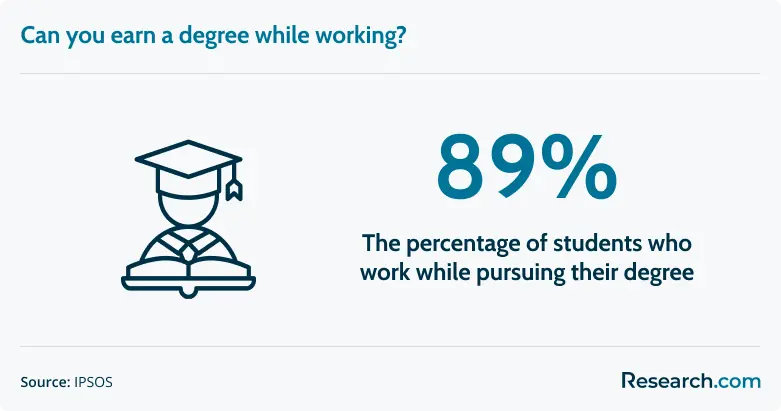
- 89% of students work while pursuing their degrees, showing that students can combine full-time employment with higher education.
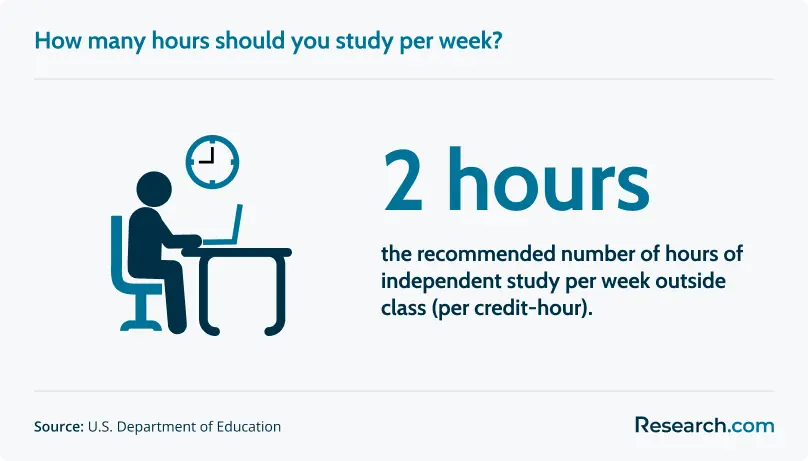
- Students should dedicate about two hours of study time for every credit hour they take to keep up with academic requirements.
- Online humanities graduates can pursue fields with mean annual salaries ranging from $65,000 in English and Literature to $74,750 in Communication Studies.
How long does it take to earn an online humanities degree while working?
An online bachelor's degree in the humanities generally requires 120 semester credits, which full-time students can complete in about four years. Working professionals who take fewer courses each term may need five to six years, depending on their enrollment pace.
However, accelerated five- to eight-week terms, transfer credits, and year-round enrollment can reduce the completion time to as little as 18 to 36 months at some universities. Students who transfer 60 credits from an associate degree, for example, may need only another 60 credits to graduate, provided their previous coursework meets the university's requirements.
Working adults can shorten their graduation timelines by choosing an enrollment plan that accommodates their schedules and recognizes previous academic or professional experience.
If you're interested in exploring other pathways, consider pursuing most valuable college majors.
Can you complete an online humanities degree while working full-time?
An online humanities degree is achievable while maintaining a 40-hour workweek, particularly through programs offering asynchronous classes and flexible enrollment. An Ipsos study found that most respondents managed substantial work and family responsibilities while pursuing their degrees, with 89% maintaining full-time employment throughout their studies.
The best online humanities programs for full-time workers have coursework that lends itself to remote learning because students primarily complete readings, research, written assignments, and online discussions rather than attending physical laboratories. The important thing is to balance employment and education with consistent study habits, realistic course loads, and sufficient time for assignments.
Some features that make online humanities programs practical for employed students include:
- Asynchronous Learning: Recorded lectures and digital course materials allow students to study before or after work.
- Reduced Commuting: Eliminates campus travel and provides additional time for reading, research, and assignment preparation.
- Flexible Course Loads: Students can take fewer courses during demanding work periods and increase their enrollment when schedules permit.
- Immediate Workplace Application: Communication, ethical reasoning, and analytical skills developed through coursework can strengthen professional performance.
- Independent Study: Online learning encourages self-discipline and time management, qualities that can also benefit employees in professional settings.
What are the best online humanities degrees for working professionals?
A student's career interests, existing qualifications, and professional goals define the most suitable online humanities degree. Traditional majors such as English, history, and philosophy develop transferable skills, while interdisciplinary programs combine humanities subjects with digital media, communication, and cultural studies.
According to Data USA, there were 705,504 liberal arts and humanities graduates in the US workforce, with an average annual wage of $86,092. These figures reflect employment across different occupations, illustrating the range of opportunities available to graduates rather than the expected salary for every major.
As working professionals, consider these humanities specializations when choosing an online bachelor's program:
- History: Specialize in building archival research and evidence-based argumentation skills relevant to public policy, education, museums, and legal studies. Humanities and arts majors have median earnings of $72,000. About 1.29 million workers held a history degree in 2023, and management and education are its two largest occupational groups at 18% each.
- Communication Studies: In this specialization, develop public relations, corporate communication, and conflict-resolution skills. Public relations specialists earn a median annual wage of $74,750. The occupation held 314,500 jobs in 2025, with employment projected to grow 2% from 2025 to 2035.
- Cultural Studies: Specialize in cross-cultural analysis, policy, and community-focused roles. 344,580 workers held a cultural studies degree in 2023, with a median wage of $70,000 across all fields, and 51% held an advanced degree.
- English and Literature: In this specialization, strengthen writing, editing, textual analysis, and research skills for publishing, education, and content development. About 1.94 million workers held an English degree in 2023, with a median wage of $65,000.
- Philosophy and Religion: Specialize in developing logical reasoning and ethical decision-making skills applicable to business, compliance, public policy, and legal environments. 551,710 workers held a philosophy and religion degree in 2022, with a median wage of $70,000.
Online humanities programs accommodate working adults through flexible course delivery, remote academic resources, and support services that reduce the need for campus attendance. Learning management systems provide access to lectures, assignments, discussion boards, and instructor feedback. With this, students can complete much of their coursework around employment and family responsibilities.
Some institutions also offer multiple enrollment periods and part-time degree pathways. However, online delivery does not always mean completely flexible scheduling, so students should verify whether their chosen program requires live sessions, scheduled examinations, or in-person activities.
The common academic accommodations available for working students are:
- Multiple Start Dates: Some universities offer six to eight enrollment periods annually, so students can begin when their schedules permit.
- Evening and Weekend Advising: Virtual academic and career counseling helps students plan coursework without taking time off.
- Digital Library Access: Online databases provide academic journals, electronic books, and research materials remotely.
- Mobile-Friendly Platforms: Students can access readings, recorded lectures, and discussion boards through smartphones, tablets, and computers.
- Virtual Writing Support: Online writing centers guide research, citations, grammar, and academic papers.
- Recorded Workshops: Students who cannot attend live faculty discussions can review uploaded sessions later.
- Part-Time Degree Pathways: Flexible enrollment options allow students to adjust their course loads as employment demands change.
Online humanities students should set aside at least two hours of independent study for every credit hour they take. This time covers reading, research, writing assignments, and exam preparation outside scheduled class activities. For example, a student taking 12 credit hours should plan to spend at least 24 hours per week on coursework. This is in addition to any required class time.
Taking humanities courses can require extensive reading, written analysis, and research projects. Depending on the topic at hand, some weeks may be busier than others. Students taking laboratory or studio courses may need more preparation time, depending on course requirements. Busy weeks can also be expected when assignments and exams fall close together.
As such, working professionals can use this estimate to build a realistic study schedule around their jobs and personal responsibilities. For full-time workers, it is advisable to divide the weekly workload into shorter sessions before or after work. They can also do so during lunch breaks or on the weekends. A good technique is to set aside regular study hours to help prevent assignments from piling up near deadlines and to make sure everything is covered.
Working full-time does not automatically disqualify students from receiving federal, state, or institutional financial aid. Financial need, enrollment status, income, and institutional participation influence the amount of aid available.
For the 2026–27 award year, the maximum Federal Pell Grant is $7,395. This can help eligible students cover tuition and other educational expenses. Students researching the best money making majors can also compare potential earnings with education costs to assess the long-term value of their degree.
Eligible students enrolled in accredited online programs can submit the Free Application for Federal Student Aid (FAFSA) to determine their eligibility for grants, federal loans, and other assistance. Working adults can consider several ways to finance their online humanities education, such as:
- Federal Grants: Eligible students with financial need may receive Federal Pell Grants, including prorated awards when enrolled less than full-time.
- Federal Student Loans: Students enrolled at least half-time may qualify for Federal Direct Subsidized and Unsubsidized Loans, subject to eligibility requirements.
- Federal Work-Study: Eligible students can access part-time employment opportunities through participating institutions.
- Institutional Scholarships: Universities and private organizations offer scholarships based on academic performance, financial need, and career interests.
- Employer Tuition Assistance: Some companies reimburse tuition or pay educational expenses directly for eligible employees.
- State Financial Aid: Residents may qualify for state grants and tuition assistance at participating institutions.
- Payment Plans: Installment arrangements allow students to distribute tuition payments throughout an academic term.
Earning a humanities degree while working full-time means maintaining academic progress while balancing competing responsibilities. Humanities courses often require extensive reading, research, and analytical writing, which can become difficult after a demanding workday.
Emotional stress and mental health concerns can also affect students' ability to continue their studies. Data on reasons for program withdrawal highlight these concerns: 49% cited emotional stress, while 41% identified personal mental health as a consideration. Therefore, it is important to manage academic demands alongside personal well-being.
Working students should also prepare for these common challenges:
- Cognitive Fatigue: Reading complex texts and writing essays after work can reduce concentration and productivity.
- Heavy Coursework: Falling behind on reading assignments can make research papers and class discussions harder to manage.
- Workplace Conflicts: Overtime, business travel, and changing shifts can disrupt planned study periods.
- Digital Fatigue: Spending additional hours on a computer after work may affect motivation and concentration.
- Academic Isolation: Limited face-to-face interaction can make it harder to stay engaged with classmates and instructors.
- Financial Pressure: Tuition, textbooks, and other expenses require careful budgeting, especially for students with limited income.
- Long Completion Timelines: Part-time enrollment can extend a degree over several years, requiring sustained motivation and consistent progress.
To help manage education costs easily, online cheap college can be an option.
Many employers offer education assistance to support professional development, improve employee retention, and build workforce skills. According to SHRM's 2025 Employee Benefits Survey, 45% of organizations provide undergraduate or graduate tuition assistancer. The survey also found that 8% of organizations offer student loan repayment assistance. These benefits may help full-time workers pursue an online humanities degree while continuing to earn an income and develop their careers.
Employer education programs vary in coverage and eligibility. Some companies reimburse tuition after employees complete their courses, while others pay colleges directly or provide scholarships and student loan support. Working professionals should review their company's policies before enrolling to determine which programs and expenses qualify.
Some employer education benefits are the following:
- Tuition Reimbursement: Employers repay eligible educational expenses after employees successfully complete their courses.
- Direct Tuition Payments: Some organizations pay participating universities directly, reducing employees' upfront expenses.
- Annual Benefit Limits: Employers may establish yearly reimbursement caps, with some programs aligning benefits with the federal $5,250 tax-free educational assistance limit.
- Degree Relevance Requirements: Certain companies require coursework to relate to an employee's current position or career development plan.
- Minimum Grade Requirements: Employees may need to earn a specified grade before receiving reimbursement.
- Employment Agreements: Some organizations require employees to remain with the company for a designated period after receiving educational assistance.
- Student Loan Repayment: Participating employers may contribute toward qualified student loan payments.
Working professionals should also confirm that their chosen institution meets their employer's accreditation requirements. Comparing the best online nationally accredited schools can help students identify programs to discuss with their HR departments before enrolling.
To choose an online humanities program, consider its academic quality, accreditation, cost, and flexibility. Students should review the school's reputation, courses, and support services before enrolling. Tuition fees and transfer-credit policies are also important, especially for working adults who want to manage expenses and complete their degrees efficiently.
Before applying, prospective humanities students should compare these important program characteristics:
- Institutional Accreditation: Verify that the university holds recognized institutional accreditation to support credit transfer and federal financial aid eligibility.
- Transparent Tuition: Compare per-credit tuition, technology fees, textbook expenses, and other required charges.
- Fully Online Delivery: Confirm that required courses can be completed remotely without mandatory campus attendance.
- Asynchronous Coursework: Prioritize programs that do not require daytime attendance or fixed live sessions.
- Transfer-Credit Policies: Ask how previous college coursework, military training, and qualifying professional experience can reduce degree requirements.
- Faculty Accessibility: Review faculty qualifications, instructor availability, and opportunities for individual academic guidance.
- Graduation and Retention Rates: Examine student outcomes, particularly for part-time students and adult learners.
- Career Services: Look for online resume assistance, career counseling, internship guidance, and professional development resources.
How can you manage your time effectively while earning an online humanities degree?
Good time management helps working adults keep up with their studies while handling work and family responsibilities. Since humanities courses require regular reading, research, and writing, students should avoid putting off assignments.
Create a study schedule and break large tasks into smaller steps to make coursework easier to manage. Set specific study hours to stay organized and meet deadlines throughout the semester.
These practical strategies can help students maintain a sustainable study routine:
- Use a Weekly Calendar: Reserve specific hours for reading, research, writing, and assignment submission.
- Apply the Pomodoro Technique: Work in focused 25-minute intervals followed by five-minute breaks to maintain concentration.
- Complete Readings Early: Finish demanding reading assignments early in the week to leave sufficient time for written coursework.
- Use Audio Learning Tools: Listen to recorded lectures and compatible reading materials during commutes or household activities.
- Divide Major Projects: Break research papers into topic selection, source gathering, outlining, drafting, and proofreading stages.
- Communicate Responsibilities: Discuss major academic deadlines with family members and, when appropriate, supervisors.
- Protect Personal Time: Schedule adequate rest and recreation to prevent academic fatigue and burnout.
- Monitor Academic Progress: Review completed credits each semester and adjust course loads when necessary.
Other Things You Should Know About Humanities Degrees
Yes, many accredited universities accept community college credits toward general education and humanities degree requirements. Depending on institutional policies, students may transfer approximately 60 to 90 credits toward a 120-credit bachelor's degree.
Accredited online humanities degrees are generally recognized by employers and graduate schools, which typically evaluate institutional accreditation and academic qualifications rather than the learning format. Relevant work experience, communication abilities, and professional skills also influence employment and graduate admission decisions.
Students generally need a reliable computer, a stable internet connection, a webcam, and word-processing software such as Microsoft Word or Google Docs. Universities commonly provide access to learning platforms, digital libraries, cloud storage, and academic research resources.
- Data USA. (n.d.). Liberal Arts and Humanities. https://datausa.io/profile/cip/liberal-arts-humanities
- Federal Student Aid. (n.d.). Don’t Miss Out on Federal Pell Grants. https://studentaid.gov/articles/dont-miss-out-on-pell-grants/?s6=CK
- Gallup. (2025). One in Three College Students Consider Leaving Program. https://news.gallup.com/poll/659897/one-three-college-students-consider-leaving-program.aspx
- Inside Higher Ed. (2026). Report: Humanities Majors Disappearing. https://www.insidehighered.com/news/students/academics/2026/09/10/report-humanities-majors-disappearing
- Ipsos. (2026). 2026 ROI Study. https://risepoint.com/download/?file=2026/10/IPSOS-2026-Student-ROI-Study.pdf
- Society for Human Resource Management. (2025). 2025 Employee Benefits Survey: Professional Development. https://www.shrm.org/topics-tools/research/employee-benefits-survey-2025/development
- University of Southern Indiana. (n.d.). Credit Hour Policy. https://www.usi.edu/registrar/classes/credit-hour-policy
- US BLS. (2026). Field of Degree: English. https://www.bls.gov/ooh/field-of-degree/english/english-field-of-degree.htm
- US BLS. (2026). Field of Degree: Culture and Group Studies. https://www.bls.gov/ooh/field-of-degree/culture-and-group-studies/culture-and-group-studies-field-of-degree.htm
- US BLS. (2026). Field of Degree: History. https://www.bls.gov/ooh/field-of-degree/history/history-field-of-degree.htm
- US BLS. (2026). Field of Degree: Philosophy and Religion. https://www.bls.gov/ooh/field-of-degree/philosophy-and-religion/philosophy-and-religion-field-of-degree.htm
- US BLS. (2026). Public Relations Specialists. https://www.bls.gov/ooh/media-and-communication/public-relations-specialists.htm