
2027 How to Become an Art Teacher in Tennessee: Requirements & Certification

Co-Founder and Chief Data Scientist
To become an art teacher in Tennessee, you need more than artistic ability. You must complete the right education pathway, meet Tennessee teacher licensure requirements, pass required assessments, finish supervised classroom experience, and understand how K-12 visual arts standards shape what you will teach.
This guide is for high school students planning an art education major, college students comparing teacher preparation programs, career changers with an art background, and licensed teachers considering an additional arts endorsement or related specialization. It explains the Tennessee art teacher pathway step by step, including education, licensure, student teaching, job expectations, professional development, classroom practice, funding options, and career growth.
The goal is practical: help you decide whether this career fits your strengths, how to choose a preparation route, what questions to ask schools or districts, and how to avoid common mistakes that can delay licensure or limit your job options.
Quick answer: How do you become an art teacher in Tennessee?
The standard route is to earn a bachelor’s degree in art education or a closely related art degree with approved teacher preparation, complete supervised teaching experience, pass the required Praxis assessment, clear background checks, and apply for a Tennessee teaching license through the Tennessee Department of Education. Once licensed, art teachers usually renew their licenses every five years through required professional learning.
| Step | What it means | Why it matters |
| Complete an approved degree path | Most candidates pursue a Bachelor’s degree in Art Education or a related studio art degree with teacher preparation. | Tennessee schools need evidence that you understand both art content and teaching practice. |
| Pass required testing | Candidates commonly take the Praxis Art Content Knowledge exam, test code 5135. | The exam verifies subject-area readiness before licensure. |
| Finish student teaching | Teacher preparation programs include supervised classroom practice, often through an internship or residency. | Districts want candidates who can manage a classroom, plan lessons, and assess student work. |
| Apply for licensure | You submit transcripts, test scores, preparation-program verification, and background-check documentation. | The Tennessee license authorizes you to teach visual art in K-12 settings. |
| Keep learning after hire | Licensed teachers complete ongoing professional development for renewal. | Art education changes as standards, technology, student needs, and teaching methods evolve. |
Key Things You Should Know About Becoming an Art Teacher in Tennessee
- Tennessee has reported shortages of art teachers, especially in rural communities. For new educators, this can create openings in districts that may struggle to recruit qualified arts instructors.
- Salary information varies by source and district. The article cites an average salary of approximately $56,000 per year, while another salary estimate in this guide notes around $50,000 per year. Always confirm pay through the district salary schedule before accepting an offer.
- The employment outlook cited for Tennessee art teachers projects about 5% growth over the next decade, supported by continued interest in arts education and student creativity.
- Tennessee’s lower cost of living compared with the national average can make teaching salaries stretch further in many communities, though costs differ substantially between areas such as Nashville, Memphis, suburban districts, and rural counties.
- State-funded arts initiatives, local arts organizations, and professional learning groups can help teachers strengthen curriculum, access resources, and connect students with Tennessee’s creative communities.
- Steps to become an art teacher in Tennessee
- Education requirements for Tennessee art teachers
- Certification and licensure process
- Student teaching, internships, and classroom experience
- Tennessee art standards and curriculum expectations
- Job market, salaries, and benefits
- Professional development and continuing education
- Classroom management and teaching methods
- What to know before choosing art education
- Using digital tools in the art classroom
- Assessing student creativity and artistic growth
- Challenges art teachers face in Tennessee
- Advancement options and specializations
- Moving from art to another teaching subject
- Using additional certifications to expand options
- Resources for new art teachers
- Scholarships and financial aid
- Policy and funding effects on art education
- Child development and art teaching practice
- Interdisciplinary art teaching
- Trends influencing art education
- Teaching art in Tennessee private schools
How can you become an art teacher in Tennessee?
The most direct path is to prepare for both parts of the job: making and understanding art, and teaching students effectively. Tennessee art teachers need content knowledge, instructional skill, classroom experience, and state licensure.
- Choose the right degree route: Most future art teachers complete a Bachelor’s degree in Art Education. Another possible route is a Bachelor of Fine Arts (B.F.A.) or related art degree combined with an approved art education or teacher preparation component.
- Prepare for required exams: Candidates typically take the Praxis Art Content Knowledge assessment, test code 5135. The exam measures knowledge of studio practice, art history, art criticism, design, and teaching-related art content.
- Enroll in an approved teacher preparation program: Tennessee expects licensure candidates to complete a state-approved preparation pathway. These programs combine education coursework with supervised teaching in real classrooms.
- Complete fieldwork and student teaching: Your internship or residency helps you practice lesson planning, safety procedures, supply management, grading, critique facilitation, and classroom routines.
- Apply for licensure: After finishing the degree, testing, clinical experience, and background checks, you submit documentation through Tennessee’s educator licensing process.
- Build a teaching portfolio: A strong portfolio should show your own artwork, student-centered lesson plans, sample rubrics, classroom photos when permitted, reflective writing, and evidence that you can teach different grade levels.
- Apply strategically: Public schools, private schools, charter schools, museums, community arts centers, and youth programs may all hire art educators. Candidates who want broader education-related options can also explore adjacent roles such as special education advocacy careers.
- Plan for renewal: Licensure is not a one-time task. Tennessee art teachers continue professional learning to keep their licenses active and improve instruction.
| Candidate type | Likely pathway | Decision point |
| High school student | Apply to an art education or studio art program with teacher licensure preparation. | Confirm that the program leads to Tennessee K-12 art licensure. |
| College art major | Add teacher preparation if available, or speak with an advisor about licensure requirements. | Do not assume a studio art degree alone qualifies you to teach in public schools. |
| Career changer with a bachelor’s degree | Review alternative certification or post-baccalaureate teacher preparation options. | Ask whether your prior coursework satisfies art-content requirements. |
| Licensed teacher in another subject | Investigate endorsement requirements and additional Praxis testing. | Check whether your district supports endorsement expansion. |
What are the educational requirements for becoming an art teacher in Tennessee?
Tennessee art teacher candidates generally need a bachelor’s degree plus approved educator preparation. The degree should provide enough depth in art content while also preparing you to teach students across K-12 grade levels.
- Degree level: A bachelor’s degree is the usual starting point. Common options include a Bachelor of Arts (B.A.) or Bachelor of Fine Arts (B.F.A.) in studio art, often paired with art education coursework or a minor in art education. A master’s degree in art education may help teachers seeking advanced knowledge, leadership roles, or specialization.
- Art coursework: Programs typically include studio courses, art history, design, drawing, painting, sculpture, digital media, criticism, and portfolio development. The goal is to make sure teachers can model techniques and explain artistic concepts clearly.
- Education coursework: Future teachers study child and adolescent development, lesson planning, curriculum design, classroom assessment, inclusive teaching, and classroom management.
- Teacher preparation: A state-approved teacher preparation program is essential for public school licensure. Many programs include a yearlong internship or intensive clinical teaching experience.
- Subject competency: Candidates demonstrate readiness through required assessments such as the Praxis exams.
Before enrolling, ask the college whether the program is approved for Tennessee teacher licensure, whether student teaching placements are guaranteed, and whether graduates are eligible for the K-12 art endorsement. Students who may want to support learners with disabilities can also compare related graduate options such as an online master's pathway in special education.
Questions to ask before choosing an art education program
- Does this program lead directly to Tennessee K-12 art teacher licensure?
- Is the institution accredited, and is the teacher preparation program state-approved?
- When do students begin field experience in schools?
- Which Praxis exams does the program prepare students to take?
- How are student teaching placements assigned?
- What percentage of graduates pass required licensure exams and find teaching roles?
- Are digital art, media arts, inclusive teaching, and classroom technology included?
- Can transfer credits reduce the time or cost of completion?
What is the certification and licensing process for an art teacher in Tennessee?
The Tennessee art teacher licensure process verifies that you have completed educator preparation, met assessment requirements, and passed required background checks. The process is documentation-heavy, so it is important to keep copies of transcripts, test scores, program-completion forms, and field-experience records.
After completing the education pathway, candidates take the Praxis Art Content Knowledge test. This assessment covers major areas of art teaching, including visual arts content, studio processes, art history, and principles relevant to K-12 instruction. Candidates also complete criminal background checks through the Tennessee Bureau of Investigation (TBI) and the Federal Bureau of Investigation (FBI).
The license application is submitted through the Tennessee Department of Education’s online licensing system. Applicants provide academic transcripts, Praxis scores, proof of program completion, and other required documentation. Fees may apply during the application process.
Once licensed, Tennessee art teachers renew their licenses every five years. Renewal generally involves professional development, coursework, workshops, or other approved learning experiences related to teaching and student learning.
| Licensure item | What candidates should prepare | Common mistake to avoid |
| Transcripts | Official records from all colleges attended. | Waiting until the last minute to request official copies. |
| Praxis scores | Scores from required art-content testing. | Taking the wrong test code or missing score-reporting deadlines. |
| Teacher preparation verification | Confirmation from an approved educator preparation program. | Assuming any art degree automatically qualifies for licensure. |
| Background check | TBI and FBI clearance as required. | Overlooking fingerprinting or processing timelines. |
| Renewal documentation | Professional learning records for the five-year renewal cycle. | Failing to track continuing education hours throughout the license period. |
How important is teaching experience and what are the internship opportunities for art teachers in Tennessee?
Teaching experience is one of the most important parts of becoming an effective art educator. Art classrooms are active spaces: students use materials, tools, technology, group critique, independent work time, and visual problem-solving. New teachers need practice managing all of that while keeping students safe and engaged.
Student teaching usually places candidates under the supervision of a licensed mentor teacher for a full semester or a comparable clinical experience. Tennessee requires candidates to complete a minimum of 200 hours of supervised teaching experience, which is often completed through student teaching.
Internship opportunities can come through university partnerships with public schools, private schools, local school districts, community organizations, and arts institutions. Candidates should also check Tennessee Department of Education resources, district websites, and their university’s education placement office.
To get the most from student teaching, ask your mentor for frequent feedback, document lesson outcomes, observe how different teachers manage materials, and practice adapting instruction for students with different skill levels. Outside the required placement, volunteering in after-school art clubs, museum programs, summer camps, and community workshops can strengthen your resume and confidence.
How to make student teaching more useful
- Teach lessons at multiple grade levels if your placement allows it.
- Practice writing rubrics that assess technique, effort, originality, and reflection.
- Learn supply ordering, cleanup systems, safety routines, and classroom storage practices.
- Ask to observe IEP meetings, family communication, and cross-curricular planning when appropriate.
- Save evidence for your portfolio, including lesson plans, reflections, and anonymized examples of student progress when permitted.
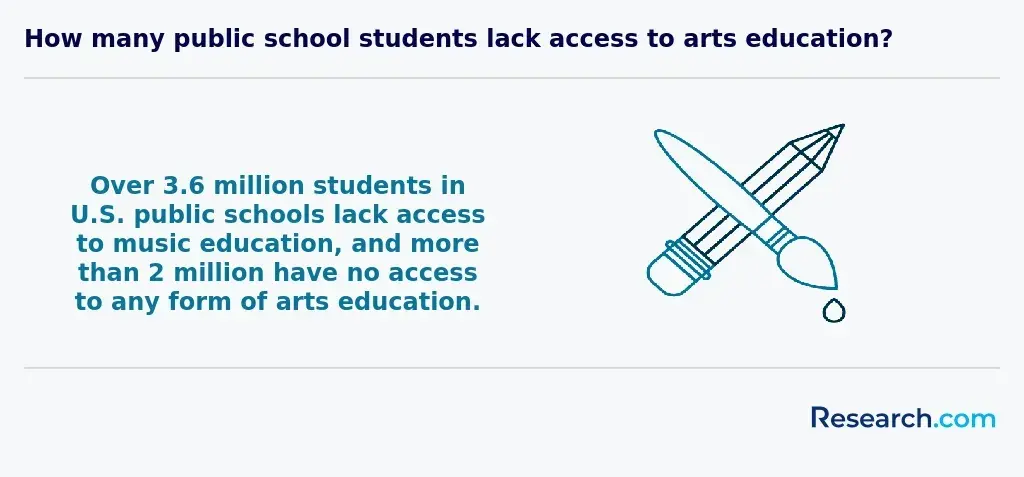
What are the standards and curriculum requirements for teaching arts in Tennessee?
Tennessee visual arts teachers do not simply design projects based on personal preference. Their lessons must connect to state expectations for what students should know and be able to do in the arts.
Tennessee established specific visual arts standards that were ratified in October 2016. These standards align with the National Core Art Standards while reflecting Tennessee’s own educational and cultural priorities. They guide instruction from kindergarten through grade 12.
The state’s fine arts standards cover multiple disciplines, including dance, theater, media arts, visual arts, and music. This broader framework supports a well-rounded arts education and helps schools connect creative work to communication, culture, history, and critical thinking.
For graduation, students must earn at least one full credit in fine arts. Many students also take sequential courses that build technical and conceptual skills over time. State law also requires art and music education to be part of the K-8 curriculum, which means elementary and middle school art teachers play a major role in early creative development.
Strong art teachers use standards as a planning tool rather than a checklist. A painting unit, for example, can address technique, historical context, critique, student reflection, and connections to science or social studies. Educators interested in broader education-adjacent graduate study may also explore options such as a low-cost online master's in speech pathology, especially if they are drawn to communication, development, and student support roles.
| Curriculum area | What art teachers should consider | Example classroom application |
| Creating | Students should generate ideas, experiment, and produce original work. | Students develop a mixed-media project from sketches to final critique. |
| Presenting | Students should learn how artwork is selected, displayed, and explained. | A class curates a hallway exhibition with artist statements. |
| Responding | Students should analyze and interpret artwork using appropriate vocabulary. | Students compare two artworks and discuss composition, meaning, and context. |
| Connecting | Students should relate art to culture, history, identity, and other subjects. | A unit connects local Tennessee culture with visual storytelling. |
What is the job market like and what are the salary expectations for art teachers in Tennessee?
The Tennessee job market for art teachers is generally tied to district budgets, enrollment, retirement patterns, and how strongly individual schools invest in arts programs. Public schools, private schools, charter schools, and community arts organizations may all offer opportunities, but public school roles usually require state licensure.
The average salary for art teachers in Tennessee is cited at around $50,000 per year, although pay can differ by district, experience, and location. Urban districts such as Nashville and Memphis may offer salaries above $60,000, while some rural areas may be closer to $45,000. Another figure cited in this article places the average at approximately $56,000 per year. Because these numbers vary, candidates should use them as planning estimates and check current district salary schedules.
Benefits can also make a major difference. Tennessee art teachers in public districts may receive compensation packages that include:
- Health insurance
- Retirement plans
- Paid time off
- Professional development opportunities
One Tennessee teacher described the decision this way: “After graduating from the University of Tennessee, I was excited by Nashville’s arts community, but I still had to compare the salary with the city’s living costs.” She added, “The chance to help students grow as artists made the move worthwhile for me.”
Salary and job-search factors to compare
| Factor | Why it matters | What to ask |
| District salary schedule | Teacher pay is often based on education level and years of experience. | Where would I start on the salary scale? |
| Location | Housing, commuting, and local cost of living can change the value of a salary. | How does pay compare with rent or mortgage costs in this area? |
| Art program support | Supply budgets, class sizes, and facilities affect teaching conditions. | What is the annual budget for art materials? |
| Grade levels taught | Some positions cover several schools or multiple age groups. | Will I teach one grade band or travel between buildings? |
| Benefits | Insurance and retirement can significantly affect total compensation. | What benefits begin immediately, and which require a waiting period? |
What professional development and continuing education opportunities are available for art teachers in Tennessee?
Professional development helps art teachers keep their licenses current, strengthen their instructional practice, and stay connected to new materials, standards, digital tools, and arts communities.
The Tennessee Arts Commission offers competitive grants that can support curriculum planning, classroom enrichment, and arts education work. The Tennessee Arts Academy, established in 1986, is a major professional development institute that hosts over 325 teachers each summer and reaches approximately 150,000 to 200,000 students annually through the teachers who participate. Its programming gives educators space to learn new strategies, exchange ideas, and deepen expertise across art forms.
The University of Tennessee, Knoxville offers an online Graduate Certificate in Art Education (K-12). This 12-credit-hour program is designed for practicing educators who want focused graduate coursework in arts education in Tennessee. Continuing education credits are especially important because they help teachers maintain licensure and remain current in the field.
Professional associations, including the Tennessee Art Education Association and the Tennessee Music Education Association, provide conferences, workshops, peer networks, and teaching resources. These groups can be especially useful for new teachers who need lesson ideas, advocacy support, and mentorship.
Teachers who want to integrate technology more deeply into art instruction may also consider graduate-level study in digital learning, such as an online master's option in educational technology.
Professional learning options to consider
- State or regional art education conferences
- Workshops on digital media, ceramics, photography, or printmaking
- Training in inclusive instruction and differentiated assessment
- District professional learning communities
- Graduate certificates or master’s programs
- Community arts classes that strengthen the teacher’s own studio practice
What are effective classroom management strategies and teaching methods for art teachers in Tennessee?
Art classrooms require clear systems because students often move between demonstrations, independent work, group collaboration, tool use, critique, cleanup, and reflection. A well-managed art room gives students room to create while protecting instructional time and safety.
Teachers can strengthen routines by setting expectations for materials, movement, voice level, critique language, storage, and cleanup. Practical classroom management techniques can help art educators create predictable environments where students feel safe taking creative risks.
- Use structured routines: Begin each class with a clear objective, demonstration, work period, and cleanup procedure. Predictability reduces confusion.
- Design engaging lessons: Hands-on projects, choice-based prompts, and collaborative work can increase motivation when they are tied to clear learning goals.
- Teach through multiple modes: Demonstrations, visual examples, guided practice, peer feedback, and written reflection help students with different learning preferences.
- Differentiate materials and expectations: Offering different tools, media, or complexity levels allows beginners and advanced students to work meaningfully within the same unit.
- Use positive reinforcement: Highlighting productive behavior, respectful critique, persistence, and responsible material use can improve the classroom climate.
- Build critique skills: Teach students how to give specific, respectful feedback rather than vague praise or personal criticism.
- Stay flexible: Art lessons often require adjustment. Materials run out, paint takes longer to dry, or students need more practice than expected.
Consistent access to fine arts instruction matters because artistic skills develop through repeated practice. Teachers who are interested in related instructional fields can also review online library science program options, particularly if they enjoy research, visual resources, and school-based learning support.
What should aspiring art teachers in Tennessee know before pursuing a career in art education?
Before committing to art education, make sure you understand both the rewards and the constraints. The work can be deeply meaningful, but it also involves grading, documentation, classroom behavior, safety rules, material management, budget limitations, and alignment with standards.
Students who want a broad overview of Tennessee educator requirements can start with Research.com’s guide on how to become a teacher in Tennessee. That broader pathway can help you understand the general licensure process before narrowing your focus to visual arts.
| This career may fit you if... | You may want another path if... |
| You enjoy helping children and teenagers develop confidence through creative work. | You want to focus only on your own studio practice without classroom responsibilities. |
| You can manage supplies, routines, deadlines, and multiple projects at once. | You dislike planning, grading, documentation, or behavior management. |
| You are comfortable teaching both technique and creative thinking. | You prefer a highly predictable workday with little variation. |
| You want to connect art with culture, identity, history, technology, and community. | You are unwilling to meet state standards or licensure requirements. |
How can art teachers integrate innovative digital tools in Tennessee classrooms?
Digital tools are becoming part of modern art instruction, especially as students create, present, and critique visual work across physical and online spaces. Art teachers may use drawing tablets, animation tools, photo-editing software, virtual museum tours, digital portfolios, collaborative platforms, and media arts projects.
The best digital integration is not technology for its own sake. It should support learning goals: visual storytelling, composition, design thinking, revision, critique, or connection across subjects. Art teachers who want to strengthen interdisciplinary teaching can also learn from literacy and communication methods used in other areas, including guidance on becoming an English teacher in Tennessee.
Useful digital practices for art classrooms
- Create digital portfolios so students can document progress over time.
- Use virtual galleries to expose students to museums and artists they may not otherwise access.
- Teach basic digital citizenship, copyright awareness, and ethical image use.
- Blend hand-made and digital work rather than replacing traditional media entirely.
- Use critique platforms carefully, with clear rules for respectful feedback.
How do art teachers effectively assess and evaluate student creative development?
Assessing art is not the same as judging whether a teacher personally likes a project. Strong art assessment looks at growth, technique, concept development, effort, process, craftsmanship, reflection, and how well the student addressed the assignment goals.
Rubrics help make expectations transparent. Portfolios show progress across multiple projects. Peer critique and self-assessment teach students to reflect on their own choices. Teachers who want deeper leadership and evaluation skills may also explore programs such as an online master's program in management and leadership.
| Assessment method | Best use | What it can measure |
| Project rubric | Evaluating a specific assignment | Technique, originality, effort, craftsmanship, and completion |
| Portfolio review | Tracking growth across time | Skill development, experimentation, revision, and creative risk-taking |
| Artist statement | Understanding student intent | Concept clarity, vocabulary, reflection, and decision-making |
| Peer critique | Building visual analysis and communication | Observation, respectful feedback, and use of art language |
| Self-assessment | Encouraging student ownership | Goal-setting, persistence, and awareness of strengths and areas for growth |
What are the key challenges art teachers face in Tennessee?
Art teachers in Tennessee may face limited supply budgets, uneven program funding, large class sizes, pressure to justify arts instruction, limited access to specialized equipment, and the challenge of aligning creative learning with district expectations. Rural schools may also have fewer arts resources or require teachers to serve multiple grade levels or buildings.
Practical responses include documenting student outcomes, building community partnerships, applying for grants, sharing student exhibitions, collaborating with core-subject teachers, and participating in professional networks. Educators considering other school-based roles can also review Research.com’s guide on how to become a librarian in Tennessee.
Common mistakes aspiring art teachers should avoid
| Mistake | Why it can hurt you | Better approach |
| Choosing a program without checking licensure approval | You may graduate without meeting Tennessee teaching requirements. | Ask the program directly whether it leads to Tennessee K-12 art licensure. |
| Looking only at tuition | Fees, supplies, commuting, testing, and unpaid student teaching can add costs. | Compare the full cost of attendance and available aid. |
| Assuming online coursework always satisfies licensure | Some programs may not meet Tennessee educator preparation requirements. | Confirm field placement, state approval, and licensure alignment before enrolling. |
| Waiting too long to take Praxis | Delayed scores can slow student teaching or licensure applications. | Create a testing timeline with your advisor. |
| Building only an artist portfolio | Employers also want evidence of teaching skill. | Include lesson plans, assessments, student-centered work, and reflections. |
| Ignoring district working conditions | Salary alone does not show class size, budget, facilities, or schedule. | Ask detailed questions during interviews. |
What are the career advancement opportunities and specializations for art teachers in Tennessee?
Art teaching can lead to several career paths beyond the first classroom role. Some teachers stay in K-12 instruction and become highly skilled studio, digital media, or advanced-placement educators. Others move into leadership, curriculum, community arts, museum education, or administration.
- Instructional leadership: Experienced art teachers may become department chairs, mentor teachers, curriculum leads, or district arts coordinators.
- Specialized teaching: Teachers may focus on digital media, photography, ceramics, art history, design, community arts, or art therapy-related approaches.
- Additional credentials: A K-12 art endorsement, graduate certificate, or master’s degree can strengthen qualifications and support advancement.
- Policy and curriculum work: Art educators can serve on committees, contribute to curriculum review, support standards implementation, and advocate for arts funding.
One Tennessee educator described how specialization changed her career: “After graduating from the University of Tennessee in Knoxville, I became an art department chair. Leadership training helped me advocate for a digital media curriculum, and that work later led to conference presentations.”

Can art teachers successfully transition to teaching other subjects in Tennessee?
Yes, but additional requirements usually apply. An art teacher who wants to teach another subject must review Tennessee endorsement rules, content testing, coursework expectations, and district needs. Some educators pursue another subject to increase job flexibility, move into middle school or high school roles, or build interdisciplinary teaching options.
Teachers interested in expanding into mathematics can compare requirements through Research.com’s guide on how to become a middle school math teacher in Tennessee. The key is to verify endorsement requirements before assuming prior teaching experience is enough.
Can additional certifications enhance art teaching careers in Tennessee?
Additional certifications can help art teachers serve more students and qualify for broader roles. For example, special education knowledge can improve an art teacher’s ability to adapt materials, scaffold assignments, support communication needs, and design inclusive creative experiences.
Educators who want to deepen inclusive teaching skills can explore special education teacher certification in Tennessee. Additional credentials should be chosen strategically: the best option is one that matches your students’ needs, your district’s staffing priorities, and your long-term career goals.
What resources and support are available for new art teachers in Tennessee?
New art teachers should not try to build every lesson, policy, rubric, and supply system alone. Tennessee and national organizations offer support that can reduce isolation and improve teaching practice.
- Tennessee Art Education Association: Offers professional learning, advocacy, networking, and a community of visual arts educators.
- Tennessee Department of Education mentoring: New teachers may access mentor support through district or state-supported induction programs.
- Tennessee Arts Commission: Provides grant and funding opportunities that can support arts learning and classroom enrichment.
- National Art Education Association: Offers webinars, publications, professional standards resources, and national networking.
- Online teaching communities: Platforms such as Teachers Pay Teachers and Artsonia can provide lesson ideas, student art-sharing opportunities, and classroom inspiration.
- Local colleges and universities: Workshops, graduate courses, and community arts events can help teachers continue developing their craft.
What are the financial aid and scholarship options for aspiring art teachers in Tennessee?
Preparing to become an art teacher can involve tuition, art supplies, testing fees, transportation, and the financial challenge of student teaching. Future teachers should compare all available aid before choosing a program.
Tennessee Promise provides two years of tuition-free community college or technical school education. Students interested in art education may use this pathway to complete foundational coursework before transferring to a four-year institution.
The Tennessee Teaching Scholars Program offers forgivable loans to students who commit to teaching in Tennessee public schools for a required service period. For art education majors who plan to work in the state, this can reduce debt while supporting the teacher workforce.
Students comparing elementary and arts pathways may also find useful planning details in Research.com’s guide on how to become an elementary school teacher in Tennessee. Local universities may offer scholarships for education majors, arts students, high-achieving applicants, or students with community involvement. Federal options such as Pell Grants and subsidized loans require the Free Application for Federal Student Aid (FAFSA).
Ways to reduce the cost of becoming an art teacher
- Complete transferable general education credits at a lower-cost institution when appropriate.
- Apply for education, arts, and community-service scholarships early.
- Ask whether the program provides art supplies, studio access, or teaching materials.
- Confirm whether student teaching is unpaid and plan living expenses in advance.
- Compare public, private, online, and hybrid program costs carefully.
- Ask about forgivable loan programs tied to teaching service in Tennessee.
How do state policies and funding decisions affect art education in Tennessee?
State policy and local funding decisions influence what art teachers can offer students. Standards determine instructional expectations. Budgets affect class size, supplies, equipment, professional learning, field trips, and partnerships with community arts organizations.
Art teachers can strengthen support for their programs by documenting student work, connecting art to school goals, inviting families to exhibitions, applying for grants, and participating in district or state advocacy. Educators considering early-childhood or elementary pathways can also compare requirements in Research.com’s guide on how to become a kindergarten teacher in Tennessee.
What do graduates have to say about becoming an art teacher in Tennessee?
- Teaching art in Tennessee changed how I see education. Community support and classroom creativity keep the work meaningful, and watching students find their own visual voice is the most rewarding part of my day. Sandra
- Tennessee’s cultural mix gives me endless material for lessons. Music, craft, local history, and visual art all show up in my classroom, and that makes teaching here feel connected to the wider community. James
- My students bring different backgrounds and perspectives to every project. Seeing their confidence grow through art has made this career feel purposeful, especially when professional development gives me new tools to support them. Stephen
How Does Understanding Child Development Impact Art Teaching Practices in Tennessee?
Child development knowledge helps art teachers design lessons that match students’ cognitive, emotional, motor, and social development. A kindergarten collage lesson, a middle school identity project, and a high school portfolio critique require different levels of abstraction, independence, and feedback.
Teachers who understand development can create age-appropriate expectations, adapt materials, support students with different needs, and recognize growth beyond technical skill. Educators who want deeper preparation in this area may consider a master's degree in child development.
How can interdisciplinary collaborations enhance art teaching in Tennessee?
Interdisciplinary teaching can make art more relevant and rigorous. Art teachers can partner with music, theater, history, English, science, technology, and media teachers to help students connect creative practice with broader ideas.
Examples include designing posters for a history unit, creating stage visuals for theater, using geometry in pattern design, building visual narratives from literature, or combining music and visual rhythm. Teachers interested in arts collaboration can also review how to become a music teacher in Tennessee.
What emerging trends are shaping art education in Tennessee?
Art education is shifting as schools respond to technology, workforce skills, inclusive teaching, and community engagement. STEAM learning, digital portfolios, media arts, student-centered projects, and micro-credentialing are increasingly relevant to art teachers who want to keep instruction current.
Another trend is the role of art teachers as cultural connectors. Teachers help students examine identity, local history, community issues, and visual communication. Those interested in cross-subject teaching can also explore how to become a history teacher in Tennessee.
What are the benefits of teaching art in private schools in Tennessee?
Private schools may offer art teachers smaller classes, more curricular flexibility, specialized arts programming, and closer relationships with families. Some private institutions may allow teachers to design distinctive studio tracks, exhibitions, or interdisciplinary projects.
The trade-off is that private schools can differ widely in pay, benefits, licensure expectations, religious or mission alignment, and job security. Teachers should compare employment contracts carefully. For role-specific guidance, review Research.com’s page on how to become a private school teacher in Tennessee.
What to ask before accepting an art teaching job
- What grade levels and courses will I teach?
- How many students are typically in each art class?
- Is there a dedicated art room, kiln, digital lab, or storage space?
- What is the annual budget for supplies and equipment?
- Will I travel between schools?
- How often do students receive art instruction?
- What standards, curriculum maps, or pacing guides are required?
- How are student exhibitions, competitions, or community events supported?
- What mentoring is available for new teachers?
- How does the school support students with disabilities in the art classroom?
Important Findings for Tennessee Art Teacher Candidates
- The Tennessee Department of Education reported that as of 2023, approximately 1,200 art teachers were employed across K-12 schools in the state, showing continued demand for qualified arts educators.
- Candidates generally need a bachelor’s degree in art education or a related field, followed by a teacher preparation program. The article cites recent data indicating that around 85% of new art teachers completed degrees from accredited institutions.
- The average salary for an art teacher in Tennessee is approximately $50,000 per year, with differences based on experience, location, and district. Urban districts often pay more than rural districts.
- Tennessee provides alternative certification pathways for candidates who already hold a bachelor’s degree in art but do not yet have formal teaching credentials. As of 2023, about 15% of new art teachers entered through alternative routes.
- The number of university art education programs in the state has increased by 10% since 2022, reflecting stronger interest in preparing future arts educators.
Related Articles for Nearby States
- 2027 How to Become an Art Teacher in Kentucky: Requirements & Certification
- 2027 How to Become an Art Teacher in Mississippi: Requirements & Certification
- 2027 How to Become an Art Teacher in Alabama: Requirements & Certification
- 2027 How to Become an Art Teacher in Georgia: Requirements & Certification
- 2027 How to Become an Art Teacher in North Carolina: Requirements & Certification
- 2027 How to Become an Art Teacher in Missouri: Requirements & Certification
- 2027 How to Become an Art Teacher in Arkansas: Requirements & Certification
- 2027 How to Become an Art Teacher in Virginia: Requirements & Certification
- 2027 How to Become an Art Teacher in Indiana: Requirements & Certification
- 2027 How to Become an Art Teacher in South Carolina: Requirements & Certification
References:
- East Tennessee State University (n.d.). Art Education program information.
- Middle Tennessee State University (2024). Art Education K-12 Teacher Licensure Concentration.
- The University of Tennessee Knoxville (n.d.). Online Graduate Certificate in Art Education (K-12).
- The University of Tennessee Knoxville (n.d.). Theory & Practice in Teacher Education: Art Education.
- Tennessee Department of Education (n.d.). Professional Learning Opportunities.
- Tennessee Art Education Association (n.d.). Tennessee State Standards for Art Education.
Key Insights
- The safest pathway to becoming an art teacher in Tennessee is a state-approved art education program that leads directly to K-12 licensure.
- Do not choose a program based only on the art major. Verify teacher preparation approval, Praxis preparation, student teaching placement, and licensure outcomes.
- Salary estimates vary, with figures cited around $50,000 per year and approximately $56,000 per year. District salary schedules are the best source for real compensation decisions.
- Student teaching matters because art classrooms require specialized management of materials, tools, movement, critique, and differentiated creative work.
- Tennessee’s visual arts standards, ratified in October 2016, should guide lesson planning from kindergarten through grade 12.
- Professional development, grants, associations, and digital tools can help art teachers keep their practice current and expand student opportunities.
- Before accepting a job, ask about class size, supply budget, facilities, travel between schools, curriculum expectations, and mentoring support.
- Art teaching can lead to advancement in curriculum leadership, digital media, arts coordination, administration, museum education, and interdisciplinary teaching.
Other Things You Should Know About Becoming an Art Teacher in Tennessee
The Tennessee State Board of Education issues educator licenses through the Tennessee Department of Education. Candidates apply through the state’s online licensure system and must meet approval requirements for a Tennessee teaching license with an art endorsement.
In 2027, to become an art teacher in Tennessee, you need a Bachelor's degree in art or art education. Additionally, completing a state-approved teacher preparation program and obtaining certification through required exams are crucial steps.


