2027 What Jobs Can You Get With a Kinesiology Bachelor's Degree?

Co-Founder and Chief Data Scientist
Graduates with a kinesiology bachelor's degree often face uncertainty about how to apply their studied skills in the job market. For individuals aiming to work in health promotion or athletic training, identifying viable career paths can be challenging due to the broad nature of the field.
With employment in exercise science and related areas projected to grow 11% from 2022 to 2032, understanding the scope of opportunities is crucial. Exploring various roles helps graduates align their interests with industry demands and maximize their earning potential. This article examines the careers accessible with a kinesiology bachelor's degree and guides informed decision-making.
Key Benefits of the Jobs You Can Get With a Kinesiology Bachelor's Degree
- Graduates with a kinesiology bachelor's degree can work in healthcare, sports, wellness, and rehabilitation, demonstrating broad career versatility across multiple expanding industries.
- The average salary for kinesiology-related roles often exceeds $50,000 annually, with management or specialized positions offering significant earning and advancement opportunities.
- The degree fosters long-term professional growth by providing foundational knowledge applicable to physical therapy, occupational therapy, or advanced graduate studies, supporting diverse career pathways.
What Entry-Level Jobs Can I Get With a Kinesiology Bachelor's Degree?
A bachelor's degree in kinesiology opens the door to several entry-level positions where graduates can apply their foundational knowledge of human movement, anatomy, and physiology in practical environments.
Approximately 65% of bachelor's degree holders find jobs related to their field within the first year after graduation, highlighting the value of a kinesiology bachelor's degree career options in health-related roles.
Entry-level kinesiology bachelor jobs often involve supporting patient recovery, enhancing fitness, and aiding rehabilitation efforts. These roles leverage essential skills acquired during the degree program, preparing graduates for hands-on work in therapeutic and fitness settings.
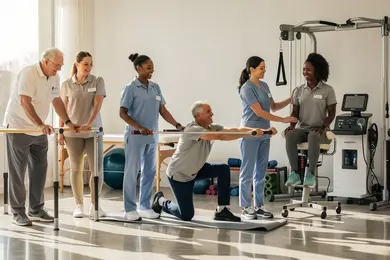
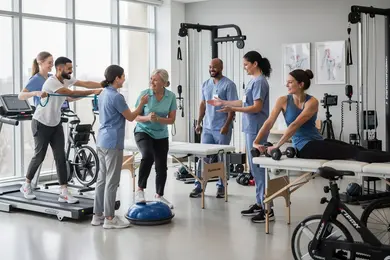
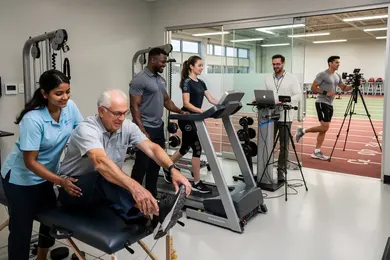
- Exercise Physiologist: Exercise physiologists design and oversee exercise programs for individuals recovering from illness or injury. A kinesiology degree provides critical knowledge in physiology and exercise science needed for these responsibilities.
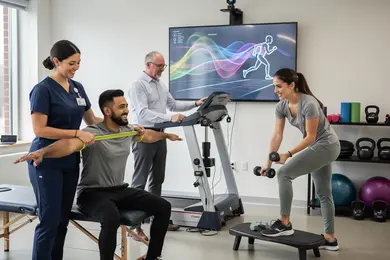
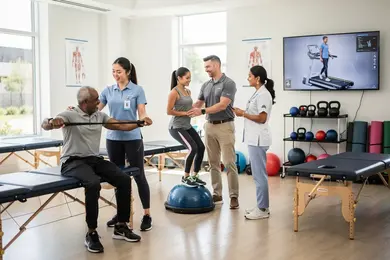
- Physical Therapy Aide: Physical therapy aides support licensed therapists by preparing treatment areas, assisting patients with exercises, and managing administrative duties. This role offers kinesiology graduates practical experience while applying their understanding of human movement and rehabilitation principles.
- Fitness Trainer or Personal Trainer: Personal trainers create customized workout plans and coach clients to achieve fitness goals. They educate clients on safe exercise techniques, injury prevention, and basic nutrition. The kinesiology curriculum equips trainers with expertise in anatomy, biomechanics, and fitness assessments.
- Rehabilitation Specialist Assistant: Rehabilitation assistants help therapists by monitoring patient progress and motivating clients during recovery from injury or surgery. The foundational knowledge in motor control and therapeutic exercise gained from a kinesiology bachelor's degree supports these duties effectively.
Students exploring kinesiology bachelor's degree career options may also find value in related fields; for details on potential additional certifications and their costs, see information on medical billing and coding certification cost.
What Industries Hire Kinesiology Bachelor's Degree Graduates?
A bachelor's degree in kinesiology can open doors across multiple industries, as employer demand for graduates with relevant skills remains strong.
General workforce data show a consistent need for professionals holding bachelor's degrees who possess specialized knowledge in human movement, health, and wellness.
These factors contribute to a wide range of career opportunities for those with a kinesiology bachelor degree career opportunities.
- Healthcare: This sector is a primary employer of kinesiology graduates. Roles often involve supporting rehabilitation centers, hospitals, and outpatient clinics by developing exercise programs that aid patient recovery and injury prevention. Graduates contribute to therapeutic care alongside physical therapy teams.
- Fitness and Wellness: Kinesiology expertise is essential in gyms, community centers, and private practice. Graduates design personalized fitness plans and help clients enhance physical health, leveraging exercise science knowledge to optimize performance and promote long-term wellness.
- Sports and Recreation: Sports organizations and recreational facilities hire kinesiology graduates to improve athletic performance and reduce injury risks. Common roles include athletic trainers, strength and conditioning coaches, and recreational therapists who focus on helping athletes reach their potential safely.
- Occupational Health: Graduates assess ergonomic risks and implement safety strategies in workplaces, particularly in manufacturing, logistics, and corporate sectors. Their work supports healthier environments and increases productivity by reducing workplace injuries.
- Research and Education: Universities, private labs, and government agencies employ kinesiology graduates to advance studies on human movement, exercise benefits, and chronic disease management. Many contribute to scientific progress and health education programs.
Prospective students interested in expanding their qualifications might also consider pursuing a healthcare administration online degree, which can complement a kinesiology background and open additional pathways in healthcare leadership and management.

Can You Get Jobs Outside Your Major With a Kinesiology Bachelor's Degree?
Many kinesiology bachelor's graduates pursue careers beyond their specific field because the skills developed during their studies apply across a range of industries.
With shifts in the labor market, about 40% of college graduates nationwide find employment unrelated to their major, illustrating the adaptability of their qualifications.
- Transferable Skills: Graduates develop critical thinking and effective communication abilities that are valuable in diverse roles. Their capacity to analyze problems and design solutions prepares them for positions beyond kinesiology's traditional scope.
- Employer Preferences: Businesses increasingly prioritize soft skills like teamwork, leadership, and communication over exact academic backgrounds. Since kinesiology programs involve collaborative projects and presentations, students graduate with these sought-after qualities.
- Experience and Training: Additional internships, certifications, or part-time work can help kinesiology graduates tailor their profiles for new career paths. Hands-on experience beyond the degree enhances flexibility and opens opportunities in various sectors.
What Remote Jobs Can I Get With a Kinesiology Bachelor's Degree?
Remote work has become increasingly embraced, with a 2023 Gallup report indicating that 45% of full-time U.S. employees engage in remote work at least part-time.
Graduates holding a kinesiology bachelor's degree benefit from specialized knowledge in human movement and wellness, paired with essential skills like communication and time management, enabling them to pursue various remote positions effectively.
- Health and Wellness Coach: Professionals design tailored fitness and nutrition plans, connecting with clients through digital platforms. A kinesiology background equips them to apply exercise science principles to support clients' health goals remotely.
- Rehabilitation Coordinator: These coordinators guide patient care by collaborating with healthcare providers through virtual tools and electronic records. Their understanding of anatomy and therapeutic exercises allows for coordinated remote support.
- Remote Fitness Trainer: Leading virtual training sessions and customizing exercise routines rely on knowledge of biomechanics and injury prevention, which kinesiology students develop extensively.
- Health Content Specialist: Crafting informative content about exercise and wellness for online audiences calls for accurate scientific understanding and the ability to communicate clearly-strengths gained through kinesiology studies.
- Ergonomics Consultant: Consultants assess work environments remotely and recommend adjustments to minimize injury risks, drawing on expertise in human movement and posture.
Success in these roles demands strong virtual communication, self-discipline in time management, and adaptability across distributed teams, all of which kinesiology graduates cultivate alongside their core knowledge.
When asked about her path, a graduate of a kinesiology bachelor's degree program reflected on the challenges of establishing a remote career. She described how initially navigating digital tools and building virtual client relationships felt daunting, but consistent practice boosted her confidence.
"Managing time independently was a learning curve," she shared, explaining how she developed routines that balanced client sessions with research and planning.
Her kinesiology training provided a solid foundation, while adapting to remote collaboration and communication was key to thriving in her role. She emphasized that perseverance and embracing new technology made her remote work experience rewarding and sustainable.
Can I Switch Careers With a Kinesiology Bachelor's Degree?
Many professionals build on a kinesiology bachelor's degree to explore different career paths by leveraging its broad transferable skills. This adaptability aligns well with workforce trends, as data shows nearly half of college graduates change careers within five years of entering the job market.
The degree's emphasis on critical thinking and problem-solving equips graduates to approach new opportunities confidently. Career flexibility after kinesiology degree completion is enhanced by the ability to apply learned skills across varied roles, making this background valuable beyond traditional expectations.
Such versatility supports individuals aiming to pivot professionally while relying on a strong foundational education.
A kinesiology degree fosters key abilities like effective communication, adaptability, and analytical thinking, which are crucial when switching careers. Successful transitions often rely upon gaining additional experience, which can come through self-directed learning, internships, or specialized on-the-job training.
These practical steps help close potential gaps between academic knowledge and the demands of new roles. Graduates who actively build on their education, such as pursuing relevant programs including online PhD nursing programs, enhance their career options further.
Overall, with its transferable skillset and the right proactive measures, kinesiology provides a strong platform for professionals to navigate varied job markets.

What Are the Highest-Paying Jobs With a Kinesiology Bachelor's Degree?
Earnings for professionals with a kinesiology bachelor's degree can vary widely depending on the industry, level of experience, and specific skill sets. While entry-level pay may start modestly, many positions offer increased salaries as individuals develop expertise and take on additional responsibilities.
Generally, bachelor's degree holders earn significantly more than those without degrees, highlighting the value of higher education in this field.
- Exercise Physiologist: These specialists design and monitor fitness programs to enhance patients' health and aid recovery. Salaries typically range from $50,000 to $75,000 a year, influenced by setting and experience.
- Physical Therapy Assistant: Assisting licensed physical therapists, these professionals help implement rehabilitation exercises for patients after injury or surgery. Kinesiology training equips graduates with knowledge of movement mechanics that is vital for effective patient support, with pay falling between $45,000 and $60,000.
- Athletic Trainer: Focused on preventing and treating sports-related injuries, athletic trainers rely on biomechanics expertise cultivated through kinesiology studies. Experience can lead to earnings ranging from approximately $50,000 to over $65,000 annually.
- Biomechanist: Analyzing human movement to improve performance or reduce injury risk, biomechanists often work in research or technology. Kinesiology majors gain critical skills in movement science that support career growth, with salaries varying from $60,000 to $90,000 depending on experience and role.
- Corporate Wellness Coordinator: These coordinators develop workplace wellness programs to boost employee health and lower healthcare expenses. A kinesiology background helps in crafting effective initiatives, with compensation generally between $55,000 and $70,000, depending on company scale and location.
These roles demonstrate how a kinesiology degree equips graduates with applicable knowledge in body dynamics and health promotion, providing a foundation for advancing into well-compensated careers.
What Career Growth Opportunities Are Available With a Kinesiology Bachelor's Degree?
A kinesiology bachelor's degree provides a solid foundation for long-term career development and advancement across various health, fitness, and rehabilitation roles.
Career growth opportunities often include moving into positions with higher responsibility such as management or supervisory roles, where experience supports tasks like program development and client management.
Graduates can also develop specialized expertise in areas like biomechanics or exercise physiology, leading to roles that require advanced technical skills and problem-solving abilities.
Additionally, expanding into leadership or cross-functional roles enables kinesiology professionals to coordinate multi-disciplinary programs or collaborate with healthcare teams to design comprehensive wellness initiatives. This progression reflects the ongoing skill development and adaptability fostered by the degree.
When asked about career growth, a professional with a kinesiology bachelor's degree shared how transitioning from a fitness trainer to a wellness coordinator was both exciting and demanding.
He explained, "Taking on greater responsibility meant learning how to manage a team and develop programs that truly benefited clients, which wasn't easy at first."
Over time, he gained confidence by embracing challenges and seeking mentorship, noting that "the more I specialized in rehabilitation techniques, the more doors opened for me." This hands-on experience helped him feel more prepared to influence organizational practices while continuing to build his expertise.
What Jobs Require Certifications After a Kinesiology Bachelor's Degree?
Many positions available to graduates holding a kinesiology bachelor's degree require or strongly prefer additional certifications to meet industry standards and job responsibilities. These certifications validate specialized skills and improve eligibility for various career paths, reflecting the specific demands of each role.
While a kinesiology degree provides foundational knowledge in human movement and health, certification requirements for kinesiology careers often serve as critical credentials for professional practice.
- Certified Personal Trainer: Personal trainers develop exercise programs aimed at enhancing client fitness and well-being. Graduates frequently pursue certification through organizations like the American College of Sports Medicine (ACSM) or the National Academy of Sports Medicine (NASM) to establish expertise in exercise science and safety protocols.
- Certified Strength and Conditioning Specialist (CSCS): This certification, offered by the National Strength and Conditioning Association (NSCA), is essential for improving athletic performance with customized training plans. It is highly regarded for roles working with athletes in sports teams or fitness centers.
- Occupational Therapy Assistant (OTA): OTAs assist occupational therapists in helping patients regain daily living skills. While kinesiology provides a strong anatomical foundation, becoming an OTA requires passing the national certification exam administered by the National Board for Certification in Occupational Therapy (NBCOT).
- Certified Exercise Physiologist: Professionals with this certification, typically through ACSM or the American Society of Exercise Physiologists (ASEP), design workouts for individuals with chronic diseases or medical conditions. This credential highlights clinical knowledge alongside kinesiology fundamentals.
- Health Coach Certification: Health coaches support clients in lifestyle adjustments to promote wellness. Certification through bodies such as the National Society of Health Coaches (NSHC) enhances a kinesiology degree by affirming skills in health promotion and motivational techniques.
Students exploring certification requirements for kinesiology careers should consider these roles when planning their professional path. For those interested in expanding their qualifications, programs like online ASN options may offer complementary avenues for enhancing healthcare-related careers grounded in kinesiology knowledge.
What Jobs Require a Master's After a Kinesiology Bachelor's Degree?
While a kinesiology bachelor's degree offers many career opportunities in health, fitness, and rehabilitation, some advanced roles require a master's degree to gain specialized knowledge, skills, or meet licensure standards.
Nearly 20% of jobs in the physical and health sciences demand at least a master's level credential, reflecting a general trend toward graduate education. These master's degree requirements for kinesiology careers are essential for positions with greater responsibility and expertise.
- Occupational Therapist: This role helps individuals regain daily living and work skills after illness or injury. A master's degree is necessary to develop clinical competencies and meet state licensure requirements, ensuring safe and effective patient care.
- Physical Therapist Assistant Supervisor: While entry-level physical therapist assistants often start with an associate degree, supervisory roles typically require a master's degree to effectively lead patient care teams and manage healthcare operations.
- Exercise Physiologist in Clinical Settings: Working in hospitals or rehabilitation centers demands advanced education to create safe, evidence-based exercise programs for patients with chronic conditions, necessitating graduate-level training.
- Sports Psychologist: Combining kinesiology with psychology, this career focuses on improving athletic performance and mental well-being. Graduate study is crucial to master psychological theories and therapeutic techniques used in this field.
- Rehabilitation Counselor: Assisting clients with disabilities to achieve personal and vocational goals requires a master's degree to understand complex counseling methods and rehabilitation strategies.
For those seeking the fastest post masters PMHNP or related advanced pathways, understanding advanced kinesiology jobs needing graduate degrees is vital to making informed educational and career decisions.
What Is the Job Outlook for Kinesiology Careers?
Employment opportunities in kinesiology-related fields are anticipated to expand notably, with the U.S. Bureau of Labor Statistics projecting approximately 15% growth in health and fitness occupations over the coming decade.
This rate surpasses that of most other professions, reflecting heightened attention to wellness and physical health.
However, job availability can fluctuate depending on the sector, location, and specific expertise. Industries like healthcare, fitness centers, and sports organizations often seek candidates with comprehensive knowledge of human anatomy and movement.
Economic influences, such as an aging population and increased focus on preventative care, also play significant roles in shaping demand for kinesiology professionals.
Several factors will continue to affect the long-term prospects within kinesiology careers. Advances in technology, such as biomechanical tools and wearable devices, are transforming assessment techniques and treatment approaches.
The expansion of wellness initiatives in workplaces and educational institutions further broadens career options.
Additionally, changing healthcare policies and funding priorities may impact job stability in clinical and rehabilitation environments. Finally, emerging emphasis on interdisciplinary skills, including data analytics and effective patient communication, is reshaping the competencies required for success in this evolving field.
What Graduates Say About the Jobs You Can Get With a Kinesiology Bachelor's Degree
- Conrad: "Choosing to major in kinesiology was driven by my fascination with how the human body functions during physical activity. This degree opened doors to roles in rehabilitation and fitness coaching, allowing me to work directly with clients on their health goals. The practical knowledge I gained has been invaluable in navigating a career focused on improving people's quality of life."
- Walker: "Reflecting on my journey, pursuing a kinesiology bachelor's degree was a strategic move for entering the sports medicine field. It provided me with a strong scientific foundation and hands-on experience, which employers in physical therapy were eager to see. This background has helped me to establish credibility and adapt to various clinical environments with confidence."
- Joseph: "Having completed my kinesiology degree, I now appreciate how versatile the career options are, from wellness program coordination to ergonomics consulting. The curriculum was rigorous but equipped me with both theoretical knowledge and practical skills crucial for my professional growth. It's rewarding to apply what I learned to help organizations create healthier workspaces and improve community health outcomes."
Other Things You Should Know About Kinesiology Degrees
In 2027, kinesiology graduates can explore roles in personal training, physical therapy assistance, sports coaching, and wellness coordination. Additional opportunities exist in rehabilitation support, athletic training, and fitness program development. Each path can benefit greatly from specific certifications to enhance job prospects.
Yes, internships and hands-on practical experiences are highly valuable for kinesiology graduates to enhance their employment opportunities.
These experiences provide real-world exposure, develop professional skills, and often create networking connections that can lead to job offers. Many employers look favorably on candidates who have demonstrated practical competence through internships.
While a bachelor's degree in kinesiology provides foundational knowledge, obtaining certifications in specialized areas like personal training, strength and conditioning, or wellness coaching can improve job prospects.
Certifications validate specific skills and often are required for certain roles, enhancing credibility and employability in competitive job markets.
Graduates often work in diverse settings including fitness centers, rehabilitation clinics, hospitals, schools, and corporate wellness programs. Some find roles in community health organizations or research facilities. Workplace environments vary widely depending on specialization, ranging from office settings to gyms and outdoor activity spaces.
References
- Kinesiology and Exercise Science Salaries https://teach.com/online-ed/healthcare-degrees/online-bachelors-kinesiology-exercise-science/how-much-do-kinesiologists-make/
- American Kinesiology Association | Careers in Kinesiology https://americankinesiology.org/careers-in-kinesiology/
- What is the Career Outlook in Kinesiology? https://www.sports-management-degrees.com/faq/what-is-the-career-outlook-in-kinesiology/
- What Can I Do in My Career With a Master’s in Kinesiology? https://www.pointloma.edu/resources/health-sciences/what-can-i-do-my-career-masters-kinesiology
- Career Options with MS in Kinesiology/Sport and Exercise Science https://www.tamucc.edu/education/departments/kinesiology/masters-careers.php
- 15 Best kinesiology jobs jobs in remote (Hiring Now!) | Workopolis https://www.workopolis.com/search
- What Can You Do with a Kinesiology Degree? https://www.nec.edu/news/what-can-you-do-with-kinesiology-degree
- Career Paths https://kinesiology.ucalgary.ca/future-students/undergraduates/career-paths
- Best Kinesiology Careers + Kinesiologist Salary Outlook | HealthGrad https://www.healthgrad.com/physical-health/kinesiology/
- What Can You Do With a Kinesiology Major? | USAHS https://www.usa.edu/blog/what-can-you-do-with-a-kinesiology-major/