2027 Best Career Paths After a Kinesiology Bachelor's Degree

Co-Founder and Chief Data Scientist
Choosing the right career path after earning a bachelor's degree in kinesiology can feel overwhelming amid a competitive job market and a rapidly evolving health and wellness industry.
Recent graduates often face uncertainty about which roles best align with their skills in biomechanics, exercise physiology, and rehabilitation. With the U. S. Bureau of Labor Statistics projecting a 5% growth in related healthcare and fitness occupations over the next decade, understanding job fit and long-term stability is crucial.
This article explores the best career options for kinesiology graduates and explains why a clear grasp of these opportunities enables more informed, strategic professional decisions.
Key Things to Know About the Best Career Paths After a Kinesiology Bachelor's Degree
- Common entry-level roles include fitness trainers, rehabilitation assistants, and health coaches, with the U.S. Bureau of Labor Statistics projecting 10% growth in these occupations through 2032.
- Academic specialization, such as biomechanics or exercise physiology, greatly influences job opportunities and suitability for research, clinical, or fitness sectors.
- Long-term career progression depends on continuing education, certifications, and gaining practical experience, factors directly linked to salary growth and leadership roles in kinesiology fields.
What Are the Top Career Paths by Industry for Kinesiology Graduates?
Kinesiology graduates find opportunities across multiple industries that value expertise in human movement, health, and wellness.
Employment in health-related fields tied to kinesiology is expected to grow by 13% from 2020 to 2030, reflecting strong demand. Exploring the top kinesiology graduate job opportunities across sectors reveals diverse career paths tailored to different interests and strengths.
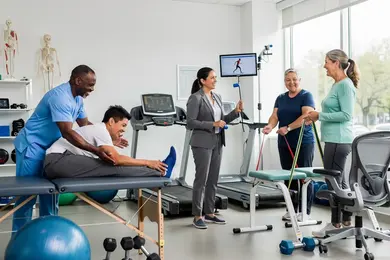
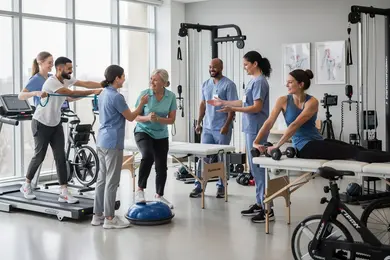
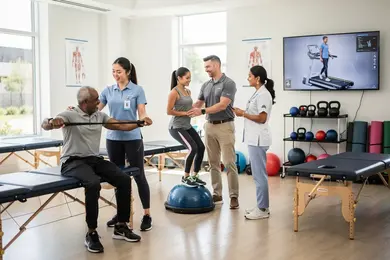
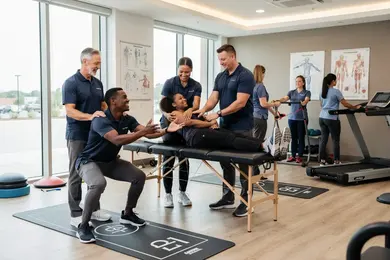
- Healthcare: This sector offers roles such as physical therapy assistants, rehabilitation specialists, and exercise physiologists who use knowledge of anatomy and biomechanics to enhance patient recovery and manage chronic conditions.
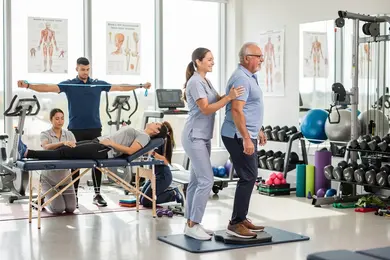
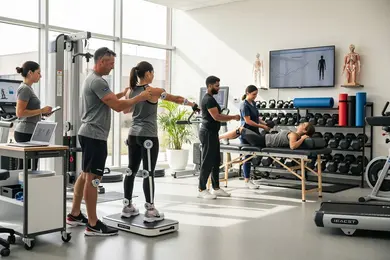
- Fitness and Wellness: Graduates contribute to designing personalized exercise programs, working as fitness trainers, wellness coaches, or strength and conditioning specialists focused on improving performance and promoting healthier lifestyles.
- Sports and Athletics: Athletic trainers, sports scientists, and performance coordinators apply kinesiology principles to optimize athlete health, prevent injuries, and boost competitive outcomes within sports organizations.
- Ergonomics and Workplace Safety: Professionals in this industry evaluate and improve work environments to reduce injury risks, increase productivity, and support occupational health as ergonomics specialists or occupational health professionals.
- Research and Education: These roles include research assistants, laboratory technicians, and educators who advance kinesiology knowledge and develop health sciences curricula for future practitioners.
What Are the Future-Proof Careers After a Kinesiology Bachelor's Degree?
Future-proof careers for kinesiology graduates require adaptability as economic and technological changes reshape job markets.
Healthcare-related fields continue to expand, with the U.S. Bureau of Labor Statistics projecting a 16% growth in healthcare occupations from 2021 to 2031, reflecting strong, sustained demand. This dynamic underscores the importance of focusing on high-demand kinesiology career paths that remain resilient to automation and shifting societal needs.
The following areas represent promising career directions for kinesiology graduates seeking long-term stability:
- Physical Therapy and Rehabilitation: These roles benefit from an aging population and chronic disease prevalence, relying on personalized care and human interaction, which are difficult to automate. Kinesiology graduates can provide essential expertise in mobility and injury recovery.
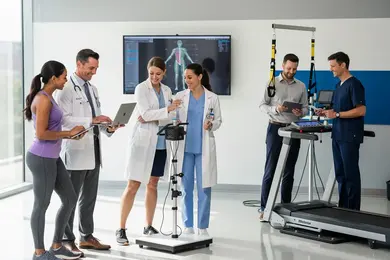
- Healthcare Innovation: Integration of advanced technologies, such as motion analysis and rehabilitation robotics, enhances but does not replace professionals' roles, ensuring ongoing demand for kinesiology-trained experts.
- Public Health and Wellness: Programs focused on injury prevention and chronic disease management are gaining importance as society shifts toward proactive health maintenance, where kinesiology knowledge plays a critical role.
- Chronic Disease Management: Specialists in this area design and implement interventions addressing long-term health conditions, supported by kinesiology principles to improve patient outcomes and reduce healthcare costs.
The combination of these durable career paths demonstrates how kinesiology graduates can position themselves effectively within the evolving landscape. For those considering advanced healthcare roles, exploring DNP programs may further enhance career prospects in high-demand kinesiology career paths.

What Are the Highest-Paying Careers After a Kinesiology Bachelor's Degree?
Graduates with a bachelor's degree in kinesiology have access to several lucrative career options, largely due to the specialized skills and expertise their training provides. Positions that require clinical knowledge, leadership, or technical proficiency frequently offer higher pay, reflecting their importance in healthcare and fitness industries.
Data from the U.S. Bureau of Labor Statistics shows that many roles in this field have median salaries well above $85,000 annually. Below are some of the top earning career paths available to kinesiology graduates:
- Physical Therapist Assistant: Earning between $50,000 and $70,000 per year, physical therapist assistants help licensed therapists by executing treatment plans for patients recovering from injury or surgery. Their role demands practical skills and patient interaction, contributing to competitive salaries.
- Exercise Physiologist: With annual wages from approximately $50,000 to $78,000, exercise physiologists design programs aimed at improving cardiovascular health and managing chronic conditions. Their clinical expertise aligns well with demand in medical and fitness settings, boosting their earning potential.
- Occupational Therapist: Typically requiring additional credentials, occupational therapists earn between $75,000 and $100,000 annually. They assist patients in regaining essential daily skills after health setbacks, a responsibility that commands higher compensation due to its critical nature.
- Fitness Director or Manager: These professionals oversee fitness programming and staff management, drawing salaries from $60,000 to $85,000 depending on facility size and prestige. The combination of leadership and kinesiology knowledge makes this role financially rewarding.
- Ergonomist: With income ranging from about $70,000 to $90,000, ergonomists focus on enhancing workplace safety and efficiency. Their expertise in human factors to lower injury risks creates strong demand within corporate environments.
When asked about his career journey, a professional with a kinesiology degree shared how securing a higher-paying role involved continuous learning beyond the classroom. He explained, "It wasn't just about the degree. I had to build hands-on experience and network extensively."
He recalled initial challenges finding opportunities that matched his qualifications but emphasized that persistence and volunteering in clinical and corporate settings opened doors.
"That combination of practical exposure and knowing the right people really made a difference," he noted. His story highlights that while the kinesiology degree provides a strong foundation, adapting and expanding skills remain key to reaching top earning roles.
What Are the Entry-Level Jobs for Kinesiology Bachelor's Degree Graduates?
Graduates with a bachelor's degree in kinesiology typically start their careers in entry-level roles that build essential skills and hands-on experience. These positions support their professional growth and reflect a strong employment outlook, with exercise-related jobs expected to increase by 11% over the next decade.
Early career opportunities for kinesiology bachelor's degree graduates often pave the way for long-term success in health and fitness sectors. Below are some common entry-level roles for kinesiology graduates and how they can lead to broader career opportunities:
- Fitness Trainer: Designs and leads exercise programs aimed at improving clients' physical health and performance. This role encourages ongoing certification, often advancing into specialized personal training or corporate wellness roles.
- Rehabilitation Aide: Assists physical therapists by preparing treatment areas and supporting patients during exercises. Experience here offers valuable clinical insights and can be a pathway to becoming a licensed physical or occupational therapist.
- Health Coach: Guides clients in adopting healthier lifestyles through nutrition advice and behavior change strategies. Entry-level health coaching roles often evolve into positions in public health or chronic disease management.
- Research Assistant: Supports data collection and analysis in kinesiology or related health science studies, ideal for those aiming for careers in research or healthcare policy. For students exploring related fields, consider programs like accredited medical billing and coding schools with financial aid.
What Career Paths Align With Your Skills After a Kinesiology Bachelor's Degree?
A degree in kinesiology builds versatile skills highly prized across numerous industries, with over 85% of employers prioritizing transferable abilities like problem-solving and communication during hiring. These competencies not only expand career options but also equip graduates to adapt in fast-changing work environments.
Below are key skills nurtured by a kinesiology program and their related career paths.
- Analytical Thinking: Grounded in science and biomechanics, kinesiology sharpens the ability to assess and interpret human movement data. Careers in research, sports science, and physical therapy support benefit from these critical evaluation skills.
- Communication: Clear interaction with diverse groups is emphasized, fitting roles such as health coaching, wellness consulting, and public health education where simplifying complex ideas is essential.
- Leadership: Organizing fitness sessions or rehabilitation programs helps develop leadership and managerial expertise. Graduates often pursue positions as fitness managers, athletic trainers, or program coordinators.
- Problem-Solving: Addressing unique health challenges fosters creativity in developing practical solutions. This is valuable for occupational therapy assistance, ergonomic consulting, and adaptive sports programming.
A kinesiology graduate shared that early in her career, navigating diverse job options felt overwhelming due to the broad skill set she possessed. She recalled, "It took time to identify where my strengths fit best."
Through hands-on experience, she gradually found fulfillment working as a wellness consultant, where her communication and leadership skills combined effectively. She noted the importance of being open to different roles and trusting the versatility gained during her studies to guide her career path in unexpected, rewarding directions.

What Jobs Require an Advanced Degree After a Kinesiology Bachelor's Degree?
Many specialized careers related to kinesiology demand graduate education to develop in-depth expertise and meet professional standards. For example, over 60% of jobs in fields like physical and occupational therapy require a master's or doctoral degree, reflecting the need for advanced clinical skills and knowledge.
These roles often involve detailed patient care, research, or complex assessments, which undergraduate training alone does not fully cover. Highlighted below are some prominent positions that typically require postgraduate study.
- Physical Therapist: Requires a Doctor of Physical Therapy (DPT) degree to gain comprehensive clinical skills and fulfill licensing criteria. These professionals assess and treat individuals recovering from injuries or managing chronic conditions to restore mobility and functional ability.
- Occupational Therapist: Usually demands a master's or doctoral degree in occupational therapy, preparing practitioners to evaluate and assist patients with daily living activities by addressing physical, cognitive, and emotional challenges.
- Exercise Physiologist: Often holds a master's in clinical exercise physiology, enabling them to provide specialized care for patients with cardiovascular or pulmonary diseases through tailored assessment and treatment plans.
- Research Scientist or Professor: Advanced degrees like a master's or PhD in exercise science or related fields equip these individuals with expertise in research methodologies, data analysis, and scientific inquiry necessary for academia or research institutions.
- Sports Psychologist: Requires graduate-level education in psychology or a related discipline to develop skills in mental health, counseling, and performance enhancement for athletes and active populations.
What Careers Require Certifications or Licensure After a Kinesiology Bachelor's Degree?
Many careers related to a kinesiology bachelor's degree require professional certification or licensure to ensure practitioners meet industry standards and provide safe, effective care. Such credentials help to uphold public safety and ethical practice in regulated or specialized roles.
According to the U.S. Bureau of Labor Statistics, over 60% of health-related occupations, including those in kinesiology, mandate some form of licensing or certification. Below are examples of career paths where these credentials are essential:
- Physical Therapist: Requires earning a Doctor of Physical Therapy (DPT) degree followed by passing the National Physical Therapy Examination. Licensed physical therapists develop and oversee rehabilitation programs for patients recovering from injuries or managing chronic conditions.
- Athletic Trainer: Certification from the Board of Certification (BOC) is mandatory, and a sports science degree online may serve as a good background. Certified athletic trainers specialize in preventing, assessing, and treating sports injuries and must complete continuing education to maintain their credentials.
- Occupational Therapy Assistant: Must obtain state licensure or certification. These professionals assist occupational therapists in helping patients regain daily living and work skills, typically within rehabilitation or healthcare settings.
- Strength and Conditioning Coach: While legal requirements vary, certification through organizations like the National Strength and Conditioning Association (NSCA) is highly valued. This credential demonstrates expertise in exercise science and athlete performance and is often required for collegiate or professional-level roles.
What Are the Alternative Career Paths for Bachelor's in Kinesiology Graduates?
A bachelor's degree in kinesiology opens doors beyond traditional roles like physical therapy and athletic training.
Studies show that about 40% of kinesiology graduates pursue careers outside their immediate field within five years, leveraging transferable skills in anatomy, biomechanics, data analysis, and human movement. This adaptability allows graduates to explore a variety of non-traditional kinesiology careers with a bachelor's degree.
Several alternative career paths make good use of the knowledge and skills gained in kinesiology programs, including the following:
- Health and Wellness Coaching: Kinesiology graduates can guide clients through lifestyle changes focusing on nutrition, exercise, and overall wellbeing. These roles emphasize personalized coaching rather than clinical treatment, promoting healthier habits and preventive care.
- Ergonomics and Workplace Wellness: Working with companies to design ergonomic solutions, graduates help minimize injury risks and foster healthier work environments. This application of body mechanics fits well within corporate wellness programs.
- Research and Data Analysis: Careers in this area involve studying physical activity trends, sports performance, or rehabilitation techniques, often in collaboration with academic or private research institutions. Strong analytical and scientific skills are key to contributing valuable insights.
- Sports Management and Marketing: Combining business acumen with kinesiology expertise, professionals work to promote sports products, teams, or events. This field blends knowledge of athletics with strategic planning and marketing.
- Community Health Promotion: Graduates may develop programs with public organizations aimed at increasing physical activity and preventing chronic disease at the population level, highlighting the societal impact kinesiology professionals can have beyond individual care.
Those interested in expanding their career options might also consider further education, such as pursuing an online health information management degree, which can complement kinesiology training and open additional pathways in healthcare and data management.
What Remote and Flexible Career Options Are Available With a Kinesiology Bachelor's Degree?
The rise of remote work is reshaping career opportunities for kinesiology bachelor graduates.
Recent data from Global Workplace Analytics shows that nearly 30% of the U.S. workforce now operates remotely several days per week, reflecting a broader digital workforce shift. This trend opens new possibilities for flexible jobs for kinesiology bachelor graduates beyond traditional clinical or fitness environments.
Several remote and adaptable career paths leverage kinesiology expertise while accommodating flexible schedules and locations. These options include:
- Remote Health Coaching: Guiding clients virtually on exercise, nutrition, and lifestyle changes using video calls, apps, and email fosters personalized wellness support without geographic limits.
- Online Fitness Instruction: Designing and delivering live or recorded workouts tailored to diverse clients enables flexible scheduling and digital outreach from any location.
- Content Creation: Producing educational materials such as articles, videos, or online courses for fitness companies combines creativity with remote work advantages.
- Telehealth Roles: Positions like remote rehabilitation coordinators and ergonomics consultants assess and support clients through virtual consultations, collaborating remotely with healthcare teams.
- Data Analysis in Sports Science: Analyzing physical activity and health metrics remotely with statistical software aids research and program development without onsite requirements.
For those exploring diverse career paths related to kinesiology, even fields like pharmacy now offer flexible, online advanced degree options. Prospective students might consider lucrative alternatives such as an online PharmD program to complement or expand their remote opportunities in health and science.
How Do You Choose the Best Career Path After a Kinesiology Bachelor's Degree?
Careful evaluation of career options after earning a kinesiology bachelor's degree greatly influences job satisfaction and long-term success. Research shows that nearly 75% of graduates who actively explore their career possibilities report better professional fulfillment.
Considering several key factors can guide you toward a well-suited path.
- Personal Interests: Aligning your career with what excites you most in kinesiology, whether it involves research, physical activity, or health promotion, fosters greater motivation and enjoyment.
- Long-Term Goals: Think about where you envision yourself in five to ten years and choose a career that supports growth and skill development to maintain continuous advancement.
- Market Demand: Staying informed about industry trends and employer needs helps ensure your expertise remains valuable, enhancing job security in emerging kinesiology-related fields.
- Work Environment: Consider the type of setting that suits your personality and lifestyle, such as office-based versus active, field-oriented roles, to find a balance that matches your energy and preferences.
What Graduates Say About the Best Career Paths After a Kinesiology Bachelor's Degree
- Connie: "Choosing a kinesiology bachelor's degree felt like a natural step for me because of my passion for understanding human movement and health. I found my path in rehabilitation therapy, where I get to apply the science behind physical recovery every day. This degree opened doors to a fulfilling career that combines both science and compassion."
- Winona: "After graduating with a kinesiology degree, I was drawn to the growing opportunities in remote health coaching. The flexibility of this career allowed me to blend my expertise with my love for digital communication. Reflecting back, the degree gave me the solid foundation to confidently guide clients toward better wellness, even from afar."
- Joseph: "My journey with kinesiology led me to alternative career paths beyond traditional therapy roles, such as ergonomics and workplace wellness consulting. The analytical and scientific training I received was invaluable in helping organizations create healthier environments. Professionally, this degree has been instrumental in broadening my impact on community health."
Other Things You Should Know About Kinesiology Degrees
Internship experience is highly valuable for kinesiology graduates as it provides practical exposure to real-world settings such as rehabilitation clinics, fitness centers, and sports teams. It helps students develop hands-on skills and network with professionals, which can significantly enhance job prospects and career advancement opportunities.
Yes, kinesiology graduates have versatile skills that apply to fields such as occupational health, ergonomics, wellness coaching, and health education. These roles often focus on improving overall health, preventing injuries, and enhancing workplace efficiency, making kinesiology knowledge relevant beyond traditional fitness or therapy jobs.
Continuing education options include certifications in personal training, strength and conditioning, sports nutrition, and exercise physiology. Additionally, pursuing graduate degrees in physical therapy, occupational therapy, or sports science can deepen expertise and open doors to advanced career roles in healthcare and research.
References
- Career possibilities https://www.sfu.ca/students/admission/programs/a-z/k/kinesiology/careers.html
- American Kinesiology Association | Careers in Kinesiology https://americankinesiology.org/careers-in-kinesiology/
- Kinesiology and Exercise Science Careers Guide https://teach.com/online-ed/healthcare-degrees/online-bachelors-kinesiology-exercise-science/career-outlook/
- What Can You Do With a Kinesiology Major? | USAHS https://www.usa.edu/blog/what-can-you-do-with-a-kinesiology-major/
- What Can I Do in My Career With a Master’s in Kinesiology? https://www.pointloma.edu/resources/health-sciences/what-can-i-do-my-career-masters-kinesiology
- Exciting Career Opportunities in Kinesiology and Public Health | Kinesiology and Public Health Department https://kinesiology.calpoly.edu/content/students/jobs/index
- Career Paths https://kinesiology.ucalgary.ca/future-students/undergraduates/career-paths