2027 Is an Online Kinesiology Bachelor's Degree Worth It?

Co-Founder and Chief Data Scientist
Many prospective students wonder if an online kinesiology bachelor's degree can provide a credible pathway into a competitive field. Balancing work, family, and education often makes traditional programs impractical. Meanwhile, the fitness and rehabilitation sectors are projected to grow by 10% through 2032, according to the U. S. Bureau of Labor Statistics, increasing demand for qualified practitioners with flexible learning options.
This article explores the value of online kinesiology degrees-examining accreditation, career outcomes, and program quality-to help readers determine if this educational route aligns with their professional and personal goals.
Key Things to Know About the Value of an Online Kinesiology Bachelor's Degree
- An online kinesiology bachelor's degree offers flexible scheduling and military credit transfer options, supporting diverse life goals like career changes or continuing education amidst family commitments.
- Accredited programs deliver measurable return on investment, with median starting salaries of $45,000 and growing demand in health and fitness industries.
- Graduates gain credentials valued by employers and graduate schools, increasing career advancement potential in therapy, wellness coaching, or sports science fields.
What Are the Real Costs of Earning an Online Kinesiology Bachelor's Degree, and How Do They Compare to On-Campus Programs?
Tuition for online kinesiology bachelor's programs generally ranges from $300 to $600 per credit hour, according to IPEDS data and the College Board's Trends in College Pricing report. Traditional on-campus programs tend to be higher, typically between $400 and $800 per credit hour, reflecting added expenses like campus facilities and services.
Cost components to consider include:
- Tuition Per Credit Hour: Online programs usually offer a lower rate, especially at public or regional institutions.
- Fees: These cover technology support, virtual lab access, and student services. Online students may pay a flat technology fee of $100 to $300 each semester, while on-campus learners often face additional charges for campus activities and facilities.
- Required Technology: Online learners need reliable computers, high-speed internet, and sometimes specialized software, which can add $500 to $1,200 upfront or spread over the program duration. On-campus students benefit from access to university labs and equipment.
- Indirect Costs: On-campus attendance incurs housing, meals, and transportation expenses that can total thousands annually. Online students typically avoid these but may need a dedicated workspace.
Accreditation matters significantly. Notable accredited kinesiology bachelor's programs priced below the national average include Colorado State University Global, University of Florida Online, Eastern Illinois University, and California State University, Chico. These programs balance affordability with recognized academic standards.
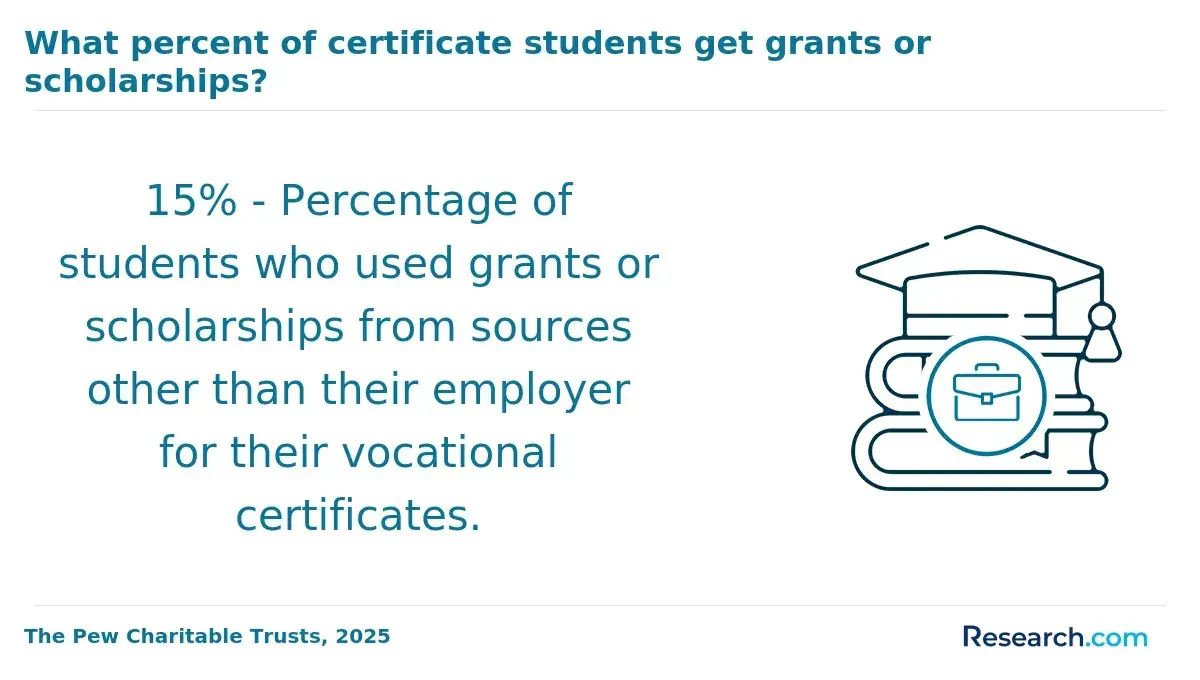
It's important to differentiate sticker price from net price, as scholarships, grants, and federal aid can substantially lower actual costs. Many online learners benefit from institutional scholarships or military benefits, especially important for veterans converting credits. Net price calculators on university websites help prospective students estimate real affordability. For working parents, mid-career professionals, or recent graduates comparing options, understanding financial aid options and tuition differences for online kinesiology bachelor's degrees is critical.
Those looking for flexible, affordable programs may also explore easy nursing colleges to get into for related educational pathways.
What Is the Return on Investment (ROI) of an Online Kinesiology Bachelor's Degree Over a Career Lifetime?
Return on investment (ROI) in higher education measures the balance between the total cost of earning a degree and the financial and non-financial benefits gained over a graduate's career. The Georgetown University Center on Education and the Workforce defines ROI as lifetime earnings minus education costs, providing important context for students. When applying this to an online kinesiology bachelor's degree, which often features lower tuition and avoids relocation expenses, the result can be a competitive ROI compared to traditional programs and many other fields.
Calculating ROI starts by estimating all educational costs, including tuition, fees, books, and potential lost income while studying. These costs are then weighed against projected earnings in kinesiology-related careers. Data from the PayScale College ROI Report shows median salaries vary widely depending on specialization, location, and additional credentials. A thorough evaluation considers 10-year and 20-year earnings to reveal both short-term payoff and long-term financial benefits of a kinesiology bachelor's degree.
- Low-Cost Advantage: Affordable online kinesiology programs typically reduce upfront debt, improving short-term ROI by lowering total expenses.
- 10-Year Earnings: Graduates generally earn wages at or above the national average for bachelor's degrees after a decade, especially in fields like physical therapy support, fitness management, or rehabilitation.
- 20-Year Growth: Experience and credential advancements often lead to increased earnings over two decades, sometimes surpassing averages cited for other bachelor's disciplines.
- National Average Comparison: Kinesiology's practical, health-focused approach supports stable demand and sustained salaries, aiding strong ROI outcomes.
Beyond finances, online kinesiology degree career return on investment includes career mobility through transferable skills in biology and wellness sciences. Employers value graduates' professional credibility from accredited programs. Job satisfaction, related to improving health and quality of life, adds intangible value not captured by salary data. For those exploring alternative pathways, some may also consider programs like a nursing program no TEAS requirement as another accessible option.
How Do the Salary Outcomes for Online Kinesiology Bachelor's Graduates Compare to Those With Traditional Degrees?
Data from the Bureau of Labor Statistics, PayScale, and LinkedIn Salary Insights indicate that median salaries for kinesiology bachelor's graduates show minimal difference based solely on whether the degree was earned online or on campus. More influential factors include the institution's prestige, the regional job market, chosen specialization within kinesiology, and years of professional experience.
Research from IPEDS and institutional transparency reports often reveals that graduates from well-regarded programs tend to command higher wages regardless of delivery mode.
- Starting Salary: Entry-level kinesiology graduates typically earn median salaries ranging from $40,000 to $50,000 annually. Accredited online program alumni generally see starting pay comparable to on-campus graduates when their degrees come from recognized institutions.
- Mid-Career Earnings: After gaining five to ten years of experience, professionals often reach salaries between $60,000 and $75,000 per year. Income can increase further with specialized certifications or advanced degrees.
- Institutional Impact: Alumni from institutions with robust employer connections and transparent graduate outcomes tend to have better salary prospects. These advantages apply equally to both online and traditional program graduates.
- Geographic Variation: Income levels differ substantially by location, with urban areas and regions boasting strong sports or healthcare sectors offering the highest compensation.
One professional who completed an online kinesiology bachelor's degree shared that balancing coursework with full-time work and family commitments was challenging but manageable due to the program's flexible scheduling. He emphasized that earning the degree online allowed him to maintain income while advancing academically. When asked about salary expectations, he noted, "I didn't notice any employer skepticism about my online degree. What mattered most was my practical experience and the quality of the institution." This blend of factors helped him steadily increase his earnings and confidently plan his career growth over the first decade after graduation.
What Career Paths and Job Opportunities Are Available to Online Kinesiology Bachelor's Degree Graduates?
Graduates holding an online kinesiology bachelor's degree can enter various careers in health, fitness, and rehabilitation, each with different educational demands and growth outlooks. Several positions require only a bachelor's degree, while others involve additional certifications or advanced degrees.
- Exercise Physiologist: These professionals design recovery and fitness plans for patients with chronic illnesses or injuries. While a bachelor's degree is sufficient, certifications from organizations such as the American College of Sports Medicine boost employability. Healthcare roles in this category are projected to grow about 10% over the next decade.
- Fitness Trainer and Instructor: This role entails leading individuals or groups in physical activities to enhance wellness. Although certification is typically necessary, a kinesiology degree provides a strong knowledge base. Job growth here is expected around 19%, influenced by rising interest in preventive health.
- Physical Therapist Assistant: This position requires an associate degree and state licensure, but kinesiology graduates are well-prepared for it. Employment for PTAs is expected to increase by 27%, one of the fastest rates in healthcare due to aging populations.
- Occupational Therapy Aide or Assistant: These roles often require graduate education or certification. Many kinesiology graduates pursue additional schooling to qualify for these positions.
- Health Educator: Professionals who advocate for wellness and disease prevention. A bachelor's degree may suffice, though certification enhances job prospects. This field is projected to grow by about 11% with increased public health awareness.
Career outlook and job prospects in kinesiology programs improve when students select a concentration like sports science, health promotion, or rehabilitation. Specialized tracks align skills with certifications and employer needs, expanding occupational opportunities for online kinesiology bachelor's degree holders. Those considering varied healthcare roles might also explore accelerated LPN programs as complementary pathways for further specialization.
What Student Support Services Do Online Kinesiology Bachelor's Programs Provide to Promote Success and Retention?
Student success in online degree programs often depends on the quality and accessibility of support services available beyond the classroom. Institutions typically offer a range of resources designed to help learners stay engaged, overcome challenges, and achieve their academic goals. These services play a key role in improving retention, satisfaction, and overall outcomes in flexible learning environments.
- Academic Advising: Personalized guidance helps students understand degree pathways, select courses wisely, and leverage transfer credits, including those earned through military service or prior learning. This tailored support encourages steady academic progress and timely completion.
- Tutoring and Writing Labs: Flexible access to tutoring in kinesiology subjects and virtual writing assistance strengthens core skills, offering support that fits varied schedules and learning styles.
- Mental Health and Wellness Counseling: Confidential telehealth counseling addresses stress, motivation, and personal challenges that can affect academic success. Licensed professionals provide remote sessions to help students maintain well-being amid coursework demands.
- Career Services: Comprehensive resources assist with securing internships, refining resumes, and interview preparation. Robust programs often feature established connections with employers in the kinesiology field and access to alumni mentoring to guide career planning and job placement.
Community and Peer Support: Virtual study groups and mentorship initiatives create a network that reduces isolation and fosters student engagement, supporting retention and satisfaction in online learning environments.
National Survey of Student Engagement data and institutional reports consistently show that programs integrating these support elements enjoy higher retention and accelerated on-time graduation rates, highlighting the critical role of a solid support framework in successful online kinesiology education.
One professional who shaped her career after completing an online kinesiology bachelor's program shared that balancing family, work, and studies felt overwhelming initially. She found that accessible academic advisors and flexible tutoring helped her stay on track, while telehealth counseling provided essential emotional support during stressful periods. She emphasized how career services, particularly alumni connections, opened doors for internships that led directly to employment. Reflecting on her experience, she noted, "Having a strong support network made the difference between just completing the program and truly thriving."
Is an Online Kinesiology Bachelor's Degree Respected by Employers and Recognized Across Industries?
A 2023 survey by the Society for Human Resource Management (SHRM) found that 78% of employers regard online degrees from accredited schools as equal to traditional on-campus degrees, especially in health sciences and related fields. This growing acceptance reflects how online kinesiology programs have increased their academic rigor and standardization over time.
In sectors like fitness training, rehabilitation, and wellness, many employers treat online kinesiology degrees as fully equivalent to in-person credentials. Leading organizations such as the American Council on Exercise (ACE) and the National Strength and Conditioning Association (NSCA) recognize these online degrees when accompanied by relevant certifications. Reports from universities also show that companies like Life Time Fitness and the YMCA actively recruit graduates from accredited online kinesiology programs, highlighting strong workforce confidence.
However, preferences shift in specialized clinical fields, including physical therapy and occupational therapy, where graduate studies usually take precedence. Some programs may favor applicants with traditional undergraduate degrees, particularly when hands-on clinical practicums were completed face-to-face. Therefore, prospective students aiming for advanced degrees or research roles should closely examine how their target programs value online coursework.
Ultimately, understanding employer perspectives in the intended career path is essential. Individuals targeting roles in fitness, coaching, or wellness education will generally find online kinesiology degrees widely accepted, while those pursuing clinical or research-intensive careers should carefully consider program reputation and graduate success indicators.
- Accreditation Quality: Employer acceptance heavily depends on whether the online kinesiology program holds accreditation from recognized agencies, ensuring relevant and rigorous curricula.
- Sector Equivalence: Online kinesiology credentials are commonly considered equal to on-campus degrees in fitness, rehabilitation, and wellness sectors.
- Recruiter Endorsement: Major employers actively seek graduates from accredited online programs, signaling industry validation.
- Graduate-Level Preferences: Clinical and research careers often prioritize traditional degrees, especially with in-person practical experience.
- Career Alignment: Students should align program choices with employment trends and requirements in their specific field to maximize acceptance.
What Accreditation Standards Should an Online Kinesiology Bachelor's Program Meet to Be Considered Legitimate?
Accreditation plays a vital role in evaluating online kinesiology bachelor's programs, influencing credit transferability, employer acceptance, and graduate school eligibility. Regional accreditation is generally regarded as the gold standard, favored over national accreditation for ensuring academic quality and broad recognition across most fields. In kinesiology, this distinction matters significantly for prospective students prioritizing their degree's value and portability.
The six regional accrediting bodies recognized by the U.S. Department of Education include:
- Higher Learning Commission (HLC): Covers institutions primarily in the central U.S.
- Southern Association of Colleges and Schools Commission on Colleges (SACSCOC): Oversees schools in the southern states.
- New England Commission of Higher Education (NECHE): Accredits institutions in the New England region.
- Middle States Commission on Higher Education (MSCHE): Covers schools in the mid-Atlantic area.
- Northwest Commission on Colleges and Universities (NWCCU): Oversees institutions in the northwest U.S.
- WASC Senior College and University Commission (WSCUC): Accredits schools in California and the western states.
To verify a program's accreditation status, students should consult the official databases managed by the Council for Higher Education Accreditation (CHEA) or the U.S. Department of Education (ED). These sources offer up-to-date, verified information on accredited institutions and programs.
While kinesiology programs rarely have specialized programmatic accreditation, some may pursue affiliation with the Commission on Accreditation of Allied Health Education Programs (CAAHEP). This can enhance the curriculum's rigor and increase credibility with employers and graduate schools.
Attending an unaccredited or lapsed-accreditation program poses serious risks, including ineligibility for federal financial aid, challenges in transferring credits, and limited recognition by employers or graduate schools. Notably, recent studies show over 70% of employers prefer candidates with degrees from regionally accredited institutions, emphasizing this factor's critical importance.
How Long Does It Take to Complete an Online Kinesiology Bachelor's Degree, and What Factors Affect the Timeline?
Completing an online kinesiology bachelor's degree generally requires around 120 credit hours, typically structured as a four-year program for full-time students. This assumes enrollment in two traditional semesters annually, each offering approximately 15 credits. However, the online format provides flexibility that can shorten or lengthen this timeline based on individual circumstances.
Many programs offer accelerated eight-week courses, replacing the usual 16-week semesters. These shorter terms, combined with year-round enrollment-such as summer sessions-allow motivated students to progress faster, enabling some to finish their degree in two to three years instead of four. Competency-based education (CBE) further accelerates completion by allowing students to demonstrate skills in lieu of seat time. This is particularly advantageous for military veterans and those with prior experience who can test out of requirements.
Institutions such as Western Governors University and Southern New Hampshire University provide flexible online kinesiology or related health sciences degrees, reporting average completion times between 2.5 and 3.5 years. Faster graduation benefits students financially by reducing tuition and the opportunity cost of postponing full-time employment. This advantage is significant for working parents, veterans, or mid-career professionals seeking advancement. However, factors like part-time status, transfer credit policies, and personal obligations also influence program duration and outcomes.
Prospective students should consider accreditation, transfer agreements, financial aid options, and employer perceptions to ensure the best long-term return on investment when choosing an online kinesiology bachelor's program. For those comparing costs and career outcomes, reviewing resources such as the health information management degree rankings can also offer valuable financial insights.
- Credit Requirements: Most online kinesiology bachelor's degrees require around 120 credits, following a traditional four-year full-time timeline.
- Accelerated Formats: Eight-week courses and year-round enrollment let motivated students complete degrees faster-often in two to three years.
- Competency-Based Education: CBE programs award credit for demonstrated skills, benefiting especially military veterans and experienced learners.
- Institutional Examples: Schools like Western Governors University report average completion times of 2.5 to 3.5 years due to flexible online designs.
- Financial Advantages: Early completion cuts both tuition and opportunity costs, aiding working adults and career changers in advancing faster.
What Financial Aid, Scholarships, and Tuition Assistance Are Available for Online Kinesiology Bachelor's Students?
Students pursuing an online kinesiology bachelor's degree have access to several financial aid options to help manage tuition costs. Understanding these resources is key to making an informed funding decision.
- Federal Pell Grants: Need-based grants awarded through the FAFSA (Free Application for Federal Student Aid) process. Pell Grants do not require repayment and often serve as the first aid choice for undergraduates demonstrating financial need.
- Direct Subsidized and Unsubsidized Loans: Accessed via FAFSA, these federal loans provide flexible repayment plans. Subsidized loans accrue no interest while the student is enrolled, whereas unsubsidized loans begin accumulating interest immediately.
- Institution-Specific Scholarships: Colleges offering online kinesiology programs frequently provide scholarships based on academic merit, leadership, or special criteria.
- The National Society of Collegiate Scholars awards scholarships to students with a minimum GPA of 3.4, including kinesiology majors, ranging from $1,000 to $10,000.
- The American Kinesiology Association lists scholarships for students active in the field, with eligibility varying by program.
- The Hispanic Scholarship Fund supports Hispanic students, including those in kinesiology, with awards averaging $1,000 to $5,000 annually.
- State Grant Programs: Many states offer grants targeting residents attending in-state institutions for online degrees, with application processes generally coordinated through FAFSA or state education offices.
The FAFSA is essential for most federal and state aid awards. Applying early in the academic year is critical to maximize eligibility before funds run out. It collects financial data to determine aid amounts based on need.
Layering multiple aid sources-including grants, scholarships, employer tuition reimbursement plans, and federal work-study-can minimize out-of-pocket expenses. Employer programs often support continuing education partially, an advantage for mid-career professionals balancing work and study.
Prospective students should explore all financial aid options for online kinesiology bachelor's degree programs thoroughly. For those seeking a fast start in allied fields, a fast track nutrition degree might complement their educational goals and financial planning effectively.
What Are the Admission Requirements for Online Kinesiology Bachelor's Degree Programs?
Admission criteria for online kinesiology bachelor's programs diverge based on selectivity and institutional policies. Competitive programs typically require a minimum GPA between 2.5 and 3.0 on a 4.0 scale, alongside a high school diploma or GED. These programs may still ask for SAT or ACT scores, though a growing number have adopted test-optional policies to broaden applicant inclusivity. In contrast, open-access or less demanding programs often waive standardized test requirements and maintain more flexible GPA expectations.
Typical Admissions Requirements include:
- High School Diploma or GED: Essential credential for all programs, verifying secondary education completion.
- Minimum GPA: Usually 2.5 to 3.0 for selective programs; open-enrollment schools may accept lower or no minimum GPA.
- Standardized Tests: SAT or ACT scores may be required by some selective institutions; many programs now offer test-optional paths.
- Prerequisite Coursework: Competitive programs often expect foundational classes in biology, anatomy, or health sciences.
- Rolling Admissions: Many online kinesiology programs allow applications year-round, easing timing pressures especially for adult learners and professionals.
Applicants with credentials below typical thresholds can enhance their profiles by engaging in community college courses relevant to kinesiology, acquiring professional certifications, or submitting strong recommendation letters to demonstrate academic readiness and commitment.
How Should Prospective Students Evaluate and Choose the Right Online Kinesiology Bachelor's Degree Program for Their Goals?
Choosing the right online degree program requires careful consideration of multiple factors that align with a student’s personal, academic, and career goals. With so many options available, it’s important to assess each program’s structure, quality, and support offerings. Taking a thoughtful approach can help ensure a better fit and a more successful educational experience.
- Accreditation: Verify that the college or university possesses regional accreditation recognized by the U.S. Department of Education to ensure academic quality, easier credit transfer, and eligibility for graduate programs.
- Cost and ROI: Look beyond published tuition rates to factor in additional expenses such as technology fees, charges for proctored exams, textbook costs, and any mandatory residency sessions. Compare these total costs against alumni employment outcomes to gauge potential return on investment.
- Program Format and Flexibility: Assess whether programs offer part-time, asynchronous, or hybrid delivery options that accommodate work, family life, or other responsibilities-critical for adult learners and nontraditional students.
- Career Outcomes Data: Use reliable sources like the U.S. Department of Education's College Scorecard and IPEDS Data Center to research graduation rates, job placement statistics, and employer reputation reflecting program effectiveness.
- Student Support Services: Confirm availability of academic advising, tutoring, career counseling, and IT support to ensure consistent help throughout your studies.
- Transfer Credit Policies: Investigate how previous college coursework or military and professional training credits are accepted and applied, as policies vary widely and impact your time and cost to degree completion.
- Schedule Informational Interviews: Connect with admissions representatives to clarify program specifics and expectations.
- Request Net Price Estimates: Utilize institution calculators or financial aid offices to obtain tailored cost projections based on your profile.
- Review Financial Aid Deadlines: Mark important dates for scholarships, grants, and loan applications to maximize funding opportunities.
- Audit Existing Transfer Credits: Get an official evaluation of prior credits to understand how they apply toward your degree.
Plan your application and course start dates to align with personal and professional obligations.
What Graduates Say About the Value of Their Online Kinesiology Bachelor's Degree
- Conrad: "I chose the online kinesiology bachelor's degree program because it allowed me to balance my work and studies efficiently-something traditional schooling couldn't offer. The affordability of the program made it accessible without compromising quality, and the knowledge I gained gave me a competitive edge in the health and fitness industry. Reflecting on my journey, I can confidently say this degree transformed my career path in ways I hadn't anticipated."
- Walker: "The decision to pursue an online kinesiology degree came from a desire to advance professionally while staying close to my family. The program's flexible schedule and reasonable cost provided excellent value, and after graduation, I noticed a significant increase in job opportunities and salary potential. This experience has been deeply rewarding-both intellectually and in its impact on my professional growth."
- Joseph: "Pursuing my kinesiology bachelor's degree online was a strategic move to enter a growing field without the burden of relocating or high tuition fees. The curriculum's practical approach directly enhanced my skills, leading to a promotion within months of completing the program. It was a smart investment that delivered measurable results in my career trajectory."
Other Things You Should Know About Kinesiology Degrees
In 2027, online kinesiology programs use advanced learning platforms and virtual simulations to enrich student learning. Interactive modules and live-streamed lectures aid in comprehension, while virtual labs and discussion forums foster a collaborative experience, providing both flexibility and hands-on learning.
Common concentrations available in online kinesiology degrees include exercise science, sports management, physical therapy assistant, and health promotion. Some programs also offer specializations in biomechanics, nutrition, or athletic training. These options allow students to tailor their studies toward specific career paths in health and fitness sectors.
Many online kinesiology programs accept transfer credits from accredited institutions, typically ranging from 30 to 90 credit hours depending on the school. Military veterans and adult learners may also receive credit for prior learning through exams, certifications, or work experience evaluations. It is essential to check each program's policies to maximize credit transfer and reduce time to degree completion.
An accredited online kinesiology bachelor's degree is generally viewed as equivalent to traditional degrees by graduate programs in physical therapy, occupational therapy, and applied health sciences. Admissions committees focus on coursework rigor, GPA, and relevant experience rather than delivery format. Online graduates who complete internships and maintain strong academic records remain competitive for advanced degrees.
References
- Online Bachelor's Degree Completion Financial Aid https://www.hamline.edu/admission-aid/financial-aid/online-bachelors
- 10 college degrees with the best return on investment https://qz.com/college-degrees-highest-best-return-on-investment
- American Kinesiology Association | Careers in Kinesiology https://americankinesiology.org/careers-in-kinesiology/
- Bachelors in Kinesiology Degrees, Online Included, Updated 2026 https://www.kinesiologydegrees.org/programs/degree/bachelors
- Kinesiologists: Requirements https://sutd.vault.com/professions/kinesiologists/requirements
- How Long to Get a Kinesiology Degree? | ValidGrad https://validgrad.com/blog/kinesiology-degree-duration/
- Online Kinesiology Degree Programs: Review Top Schools https://www.edumed.org/online-schools/kinesiology-degrees/
- Scholarship - Kinesiology Program Scholarship | TuitionHero https://www.tuitionhero.org/scholarships/kinesiology-program-scholarship-4227