2027 Online Kinesiology Bachelor's Degree Programs With 8-Week Classes

Co-Founder and Chief Data Scientist
Many prospective students struggle to balance the desire for a quality kinesiology education with the demands of full-time work or family-especially when traditional semester schedules stretch to 16 weeks. Online kinesiology bachelor's programs with 8-week classes offer accelerated pacing that can reduce time to degree by nearly 25%, according to recent enrollment data from the National Center for Education Statistics. This format suits career changers and military personnel seeking efficient, credit-friendly pathways without compromising rigor.
This article examines how such programs meet these challenges by analyzing key factors like accreditation, licensure, and labor market outcomes to guide informed enrollment decisions.
Key Things to Know About Online Kinesiology Bachelor's Degree Programs With 8-Week Classes
- Accreditation by regionally recognized bodies ensures program credibility-72% of employers prefer graduates from accredited online kinesiology programs with 8-week classes for entry-level roles.
- School reputation significantly affects employability; programs linked to established institutions often provide stronger alumni networks and internship opportunities in diverse labor markets.
- Licensure requirements vary by state-combining an online kinesiology degree with nationally recognized certifications enhances job flexibility and meets evolving healthcare and fitness industry standards.
What Are Online Kinesiology Bachelor's Degree Programs With 8-Week Classes, and How Do They Work?
Online kinesiology bachelor's degree programs with accelerated 8-week classes offer a condensed alternative to traditional 15- to 16-week semesters. These programs break academic terms into shorter, more intensive sessions, enabling students to concentrate on fewer courses simultaneously while potentially completing their degrees more quickly.
- Accelerated Format: Eight-week classes deliver the same curriculum as standard semesters but in half the time. This demands strong time management and self-discipline, making it ideal for motivated learners seeking a faster path to graduation.
- Credit Load and Structure: Students typically enroll in 1 to 2 courses per 8-week session, amounting to about 6 to 9 credits each term. The overall bachelor's degree generally requires 120-130 credit hours, distributed across multiple accelerated terms within the academic year.
- Enrollment Growth: The National Center for Education Statistics (NCES) reports steady increases in enrollment for accelerated online degree programs. The Online Learning Consortium notes particularly high demand among working adults and military personnel looking for flexible education options that suit their schedules.
- Program Rigor: The compressed schedule raises the intensity of coursework, requiring students to quickly absorb material and complete assignments. While challenging, this format benefits students who prefer to maintain momentum with limited breaks between classes.
- Quality Considerations: Institutional accreditation and school reputation remain critical to ensure degree value. Both regional and national accreditation standards help guarantee curriculum quality and employer recognition despite the accelerated pace.
- Career Impact: Geographic labor market conditions and licensure requirements vary in kinesiology-related fields. Prospective students should verify that their program's pace and credentialing align with local employment needs and certification standards.
- Supplemental Credentials: Many learners enhance their accelerated kinesiology bachelor's degree with additional certifications-such as personal training or strength conditioning licenses-to improve career prospects and professional credibility in competitive markets. For related options, students may also explore a medical billing and coding certification to complement their qualifications.
These online kinesiology bachelor's degree programs with accelerated 8-week classes enable recent high school graduates, working adults, military personnel, and career changers alike to attain respected credentials without the extended duration typical of traditional degrees.
How Have 8-Week Online Kinesiology Programs Evolved and Gained Employer Acceptance Over the Past Decade?
Over the past decade, online kinesiology bachelor's degree programs with accelerated 8-week classes have transitioned from niche offerings dominated by for-profit schools to respected pathways at regionally accredited universities. Early employer skepticism about online credentials has softened substantially, as longitudinal data from Gallup, the Society for Human Resource Management (SHRM), and the Babson Survey demonstrate a marked rise in acceptance of compressed online formats. These shifts reflect improved institutional quality and clearer alignment with traditional degree rigor. The COVID-19 pandemic further normalized remote and asynchronous learning, especially in health, fitness, and rehabilitation sectors where kinesiology graduates commonly work.
Today's employer recognition of 8-week online kinesiology degree programs in the United States is markedly more favorable than it was ten years ago, benefiting graduates who leverage flexible yet rigorous academic options. Students exploring accelerated programs should also consider geographic labor market demands, professional licensure requirements, and supplemental credentials to maximize their career outcomes. Additionally, prospective learners seeking nursing schools that do not require entrance exam options may find related flexible programs in adjacent health fields.
- Accreditation Matters: Regionally accredited universities offering accelerated kinesiology degrees uphold higher standards that enhance employer confidence compared to earlier for-profit models.
- Improved Employer Perceptions: Gallup and SHRM surveys show employer attitudes have become more favorable toward online degrees, particularly when paired with strong academic reputations and relevant experience.
- COVID-19 Impact: The pandemic accelerated acceptance of remote education, making asynchronous formats commonplace in kinesiology-related fields.
- Program Quality Enhancements: Advances in online pedagogy and technology ensure 8-week courses provide comprehensive, equivalent learning experiences to traditional formats.
- Diverse Student Base: Flexible accelerated programs attract working adults, military personnel, and career changers needing credit-efficient, rigorous education without long delays.
Which Industries and Employers Are Most Likely to Respect an Online Kinesiology Bachelor's Degree Earned Through 8-Week Courses?
Employers across several industries increasingly acknowledge online kinesiology degrees earned through 8-week accelerated courses, especially when granted by accredited institutions with reputable standing. Analysis of job postings from sources like Lightcast and LinkedIn Workforce Insights reveals that many sectors explicitly accept these credentials as long as candidates meet corresponding certification or licensure standards.
- Healthcare: Hospitals, rehabilitation clinics, outpatient centers, and wellness providers regularly recruit kinesiology graduates. Job descriptions often call for a bachelor's degree in kinesiology or a related field without differentiating between traditional or accelerated online programs-particularly when candidates hold professional certifications such as Certified Strength and Conditioning Specialist (CSCS).
- Fitness and Sports: Employers including professional sports franchises, community centers, and private fitness studios seek trainers, coaches, and performance experts with kinesiology backgrounds. Hands-on experience combined with theoretical knowledge-both emphasized in accelerated online programs-is valued highly in these settings.
- Education: Organizations from school districts to universities hire kinesiology graduates as educators, program designers, or coordinators. Acceptance of online degrees hinges largely on regional accreditation and supplemental qualifications like teaching credentials or internships.
- Corporate Wellness and Public Administration: Business and governmental entities funding employee wellness initiatives create demand for wellness coordinators and occupational health specialists holding kinesiology degrees. Accredited online credentials are generally recognized and not viewed as disqualifying.
A professional who recently completed an online kinesiology bachelor's program with 8-week classes shared insights about his experience pursuing employment. He recounted the initial uncertainty about how employers might perceive accelerated online credentials but found that persistence and supplementing his degree with practical certifications helped overcome doubts. "The fast-paced courses were intense but gave me flexibility to keep working," he said. Securing internships and connecting directly with local healthcare and fitness employers proved essential strategies. He emphasized that transparent communication about his program's accreditation and his continuous skill development shifted employer perceptions positively, reinforcing that an accelerated online degree can open doors when paired thoughtfully with relevant practical experience.
Does Accreditation Status Determine the Quality and Employer Value of an Online Kinesiology Program With 8-Week Classes?
Regional accreditation remains the chief criterion employers and HR systems use to assess an online kinesiology degree accelerated through 8-week classes. This form of accreditation confirms that institutions meet rigorous academic standards and sustain institutional quality irrespective of course duration. Key regional accreditors include:
Higher Learning Commission (HLC): responsible for schools in central U.S. states focused on continuous improvement
Southern Association of Colleges and Schools Commission on Colleges (SACSCOC): covering southern institutions with strict policies
New England Commission of Higher Education (NECHE): which oversees quality assurance in northeastern schools.
In addition to regional accreditation, national accreditation generally applies to vocational or career-centered schools but tends to carry less influence with employers. Programmatic accreditation targets specialized areas such as exercise science certifications, potentially boosting a candidate's appeal but rarely substituting for regional accreditation. These distinctions are vital when evaluating quality indicators for 8-week accelerated kinesiology programs in the US.
Prospective students must beware of diploma mills and unaccredited programs, as such credentials can severely hinder employment chances. Over 70% of employers reportedly reject applicants from unaccredited schools after vetting for proper accreditation credentials. To avoid pitfalls, it is advisable to verify a program's status through the U.S. Department of Education's Database of Accredited Postsecondary Institutions and Programs before enrolling.
For those seeking efficient, credible options, cheapest online MHA programs can offer useful benchmarks in balancing affordability, accreditation, and career prospects in accelerated health-related degrees.
How Does the Reputation of the Awarding Institution Affect the Career Value of an 8-Week Online Kinesiology Degree?
Hiring managers often rely heavily on the prestige of the university awarding an 8-week online kinesiology degree to assess candidate quality, regardless of accreditation. Research shows that graduates from established online programs such as Penn State World Campus and Arizona State University Online generally face fewer hurdles in the job market. This is due to the "halo effect," where the reputation of a respected institution positively influences employers' perceptions, easing doubts about accelerated formats or fully online delivery in competitive kinesiology fields.
Less-recognized schools-even if accredited-may encounter skepticism, requiring students to emphasize other qualifications or professional experience when applying for jobs. Prospective students should carefully consider whether the added cost of attending a well-known online program translates into tangible career benefits like stronger networking opportunities, enhanced employer trust, and access to alumni resources.
- Institutional Prestige: Employers link university reputation with graduate competency, often favoring degrees from reputable schools over lesser-known providers.
- Halo Effect Benefits: Familiarity with established online divisions helps counter concerns about the rapid pace or online-only nature of the kinesiology degree.
- Employer Doubts: Graduates from new or smaller online programs may need to demonstrate additional skills or certifications to gain employer confidence.
- Cost vs. Value: Weighing tuition fees against the potential for expedited career advancement and broader professional networks is crucial.
- Established Online Programs: Long-standing online offerings reassure employers about program quality and student support services.
Reflecting on her journey after completing an online kinesiology bachelor's program with 8-week courses, a professional shared that while her degree's accelerated format seemed initially to raise eyebrows in interviews, the recognized university name eased employer concerns. She described the job search as challenging but noted how the institution's reputation opened doors otherwise closed to graduates from less familiar schools. "It wasn't just the diploma-I leveraged career services and alumni connections the university provided," she said. This support made a significant difference, reinforcing how the institution's credibility enhanced her career prospects despite the condensed course structure.
What Are the Academic Demands and Workload Expectations of 8-Week Online Kinesiology Courses?
Eight-week online kinesiology courses condense a full semester's curriculum into half the time, demanding a significantly faster pace and greater weekly commitment. According to the Online Learning Consortium, students must master the same volume of material covered in traditional 15-week classes, which intensifies the workload and heightens time management challenges. Learners often juggle multiple discussion posts, frequent quizzes, research assignments, and practical projects related to biomechanics and exercise science.
Because of the condensed timeline, maintaining organization and discipline is essential to keep up with continuous readings and assessments without the luxury of extended review periods. Peer-reviewed research reveals that although students in accelerated formats report elevated stress levels, their grades and course completion rates are similar to those in longer courses-indicating comparable academic rigor and outcomes. However, success requires adaptable study habits and resilience due to the accelerated pace.
A recent study found that 62% of undergraduates enrolled in accelerated online courses complete them successfully, underscoring the format's effectiveness for driven students. Prospective learners should realistically evaluate their other responsibilities, such as employment and family, to determine if they can dedicate 15 to 20 hours weekly-the typical workload for these intensive kinesiology programs.
- Condensed Content Delivery: Students cover the same material as traditional terms in a continuous, fast-paced structure, demanding steady progress every week.
- Time Management Needs: A consistent weekly commitment of 15 to 20 hours is necessary to complete readings, assignments, and discussions effectively.
- Workload Components: Frequent assessments, multiple discussion posts, quizzes, and applied projects deepen understanding of kinesiology concepts.
- Comparable Outcomes: Research shows similar grades and completion rates to traditional classes, though with increased stress due to the pace.
- Suitability Assessment: Careful consideration of work, family, and learning style compatibility is vital before enrolling in accelerated online kinesiology programs.
How Are 8-Week Online Kinesiology Courses Structured and Delivered Compared to Traditional Semester-Based Programs?
Eight-week online kinesiology courses are delivered through learning management systems (LMS) like Canvas, Blackboard, or D2L, providing a centralized platform for lectures, assignments, readings, and assessments. These compressed programs maintain the same credit hours, learning outcomes, and core textbook material as traditional 15- to 16-week semesters but accelerate the pace and increase the frequency of deadlines.
Course Format: Programs use one of three delivery styles:
- Asynchronous: Students complete materials independently on their own schedule within weekly deadlines.
- Synchronous: Includes scheduled live video sessions to promote real-time interaction alongside independent study.
- Hybrid-synchronous: Combines flexible asynchronous content with occasional mandatory live meetings for labs or discussions.
Pacing and Module Structure: The 8-week timeline compresses content, requiring students to handle accelerated readings, quizzes, and exams. Weekly modules condense topics normally spread over a semester, and exam windows shorten to match the brisk schedule.
Faculty Engagement: Instructors increase communication frequency to support students through intense deadlines. Discussion board participation demands timely, focused peer responses and critical reflections, while group collaboration is streamlined for efficiency within the shorter weekly cycles.
Typical Weekly Experience: Students often watch recorded lectures, engage in discussion forums, complete readings, submit quizzes or projects, and occasionally attend live sessions. This structure offers flexibility suited for working adults, transfer students, military personnel, and career changers seeking efficient degree progress without sacrificing academic rigor.
What Financial Aid, Scholarships, and Tuition Models Are Available for 8-Week Online Kinesiology Bachelor's Programs?
Students enrolled in 8-week online kinesiology bachelor's degree programs can access several financial aid mechanisms designed specifically for accelerated study models, helping ease tuition pressures typical for such formats. Pell Grants, for example, provide need-based funding that does not require repayment. In accelerated programs, these federal Pell Grants may be disbursed more frequently-aligned with each 8-week session rather than the usual two-semester calendar.
Direct Loans (Subsidized and Unsubsidized): These offer fixed-interest financing where subsidized loans depend on demonstrated financial need, while unsubsidized loans are broadly available. Due to compressed terms, enrollment status plays a critical role in aid eligibility; taking only one 8-week course might place a student below half-time status, potentially reducing disbursement. Usually, enrolling in two courses per session counts as at least half-time, maintaining full loan and grant benefits.
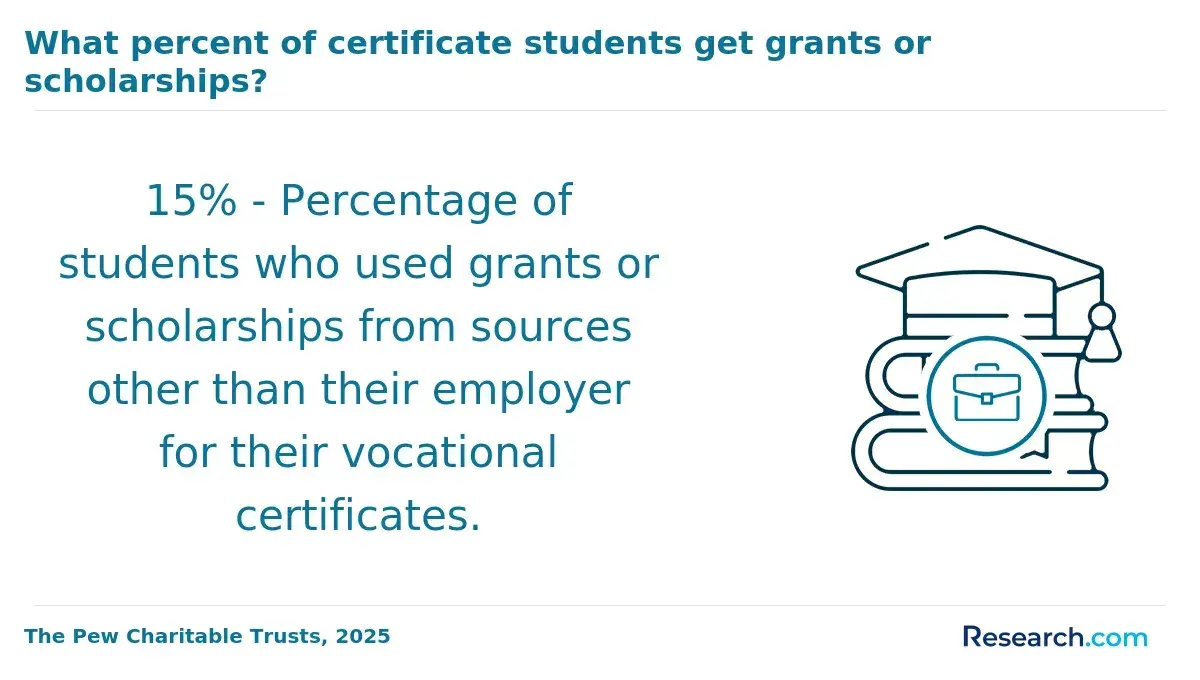
Institutional Scholarships: Many colleges provide scholarships targeted at online learners, accelerated kinesiology programs, working adults, and career changers. These awards often consider academic merit, professional experience, or financial need. Professional kinesiology associations also offer funding sources recognizing unique challenges encountered by students balancing study, work, and family obligations.
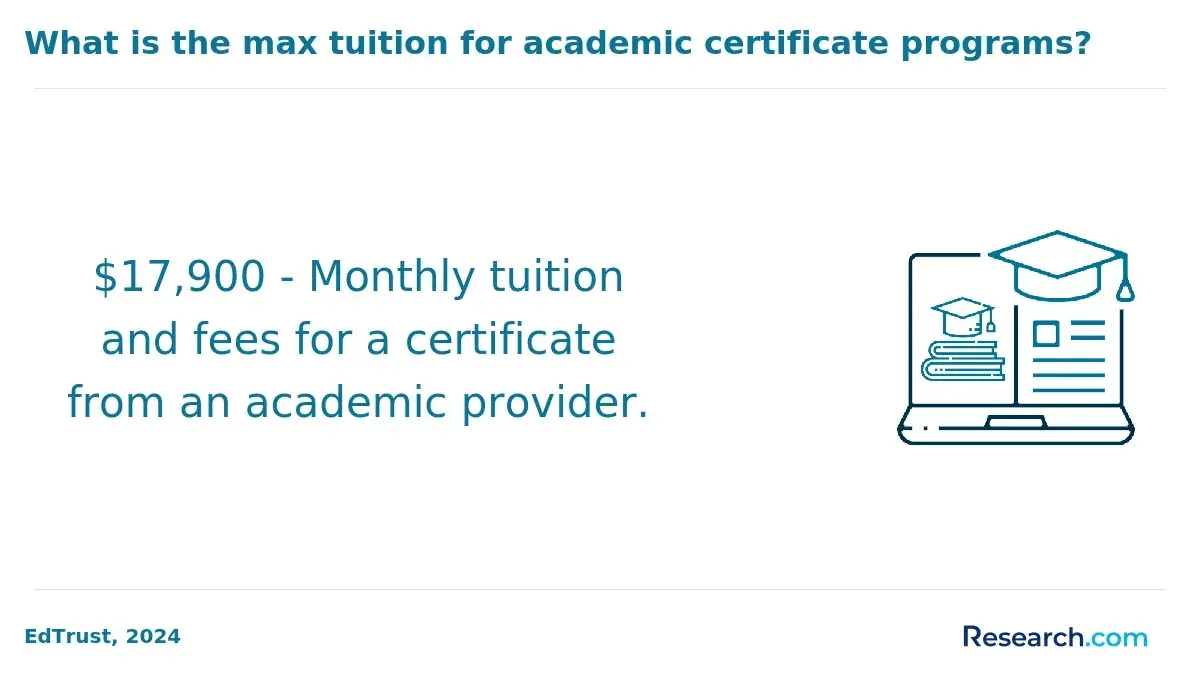
Tuition Models: Accelerated kinesiology programs typically charge tuition per credit hour rather than a flat rate per semester. This structure provides flexibility, but students should carefully calculate the total program cost-including fees-to understand the full financial commitment. Prospective learners sometimes overlook this when comparing various online options for tuition assistance in 8-week online kinesiology programs.
For those seeking additional cost-effective graduate education paths, consulting resources such as the cheapest online master's in nutrition can offer insight into affordable options beyond undergraduate study in related fields.
Are There Specific Kinesiology Career Paths or Licensure Requirements That May Not Be Compatible With 8-Week Online Programs?
Students pursuing online kinesiology bachelor's degree programs featuring 8-week classes should recognize that specific kinesiology licensure requirements in the United States may not fully accommodate fully online accelerated formats. Many kinesiology-related professions require in-person clinical hours, supervised practicum experiences, or hands-on skills assessments that a completely virtual curriculum cannot fulfill.
- Licensure and Certification: In states such as California, Texas, Florida, New York, and Illinois, certification boards for allied health roles within kinesiology-such as exercise physiologists or physical therapy assistants-require documented clinical practicum hours completed in approved physical settings. These mandates ensure proficiency in real-world environments, which purely online 8-week programs generally cannot provide.
- Clinical and Practicum Requirements: Professional credentialing in kinesiology often necessitates mandatory supervised in-person clinical practica. These experiences, essential for developing practical skills and meeting regulatory standards, often span several hundred hours.
- Hybrid and Blended Program Options: To address these demands while maintaining student flexibility, some institutions offer hybrid programs where most theoretical coursework is completed online in accelerated 8-week terms, followed by required local in-person clinical hours or lab sessions. This blended format balances convenience with credentialing requirements.
- State Board Variations: Licensure rules and accepted program formats differ by state and specialization. Prospective students should consult state licensure boards and recognized certification bodies to confirm whether online program formats meet prerequisites for their career paths.
- Supplemental Credential Strategies: Many students opt for online kinesiology degrees to acquire foundational knowledge but plan to pursue additional in-person certifications or apprenticeships required for specific licensure or specialized practice rights.
Ultimately, those examining regional kinesiology career paths with restrictions on accelerated online degrees must carefully assess how well 8-week online programs align with licensure and clinical practice requisites. For more information on programs that integrate academic rigor with practical preparation, prospective students may explore options such as the exercise science online degree offerings, which consider both delivery mode and professional readiness.
How Do Employers Verify the Legitimacy of an Online Kinesiology Bachelor's Degree Completed Through 8-Week Classes?
When employers verify an online kinesiology bachelor's degree completed through accelerated 8-week courses, they use a combination of trusted resources and direct contacts. The National Student Clearinghouse is a primary tool-a third-party database that confirms enrollment, graduation, and degree details with institutions efficiently. Additionally, some employers reach out to school registrars to authenticate transcripts and degree status firsthand. Many organizations also engage specialized screening companies to conduct thorough education verification as part of hiring checks.
Degrees earned online-including those completed in 8-week terms-must hold institutional accreditation to pass standard employer scrutiny. Accreditation from recognized agencies guarantees the program meets consistent academic criteria, equivalent to traditional campus offerings. Without this validation, degrees might be flagged as suspicious, particularly those from diploma mills or schools lacking transparency or proper oversight.
Employers are trained to recognize warning signs such as unaccredited schools or unverifiable credentials. Legitimate kinesiology programs delivered in accelerated formats maintain proper accreditation, clear records, and transparent practices to avoid these issues. Prospective graduates should request official transcripts and degree verification letters early and have them ready during their job search to ensure smooth background checks.
- Verification Channels: Employers utilize the National Student Clearinghouse and direct registrar contacts to confirm degree authenticity and academic history reliably.
- Accreditation Significance: Accredited programs meet established academic standards, ensuring online and accelerated degrees are equally credible as traditional ones.
- Red Flags Detection: Non-accredited institutions, diploma mills, and unverifiable schools prompt employer concerns, often leading to credential rejection.
- Document Readiness: Obtaining official transcripts and verification letters in advance prepares graduates to respond promptly to employer verification requests.
How Do Transfer Credits and Prior Learning Assessment Work in 8-Week Online Kinesiology Programs?
Many accelerated 8-week online kinesiology programs allow the transfer of up to 60 semester credits from community colleges, previous bachelor's degrees, or other accredited institutions. However, schools typically restrict how many of those credits apply directly to major requirements, often requiring students to complete at least half of their upper-division or core kinesiology courses through the awarding institution to ensure academic integrity.
- Transfer Credit Limits: Programs tend to accept a large portion of general education and elective credits but impose caps on major-specific course transfers to maintain rigorous foundational training within their curricula.
- Major vs. General Education: Credits for general education classes generally transfer more smoothly, while kinesiology or science-related courses must often meet strict equivalency standards or require departmental approval.
- Prior Learning Assessment (PLA): Students can earn credits through PLA pathways such as CLEP exams, portfolio reviews, military training evaluations, and credits recognized by the American Council on Education (ACE), providing opportunities to convert prior knowledge and skills into academic credit.
- Cost and Time Savings: By leveraging transfer credits and PLA, learners can reduce the number of 8-week courses needed, decreasing both tuition expenses and time to degree completion.
- Formal Credit Evaluation: Prospective students should obtain an official evaluation of their transfer and PLA credits before enrolling. This clarity aids in planning course load, scheduling, and financial investment throughout the program.
- Resource Support: The ACE Credit Recommendation Service and school-specific transfer guides offer vital assistance in identifying eligible credits and streamlining the application process.
What Graduates Say About Their Online Kinesiology Bachelor's Degree Programs With 8-Week Classes
- Conrad: "Enrolling in the online kinesiology bachelor's degree program with 8-week classes allowed me to balance work and study effectively. The curriculum was challenging but well-organized, helping me deepen my understanding of human movement and rehabilitation. I also learned that the program's accreditation played a big role in how potential employers viewed my qualifications, which gave me a real edge in the job market."
- Walker: "Reflecting on my time in this online kinesiology program, I appreciated how the condensed 8-week courses kept me engaged without feeling overwhelmed. The structure encouraged active learning and practical application, which prepared me well for professional settings. Most importantly, seeing how the program's accreditation opened doors for meaningful career opportunities reinforced that my investment was worthwhile."
- Joseph: "As someone focused on advancing my career, the online kinesiology degree with 8-week classes was a smart choice. The fast-paced curriculum pushed me to stay disciplined and absorb a wide range of topics quickly. I value how the institution's accredited status gave credibility to my degree, helping me secure positions in respected healthcare and fitness organizations."
Other Things You Should Know About Kinesiology Degrees
Students can enhance their employability by pursuing relevant certifications alongside their degree, such as fitness trainer, personal trainer, or strength and conditioning certifications. Participating in internships or practicum opportunities, even if arranged locally, adds practical experience valued by employers. Building a professional network through online forums, alumni groups, and kinesiology associations also improves job prospects.
Effective 8-week online kinesiology programs offer robust learning management systems that support interactive content and assignments optimized for accelerated pacing. Access to academic advising, tutoring, and technical support tailored to online learners is essential to navigate the faster schedule. Additional resources, such as virtual labs, career services, and accessible faculty, contribute to student success and engagement.
A common misconception is that accelerated online kinesiology degrees are less rigorous than traditional programs-however, many maintain the same curriculum and assessments. Another mistaken belief is that online programs lack practical components; reputable kinesiology programs include virtual labs or on-site practicums to ensure hands-on learning. Lastly, some assume employers distrust online degrees, but accreditation status and school reputation play far greater roles in credibility.
References
- What Can You Do With a Kinesiology Degree? – ECU Online https://online.ecok.edu/program-resources/what-can-you-do-with-a-kinesiology-degree/
- Business Verifications https://www.studentclearinghouse.org/solutions/business-verifications/
- How Online Degrees from Top Universities Can Boost Your Career https://www.distancestudy.co.uk/post/how-online-degrees-from-top-universities-can-boost-your-career
- How Employers Verify Foreign Degrees: What You Need to Know https://www.scholaro.com/db/News/How-Employers-Verify-Foreign-Degrees-What-You-Need-to-Know-247
- Accredited Online Courses: How to Pick Programs That Actually Count https://www.upskillist.com/blog/accredited-online-courses-how-to-pick-programs-that-actually-count/
- Best Online Kinesiology Degree Programs, Updated for 2026 https://www.kinesiologydegrees.org/programs/online
- 8-Week Advantage - Piedmont Community College https://piedmontcc.edu/8-week-advantage/
- Top 15 Low-Cost Online Bachelor's in Kinesiology 2020 https://www.greatvaluecolleges.net/rankings/online-bachelors-kinesiology/
- Do Employers Verify Degrees? How (and How Often) They Do It https://validgrad.com/blog/do-employers-verify-degrees/
- Online Kinesiology Degree Programs: Review Top Schools https://www.edumed.org/online-schools/kinesiology-degrees/