2027 Is 40 Too Late to Earn a Kinesiology Bachelor's Degree?

Co-Founder and Chief Data Scientist
At 40, the prospect of returning to school can bring a mix of doubt and determination, especially when balancing family and work commitments. For many, pursuing a kinesiology bachelor's degree offers a path to career change or growth in the expanding health and wellness sector.
The Bureau of Labor Statistics projects a 10% growth in related jobs through 2032, highlighting promising opportunities for graduates. Adults in midlife can leverage prior experience and benefit from flexible online programs tailored for busy schedules. This article explores whether 40 is too late to earn a kinesiology degree and examines the key factors influencing that decision.
Key Things to Know About Whether 40 Is Too Late to Earn a Kinesiology Bachelor's Degree
- Midlife career shifts benefit from kinesiology degrees, as the growing health and wellness sector values practical experience alongside formal education.
- Flexible online and part-time programs enable adults over 40 to balance studies with work and family commitments effectively.
- Completing a kinesiology degree later in life enhances long-term health knowledge and opens doors to diverse roles in therapy, coaching, and fitness industries.
Can You Start a Kinesiology Bachelor's Degree at 40?
Starting a kinesiology bachelor's degree at 40 is a realistic goal embraced by many higher education institutions. Age does not prevent enrollment in undergraduate programs, as evolving pathways now cater to a diverse range of learners.
Universities recognize the unique strengths adult students bring, including life experience and a focused mindset, which enriches the learning environment. For those returning to college for a kinesiology degree after 40, the academic landscape supports this pursuit without bias.
Institutions foster inclusivity by offering tailored academic structures and support systems designed for adult learners. These arrangements often include pathways specifically developed to aid non-traditional students in navigating their education successfully.
Such environments encourage engagement and provide resources that help learners feel welcomed and supported throughout their studies. For individuals seeking a flexible program option, related fields may also offer opportunities, such as a medical assistant course, broadening the scope of accessible health-related education.
What Are the Biggest Challenges of Going Back to College at 40?
Returning to college around age 40 comes with unique challenges, combining academic pursuits with established life responsibilities. Nearly 40% of adult learners balance education with other demands, making effective strategies critical.
Those pursuing a kinesiology degree must recognize common obstacles to create a sustainable study plan in this context.
- Time Management: Managing limited free time due to existing life demands can be daunting. Allocating focused study hours while handling family or work commitments requires disciplined scheduling and prioritization.
- Balancing Family and Work: Many adult students face the challenge of balancing family and caregiving roles with academic workload. Sustaining energy for coursework alongside these responsibilities calls for strong organizational skills and sometimes difficult choices.
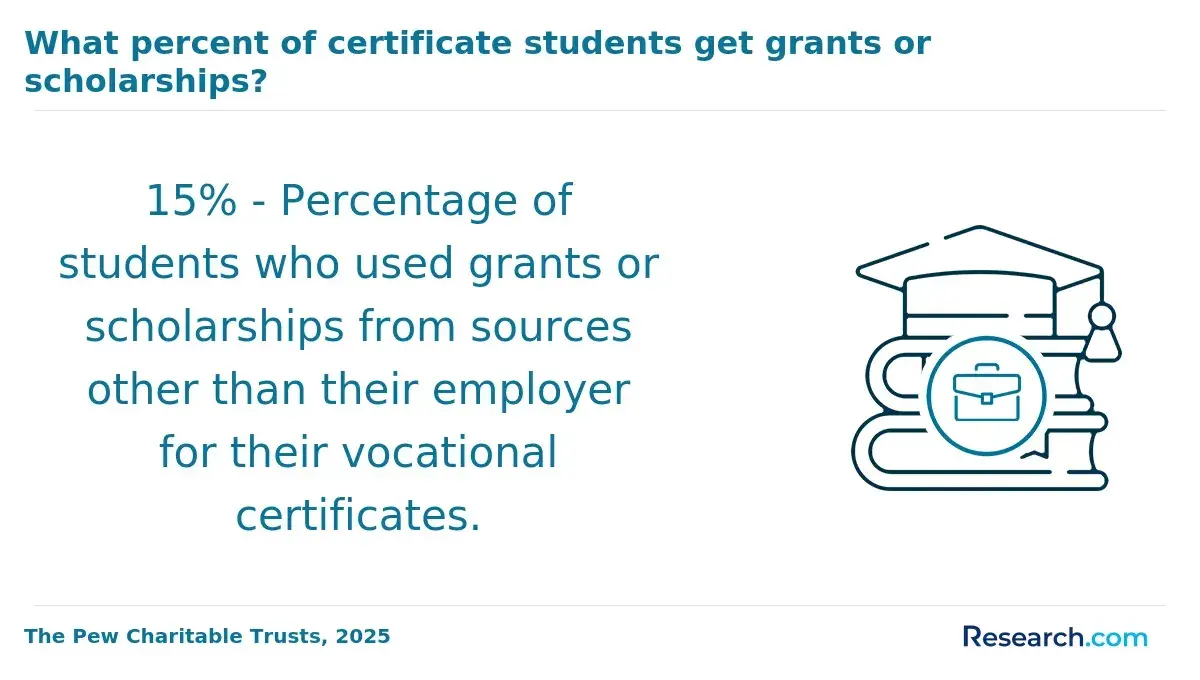
- Financial Concerns: Budgeting for tuition, books, and living expenses is a major barrier for adult learners. Exploring funding opportunities and planning ahead can ease stress and help maintain focus on studies.
- Adapting to Technology: A kinesiology bachelor's degree today often involves digital platforms and virtual collaboration tools. Becoming comfortable with these technologies through early practice or tech support is essential for success.
- Overcoming Self-Doubt: Feelings of insecurity or imposter syndrome can hinder motivation. Connecting with peer support groups and focusing on personal growth helps build confidence and resilience.
For those interested in further exploring affordable options, an excellent resource for pursuing a health care administration online degree offers insights relevant to similar adult learners.
Balancing family and work commitments while earning a kinesiology degree requires resolve, but understanding these challenges and practical solutions empowers adult learners to succeed.
Can You Work Full-Time While Earning a Kinesiology Degree at 40?
Balancing full-time employment with earning a kinesiology bachelor's degree at 40 is demanding but entirely feasible with the right strategies. Adult learners in this situation often benefit from strong time management skills and a clear focus on academic priorities, allowing them to steadily advance in their studies while fulfilling work responsibilities.
The experience and maturity they bring can accelerate comprehension of complex material, making their academic journey both effective and rewarding. Successfully managing both roles reinforces the idea that age 40 is a starting point for academic and professional growth rather than a limitation on pursuing new educational goals.
When asked about his experience, a professional over 40 years old currently enrolled in a kinesiology bachelor's program shared that 'finding balance is a constant challenge, especially juggling deadlines with a full work schedule.' He mentioned regularly planning his weeks in advance and relying heavily on evening and weekend study sessions to keep up with coursework.
There are moments of frustration,' he admitted, 'but the sense of progress and knowing that this degree will open new doors keeps me motivated.' He also highlighted the value of connecting with classmates for support and how overcoming these obstacles has boosted his confidence both personally and professionally.
What Are the Most Flexible Ways to Earn a Kinesiology Bachelor's Degree at 40?
Flexibility is essential for adult learners around 40 balancing education with work and family commitments. Programs that adapt to diverse schedules help maintain progress without sacrificing quality. Various formats now cater specifically to this need, making education more accessible.
- Online Learning: Online platforms deliver convenience, allowing students to access course materials from anywhere at any time. This format is ideal for those seeking flexible online kinesiology degree programs for adult learners, reducing commute time and offering compatibility with personal routines.
- Part-Time Enrollment: Taking fewer classes each term enables steady academic advancement while managing other responsibilities. This approach is particularly beneficial for working adults considering part-time kinesiology bachelor's degree options for working professionals, minimizing burnout by spreading workload over a longer period.
- Evening or Weekend Classes: Scheduled sessions outside regular work hours help maintain full-time employment while attending in-person classes. These options foster peer interaction and networking, critical for a well-rounded educational experience.
- Self-Paced Study: Programs designed to move at an individual's speed offer maximum control over learning timelines. Combining asynchronous work with periodic assessments, self-paced formats empower students to adjust study time according to comprehension and availability.
For adults seeking flexible pathways, exploring online universities with no application fee may provide additional convenience and reduced entry barriers.
How Long Does It Take to Finish a Kinesiology Bachelor's Degree at 40?
Earning a kinesiology bachelor's degree at age 40 can fit within a varied timeline shaped by individual circumstances. Adults often juggle multiple roles, making the length of study different from the traditional four-year timeline.
Understanding key influences helps set realistic expectations for degree completion.
- Course Load: Part-time study or fewer classes each term, common for working adults, naturally extends the program duration. Taking heavier loads or summer courses can accelerate finishing times.
- Prior Credits: Transferable credits from previous education or relevant experience may reduce the number of required classes, shortening the path to graduation.
- Life Commitments: Responsibilities such as parenting, employment, or other personal priorities can limit study hours and slow academic progress.
- Motivation and Goals: Clear career objectives and strong determination often help adult learners maintain focus and momentum, positively impacting how quickly they complete their degree.
For example, an adult learner who returned to college at 40 shared how balancing family and a full-time job was initially overwhelming. She described feeling 'challenged but motivated' to keep going despite occasional burnout.
Using evenings and weekends for study, she gradually completed required courses over five years. Reflecting on her journey, she noted, 'It wasn't about rushing but steadily working toward my goal. Each small victory kept me encouraged.'
Her experience highlights that while the timeline may vary, persistence can lead to successful degree completion well into adulthood.
How Much Does It Cost to Get a Kinesiology Bachelor's Degree at 40?
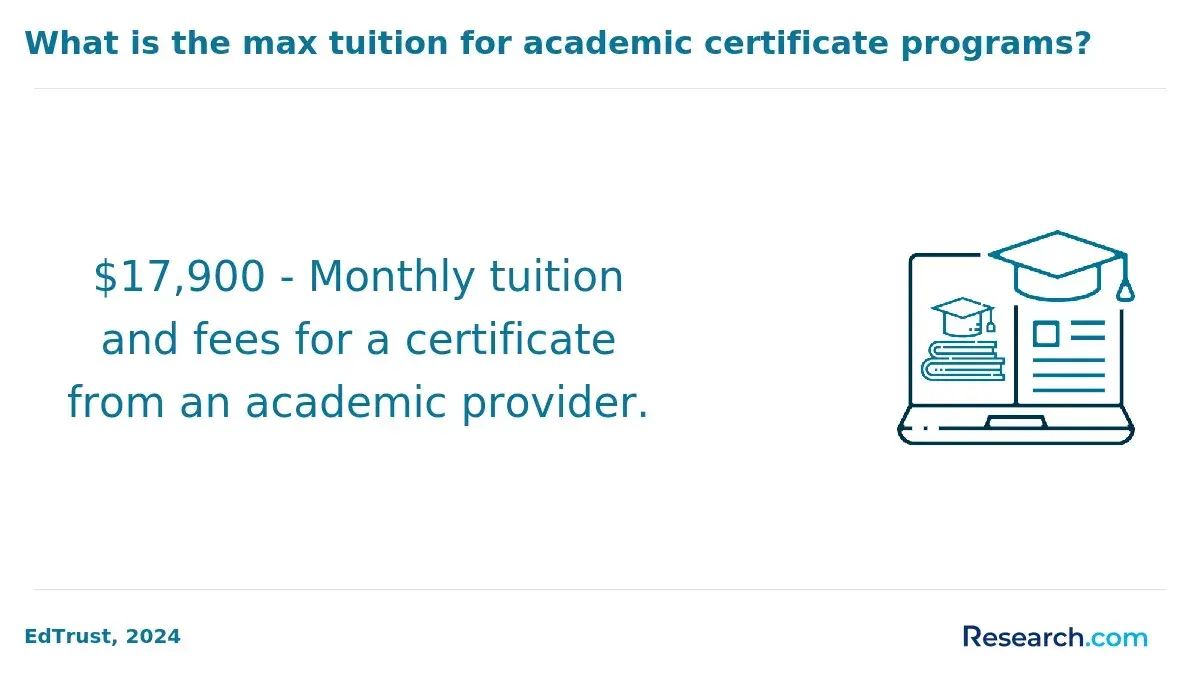
The average total cost for earning a bachelor's degree in kinesiology in the United States typically ranges between $40,000 and $80,000, varying significantly based on the institution and residency status.
Understanding what drives these costs is essential for adults around 40 considering this academic path.
- Tuition Variability: Tuition fees are the largest expense and differ widely depending on whether the program is at a public or private university, as well as the student's residency status. In-state students often pay less than out-of-state students, while private institutions tend to have higher tuition overall.
- Learning Materials: Required textbooks, lab supplies, and subscriptions to online resources contribute additional expenses. These materials are crucial for keeping up with scientific developments and hands-on assignments in kinesiology.
- Enrollment Intensity: Choosing full-time or part-time enrollment affects both the pacing and total cost. Full-time students face higher semester costs but can graduate sooner, whereas part-time study reduces the immediate financial load but may increase cumulative expenses over time.
- Additional Fees: Beyond tuition, students must budget for fees such as technology access, health services, and campus facility usage, which vary by institution and can impact the overall price.
- Financial Aid Impact: Though scholarships, grants, and payment plans can mitigate costs, fundamental expenses depend on university policies and program requirements, emphasizing the importance of careful financial planning.
What Are the Risks of Going Back to College at 40?
Returning to college at 40 to pursue a kinesiology bachelor's degree can present unique challenges that require careful consideration. The academic demands and lifestyle adjustments can feel daunting, especially after years away from formal education. Recognizing these potential risks helps students prepare effectively and approach their studies with realistic expectations.
Key considerations include:
- Academic Workload: The intensity of coursework, including lectures, assignments, and exams, may be more demanding than past experiences. This can create pressure to adapt quickly and maintain consistent study habits.
- Adapting to Technology: Modern academic environments often rely on online learning platforms, digital research tools, and virtual communication. Gaining proficiency with these technologies might require additional time and effort.
- Balancing Responsibilities: Many learners at this stage juggle family, work, and personal commitments alongside their education. Effectively managing these overlapping demands is essential to avoid stress and maintain academic performance.
- Physical and Social Factors: Maintaining stamina for long study sessions and engaging socially with younger classmates during group work can sometimes pose difficulties that affect motivation and participation.
- Emotional Challenges: Feelings of self-doubt or anxiety about re-entering school after a lengthy break are common but can be addressed through support networks and positive planning.
Many adult students overcome these challenges with determination and proper strategies, making it entirely feasible to succeed in a kinesiology bachelor's degree program even when starting at 40 or beyond.
Can You Start a New Career at 40 With a Kinesiology Bachelor's Degree?
Starting a kinesiology degree at 40 can open new career opportunities by providing a solid understanding of human movement, anatomy, and health sciences. This knowledge base supports transitions into fields like physical therapy, fitness training, sports management, and rehabilitation.
Many mid-career individuals find that earning a kinesiology bachelor's degree over 40 combines valuable life experience with updated skills, making them competitive candidates in the job market.
Additionally, exploring career options with a focus on health often aligns well with current labor demands, as seen in sectors related to the medical billing and coding job outlook.
Workforce trends increasingly emphasize the importance of lifelong learning and adaptability, benefiting adult learners pursuing career changes later in life. Educational institutions and industries now prioritize accessible and flexible pathways that support diverse learner profiles.
This evolving professional landscape encourages individuals to embrace continuous growth rather than traditional linear career models. Consequently, pursuing a kinesiology bachelor's degree at 40 fits well within broader movements toward education that values skill development and career reinvention in today's economy.
Do Employers Value Kinesiology Bachelor's Degrees Earned at 40?
Employers generally respect kinesiology bachelor's degrees earned at age 40 and beyond, especially when combined with relevant life and professional experiences. Nearly 40% of undergraduate students are aged 25 or older, reflecting a growing acceptance of non-traditional academic paths in the workforce. This trend positively influences career prospects for kinesiology graduates over 40, reinforcing their value in professional settings.
When evaluating kinesiology degrees earned later in life, employers often consider several important perspectives:
- Skill Relevance: The core competencies learned through kinesiology studies, including anatomy, physiology, and biomechanics, remain essential irrespective of age, equipping graduates for diverse roles in health and fitness sectors.
- Integration of Experience: Many adult learners bring valuable prior work or volunteer experience in healthcare, coaching, or wellness, which complements their formal education and enhances practical application.
- Continuous Learning: Returning to school at 40 demonstrates adaptability and a commitment to skill development, qualities highly sought after in dynamic fields like kinesiology.
- Networking and Communication: Older students tend to have well-developed interpersonal skills that strengthen teamwork and leadership abilities in professional environments.
- Motivation and Dedication: Pursuing a degree later in life reflects strong goal orientation and reliability, traits that employers often prioritize when considering candidates.
For those seeking to quickly enhance their credentials, exploring the fastest post-master's FNP certificate programs may provide additional pathways for professional growth.
What Steps Should I Take Before Applying to a Kinesiology Bachelor's Program?
Preparing thoroughly before applying to a kinesiology bachelor's program helps ensure you meet academic standards and make informed choices. Early planning is especially valuable for adult learners, who have steadily increased college enrollments by over 5% in recent years, according to the National Student Clearinghouse Research Center.
This approach reduces uncertainties and better positions applicants for success.
Consider the following essential steps before submitting your application:
- Review Academic Background: Assess your prior coursework to identify if foundational classes in subjects like biology, chemistry, or anatomy are required. Taking refresher courses can strengthen areas where preparation is needed.
- Understand Program Requirements: Research each program's admission criteria, duration, and focus areas. Comparing these details helps you choose a program aligned with your goals.
- Evaluate Learning Formats: Explore options such as online, on-campus, or hybrid delivery. Select the format that best fits your lifestyle, schedule, and study preferences.
- Prepare Documentation: Collect necessary materials including transcripts, recommendation letters, and personal statements ahead of time. Being organized streamlines the application process and showcases your readiness.
What Graduates Say About Earning a Kinesiology Bachelor's Degree at 40
- Conrad: "Deciding to return to college at 42 was daunting, but choosing a kinesiology degree felt like the perfect fit since I've always been passionate about health and fitness. The flexibility and practical nature of the program allowed me to balance my studies with family life. Earning this degree not only boosted my confidence but also opened doors to career opportunities I never imagined possible."
- Walker: "After years in a corporate job that left me unfulfilled, I went back to school at 45 to pursue kinesiology, driven by a genuine desire to help others improve their physical well-being. The experience was transformative; it gave me both scientific knowledge and hands-on skills that I now use in my new career as a wellness coach. I firmly believe it's never too late to start something meaningful and impactful."
- Joseph: "Returning to education at 41 was a strategic decision to shift my career towards a growing field with strong demand. I chose kinesiology because it combines my interest in science with practical application in health professions. Earning my degree later in life has enhanced my professional credibility and enabled me to provide more comprehensive support to my clients."
Other Things You Should Know About Kinesiology Degrees
While individual learning styles vary, older kinesiology students may benefit from applying life experience to their studies. They often bring practical perspectives that enrich classroom discussions and laboratory work. Adaptations such as more self-paced learning and application-focused tasks can support effective learning at any age.
Kinesiology programs often include physical activity components that may present challenges for some older students, depending on their health and fitness level. However, many programs offer accommodations or modified activities. Maintaining good health and communicating any concerns with instructors helps ensure a safe and productive educational experience.
Pursuing a kinesiology degree at 40 can bolster career advancement by updating and expanding your skill set, positioning you for roles in health and fitness, rehabilitation, or sports management. It reflects a commitment to personal and professional growth, which can be appealing to employers.
Prior experience in health, fitness, or related fields can be highly advantageous when pursuing a kinesiology degree at 40 or older. It can facilitate understanding of course concepts and provide valuable context for practical assignments. Some programs may allow such experience to count towards elective credits or internships, accelerating academic progress.
References
- Kinesiology and Exercise Science Career Tuition https://www.collegetuitioncompare.com/career/kinesiology-and-exercise-science/
- Kinesiology - San Jose State University https://www.gradglobe.org/university/San%20Jose%20State%20University/course/Kinesiology
- Bachelor of Kinesiology | Undergraduate Admissions and Programs https://www.mun.ca/undergrad/programs/human-kinetics--recreation/bachelor-of-kinesiology/
- Bachelor's in Kinesiology Program Online | Montreat College https://www.montreat.edu/online/kinesiology/
- It's Never Too Late: Why It's Ok to Go Back and Get Your Degree in Your 40s https://www.pointloma.edu/resources/adult-degree-completion/its-never-too-late-why-its-ok-go-back-get-your-degree-your-40s
- 8 Facts to Know Before Starting a Kinesiology Undergrad https://www.symmetrix.ca/blog/starting-a-kinesiology-undergraduate-degree
- Bachelor of Kinesiology https://www.ualberta.ca/en/kinesiology-sport-recreation/programs/undergraduate-programs/bachelor-of-kinesiology.html
- How to Attend College Part Time While Working Full Time https://www.georgefox.edu/adult-degree/articles/working-full-time.html
- Kinesiology, Bachelor's Degree http://camosun.ca/programs-courses/find-program/kinesiology-bachelors-degree