2027 What Classes Are in an Online Kinesiology Bachelor's Degree?

Co-Founder and Chief Data Scientist
Choosing an online kinesiology bachelor's degree often prompts questions about the actual coursework-will classes cover the necessary skills for clinical roles or fitness careers? With enrollment in online kinesiology programs growing by over 15% annually, prospective students seek clarity on course content and relevance. Many wonder if general education, anatomy, exercise physiology, or research methods are part of the curriculum and how these prepare them for certification or employment. This article breaks down the essential classes in online kinesiology degrees, providing a detailed overview to help readers assess programs effectively and align their education with career goals.
Key Things to Know About the Classes in an Online Kinesiology Bachelor's Degree
- Core curriculum courses cover anatomy, physiology, and biomechanics-key sciences that build foundational knowledge essential for advanced kinesiology study and practical application in health and wellness fields.
- Major-specific classes focus on exercise physiology, motor behavior, and kinesiology research methods, aligning with licensure requirements and enabling professional competencies.
- Capstone courses integrate experiential learning and research projects, fostering critical thinking and preparing students for career transition or graduate studies in kinesiology-related disciplines.
What Core Curriculum Courses Are Required in an Online Kinesiology Bachelor's Degree?
Most regionally accredited online kinesiology bachelor's degree programs require a set of foundational courses that provide essential knowledge for careers in exercise science, physical therapy, coaching, or wellness. These core curriculum courses help students build academic competencies critical for advanced studies and professional applications.
- Human Anatomy: This course explores the structure of the human body, focusing on muscles, bones, and organs involved in movement. It establishes a base understanding necessary for all further kinesiology coursework.
- Physiology of Exercise: Students examine how the body responds to physical activity, including cardiovascular, respiratory, and muscular system functions. The course highlights the impact of exercise on health and recovery.
- Biomechanics: Covering mechanical principles such as force and leverage, this course teaches scientific analysis of movement, crucial for injury prevention and designing effective training.
- Motor Learning and Development: This course investigates how people develop and refine motor skills, emphasizing neurological and psychological factors important for rehabilitation and coaching.
- Nutrition: Basic nutritional concepts are introduced here, focusing on diet's role in energy balance, weight management, and overall physical wellness.
- Research Methods and Statistics: To support evidence-based practice, students learn study design, data collection, and statistical analysis relevant to kinesiology and health sciences.
- Health and Wellness: Broadening the perspective, this course addresses lifestyle factors like stress management and disease prevention beyond physical activity.
In addition to these courses, programs often include required general education classes for online kinesiology programs that prepare students for interdisciplinary understanding. Core curriculum requirements may vary slightly by institution, so prospective students should carefully review course catalogs and academic advising to ensure alignment with their career goals. Transfer students should verify how existing credits apply to these foundational courses.
Some students pursuing healthcare-related paths might also explore programs like the online PharmD to complement or expand their qualifications.
What General Education Requirements Are Part of an Online Kinesiology Bachelor's Degree?
General education requirements play a critical role in an online kinesiology bachelor's degree, ensuring students gain a broad academic foundation beyond their core discipline. Regional accreditors such as the Southern Association of Colleges and Schools Commission on Colleges (SACSCOC) and the Higher Learning Commission (HLC) mandate these courses to foster intellectual growth across multiple domains. These typically include humanities, social sciences, natural sciences, mathematics, and communications, aligning with the core curriculum courses in online kinesiology bachelor's degree programs.
Usually, about 30 to 40 credit hours out of a 120-credit bachelor's degree are dedicated to general education. This distribution balances foundational learning with kinesiology-specific coursework, helping students develop vital transferable skills like critical thinking, problem-solving, and effective communication. Such skills are highly valued by employers in kinesiology-related fields, supporting roles that require client interaction, research interpretation, and collaboration.
General education requirements also provide flexibility for working adults and transfer students by offering varied online course formats that fit different learning styles and schedules. This structure eases credit transfer and supports career changers building a versatile academic foundation. Students exploring options similar to an online health management degree can appreciate how general education forms an essential baseline for diverse healthcare and fitness professions.
- Credit Hour Distribution: Typically, 30-40 credit hours are devoted to general education, balancing foundational knowledge with kinesiology-specific courses to ensure programs meet accreditation standards.
- Academic Breadth: Humanities and social sciences develop cultural awareness and interpersonal skills, while natural sciences and mathematics strengthen analytical reasoning applicable to human movement science.
- Communication Skills: Writing and oral communication courses enhance the ability to convey complex health and fitness concepts clearly to diverse audiences.
- Accreditor Standards: Regional bodies like SACSCOC and HLC require broad general education to maintain educational quality and ensure graduates have versatile competencies.
- Transfer and Flexibility: These courses ease credit transfer and accommodate working adults through flexible formats fitting varied learning needs and schedules.

What Are the Major-Specific Courses That Define an Online Kinesiology Bachelor's Degree?
Human Anatomy and Physiology: This essential course examines the structure and function of the human body, focusing on the musculoskeletal and neuromuscular systems fundamental to kinesiology. Lab components deepen understanding of bodily mechanisms, providing a foundation for more specialized coursework.
Biomechanics: Students study mechanical laws as they apply to human movement, enabling precise analysis of motion and muscle function. This knowledge supports injury prevention and enhances performance, meeting professional expectations for movement analysis expertise.
Exercise Physiology: Covering physiological responses such as cardiovascular and metabolic changes during activity, this course equips students to develop targeted conditioning and rehabilitation programs aligned with industry standards.
Motor Learning and Control: This course explores how motor skills are acquired and refined, combining cognitive and physical perspectives. It builds competencies relevant to coaching, therapy, and adapted physical education careers.
Health and Wellness Promotion: Focused on behavioral and public health strategies, students learn to advocate for healthy lifestyles at the community level, preparing them for roles in prevention and wellness industries.
Research Methods in Kinesiology: Emphasizing scientific inquiry and statistical analysis, this course prepares learners to critically evaluate research and undertake capstone projects, supporting evidence-based practice essential to the field.
Physiology of Aging: Often an elective, this course addresses physical changes associated with aging, supporting careers in geriatric fitness and rehabilitation.
Capstone Experience or Internship: Applying theoretical knowledge in professional settings, these practical experiences focus on ethical standards and real-world problem solving critical for licensure and career entry.
One professional who completed an online kinesiology bachelor's shared that balancing coursework with job responsibilities was demanding but manageable thanks to the program's flexible schedules. He remarked, "Initially, the depth of anatomy and physiology overwhelmed me, but the lab sessions and interactive materials made complex concepts approachable." He found the research methods course particularly challenging but rewarding, as it "pushed me to think critically and prepared me confidently for the capstone." Reflecting on the internship's impact, he noted it was "the decisive experience that tied all my learning to practical application, boosting my readiness for the workforce."
What Elective Courses Can Online Kinesiology Bachelor's Students Choose to Personalize Their Degree?
Most online kinesiology bachelor's programs offer around 12 to 18 credit hours of electives, giving students the flexibility to customize their degree paths. These elective courses allow learners to deepen expertise, fulfill graduate school prerequisites, or acquire practical skills that enhance career prospects in fields connected to human movement, health, and wellness.
Common elective themes include:
- Specialization: Electives enable focus on niches like sports psychology, biomechanics, or exercise science. Sample courses include "Applied Sport Psychology," "Advanced Biomechanics," and "Exercise Prescription for Special Populations."
- Graduate School Preparation: Options designed to build a strong foundation, such as "Research Methods in Health Sciences" and "Statistics for Behavioral Sciences," help students meet entry requirements for advanced degrees.
- Complementary Skills: These courses cover communication, leadership, and technology integration relevant to kinesiology careers, with titles like "Health Promotion and Education," "Leadership in Health Care," and "Fitness Technology Applications."
- Health and Wellness: Covering nutrition, public health, and injury prevention, electives such as "Nutrition for Physical Performance" and "Injury Prevention and Rehabilitation" broaden understanding of holistic care.
Students pursuing online kinesiology bachelor's elective course options should work closely with academic advisors at the start to align electives with their goals. Advisors assist in leveraging transfer credits and creating academic plans that prepare students for certifications, corporate wellness roles, or research careers. Exploring electives strategically maximizes the degree's value and relevance.
For those considering further education, understanding the cost of MHA degree can be a useful next step once elective preparation is complete.
Are There Laboratory, Clinical, or Hands-On Components in an Online Kinesiology Bachelor's Degree?
Accredited online kinesiology bachelor's programs generally include hands-on learning components to meet practicum standards set by accreditors such as the Commission on Accreditation of Allied Health Education Programs (CAAHEP). Though delivery methods vary between fully online and hybrid formats, ensuring applied learning remains central. These practical experiences often accommodate students balancing work and location constraints.
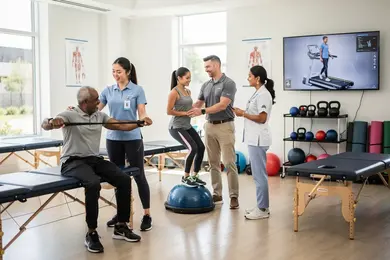
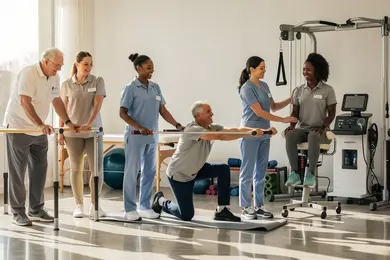
- Local Clinical Placements: Students arrange supervised internships or clinical hours at approved facilities close to home, enabling direct patient interaction without requiring campus attendance.
- Virtual Laboratories and Simulations: Digital tools mimic biomechanics testing, anatomy labs, and exercise physiology exercises, offering interactive skill development through remote platforms.
- On-Campus Intensives: Hybrid options sometimes include short, scheduled visits to campus for essential physical assessments or lab activities under faculty guidance.
For instance, the University of Florida's program supports local fieldwork monitored by coordinators, while Oregon State pairs immersive virtual anatomy software with optional campus residencies. Texas A&M University-Commerce combines simulated experiences with community clinic partnerships to deliver practical exposure without extensive travel.
Prospective students should verify the scheduling and geographic requirements of hands-on components with each school to ensure the program fits their lifestyle and licensure goals, especially if managing work and family.
One professional who graduated from an online kinesiology program recalled that coordinating local clinical hours was initially daunting but ultimately rewarding. She described relying heavily on program advisors to identify nearby practicum sites and appreciated the flexibility virtual simulations offered during busy work periods. Though occasional campus visits were stressful to schedule, they strengthened her confidence in hands-on skills. Reflecting on her journey, she emphasized that these blended learning approaches made the degree both practical and achievable for working adults seeking career advancement.

What Capstone or Culminating Courses Are Required in an Online Kinesiology Bachelor's Degree?
Most online kinesiology bachelor's programs culminate in a final, integrative experience that requires students to demonstrate mastery of core concepts through applied projects or research. These capstones or senior seminars often weave together knowledge from earlier courses such as exercise physiology, biomechanics, motor learning, and health promotion, challenging students to analyze complex problems or develop practical interventions.
- Integration: The culmination demands synthesis of prior learning, whether through research papers, program designs, or comprehensive exams, reflecting real-world kinesiology practice.
- Credit Hours and Structure: Programs typically allocate between 3 and 6 credit hours to this requirement. For instance, one example includes a 4-credit capstone involving a mentored research project, while another uses a 3-credit experience focused on compiling a detailed portfolio that highlights both scholarly and applied competencies.
- Mentorship and Collaboration: Students often receive guidance from faculty advisors throughout the process. Collaboration may also extend to industry professionals or involve peer feedback sessions, enhancing the quality and relevance of the final work.
- Varied Culminating Formats:
- Senior theses that demand original investigations and formal writing
- Applied projects like creating exercise regimens or public health initiatives
- Comprehensive exams assessing accumulated knowledge
- Early Preparation: Selecting topics early is vital, especially when projects require data gathering or partnerships. Planning ahead allows for thorough research and iterative refinement, increasing the chances of producing a polished, impactful end product.
Recent data shows that over 85% of kinesiology bachelor's programs nationwide incorporate a capstone or similar culminating experience, highlighting its importance in adequately preparing graduates for professional roles or advanced study.
How Are Internships or Practicum Experiences Integrated Into an Online Kinesiology Bachelor's Degree?
Online kinesiology bachelor's programs blend virtual learning with essential hands-on experiences, requiring students to complete internships, practicum, or fieldwork in local professional settings. These practical components are generally mandatory, ensuring students apply academic concepts in real-world environments to meet accreditation and licensure standards. Accredited programs often establish employer partnership networks that connect online students with relevant placements near their homes, accommodating diverse geographic locations.
Students in various regions can leverage these networks and school-provided resources to find approved internships or practicum sites that fulfill program requirements. During these experiences, supervision by qualified professionals is mandatory, alongside diligent documentation of hours and activities, often submitted via logs or reflective assignments. This framework maintains training quality and satisfies institutional and regulatory expectations.
Securing competitive placements poses unique challenges for online learners who may lack direct access to campus career services. To enhance placement success, students should begin their search early, tailor resumes to highlight related skills, and actively communicate with potential supervisors. Building connections with local wellness centers, rehabilitation clinics, or fitness organizations also improves prospects.
Research shows that 78% of online kinesiology students successfully complete their internships through structured employer partnerships or local placements, reflecting strong program support for experiential education.
- Mandatory Fieldwork: Practical experience in internships or practicum is required for graduation, bridging theory and application.
- Employer Networks: Accredited programs create local partnerships to help place students near their residence.
- Supervision & Documentation: Students work under approved supervisors and submit detailed records to verify their training.
- Placement Challenges: Early planning and customized applications improve chances of securing competitive internships.
- High Completion Rates: Data confirms most students successfully fulfill fieldwork requirements through established partnerships.
What Research Methods or Statistics Courses Are Required for an Online Kinesiology Bachelor's Degree?
Students enrolled in online kinesiology bachelor's degree programs typically engage with research methods courses in online kinesiology degree programs that emphasize statistics and data analysis requirements for kinesiology bachelor's. These courses strengthen quantitative reasoning skills, covering areas like descriptive and inferential statistics, probability, hypothesis testing, and data visualization. Programs may offer several electives such as introductory biostatistics, quantitative research methods, or data analysis in kinesiology, allowing students to select options that align with their backgrounds and career goals.
Before tackling these research-focused classes, students usually need to complete prerequisites like algebra or introductory statistics to build a solid quantitative foundation. This preparation helps ensure they can confidently handle advanced data analysis tasks. Mastery of survey design, literature review methodology, and statistical software such as SPSS, R, or Excel forms a key part of the curriculum-skills that employers in health, fitness, rehabilitation, and sports science, as well as graduate programs, highly value. These competencies enable graduates to apply evidence-based practices and contribute meaningfully to scientific research and clinical decision-making.
Because quantitative coursework can provoke anxiety, many online kinesiology programs provide robust academic support, including tutoring, writing centers, and statistical consulting, making it easier for busy adult learners to succeed. Prospective students can also explore complementary training, like medical assistant programs, to broaden their healthcare skill set.
- Course Variability: Programs often offer multiple research methods or statistics courses, letting students choose those that best fit their interests and transfer credits.
- Quantitative Foundations: Prerequisite courses in algebra or statistics prepare students for demanding data analysis work in later classes.
- Skill Development: Students gain expertise in designing surveys, conducting literature reviews, and using software like SPSS, R, or Excel for data analysis.
- Career and Academic Value: Proficiency in research methods enhances employability and graduate school prospects by supporting evidence-based practice.
- Support Resources: Tutoring services, writing centers, and statistical consulting help students overcome challenges in quantitative coursework.
How Do Online Kinesiology Bachelor's Programs Sequence Courses From Introductory to Advanced Levels?
Online kinesiology degree course progression typically begins with 100-level introductory courses covering basic anatomy, physiology, and principles of human movement. These foundational classes require no prerequisites and give students the essential core concepts before advancing. As learners progress to 200- and 300-level classes, they explore specialized subjects such as exercise physiology, biomechanics, nutrition, and motor learning, often requiring completion of earlier courses to ensure academic readiness.
Upper-division 400-level seminars and capstone experiences emphasize research methods, advanced kinesiology topics, and professional applications like injury prevention and rehabilitation. These advanced courses demand prior coursework and focus on critical thinking, practical skills, and integrating knowledge through projects or internships. This structured sequence supports student success by building knowledge systematically.
Academic advisors are crucial in guiding students through prerequisite enforcement and sequencing requirements. They help create a customized four-year or accelerated plan that accommodates full-time, part-time, transfer students, and those with prior learning credits. As online kinesiology degree course progression can vary, especially for transfer learners, close collaboration with advisors ensures smooth advancement aligned with individual circumstances.
A typical sample plan starts with introductory biology and kinesiology fundamentals in the first year, advances into exercise science and biomechanics courses during years two and three, and culminates with research-oriented electives and capstone practicum in the final year.
For students considering changing careers or balancing work commitments, advisors tailor plans to fit their schedules while respecting sequencing rules. For those interested in related healthcare fields, exploring options such as RN to BSN programs may also be beneficial.
- Structured Progression: Courses build from foundational concepts to advanced topics, promoting mastery through logical sequencing.
- Prerequisite Enforcement: Students must complete foundational courses before advancing, ensuring readiness and continuity.
- Advisor Guidance: Personalized planning supports diverse learners, including part-time and transfer students, within sequencing constraints.
- Sample Sequencing: Initial coursework focuses on fundamentals, with specialization and practical application in later years.
- Flexible Paths: Transfer credits and prior learning can alter sequences, so students should work closely with advisors to optimize their study plan.
Are There Technology or Software-Specific Courses in an Online Kinesiology Bachelor's Degree?
Courses in an online Kinesiology bachelor's degree often integrate key software and digital tools essential for modern practice. These classes build hands-on skills through applied assignments and simulations, helping students gain proficiency critical to both academic and professional settings.
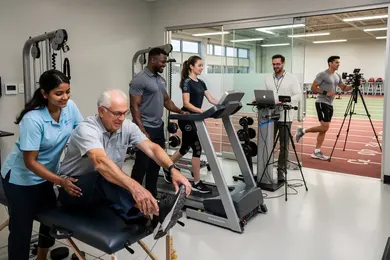
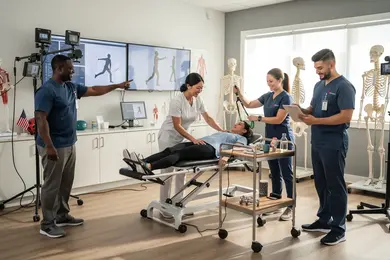
- Biomechanics and Motion Analysis: Students work with motion capture platforms like Dartfish and Vicon to simulate human movement and analyze gait or posture, enhancing their ability to evaluate performance and injury risk using advanced technology.
- Exercise Physiology Technology: This course involves direct interaction with devices such as metabolic carts and heart rate monitors, enabling students to interpret physiological data in real time for exercise assessment and planning.
- Statistics and Data Management: Students utilize statistical programs including SPSS, R, and Excel to enter, analyze, and graphically present research data, supporting evidence-based decision making.
- Sports Science Simulation Tools: Virtual labs and digital modeling introduce students to muscle dynamics and rehabilitation techniques, often provided via university subscriptions that reduce individual costs.
Many programs provide licensed access to these technologies during coursework; however, students should verify if purchasing or downloading software for personal use is necessary. Curriculums evolve rapidly as wearable tech and analytics become more prominent, so programs updating their technology components better align with industry demands.
Recent labor market analysis indicates that graduates fluent in kinesiology-related technology enjoy a 15% higher employment rate within health and sports technology fields. Prospective students are encouraged to contact programs about specific technology requirements and available technical support prior to enrollment.
What Ethics or Diversity Courses Are Typically Required in an Online Kinesiology Bachelor's Degree?
Online kinesiology bachelor's programs integrate courses on ethics, diversity, equity, and inclusion throughout their curriculum to nurture essential professional abilities. Regulatory agencies and organizations like the American Kinesiology Association emphasize these areas within their competency frameworks, ensuring graduates uphold ethical standards and demonstrate cultural competence required in today's diverse workplaces.
These courses are core components rather than supplemental topics, designed to equip students with skills for ethical decision-making and respectful, inclusive practice. Examples include:
- Ethics in Kinesiology: Covers key principles such as confidentiality, informed consent, and professional responsibility, using case studies to apply ethical models to real-life scenarios that emphasize integrity.
- Diversity and Inclusion: Focuses on recognizing and addressing cultural, socioeconomic, and ability differences, fostering effective communication and understanding across varied populations.
- Equity in Health and Wellness: Examines systemic barriers and social determinants affecting health, encouraging students to create inclusive wellness programs that reduce disparities.
- Applied Cultural Competency: Offers experiential learning through community engagement or reflective exercises to build awareness of personal biases and enhance cultural responsiveness for client interactions.
By embedding these topics across the program, kinesiology curricula align with licensure and employment standards that prioritize ethical conduct and cultural awareness. This comprehensive approach prepares students to navigate complex social and ethical challenges skillfully in their future careers.
What Do Graduates Say About Their Classes in an Online Kinesiology Bachelor's Degree
- Conrad: "The flexibility of the online kinesiology bachelor's program allowed me to balance work and study without feeling overwhelmed. I appreciated how my previous college credits seamlessly transferred, which shortened my path to graduation. Most importantly, I felt confident the coursework aligned perfectly with professional certification requirements, making the degree practical for future employment."
- Walker: "Reflecting on my time in the kinesiology program, I found the course content rigorously designed yet adaptable to different learning preferences. The instructors made it easy to see how each class would contribute to my goal of working in rehabilitation. Receiving credit for my earlier classes was a huge relief and motivated me to stay committed throughout the program."
- Joseph: "My experience with the kinesiology online degree was highly professional and structured-ideal for someone focused on career advancement. The clear guidance on how each course meets licensure criteria helped me plan my studies effectively. Additionally, the transfer of my prior credits saved time and allowed me to engage deeply with the more advanced material that truly shaped my expertise."
Other Things You Should Know About Kinesiology Degrees
In 2027, a typical online Kinesiology bachelor's degree curriculum includes foundational courses such as Anatomy and Physiology, Biomechanics, Exercise Physiology, Motor Learning, and Nutrition. Students may also study Psychology of Sport and Physical Activity, emphasizing both theoretical knowledge and practical applications.
Courses in anatomy, physiology, and biomechanics are often considered the most challenging due to their technical content and detailed understanding of the human body. Students should prepare by reviewing prerequisite biology and chemistry concepts and engaging with interactive online labs or multimedia resources. Time management and consistent study habits are also essential to mastering these subjects in an online format.
Concentrations or specializations typically add focused courses that tailor the degree toward specific career paths, such as exercise science, sports management, or rehabilitation. These tracks require students to take electives that deepen expertise in the chosen area, replacing some general electives or broad kinesiology classes. As a result, the overall curriculum may include more applied coursework and experiential learning related to the specialization.
Courses covering exercise physiology, motor learning, and clinical kinesiology are essential for preparing students for licensure or certification exams related to physical therapy assistants, personal trainers, or athletic trainers. Programs often include coursework aligned with organizations like the National Strength and Conditioning Association or the Commission on Accreditation of Athletic Training Education. These classes focus on the knowledge and practical skills employers expect for certification readiness.
References
- What classes do I take while waiting to become a Kinesiology major? https://chss.wwu.edu/health-human-development/what-classes-do-i-take-while-waiting-become-kinesiology-major
- Kinesiology - Practicum Placement https://www.ualberta.ca/en/experiential-learning/opportunities/kinesiology-practicum-placement.html
- Online Kinesiology Degree – Bachelor's in Kinesiology – ECU Online https://online.ecok.edu/online-degrees/bs-bachelors-kinesiology/
- Best Online Bachelor's Degree Programs in Kinesiology and Exercise Science - BestMedicalDegrees.com https://www.bestmedicaldegrees.com/best-online-bachelors-degrees-kinesiology-exercise-science/
- Online Bachelor of Science in Kinesiology https://calbaptist.edu/academics/programs/online-bachelor-of-science-kinesiology/
- Online Kinesiology Degree Programs: Review Top Schools https://www.edumed.org/online-schools/kinesiology-degrees/
- 8 Facts to Know Before Starting a Kinesiology Undergrad https://www.symmetrix.ca/blog/starting-a-kinesiology-undergraduate-degree
- Bachelor of Science, Major in Kinesiology https://catalog.shsu.edu/undergraduate/colleges-academic-departments/health-sciences/kinesiology/bs-kinesiology/
- Degree Requirements https://kinesiology.ucalgary.ca/current-students/undergraduates/degree-requirements
- Study Kinesiology: Majors, Bachelor's Degrees & Online Program Info https://learningpath.org/articles/Study_Kinesiology_Majors_Bachelors_Degrees_Online_Program_Info.html