2027 Can You Get a Kinesiology Bachelor's Degree After 30?

Co-Founder and Chief Data Scientist
Changing careers or reentering education after 30 can feel daunting, especially when pursuing a kinesiology bachelor's degree that demands both time and physical engagement. Many adults balance family responsibilities and work, questioning if this path remains accessible and worthwhile. Recent data shows that nearly 38% of students enrolled in kinesiology programs are aged 30 or older, reflecting growing adult participation in this field. This article explores the unique challenges and opportunities for adult learners pursuing kinesiology degrees-covering enrollment trends, program choices, financing, credit transfer, and career outcomes-to guide readers toward informed, confident decisions about their educational journey.
Key Things to Know About Getting a Kinesiology Bachelor's Degree After 30
- Admission often requires prior college credits or relevant experience-many programs offer accelerated tracks and prior learning assessments to shorten time-to-degree for students over 30.
- Financing options include employer tuition assistance, scholarships for adult learners, and federal aid; balancing family obligations typically necessitates flexible, part-time, or online program formats.
- Long-term earnings improve notably with a kinesiology degree-mid-career adults report salary increases averaging 15% within five years of graduation, enhancing job stability and career mobility.
Can You Really Get a Kinesiology Bachelor's Degree After 30?
Adult learners aged 25 and older represent a rapidly growing segment of bachelor's degree enrollment nationwide, according to the National Center for Education Statistics (NCES). This includes an increasing number of students pursuing kinesiology bachelor's degrees. Returning to college after 30 is now a realistic and common path, supported by many colleges that tailor programs to fit adult lifestyles and responsibilities. The journey to earning an adult kinesiology degree involves several key factors-time management, financial planning, career outcomes, program variety, and support networks-each influencing successful completion.
Adults interested in kinesiology bachelor's degree programs for students over 30 will find more flexible options than ever. Programs often include part-time, evening, and online courses designed to fit alongside work and family commitments. Understanding these elements helps set a clear path forward when balancing school with life.
- Enrollment Trends: More adults aged 25+ are enrolling in bachelor's programs than ever before, including kinesiology. NCES data shows significant growth in this demographic, driven by workforce demands and the rise of flexible learning options.
- Time Commitment: Adults balance studies with jobs and families-so institutions offer part-time, evening, and online courses to fit diverse lifestyles. This flexibility supports steady progress without overwhelming personal obligations.
- Financial Considerations: Returning students often face unique budgeting challenges. Many qualify for financial aid, employer tuition benefits, or military education programs, helping to offset costs and make degree completion more affordable.
- Career Impact: Obtaining a kinesiology bachelor's degree after 30 can open doors to new career paths, promotions, or certifications in health, fitness, rehabilitation, and sports medicine fields where demand is growing.
- Support Systems: Dedicated advising, peer networks, and veteran or parent-specific resources empower adult learners to overcome barriers and maintain motivation throughout their academic journey.
For those also exploring other degree pathways accommodating life's demands, programs like rn to bsn online with no clinicals offer similarly flexible formats that may provide ideas for balancing academic and personal goals.
Why Are More Adults Over 30 Pursuing a Kinesiology Bachelor's Degree?
More adults over 30 are pursuing a kinesiology bachelor's degree than ever before-a trend well documented by longitudinal data from organizations such as the Lumina Foundation, the National Center for Education Statistics (NCES), and the American Council on Education (ACE). This reflects significant shifts in workforce needs, educational access, and economic motivation, making returns to college a practical option for many.
The following key drivers explain why adult learners pursuing kinesiology degrees are increasing:
- Career Transitions: Adults over 30 often shift from physically demanding or declining roles to health, wellness, or fitness sectors where kinesiology skills are in demand.
- Employer Tuition Benefits: Many companies now offer education reimbursement programs encouraging employees to advance their qualifications relevant to kinesiology or related fields.
- Layoffs and Economic Shifts: Post-pandemic layoffs have prompted many workers to reskill or upskill in stable, growth-oriented sectors like kinesiology, which offers diverse career opportunities in therapy, rehabilitation, and fitness.
- Increased Online Program Availability: Flexible online and hybrid kinesiology programs make completing degrees feasible for adults balancing work and family responsibilities. This is vital for working adults and parents returning to the workforce.
- Wage Premiums Tied to Credentials: Holding a bachelor's degree in kinesiology correlates with higher salaries and improved job stability, a strong incentive for long-term career investment.
The post-pandemic workforce transformation has boosted demand for kinesiology professionals and strengthened institutional support systems. Accelerated pathways, prior learning credits, and tailored advising have made the educational journey more manageable for adults over 30. Many adult learners even explore fast-track credentials, similar to how other professionals might pursue rn to bsn online programs, underscoring the expanding infrastructure for flexible, career-focused degrees in health sciences.
What Are the Most Common Challenges Adults Over 30 Face When Pursuing a Kinesiology Degree?
Adults returning to pursue a kinesiology bachelor's degree after 30 often confront multiple hurdles that impact their academic progress. Research from the Bill & Melinda Gates Foundation and Complete College America highlights these obstacles as key factors in stop-out trends, yet they remain manageable with tailored approaches.
- Time Constraints: Many juggle full-time employment along with caregiving responsibilities, leaving limited time for coursework and campus commitments. Success typically demands flexible schedules and efficient time management.
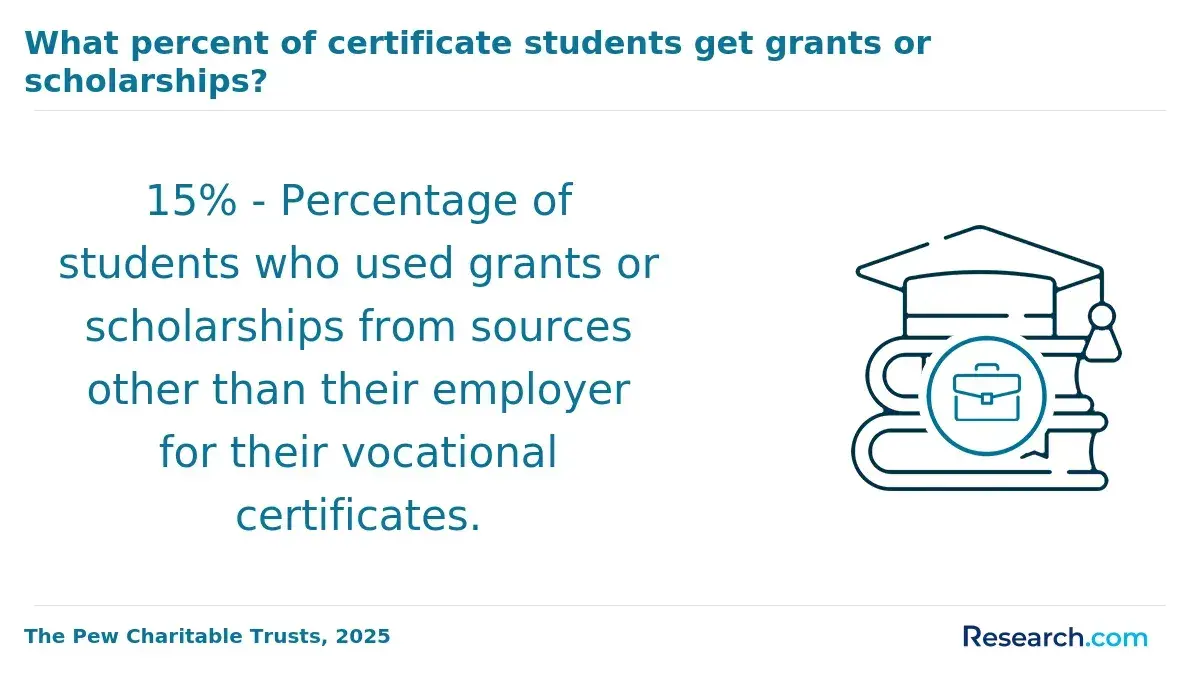
- Financial Pressures: Unlike younger students, adults commonly face ongoing expenses like mortgages and child care, making tuition and educational costs more burdensome. Access to steady funding or employer tuition assistance significantly eases this strain.
- Technology Gaps: Returning learners may struggle with evolving digital tools and online platforms, which can slow academic progress. Specialized tech training and support services designed for adult students help bridge these gaps.
- Imposter Syndrome: Feelings of self-doubt or isolation among predominantly younger classmates are common, affecting motivation. Peer networks and faculty mentorship play vital roles in building confidence and engagement.
- Academic Bureaucracy: Processes like registration, financial aid applications, and credit transfers can be confusing, leading to delays. Dedicated advisors and clear institutional guidance reduce administrative barriers effectively.
It is typical for adult kinesiology students to face two or three of these challenges simultaneously. Recognizing this commonality reduces self-blame and encourages persistence by affirming that such difficulties are part of the learning journey rather than personal shortcomings.
One professional who enrolled in a kinesiology bachelor's program after 30 shared that managing unpredictable work hours alongside family demands was unexpectedly difficult. He described feeling overwhelmed by online learning platforms initially, stating, "I spent more time figuring out the technology than the content." Yet, peer study groups helped him regain footing and reduce isolation. Navigating paperwork for transfer credits also required patience, but consistent advisor support made the process manageable. He emphasized that despite setbacks, these experiences increased his resilience and ultimately strengthened his commitment to earning the degree.
What Types of Kinesiology Bachelor's Degree Programs Are Best Suited for Adults Over 30?
Adults pursuing a kinesiology bachelor's degree have access to multiple program formats suited to their unique schedules and goals.
- Fully Online options allow learners to study remotely with minimal residency requirements-ideal for working adults and parents managing family responsibilities. These programs often feature virtual labs and online advising, supporting flexible kinesiology bachelor's degree options for adults over 30.
- Hybrid formats blend online coursework with occasional on-campus sessions, typically evenings or weekends, providing hands-on experiences without sacrificing flexibility for those near campus.
- Evening and Weekend On-Campus: Tailored for professionals, these programs hold classes outside standard work hours to offer face-to-face instruction and direct faculty engagement while accommodating work commitments.
- Competency-Based Education (CBE): This model prioritizes mastering skills at an individualized pace, enabling learners to accelerate by demonstrating prior knowledge through assessments-beneficial for career changers and veterans seeking expedited degree completion.
- Accelerated Cohort Models: These involve intensive schedules with peer cohorts, fostering motivation and faster progression, though with less flexibility for pacing.
Institutions like Western Governors University, Arizona State Online, and Southern New Hampshire University exemplify robust support for adult kinesiology degree programs online and in blended formats. Adults can also explore accredited self-paced online courses as part of their strategy. Matching a program's structure to personal timelines and learning preferences helps adults over 30 navigate education effectively on the path to earning their kinesiology credential.
How Long Does It Take to Earn a Kinesiology Bachelor's Degree After 30?
Completion times for a bachelor's degree in kinesiology vary greatly for adult learners over 30, primarily influenced by enrollment status and credit recognition. Full-time students often take around four years, whereas those studying part-time-balancing work and family-may need six years or longer. Utilizing prior learning assessments (PLA), CLEP exams, and military credit transfers can accelerate progress, sometimes reducing required coursework by half or more. Transfer students entering with significant credits, often 60 or higher, typically finish in about two years.
Accelerated kinesiology programs designed for adults provide intensive and flexible options, including online and year-round courses, helping to streamline degree completion. Adult learners are advised to tailor their timeline by factoring in prior credits, weekly study availability, and graduation goals. Recent data from NCES highlights that adults combining prior credit with part-time enrollment tend to graduate within 5-6 years-shorter than peers without recognized credit-showing the value of early credit planning.
- Enrollment Status: Full-time enrollment generally leads to a four-year completion, while part-time students often require six years or more due to external responsibilities.
- Credit Recognition: Leveraging transfer credits and military experience can dramatically shorten time-to-degree, sometimes to as little as two years.
- Prior Learning Assessments: PLA and CLEP exams recognize professional and experiential knowledge, cutting down required courses effectively.
- Accelerated Options: Adult-focused programs with flexible scheduling and online formats enable faster degree attainment.
- Personalized Planning: Assessing existing credits and realistic weekly study hours helps craft an achievable graduation timeline.
When asked about her journey, a professional who earned her kinesiology bachelor's degree after 30 reflected on the balancing act involved: "Managing family obligations and a full-time job made full-time study impossible, but I focused on transferring as many credits as I could. Prior learning assessments really helped me get recognition for skills I'd already mastered. It wasn't easy juggling everything, but setting realistic goals and choosing a program with flexible, online courses allowed me to graduate sooner than I expected." Her experience illustrates how thoughtfully combining credit options and flexible study pacing can transform a lengthy process into a manageable achievement.
How Can Adults Over 30 Pay for a Kinesiology Bachelor's Degree?
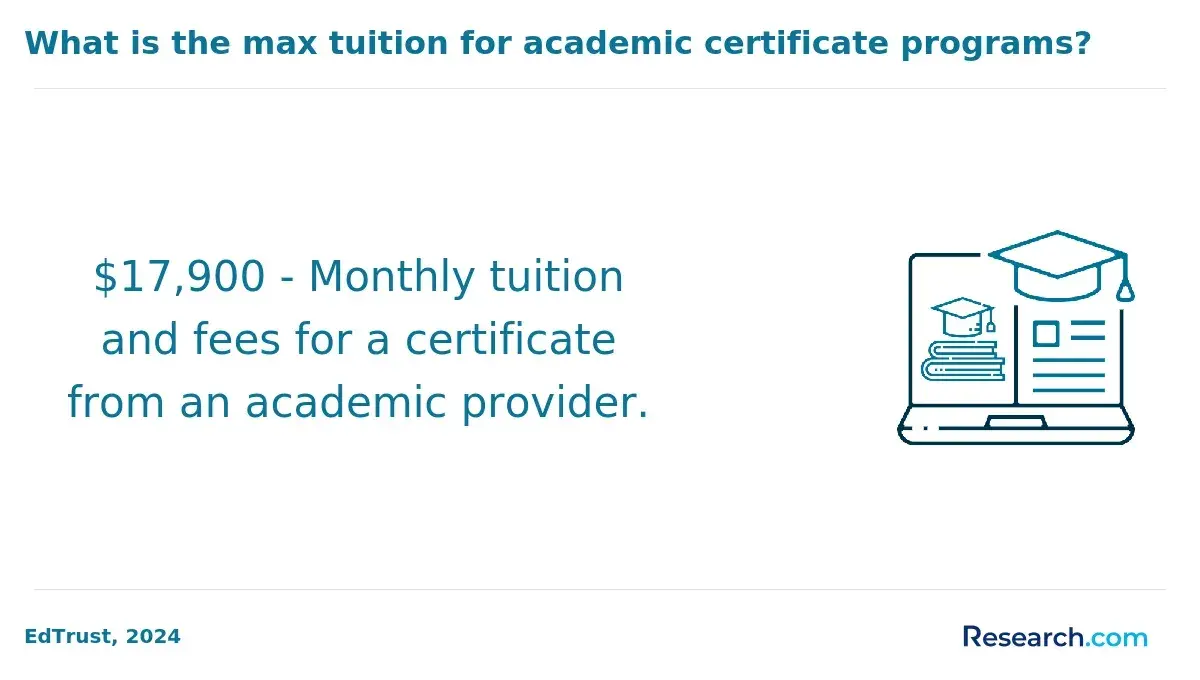
Many adults over 30 pursuing a kinesiology bachelor's degree qualify for a variety of funding sources beyond common misconceptions limiting aid to traditional students. According to the Federal Student Aid office, aid eligibility depends primarily on enrollment and income rather than age. Completing the FAFSA opens access to essential federal programs, including Pell Grants and subsidized and unsubsidized loans, which can help offset tuition costs.
- Federal Financial Aid: Pell Grants do not require repayment and are ideal for adult learners managing work and family. Subsidized loans feature lower initial interest rates since the government covers interest during study periods, while unsubsidized loans accrue interest immediately but are widely accessible.
- Employer Tuition Assistance: Many employers offer tuition reimbursement or assistance, especially in health-related fields like kinesiology. Investigating these benefits early can reduce personal expenses significantly.
- State Adult Learner Grants: Numerous states provide grants targeting adults returning to higher education, considering past education and current financial circumstances to offer more accessible aid than traditional options.
- Scholarships from Professional Associations: Groups such as the American Kinesiology Association offer scholarships rewarding academic excellence, leadership, and community involvement for students in kinesiology.
- Income-Share Agreements (ISAs): An alternative to traditional loans, ISAs require repayment as a percentage of post-graduation income, easing upfront financial pressures by linking payments to earnings.
Tuition varies widely: online kinesiology programs usually cost less and provide flexible scheduling compared to in-person campuses, while public institutions generally have lower fees than private universities. Comparing these options helps adult learners choose the most cost-effective path.
To optimize financial aid before pursuing loans, adults should start by completing the FAFSA promptly, explore employer tuition benefits, identify relevant state grants, seek out kinesiology-specific scholarships, and carefully weigh program costs. The National Center for Education Statistics reports that 40% of undergraduates are now age 25 or older, highlighting increased support and enrollment of mature learners in higher education.
Will Employers Respect a Kinesiology Bachelor's Degree Earned After 30?
Employers consistently value a regionally accredited kinesiology bachelor's degree regardless of whether it is earned earlier or later in life. According to data from the Society for Human Resource Management (SHRM) and the National Association of Colleges and Employers (NACE), hiring managers prioritize the credential itself-clearly visible on resumes and verified in background checks-over the candidate's age or time taken to complete the degree.
- Employer Perception: Many employers in kinesiology-related fields appreciate the maturity and practical experience adult learners bring. These qualities often result in enhanced problem-solving, reliability, and persistence, which complement academic knowledge well.
- Industry Requirements: In specialized areas such as physical therapy assistance, athletic training, and occupational therapy support, a bachelor's degree is a strict requirement. Completing the degree at 30 or 22 holds equal significance for meeting these professional thresholds.
- Age-Related Concerns: Despite concerns about age bias, industry surveys from LinkedIn Workforce Insights show growing acceptance of adult learners. Employers increasingly value candidates with diverse backgrounds and life experience, recognizing the unique contributions of those returning to education later in life.
- Statistical Insight: Recent NACE research indicates a 15% rise in employers seeking candidates who combine prior work experience with relevant degrees-highlighting a favorable trend for adult kinesiology graduates.
This data reinforces that the degree's accreditation and demonstrated competence trump age for employers. Those who return to school after 30 demonstrate a strong commitment to their career goals, making their credentials equally competitive in the kinesiology job market.
How Does Prior Work Experience Factor Into a Kinesiology Bachelor's Degree Program After 30?
Prior work experience can be a valuable asset for adults pursuing a kinesiology bachelor's degree after 30, often enabling faster progression through degree requirements. Many programs recognize that practical knowledge gained outside formal education can be converted into academic credit through established evaluation methods, helping adult learners bypass content they already master.
- Prior Learning Assessment (PLA): This process permits students to submit evidence such as work histories, professional training, or skill demonstrations, which faculty assess for college-level equivalency. PLA often includes portfolio evaluations where students document competencies. According to CAEL (Council for Adult and Experiential Learning), students typically earn between 10 to 30 credits through PLA-potentially reducing their total degree time by a year or more.
- Portfolio Evaluation: As a form of PLA, portfolio evaluation requires assembling work samples, letters of recommendation, job descriptions, and reflective essays. Institutions like Excelsior College and Thomas Edison State University have strong PLA services, specifically supporting adults who bring experience in exercise science, rehabilitation, and health promotion to the kinesiology major.
- CLEP and DSST Exams: Credit can also be earned by passing exams like the College-Level Examination Program (CLEP) or DANTES Subject Standardized Tests (DSST). These exams cover foundational subjects such as biology, psychology, and health sciences, which align closely with kinesiology curricula.
- ACE-Recommended Credit: Professional certifications relevant to kinesiology-such as Certified Strength and Conditioning Specialist (CSCS)-may receive credit recommendations through the American Council on Education (ACE). Schools accepting ACE credits often apply these to elective or required courses, shortening time-to-degree completion.
Research confirms that recognizing professional experience for kinesiology degree completion often makes returning to education more accessible and affordable. Adult learners may also benefit from understanding credentials related to their new career path-for example, those exploring healthcare documentation might consider pursuing a certified coding specialist (ccs) credential as a complementary qualification.
What GPA and Admission Requirements Apply to Kinesiology Bachelor's Programs for Adult Learners?
- Letters of Recommendation: One or two letters, usually from employers or supervisors, emphasize maturity and relevant skills rather than purely academic potential.
- Personal Statement: A thoughtfully written statement outlining goals, motivation, and life experience helps demonstrate fit and readiness for kinesiology studies.
- Residency and Transfer Credits: Generous transfer policies, including credit for military training or professional certifications, support expedited degree completion for adult learners.
- Admission Policies: Institutions with open or rolling admissions often serve adult learners by offering conditional acceptance or probationary enrollment, differing from selective traditional programs with strict GPA cutoffs.
- Low GPA Options: Academic renewal or grade forgiveness policies may allow exclusion of poor past grades, while conditional tracks or bridge courses help prospective students prove readiness.
How Do Family and Work Responsibilities Affect Completing a Kinesiology Degree After 30?
Employer accommodations-such as flexible hours and tuition benefits-directly enhance student persistence by alleviating work-related stress. Meanwhile, strong spousal and family support offers emotional and practical relief, making it easier to balance academic and personal roles. Additionally, campus amenities including childcare and emergency aid funds have become vital resources for managing unforeseen family issues without sacrificing enrollment.
- Time Management Strategies: Leveraging tools like time-blocking helps adult students juggle studies alongside family and work effectively.
- Employer Flexibility: Support through adaptable schedules and financial assistance increases degree persistence among working adults.
- Family Support Networks: Emotional and logistical help from relatives reduces stress and eases the burden of multiple responsibilities.
- Campus Resources: Childcare services and emergency funds provide critical relief during unexpected personal challenges.
- Proactive Institutional Communication: Contacting adult learner services early aids in identifying accommodations and planning for success.
What Campus and Online Support Services Help Adults Over 30 Succeed in a Kinesiology Program?
Adult learners pursuing a kinesiology bachelor's degree benefit greatly from tailored institutional resources designed to support their unique challenges. Research from the National Student Clearinghouse and Complete College America shows that increased advising intensity directly correlates with higher completion rates for non-traditional students-highlighting the importance of targeted support.
- Dedicated Adult Learner Advisors: These specialists understand the complex schedules and responsibilities adults juggle. They offer personalized guidance on course planning, balancing work or family life, and connecting students with essential campus services.
- Prior Learning Assessment Offices: Evaluations of professional, military, or other prior experience can translate into academic credit. This recognition accelerates degree progress and minimizes redundant coursework, saving time and money.
- Evening and Weekend Tutoring: Flexible tutoring sessions accommodate working adults and parents who cannot attend daytime hours, providing help with difficult kinesiology topics without compromising other commitments.
- Virtual Library Access: Online academic resources and databases allow remote study at any hour, crucial for students whose schedules prevent frequent campus visits.
- Career Services for Career Changers: Tailored counseling supports adults transitioning into kinesiology fields by highlighting transferable skills and building relevant professional networks.
- Peer Networks for Non-Traditional Students: Communities of similarly situated learners offer motivation, study support, and emotional encouragement-which research links to improved persistence and graduation rates.
When selecting kinesiology programs, adults should verify the availability of these key services, as their presence predicts better completion outcomes. Prospective students are advised to inquire directly with admissions or program offices about adult learner support before enrolling to ensure the program aligns with their specific needs and life circumstances.
What Graduates Say About Getting a Kinesiology Bachelor's Degree After 30
- Conrad: "Returning to study kinesiology after 30 was daunting, but the financial support options really eased my worries-scholarships and flexible payment plans made it manageable. I appreciated how the program's accreditation assured me that the education I was receiving met professional standards, which gave me confidence entering the job market. Today, I'm thriving in a rehabilitation career, grateful for the strong foundation this degree provided."
- Walker: "Balancing family, work, and a kinesiology degree was challenging, yet the comprehensive financial assistance programs made a significant difference. The accredited nature of the program promised that my qualifications were respected industry-wide-a key factor in my decision to enroll. My experience opened doors to diverse career paths, and I now enjoy the rewarding position of a fitness consultant who truly makes an impact."
- Joseph: "Choosing to pursue kinesiology later in life was a strategic career move-I valued the program's accreditation because it guaranteed rigorous standards and better employment prospects. Access to tailored financial support reduced the stress of returning to school at 30-plus. Since graduating, I've successfully transitioned into a clinical specialist role, applying the skills I gained with confidence and professionalism."
Other Things You Should Know About Kinesiology Degrees
Earning a kinesiology bachelor's degree after age 30 can positively impact long-term earning potential, especially as the demand for healthcare and wellness professionals grows. While starting a career later may mean fewer total working years, many graduates find they quickly advance into higher-paying roles due to maturity and prior work experience. Additionally, specialized knowledge from the degree can open doors to positions in rehabilitation, fitness management, or ergonomics with competitive salaries.
Yes, several universities offer accelerated kinesiology bachelor's programs tailored for adult learners, including those over 30. Many programs accept prior college credits and grant credit for relevant professional or military experience, reducing time and cost to graduation. These options make it easier for adults to balance education with work and family commitments while advancing their qualifications efficiently.
Yes, earning a kinesiology bachelor's degree after 30 can facilitate flexible career shifts. Many fields such as physical therapy, sports management, and fitness coaching value diverse professional experiences and maturity, providing numerous opportunities for career change or advancement.
Adults should consider factors like flexible scheduling, online or hybrid course options, credit transfer policies, and program accreditation when selecting a kinesiology bachelor's degree. It is also important to review career support services and the curriculum's alignment with their specific career goals in health and fitness sectors. Prioritizing programs that offer experiential learning or internships can provide practical skills and networking opportunities essential for career transitions.
References
- How Long to Get a Kinesiology Degree? | ValidGrad https://validgrad.com/blog/kinesiology-degree-duration/
- Bachelor's in Kinesiology Program Online | Montreat College https://www.montreat.edu/online/kinesiology/
- 8 Facts to Know Before Starting a Kinesiology Undergrad https://www.symmetrix.ca/blog/starting-a-kinesiology-undergraduate-degree
- Admission Requirements https://www.ualberta.ca/en/kinesiology-sport-recreation/programs/international-undergraduate-students/undergraduate-degree/admission-requirements.html
- Kinesiology Experience and Career Guide https://students.wlu.ca/career-and-experiential-learning/experience-record/assets/experience-guides/science/kinesiology.html
- How 3 Life Events Drastically Shaped My Kinesiology Career https://lifemoves.ca/how-3-life-events-drastically-shaped-kinesiology-career/
- What Can You Do With a Kinesiology Major? | USAHS https://www.usa.edu/blog/what-can-you-do-with-a-kinesiology-major/
- How to Become a Kinesiologist (Degree & Salary) - Natural Healers https://www.naturalhealers.com/blog/applied-kinesiology/
- Bachelor of Science in Kinesiology (BScKin): Complete Guide to Career Paths, Salary, and Job Opportunities in 2026-2027 https://www.aubsp.com/bachelor-of-science-in-kinesiology-bsckin/
- Not just for jocks: Kinesiology majors work hard for degrees, too https://temple-news.com/not-just-for-jocks-kinesiology-majors-work-hard-for-degrees-too/