
PharmD academic support services: what to compare

Co-Founder and Chief Data Scientist
A PharmD program can have strong coursework yet leave students struggling to find timely tutoring, arrange clinical rotations, or get help after an exam setback. For prospective Doctor of Pharmacy students, those services affect both the learning experience and the costs of staying on track.
This guide shows what to compare, what evidence to request, and which questions matter most for online and campus-based programs. Use it to distinguish readily available support from services that exist on paper but may be difficult to use when you need them.
Key Things You Should Know
- Compare access, not just availability: ask when tutoring, advising, and clinical-placement staff respond and whether support continues during rotations.
- Verify ACPE professional-program accreditation and state licensure eligibility separately; a PharmD degree alone does not grant a pharmacist license.
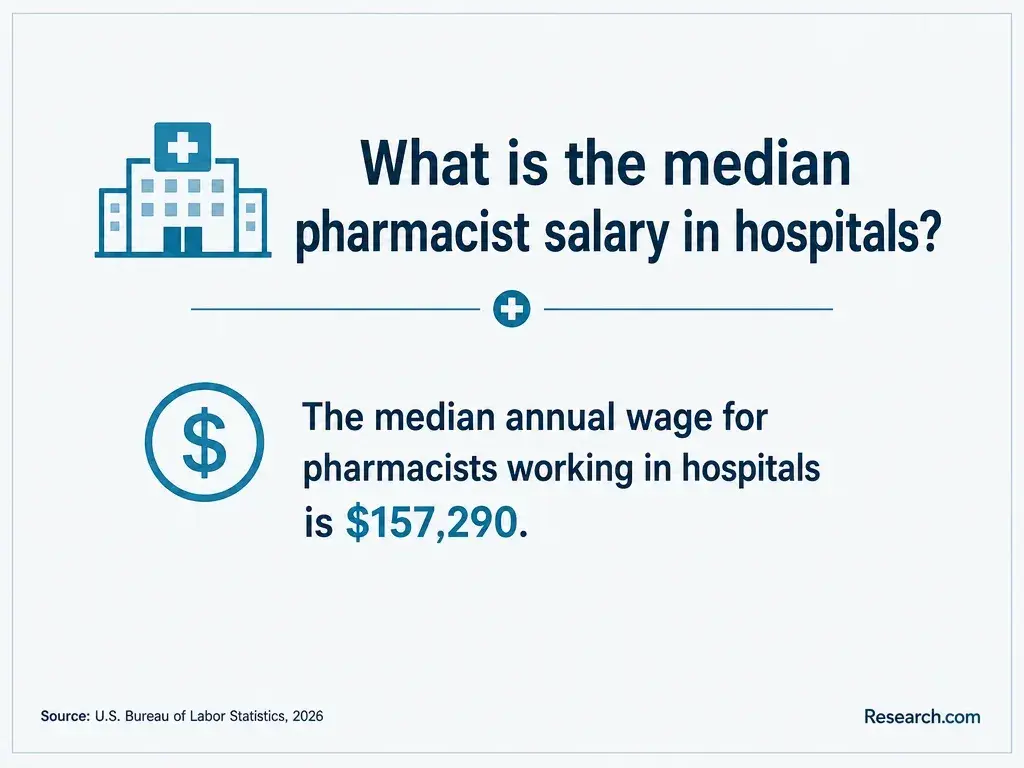
- Include the cost of reaching and using support, particularly required travel and time away from work. The U.S. pharmacist median annual pay was $140,910 in May 2025, but that figure does not guarantee an individual graduate's earnings.
What Academic Support Services Should PharmD Students Compare?
Compare services across the full professional curriculum, not only the first semester. The most consequential differences are often who provides help, how quickly students can get it, and whether it remains available during clinical rotations. An online pharmacy program comparison is a starting point, but confirm each school's current services directly.
The table separates useful services from limitations that a general promise of "student support" may conceal:
| Service | What meaningful access looks like | Potential limitation |
| Academic advising | A named advisor who can address course sequencing and academic concerns | Appointments may be scarce before registration or progression decisions |
| Course tutoring | Help with pharmacy-specific subjects at usable times | General university tutoring may not cover professional coursework |
| Skills and exam support | Feedback on calculations, clinical reasoning, and practice assessments | Practice materials alone may not provide individualized feedback |
| Experiential education | Staff who coordinate sites, requirements, and placement problems | Students may still bear substantial travel and housing costs |
| Accessibility and wellness | Clear accommodation processes and confidential support | Services may be hard to access during off-campus rotations |
Ask for the student handbook and service hours, then speak with a current student about response times. A service is most valuable when its availability matches the periods when students actually need it.
How Does ACPE Accreditation Affect PharmD Student Support and Program Quality?
The Accreditation Council for Pharmacy Education (ACPE) accredits professional PharmD programs, including standards concerning students, curriculum, and experiential education. Check the program's current status in ACPE's official program records rather than treating a school's accreditation claim as sufficient. Published status and student outcomes are useful screening evidence, but accreditation does not mean every student receives the same level of tutoring or advising.
ACPE professional-program accreditation differs from the university's institutional accreditation. For a distance pathway, state authorization to enroll a student is another separate issue; it does not establish eligibility for a particular state's pharmacist license or approve a clinical placement there. Even if a school's pharmacy degree eligibility requirements suit you, check these distinctions before paying a deposit.
What Licensing Requirements Follow Graduation From an Accredited PharmD Program?
Graduation is an educational milestone, not a pharmacist license. U.S.-educated graduates generally must apply through the relevant state board of pharmacy, meet that jurisdiction's internship or practical experience and other requirements, and pass the North American Pharmacist Licensure Examination (NAPLEX). Jurisprudence requirements vary: a board may require the MPJE, the UMPJE, or another law assessment, or use a different process. The National Association of Boards of Pharmacy (NABP) and the intended state board publish the applicable examination and application rules.
Before enrolling, ask whether licensure advising covers your intended practice state, including intern registration during school. Treat claims about short online pharmacy degree timelines cautiously: a shorter pharmacy-related credential is not automatically a professional PharmD or a route to pharmacist licensure. Internationally educated applicants may face a distinct certification and licensing pathway.
Strong advising connects prerequisite review, professional-course sequencing, academic progress, and preparation for experiential work. Undergraduate pre-pharmacy prerequisites are not the same as the professional PharmD curriculum. If you have previous coursework, request a school-specific evaluation; guidance on pharmacy prerequisite credit evaluation can help frame the discussion, but the receiving school decides what counts and whether any credit applies to the professional program.
Tutoring should address demanding pharmacy tasks, such as calculations, pharmacotherapy reasoning, and patient communication—not just provide access to a general study center. Ask whether faculty, trained peers, or outside tutors provide it; whether appointments are included in tuition; and what happens after a failed assessment. Also ask how the program identifies students who need help before a course failure and what its remediation and progression policies require.
Online instruction can reduce routine commuting, but it is not necessarily asynchronous, self-paced, or fully remote. Compare scheduled classes, hands-on labs, campus visits, assessments, and in-person introductory and advanced pharmacy practice experiences (IPPEs and APPEs). A student seeking doctoral study with a shorter time commitment should not assume that another online doctorate meets pharmacist-licensure education requirements.
The table shows where delivery format can change access to help. Individual programs may offer a different mix, so confirm their schedules and service policies.
| Support issue | Online or hybrid pathway | Campus-based pathway |
| Tutoring access | May depend on virtual appointments and time zones | May include in-person drop-ins alongside virtual appointments |
| Skills practice | May require scheduled travel for labs or assessments | Usually occurs at scheduled campus facilities |
| Clinical rotations | In-person sites still require approval and supervision | In-person sites still require approval and supervision |
| Accessibility and wellness | Remote appointments may help, but availability varies | On-campus access may help, but hours and travel matter |
Neither format removes the need to plan around rotations. Confirm whether services remain accessible when a rotation site is far from campus or in a different time zone.
IPPEs introduce students to supervised pharmacy practice; APPEs are more advanced supervised experiences later in the professional curriculum. Compare the experiential office's role in arranging or approving sites, preparing preceptors, resolving placement disruptions, and evaluating students. Ask which requirements students handle themselves, such as intern registration, background checks, immunizations, transportation, or temporary housing.
Placement near home or a current job should not be assumed, especially for an online student. Rotation travel can change the real pharmacy degree affordability and completion time calculation even when advertised tuition looks favorable. Request the rotation handbook and ask where recent students were placed, what happens if a site becomes unavailable, and whether work at an existing employer can ever satisfy a placement requirement.
A useful accommodation process identifies the responsible office, documentation procedures, decision timelines, and how approved arrangements apply to labs, examinations, and off-campus rotations. Ask how the accessibility office coordinates with experiential staff while protecting student privacy. Accommodations are individualized; a program should explain its process rather than promise a particular arrangement before review.
Wellness support may include confidential counseling, referral services, leave policies, and a workable return-to-study process. Availability during evenings and rotations matters as much as availability on campus. Students considering Doctor of Pharmacy pathways for career transitions should also check whether support hours are realistic alongside employment or caregiving; the professional curriculum and rotations may substantially limit either commitment.
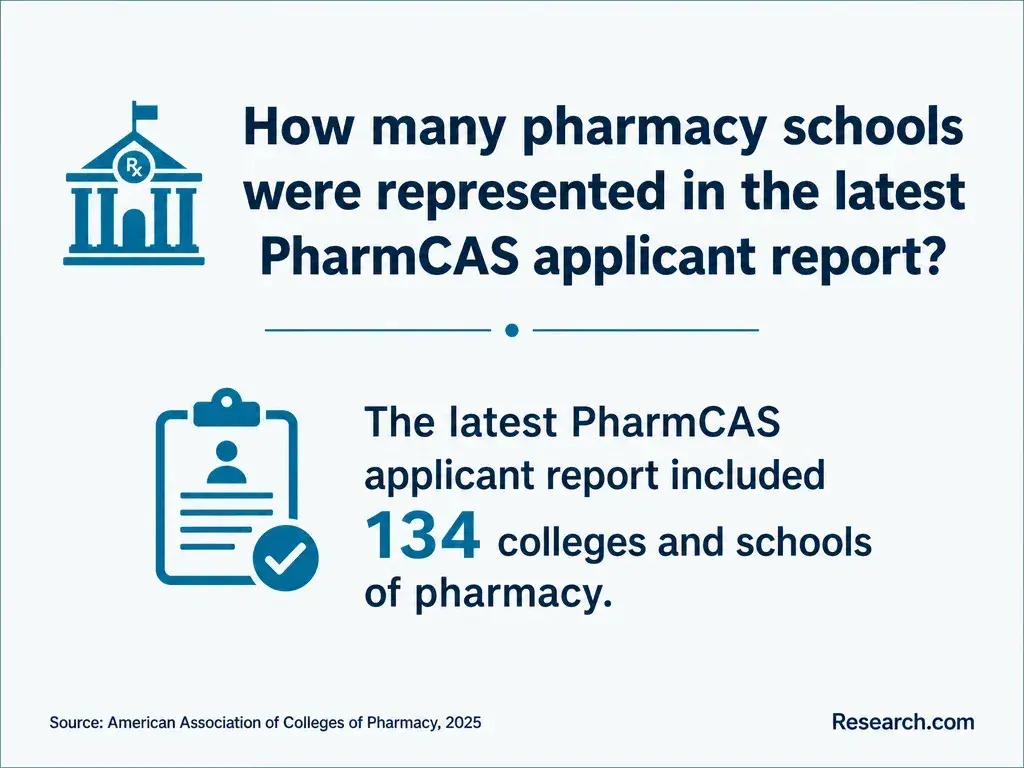
Schools set their own prerequisite courses, laboratory rules, grades, and application requirements. A completed bachelor's degree is not universally required. Check the current school admissions page and, where applicable, its PharmCAS directory entry; not every school uses PharmCAS. The PCAT was retired in January 2024 and should not be treated as a current admissions test. Most traditional professional curricula span four academic years after prerequisites, while accelerated pharmacy school options may compress the professional schedule and leave less room for paid work or course remediation.
Compare a school's full estimated cost of attendance, not tuition alone. Required fees, prerequisite courses, books and clinical resources, equipment, campus visits, rotation travel, and licensure expenses can affect borrowing. Federal loan rules changed for many new graduate and professional borrowers beginning July 1, 2026; confirm your classification, eligibility, available loans, and any transition rules with the financial aid office rather than assuming prior Grad PLUS access or borrowing terms still apply.
Licensed pharmacists work in settings that include community, hospital, ambulatory care, and specialty pharmacy. The Bureau of Labor Statistics projects 5% growth for pharmacist employment, 2025-2035. That national projection describes an occupation, not a placement rate for any PharmD program or a forecast for one practice setting. Compare published program outcomes with their cohort sizes and definitions before drawing conclusions.
A residency can provide postgraduate practice training, while a fellowship commonly emphasizes a particular professional or research track; neither is universally required for pharmacist employment. Board certification is a separate credential, not a substitute for state licensure. If expected earnings are central to your decision, compare debt and time away from work against the online Doctor of Pharmacy price range and the specific program's costs. A pharmacy technician role is a separate occupation and does not ordinarily require a PharmD.
How Can You Choose a Reputable PharmD Program With Strong Student Support?
Make a short list only after confirming that each program's credential, accreditation status, format, and state-specific licensure pathway match your goal. If you are still completing prerequisites, pharmacy program admission planning should include written confirmation of which courses may remain in progress and when they must be finished.
Use the same checks for every school so an appealing feature does not hide a costly gap:
- Check ACPE's current professional-program record and ask the intended state pharmacy board about licensure eligibility and intern requirements.
- Request the student handbook, course schedule, rotation policies, and a description of tutoring, advising, remediation, and accommodation access.
- Ask who secures rotation sites, where placements may occur, and which travel or compliance costs fall to students.
- Compare each school's full cost of attendance and your current aid eligibility, then review published NAPLEX outcomes with cohort context.
- Speak with current students about response times and ask staff how they handle a missed placement, failed course, or needed leave.
Favor a program whose support is accessible when your schedule is hardest - not simply one with the longest service list. Unclear answers about accreditation, placement responsibility, progression, or total costs are reasons to pause before committing.
Other Things You Should Know About PharmD
Policies vary. Ask the program director or student affairs office whether advisor changes are allowed, who handles the request, and how urgent academic decisions are covered meanwhile.
Do not assume it is handled like counseling. Ask who can see appointment records, what tutors report to faculty, and whether you can request a faculty or professional tutor instead.
Schools commonly provide student access to learning resources, but specific subscriptions and off-campus authentication vary. Confirm access to required references at rotation sites and ask whom to contact when access fails.
Leave and return policies are school-specific. Before taking leave, get written guidance on advising access, course sequencing, financial aid implications, and when you can resume clinical requirements.
- Increasing the PharmD Pipeline, Encouraging Student... - PMC https://pmc.ncbi.nlm.nih.gov/articles/PMC10159511/
- | Protecting Student Privacy - Department of Education https://studentprivacy.ed.gov/
- Curriculum Information | NYS Education Department https://www.acces.nysed.gov/bpss/curriculum-information
- Evidence-based strategies for standardized exam remediation in nursing: An integrative review - ScienceDirect https://www.sciencedirect.com/science/article/abs/pii/S1557308722000531
- Academic Support Services | University of Health Sciences and Pharmacy in St. Louis https://www.uhsp.edu/academics/academic-support-services/
- School of Pharmacy Educational Assessment | dyu.edu https://www.dyu.edu/academics/schools-and-departments/school-pharmacy/school-pharmacy-educational-assessment
- Confidentiality - Student Disability Services https://disabilities.uchicago.edu/students-2/policies/confidentiality/
- Current PharmD Students Rx for Success | CU School of Pharmacy https://pharmacy.cuanschutz.edu/current-students/on-campus-pharmd-students/rx-for-success
- A Review of Remediation Programs in Pharmacy and Other Health Professions - American Journal of Pharmaceutical Education https://www.ajpe.org/article/S0002-9459(23)03530-1/fulltext


