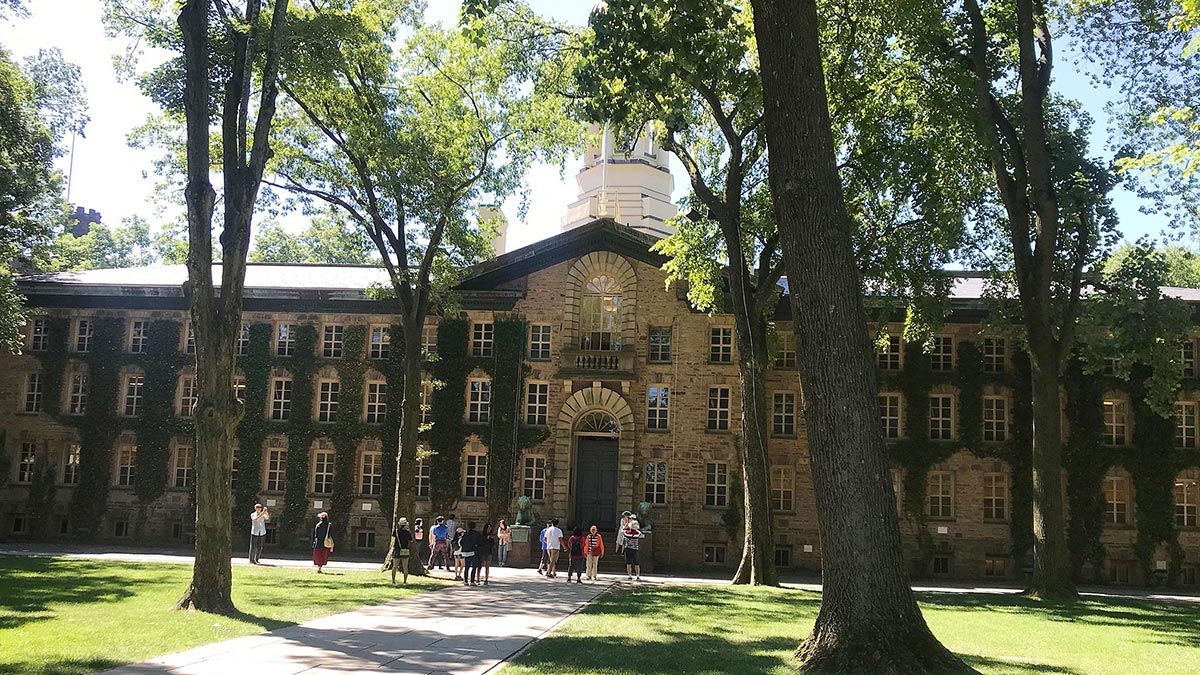
Overview of the University of Tartu
The University of Tartu (UT), established in 1632 by the Swedish King Gustavus Adolphus, is Estonia’s oldest and most prestigious university. Located in the city of Tartu, Estonia, UT is a comprehensive, public, research-intensive institution that blends tradition with innovation. The University serves over 13,000 students and operates four primary faculties—Arts and Humanities, Social Sciences, Medicine, and Science and Technology—across several campuses. With its deep-rooted academic heritage and modern ambitions, the University of Tartu stands as a cornerstone of intellectual life in the Baltic region, drawing both local and international scholars.
Academic Strengths and Structure
The University of Tartu is renowned for its excellence in fields such as molecular and cell biology, computer science, semiotics, philosophy, and medicine. Its programs in cognitive sciences and environmental studies are internationally recognized, while the university’s School of Law and Faculty of Medicine remain particularly competitive in the region. UT champions an interdisciplinary approach, encouraging cross-faculty collaboration and fostering problem-based learning, supported by state-of-the-art facilities and digital resources. Ranked among the top 300 universities globally by QS and THE rankings, UT is highly visible within the international research community. The university actively participates in major academic consortia (such as the Coimbra Group), and offers numerous joint degree and exchange programs, maintaining research partnerships with institutions worldwide.
Student Life and Community
Campus life at the University of Tartu is vibrant, inclusive, and internationally oriented. Students can join over 60 clubs, societies, and academic organizations, from music ensembles to entrepreneurial initiatives. Annual cultural festivals, academic competitions, and sports events punctuate the academic calendar. The university is committed to diversity, with nearly 2,000 international students representing over 90 countries, and fosters a welcoming environment through various support services, counseling, and mentoring schemes. Facilities include modern student housing, extensive sports complexes, art studios, and libraries—ensuring holistic development and a supportive community for all.
Mission, Vision, and Values
The University of Tartu is dedicated to advancing knowledge, innovation, and societal development through research-led teaching, global engagement, and the promotion of sustainable values, equity, and academic freedom. Its vision is to nurture critical thinkers and responsible leaders for an interconnected world.