
2027 Fastest Online Colleges Programs Ranking in Pennsylvania

Co-Founder and Chief Data Scientist
If you're considering advancing your education without putting life on hold, this article is here to guide you. We present the 2027 Fastest Online Colleges Programs Ranking in Pennsylvania, created by the Research.com team of data scientists to help you find degree options that fit your goals and schedule.
Getting a degree can open doors to new opportunities and personal growth. Explore programs designed for speed and quality so you can make an informed, confident choice. Your future is worth this step, and we're excited to support your journey.
Key benefits of getting online degrees in Pennsylvania
- Graduates in Pennsylvania with a bachelor's degree earn an average salary of $60,000 per year, while those with a master's degree can expect around $75,000, showing clear financial benefits at higher degree levels.
- A graduate from Penn State's online business program quickly advanced into management roles, demonstrating the strong career opportunities available from reputable online degrees.
- Online degrees from the University of Pennsylvania allow flexible learning, helping graduates balance work and study, which many find more convenient and just as respected as traditional degrees.
- 2027 Fastest Online Colleges Programs Ranking in Pennsylvania
- What can I expect from online degrees in Pennsylvania?
- How much can I make with online degrees in Pennsylvania?
What can I expect from online degrees in Pennsylvania?
Expect more than just convenient access when pursuing an online degree in Pennsylvania; you tap into a network of reputable institutions like Penn State World Campus, where over 20,000 students annually engage with over 150 programs spanning business, nursing, and technology. Graduates often describe their experience as transformative, blending flexibility with rigorous academics that feel equal to on-campus offerings.
Imagine studying nursing from your home yet gaining credentials accredited by the Middle States Commission on Higher Education-this means your degree holds the same weight as one earned on campus, opening doors locally and nationally. Students report feeling confident about the credibility of their programs, which meets federal financial aid standards, reducing financial barriers while maintaining high quality.
Beyond academics, online learners in Pennsylvania thrive on virtual libraries, tutoring, and career services tailored to connect them with regional employers. Many graduates share how these resources created unexpected opportunities, transforming their digital classrooms into launching pads for real-world success, challenging the stereotype that online means isolated or second best.
How much can I make with online degrees in Pennsylvania?
In Pennsylvania, earning an online bachelor's degree typically boosts your median annual salary to about $66,000-far above the roughly $40,000 earned by those with only a high school diploma. Graduates from well-known institutions, like Penn State World Campus or Drexel University Online, often share stories of starting IT or business roles that pay near or above this figure, validating the economic power of their online education.
Those pursuing master's degrees online see even greater financial rewards, regularly surpassing $80,000 to $90,000 annually. Consider nursing graduates from the University of Pennsylvania or Saint Joseph's University, whose online programs open doors to careers with reported median wages around $75,000 or more.
Online learners in Pennsylvania also appreciate the flexibility to work while studying, enabling steady income growth throughout their degree journey. This real-world balance often turns dreams into achievable realities-reinforcing that an online degree here is not just theory, but a proven path to substantial earning potential.
- Tuition for online undergraduate degrees at public universities in Pennsylvania ranges from $8,000 to $15,000 per year for in-state students.
- Private institutions in Pennsylvania often charge tuition exceeding $30,000 annually for online programs.
- Average early-career salary for online bachelor's degree holders in Pennsylvania is about $50,000 per year, increasing to around $80,000 mid-career.
- High-demand job sectors for graduates include healthcare, IT, business, and education, with healthcare jobs expected to grow over 15% in the next decade.
- In-state tuition rates and federal financial aid are available to qualified online students at accredited Pennsylvania institutions.
- Accreditation by the Middle States Commission on Higher Education (MSCHE) is required for online degrees to ensure quality and federal aid eligibility.
Completing an online degree in Pennsylvania is rarely a fixed journey. While the traditional image suggests an associate degree takes two years and a bachelor's four, the reality is far more flexible. Graduates from Penn State World Campus often share stories of finishing their bachelor's in as little as three years thanks to accelerated trimesters that compress semesters into faster, more intense terms. This flexibility sparks excitement and motivation among learners balancing jobs and families.
Yet, many students find themselves pacing their studies over five or six years, especially when juggling part-time courses. Drexel University's online programs showcase this adaptability well-allowing students to pause and resume without losing momentum, which resonates deeply with adult learners prioritizing life alongside education.
Credit transfers further shift timelines; community college transfers across Pennsylvania's state universities report cutting down up to 30% of their learning time. These varied experiences reveal how online degree duration here isn't just a statistic-it's a personal narrative shaped by ambition, resources, and real-world obligations.
While Pennsylvania boasts a robust selection of fast-paced and flexible online degrees, understanding how these offerings stack up against those in other regions can help you make the best choice. For instance, Colorado Springs institutions often emphasize affordability without sacrificing program quality or completion speed. Comparing metrics like time-to-degree, student support, and tuition rates reveals that Pennsylvania’s average online bachelor’s program completion time of 3.8 years is competitive with Colorado Springs’ 3.7-year average. However, tuition in Pennsylvania can be slightly higher, making cost-conscious students explore alternatives. For a broader perspective on cost-effective online education options outside Pennsylvania, explore our Low Cost Online Colleges Programs Ranking in Colorado Springs, CO. This comparison highlights differences in per-credit fees, availability of accelerated tracks, and the range of financial aid packages. By examining regional variations, you can align your priorities-whether that’s minimizing debt, maximizing program speed, or accessing specialized support services-to find the program that best fits your academic and career ambitions.
Choosing between an online and an on-campus degree in Pennsylvania isn't just about location-it's a lifestyle decision that shapes how you engage with your education. Graduates from Pennsylvania State University often share how online programs allowed them to juggle full-time jobs and family commitments while earning their degree. The freedom to study late at night or early mornings, without the stress of commuting through Philly traffic, creates a unique sense of empowerment and control over one's learning pace.
In contrast, graduates from Temple University frequently highlight the energy of on-campus life-joining clubs, attending live lectures, and benefiting from hands-on labs that online formats can't always replicate. The social connections and spontaneous campus moments give a sense of belonging that many deeply value.
Financially, online students in Pennsylvania typically save on transportation and housing, making education more accessible. Still, both online and on-campus degrees from these respected institutions carry equal accreditation and promise comparable career outcomes, demonstrating that the real difference lies in how you experience and interact with your education.
Choosing between an online degree and a traditional on-campus program in Pennsylvania involves weighing factors like flexibility, cost, and outcomes. Online programs often offer accelerated pacing and asynchronous coursework, allowing busy professionals to complete credits on their own schedule. In contrast, campus programs follow a fixed semester calendar, which can provide more structured networking opportunities and face-to-face mentorship. Cost is another key differentiator. Online degrees can reduce expenses related to commuting, housing, and campus fees, making them an attractive option for budget-conscious students. Traditional programs may carry higher tuition but often include access to on-site resources-libraries, labs, and student clubs-that enrich the learning experience. Accreditation standards remain consistent across both formats, ensuring that employers respect degrees earned online and on campus alike. When considering advanced study, many students seek programs that balance rigor with efficiency. For insights into streamlined graduate pathways, explore our easiest master’s degrees to find options designed for rapid completion without sacrificing academic quality. Ultimately, the best choice depends on your learning style, career goals, and personal commitments-whether you thrive in a traditional classroom setting or prefer the autonomy of a fully online environment.
The average cost of an online degree in Pennsylvania often centers around a median total tuition of approximately $34,518. Graduates from popular institutions such as Pennsylvania State University World Campus find this investment aligns with the state's broader landscape, balancing quality and cost. For many, pursuing their degree online translates into flexible schedules and savings on commuting or housing, which can mitigate some financial strain despite tuition expenses.
When reflecting on the total tuition fees for online colleges PA, it is essential to consider how in-state students benefit from reduced costs, often averaging about $23,184. This significant difference underscores the value of state residency, easing the monetary pressure for local students who aspire to achieve their goals without carrying excessive debt. A graduate navigating these financial dynamics often shares a sense of accomplishment mixed with practical foresight about budget management during their studies.
Such financial considerations prompt deeper questions about the worth of an education when weighed against the long-term returns. Those aiming to explore affordable options often turn to institutions that offer scholarships or employer tuition assistance. For detailed guidance, prospective students can explore the affordable online general programs in pennsylvania that align with their financial circumstances and educational ambitions.
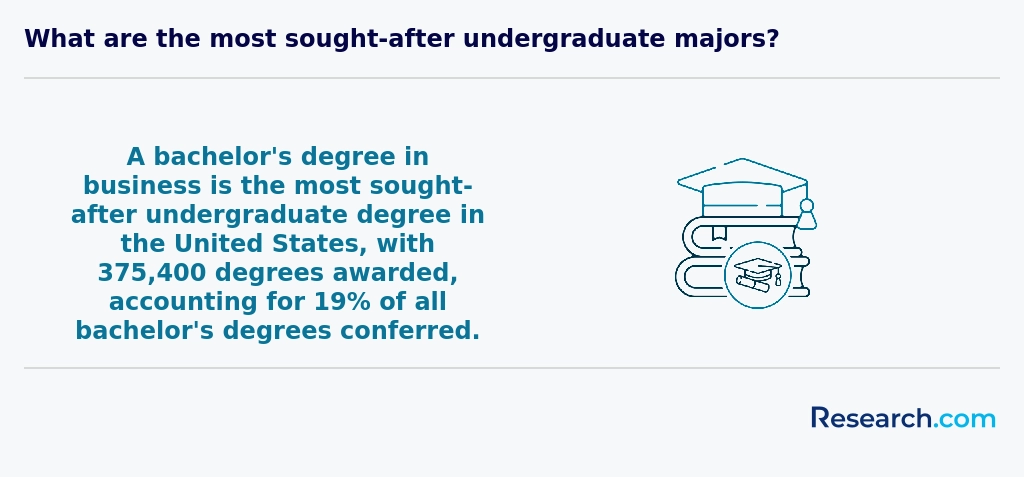
Online degree programs in Pennsylvania pair flexibility with comprehensive support to ensure student success. Accredited institutions offer targeted services designed for remote learners.
- Academic advising and virtual tutoring for personalized guidance
- 24/7 technical support to resolve digital issues promptly
- Digital library access and research databases for course projects
- Career counseling, resume workshops, and networking events
- Peer forums and mentorship programs to foster community
To explore cost-effective options with quality support, consider the most affordable online colleges.
Many online students in Pennsylvania find that accessing federal financial aid is the first crucial step to making their education affordable. Applying through FAFSA opens doors to Pell Grants worth up to $7,395 per year-funds that feel like a lifeline for graduates from schools like Penn State World Campus who juggle work and study. These grants don't need to be repaid, creating a sense of relief and possibility.
State aid also plays a significant role. The Pennsylvania State Grant, averaging $4,500 annually, helps many learners at institutions such as Temple University maintain momentum without drowning in debt. Imagine balancing family life with online courses, reassured that these grants ease financial stress.
Some students leverage specific scholarships or discounted online tuition rates offered by schools like Drexel University, tailored to recognize achievements or support military personnel, which often sparks feelings of pride and validation.
Federal and private loans remain options but with the cautionary reality that Pennsylvanian graduates often face roughly $29,000 in debt, underscoring the need for mindful borrowing and long-term planning while pursuing online programs.
Earning an online degree in Pennsylvania opens many doors in diverse industries. From corporate offices to innovative startups, online graduates are highly sought after in sectors such as healthcare, technology, education, and business. With flexible programs that equip you with both hard and soft skills, you can pursue roles in project management, IT, public administration, or even emerging fields like data analytics. Additionally, many online programs emphasize career services, connecting students with industry partnerships and alumni networks that ease the transition from virtual classrooms to real-world environments. For example, if budget is a consideration, you might explore our detailed analysis of affordable online general programs in pennsylvania to find opportunities that balance cost and career benefit. Whether you’re eyeing a leadership role, a technical position, or a creative career path, your online education serves as a foundation for a rewarding professional future.
Enrolling in an online degree program in Pennsylvania isn't just about submitting an application; it demands readiness grounded in clear prerequisites. Graduates from well-known schools like Penn State or Temple University often share how holding a high school diploma or GED was just the start-official transcripts played a critical role in proving their academic background. Many found that having at least a 2.0 GPA opened doors, reflecting a balance between challenge and achievable goals within the state's educational landscape.
Some students were relieved that standardized tests like the SAT or ACT had become optional, which eased anxiety and allowed focus on their passions. Yet, others pursuing competitive or graduate programs felt the weight of letters of recommendation and statements of purpose, illustrating how these requirements can deepen your application and reflect personal commitment.
In Pennsylvania, the financial and technological readiness factors also shape the journey. Graduates frequently advise prospective students to prepare for tuition ranging from $15,000 to $30,000 and to ensure reliable internet access, making their online learning both smooth and empowering.
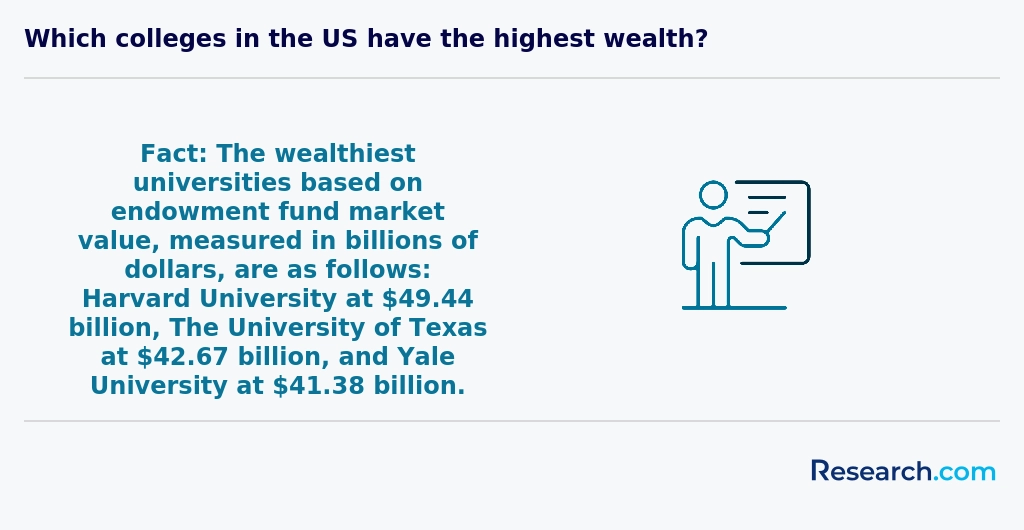
Our analysis of the fastest online degree programs in Pennsylvania reveals several standout trends and actionable insights:
- Top Accelerated Programs: 1. Penn State World Campus – Bachelor of Business Administration (avg. completion: 3.8 years) 2. Drexel University – B.S. in Information Technology (avg. completion: 3.9 years) 3. Temple University – B.S. in Nursing (avg. completion: 4.0 years)
- Average Completion Time: Across the ranked programs, students finish bachelor’s degrees in under four years, with associate degrees averaging 1.8 years and master’s degrees just 1.5 years.
- Cost Efficiency: The median tuition for these accelerated programs is $18,500 per year, lower than the state’s online average of $20,124, making them both fast and affordable.
- High-Demand Fields: Business administration, IT, nursing, and education dominate the top spots, reflecting strong employer demand and robust starting salaries (often exceeding $60,000 for bachelor’s graduates).
- Flexibility & Support: Programs scoring highest on our index combine asynchronous coursework with dedicated academic advising, tech assistance, and robust career services.
- Student Success Metrics: Graduation rates for these fast-track programs average 78%, and post-graduation employment rates exceed 85% within six months of degree completion. For those eager to compress timelines even further, consider exploring our fast track bachelor degree online offerings, which feature intensive term structures and stackable credentials to help you enter the workforce sooner.
General education courses form the backbone of online degree programs in Pennsylvania, providing a solid foundation that transcends specific disciplines. Within programs at well-regarded institutions, graduates often describe discovering newfound confidence through classes in English composition, mathematics, and social sciences. These courses push beyond rote learning; they sharpen critical thinking and quantitative reasoning skills essential for today's complex job market. For those seeking affordable online college courses Pennsylvania offers, these foundational classes are consistently valued for their wide applicability across professions.
In practical terms, a student at a popular Pennsylvania college might find themselves analyzing contemporary social issues, solving statistical problems, or crafting persuasive arguments-experiences that cultivate adaptability and clear communication. Such skills prove indispensable regardless of whether one pursues business, healthcare, or information technology majors later on. Indeed, graduates reflect that these early courses enabled them to engage more deeply in their upper-level studies and professional lives.
For students hunting for the fastest online degree programs in Pennsylvania, the combination of general education with major-specific coursework provides a robust educational journey. Exploring pathways like the easiest master's degrees often begins with mastering these cornerstone topics, demonstrating their vital role in academic and personal growth.
Choosing the best online degree program in Pennsylvania means looking beyond just rankings or flashy advertisements. Graduates from well-known Pennsylvania colleges often share how much the accreditation mattered-knowing their credits transferred smoothly and employers recognized their degree provided real peace of mind. Regional accreditation, especially from the Middle States Commission on Higher Education, remains a non-negotiable factor that can impact your future in ways you might not initially see.
Consider the daily realities of your schedule. Many students balancing work and family found the asynchronous course design empowering, allowing them to study on their own terms. Schools in Pennsylvania are adapting their curriculum to accommodate these needs, so finding a program with that flexibility is a must for a fulfilling experience.
Don't overlook the financial side. Looking into affordable online degree programs Pennsylvania boasts can save you significant stress. For instance, state grants through PHEAA and careful comparison of tuition at popular universities can open doors to education without overwhelming debt.
Finally, for those eager to speed through their studies, see if you qualify for a fast track bachelor degree online-many learners praise how this direction pairs challenge with efficiency, setting them up for career success sooner rather than later.
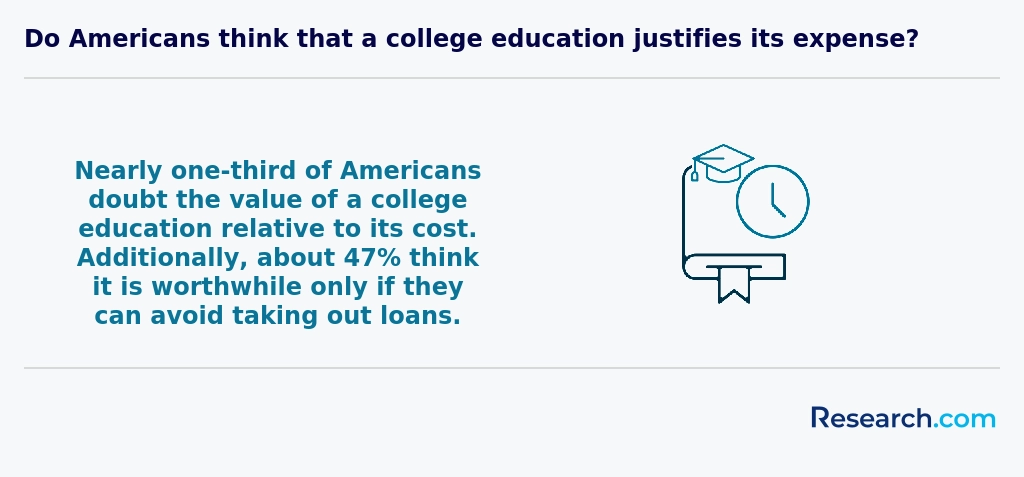
Graduates earning an online degree career options Pennsylvania discover a vast array of pathways seldom limited by geographic constraints. For example, some graduates from well-known institutions like Penn State World Campus have channeled their learning into healthcare roles, thriving as registered nurses and health services managers who balance frontline duties with advanced strategic responsibilities. These real-life successes illustrate how Pennsylvania's healthcare sector values online graduates equipped with flexible yet rigorous training.
In cities such as Pittsburgh and Philadelphia, online degrees from local universities have propelled graduates into the booming technology field, from cybersecurity specialists to software developers. Their stories challenge the traditional mindset that remote learning hinders hands-on experience, proving instead that innovation hubs actively seek the fresh perspectives these digitally trained professionals bring. This connects directly to the best jobs for online graduates Pennsylvania, merging technological growth with accessible education.
Consider also the sector of education, where online degree holders become transformative agents within K-12 systems or adult education programs, their credentials recognized and respected statewide. Business and public administration roles similarly welcome these graduates, who often leverage programs supported by Pennsylvania's strong economy. Aspiring students exploring affordable pathways can consult resources such as the Low Cost Online Colleges Programs Ranking in Colorado Springs, CO to map out their own financial strategies within these opportunities.
The job market for online general degree holders in Pennsylvania is often underestimated, yet it reveals surprising strength and opportunity. Graduates from institutions like Penn State World Campus and Temple University Online report landing meaningful roles across healthcare, technology, and education sectors, reflecting a robust demand for versatile skills. While many assume that online degrees are secondary to traditional ones, Pennsylvania employers increasingly acknowledge their value-especially when aligned with key regional industries. This evolving recognition in the Pennsylvania online graduates employment outlook proves transformative for many, turning initial doubts into confident career advancements.
Consider a graduate from a prominent online business program in Philadelphia who leveraged internships and networking to secure a position in a growing logistics firm, a pathway that connects educational effort to tangible economic outcomes. The diverse job opportunities complement Pennsylvania's economic landscape, and those exploring their options would benefit from reviewing college degrees with best job outlook. The online degree job opportunities in Pennsylvania thus extend well beyond mere convenience, embodying a gateway to stable, rewarding careers grounded in the state's dynamic market.
2027 Fastest Online Colleges Programs Ranking in Pennsylvania
Investing in your education is a significant decision that can shape your future, and the Research.com team understands the importance of making informed choices. To support prospective students in Pennsylvania, we have carefully developed the "2027 Fastest Online Colleges Programs Ranking in Pennsylvania." Our dedication to quality, credibility, and accuracy is evident in the thorough research and rigorous analysis conducted to produce this ranking.
We utilized the following reputable data sources to ensure a comprehensive evaluation of online college programs:
By exploring this ranking, readers will obtain valuable insights into the fastest online programs in Pennsylvania, enabling them to make well-informed educational decisions aligned with their goals. For more information on how this ranking was created, please visit our Research.com methodology page.


# 15 position
Slippery Rock University of Pennsylvania
Master of Special Education - School Supervision


Frequently Asked Questions
Students in Pennsylvania can maximize their online learning experience by leveraging local resources and structured study habits. According to the Pennsylvania Department of Education, utilizing state-sponsored tutoring and academic support services available through many public universities can significantly improve outcomes.
Engaging actively in virtual discussion boards and group projects enables deeper comprehension and peer connection, which research from the Online Learning Consortium shows increases retention rates by up to 25%. Additionally, time management is crucial; experts recommend creating a dedicated study schedule that aligns with personal and professional commitments.
Access to Pennsylvania's extensive public library system also offers free digital resources and research databases valuable for coursework. Finally, students should seek faculty mentorship and career services offered online to enhance both academic and professional development in their chosen fields.
After completing an online degree in Pennsylvania, preparing for the job market involves building relevant skills and experience. According to the Pennsylvania Department of Labor & Industry, industries like healthcare, technology, and manufacturing show strong job growth, so tailoring your resume to these sectors can improve your chances.
Networking is crucial. Joining professional associations and local career fairs enhances connections with employers. Additionally, utilizing Pennsylvania's career services and job portals, such as PA CareerLink, provides access to job listings and training programs.
Internships, certifications, and volunteer work related to your field can further boost employability.
Employers in Pennsylvania consistently prioritize a blend of technical and soft skills when hiring graduates. According to a 2023 report by the Pennsylvania Department of Labor & Industry, critical thinking and problem-solving rank among the top skills sought.
Communication skills, both written and verbal, are highly valued across industries from healthcare to technology. Additionally, adaptability and teamwork are crucial due to the state's diverse economic sectors.
In STEM fields, proficiency in data analysis and digital literacy is increasingly important. The Pennsylvania State System of Higher Education emphasizes the need for graduates who can apply technology effectively in their roles.
Overall, employers expect graduates who combine specialized knowledge with strong interpersonal abilities.
Finding internships in Pennsylvania involves leveraging multiple resources that connect students with local employers. Many universities, including online programs, offer career services that post internship openings and provide guidance on applications. The Pennsylvania Department of Labor & Industry also maintains job and internship listings through its career link portal, a valuable tool for students.
Additionally, professional networking platforms like LinkedIn can help identify opportunities within Pennsylvania's major industries such as healthcare, technology, and finance. According to the Bureau of Labor Statistics, Pennsylvania hosts over 12,000 businesses in tech and healthcare sectors combined, offering numerous internships annually.
Engaging with local chambers of commerce and attending virtual career fairs can increase prospects. Finally, reaching out directly to companies or nonprofit organizations helps uncover unadvertised internships that match your online degree focus.
In Pennsylvania, earning an online degree significantly impacts career mobility and advancement. According to the Pennsylvania Department of Labor & Industry, individuals with a bachelor's degree earn about 65% more on average than those with only a high school diploma. Online degrees offer flexible access to accredited programs, enabling working adults to gain qualifications without interrupting their careers.
Employers in Pennsylvania increasingly recognize reputable online degrees, especially from regionally accredited institutions. This acceptance facilitates promotions and entry into higher-paying roles across industries like healthcare, technology, and business.
The Pennsylvania Department of Education emphasizes the role of credentials in qualification for state and private sector jobs, making online degrees a practical choice for career growth.
Choosing between a thesis and a non-thesis online degree program in Pennsylvania depends largely on your career goals and learning preferences. Thesis programs emphasize original research, requiring students to produce a detailed written study, which can prepare you for doctoral work or research-intensive careers. Non-thesis options often focus on practical skills and may include more coursework or project-based learning, suitable for students aiming to enter the workforce quickly.
In Pennsylvania, many universities like Penn State and Temple offer both tracks, allowing flexibility. According to the Pennsylvania Department of Education, graduate enrollment in online programs increased by 12% in 2023, reflecting growing demand for adaptable formats.
Consider your time availability and interest in research. Thesis tracks may take longer but provide deeper expertise. Non-thesis paths offer a quicker route to degree completion, ideal for working professionals. Reviewing specific program requirements from accredited Pennsylvania institutions can aid informed decisions.
Students based in Pennsylvania who pursue online degrees can still access study abroad opportunities through their institutions. Many Pennsylvania universities with online programs partner with foreign universities, offering virtual exchange programs or short-term study abroad trips once travel conditions permit. According to the Pennsylvania Department of Education, nearly 30% of public universities in the state promote global learning experiences even for online students.
Some institutions provide hybrid models allowing online learners to complete part of their coursework abroad, often in Europe or Asia. For example, Pennsylvania State University offers global semester options that online students may apply to. These programs enrich cultural understanding while maintaining degree progress.
Financial aid and scholarships may also be available specifically for study abroad initiatives. Checking with the home institution's study abroad office is essential for up-to-date guidance tailored to Pennsylvania-based online students.
Part-time job opportunities in Pennsylvania can effectively complement your online degree education by providing practical experience and income support. In sectors like healthcare, education, and information technology, part-time roles such as medical assistants, tutoring, and tech support align well with many academic programs. According to the Pennsylvania Department of Labor & Industry, healthcare and IT positions are among the fastest-growing job categories in the state.
Many universities also encourage students to seek on-campus or remote research assistantships, which enhance academic skills and professional networks. Retail and customer service positions remain common but may offer less direct relevance to degree studies. Exploring internships and cooperative education programs is advisable for tailored career development.
Online students in Pennsylvania have access to a variety of networking opportunities despite not being on campus physically. Many Pennsylvania institutions offer virtual career fairs, webinars, and alumni networking events designed to connect students with industry professionals and peers. Platforms like the Pennsylvania State System of Higher Education's online portals enable students to engage with faculty and fellow learners easily.
Local professional associations and groups, including those in fields like healthcare, technology, and business, often host online and hybrid events accessible to students statewide. According to the Pennsylvania Department of Education, over 70% of public universities now provide such digital engagement.
Alumni networks play a vital role for students pursuing online degrees in Pennsylvania. These networks connect current students with graduates who have navigated similar academic and career paths. According to the Pennsylvania Department of Education, many universities maintain active online alumni communities, enhancing mentorship and job placement opportunities.
Through alumni events and online platforms, students can access exclusive internships and local job openings, particularly in Pennsylvania's growing sectors, such as healthcare and technology. Research from the National Association of Colleges and Employers shows that 85% of jobs are filled through networking, making alumni connections especially valuable for remote learners.
Furthermore, alumni often provide career advice, professional development resources, and financial support through scholarships, which can help online students advance their education and careers within the state.
Customizing an online degree program in Pennsylvania allows students to align their education with specific career goals. Many Pennsylvania institutions offer flexible curricula where students can choose electives, minors, or concentrations that match their professional interests.
For example, schools like Penn State World Campus provide options to specialize within broader fields, such as business or healthcare. Additionally, students can often engage in practical experiences through internships or project-based courses, gaining relevant skills.
State data from the Pennsylvania Department of Education highlights that approximately 60% of online students tailor their programs to enhance career readiness. Advisors play a critical role in helping students select courses that complement industry demands in Pennsylvania's diverse economy.
Online students in Pennsylvania often face challenges related to time management and balancing coursework with personal and professional responsibilities. Many learners juggle full-time jobs or family duties, which can limit study hours and affect academic performance.
Access to reliable high-speed internet varies in the state, especially in rural areas, creating connectivity issues that hinder participation in live sessions or timely submission of assignments. According to the Pennsylvania Broadband Development Authority, over 900,000 residents still lack adequate broadband access.
Additionally, some students encounter difficulties with self-motivation and limited face-to-face interaction, which can impact engagement and retention rates. Technical literacy is another barrier, as not all learners are equally comfortable navigating digital platforms used by institutions.
Writing a winning application for an online degree program in Pennsylvania begins with thorough research. Understand the specific requirements of each college, as Pennsylvania institutions like Penn State World Campus and University of Pennsylvania may have unique criteria. Strong applications clearly highlight your academic achievements, work experience, and motivation for choosing online study.
Personal statements should reflect your goals and how the program fits your career plans. According to Pennsylvania's Department of Education, clear, concise, and well-structured essays improve admission odds significantly. Be sure to meet all deadlines and submit all required documents, including transcripts and letters of recommendation.
Additionally, standardized test requirements vary; many Pennsylvania colleges have test-optional policies for online learners, easing application pressures. Use available resources such as Pennsylvania's Higher Education Assistance Agency for guidance. Proofreading and tailoring each application to the institution can also boost chances of acceptance.
Many online degree programs in Pennsylvania offer practical experience through internships, cooperative education, and project-based courses. These opportunities allow students to apply theoretical knowledge in real work settings while completing their studies remotely.
According to the Pennsylvania Department of Education, several accredited institutions maintain partnerships with local businesses and organizations, facilitating virtual or in-person internships that align with online coursework.
Additionally, some programs include practicum components, especially in fields like nursing, education, and social work, where hands-on experience is essential for licensure and skill development.
Engaging in Pennsylvania's extensive network of industry associations and professional groups can further enhance practical skills and networking possibilities.
When choosing a concentration within an online degree program in Pennsylvania, start by evaluating your career goals and interests. Research fields that are growing locally, such as health care, information technology, and business, which align with Pennsylvania's expanding job market. According to the Pennsylvania Department of Labor, STEM-related roles are projected to grow by 12% through 2030.
Consider programs that offer hands-on virtual experiences and internships, which can enhance practical skills even from a distance. Look for accredited institutions recognized by the Middle States Commission on Higher Education to ensure quality.
Also, verify if the concentration matches licensure or certification requirements in Pennsylvania, especially in areas like education or nursing.
- 2027 Fastest Online Colleges Programs Ranking in New Jersey
- 2027 Fastest Online Colleges Programs Ranking in Delaware
- 2027 Fastest Online Colleges Programs Ranking in Maryland
- 2027 Fastest Online Colleges Programs Ranking in New York
- 2027 Fastest Online Colleges Programs Ranking in West Virginia
- 2027 Fastest Online Colleges Programs Ranking in Ohio
- 2027 Fastest Online Colleges Programs Ranking in Virginia
- 2027 Fastest Online Colleges Programs Ranking in Connecticut
- 2027 Fastest Online Colleges Programs Ranking in Rhode Island
- 2027 Fastest Online Colleges Programs Ranking in Massachusetts
- 10 Tips for Getting Your First Job After University https://euroguidance.eu/10-tips-for-getting-your-first-job-after-university
- Build Your Career with a Goal-Oriented Development Plan – Step by Step https://sundancecollege.com/blog/goal-oriented-career-development-plan-guide/
- Study Abroad Programs | Go Overseas https://www.gooverseas.com/study-abroad
- New Research on Challenges PA Students Experience from Application Through Completion - AAPA https://www.aapa.org/news-central/2022/12/new-research-on-challenges-pa-students-experience-from-application-through-completion/
- 5 Steps to Align Your Career Goals with University and Degree Selections https://www.dwtutoring.com/post/5-steps-to-align-your-career-goals-with-university-and-degree-selections
- Online Degree vs. Traditional: Choosing the Right Path https://beal.edu/online-degree-vs-traditional/
- Need a job without a degree? These 7 open PA government roles offer up to $86K a year https://www.centredaily.com/news/state/pennsylvania/article287943165.html
- Best Online Colleges In Pennsylvania 2025 https://www.affordablecollegesonline.org/online-colleges/pennsylvania/
- Four Career Benefits to Completing Your Degree | Elmhurst University "Elmhurst University" Blog https://www.elmhurst.edu/blog/four-career-benefits-to-completing-your-degree/
- How to Choose a Master’s Concentration: Step-by-Step Guide (2026) https://degreefromanywhere.com/choosing-a-concentration/





