2027 Easiest Online Colleges Programs Ranking in the Midwest

Co-Founder and Chief Data Scientist
Choosing the right online college program can feel overwhelming, especially when balancing work, family, and life in the Midwest. This article presents the 2027 Easiest Online Colleges Programs Ranking in the Midwest, created by the Research.com team of data scientists. It's designed to help you make a clear, informed choice based on thorough data analysis.
Exploring these programs can open doors to a brighter future, offering flexible learning without sacrificing quality. Whether you're starting fresh or advancing your career, discovering the easiest paths can boost your confidence and motivation to earn that degree.
Key benefits of getting online degrees in the Midwest
- Graduates in the Midwest with a bachelor's degree earn an average of $57,000 yearly, while those with a master's can see salaries rise to about $75,000, showing clear financial growth with higher degree levels.
- A University of Illinois online business graduate often starts in roles like marketing analyst or project manager, leading to rewarding careers with strong advancement opportunities.
- An online nursing degree from Indiana University allows flexible study, enabling students to balance work and family, often accelerating career progress compared to traditional programs.
- 2027 Easiest Online Colleges Programs Ranking in the Midwest
- What can I expect from online degrees in the Midwest?
- How much can I make with online degrees in the Midwest?
What can I expect from online degrees in the Midwest?
Enrolling in an online degree in the Midwest typically means access to programs that balance academic rigor with flexibility. Graduates from the University of Illinois often share how recorded lectures combined with live discussions created a learning pace that accommodated full-time jobs and family commitments. The use of platforms like Canvas or Blackboard ensures smooth interaction with professors and peers, helping maintain engagement despite the physical distance.
Cost-conscious students appreciate that tuition rates, such as those at Ohio State University, are generally more affordable than coastal alternatives, making higher education attainable without excessive debt. Several graduates report relief in securing financial aid or employer assistance, reducing the financial strain often feared with online programs.
Accreditation remains a vital consideration; schools accredited by the Higher Learning Commission provide reassurance about credit transferability and employer recognition. Some students have noted confusion initially when verifying accreditation but found local advisors helpful in clarifying these concerns.
Support services tailored for online learners-including tutoring and career counseling-are frequently highlighted by graduates from Michigan State University as essential in replicating the campus experience and boosting confidence through guided support.
How much can I make with online degrees in the Midwest?
Graduates from online degree programs in the Midwest often see median annual wages between $50,000 and $65,000, depending on their field and degree level. For example, those with bachelor's degrees from institutions like the University of Illinois Urbana-Champaign or Ohio State University typically report salaries in this range. Many graduates express satisfaction with how their online education has enhanced their earning potential, especially in business or healthcare sectors.
Graduate degrees offer even greater financial rewards. Alumni holding master's degrees from schools like the University of Michigan or Indiana University often secure positions paying between $70,000 and $100,000. One midwestern graduate recalled moving into a healthcare administration role that nearly doubled their income compared to their bachelor's level job.
However, it's important to recognize that salaries vary by geography; urban areas such as Chicago or Minneapolis can boost earnings by 10-15% over rural regions. While some sectors like manufacturing may offer lower pay, fields such as supply chain management provide competitive salaries around $60,000 to $80,000, making online degrees valuable investments for many students.
- Tuition for online degrees at public Midwest institutions ranges from $8,000 to $12,000 per year for in-state students, which is lower than the national average.
- Online programs in the Midwest are fully accredited, often through the Higher Learning Commission, making credits transferable and degrees nationally recognized.
- Starting salaries after graduation average around $45,000 annually, with healthcare, IT, and education offering higher entry-level wages.
- Mid-career salaries for graduates typically reach $70,000 to $75,000, influenced by major and location, especially in cities like Chicago and Minneapolis.
- Midwest online degrees emphasize practical skills, especially in technical and healthcare fields, catering to working adults needing flexible learning options.
- Many programs provide student support such as career counseling and internship placement to assist in job market transition.
Completing an online bachelor's degree in the Midwest typically takes around four years of full-time study, though many students find this timeline varies widely based on their personal circumstances. For example, graduates from the University of Illinois Springfield often report balancing jobs and family, extending their studies to five or six years through part-time enrollment. This flexibility can be a positive aspect, allowing students to progress without overwhelming stress.
Online associate degrees in the region generally require about two years, but accelerated options-like those at Western Governors University-enable motivated students to finish in 18 months by leveraging competency-based education. This approach supports learners who prefer to move at their own pace, often boosting confidence and satisfaction.
Master's programs vary significantly; an MBA might take two years full-time but longer if pursued part-time. Graduates appreciate how transfer credits from Midwest community colleges reduce their course load, meaning some complete their degrees faster than expected. These adaptable options underscore the importance of aligning study plans with individual lifestyles and goals.
Midwest online colleges often offer specializations that align with regional industry needs:
- Business Administration: leadership, finance and marketing fundamentals
- Healthcare Management: administration roles in hospitals and clinics
- RN-to-BSN: advanced nursing credentials with virtual and in-person practicum options
- Cybersecurity & IT: network security, cloud computing and systems administration
- Data Analytics: statistics, machine learning and database management
- Education & Instructional Design: K–12 teaching methods and online curriculum development
- Social Work & Counseling: community outreach, mental health and case management
- Psychology: general psychology, developmental and industrial-organizational tracks
- Engineering Management: project leadership, quality control and process optimization
Many programs allow credit transfer or prior learning assessments to shorten your path. For accelerated options, consider the fastest degree to get online.
Graduates from popular Midwest institutions, such as the University of Illinois and Michigan State University, often reflect on distinct experiences between online and on-campus degrees. Online students appreciate the flexibility to study after work or family time without commuting across large states like Illinois or Michigan, which can otherwise be draining. For example, a working parent pursuing a degree online enjoyed managing assignments late at night while their children slept, highlighting how asynchronous learning fits into busy daily routines.
Conversely, those who attended on-campus programs at institutions like Ohio State University emphasize the immediate connection with professors and peers. Being able to pop into a study group or library in Columbus enhanced their motivation and helped build lasting networks. While on-campus students value these spontaneous interactions, they sometimes felt constrained by rigid class schedules and daily travel across sprawling campuses.
Financially, many online graduates mention savings on commuting and on-campus fees at schools such as Indiana University. Yet some also note additional technology access costs, illustrating that online study is not universally cheaper but often more convenient for Midwestern students balancing various demands.
Accreditation is a critical factor when evaluating online colleges in the Midwest, ensuring that programs meet rigorous academic and operational standards. Regionally accredited institutions-such as those recognized by the Higher Learning Commission (HLC) or the Middle States Commission on Higher Education (MSCHE)-are generally preferred by employers, professional licensing boards, and other academic institutions for credit transfer. Key benefits of choosing an accredited online program:
- Federal financial aid eligibility: Only students attending regionally accredited schools can access Pell Grants and Direct Loans.
- Credit transferability: Courses completed at accredited institutions are more likely to transfer to other colleges or count toward graduate degrees.
- Employer recognition: Accredited degrees signal to recruiters that you’ve received an education aligned with industry expectations. To verify accreditation and quality assurance: 1. Visit the U.S. Department of Education’s Database of Accredited Postsecondary Institutions and Programs (DAPIP). 2. Confirm both institutional and programmatic accreditation-especially for specialized fields like nursing, business, or technology. 3. Check state authorization status to ensure the program is approved for online delivery in your state. Affordability often goes hand in hand with quality. For insights on budget-friendly options in Massachusetts, explore our Low Cost Online Colleges Programs Ranking in Waltham, MA. By prioritizing accredited programs, you safeguard your educational investment and enhance your long-term career prospects.
The average cost of an online degree in the Midwest generally reflects a balance between affordability and quality, with median total costs around $28,548. For many students, especially those attending public universities, in-state tuition can significantly reduce expenses, averaging closer to $27,630. Out-of-state learners often face higher rates, with median costs near $35,068, but some public institutions offer discounted rates or scholarships to bridge this gap. For example, graduates from well-known Midwestern public universities report feeling satisfied with their investment, noting that the lower tuition fees compared to national averages allowed them to pursue degrees without overwhelming debt.
Considering Midwest online college tuition and fees, private nonprofit colleges typically charge more, yet they sometimes provide flat-rate tuition or special online discounts making their programs more competitive. Graduates from private institutions express pride in the flexibility and value of their education despite the higher sticker price. Additional costs like technology fees and course materials add to the total, so budgeting wisely is essential. Many students share how financial aid and employer tuition reimbursement helped make earning a degree more manageable.
Those pursuing associate or bachelor's degrees find costs vary widely; online associate degrees in the Midwest often range well below $10,000 annually, while bachelor's programs exceed that figure, especially for out-of-state students. Graduate students may expect starting costs near $9,000 and up. For those exploring options, Midwest schools provide a range of choices, including flat-rate plans that reward heavier course loads. Prospective students seeking some of the top online general programs in Ohio frequently mention the combination of quality and affordability as a key motivator for their decision.

When evaluating the easiest online college programs in the Midwest, accreditation serves as the cornerstone for ensuring academic rigor, credit transferability, and eligibility for federal financial aid. Most reputable Midwestern institutions hold regional accreditation through bodies like the Higher Learning Commission (HLC), which subjects programs to ongoing review of curriculum quality, faculty qualifications, and student support services. Before enrolling, confirm accreditation status on the U.S. Department of Education’s Database of Accredited Postsecondary Institutions and Programs to avoid surprises later-unaccredited programs may not qualify for federal aid or credential recognition by employers. Accreditation also influences the transfer of credits between institutions. Regionally accredited schools typically accept transfer credits from one another, reducing wasted tuition on repeated coursework. Moreover, many graduate admissions committees require an undergraduate credential from an accredited institution, so choosing a properly accredited online program lays the groundwork for future advancement. To see how accreditation drives program credibility across degree levels, you might compare these principles with accelerated formats such as one year doctoral programs online, which demand stringent oversight to maintain quality while condensing traditional timelines. Key considerations when reviewing accreditation details: • Agency scope: Ensure the accreditor is recognized by the Council for Higher Education Accreditation (CHEA) or U.S. Department of Education. • Programmatic vs. institutional: Some fields (e.g., nursing, business) have additional specialized accreditors-look for both institutional and programmatic seals. • Renewal cycle: Check the next review date; accreditation on probation or with conditions may indicate underlying concerns. By prioritizing accredited online programs in the Midwest, you safeguard your investment, maintain academic mobility, and uphold eligibility for financial aid and professional licensure.
Online students in the Midwest benefit from several financial aid options that help ease the burden of tuition. Federal aid like Pell Grants, which capped at $7,395 in recent years, plays a crucial role for many pursuing degrees from institutions such as the University of Illinois or Ohio State University. Graduates often recall how these grants significantly lowered their out-of-pocket costs, making education more attainable.
State-specific programs add another layer of support. For instance, Illinois' Monetary Award Program (MAP) provides need-based grants averaging around $4,000 annually, which has enabled many learners balancing work and study to stay enrolled without excessive debt. Similarly, Indiana's 21st Century Scholars program offers tuition coverage at approved schools, including online options, reducing financial stress for residents pursuing degrees from schools like Purdue University.
Beyond grants, universities offer scholarships and flexible payment plans tailored for online learners. Many working professionals find employer tuition assistance invaluable, transforming their educational aspirations into reality. However, while these aids provide relief, students must remain proactive in exploring all options, including federal work-study and private scholarships often overlooked yet essential for supplementing funds.
For a successful online education experience in the Midwest, it’s essential to adopt strategies that help you stay organized, motivated, and engaged throughout your program. Start by developing a structured schedule that balances coursework, personal commitments, and professional responsibilities. Establishing a dedicated study space free from distractions can significantly enhance focus and productivity. Additionally, take advantage of digital tools such as calendar apps, project management software, and learning management systems to track assignments and deadlines. Interacting with faculty and peers is also critical for building a robust support network. Participate in discussion forums, virtual study groups, and online events to create connections with classmates and instructors. Many universities offer mentorship programs and academic advising services designed to help online learners navigate both technical challenges and academic expectations. Embracing these resources can provide you with the encouragement and guidance needed to overcome obstacles during your studies. Financial planning is another cornerstone of thriving in online programs. Research funding opportunities including scholarships, grants, and federal financial aid to ensure that your investment in education remains cost effective. It’s also worthwhile to explore options such as cheap accelerated bachelors degree programs online to align your academic goals with a budget that meets your financial needs. Moreover, continually track and assess your progress by setting measurable goals. Celebrate small achievements to build momentum, and do not hesitate to seek academic or technical support when challenges arise. By actively engaging in your online learning journey, you not only build a strong academic foundation but also develop self-discipline and time management skills that are highly valued in today’s competitive job market. Ultimately, the key to success lies in leveraging the available resources, remaining proactive in communications with your educational community, and persistently striving to maintain a balance between learning and life’s other demands. These actionable tips can empower you to excel in an online setting, ensuring that the unique flexibility of digital education translates into a fulfilling and rewarding academic experience.
To enroll in an online degree program in the Midwest, most students first meet the basic requirement of having a high school diploma or GED for undergraduate studies. For graduate programs, a completed bachelor's degree is essential. Many applicants from Midwest institutions find that submitting official transcripts and demonstrating a minimum GPA-often between 2.0 and 3.0-is key to advancing through the admissions process.
Standardized testing requirements vary. For example, some graduates from large public universities in the region appreciate how test-optional policies reduce stress and widen access, while others preparing for competitive scholarships still gather ACT or SAT scores to strengthen their applications.
Practical aspects like financial readiness also come into play. Graduates recall budgeting for tuition costs averaging $9,000 to $12,000 annually at Midwestern public universities, and emphasize the importance of completing financial aid paperwork such as the FAFSA early.
Applicants should also consider technical readiness. Success stories often mention the ease provided by a reliable internet connection and familiarity with digital platforms, which many universities offer orientation sessions to support. Letters of recommendation and personal statements remain valuable, especially for specialized or graduate programs, capturing motivation and determination in real, relatable ways.
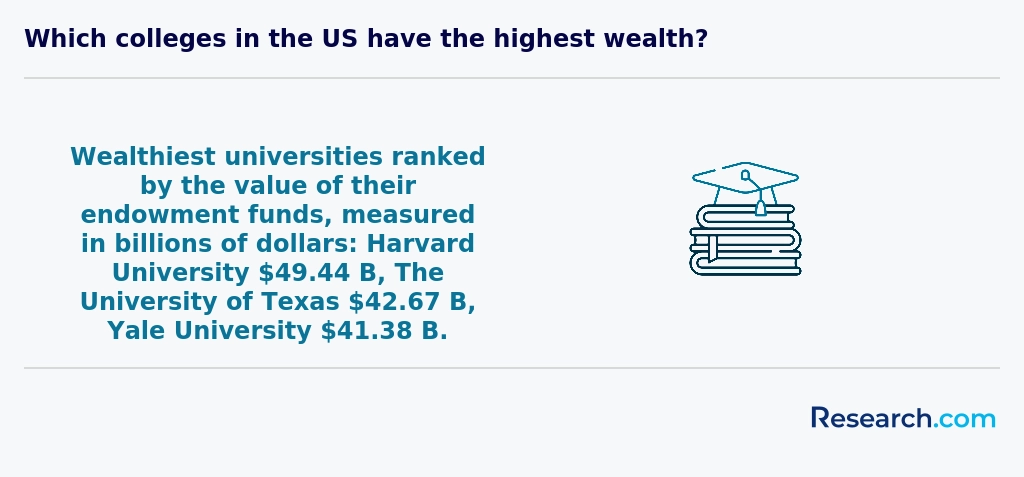
Online degree courses in the Midwest typically start with a robust set of general education classes that build essential skills before diving into majors. Graduates from well-known universities often recall how foundational courses like English composition sharpened their communication, while college algebra or statistics developed their analytical thinking. These broad subjects, which also include social sciences like psychology or economics and natural sciences such as biology or chemistry, create a versatile academic base applicable across careers.
Students in Midwest online college program curriculum appreciate the flexibility that allows them to balance work and study while gaining knowledge relevant to the local job market. For example, a graduate from a prominent Midwest college highlighted how integrating real-world examples in social sciences courses deepened their understanding of community issues and economics.
Those looking for more targeted learning within business, education, or technology find programs adapt well to practical demands. With an emphasis on applied skills, these curricula often blend theory with hands-on projects. Prospective learners interested in pursuing affordable and efficient pathways may explore cheap accelerated bachelors degree programs online that align well with regional workforce needs.
Choosing the best online degree program in the Midwest requires balancing several practical aspects without relying solely on reputation. Graduates from popular Midwestern universities often emphasize the importance of accreditation, which guarantees that their degree holds value in competitive job markets. Yet, some caution that accreditation alone doesn't ensure the program fits personal needs, especially when juggling work and family obligations.
Flexibility in course scheduling is crucial; many students point to asynchronous classes as lifesavers, allowing learning on their own terms amid busy lives. Those pursuing the best affordable online degrees Midwest appreciate public institutions' lower tuition, but also wisely explore scholarships and support services that significantly ease financial strain. Graduates from colleges known for top online college programs Midwest mention how strong academic advising and career counseling helped them stay motivated and succeed.
Additionally, evaluating graduation rates and retention reveals a program's real-world impact. Some students, inspired by schools with rates above 60%, find encouragement to persevere. For those who want accelerated options, looking into one year doctoral programs online can provide an efficient path aligned with their ambitions and lifestyle.
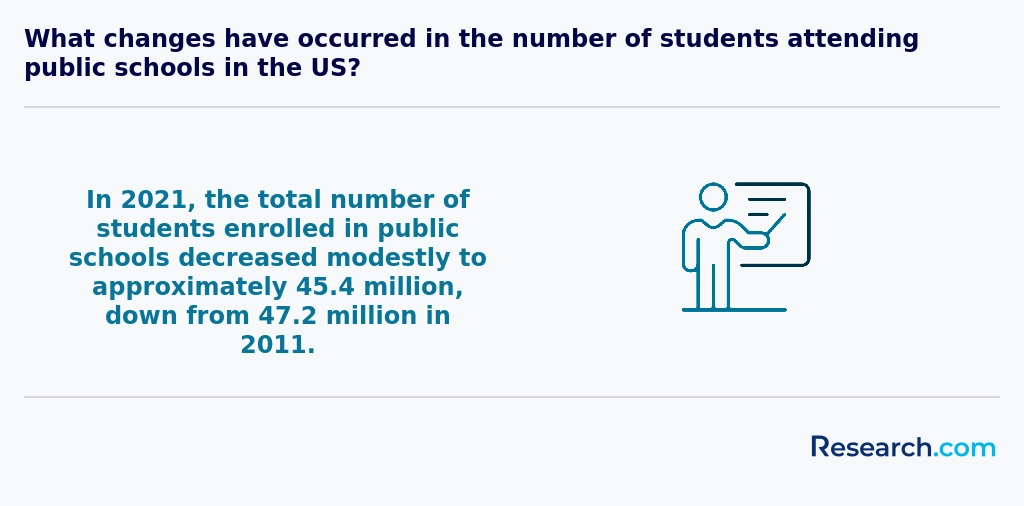
Graduates earning online degrees in the Midwest find diverse career paths shaped by the region's economic landscape. Many alumni from Midwest universities report strong employment outcomes in healthcare and nursing roles, reflecting sustained demand in hospitals and clinics. This aligns with the expanding healthcare sector and growing interest in flexible, technology-enhanced learning. Meanwhile, a graduate with an online business management degree from a Midwestern college might venture into marketing or finance in cities like Indianapolis, where digital commerce is flourishing.
Importantly, the best online degree career options Midwest graduates pursue often include IT and cybersecurity, leveraging proximity to tech hubs like Chicago and Columbus. Graduates appreciate the blend of innovation and practical job growth, though some note competition can be stiff. Similarly, education and social services attract graduates committed to community impact, often facilitated by online programs offering teaching certifications recognized regionally.
For those weighing choices, exploring Low Cost Online Colleges Programs Ranking in Waltham, MA can aid in making informed decisions. Overall, graduates from Midwest online colleges report positive experiences transitioning into fields such as engineering and manufacturing, sectors closely tied to the region's logistical advantages.
The job market for online general degree graduates in the Midwest shows promising growth, particularly in states like Illinois, Ohio, and Michigan, where industries such as healthcare, IT, education, and business management are expanding. Graduates from universities popular in the region often share positive experiences about how their online degrees helped them secure roles in these sectors, emphasizing skills over traditional degree formats. For instance, graduates with online degrees from schools like the University of Illinois or Ohio State highlight employer recognition of their digital communication and data analysis abilities, which are increasingly valued.
That said, the Midwest employment outlook for online graduates also involves challenges. Some graduates note that certain employers in smaller towns remain skeptical of online credentials, making networking and practical experience essential complements to academic programs. Still, the flexibility of pursuing a 6 month associate degree online has allowed many to balance work and study efficiently, preparing them well for this evolving market.
2027 Easiest Online Colleges Programs Ranking in the Midwest
Investing in your education is a significant decision that can shape your future, and the Research.com team understands the importance of making informed choices. To support prospective students seeking the easiest online college programs in the Midwest, we have carefully developed the "2027 Easiest Online Colleges Programs Ranking in the Midwest." Our dedication to quality, credibility, and accuracy is demonstrated through thorough research and detailed analysis underpinning this ranking.
We utilized the following reputable data sources to create a comprehensive and reliable ranking:
By exploring this ranking, readers will gain valuable insights into the most accessible online programs in the Midwest, enabling them to make confident and informed educational choices. For a deeper understanding of how this ranking was compiled, please visit our Research.com methodology page.



Frequently Asked Questions
Students in the Midwest can maximize their online learning experience by actively engaging with campus resources and local support services. Research from the National Center for Education Statistics shows that participation in virtual study groups and communication with faculty improves academic performance by up to 20%.
Midwestern universities often offer free tutoring, career counseling, and technical help to online learners, easing the challenges of remote education. Time management skills are vital; setting consistent study schedules helps students balance work, family, and school effectively. Additionally, applying for regional scholarships and financial aid available specifically in Midwestern states can reduce financial burdens and allow focus on studies.
Preparing for the job market after completing an online degree in the Midwest requires strategic planning. According to the U.S. Bureau of Labor Statistics, the Midwest has a diverse economy with strong sectors like manufacturing, healthcare, and information technology, making these important job market focuses.
Graduates should build practical skills through internships, even virtual ones, to align with employer expectations. Networking is crucial; joining regional professional groups such as the Midwest Association of Colleges and Employers can provide valuable connections. Additionally, utilizing career services offered by online colleges helps polish resumes and interview skills.
Data from the National Center for Education Statistics (NCES) indicates that employers in the Midwest increasingly value competencies over campus presence, benefiting online degree holders.
Employers in the Midwest highly value a blend of technical and soft skills among graduates. According to the 2023 Illinois Workforce Report, communication skills top the list, with 82% of employers emphasizing the need for clear and effective interaction.
Critical thinking and problem-solving abilities are also essential, particularly in industries like manufacturing and healthcare that dominate the region's economy. The Indiana Department of Workforce Development highlights that 74% of local employers prioritize these skills.
Additionally, adaptability and teamwork are prized, especially given the fast-changing nature of many Midwestern job markets. Digital literacy is increasingly demanded, reflecting the growing integration of technology in all sectors.
Finding internships in the Midwest involves leveraging several practical strategies tailored to the region. Start by exploring university career centers, which often provide access to exclusive internship listings and employer connections in states like Illinois, Ohio, and Michigan.
Online platforms such as Handshake and Internships.com are widely used by Midwest students and employers, offering thousands of opportunities across industries. According to the National Association of Colleges and Employers (NACE), Midwest employers have increased internship postings by over 8% in recent years, reflecting growing demand.
Networking events, both virtual and in-person, held by regional chambers of commerce or industry groups, are also crucial for building contacts and discovering hidden internships.
Additionally, many online degree programs from Midwest institutions integrate internship support into their curriculum, guiding students toward relevant placements.
In the Midwest, earning an online degree can significantly enhance career mobility and advancement opportunities. Employers in states like Illinois, Ohio, and Michigan increasingly recognize accredited online programs offered by regional universities.
According to the Lumina Foundation, over 40% of adult learners in the Midwest pursue online degrees to improve job prospects. Higher education attainment correlates strongly with higher earnings and leadership roles.
Fields such as healthcare, technology, and business frequently value online credentials equally to traditional degrees, especially when from reputable institutions.
A growing number of companies in the Midwest prioritize skills over location, making online degrees a viable pathway to climb the career ladder without relocating.
Choosing between a thesis and a non-thesis degree program in the Midwest depends on your career goals and learning preferences. Thesis programs typically involve original research and writing a substantial paper, ideal for students aiming for doctoral studies or research careers. Non-thesis options focus more on coursework and practical skills, appealing to those seeking professional advancement.
Midwestern universities like the University of Illinois and Ohio State offer both formats, with thesis tracks often requiring 6 to 12 credit hours of research. According to the National Center for Education Statistics, nearly 40% of Midwest graduate students choose non-thesis paths for flexibility.
Consider your time availability and interest in research before deciding, as thesis programs usually take longer to complete.
Students based in the Midwest seeking to study abroad while pursuing online degrees have several options through regional universities' international partnerships. Many institutions in states like Ohio, Illinois, and Michigan offer online programs combined with short-term study abroad opportunities. According to the Institute of International Education (IIE), nearly 40% of Midwestern colleges had programs involving travel to Europe and Asia in 2022.
These programs often include summer sessions or one-semester exchanges tailored for online learners. Some schools partner with universities abroad to provide dual credit or certificate options. Financial aid and scholarships specifically for Midwestern students studying abroad are also increasingly accessible, supporting international experience without interrupting degree progress.
Students pursuing online degrees in the Midwest often seek part-time jobs that align with their academic goals and career paths. Common opportunities include roles in local healthcare facilities, such as administrative assistants or medical billing clerks, which complement degrees in health sciences. According to the U.S. Bureau of Labor Statistics, healthcare support jobs in the Midwest are projected to grow by over 10% through 2030.
Additionally, internships or assistant positions in educational institutions provide valuable experience for education majors. Retail and customer service jobs remain widely available, offering flexible hours for students. Tech-focused students may find remote programming or IT support roles suited to their schedules and studies.
Online students pursuing degrees in the Midwest have growing access to strong networking opportunities. Many regional universities offer virtual career fairs and online student organizations to connect learners with peers and professionals. For example, institutions like the University of Illinois and Ohio State University host regular online events tailored to specific industries.
Midwestern colleges also leverage partnerships with local businesses to provide remote internships and mentorship programs. According to the National Center for Education Statistics, about 35% of Midwestern institutions have expanded their online networking resources since 2020.
Additionally, platforms like LinkedIn offer Midwestern online learners groups focused on regional job markets, facilitating valuable industry connections beyond campus.
Alumni networks play a crucial role in supporting online degree students in the Midwest by offering valuable professional connections. These networks often provide access to job opportunities, mentorship programs, and industry events tailored to regional markets. According to the National Association of Colleges and Employers (NACE), 85% of jobs are filled through networking, highlighting the importance for online students to engage with alumni.
Midwestern schools frequently emphasize strong community ties, which helps remote students feel connected despite geographic distance. Alumni can offer guidance on navigating local industries like manufacturing, healthcare, and agriculture. Participation in these networks also enhances career advancement and fosters lifelong learning among graduates.
Customizing an online degree program in the Midwest allows students to align education with specific career goals. Many Midwest institutions offer flexible curricula with concentrations or electives tailored to industries like healthcare, technology, or business. For instance, universities such as the University of Illinois and Indiana University provide multiple specialization options within their online programs.
Students can often select internships, capstone projects, or research topics relevant to regional job markets, enhancing practical skills. Additionally, some programs offer part-time or accelerated formats, helping professionals balance work and study. According to the Midwestern Higher Education Compact, approximately 68% of online students in the region customize their degree paths to meet job requirements, reflecting a strong trend toward personalized learning.
Online students in the Midwest commonly face challenges related to internet connectivity and access. Rural areas, which make up a significant portion of Midwestern states such as Iowa, Nebraska, and Kansas, often experience slower broadband speeds. According to the Federal Communications Commission's 2023 report, about 23% of rural residents in the Midwest lack access to high-speed internet necessary for smooth online learning. This digital divide can hinder real-time participation in courses and access to digital resources.
Additionally, balancing work, family, and studies is a frequent challenge. Many Midwestern students juggle full-time jobs or caregiving responsibilities, which complicates consistent engagement with online coursework.
Finally, some students find it difficult to stay motivated without face-to-face interaction. Research from the Midwestern Higher Education Compact highlights that nearly 40% of online learners in the region report feelings of isolation, affecting their retention and success rates.
Writing a winning application for a Midwest online degree program requires careful preparation and attention to detail. Begin by thoroughly researching the specific college or university's admission requirements, as these vary across institutions. The Midwest is home to over 500 colleges, many offering flexible online options suited for working adults (National Center for Education Statistics, 2023).
Highlight your academic achievements clearly, especially if your GPA is above the Midwest average of 3.0. Include any relevant work experience or certifications that align with the program. Admissions committees value applicants who demonstrate both commitment and readiness for remote learning.
Craft a concise personal statement focusing on your motivations to study online and your career goals. Midwest schools appreciate applicants who address regional employment trends, such as growth in healthcare and technology sectors.
Lastly, ensure your letters of recommendation come from credible sources familiar with your professional or academic background. Reliable endorsements can boost your chances in this competitive landscape.
Gaining practical experience while studying online in the Midwest is achievable through various means. Many Midwestern universities partner with local businesses and organizations to offer remote internships and cooperative education programs. For example, institutions in states like Ohio and Illinois often provide virtual internships that allow students to apply skills in real-world settings.
Additionally, some online degree programs incorporate project-based assignments designed to simulate workplace scenarios. According to the National Association of Colleges and Employers, approximately 60% of Midwestern employers value internship experience highly during hiring.
Volunteering remotely or participating in virtual professional networks can also enhance hands-on learning while studying online.
Choosing the right concentration within an online degree program in the Midwest begins with assessing your career goals and local job market demands. According to the U.S. Bureau of Labor Statistics, healthcare, information technology, and business sectors show strong growth in Midwestern states like Illinois, Ohio, and Michigan.
Consider concentrations that align with industries thriving in the region, such as agricultural technology in Iowa or manufacturing management in Indiana. Reviewing graduation rates and student outcomes from Midwest institutions can also guide your decision. Organizations like the Lumina Foundation report that many Midwestern online programs emphasize applied skills and regional employer connections.
Finally, evaluate your personal interests and strengths alongside available programs to ensure long-term satisfaction and success.
- Your Guide to Finding Career Training Programs - Midwest Technical Institute https://www.midwesttech.edu/resources/how-to-find-career-training-programs/
- The eight graduate skills employers want https://www.unitemps.com/career-advice/the-eight-graduate-skills-employers-want/
- From campus to career: practical advice for post-graduates facing the job market https://ufvcascade.ca/from-campus-to-career-practical-advice-for-post-graduates-facing-the-job-market/
- Breaking Barriers: Challenges Faced by First-Generation College Students - The Pell Institute https://www.pellinstitute.org/news-impact/blog/breaking-barriers-challenges-faced-by-first-generation-college-students/
- Admissions Requirements & Process | Midwestern Career College https://mccollege.edu/admissions-requirements/
- Midwestern college students face higher than average costs - Open Campus https://www.opencampus.org/2025/10/17/midwestern-college-students-face-higher-than-average-costs/
- Degrees & Programs https://www.midwestern.edu/academics/degrees-programs
- You Should Consider Attending College in the Midwest - Go Campus Scholarship Program https://gocampus.us/blog/why-study-in-the-midwest/
- Online Degree vs. Traditional: Choosing the Right Path https://beal.edu/online-degree-vs-traditional/
- Attending a University in the Midwest https://online.maryville.edu/blog/attending-university-in-the-midwest/