2027 Urban Planning Degree Concentration Outlook Report: Which Tracks Are Growing Faster, Paying More, and Hiring More Consistently

Co-Founder and Chief Data Scientist
Choosing an urban planning concentration is also a choice about cost, credibility, flexibility, and long-term return. Public, private nonprofit, private for-profit, campus-based, and online programs can lead to different debt levels and employer signals. The U. S. Bureau of Labor Statistics reported a May 2024 median annual wage of $83,720 for urban and regional planners, making concentration choice financially meaningful. This guide is for students, career changers, and working professionals who want to compare tracks, hiring patterns, and education models before committing time and money.
Key Things You Should Know
- Transportation, resilience and environmental planning, GIS/geospatial analytics, and housing policy are among the strongest growth-aligned concentrations because they connect directly to infrastructure funding, climate adaptation, data-driven government services, and affordability pressures.
- The BLS May 2024 median wage for urban and regional planners was $83,720, but salary potential often rises when a concentration adds technical skills such as GIS, transportation modeling, real estate finance, policy analysis, or public-sector project management.
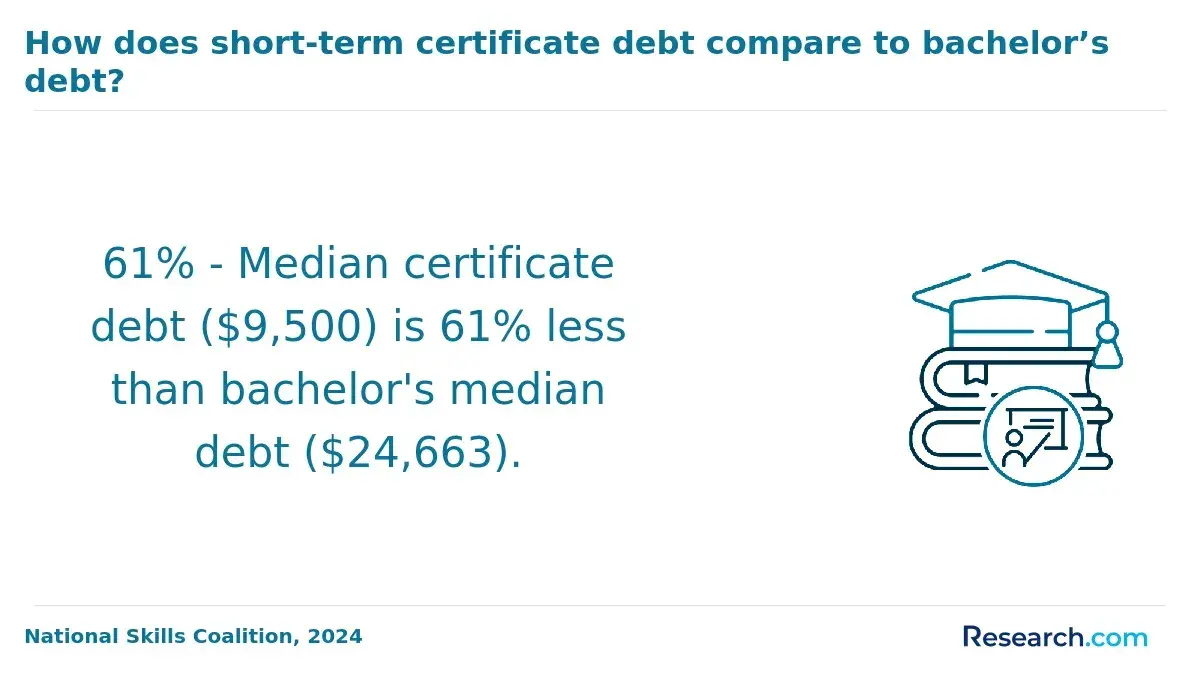
- Institution type affects ROI: College Board's 2024 data placed published tuition and fees at $11,610 for in-state public four-year students and $43,350 at private nonprofit four-year institutions, so net price, aid, transfer credit, completion time, accreditation, and placement support matter more than sticker price alone.
- Key Things You Should Know
- How Do the Major Urban Planning Degree Concentrations Compare?
- Which Urban Planning Degree Concentrations Are Growing the Fastest?
- Which Urban Planning Concentrations Offer the Highest Salary Potential?
- Which Urban Planning Concentrations Offer the Best Entry-Level Career Opportunities?
- Which Industries and Employers Hire the Most Urban Planning Graduates?
- Where Are the Best Job Markets and Remote Opportunities for Urban Planning Concentrations?
- What Skills and Certifications Increase the Value of a Urban Planning Concentration?
- Which Urban Planning Concentration Offers the Best Return on Investment?
- Which Urban Planning Concentrations Provide the Strongest Long-Term Job Security?
- Top Trending Urban Planning Rankings
How Do the Major Urban Planning Degree Concentrations Compare?
An urban planning concentration is the specialized track inside a bachelor's, master's, or certificate program that shapes the projects you can credibly pursue after graduation. Most planning roles involve land use analysis, community engagement, policy writing, zoning review, infrastructure coordination, mapping, environmental review, housing strategy, or economic development.
The best concentration depends on whether you want steady public-sector planning work, higher-paying private consulting, technical analytics, design-oriented practice, or mission-driven community development. The table below compares major concentrations by career fit, labor-market signal, and the education model that often makes the most financial sense.
| Concentration | Best fit | Common roles | Hiring signal | Institution and delivery model to compare carefully |
| Transportation planning | Students who like infrastructure, mobility, modeling, and public works coordination | Transportation planner, transit planner, mobility analyst, corridor planning associate | Strong because transportation projects are tied to federal, state, regional, and local capital programs | Public universities and urban research institutions often offer strong regional agency connections; online options work best if they include applied software and capstone work |
| GIS and geospatial analytics | Students who want a technical planning role with transferable data skills | GIS analyst, planning data analyst, spatial analyst, mapping specialist | Strong because local governments, utilities, consultants, and real estate teams need location-based analysis | Online or hybrid programs can be good value if they provide ArcGIS, QGIS, Python, remote sensing, and portfolio projects |
| Environmental, climate, and resilience planning | Students interested in adaptation, sustainability, hazard mitigation, and environmental review | Resilience planner, sustainability planner, environmental planning analyst | Growing because cities are managing flood risk, heat, wildfire exposure, and infrastructure vulnerability | Look for interdisciplinary access to environmental science, public policy, engineering, or emergency management |
| Housing, community, and equitable development | Students motivated by affordability, neighborhood stabilization, and public policy | Housing policy analyst, community development planner, grant coordinator | Consistent because housing shortages and affordability pressures keep demand active across cities and counties | Nonprofit or public programs with field placements, community partnerships, and policy clinics can provide strong practical value |
| Urban design and physical planning | Students who enjoy site planning, public space, visualization, and design review | Urban designer, design review planner, campus planner, placemaking consultant | Moderate to strong, but often more cyclical because private development activity affects hiring | Private nonprofit design schools may justify higher cost if studios, alumni networks, and portfolio support are unusually strong |
| Land use, zoning, and regulatory planning | Students who want stable local government work and policy implementation | Current planner, zoning analyst, development review planner, comprehensive planner | Very consistent because every growing jurisdiction needs permitting, zoning, and plan review capacity | Regional public programs often offer the best cost-to-placement balance for students targeting local agencies |
| Economic development and real estate planning | Students interested in market analysis, redevelopment, finance, and public-private projects | Economic development analyst, redevelopment planner, real estate research analyst | Strong in larger metros but more sensitive to interest rates and development cycles | Programs with finance, statistics, and internship access can be worth more than institutional prestige alone |
Students comparing institution types should remember that "online" is a delivery format, not a quality category. A public university can offer an online planning degree, a private nonprofit can offer a hybrid master's, and a for-profit institution can advertise flexible scheduling; the real comparison is accreditation, net cost, completion likelihood, employer recognition, and career support. Similar net-price thinking applies when comparing other professional graduate paths, such as human resources online masters, where convenience only creates value if the credential is respected and affordable.
Use the following decision filters before choosing a concentration because the cheapest program is not always the best value, and the most prestigious program is not always the best ROI.
- Choose a public in-state program when your goal is local government, regional planning, or transportation work and the school has strong agency relationships.
- Consider a private nonprofit program when it offers distinctive studios, research centers, alumni access, or placement outcomes that clearly justify the higher net price.
- Be cautious with private for-profit programs unless they have recognized accreditation, transparent outcomes, strong transfer policies, and verifiable employer acceptance in planning roles.
- Choose online or hybrid delivery when you need flexibility, but verify that the program includes applied GIS, studio, capstone, internship, or community-engaged experience.
Which Urban Planning Degree Concentrations Are Growing the Fastest?
The fastest-growing urban planning concentrations are usually the ones connected to funded public priorities, regulatory pressure, or widely adopted technology. Planning is not a single labor market: a zoning planner, GIS analyst, and resilience planner may all hold planning degrees but compete in different employer pools.
The BLS projects urban and regional planner employment to grow about as fast as the average for all occupations over the current projection period, which means students should look for concentrations that add a sharper labor-market signal than "general planning" alone. The table below ranks growth momentum qualitatively because federal labor data generally tracks occupations, not degree concentrations.
| Growth rank | Concentration | Why it is growing | Best evidence of demand | Best preparation strategy |
| 1 | Climate, resilience, and environmental planning | Communities are adapting infrastructure, land use, emergency planning, and capital projects to flood, heat, wildfire, and storm risks | Demand appears across city sustainability offices, county resilience teams, consulting firms, and state agencies | Combine planning law, environmental review, GIS, hazard mitigation, and grant writing |
| 2 | Transportation and mobility planning | Transit modernization, complete streets, safety planning, freight movement, and infrastructure grants create recurring project needs | Metropolitan planning organizations, departments of transportation, transit agencies, and engineering consultants hire consistently | Build skills in travel-demand concepts, public engagement, equity analysis, GIS, and project evaluation |
| 3 | GIS and geospatial analytics | Planning departments increasingly use spatial data for zoning, infrastructure, demographics, climate risk, and service delivery | GIS roles appear in government, utilities, engineering, real estate, and consulting, giving graduates more cross-sector mobility | Graduate with a portfolio showing maps, dashboards, spatial analysis, and reproducible workflows |
| 4 | Housing and community development | Affordability, homelessness response, zoning reform, and public funding programs keep housing policy visible | Hiring is steady in local governments, housing authorities, nonprofits, and community development financial institutions | Learn housing finance basics, land use regulation, demographic analysis, and community engagement |
| 5 | Economic development and redevelopment | Regions compete for investment, workforce growth, downtown recovery, and infrastructure-supported redevelopment | Opportunities are strongest in larger metro areas, state agencies, chambers, and consulting firms | Add real estate market analysis, fiscal impact analysis, and spreadsheet modeling |
A practical way to choose among fast-growing tracks is to ask whether the concentration has durable funding behind it. Transportation, resilience, and housing often benefit from public budgets and grant programs, while urban design and real estate planning may rise or slow with development cycles.
Students who want growth-aligned options should take these steps before enrolling.
- Review recent job postings in your target metro and count how often they mention GIS, transportation, housing, sustainability, zoning, community engagement, or data analysis.
- Ask each program which agencies, firms, or nonprofits hosted recent capstone projects or internships in your chosen concentration.
- Check whether required courses produce portfolio artifacts, not just transcripts, because employers often want maps, memos, plans, dashboards, or presentation decks.
- Compare the school's regional network with your intended job market; planning hiring is often local or regional, especially for public-sector roles.
Which Urban Planning Concentrations Offer the Highest Salary Potential?
Salary potential in urban planning depends on employer type, location, technical specialization, seniority, and whether the role is public-sector, consulting, development, or management-oriented. The BLS May 2024 median annual wage of $83,720 for urban and regional planners is a useful baseline, but it should not be read as a guaranteed outcome for any degree concentration.
The highest-paying concentrations tend to be those that combine planning judgment with scarce technical, financial, or management skills. The table below summarizes relative salary potential without implying that every graduate in a track will earn more than the occupational median.
| Concentration | Salary potential | Why it may pay more | Roles where pay can rise | Best ROI condition |
| Transportation planning | High | Large infrastructure projects require technical coordination, modeling literacy, grant compliance, and consultant support | Senior transportation planner, mobility project manager, transit planning consultant | Strong when paired with GIS, statistics, project management, and internship experience |
| GIS and geospatial analytics | High | Spatial analysis is transferable beyond planning into utilities, real estate, emergency management, logistics, and technology-enabled consulting | GIS analyst, geospatial project lead, planning data manager | Strong when the program produces a technical portfolio and software fluency |
| Economic development and real estate planning | High but more variable | Market analysis, redevelopment finance, and public-private deal support can command higher pay in large metros and consulting firms | Economic development manager, redevelopment analyst, real estate strategy associate | Strong when students develop finance, spreadsheet, and market research skills |
| Urban design | Moderate to high | Pay improves when design skills are paired with visualization, zoning expertise, and private-sector development work | Urban designer, design review specialist, planning consultant | Strong when a respected studio program helps build an employer-ready portfolio |
| Housing and community development | Moderate | Mission-driven roles can be stable but may pay less than technical consulting or real estate paths at entry level | Housing program manager, policy analyst, grant manager | Strong when lower-cost education reduces debt and the program offers agency or nonprofit placements |
| Land use and zoning | Moderate but stable | Municipal roles often provide predictable pay scales and benefits rather than rapid salary jumps | Principal planner, planning manager, zoning administrator | Strong when students attend an affordable regional program and build local government experience |
Cost matters because a higher salary track can still produce weak ROI if the degree is too expensive. College Board's 2024 pricing data shows a large gap between public in-state and private nonprofit published tuition and fees, so students should compare net price after grants, assistantships, employer tuition benefits, and transfer credit rather than relying on prestige alone.
Before paying more for a concentration with higher salary potential, compare these trade-offs.
- Borrowing more can make sense if the program has verified placement into high-paying consulting, transportation, GIS, or development roles in your target market.
- Borrowing more is risky if the concentration leads mainly to lower-paid nonprofit or public-service roles and the school offers limited scholarships or assistantships.
- A lower-cost public or online program can outperform a higher-priced private option when it offers the same accreditation, stronger local internships, and a shorter path to completion.
- A private nonprofit program may be worth the premium when its studio model, alumni network, faculty reputation, and portfolio support directly match your intended specialization.
Which Urban Planning Concentrations Have the Most Consistent Hiring Demand?
The most consistent hiring demand usually comes from concentrations tied to functions that governments and regions must perform every year: zoning review, transportation planning, infrastructure coordination, housing programs, environmental compliance, and public engagement. These areas may not always be the highest-paying at entry level, but they often provide dependable career pathways.
For consistency, employer diversity matters. A concentration is safer when it opens doors in multiple sectors rather than relying on one industry cycle. The table below compares hiring durability across common planning tracks.
| Concentration | Hiring consistency | Most dependable employers | Main risk | How to reduce the risk |
| Land use, zoning, and comprehensive planning | Very high | City and county planning departments, regional agencies, code enforcement offices | Hiring can depend on municipal budgets and civil-service timelines | Build familiarity with zoning ordinances, staff reports, public hearings, and permit review |
| Transportation planning | High | Metropolitan planning organizations, DOTs, transit agencies, engineering firms | Consulting hiring can fluctuate with project pipelines | Learn both policy planning and technical analysis to qualify for agency and consultant roles |
| Housing and community development | High | Housing authorities, local governments, nonprofits, state housing agencies | Grant-funded roles can be time-limited | Gain skills in program evaluation, compliance, housing finance, and grant administration |
| GIS and geospatial analytics | High | Government, utilities, real estate, emergency management, environmental consulting | Pure mapping roles may face competition from broader data analysts | Add Python, dashboards, database skills, and planning interpretation |
| Climate and resilience planning | Moderate to high | Sustainability offices, emergency management agencies, consultants, state programs | Some roles depend on grants or changing political priorities | Pair climate knowledge with infrastructure, hazard mitigation, and capital planning |
| Urban design | Moderate | Planning firms, architecture firms, redevelopment agencies, campus planning offices | Private development slowdowns can reduce openings | Combine design portfolio work with zoning, engagement, GIS, or visualization skills |
Students focused on stable hiring should avoid choosing a concentration based only on what sounds interesting in a course catalog. A stronger approach is to compare the track against the actual responsibilities listed in public agency and consulting job postings.
Use this checklist to test whether a concentration has consistent demand in your preferred market.
- Search job postings from city, county, regional, state, consulting, nonprofit, and utility employers rather than relying only on university career pages.
- Look for repeated skill phrases such as "staff reports," "GIS," "transportation analysis," "community engagement," "environmental review," "grant management," or "housing policy."
- Ask programs for recent internship locations by concentration, not just overall graduate employment examples.
- Prioritize tracks that let you pivot between public agencies, private consultants, and mission-driven organizations.
Which Urban Planning Concentrations Offer the Best Entry-Level Career Opportunities?
Entry-level planning opportunities are strongest when a concentration teaches concrete work products that a new hire can produce quickly. Employers are more likely to consider early-career applicants who can write a staff report, create a GIS map, summarize public comments, prepare a zoning analysis, or support a transportation or housing plan.
Many entry-level urban planning jobs ask for a bachelor's degree plus experience or a master's degree in planning, public policy, geography, environmental studies, architecture, or a related field. For long-term advancement, a master's from a Planning Accreditation Board-accredited program can be especially useful, although requirements vary by employer and role.
| Entry-level strength | Concentration | Why it is accessible | Typical first roles | Portfolio evidence to prepare |
| Very strong | Land use and zoning | Local governments regularly need junior staff to review applications, prepare memos, and support public meetings | Assistant planner, planning technician, zoning analyst | Staff report sample, zoning analysis, public meeting summary |
| Very strong | GIS and geospatial analytics | Technical skills can be demonstrated through maps and data projects even before extensive professional experience | GIS technician, planning analyst, spatial data assistant | Maps, dashboards, spatial analysis notebook, data cleaning example |
| Strong | Transportation planning | Agencies and consultants hire junior staff for data collection, public outreach, corridor studies, and grant support | Transportation planning assistant, transit planning analyst | Corridor profile, transit access map, safety analysis, outreach summary |
| Strong | Housing and community development | Many roles value policy writing, community engagement, and program support rather than advanced design credentials | Housing program assistant, community development coordinator | Housing needs memo, demographic profile, grant summary, engagement plan |
| Moderate | Urban design | Entry-level roles are available, but employers usually expect a polished visual portfolio | Urban design assistant, planning graphics associate | Site plan, streetscape concept, visualization board, design guidelines sample |
| Moderate | Economic development | Some roles expect finance, market research, or prior internship experience | Economic development assistant, research analyst | Market scan, fiscal impact memo, redevelopment case study |
Institution type can strongly affect entry-level access. A public regional program may offer better local agency pipelines than a nationally known private program if most of its internships are nearby and its faculty know municipal employers. An online program can also work well for career changers, but only if it helps students secure applied projects or internships where they live.
To improve entry-level outcomes, complete these steps before graduation.
- Create a portfolio with at least three planning work products: one policy memo, one map or data visualization, and one public-facing presentation or plan excerpt.
- Complete an internship, practicum, assistantship, or capstone with a real agency, firm, nonprofit, or community partner.
- Learn the vocabulary of your target role, including zoning codes for current planning, capital plans for transportation, or subsidy programs for housing.
- Ask career services how many planning-specific employers recruit from the program each year and whether online students receive the same support as campus students.
Which Industries and Employers Hire the Most Urban Planning Graduates?
Urban planning graduates are hired across government, consulting, real estate, infrastructure, nonprofit, and research environments. The most common employer type is still local government, but strong concentrations can widen the search to transportation agencies, environmental consultants, utilities, housing organizations, and data-driven private firms.
The BLS occupational profile for urban and regional planners shows that public-sector employment is central to the field, which is important for ROI because government roles may offer steadier benefits and loan-forgiveness eligibility even when private-sector salaries are higher. The table below shows where each concentration most often fits.
| Employer category | Concentrations they hire most | What planners do there | Best-fit institution model |
| City and county planning departments | Land use, zoning, housing, comprehensive planning, GIS | Review permits, write staff reports, manage plans, run public meetings, analyze development proposals | Affordable public or nonprofit programs with regional internship pipelines |
| Metropolitan planning organizations and DOTs | Transportation, GIS, environmental planning, equity analysis | Analyze mobility, manage long-range transportation plans, evaluate projects, coordinate public input | Public research universities, urban campuses, or online programs with strong technical coursework |
| Planning, engineering, and environmental consulting firms | Transportation, resilience, GIS, urban design, environmental review | Support client projects, conduct analysis, prepare reports, facilitate engagement, manage deliverables | Programs with applied studios, software training, and strong professional networks |
| Housing authorities and community development nonprofits | Housing, community development, equitable development, policy analysis | Administer programs, analyze needs, coordinate grants, support redevelopment and affordability initiatives | Lower-cost nonprofit or public programs with community partnerships |
| Real estate, redevelopment, and economic development organizations | Economic development, urban design, market analysis, land use | Evaluate sites, study markets, support public-private projects, prepare redevelopment strategies | Programs that combine planning with finance, real estate, economics, or design |
| Utilities, infrastructure authorities, and special districts | GIS, environmental planning, infrastructure planning, resilience | Map assets, plan service areas, coordinate capital projects, evaluate environmental or demographic impacts | Technical programs with GIS, data, and infrastructure coursework |
Students should also consider how employer type changes the value of debt. Public agencies may offer stable benefits and public-service career paths, while consulting and development roles may offer faster salary growth but greater sensitivity to project cycles.
When comparing programs, ask admissions and career staff employer-specific questions rather than broad questions about "career opportunities."
- Which local agencies or firms hired graduates from this concentration in the last two graduating classes?
- Does the program publish internship, assistantship, or capstone partners by concentration?
- Are online students eligible for the same employer events, alumni introductions, and faculty-supervised projects as campus students?
- Does the school have planning-specific career support, or does it rely on a general university career center?
Where Are the Best Job Markets and Remote Opportunities for Urban Planning Concentrations?
The best job markets for urban planning concentrations are usually large or fast-changing metro areas, state capitals, high-growth Sun Belt regions, coastal resilience markets, and regions investing heavily in transit, housing, infrastructure, or redevelopment. Smaller cities and counties also hire planners consistently, especially for land use, zoning, and grant-funded community development work.
Remote work in planning is more limited than in some business or technology fields because many roles require site visits, public meetings, local ordinance knowledge, and community engagement. However, hybrid work is increasingly realistic for GIS, policy analysis, grant writing, transportation modeling support, and consulting deliverables.
| Market type | Best concentrations | Why demand exists | Remote or hybrid potential | Education strategy |
| Large metropolitan regions | Transportation, GIS, housing, economic development, urban design | Complex infrastructure, housing pressure, redevelopment, and regional planning needs | Moderate, especially in consulting and analytics roles | Choose programs with metro agency and firm connections |
| Fast-growth suburbs and counties | Land use, zoning, transportation, comprehensive planning | Development review, capital planning, public facilities, and growth management | Low to moderate because public meetings and site review are common | Prioritize local government internships and ordinance experience |
| Coastal and climate-risk regions | Resilience, environmental planning, GIS, infrastructure planning | Flooding, storm risk, sea-level exposure, insurance concerns, and adaptation planning | Moderate for technical analysis; lower for community engagement roles | Combine climate adaptation with GIS and hazard mitigation |
| State capitals | Policy, housing, transportation, environmental planning | State agencies, legislative analysis, grant programs, and intergovernmental coordination | Moderate for policy and program roles | Look for public policy electives and agency assistantships |
| Rural and small-city regions | Community development, land use, grant writing, infrastructure planning | Capacity gaps, federal grant administration, downtown revitalization, and housing needs | Low to moderate; some consulting support can be remote | Build broad generalist skills and grant-writing experience |
Online urban planning programs are most valuable when they let students stay employed or remain in their target job market while building credentials. The same cost-discipline used to evaluate online executive MBA cost applies here: flexible delivery only improves ROI when the program reduces opportunity cost without weakening internships, advising, software access, or employer recognition.
Students seeking remote or hybrid planning work should be realistic and strategic.
- Build a GIS, data, or policy portfolio because these tasks are easier to evaluate remotely than general interest in planning.
- Target consulting firms, regional agencies, state agencies, utilities, and research organizations, which may offer more hybrid analytical roles than small local planning departments.
- Do not choose an online program simply because it is convenient; verify how it handles studio collaboration, fieldwork, software licensing, and local internship placement.
- If you want to work in a specific region, choose a program with faculty, alumni, or project partners in that region whenever possible.
What Skills and Certifications Increase the Value of a Urban Planning Concentration?
The most valuable urban planning concentrations combine subject knowledge with applied skills that employers can see. A concentration in housing, transportation, or resilience becomes more marketable when paired with GIS, data analysis, writing, facilitation, and project management.
Certification is not always required for entry-level planning roles, but it can strengthen credibility as a career progresses. Requirements and employer expectations vary, so students should treat credentials as supplements to experience, not substitutes for a respected degree and practical work.
| Skill or credential | Best for | Why it adds value | Concentrations that benefit most |
| GIS software and spatial analysis | Students seeking technical roles or cross-sector mobility | Turns planning questions into maps, dashboards, site analysis, and service-area studies | GIS, transportation, housing, resilience, land use |
| Policy writing and staff reports | Students targeting government or policy roles | Shows the ability to translate evidence, law, and public input into professional recommendations | Land use, housing, comprehensive planning, environmental planning |
| Public engagement and facilitation | Students working with communities, agencies, or controversial projects | Planning decisions often depend on trust, communication, and transparent process | Housing, transportation, environmental justice, community development |
| Data analysis and visualization | Students interested in analytics, consulting, or management | Supports evidence-based plans and helps employers communicate findings clearly | GIS, economic development, transportation, housing |
| Grant writing and program administration | Students pursuing public or nonprofit roles | Many planning projects depend on external funding and compliance reporting | Housing, resilience, community development, infrastructure planning |
| AICP certification pathway | Mid-career planners seeking professional recognition | Can signal professional competence, ethics knowledge, and commitment to the field | Most planning concentrations, especially public-sector and consulting paths |
| Project management training | Students who want advancement into senior planner or consultant roles | Planning work requires budgets, timelines, stakeholders, deliverables, and coordination | Transportation, consulting, resilience, redevelopment, comprehensive planning |
Accreditation should be part of the value calculation. Planning Accreditation Board accreditation is especially relevant for planning master's programs, while regional accreditation matters for institutional legitimacy and transferability. The importance of field-specific accreditation is familiar in other professional programs, including SLP master's programs online, where students must verify that flexibility does not compromise credential requirements.
Avoid these common mistakes when evaluating skills, certifications, and program promises.
- Do not assume a concentration name is enough; review required courses, software access, studio work, and portfolio expectations.
- Do not assume an online program lacks credibility; verify accreditation, faculty qualifications, career support, and graduate outcomes instead.
- Do not assume a private nonprofit program is automatically better; compare net price, assistantships, completion rates, and employer pipelines.
- Do not choose a for-profit or low-cost option without checking accreditation, transfer-credit limits, graduation outcomes, and whether planning employers recognize the credential.
- Do not pay for certifications before you understand whether target employers value them for entry-level roles.
Which Urban Planning Concentration Offers the Best Return on Investment?
The best return on investment usually comes from the lowest net-cost program that still provides recognized accreditation, strong completion odds, employer-relevant skills, and access to internships or applied projects in the student's chosen concentration. Institution type matters, but it does not determine value by itself.
College Board's 2024 figures show why ROI comparisons must start with cost: published tuition and fees for in-state students at public four-year institutions were far below private nonprofit pricing. For planning students, that gap can be decisive if the lower-cost program still offers strong regional placement, PAB accreditation where relevant, and applied coursework.
| Education model | Typical ROI strengths | Main trade-offs | Best for | Who should be cautious |
| Public in-state campus program | Often the strongest cost-to-credential balance, especially for regional public-sector hiring | May have larger classes, less flexibility, or fewer niche studios than some private programs | Students targeting local government, transportation agencies, state agencies, or regional consulting | Students who need fully online scheduling or highly specialized design training not offered locally |
| Public out-of-state program | Can be worth it for a highly specialized concentration or strong target-market network | Higher tuition may reduce ROI unless aid, assistantships, or placement advantages offset the cost | Students relocating to a specific region with strong planning demand | Students choosing based on reputation without a clear geographic or concentration advantage |
| Private nonprofit program | May offer strong faculty access, studios, alumni networks, research centers, or design reputation | Higher sticker price can increase debt if scholarships are limited | Students entering urban design, real estate, policy leadership, or specialized consulting networks | Students planning lower-paid public-service roles without aid or loan-management strategy |
| Private for-profit program | May offer scheduling flexibility and accelerated formats | Employer recognition, outcomes transparency, transfer credit, and debt risk require close scrutiny | Working adults only when accreditation, cost, and outcomes are clearly verified | Students who cannot confirm planning-specific placement, regional accreditation, or transferability |
| Online or hybrid program | Can reduce relocation and opportunity costs while allowing students to keep working | May require extra effort to secure local internships, networking, studios, and field experience | Working professionals, caregivers, military students, and place-bound students | Students who need intensive studio culture, local employer immersion, or structured networking |
The concentration with the best ROI is often GIS, transportation, or land use for students seeking broad employability; resilience planning for students in climate-exposed regions; and housing policy for students who choose a lower-cost program and want stable public or nonprofit work. Urban design and real estate planning can also pay off, but the ROI depends heavily on portfolio quality, market cycles, and the school's employer network.
Use this ROI sequence before enrolling, especially if you are comparing schools with very different prices.
- Calculate total net cost, including tuition, fees, software, commuting or relocation, lost income, and interest on borrowing.
- Confirm institutional accreditation and, for planning master's programs, whether PAB accreditation matters for your target employers.
- Compare time to completion because an extra semester can raise costs and delay full-time earnings.
- Ask for concentration-specific outcomes such as internships, capstone partners, employer examples, and job titles.
- Compare the program's career support with your own network; a lower-cost program may need stronger self-directed networking.
- Choose the least expensive option that still gets you credible training, applied experience, and access to the employers you want.
Admissions ease should not be confused with ROI. Students considering broader management alternatives may compare resources on easy MBA programs to get into, but for urban planning the better question is whether the program's concentration, accreditation, and employer relationships support the roles you actually want.
Which Urban Planning Concentrations Provide the Strongest Long-Term Job Security?
The strongest long-term job security comes from concentrations tied to essential public functions, regulated processes, infrastructure systems, and technical analysis. Planning careers can be affected by politics, budgets, development cycles, and technology, so durable skill combinations matter more than a narrow concentration label.
AI and automation are changing planning work, but they are not replacing the need for planners who can interpret local law, facilitate public decisions, evaluate trade-offs, and explain recommendations. AI can help summarize comments, draft text, analyze data, and create scenarios; human planners still need judgment, ethics, community context, and accountability.
| Long-term security rank | Concentration | Why it is resilient | Risk to watch | Best complementary skill |
| 1 | Land use, zoning, and regulatory planning | Development review, zoning interpretation, and public hearings remain core local government functions | Routine administrative tasks may become more automated | Legal reasoning, staff reports, public communication, and GIS |
| 2 | Transportation planning | Mobility, safety, freight, transit, and infrastructure planning require continuous coordination and funding compliance | Technical tools change quickly | GIS, data analysis, equity evaluation, and project management |
| 3 | GIS and geospatial analytics | Spatial data is embedded in planning, infrastructure, emergency management, utilities, and real estate | Basic mapping can be commoditized | Python, databases, dashboards, planning interpretation, and data governance |
| 4 | Housing and community development | Affordability and neighborhood investment are persistent policy challenges | Some roles depend on grants or political priorities | Housing finance, program evaluation, and community engagement |
| 5 | Climate and resilience planning | Risk reduction, adaptation, and infrastructure resilience are becoming long-term planning concerns | Funding can vary by jurisdiction | Hazard mitigation, environmental review, grant writing, and capital planning |
| 6 | Urban design and real estate planning | Quality places, redevelopment, and site planning remain valuable, especially in growing metros | More sensitive to real estate cycles | Visualization, zoning, finance basics, and public engagement |
For long-term security, students should build a "T-shaped" profile: one clear specialization plus broad planning fundamentals. For example, a transportation student should still understand zoning and public engagement, while a housing student should learn GIS and finance basics.
The safest education strategy is not always the most expensive one. Choose a program that helps you keep skills current, minimizes unnecessary debt, and gives you access to real planning work before graduation.
- Prioritize concentrations with demand across government, consulting, and nonprofit or infrastructure employers.
- Build technical literacy without becoming dependent on one software platform.
- Choose an institution with transparent outcomes, credible accreditation, and planning-specific advising.
- Keep debt manageable if you expect to work in public service or nonprofit planning.
- Use internships and capstones to test whether you prefer policy, technical analysis, design, engagement, or project management.
Other Things You Should Know About Urban Planning
Transportation, GIS/geospatial analytics, and climate resilience are among the strongest overall choices because they combine current demand with transferable technical skills. The best option still depends on your target employer, region, cost of attendance, and preferred work style.
It can be, especially if the institution is properly accredited and the program includes applied projects, GIS or studio work, internships, and career support. Employers usually care more about credibility, skills, portfolio evidence, and experience than whether every course was online.
Many planner roles prefer or require a master's degree, especially for advancement, but some entry-level jobs accept a related bachelor's degree plus internship, GIS, zoning, or policy experience. Requirements vary by employer and region.
Public in-state programs often offer the best value when they have strong regional employer ties and relevant accreditation. Private nonprofit programs can be worth more when their networks, studios, scholarships, or specialized tracks clearly improve outcomes. Online programs are best for students who need flexibility and can still complete applied planning work.
Top Trending Urban Planning Rankings
References
- What's Happening in the Field of Urban Planning? - Mediate.com https://mediate.com/whats-happening-in-the-field-of-urban-planning/
- College Mentor https://www.collegementor.com/blogs/complete-guide-to-careers-in-urban-planning
- Scanning for Cultural Competency in Online Urban ... https://www.cogitatiopress.com/urbanplanning/article/download/4574/2367
- Urban Planning Salary and Career Outlook https://teach.com/online-ed/government-degrees/online-masters-urban-planning/salary-and-career-outlook/
- America's Hottest Cities for Urban Planners https://www.route-fifty.com/management/2019/10/americas-hottest-cities-urban-planners/160471/
- Planners in Australia: State of the Profession https://www.planning.org.au/pia/news-resources/state-of-the-profession.aspx
- Best Urban Planning Jobs Melbourne: Expert Guide https://plannedresources.com.au/urban-planning-jobs-melbourne/
- Careers in Urban Planning: Opportunities to Enter, Advance In, and Navigate the Field | ProFellow https://www.profellow.com/fellowships/careers-in-urban-planning-opportunities-to-enter-advance-in-and-navigate-the-field/