Most Affordable Trade School & Training Programs - Leading Certification Courses in St. Louis Park for 2026

Co-Founder and Chief Data Scientist
Choosing the right trade school in St. Louis Park can feel overwhelming, especially when you want the best value for your investment. This article brings clarity by featuring a trade school programs ranking developed by the Research.com team of data scientists. Their work helps highlight programs that stand out for quality and affordability.
By exploring these options, you can confidently select a program that aligns with your goals. Earning a trade school diploma or certification opens doors to rewarding careers, personal growth, and financial stability. Let this guide support your journey toward a brighter future.
Key benefits of finishing trade school programs trade school in St. Louis Park
- Strong earning potential: Trade school graduates in St. Louis Park can expect salaries ranging from $40,000 to $70,000 early in their careers, with some specialized roles like industrial arts teachers earning around $69,025 annually.
- Popular career options: Graduates often work in skilled trades such as electrical, HVAC, plumbing, and health-related technical fields-careers known for steady demand and growth opportunities.
- Flexible learning online: Earning a trade school diploma or certification online offers convenience and allows graduates to balance work or family while gaining valuable skills without the commute of traditional schools.
- Most Affordable Trade School & Training Programs - Leading Certification Courses in St. Louis Park for 2026
- What can I expect from trade school programs trade schools in St. Louis Park?
- Where can I work after finishing trade school programs trade schools in St. Louis Park?
What can I expect from trade school programs trade schools in St. Louis Park?
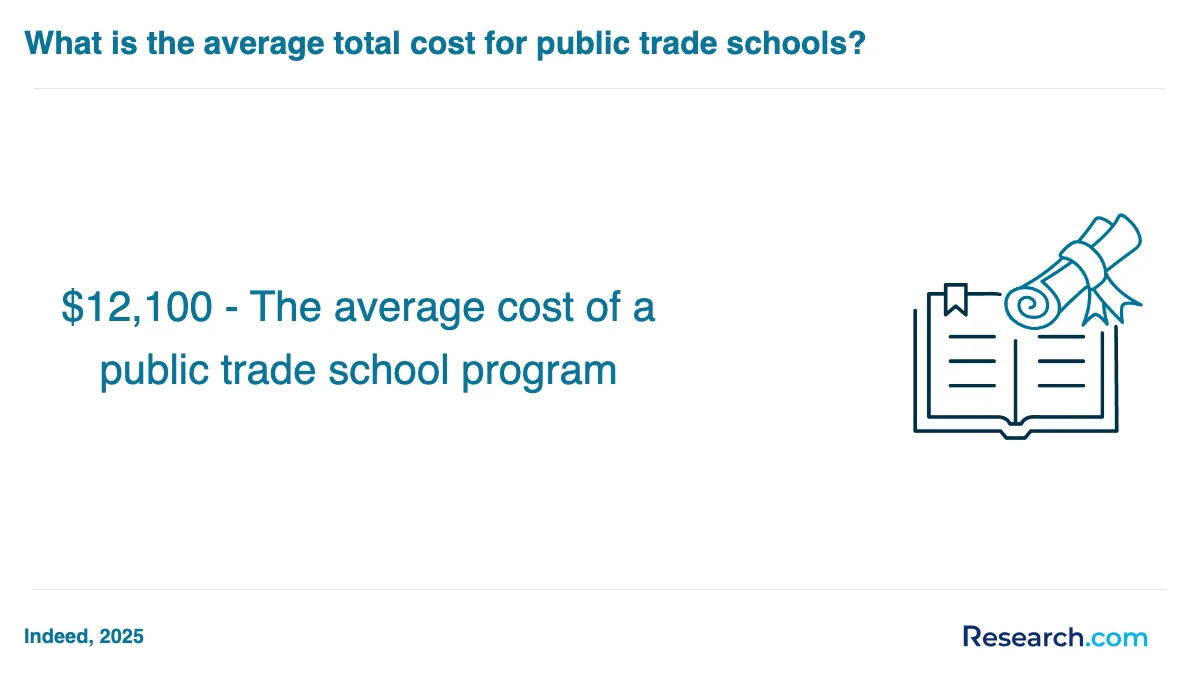
If you're wondering about the average cost of a trade school program in St. Louis Park, you'll find it's generally quite affordable compared to four-year colleges nearby. Many graduates from local schools like Bravura Training mention that tuition tends to be lower, making it easier to manage without piling up debt. Some even highlight that programs at places like St. Louis Park High School are free for enrolled students, especially when it comes to career readiness tracks such as Certified Nursing Assistant training.
Students often appreciate that trade schools here focus on practical skills in small, hands-on classes, which means you get more value for your tuition. Plus, flexible scheduling helps those balancing work and life, which feels like a lifesaver. For example, a recent graduate from the Minnesota School of Construction shared how incremental scheduling meant she could start learning right away without waiting for the next term, making the cost more worthwhile.
All in all, the costs are reasonable, and many feel that the investment pays off quickly as you gain skills employers in St. Louis Park actually want.
Where can I work after finishing trade school programs trade schools in St. Louis Park?
After finishing a trade school program in St. Louis Park, you'll find plenty of job opportunities ready and waiting for you. For instance, graduates from St. Louis Park High School's Certified Nursing Assistant (CNA) program often step directly into roles at local hospitals or clinics, helping meet the city's high demand for healthcare workers. It's a great way to start a rewarding career quickly.
Those who complete construction programs, like those at the Minnesota School of Construction, usually land jobs with area contractors or specialty trade companies, working on real projects that shape the community. It's hands-on and satisfying work that keeps local builders busy all year.
Manufacturing graduates from places such as Hennepin Technical College find themselves in well-paid roles at manufacturing plants or machine shops in and around St. Louis Park. One grad shared how their welding skills got them hired before they even walked across the stage at graduation.
Culinary arts grads enjoy vibrant careers in the local hospitality scene-working in restaurants, catering companies, or hotels, where every day brings new tasty challenges and creativity.
If you've just finished a trade school program in St. Louis Park, you're probably wondering how much money you can expect to make. On average, graduates here earn around $65,767 a year, which breaks down to about $31.62 an hour. That's a solid paycheck that can really help you get started on your career path.
For those picking trades like carpentry or locksmithing, local job listings show hourly wages generally range from about $30 to nearly $40. Apprentices often start lower but quickly see raises, sometimes reaching close to $38 per hour, plus perks like health insurance and tuition help. One graduate shared how these benefits made their climb so much easier.
If you lean towards teaching industrial arts in the area, you could see even better numbers-teachers reportedly make around $69,000 annually or about $33 an hour. Public sector roles offer a wider range but still competitive, with starting salaries near $26,000 and going up to $61,000 for experienced pros.
Trade schools popular in St. Louis Park prepare you well to earn these wages and step into the workforce with confidence and real-world skills.
- St. Louis Park High School offers technical and community college credit courses, including tuition-free Certified Nursing Assistant (CNA) classes for high school students.
- Private career schools like Bravura Training provide short-term programs in business and technology with flexible start dates and suburban campuses.
- Herzing University's Minneapolis campus in St. Louis Park offers healthcare, nursing, dental, and technology programs with combined associate and bachelor's degree paths.
- Tuition for private trade school programs ranges from $3,000 to $15,000, while high school-based programs are often free or low-cost; financial aid is available at licensed schools.
- Entry-level salaries in healthcare and technical roles typically range from $35,000 to $55,000 annually, with experienced professionals earning $60,000 or more.
If you're wondering how long it takes to finish a trade school program in St. Louis Park, the answer depends on what you're aiming for. Certificate programs, like the Certified Nursing Assistant (CNA) class at St. Louis Park High School, usually wrap up in just a few months to a year. Graduates often share how exciting it is to start working so quickly after completing these fast-paced courses.
Diploma programs at nearby technical colleges like Hennepin Technical College typically take about one to two years, which feels just right for students balancing school with other commitments. Many appreciate the clear milestone of earning 30-60 credits while gaining hands-on skills that open doors immediately.
Associate degrees in applied fields usually take around two years, and students from Minneapolis Community & Technical College mention feeling proud to graduate with a solid skill set. Whether diving into healthcare, digital tech, or automotive studies, most find that programs are designed to get you job-ready without unnecessary delays.
Keep in mind, part-time students or programs with internships might take a bit longer, but many agree the experience is worth it. Overall, St. Louis Park's trade schools are focused on helping students jumpstart their careers quickly and confidently.
When deciding between online and on-campus trade school programs in St. Louis Park, a big difference is how you experience learning. Online programs, like those at Bravura Training, let students dive into coursework anytime through a 24/7 portal. This setup is perfect for busy adults juggling jobs or family, offering the freedom to study late at night or during lunch breaks without worrying about a commute.
On the flip side, on-campus programs bring you face-to-face with instructors and classmates. Graduates often share how smaller class sizes at places like Bravura Training create a tight-knit community where you get immediate feedback and hands-on practice. This is especially helpful for trades that need real-world skills, like construction or healthcare.
Also, online courses usually start when you're ready and let you move at your own speed, while on-campus classes stick to a more traditional schedule. In St. Louis Park, that means you can pick the style that best fits your lifestyle and learning preferences.
The average trade school tuition St. Louis Park students face usually falls between $4,000 and $6,000 per year, which makes many programs affordable for those eager to start a new career quickly. Graduates from local schools often share how this cost allowed them to focus on hands-on learning without the stress of overwhelming debt. However, some schools charge more-Herzing University-Minneapolis, for example, lists tuition closer to $13,420 annually, reflecting a more specialized approach that some students feel is worth the extra investment.
Ranken Technical College, also serving the St. Louis region, offers full-time day programs at about $17,280 per year, but many students find part-time and evening options more manageable, paying around $720 per technical credit hour. These choices help learners tailor their schedules and budgets, making trade education flexible and accessible.
Beyond tuition, students often budget for books, tools, and certification exam fees, which vary by program. Graduates frequently mention how investing in quality tools and materials helped them feel prepared and confident when entering the workforce. Trade school programs here are notably time-efficient, often completed in under two years, which attracts many who want to avoid the longer timelines of traditional colleges.
For those exploring all possibilities, especially affordable construction training programs online can complement local studies and give even more flexibility in managing the total cost of trade school diploma St. Louis Park students seek.

If you're looking into trade schools in St. Louis Park, like Bravura Training, financial aid options are definitely on your side. Most students start by filling out the FAFSA, which opens doors to federal help like grants and low-interest loans. A big win here is the Federal Pell Grant-graduates often share how getting up to $7,395 in aid made a huge difference in managing costs without taking on heavy debt.
On top of that, Minnesota adds its own state grants, helping many students cover tuition depending on their need and whether they're full- or part-time. Over 40% of Minnesota students snag this extra support, so it's a solid resource to tap into.
Scholarships are another lifesaver. Many come from the trade schools themselves or local groups. For example, some grads from St. Louis Park High School rave about free Certified Nursing Assistant programs through community partnerships, making their training feel affordable and truly accessible.
Plus, programs like College Possible Minnesota offer coaching that's super helpful for low-income students, guiding them step-by-step through applying for aid. Many of those who used these services say it made the whole process less stressful and kept them on track through graduation.
Getting into a trade school program in St. Louis Park usually means you'll need a high school diploma or GED. This basic step makes sure you're ready with core skills like English and math, which come in handy no matter if you're leaning toward construction, healthcare, or tech. Many grads say having that foundation really helped them breeze through tough hands-on classes later on.
Some programs expect a bit more, like specific courses. For example, if you're into woodworking, you might need to have completed Woodworkings I before jumping into Woodworkings II. It's like building blocks-the right prep classes give you confidence to tackle advanced techniques without stress.
Healthcare trades in St. Louis Park often ask for extra effort, too. Graduates from programs like physical therapy recall needing a solid 3.2 GPA and strong math and science backgrounds. They had to show a genuine interest by volunteering or shadowing professionals, which made their applications stand out.
Don't be surprised if some programs ask for letters of recommendation or even an interview. These help schools find students who are not just skilled, but also passionate and ready to commit.
- Must have a high school diploma or GED
- Complete any required prerequisite courses (like introductory woodworking or construction)
- Maintain a competitive GPA, especially for healthcare programs
- Submit letters of recommendation or personal statements if needed
- Meet application deadlines for internships or apprenticeships, often by February 28
Many students appreciate how these clear prerequisites help them feel prepared and supported as they step into their future careers right here in St. Louis Park's vibrant trade community.

In St. Louis Park, trade school programs pack a punch by focusing on hands-on skills that really get you job-ready fast. Graduates often talk about how courses aren't just theory but real experience you can use right away. If healthcare is your thing, you'll dive into classes like Certified Nursing Assistant training, where you get both classroom learning and practical shifts-perfect for feeling confident in a clinical setting. Dental hygiene and dental assisting courses even let you practice in real local clinics, thanks to partnerships with schools like Herzing University.
Tech lovers find great options too. You might start with the basics like Computer Hardware & Software Fundamentals or Introduction to Programming before moving into cool creative courses such as Digital Artwork Design.
- Healthcare courses that include practical training and certifications
- Technology classes ranging from IT fundamentals to graphic design
- Construction and manufacturing with hands-on woodworking and engineering labs
- Public safety and creative arts like criminal justice and digital photo editing
Many students share how these programs helped them step confidently into their careers-whether fixing computers or assisting patients-by matching skills employers in St. Louis Park actually want. Plus, several programs even offer college credits, making the transition smoother if you want to keep learning.
Trade school programs in St. Louis Park cover a wide variety of specializations tailored to fit local job markets and student interests. Graduates from popular schools here often share how programs in healthcare, like nursing or dental hygiene, give them the hands-on skills needed to jump right into careers with confidence. These schools also offer accelerated options for busy students aiming to finish quickly and start working sooner.
Tech and business fields are buzzing too-imagine learning computer hardware basics or digital artwork design that prepares you for actual jobs in growing industries. Skilled trades are big hits as well, with practical courses in construction tech, woodworking, and even architectural CAD that really bring those real-world projects to life for students.
Many students find success pursuing trade school degrees that pay well in areas like accounting, criminal justice, and public safety, which open doors across multiple careers. Here's what's typically available:
- Healthcare: nursing, dental assisting, behavioral health
- Technology: programming basics, digital design, engineering fundamentals
- Skilled trades: carpentry, woodworking, construction technologies
- Business and public safety: accounting, criminal justice
This variety means you can find a program that really fits your personal goals and the needs of St. Louis Park's thriving job market.
Choosing the best trade school programs in St. Louis Park starts with figuring out which career excites you the most-whether it's healthcare, automotive repair, or IT. Graduates from local schools like Ranken Technical College often share how hands-on experiences made them feel confident walking into their first jobs. The real-world training there connects students to employers who value practical skills.
Another key is to look closely at program length and flexibility. Many folks juggling work or family appreciate that trade programs here often wrap up in two years or less, sometimes with evening or part-time classes. When you explore how to compare trade school costs in St. Louis Park, remember financial aid and scholarships can really ease the burden. Some students even find free programs through community partnerships in high-demand fields.
If cost is a major factor, check out options like cheap maintenance technician online courses that align with local opportunities and your budget.
Finally, look at schools' job placement rates. Many graduates report multiple job offers thanks to strong employer ties. This practical approach is what makes choosing the right trade school in St. Louis Park not just smart, but exciting.
Trade school graduates in St. Louis Park have access to a variety of career opportunities that fit the local job market perfectly. Many grads from St. Louis Park High School jump straight into healthcare through the Certified Nursing Assistant program, getting hands-on experience that lands them solid jobs right away. Others find success in high-demand skilled trades careers in St. Louis Park, like apprenticeships working with carpenters, electricians, and plumbers. These roles not only pay well but often come with great benefits and long-term job stability.
For those interested in manufacturing or tech, programs at nearby Hennepin Technical College prepare students for roles in welding, CNC operation, or automotive tech-fields where local employers are always looking for skilled workers. Meanwhile, programs in business, web development, and graphic design connect grads with creative and growing career paths.
Graduates often share how these practical programs help them feel confident stepping into careers that match their skills and ambitions. If you're curious about the difference between a trade school and a vocational program, St. Louis Park offers a range of options to get you started.
Trade school graduates in St. Louis Park are stepping into a job market full of opportunities, especially in hands-on fields like construction, healthcare support, and industrial maintenance. Graduates from popular trade schools here often find themselves snapped up quickly for roles such as electrician apprentice or HVAC technician, thanks to about 90 apprentice positions available locally. Many grads share how they started earning while still training, with some moving into full-time roles by leveraging stackable credentials and apprenticeships offered right in St. Louis Park.
When it comes to job opportunities for trade school graduates in St. Louis Park, a few things stand out:
- Employers regularly need skilled workers like maintenance technicians and automation technicians.
- Starting salaries are attractive-wages range from roughly $25 to $38 per hour depending on the role and experience.
- The local industry connections help graduates quickly build careers in manufacturing and technical services.
Many grads mention that the competitive pay and steady openings make transitioning from classroom to career smooth and encouraging. This blend of accessible jobs and steady demand perfectly fits those eyeing a technical career start here. If you want to explore programs with flexible, affordable options, including cheap online freight broker training classes can be a great place to start.
For those looking at St. Louis Park technical career starting salaries, the average is about $31.62 per hour, with top roles nearing $80,000 annually. Graduates find this range motivating, knowing they have a real shot at growing their income as they gain experience and certifications.
Most Affordable Trade School & Training Programs - Leading Certification Courses in St. Louis Park for 2026
# 1 position
Herzing University-Minneapolis - Computer Systems Networking and Telecommunications.
associateThe Computer Systems Networking and Telecommunications program at Herzing University-Minneapolis prepares students to design, implement, and manage linked computer systems and software for maximum efficiency. The curriculum includes operating systems, networking theory, network management, security, and troubleshooting. The annual in-state tuition is $13,420. Graduates have median earnings of $43,901 one year after completing the program. The program is accredited by the Higher Learning Commission.
# 2 position
Herzing University-Minneapolis - Dental Assisting/Assistant.
associateHerzing University-Minneapolis offers a Dental Assisting/Assistant program with a hybrid format including some distance education. The program trains students in patient care, dental radiography, office administrative tasks, and chairside assisting under professional supervision. Instruction covers medical record-keeping, equipment maintenance, sterilization, and patient intake. Annual in-state tuition is $13,420. Graduates report median earnings of $41,499 one year after completing the program. The program is accredited by the Higher Learning Commission.
# 3 position
Herzing University-Minneapolis - Legal Assistant/Paralegal.
associateThe Legal Assistant/Paralegal program at Herzing University-Minneapolis prepares students for roles involving legal research, drafting, investigatory, and administrative tasks under attorney supervision. The curriculum covers legal research, document drafting, courthouse procedures, and legal specializations. Accredited by the Higher Learning Commission, the program charges an annual in-state tuition of $13,420. Graduates report median earnings of $39,952 one year after completing the program.
# 4 position
Herzing University-Minneapolis - Criminal Justice/Safety Studies.
associateHerzing University-Minneapolis offers a Criminal Justice/Safety Studies program focusing on the criminal justice system, its components, and legal and public policy contexts. The curriculum includes criminal law, police and correctional systems, justice administration, and public attitudes on criminal justice. The program has an annual in-state tuition of $13,420 and is accredited by the Higher Learning Commission. Median earnings for graduates one year after completion are $37,934.
# 5 position
Herzing University-Minneapolis - Physical Therapy Assistant.
associateHerzing University-Minneapolis offers a Hybrid Physical Therapy Assistant program designed to train students to implement treatment care plans under supervision. The curriculum covers anatomy, physiology, biomechanics, clinical documentation, and professional ethics. The program’s annual in-state tuition is $13,420. Graduates earn a median income of $34,039 one year after completion. It is accredited by the Higher Learning Commission and includes both hands-on and distance education components.
# 6 position
Herzing University-Minneapolis - Accounting.
associateHerzing University-Minneapolis offers an Accounting program designed to prepare students for the accounting profession and related business roles. The curriculum covers accounting principles, financial and managerial accounting, tax and cost accounting, auditing, budget control, and legal aspects. The program also includes training in business information systems, professional ethics, and accounting research methods. Annual in-state tuition is $13,420, and the program is accredited by the Higher Learning Commission.
# 7 position
Herzing University-Minneapolis - Medical Office Management/Administration.
associateThe Medical Office Management/Administration program at Herzing University-Minneapolis prepares students to manage business functions in medical or clinical offices. Coursework includes business office operations, financial record-keeping, personnel supervision, health care policy administration, scheduling, public relations, and legal regulations. The program’s annual in-state tuition is $13,420. Graduates have median earnings of $30,821 one year after completion. The program is accredited by the Higher Learning Commission.
# 8 position
Herzing University-Minneapolis - Medical Insurance Coding Specialist/Coder.
associateHerzing University-Minneapolis offers a Medical Insurance Coding Specialist/Coder program costing $13,420 annually for in-state students. The curriculum trains students in medical data entry, classification, coding, and insurance documentation, including medical terminology, anatomy, and Medicare regulations. Graduates earn a median salary of $30,821 one year after completion. The program is accredited by the Higher Learning Commission.
# 9 position
Herzing University-Minneapolis - Business Administration and Management, General.
associateHerzing University-Minneapolis offers a Business Administration and Management, General program designed to prepare students to plan, organize, direct, and control organizational functions. The curriculum covers management theory, human resources, accounting, logistics, marketing, and business decision-making. The program is accredited by the Higher Learning Commission. Annual in-state tuition is $13,420. Median earnings for graduates one year after completion are $30,536.
# 10 position
Herzing University-Minneapolis - Dental Assisting/Assistant.
certificate or diplomaHerzing University-Minneapolis offers a hybrid Dental Assisting/Assistant program designed to prepare students in patient care, dental radiography, chairside assisting, and office administration under supervision. The curriculum covers medical record-keeping, scheduling, equipment maintenance, sterilization, and supervised practice. Annual in-state tuition is $13,420. Graduates earn a median income of $41,499 one year after completion. The program is accredited by the Higher Learning Commission.
Frequently Asked Questions about trade school programs
After completing trade school in St. Louis Park, preparing for the job market involves several practical steps. First, take advantage of career services offered by your school, such as resume workshops and job placement assistance, which are common among accredited institutions. Networking locally is vital-connecting with employers in the Minneapolis-Saint Paul metropolitan area can increase your chances of securing a position. According to the Minnesota Department of Employment and Economic Development, many trade graduates find work within six months, especially in fields like construction, transportation, and health services. Additionally, obtaining relevant certifications and maintaining a strong portfolio can further enhance employability.
Employers in St. Louis Park highly value trade school graduates who possess a combination of technical skills and soft skills. Key technical abilities include proficiency in HVAC systems, electrical work, plumbing, and welding. According to the U.S. Bureau of Labor Statistics, technical expertise related to the skilled trades remains essential for job readiness.
Beyond technical knowledge, employers emphasize communication, problem-solving, and teamwork skills. The Minnesota Department of Employment and Economic Development highlights that nearly 70% of local employers regard strong interpersonal skills as critical for workplace success.
Time management and adaptability are also sought-after, reflecting the dynamic nature of many trade professions in the region.
To find internships in St. Louis Park relevant to your trade school program, start by exploring the local workforce development resources. The Minnesota Department of Employment and Economic Development (DEED) offers internship listings and employer connections tailored to various trades. Additionally, many trade schools in the area maintain partnerships with local businesses, which can facilitate internship placements.
Networking is crucial. Engage with local industry groups and chambers of commerce, such as the St. Louis Park Chamber of Commerce, where employers often post internships. Online job platforms like Handshake and Indeed also include internship opportunities filtered by location and trade.
According to DEED data, trade-related internships in St. Louis Park have increased by 12% over the past three years, reflecting growing demand for skilled workers. Reach out early to your school's career services to maximize your chances.
Obtaining a trade school diploma in St. Louis Park significantly enhances career mobility and advancement opportunities. According to the Minnesota Department of Employment and Economic Development, individuals with trade credentials often experience faster employment placement rates compared to those with only a high school diploma. Skilled trades in fields like electrical work, HVAC, and plumbing remain in high demand locally, offering stable wages and potential for wage growth.
Trade school graduates typically enter the workforce with practical skills employers value, making them competitive candidates for promotions and higher-paying positions. Additionally, many local employers in St. Louis Park offer apprenticeship programs and continuing education support, further aiding career advancement for diploma holders.
Part-time job opportunities in St. Louis Park can effectively complement trade school education by providing practical experience and income. Common roles in retail, food service, and customer support are popular choices, especially near local commercial areas. According to the U.S. Bureau of Labor Statistics, jobs in construction and manufacturing sectors-key industries in Minnesota-are increasingly available on a part-time basis, matching many trade-related skills.
Students enrolled in programs such as HVAC, electrical, or plumbing can benefit from part-time apprenticeships or assistant roles offered by local contractors. These positions not only reinforce classroom learning but also enhance employability after graduation.
Local job platforms like MinnesotaWorks.net list part-time openings suited for trade students, reflecting a steady demand consistent with state-level trends. Engaging in part-time work related to one's trade school program helps build both expertise and professional networks in St. Louis Park's job market.
To find the most affordable degree program near St. Louis Park, MN, you can research local universities and community colleges to compare tuition rates and available financial aid options. There are programs and universities near me that offer competitive pricing, and visiting each institution's website or contacting their admissions office can provide detailed cost information. Additionally, using tools like Research.com can help you compare program accreditations and costs for degree programs near St. Louis Park, MN, ensuring you make an informed decision.
- Most Affordable Trade School & Training Programs - Leading Certification Courses in Overland Park for 2026
- Most Affordable Trade School & Training Programs - Leading Certification Courses in Topeka for 2026
- Most Affordable Trade School & Training Programs - Leading Certification Courses in Olathe for 2026
- Most Affordable Trade School & Training Programs - Leading Certification Courses in Dearborn for 2026
- Most Affordable Trade School & Training Programs - Leading Certification Courses in Tulsa for 2026
- Most Affordable Trade School & Training Programs - Leading Certification Courses in Billings for 2026
- Skilled Trades Industrial Occupations Technology https://stlcc.edu/pathways/industrial/skilled-trades/
- Career Planning - St. Louis Park High School https://hs.slpschools.org/students/career-college-center/career-planning
- Internships benefit students beyond the workplace – The Echo https://slpecho.com/features/2022/04/27/internships-benefit-students-beyond-the-workplace/