
Best Certificate Programs - Leading Certification Courses in Auburn for 2026

Co-Founder and Chief Data Scientist
Choosing the right trade school certificate program in Auburn can be challenging. This article highlights the best options for 2026, based on a detailed ranking created by the Research.com team of data scientists.
By exploring these programs, you’ll find trustworthy information to help decide which certifications truly offer value and opportunity.
Obtaining a trade school diploma or certification opens doors to skilled careers, financial stability, and personal growth. This guide is designed to support your journey and inspire confidence in your choices.
Key benefits of getting trade school certificate in Auburn
- Expected salary: Graduates in Auburn can earn from $16,000 to over $40,000 yearly, with apprentices starting around $32,903, and skilled roles like automotive technicians earning $33,000 to $40,000.
- Popular career paths: Trade school certificates open doors to fields such as automotive technology, construction, electrical work, and HVAC-careers known for steady growth and strong local demand.
- Online certification benefits: Completing a trade certification online offers flexibility and convenience, allowing students to balance work or family commitments while gaining the skills needed to succeed quickly in Auburn's job market.
- Best Certificate Programs - Leading Certification Courses in Auburn for 2026
- What can I expect from trade school certification programs in Auburn?
- Where can I work with trade school certification in Auburn?
What can I expect from trade school certification programs in Auburn?
The average cost of trade school certification programs in Auburn typically ranges from $5,000 to $15,000, depending on the chosen field and length of study. Graduates from programs like HVAC or welding often recall investing in certifications that took under a year and found the expenses manageable compared to four-year colleges. Many students appreciated that Southern Union State Community College and Auburn University's technical courses offered quality training without excessive tuition fees.
Students in Auburn shared stories of hands-on learning balanced with classroom sessions, which helped them build confidence quickly without overspending on unnecessary education. The blend of in-person labs and potential online modules also made budgeting easier, especially for those balancing work or family. Graduates frequently mentioned that apprenticeship opportunities through partnerships with local employers eased financial pressure by providing paid on-the-job experience.
While costs vary, the career support services and direct job placement assistance embedded in Auburn's trade certification programs make the investment feel worthwhile for many students pursuing fast, practical routes to stable careers.
Where can I work with trade school certification in Auburn?
Graduates of trade school certification programs in Auburn step into strong job markets across manufacturing, construction, HVAC, electrical, and plumbing fields. Many find roles at places like the Auburn Advanced Manufacturing Training Center (AMTC), where their skills in multi-axis machining or industrial automation lead to positions such as industrial systems technician or automation specialist. These jobs align closely with what local employers demand, making transition to work smooth and encouraging.
Others enter the construction sector, filling roles as construction or maintenance technicians. Entry-level salaries here range from $16.70 to $23.26 per hour, with clear paths to supervisory positions over time. HVAC and plumbing certifications also open doors to well-paying apprenticeships and technician roles, often earning between $22 and $40 hourly. Graduates report satisfaction from hands-on learning combined with paid on-the-job training programs like FAME, which help secure full-time positions quickly.
With over 170 trade jobs consistently available in Auburn, certified students can realistically expect steady employment in their chosen fields shortly after completing their programs.
After finishing a trade school certification program in Auburn, graduates typically see starting wages between $16.70 and $23.26 per hour in fields like construction, HVAC, and facilities maintenance. This translates to an annual salary range around $34,700 to $48,400 for full-time work. For instance, graduates from Auburn's well-known technical trade schools often find entry-level roles such as Construction Tech I that fit within this range, providing a solid financial foundation.
Many graduates leverage apprenticeships, such as electrical or meter technician programs, to earn about $41.07 per hour, or over $85,000 annually. Automotive tire technician certifications popular in Auburn also offer steady incomes between $33,000 and $40,000 annually. These realistic figures highlight the concrete value of completing local trade schools.
More experienced skilled tradespeople in Auburn report hourly earnings rising to $32.45-$79.66, demonstrating significant growth potential. Paid training programs starting at $10.50 to $15 per hour further offer a path toward advancement. This steady increase mirrors the positive experiences of many Auburn trade school alumni who have built successful careers while earning competitive wages.
- Completing the HVAC certification program in Auburn gave me hands-on learning and confidence to tackle real-world problems. The instructors were supportive, and job opportunities appeared fast after graduation. I now work as a licensed technician in Auburn, enjoying every challenge. - Marcus
- Studying Automotive Technology in Auburn was a game changer. The practical skills I gained helped me secure a mechanic job at a local dealership quickly. The atmosphere was friendly, and the balance between theory and practice made learning enjoyable. This trade school truly prepared me for success. - Jenna
- Plumbing certification from Auburn's trade school exceeded my expectations. I felt empowered by the curriculum and the instructor's expertise. Shortly after graduating, I landed a role with a respected plumbing firm here. It's rewarding to see how my education opened doors and built real career prospects. - Elijah
- Trade school certification programs in Auburn are available through Auburn University and local training centers, offering fields like advanced manufacturing, healthcare, and skilled trades.
- Programs provide both in-person and online options, with online courses featuring interactive labs and video lectures to support flexible learning.
- Most certifications align with national or state-level credentials, such as those from the National Healthcareer Association for healthcare certifications.
- Tuition typically ranges from $3,000 to $6,000, with some apprenticeship programs offering paid work experience.
- Entry-level salaries for graduates generally fall between $35,000 and $50,000, while experienced professionals can earn $60,000 or more annually.
Completing a trade school certification program in Auburn typically takes between six months and 18 months, depending on the trade and program format. For instance, graduates from welding or HVAC programs often share how their 6 to 12 months of hands-on training quickly prepared them to start work confidently. These shorter programs combine practical skills with classroom learning, making the path to employment straightforward and tangible.
Certification programs in trades like electrical technology or automotive and diesel technology usually require 12 to 18 months. Graduates appreciate this timeframe as it allows them to gain specialized knowledge without a long delay before entering the workforce. Auburn University and Southern Union State Community College are popular local options offering these programs, and students often find the mix of flexibility and structure suits their busy schedules.
Some students prefer self-paced online programs available through Auburn University. Here, six months of course access lets learners balance family or work demands while moving steadily toward certification. Meanwhile, apprenticeship programs extending to four years provide deep experience and state certification, ideal for those pursuing advanced careers.
The main difference between online and on-campus trade school certification programs in Auburn lies in how the courses are delivered and the flexibility they offer. Graduates from Auburn University's online programs often praise the ability to study on their own schedule, fitting coursework around jobs or family duties. They access lectures and materials anytime, which makes managing life's demands easier while still moving steadily toward certification.
On the other hand, students at Auburn's Advanced Manufacturing Training Center emphasize the value of hands-on learning. These on-campus programs require attending in-person classes at set times, providing direct experience with equipment and face-to-face mentorship. Graduates highlight how the immersive environment builds confidence and technical skills essential for fields like machining or welding.
Both paths lead to recognized certifications in healthcare, manufacturing, and skilled trades. Online suits those balancing multiple commitments, while on-campus offers practical, job-ready training through apprenticeships and real-time instruction, making either choice a strategic step toward career advancement in Auburn.
The average trade school cost in Auburn typically ranges from $5,000 to $16,000 for a complete certification program. This range aligns with costs across Alabama, where community colleges like Jefferson State Community College offer affordable certificate programs costing between $4,000 and $8,000 annually for in-state students. Graduates from these programs often find the reasonable tuition makes it easier to focus on mastering skills without overwhelming financial strain. These accessible options appeal to those balancing work and study, providing a practical way to gain qualifications close to home.
Auburn trade certification tuition and fees vary significantly by program. Skilled trades like HVAC or electrician training can cost anywhere from $1,000 to $17,000, while cosmetology programs at places similar to Alabama's Aveda Institutes range from about $9,966 to $16,716. Graduates of healthcare-related certificates such as dental or medical assistant programs often report tuition around $7,000 to $15,000, reflecting the investment needed for specialized equipment and clinical practice. These figures illustrate how realistic budgeting for training aligns with clear career goals.
Financial aid options and scholarships frequently help ease the cost burden for students, making trade school certification in Auburn an economically sensible choice compared to four-year degrees. For those searching for less expensive routes, exploring cheap online appliance repair trade school programs might offer further savings and flexible scheduling. Practical graduates emphasize the rewarding balance between tuition costs and job-ready skills, validating the value of Auburn trade schools for career-focused learners.

Students attending trade school certification programs in Auburn commonly secure financial aid through federal and state sources designed to make education affordable. Many start by submitting the Free Application for Federal Student Aid (FAFSA) each year, unlocking access to grants like the Federal Pell Grant, which awarded up to $7,395 for 2025-2026. This grant helped one graduate of a local automotive technology program cover tuition costs without the pressure of immediate repayment, allowing them to focus on hands-on learning.
Additional support often comes from Alabama State Grants, which benefit residents with strong financial need, especially those already qualifying for federal aid. For instance, students in popular electrical trade certifications found these grants crucial for managing expenses when living in Auburn.
Loans, both subsidized and unsubsidized, offer flexible borrowing options for students who need to bridge funding gaps, with manageable repayment plans tailored to their future career paths. Furthermore, the Federal Work-Study Program provides part-time campus or community jobs, enabling students in demanding health trade programs to earn while gaining experience.
Scholarships through Auburn University's AUSOM portal reward academic achievement and commitment to specific trades like welding or HVAC. Graduates often emphasize the peace of mind these scholarships bring, reducing financial strain and letting them concentrate on developing their skilled trades.
The primary prerequisite for enrolling in a trade school certification program in Auburn is having a high school diploma or GED. Graduates often recall starting their programs knowing this clear-cut requirement made the process straightforward. Many Auburn trade schools, including those offering certifications in electrical, plumbing, HVAC, and welding fields, strictly adhere to this standard. Students still finishing high school can also begin coursework, as long as they obtain their diploma or GED before the program ends.
Work experience in the trade is generally not required, which is a relief to many newcomers eager to start fresh without prior background.
Other key points to consider include:
- Some programs require compliance with state-specific rules, especially for electrical and HVAC certifications tied to Alabama codes.
- Safety training certifications like OSHA or EPA are integral parts of the curriculum, ensuring hands-on readiness.
- Programs provide 24/7 instructor access and career support, which graduates often praise for easing the learning curve and boosting confidence.
These prerequisites keep Auburn's trade certification programs accessible, welcoming students who want real career growth without excessive hurdles upfront.
Certification programs in Auburn trade schools typically focus on practical skills tailored to local industry demands. Graduates often highlight courses involving multi-axis machining, additive manufacturing, industrial automation, robotics, and metrology, especially at centers like the Auburn Advanced Manufacturing Training Center. These technical certification courses offered in Auburn equip students with hands-on experience using cutting-edge production equipment, preparing them for roles in modern manufacturing environments.
Healthcare certifications are also prominent, with programs designed to prepare students for national exams in fields such as EKG technician, clinical medical assistant, phlebotomy technician, pharmacy technician, and medical billing and coding specialist. Auburn's offerings include practical labs and externships that help students build confidence and competence in healthcare settings.
Additionally, many programs incorporate career readiness training covering resume writing and interview skills, supporting students' transition into the workforce. For those interested in teaching or workforce development roles, courses in adult learning, curriculum planning, and teaching diverse populations provide valuable credentials.
Students can also find specialized options like the most affordable electrical lineworker training program online, broadening their certification possibilities while staying connected with Auburn's strong trade education community.
Start by confirming the program's accreditation and its value in Auburn's job market. Graduates from Auburn University's certification programs often praise how well-recognized their credentials are among local employers, opening doors in fields like industrial automation and machining. This recognition ensures you're investing time and money wisely, especially when considering Auburn Alabama trade certification cost.
Look for programs offering hands-on learning through apprenticeships or externships. Many students from Auburn-area colleges share stories of gaining paid work experience mid-program, making the transition to full-time employment smoother and less stressful.
Evaluate curriculum flexibility and support services. Online and evening classes offered by Auburn schools help balance work and family commitments, while access to career mentors boosts confidence and job readiness. Also, consider programs integrating soft skills training, as graduates often highlight how this made job interviews less daunting.
Finally, review your financial options carefully. Exploring financial aid or affordable alternatives can ease the investment. For example, programs listed among the cheapest online beauty and cosmetology trade school programs might inspire ideas on managing costs.

Trade school certification program graduates in Auburn can step directly into a variety of rewarding careers tailored to the Auburn AL skilled trades job market. Many graduates from well-known local trade schools secure positions in welding, HVAC/R, electrical technology, and automotive and diesel mechanics within 6 to 18 months of training. For instance, those certified in welding often find roles at manufacturing plants or construction companies right after completing their programs.
Advanced manufacturing certifications through centers like the Auburn Advanced Manufacturing Training Center open doors to specialized roles such as industrial systems technician, automation specialist, and robotics technician. Apprenticeships like the FAME AMT program blend classroom instruction with paid work experience, giving graduates a competitive edge and real-world confidence.
Health sciences certifications lead to careers in medical assisting at clinics and hospitals, supported by regionally accredited programs that ensure eligibility for professional certifications. Graduates often praise Auburn's strong job placement services and externships that connect them with employers immediately after training.
For those seeking insights into high paying trade school jobs, Auburn's diverse programs provide practical pathways that align well with current local job demands.
The job opportunities for trade school graduates in Auburn are strong and growing, especially in skilled trades and technical roles. Local employers actively seek candidates certified in HVAC, construction, and medical assistance, with more than 170 open positions available. Graduates from Auburn's trade schools report quick entry into the workforce, often earning between $16 and $23 per hour initially, with specialized apprenticeships reaching up to $41 per hour. These competitive wages signal a healthy Auburn Alabama skilled trades employment outlook.
Graduates commonly share experiences of finding support through career services at Auburn's trade institutions, which offer resume assistance and direct links to employers. Those studying healthcare certifications like medical billing or phlebotomy benefit from partnerships with organizations such as the National Healthcareer Association, enhancing job readiness and credentials.
Options for most affordable solar technician training online also expand opportunities, especially for working adults shifting careers. Auburn's trade programs prepare students with hands-on skills and official recognition, making them attractive candidates in a market that values immediate competence and practical experience.
Best Certificate Programs - Leading Certification Courses in Auburn for 2026
# 1 position
Central Maine Community College - Plumbing Technology/Plumber.
certificate or diplomaCentral Maine Community College offers a hybrid Plumbing Technology/Plumber program that prepares students for licensure by teaching technical skills to install and maintain piping systems for steam, natural gas, oil, water, heating, cooling, and more. The curriculum covers water distribution, pressure adjustment, blueprint reading, welding, plumbing inspection, and relevant codes. The program is accredited by the New England Commission on Higher Education, with an annual in-state tuition of $3,864.
# 2 position
Central Maine Community College - Heating, Air Conditioning, Ventilation and Refrigeration Maintenance Technology/Technician.
certificate or diplomaCentral Maine Community College offers a hybrid program in Heating, Air Conditioning, Ventilation and Refrigeration Maintenance Technology/Technician. The curriculum covers repair, installation, service, and maintenance of HVAC and refrigeration systems, including diagnostic techniques and the use of testing equipment. Instruction includes principles of mechanics, electricity, and electronics relevant to these systems. The program is accredited by the New England Commission on Higher Education. Annual in-state tuition is $3,864.
# 3 position
Central Maine Community College - Medical Insurance Coding Specialist/Coder.
certificate or diplomaCentral Maine Community College offers a fully online Medical Insurance Coding Specialist/Coder program designed to train students in specialized data entry, classification, and record-keeping related to medical diagnostics, treatment, billing, and insurance documentation. The curriculum covers medical records software, anatomy, physiology, medical terminology, and regulations related to Medicare. The program's annual in-state tuition is $3,864 and it is accredited by the New England Commission on Higher Education.
Frequently Asked Questions about trade school certificates
After completing a trade school certification program in Auburn, preparing for the job market involves several key steps. First, graduates should utilize local workforce resources such as the Alabama Career Center, which offers job listings and resume workshops tailored to trade skills.
Networking is vital; joining professional associations related to your trade can improve job prospects. Auburn's manufacturing and construction sectors are growing, with the Alabama Department of Labor reporting a 3.5% increase in skilled trades employment from 2022 to 2023.
Internships or apprenticeships provide valuable experience and often lead to full-time positions. Additionally, maintaining certifications current and seeking additional credentials can boost competitiveness. Research from the National Center for Education Statistics shows that trade certification holders have a 75% employment rate within six months post-graduation.
Employers in Auburn value both technical and soft skills when hiring graduates from trade school certification programs. According to recent data from the National Center for Education Statistics, strong hands-on skills in fields such as automotive technology, HVAC, and electrical work remain essential. Mastery of equipment and safety protocols is consistently prioritized.
Beyond technical expertise, local employers emphasize communication, problem-solving, and teamwork abilities. A survey by the Auburn Chamber of Commerce highlighted that 78% of hiring managers consider reliable work ethics and adaptability key factors when selecting candidates.
Additionally, certifications that demonstrate up-to-date knowledge of industry standards can significantly improve employment prospects in Auburn's competitive job market.
Finding internships relevant to your trade school certification program in Auburn involves several strategic steps. Start by consulting your trade school's career services office, which often maintains relationships with local employers seeking interns. Auburn's strong manufacturing and automotive sectors provide many opportunities, especially for certifications in fields like HVAC, electrical work, and automotive technology.
Utilize local resources such as the Auburn Chamber of Commerce and the Alabama Career Center, both of which offer job placement support and internship listings. According to the Alabama Department of Labor, internships in skilled trades have grown by 8% statewide in recent years, signaling increased availability.
Network through local trade unions and attend Auburn-area career fairs. Also, check online platforms focused on local employment, like Handshake, where Auburn institutions list internships specifically in trades.
Trade school certification programs in Auburn offer tangible benefits for career mobility and advancement. Earning a certificate in skilled trades, such as HVAC, welding, or electrical work, provides formal recognition of practical skills demanded by local employers.
According to recent data from Alabama's Department of Labor, individuals with trade certifications in Auburn experience a 15% higher employment rate than those without credentials in similar fields. Certifications often enable entry into higher-paying positions and can shorten the time needed for promotions.
Employers in Auburn frequently prioritize certified candidates because these credentials demonstrate verified competency and readiness to perform job tasks efficiently.
In a region with growing manufacturing and construction sectors, trade certifications serve as a vital tool to improve income potential and job security.
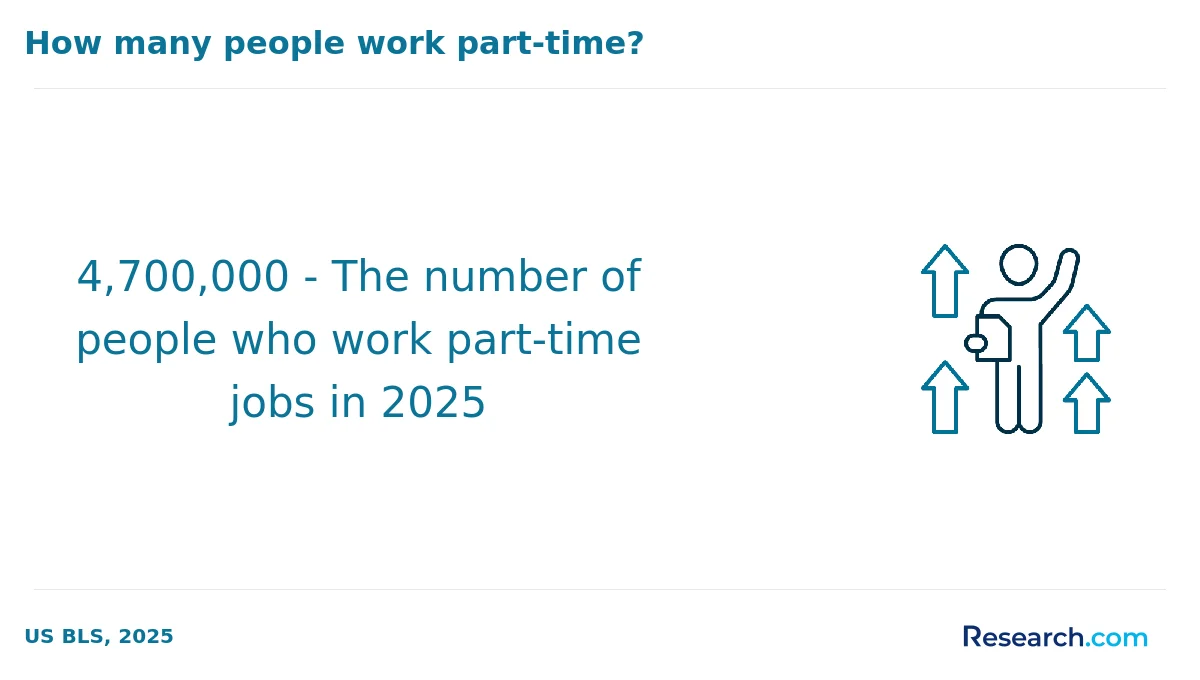
Part-time job opportunities in Auburn can effectively complement trade school certification programs by providing practical experience alongside classroom learning. Common roles such as automotive technician assistant, electrical helper, or HVAC support technician enable students to apply skills in real-world environments. According to the U.S. Bureau of Labor Statistics, Auburn's service and manufacturing sectors have shown steady growth, creating a demand for these skilled positions. Additionally, local businesses often seek part-time apprentices or interns, facilitating networking and future full-time employment. Engaging in such jobs enhances technical abilities while fostering professional habits crucial for career advancement in skilled trades.
To choose the best degree program near me in Auburn, ME, first consider the specific field of study you are interested in and research which programs have strong reputations in that area by consulting resources like Research.com. Look into local options such as Central Maine Community College and other nearby universities that offer degree programs near Auburn, ME, ensuring they have the appropriate accreditation and support services to aid in your educational success. Additionally, attend open houses or contact admissions offices for detailed information on curriculum, faculty qualifications, and campus resources to make an informed decision.
- Careers You Can Pursue After Trade School | NSHSS | National Society of High School Scholars https://www.nshss.org/resources/blog/blog-posts/careers-you-can-pursue-after-trade-school/
- Financial Aid https://www.auburncc.org/financialaid1.aspx
- University graduates vs tradespeople – who earns more? | Logic4training https://www.logic4training.co.uk/insights/university-graduates-vs-tradespeople-who-earns-more/
- College Graduate Skills for Employers | Entering the Job Market https://global.nmsu.edu/blog/general/skills-employers-look-for-in-college-grads/
- College of Education - College of Education https://www.aum.edu/collegeofeducation/
- Nces - Ipeds https://nces.ed.gov/ipeds/
- Petersonsdata https://petersonsdata.com/
- Collegescorecard https://collegescorecard.ed.gov/
- Trade School Programs & Courses https://www.best-trade-schools.net/programs/
- Auburn University Welding Technician Online Certification Course https://auburn.edu2.com/product/5091/welding-technician


