Best Trade School & Training Programs - Leading Certification Courses in Piqua for 2026

Co-Founder and Chief Data Scientist
Choosing the right trade school in Piqua can shape your future and open doors to rewarding career opportunities. This article presents a carefully crafted trade school programs ranking developed by the Research.com team of data scientists to guide you toward the best options available.
By exploring these programs, you’ll gain insights into quality training that matches your goals. Earning a trade school diploma or certification can boost your confidence and job prospects, making it easier to start a fulfilling career. Let this guide inspire and support your next steps in education and success.
Key benefits of finishing trade school programs trade school in Piqua
- Trade school graduates in Piqua can earn competitive salaries, with skilled trades like electricians and welders making around $51,912 annually and some professionals earning up to $68,000 as they gain experience.
- Popular career paths include roles such as commercial drafters, who earn about $50,715 per year, and HVAC technicians, offering practical and rewarding job opportunities right in Piqua.
- Online trade school programs provide flexible learning options, letting students balance work and study while earning valuable certifications, making education more accessible and convenient for busy individuals in Piqua.
- Best Trade School & Training Programs - Leading Certification Courses in Piqua for 2026
- What can I expect from trade school programs trade schools in Piqua?
- Where can I work after finishing trade school programs trade schools in Piqua?
What can I expect from trade school programs trade schools in Piqua?
The average cost of a trade school program in Piqua varies depending on the credential pursued, but students often find these programs more affordable than traditional four-year degrees. For example, graduates from Edison State Community College report paying between $3,000 and $7,000 for certificate programs lasting a few months. Associate degree tracks that take up to two years typically range from $8,000 to $15,000, reflecting the shorter timeframe and focused nature of these programs.
Students at the Upper Valley Career Center, another popular local option, frequently share how the hands-on approach and industry connections helped them quickly build job-ready skills without the financial burden of a lengthy college education. Many appreciate the clear pathway from classroom to workforce, including internships that often lead to well-paying positions. The practical cost and impressive job placement rates, sometimes above 90%, encourage students to confidently invest in their future while minimizing debt.
Where can I work after finishing trade school programs trade schools in Piqua?
After finishing a trade school program in Piqua, graduates often find strong job prospects in several local industries. Many quickly join construction firms like Piqua Materials, where skills in carpentry, electrical work, or heavy equipment operation are in high demand. For example, graduates from popular trade schools report thriving as apprentices, earning wages while gaining experience and working toward nationally recognized certifications. This "earn while you learn" model makes it easier to build a stable career with flexible job mobility across states.
Technical roles also attract many graduates. Local employers such as Edison State Community College and area manufacturers hire facilities maintenance technicians, paying competitive hourly rates around $18. Recently graduated students describe satisfaction in applying hands-on skills daily, often working in teams to maintain key infrastructure.
Education and community services offer additional pathways. Trade school alumni find positions at places like Upper Valley Career Center or local schools, ranging from faculty assistants to instructors. These roles provide steady income and personal fulfillment by supporting community growth.
After completing a trade school program in Piqua, graduates typically see starting salaries around $48,000 annually, a solid base for entry-level positions. Many popular local trade schools prepare students for practical roles in construction, healthcare support, or manufacturing where real-world skills translate quickly into income. For example, graduates working near Edison State Community College often begin with salaries in the low $40,000s but steadily advance with experience.
With steady dedication, many alumni report earning closer to $63,800 per year, which is the average wage for Ohio trade school certificate holders as of August 2025. Those who specialize, such as adult education teachers or technical vocations, often enjoy salaries near or above $74,000, reflecting the extra qualifications gained at Piqua's established vocational programs.
High-demand fields like clinical engineering can push earnings up to $114,000 or more, although these roles might require advanced schooling beyond typical trade programs. Overall, Piqua's trade schools offer graduates a practical path to competitive paychecks that grow with skill and certification.
- The Upper Valley Career Center (UVCC) in Piqua offers hands-on technical programs in fields like Medical Careers and Electrical Trades, currently expanding with an $18 million project set to finish in October 2025.
- Admission requires a high school diploma or equivalent, with programs typically lasting less than two years; some, like the Electrical Power Line Mechanic, take as little as nine months.
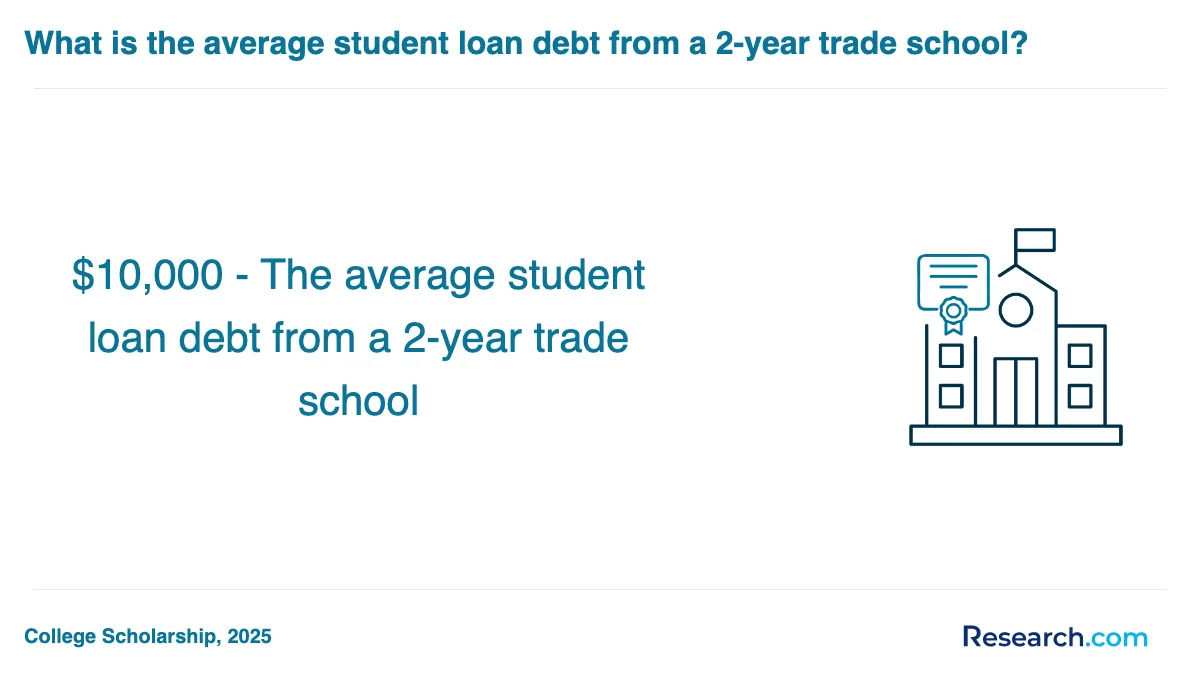
- The average total cost ranges from $8,000 to $16,000, with about 72% of UVCC students using student loans averaging $8,423 annually.
- Entry-level salaries for trades like electrical work or medical assisting range from $40,000 to $55,000 annually, with experienced workers earning $60,000 or more.
- Many programs provide industry-recognized certifications and offer apprenticeships or partnerships with local employers to help students gain work experience before graduation.
Completing a trade school program in Piqua typically depends on the field and program type but is designed to be efficient and workforce-ready. For example, graduates from the Upper Valley Career Center's Electrical Power Line Mechanic program often finish in about nine months, attending classes four times a week with flexible day or evening options. These schedules help students balance work or family commitments while moving quickly toward certification.
Others choose apprenticeships, especially in construction trades, which combine hands-on training with classroom learning over 2 to 4 years. Graduates of these programs appreciate the real-world experience and nationally recognized credentials that come from earning journey-level status, which makes job placement smoother and more reliable.
Local high school students can integrate trade training during their junior and senior years, earning certifications alongside diplomas, which accelerates their career paths. Meanwhile, community college certificates at Edison State Community College in Piqua usually take under one to two years, depending on a student's schedule and course load, making it a solid choice for flexible pacing.
Many graduates express satisfaction with how these timeframes fit their lives and ambitions, enabling them to enter the job market confidently and quickly.
In Piqua, the main difference between online and on-campus trade school programs lies in how the courses are delivered and experienced. On-campus programs at Edison State Community College offer hands-on labs and direct interaction, which graduates often describe as empowering when mastering trades like welding or automotive technology. They appreciate the immediate feedback from instructors and the access to specialized equipment, making the learning process feel concrete and supported.
On the other hand, online trade programs provide flexibility that fits busy lifestyles. Graduates balancing work and family have found online associate degrees in Computer Information Systems or Web Development to be convenient, removing the stress of commuting and parking. This setup enables students with mobility challenges or those living farther from Piqua to gain valuable skills without relocation. However, some trades still require periodic in-person sessions to meet licensing standards.
Students choosing online programs often value the blend of virtual labs and remote assessments, though they note it's a different experience than being on campus. The choice ultimately depends on your schedule and the hands-on skills your field demands.
The average trade school cost in Piqua varies depending on the institution and residency status, but local data helps clarify what to expect. For instance, the Upper Valley Career Center, a popular choice among Piqua students, reports an average net price of around $17,821 per year after financial aid. Many graduates share that this cost feels manageable, thanks to the fact that approximately 85% of students receive financial aid, with average awards close to $8,895. This significantly lowers the actual out-of-pocket expense, making the investment in a skilled trade more accessible.
On the more affordable end, Edison State Community College offers tuition at $5,904 annually for in-state students and $7,659 for those coming from out of state. Graduates from Edison State often highlight the balance of cost and quality education, appreciating that program fees remain reasonable compared to other options in Ohio. The difference in price points illustrates the spectrum of Piqua Ohio trade school tuition and fees, providing flexibility for students with varying financial situations.
Many prospective students researching trade schools consider community colleges statewide, where the average tuition for in-state students is around $5,163. For those seeking specialized programs, exploring options like the affordable online solar technician course can offer additional pathways with competitive pricing and convenience.

Trade school students in Piqua have several practical financial aid options to help make education affordable. Graduates from the Upper Valley Career Center often share how completing the Free Application for Federal Student Aid (FAFSA) was their first crucial step. FAFSA opens doors to federal and state grants like the Pell Grant, which for 2024-2025 offers up to $7,395 without repayment, easing the financial load significantly for many families.
Federal Direct Loans, available in subsidized and unsubsidized forms, offer flexible borrowing with manageable repayment plans, and students appreciate the convenience of completing loan counseling and signing the Master Promissory Note online.
Local scholarships also make a meaningful difference. For example, The Troy Foundation awards scholarships ranging from $250 to $10,000, including specialized support like the Henrietta Mungle Memorial Scholarship ($10,000) or the Hartman Family Scholarship for technical programs ($1,500), helping students feel supported and motivated in their chosen trades.
Many students balance work-study programs at their trade schools, earning while they learn, which relieves stress and builds work experience. This combination of aid helps Piqua students confidently pursue their career goals.
To enroll in a trade school program in Piqua, students generally must meet specific academic and residency prerequisites tailored to the chosen institution. For example, a graduate from Tolles Career & Technical Center recalls needing at least five total high school credits, including three Ohio Core credits, after the first year of full-time high school to qualify. By the third year, this increases to twelve total credits and ten Ohio Core credits covering essential subjects like English, Math (including Algebra 1), Science, and Social Studies.
Those pursuing a Career Technical Honors Diploma must meet more demanding standards, including:
- Four credits each in English, Math (Algebra I, Geometry, Algebra II), Science, and Social Studies
- Two credits in a single world language
- Four elective career-technical credits
- A GPA of 3.5 or higher on a 4.0 scale
- College entrance exam benchmarks such as ACT 27 or SAT 1210
Adult learners enrolling in shorter technical certificates, like those at Edison State Community College, face more flexible requirements, focusing on completing courses with a "C" or better and passing any necessary placement tests. Graduates often highlight the supportive environment, with online applications and counselor help easing the process. In all cases, Piqua trade schools emphasize equal access and nondiscrimination, welcoming students from varied backgrounds eager to gain practical skills.
Trade school programs in Piqua focus on practical skills that prepare students for in-demand jobs. Graduates from Edison State Community College often praise its strong programs in manufacturing engineering technology, electromechanical engineering, electronics, mechanical engineering, and allied health professions. For example, one graduate shared how earning a certificate in electromechanical technology quickly opened doors to local manufacturing jobs.
Many students appreciate the hands-on learning in allied health fields like medical assisting, clinical laboratory science, and medical administrative services. These courses cover real-world knowledge such as medical terminology, lab procedures, and patient care, perfect for those aiming to start work in hospitals and clinics swiftly.
Other popular courses in Piqua include HVAC, electrical trades, welding, construction technologies, and computer information technologies. At the Upper Valley Career Center, students enjoy lab-based instruction and apprenticeships in areas like automotive services and robotics, making their education engaging and directly relevant to career goals.
- Manufacturing, electromechanical, electronics, and mechanical engineering technologies at Edison State
- Allied health and medical assisting courses with practical healthcare training
- HVAC, electrical, welding, construction, and IT programs with hands-on labs and apprenticeships at Upper Valley Career Center
This mix of technical and healthcare courses ensures Piqua students can quickly earn industry-recognized credentials, often in under two years, leading to satisfying careers in the region's growing job market.
Trade school programs in Piqua cover a variety of specializations tailored to local job markets, ensuring students gain valuable skills that lead directly to employment. Graduates from popular trade schools in the area often highlight hands-on experience in manufacturing, where programs in advanced manufacturing maintenance and tooling & machining prepare them for roles in Ohio's thriving industrial sector. These courses include machine operation and safety training, essential for success on the factory floor.
Welding is another standout specialization. Many students appreciate how certification in MIG, TIG, and arc welding, along with blueprint reading, equips them for high-demand welding jobs. HVAC/R programs train students in heating and cooling system installation, repair, and maintenance, providing a practical path to careers in residential and commercial settings.
Healthcare options like Practical Nursing and CNA certifications emphasize real-world clinical experience, helping graduates confidently enter the workforce. Some students also pursue associate degrees and technical certificates in business or information technology, adding versatility to their career options.
For those exploring alternatives, affordable appliance repair courses online provide convenient, skill-focused learning that complements local trade education.
- Manufacturing and industrial technology
- Welding certifications
- HVAC/R training
- Practical Nursing, CNA, RN diplomas
- Associate degrees and technical certificates
Choosing the best trade school programs in Piqua starts with identifying your career goals and matching them to the right institution. Graduates from the Upper Valley Career Center often share how its hands-on HVAC and machine tool programs helped them gain confidence and real-world experience through internships during their senior year. Those focused on healthcare praise Edison State Community College for its nursing associate degree, which combines classroom learning with clinical practice, allowing graduates to sit for licensure immediately.
When you compare trade schools in Piqua, consider program quality: look for high job placement rates and strong community or industry partnerships. Cost is also key-while tuition around $7,000 at Upper Valley sounds steep, federal aid and scholarships can ease the burden. Plus, many students appreciate transfer opportunities to local colleges like Clark State or Edison State to continue their education.
For specialized areas like veterinary care, be sure to verify if programs hold AVMA accreditation. Exploring options, including the most affordable carpentry training courses online, can also widen your practical skills and employment chances.

Trade school graduates in Piqua find diverse career opportunities for trade school graduates in Piqua across multiple industries tailored to the city's economic needs. Graduates of the Upper Valley Career Center's Electrical Trades program, for example, step confidently into roles such as residential or commercial electrician, security systems installer, or fire alarm technician. Many share stories of gaining solid hands-on experience, making them valuable hires locally with hourly wages ranging from $14 to $45, and higher salaries in supervisory positions.
Healthcare programs at local facilities open doors to roles in allied health, veterinary care, and exercise science. Graduates often remark on how the practical skills they gained at Edison State Community College prepared them immediately for work in clinics and hospitals.
Top trade school programs in Piqua Ohio also include fields like advanced manufacturing, IT cybersecurity, and media production, connecting students to stable jobs in a strong local economy.
- Construction and electrical trades
- Healthcare, nursing, and veterinary science
- Manufacturing and advanced machining
- Information technology and cybersecurity
- Agribusiness and food systems
- Graphic design and digital media
Many students appreciate the work-based learning and industry certifications available through these programs, which ensure smooth transitions into rewarding careers. Those seeking alternatives might also explore most affordable beauty schools with online cosmetology programs for creative career paths.
The job market for trade school graduates in Piqua is robust, with strong demand especially in medical, electrical, manufacturing, construction, and first responder services. Graduates from popular local institutions like Upper Valley Career Center often find ample job opportunities due to direct connections between schools and employers. For example, graduates report stepping into well-paying roles shortly after completion, thanks to apprenticeships and job placements tailored to local workforce needs.
Several factors contribute to this positive outlook:
- Upper Valley Career Center's enrollment surge, from 655 accepted students in 2024-2025 to a projected 1,250 by 2025, reflects growing local demand.
- Programs focus on high-demand skills such as robotics, machining, and building maintenance alongside traditional trades, making graduates highly employable.
- 74% of workers commute into Piqua, emphasizing the city's role as a regional job hub, benefiting trade school graduates with accessible opportunities.
Graduates of trade schools in Piqua benefit from the region's shortage of skilled workers, creating a chance to enter stable, rewarding careers. For those curious about building credentials and ensuring employment, exploring the top online vocational trade programs is a practical first step to compare options beyond local offerings.
Best Trade School & Training Programs - Leading Certification Courses in Piqua for 2026
# 1 position
Edison State Community College - Business Administration and Management, General.
associateEdison State Community College offers a Business Administration and Management, General program with a hybrid format, including some distance-education options. The program prepares students to plan, organize, direct, and control business functions, covering management theory, human resources, accounting, marketing, and decision-making. Annual in-state tuition is $4,379. Graduates have a median earning of $30,916 one year after completion. The program is accredited by the Higher Learning Commission.
# 2 position
Upper Valley Career Center - Heating, Air Conditioning, Ventilation and Refrigeration Maintenance Technology/Technician.
certificate or diplomaThe Heating, Air Conditioning, Ventilation and Refrigeration Maintenance Technology/Technician program at Upper Valley Career Center offers hybrid instruction, including some distance education. It prepares students to repair, install, service, and maintain HVAC and refrigeration systems by teaching diagnostic techniques, testing equipment use, and relevant principles of mechanics, electricity, and electronics. The program is accredited by the Accrediting Commission of Career Schools and Colleges.
# 3 position
Upper Valley Career Center - Industrial Mechanics and Maintenance Technology/Technician.
certificate or diplomaUpper Valley Career Center offers the Industrial Mechanics and Maintenance Technology/Technician program with a hybrid format that includes some distance education. The program trains students to repair and maintain various industrial machinery such as cranes, pumps, engines, pneumatic tools, conveyor systems, and refinery equipment. It is accredited by the Accrediting Commission of Career Schools and Colleges.
# 4 position
Edison State Community College - Veterinary/Animal Health Technology/Technician and Veterinary Assistant.
associateEdison State Community College offers a Veterinary/Animal Health Technology/Technician and Veterinary Assistant program designed to prepare students for roles assisting veterinarians and animal health professionals. The curriculum covers animal nursing care, clinical procedures, radiology, anesthesiology, surgical assisting, and office administration. The annual in-state tuition is $4,379. The program is accredited by the Higher Learning Commission.
# 5 position
Edison State Community College - Computer and Information Sciences, General.
associateEdison State Community College offers a Hybrid program in Computer and Information Sciences, General, focusing on computing, computer science, and information systems. The program is accredited by the Higher Learning Commission. Annual in-state tuition is $4,379. This program provides some distance-education options, making it accessible for students seeking flexibility in their studies.
# 6 position
Edison State Community College - Information Technology.
associateEdison State Community College offers a hybrid Information Technology program focused on designing technological information systems to support business and research data. The curriculum covers computer hardware and software, algorithms, databases, telecommunications, user tactics, application testing, and human interface design. The annual in-state tuition is $4,379. The program is accredited by the Higher Learning Commission, ensuring quality education standards.
# 7 position
Edison State Community College - Computer Systems Networking and Telecommunications.
associateEdison State Community College offers a hybrid program in Computer Systems Networking and Telecommunications, focusing on designing, implementing, and managing linked computer systems and software for optimal efficiency. The curriculum covers operating systems, networking theory, network management, security, and troubleshooting. The annual in-state tuition is $4,379. The program is accredited by the Higher Learning Commission and prepares students for roles as network specialists and managers.
# 8 position
Edison State Community College - Computer and Information Systems Security/Auditing/Information Assurance.
associateEdison State Community College offers a hybrid program in Computer and Information Systems Security/Auditing/Information Assurance. The curriculum covers computer architecture, programming, networking, cryptography, security auditing, risk assessment, and applicable laws. Students learn to manage security systems, conduct investigations, and handle troubleshooting. The program prepares individuals to assess and safeguard computer and network security. Annual in-state tuition is $4,379. The program is accredited by the Higher Learning Commission.
# 9 position
Edison State Community College - Legal Assistant/Paralegal.
associateEdison State Community College offers a Legal Assistant/Paralegal program with a hybrid format, including some distance-education options. The program prepares students for tasks such as legal research, drafting, investigatory work, record-keeping, and administrative duties under attorney supervision. Courses cover legal research, document drafting, courthouse procedures, and legal specializations. The annual in-state tuition is $4,379. The program is accredited by the Higher Learning Commission.
# 10 position
Edison State Community College - Criminal Justice/Police Science.
associateEdison State Community College offers a hybrid Criminal Justice/Police Science program designed to prepare students for roles as police and public security officers. The curriculum covers patrol, investigative activities, traffic and crowd control, evidence management, crime prevention, and report preparation. The program is accredited by the Higher Learning Commission. Annual in-state tuition is $4,379, providing an accessible option for students pursuing law enforcement careers.
Frequently Asked Questions about trade school programs
After completing a trade school program in Piqua, it is important to actively prepare for entering the job market. Start by updating your resume to highlight specific skills and certifications earned during your training. According to the U.S. Bureau of Labor Statistics, over 80% of trade school graduates find employment within six months of graduation, emphasizing the value of practical skills.
Networking is another crucial step. Engage with local employers, attend job fairs, and join trade associations in Piqua to discover opportunities. Many trade programs in Ohio offer job placement assistance, which can help connect you with area businesses looking for skilled workers.
Consider continuing education or obtaining additional certifications to increase your marketability. Overall, combining strong technical abilities with proactive job search strategies is key to securing employment in Piqua's competitive trade sectors.
Employers in Piqua prioritize several key skills when hiring trade school graduates. According to data from the U.S. Bureau of Labor Statistics and regional workforce reports, technical proficiency is paramount. Graduates skilled in hands-on tasks, such as welding, HVAC maintenance, and electrical repair, are in high demand. Equally important are problem-solving abilities, as many roles require quick and effective troubleshooting on job sites.
Communication skills also rank highly, with employers valuing clear, professional interaction with clients and team members. Time management and reliability are frequently cited soft skills, essential for meeting deadlines in manufacturing and construction industries prevalent in Piqua.
Finding internships in Piqua related to your trade school program involves several strategic steps. Start by consulting your trade school's career services office, which often partners with local businesses to offer internship placements. Many trade schools in Ohio have strong connections with companies in manufacturing, automotive, and healthcare sectors prevalent in Piqua and Miami County.
Utilize online job portals like OhioMeansJobs, which frequently list internships specific to the region. According to the Ohio Department of Job and Family Services, internships and apprenticeships in technical trades have grown by 12% statewide in recent years, reflecting increasing local opportunities.
Networking is also essential-attend local industry events, job fairs, and connect with employers directly. Piqua's Chamber of Commerce can provide resources and contacts to help students secure relevant hands-on experience.
In Piqua, earning a trade school diploma significantly enhances career mobility and advancement opportunities. Many local employers in sectors like manufacturing, automotive repair, and healthcare actively seek certified graduates, valuing their hands-on skills. According to the Ohio Department of Higher Education, individuals with trade credentials in the state see employment rates 15% higher than those without post-secondary education.
Trade diplomas often lead to quicker job placement, with average starting wages in Piqua ranging from $35,000 to $50,000 annually, depending on the field. This credential also facilitates upward mobility, as skilled trades often offer clear paths to supervisory roles or entrepreneurship. Professionals can leverage specialized certification to increase earnings and job security in Piqua's competitive labor market.
Part-time job opportunities in Piqua that complement trade school education are mainly found in sectors such as manufacturing, healthcare, and skilled trades. According to data from the Ohio Department of Job and Family Services, local employers in manufacturing often seek part-time workers with hands-on skills developed in trade programs. These roles include machine operation, welding assistance, and basic maintenance.
Additionally, healthcare facilities in Piqua, like Mercy Health, offer part-time positions for certified nursing assistants or medical aides, which benefit students in medical trade schools. Retail and automotive service jobs also provide practical experience, allowing students to apply technical and customer service skills while earning income.
To choose the best degree program near Piqua, OH, begin by identifying your career goals and interests to focus your search on relevant fields of study. Utilize resources such as Research.com to compare programs and gather information about faculty, resources, and post-graduate success rates. Additionally, visit local universities and colleges to evaluate their campus facilities and support services, there are programs available near me that can provide valuable insights for your decision-making process.
- Client Challenge https://www.uppervalleycc.org/page/career-pathways
- Upper Valley Career Center https://www.loramie.k12.oh.us/UpperValleyCareerCenter.aspx
- get trained – Ohio Technical Centers https://ohiotechnicalcenters.com/get-trained/
- Client Challenge https://www.pickawayross.com/
- The Best Trade Schools in Ohio – Campus and Online https://www.onlineschoolscenter.com/best-trade-schools-ohio/
- Should I Go to Trade School? Benefits of Trade Schools - Ohio Business College https://obc.edu/should-i-go-to-trade-school-benefits-of-trade-schools/