Best Associate Degree Programs - Leading Certification Courses in Manhattan for 2026

Co-Founder and Chief Data Scientist
Choosing the right associate degree program can be a life-changing step towards a rewarding career. If you're in Manhattan and exploring your options for 2026, this article is designed just for you.
The Research.com team of data scientists has carefully created an associate degree programs ranking to help students like you make informed decisions about which trade school programs truly stand out.
By reading this guide, you'll discover valuable insights that make finding the perfect program easier and more confident. An associate degree opens doors to new opportunities, and this article is here to support your educational journey.
Key benefits of associate degrees in Manhattan
Expected salaries for associate degree holders in Manhattan vary by field, with nursing graduates earning $60,000 to $75,000, business or accounting grads making $40,000 to $55,000, and computer support specialists starting around $45,000 to $60,000 yearly, offering strong financial opportunities.
Popular career paths for associate degree graduates include healthcare, business administration, IT, and criminal justice, reflecting the city's high demand for skilled workers and providing diverse job options.
Completing an online associate degree from a well-known Manhattan school offers flexibility and convenience while maintaining quality education, helping students balance work and life effectively.
- Best Associate Degree Programs - Leading Certification Courses in Manhattan for 2026
- What can I expect from associate degree programs in Manhattan?
- Where can I work after finishing associate degree programs in Manhattan?
What can I expect from associate degree programs in Manhattan?
The average cost of an associate degree program in Manhattan varies depending on the institution and program length, but students commonly find tuition and fees ranging from approximately $5,000 to $15,000 per year. For example, graduates from Borough of Manhattan Community College (BMCC) often highlight affordable tuition combined with substantial financial aid options, making higher education accessible even for those balancing work and family.
Many students appreciate that the investment in their education is matched by strong career support services, such as internships and job placement assistance, which help transform learning into employment opportunities. Evening and flexible class schedules also provide opportunities for working adults to earn their degrees without sacrificing income. The diverse program offerings-from liberal arts to healthcare-ensure students can pursue fields that align with their passions and career goals while remaining within a realistic budget.
Graduates frequently mention the value of transferability of credits within the CUNY system, which allows them to continue their education at four-year colleges without incurring excessive additional costs. This feature enhances the overall affordability and long-term return on investment of studying in Manhattan's associate degree programs.
Where can I work after finishing associate degree programs in Manhattan?
Graduates of associate degree programs in Manhattan find a wealth of employment opportunities across diverse industries within the city. Many who studied at well-known Manhattan institutions have successfully entered healthcare roles such as patient care representatives or medical office assistants at major hospitals like Mount Sinai and NYU Langone Health. These positions allow graduates to directly support clinical teams and engage with patients, creating a sense of fulfillment and career stability.
Business-related roles are equally accessible, with graduates working as administrative assistants, receptionists, or human resources coordinators in vibrant office environments including universities, government agencies, and private companies throughout Manhattan. These jobs frequently serve as stepping stones to advanced positions and higher salaries.
For those interested in technology, Manhattan associate degree holders often become IT support specialists or system support technicians, managing crucial software and network tasks for local businesses. Education and customer service sectors also offer steady employment paths, with roles in preschool education or client services at institutions like the Metropolitan Transportation Authority, where graduates experience rewarding public-facing careers aligned with their training.
Graduates of associate degree programs in Manhattan can expect starting salaries typically around $42,878 per year for general roles, according to recent data. However, those entering specialized fields often see significantly higher earnings. For example, graduates from popular institutions like LaGuardia Community College or Borough of Manhattan Community College who pursue careers in information technology or business can start with salaries near $90,000 annually. A common scenario is a graduate landing a Support Analyst position earning on average $98,340, reflecting strong demand and rewarding skill sets.
Many graduates find themselves in roles such as Business or Senior Analyst, with salaries ranging from $86,853 to $110,164, providing both financial stability and satisfying career growth. Associate degree holders from Manhattan's top colleges often share stories of quickly securing project management or technical consultant positions where salaries exceed $84,000 per year.
The competitive salary range, between $42,000 and $110,000 depending on the field and experience, highlights how completing an associate degree in Manhattan opens doors to rewarding career opportunities amid a thriving urban job market.
- "After earning my Associate Degree in Culinary Arts from a Manhattan trade school, I landed a chef position at a top restaurant. The hands-on training was invaluable-it boosted my confidence and skills. I feel proud and excited, knowing I built a career doing what I love." - Jasmine
- "Studying Graphic Design in Manhattan gave me the perfect blend of creativity and technical expertise. The focused coursework and industry connections helped me secure a job as a digital designer at an advertising agency downtown. The experience was challenging but incredibly rewarding." - Marcus
- "My Associate Degree in Healthcare Administration opened doors I never imagined. The trainers at my Manhattan trade school were supportive and knowledgeable, preparing me for an administrative role at a local hospital. I'm grateful for such a practical education that truly changed my life." - Elena
- Admission usually requires a high school diploma or equivalent, with some programs needing specific courses like biology and algebra.
- Associate degrees require 60 to 64 credits and can typically be completed in two years of full-time study.
- Tuition at public colleges like BMCC is about $5,170 per year for in-state students, with total costs ranging from $11,000 to $20,000 for residents over two years.
- Private college programs can cost between $15,000 and $35,000 for the entire associate degree.
- Graduates can expect starting salaries from $35,000 to $55,000, with earnings potentially rising above $65,000 with experience.
Most associate degree programs in Manhattan are designed to be completed within two years of full-time study, typically requiring students to enroll in 12 to 15 credit hours per semester. Graduates from well-known Manhattan schools often share how this timeline feels manageable and motivating, allowing them to balance study with work or family life.
Some students, eager to accelerate their progress, take advantage of programs that offer completion in 12 to 18 months by enrolling in additional summer courses or heavier course loads. This option is popular among those who wish to enter the workforce quickly or advance their careers sooner.
Others benefit from transfer credits earned at previous institutions or through professional experience, which can shorten their time on campus. For example, graduates who transferred credits from community colleges or military training noted feeling relieved at how much faster they could finish.
In Manhattan's more technical associate degree programs, including healthcare and trade fields, graduates sometimes experience extended timeframes due to hands-on training or limited clinical slots. However, proactive academic planning with advisors helps many students stay on track and complete their degrees as expected.
The core difference between online and on-campus associate degree programs in Manhattan lies in the mode of delivery, while both offer comparable curricula and degrees recognized by reputable institutions. An online program-such as those provided by Borough of Manhattan Community College-allows students to complete coursework remotely through a blend of live virtual classes and flexible, self-paced options. Graduates often appreciate the freedom to balance study with work or family, describing the experience as empowering and accommodating to their busy lifestyles.
In contrast, on-campus programs require students to attend classes in person at Manhattan campuses. This format suits those who thrive in a structured environment and value direct interaction with instructors and peers. Many students find the immediate access to campus facilities and in-person discussions motivating, helping them stay connected and engaged throughout their studies.
Some students opt for hybrid programs, blending both formats to enjoy flexibility without sacrificing face-to-face engagement. Ultimately, the choice hinges on personal learning preferences and life circumstances.
The average cost of an associate degree in Manhattan varies greatly depending on the type of institution and residency status. For local students, public community colleges such as Borough of Manhattan Community College (BMCC) offer the most affordable rates, with tuition at about $2,400 per semester for full-time New York City residents. This results in roughly $9,600 for the entire two-year program, making it an attractive option for many eager graduates seeking value without compromising quality. Many students find the financial predictability and accessibility of BMCC helping them stay motivated and focused on their studies.
Private institutions, on the other hand, can be considerably more expensive. For example, New York University charges $765 per credit, which can push tuition costs for a standard 60-credit associate degree well above $45,000. Graduates from these schools often reflect on the prestige and network opportunities they gained but also emphasize the importance of careful financial planning.
In addition to tuition, students must consider other expenses typical of the Manhattan area, such as housing, transportation, and textbooks. These associated costs often shape the overall decision-making process about where to enroll. Prospective students researching options can benefit from exploring financial aid and scholarships widely available at these schools.
When comparing programs, it's essential to look at the full picture of Manhattan associate degree tuition and fees. Public community colleges generally land between $9,600 and $11,000 for in-state residents, while private school costs can be several times higher. Exploring resources and insights on a fast track degree can also help students accelerate their education and reduce time and costs.
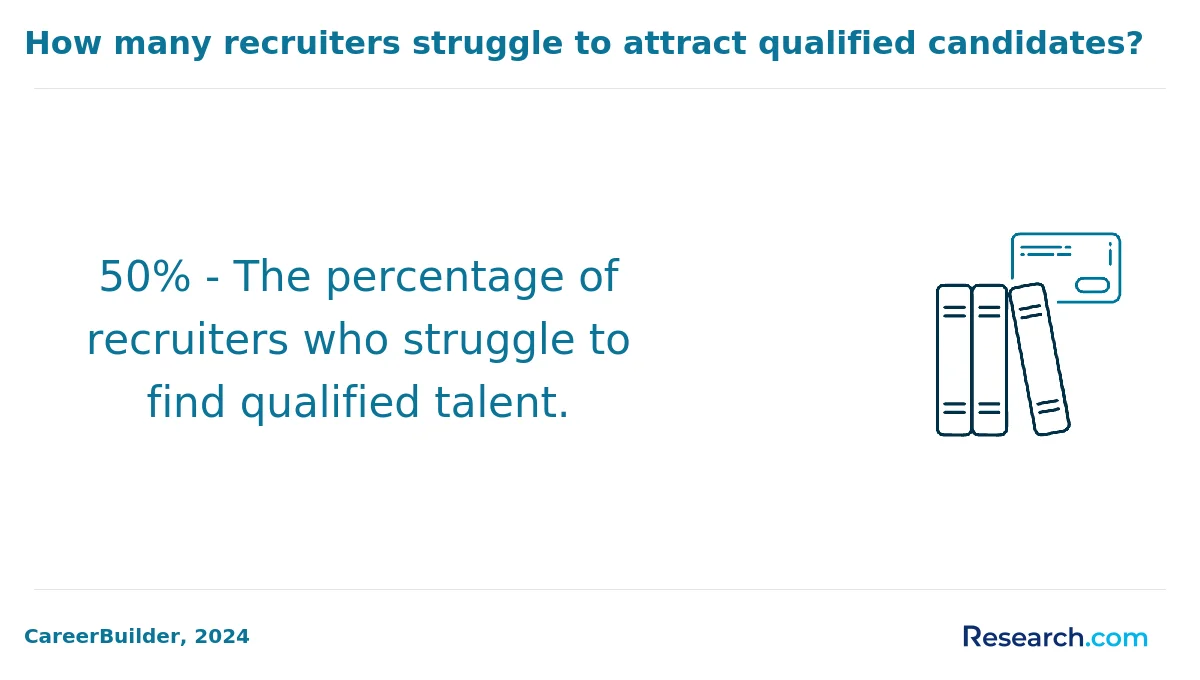
Associate degree students in Manhattan have access to a variety of financial aid options that make college affordable and achievable. The Federal Pell Grant, offering up to $7,395 for the 2025-2026 academic year, is a key resource for students demonstrating financial need through the FAFSA application. Many Manhattan students, including those at institutions like Marymount Manhattan College, rely on this grant as a foundational support.
New York State residents benefit from programs like the Tuition Assistance Program (TAP), which provides up to $5,665 annually for full-time students. Part-time learners can apply for the Aid for Part-Time Study (APTS), which offers up to $2,000 yearly, helping to ease the burden for those balancing school and work.
Graduates from popular Manhattan associate degree programs often share how institutional scholarships dramatically improved their college experience. At Marymount Manhattan College, first-year scholarships can reach $22,000 per year, rewarding academic merit and supporting students throughout their studies. Federal Work-Study and student loans also serve as practical options, while veterans utilize GI Bill® benefits.
Using net price calculators and early FAFSA filing helps Manhattan students maximize aid, turning financial uncertainty into confidence and excitement about their educational journey.
To enroll in an associate degree program in Manhattan, students must hold a high school diploma or an equivalent credential, such as a GED. Graduates often recall the reassurance they felt submitting their official transcripts from accredited schools or recognized homeschooling programs, validating their readiness for college-level work. Manhattan colleges place strong emphasis on these transcripts to assess previous academic performance, especially when assessing transfer credits. For example, Marymount Manhattan College welcomes up to 60 transfer credits, though acceptance depends on the relevance of prior coursework and can vary if a student changes majors.
Applicants typically provide additional materials that showcase their personal qualities and commitment, including:
- Letters of recommendation highlighting work ethic and character
- A personal essay demonstrating motivation and communication skills
- Optional standardized test scores or proof of English proficiency for non-native speakers
Some specialized programs, particularly in healthcare, require completion of specific science courses with minimum grades, which many students find motivating as it sets clear academic goals. Application deadlines differ by institution, with rolling admissions benefiting those eager to start without delay.
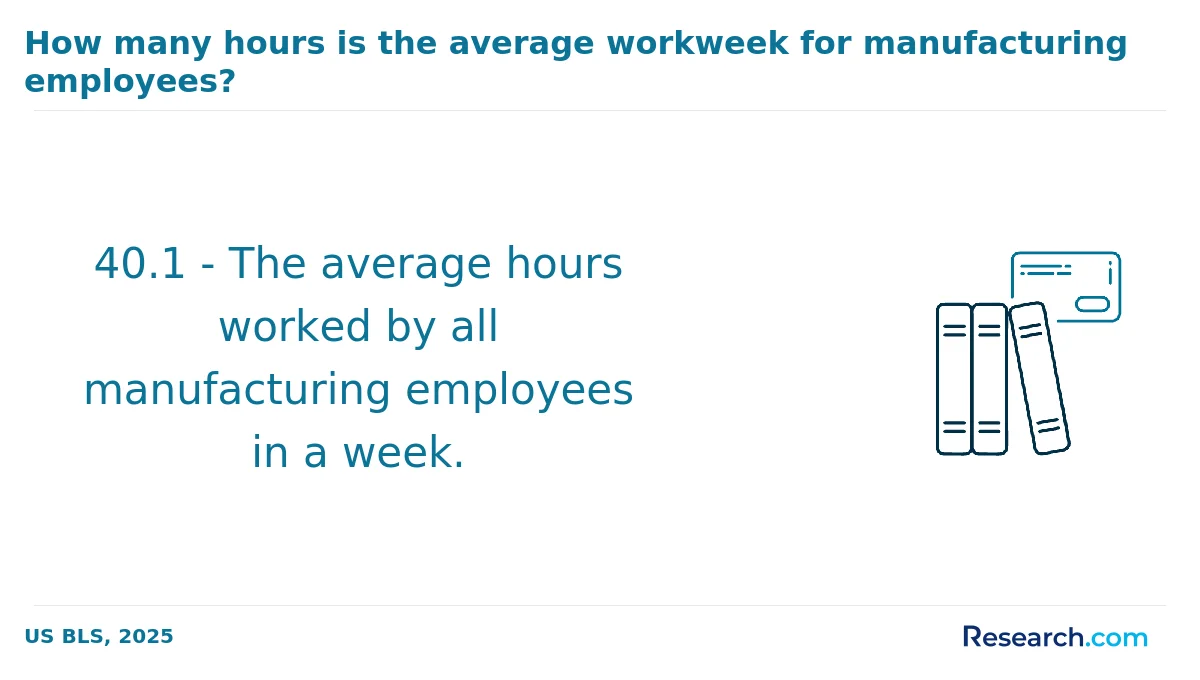
Associate degree course requirements in Manhattan emphasize a well-rounded education blending core subjects, major classes, and electives. Graduates from popular Manhattan schools often highlight general education courses in English composition, mathematics, and public speaking, which sharpen communication and critical thinking skills essential for the workforce.
Common classes in Manhattan associate degree programs include:
- Critical thinking and writing through literature
- Contemporary values and classical ethics
- Public speaking and the art of persuasion
- Introductory math or accounting principles
Students pursuing specific fields enjoy tailored coursework; for example, business majors study management, marketing, and entrepreneurship, while technology students engage in programming and web design. Engineering paths cover calculus, physics, and applied engineering basics. Many also benefit from career prep courses, hands-on projects, and internships, enhancing job readiness.
For those seeking a smoother academic journey, checking out the easiest phd to earn options can be inspiring while balancing career ambitions with study workload.
Choosing the best associate degree program in Manhattan begins with evaluating accreditation and program quality. Graduates from Borough of Manhattan Community College (BMCC), often celebrated as one of the best value associate degrees in Manhattan, highlight the institution's strong academic standards and dedicated faculty as key to their success. Many students appreciate flexible options such as online and hybrid formats, enabling working adults to balance family and career commitments while advancing their education.
Comparing tuition, fees, and financial aid opportunities is essential to compare Manhattan associate degree program costs effectively. Students often share how access to free tutoring and career counseling at BMCC enriched their learning experience and boosted confidence during challenging courses. Transfer pathways to CUNY and SUNY universities, along with internship placements, create smooth transitions toward bachelor's degrees and rewarding career launches.
For those exploring further education, it's useful to research programs and costs carefully, and even consider an affordable online phd as a future step. This approach ensures that your investment aligns with both immediate and long-term goals in Manhattan's vibrant academic landscape.
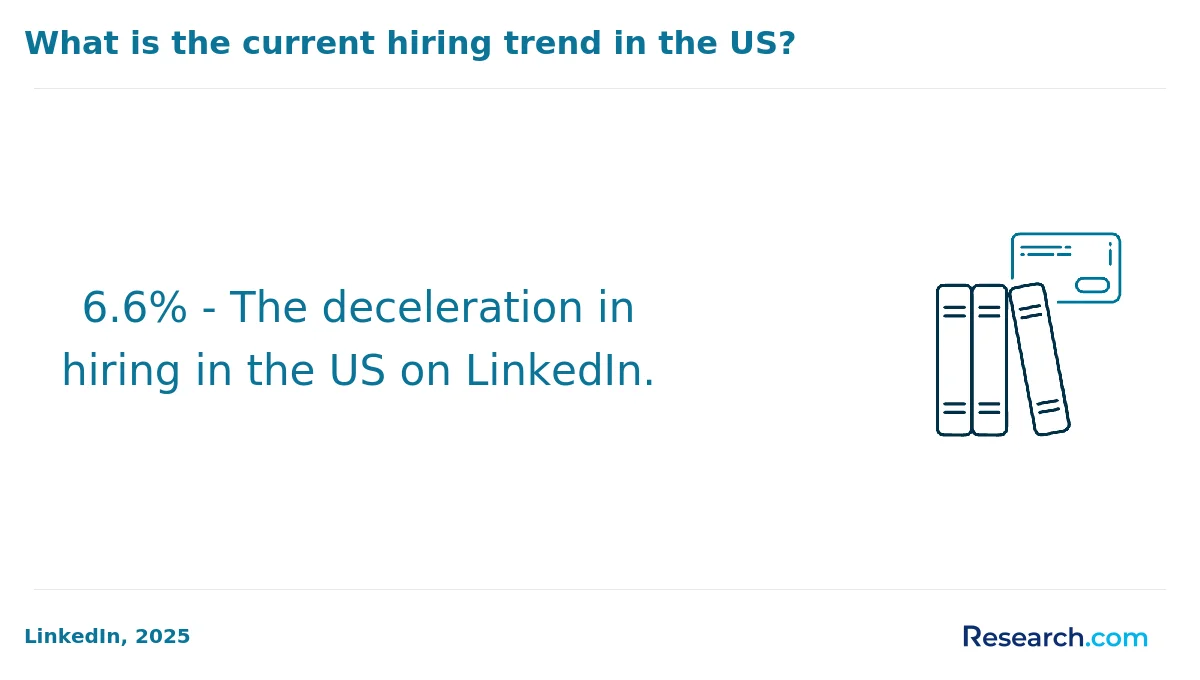
Graduates of associate degree programs in Manhattan find diverse associate degree jobs in Manhattan NY across multiple thriving industries. Many graduates securing roles in retail and operations share how working with renowned brands like MLB Store and Christian Dior Couture gave them hands-on experience and competitive wages between $16 and $24 per hour. This practical foundation often leads to advancement and valuable employee benefits.
Finance and market analysis attract associate degree holders into roles such as market research associate and operations associate at top firms like Fitch Ratings and Morgan Stanley. These positions can offer annual salaries ranging from $70,000 to $140,000, with career opportunities expanding into client-facing and risk management roles.
Healthcare is another strong sector, with jobs such as patient care coordinator and billing specialist providing stable employment. Associates from popular Manhattan schools appreciate the clear pathways toward certification and higher education these roles offer, making them ideal for career growth.
Career opportunities for associate degree holders Manhattan also extend into technology, where graduates assist in business operations and technical support for fintech startups, and hospitality, where they thrive as event coordinators and guest experience associates in the city's bustling tourism venues.
For those exploring quick courses that pay well, Manhattan's associate degree programs provide a powerful springboard into rewarding, workforce-ready careers.
The Manhattan job market for associate degree graduates is characterized by steady demand but moderated wage growth. Graduates from popular associate degree schools in Manhattan often secure positions such as administrative assistants, human resources coordinators, or IT support specialists. These roles provide valuable entry-level experience with average salaries around $54,309 annually, making Manhattan the highest-paying city in New York State for associate degree job opportunities in Manhattan. Many students appreciate the practical training they receive and find it rewarding to start careers in a vibrant city where job openings exceed 12,000 across industries like healthcare, business, and technology.
While the overall wage advancement is modest, certain specialized roles such as Associate DevOps Engineers or Operations Planners can offer higher pay, reflecting the benefit of technical skill acquisition. Graduates often share how gaining skills at well-known local institutions helps them stand out in this competitive market. For those looking to maximize returns, exploring additional certifications or building technical competencies is advised.
Key factors to consider include:
- The consistent demand for practically skilled professionals in Manhattan's diverse job sectors
- The competitive edge gained from attending popular vocational schools online or locally
- The value of practical experience paired with an associate degree
For those wondering where to begin skill development, many turn to most popular vocational schools online which blend flexibility with market relevance, further enhancing prospects within the Manhattan job market for associate degree graduates.
Best Associate Degree Programs - Leading Certification Courses in Manhattan for 2026
# 1 position
Manhattan Area Technical College - Electrical and Power Transmission Installation/Installer, General.
associateManhattan Area Technical College offers a hybrid program in Electrical and Power Transmission Installation/Installer, General, preparing students to install residential, commercial, and industrial electrical systems and power transmission lines. The curriculum covers electricity, safety, wiring, insulation, grounding, blueprint interpretation, equipment operation, maintenance, and relevant codes. Annual in-state tuition is $9,276. Graduates report median earnings of $50,897 one year after completion. The program is accredited by the Higher Learning Commission.
# 2 position
Manhattan Area Technical College - Heating, Air Conditioning, Ventilation and Refrigeration Maintenance Technology/Technician.
associateManhattan Area Technical College offers a hybrid Heating, Air Conditioning, Ventilation and Refrigeration Maintenance Technology/Technician program. It prepares students with technical skills to repair, install, service, and maintain HVAC and refrigeration systems. The curriculum covers diagnostic techniques, testing equipment use, and principles of mechanics, electricity, and electronics. The program’s annual in-state tuition is $9,276 and it is accredited by the Higher Learning Commission. Median earnings one year after completion reach $39,131.
# 3 position
Manhattan Area Technical College - Automobile/Automotive Mechanics Technology/Technician.
associateManhattan Area Technical College offers a hybrid program in Automobile/Automotive Mechanics Technology/Technician. The curriculum covers repair, service, and maintenance of automobiles, including brake systems, electrical systems, engine performance and repair, suspension and steering, transmissions, and heating and air conditioning systems. The annual in-state tuition is $9,276. The program is accredited by the Higher Learning Commission and includes some distance-education options.
# 4 position
Manhattan Area Technical College - Accounting Technology/Technician and Bookkeeping.
associateManhattan Area Technical College offers a program in Accounting Technology/Technician and Bookkeeping designed to prepare individuals for technical administrative support roles in accounting and financial management. The curriculum includes instruction on posting transactions, record-keeping systems, accounting software, and general accounting principles. The program's annual in-state tuition is $9,276. It is accredited by the Higher Learning Commission.
# 5 position
Manhattan Area Technical College - Welding Technology/Welder.
associateManhattan Area Technical College offers a Welding Technology/Welder program with a hybrid format that includes some distance-education options. The program teaches technical skills in arc welding, resistance welding, brazing, soldering, and other welding processes. It covers materials, metallurgy, safety, and applicable codes. Annual in-state tuition is $9,276. Graduates have median earnings of $34,077 one year after completion. The program is accredited by the Higher Learning Commission.
Frequently Asked Questions about associate degree programs
After completing an associate degree in Manhattan, effective job market preparation is crucial. Begin by leveraging career services offered by your college, as many institutions provide job placement assistance, resume workshops, and interview preparation. According to the National Center for Education Statistics, about 60% of associate degree holders in New York City find employment within a year of graduation.
Networking is essential; attend local job fairs and connect with industry professionals through platforms like LinkedIn. Manhattan's diverse economy supports fields like healthcare, technology, and business, where associate degrees are in demand. Additionally, gaining relevant internships can significantly improve your job prospects by providing practical experience.
Employers in Manhattan consistently seek associate degree graduates who demonstrate strong technical and soft skills. According to the National Association of Colleges and Employers (NACE), critical thinking and problem-solving top the list, as these abilities help graduates adapt quickly in fast-paced urban work environments.
Communication skills are also highly valued, with 91% of employers emphasizing the need for clear verbal and written communication. Additionally, teamwork and collaboration are essential, especially in Manhattan's diverse and dynamic workplaces.
Industry-specific technical skills, such as proficiency in healthcare software or construction technologies, vary by sector but remain critical. The Manhattan Workforce Report highlights that digital literacy is increasingly important across all fields.
Time management and adaptability round out the preferred skill set, as employers look for graduates ready to meet evolving demands efficiently.
Finding internships in Manhattan that align with your associate degree program involves several strategic steps. Start by utilizing your college's career services, as many community colleges in Manhattan have partnerships with local businesses. According to the National Association of Colleges and Employers, about 60% of internships are sourced through institutional connections.
Next, explore online platforms such as Handshake and Chegg Internships, which frequently list opportunities in Manhattan's vibrant industries like healthcare, technology, and business administration.
Networking plays a critical role; attending local job fairs and industry events can connect you to employers actively seeking interns with your skill set. Manhattan's economic growth has increased internship openings by 5% annually over recent years, according to the New York City Department of Labor.
Lastly, consider reaching out directly to companies known for offering internships aligned with your degree, including those in finance, media, and public service sectors.
An associate degree can significantly enhance career mobility and advancement opportunities in Manhattan's competitive job market. According to the National Center for Education Statistics, individuals with associate degrees earn approximately 20% more on average than those with only a high school diploma. In Manhattan, industries such as healthcare, technology, and business frequently seek employees with this credential for entry- to mid-level positions.
Moreover, many community colleges in Manhattan have partnerships with local employers, facilitating internships and job placement that boost career prospects. The U.S. Bureau of Labor Statistics notes that associate degree holders have a 10% higher employment rate compared to those without postsecondary education.
Manhattan offers diverse part-time job opportunities that align well with associate degree programs. For students in healthcare, roles such as medical assistants or phlebotomy technicians are in demand, reflecting the city's extensive hospital and clinic network. According to the New York State Department of Labor, these positions often pay between $15 and $20 per hour.
Students with degrees in business or finance can find part-time work as administrative assistants or bookkeepers in Manhattan's busy commercial districts. Such roles provide practical experience while earning approximately $18 to $25 per hour.
Retail and hospitality sectors also provide flexible jobs suitable for those studying fields like communications or marketing, with average wages near $15 per hour. These opportunities help enhance customer service and teamwork skills.
To choose the best degree program near Manhattan, KS, start by identifying your career goals and ensuring that the programs offered align with those goals. Research the available universities and colleges near me, such as Kansas State University, and evaluate their programs based on faculty expertise, campus facilities, and opportunities for hands-on experience. Additionally, using resources like Research.com can provide insights into program rankings, helping you make an informed decision based on the quality and reputation of degree programs near Manhattan, KS.
- Best Trade School & Training Programs - Leading Certification Courses in Emporia for 2026
- Best Trade School & Training Programs - Leading Certification Courses in Springfield for 2026
- Best Trade School & Training Programs - Leading Certification Courses in Little Rock for 2026
- Best Trade School & Training Programs - Leading Certification Courses in Kyle for 2026
- Best Trade School & Training Programs - Leading Certification Courses in Angola for 2026
- Best Trade School & Training Programs - Leading Certification Courses in Florence for 2026
- Best Trade School & Training Programs - Leading Certification Courses in Adrian for 2026
- Academics – BEC Manhattan https://bhsec.bard.edu/manhattan/academics/
- Online Associate’s Degree Programs (AS and AAS) - Purdue Global https://www.purdueglobal.edu/degree-programs/associates-degrees/
- Associate Degree programs - United International Business School (UIBS) https://www.uibs.org/undergraduate/associate/
- What Are Employers Looking for When Reviewing College Students’ Resumes? https://www.naceweb.org/talent-acquisition/candidate-selection/what-are-employers-looking-for-when-reviewing-college-students-resumes
- Apply | Manhattan University https://manhattan.edu/admissions/apply-all.php
- Petersonsdata https://petersonsdata.com/
- Associate Degree Nursing Prerequisites | Manhattan Area Technical College https://manhattantech.edu/associate-degree-nursing-prerequisites
- Research - Our Methodology https://research.com/our-methodology
- How Should I List Multiple Degrees After My Name? | ProFellow https://www.profellow.com/askdrjohnson/how-should-i-list-multiple-degrees-after-my-name/
- Traditional vs Online Degrees 2025: Which One is Better for You? https://www.pw.live/online-degree/exams/traditional-vs-online-degree