# 1 position


Audited and Verified:
Our Editorial and Data Verification Process
Research.com uses government datasets, official education statistics and primary institutional information to support its career and degree guides. Our review process checks factual accuracy, occupational definitions, source dates and the requirements associated with the credentials discussed.
How This Article Was Fact-Checked
Our editorial team verifies salary estimates, employment projections, education requirements and program information against original data providers and official organizations. Salary figures are checked against the relevant occupational definitions and reporting periods. Information about licensure, accreditation and required in-person training is reviewed separately.
Fact-checked and verified on:

Co-Founder and Chief Data Scientist

Reviewed by Karolina Broda
Fact-Checker and Data Verification
The cheapest electrician program is not necessarily the least expensive way to become job-ready. Tuition, tools, travel and the time needed to gain supervised experience all matter. The U.S. Bureau of Labor Statistics projects 9.2% growth in electrician employment nationally from 2025 to 2035, making training choices worth examining carefully. This guide helps Paducah students and career changers compare those choices. It also accompanies the Research.com team of data scientists' Most Affordable Electrician Trade Schools in Paducah for 2027 ranking, created to help readers identify programs worth considering.
Expect a mix of electrical theory and supervised practice: reading plans, calculating loads, selecting materials, installing circuits, testing equipment and working safely around energized systems. Before enrolling at West Kentucky Community and Technical College, ask for the current electrician-related program outline, credential, shop schedule and any documented connection to work-based training. A course title alone cannot establish how much practical experience it provides.
The main choice is between school-based instruction and a paid apprenticeship. A certificate or diploma can build foundational skills before employment; an associate degree adds a broader academic credential if that fits the student's goal. A registered apprenticeship combines instruction with supervised work and wages, but entry depends on sponsor openings and selection requirements. An employer-sponsored trainee position may also be viable if the employer can document qualifying experience. The right route is the one that leads toward the work and Kentucky license eligibility you actually want - not simply the quickest credential.
Optional industry credentials can help demonstrate specific skills, but they do not replace a state license. Readers comparing certifications that make good money should ask whether a proposed electrical credential is recognized by nearby employers and what hands-on abilities it verifies.
Potential settings include residential construction and service, commercial buildings, industrial facilities and maintenance operations. The distinction affects training choices: residential work emphasizes service panels and building wiring, while industrial roles may require motor controls, troubleshooting and safe work around production equipment. The U.S. Bureau of Labor Statistics describes electricians working across construction, maintenance and related industries.
Paducah-area students should check the actual service territories and job sites of prospective employers and apprenticeship sponsors. A position advertised in the wider western Kentucky area may involve travel, changing construction sites or a schedule that conflicts with classes. Training for work across the state line also warrants an early check of the rules where the work will occur; a Kentucky credential should not be assumed to confer authorization elsewhere.
A verified Paducah-specific electrician median is not available here, so a national figure is a benchmark, not a local wage quote. The U.S. Bureau of Labor Statistics reports a $63,190 national median annual wage for electricians in May 2025. That figure includes experienced workers; apprentice pay and first-job offers may differ substantially.
For a useful local comparison, request current wage scales or written offers from apprenticeship sponsors and employers. Check the starting rate, scheduled increases, benefits, overtime assumptions and travel costs. Then compare those terms with the pay you would give up while studying: a higher eventual wage does not by itself establish that a particular tuition bill or loan is worthwhile.
There is no single program length. A foundational certificate can be shorter than a diploma or associate degree, while a registered apprenticeship typically extends over years because it includes substantial supervised employment and related instruction. Ask West Kentucky Community and Technical College for the current catalog length and meeting schedule rather than assuming that all credentials with "electrical" in the name cover the same work.
Program completion and readiness for independent licensed work are different milestones. The Kentucky Department of Housing, Buildings and Construction describes a journeyman eligibility route involving four years of electrical-trade experience and 576 classroom hours, as well as an experience-based alternative; applicants must meet the applicable rules and examination requirements. Confirm current requirements with the department before relying on a school's estimate of when you can test.
Readers attracted to fast degrees that pay well should weigh a short electrical credential against the additional time needed to gain qualifying work experience. Faster classroom completion is valuable if it gets you into supervised paid work sooner; it is not a shortcut past licensing requirements.
Electrical theory, code study and some calculations can be taught remotely. Wiring, measurement, fault-finding, tool use and supervised jobsite work require equipment and direct practice. A hybrid option can reduce trips to class, but it cannot make the practical portion disappear. Neither an online course nor a completion certificate should be assumed to satisfy Kentucky licensing requirements without confirmation from the Kentucky Department of Housing, Buildings and Construction.
The comparison below helps identify what a convenient format might leave for you to arrange separately.
| Format | Useful for | What to verify before enrolling |
| On-campus | Scheduled shop practice and access to instructors and equipment | Actual lab time, commuting costs and connections to supervised work |
| Hybrid | Remote theory alongside scheduled in-person practice | Required campus visits, lab access and how attendance is documented |
| Online coursework | Flexible theory or code preparation | Where practical training occurs and whether instruction counts toward the intended pathway |
Listings for vocational schools online can help identify formats, but the decisive electrician question is where you will practice safely under supervision. For students traveling from outside Paducah, count required lab trips before treating a hybrid program as the cheaper choice.
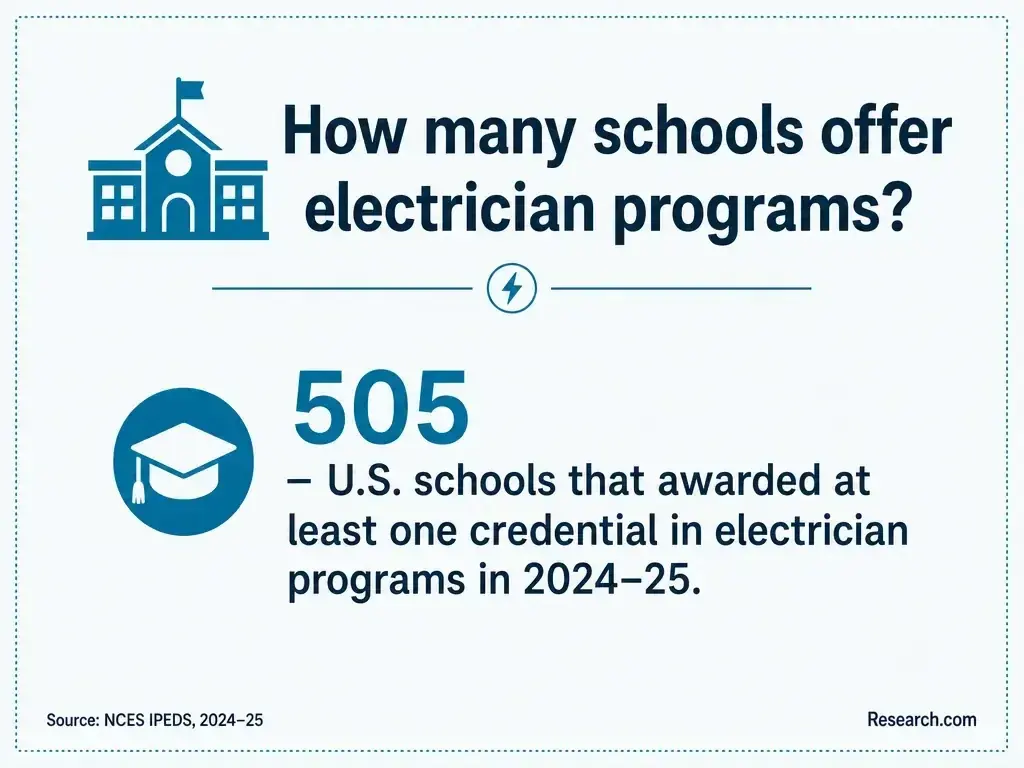
There is no defensible single Paducah average for every electrician pathway: a college credential, paid apprenticeship and employer-sponsored training have different cost structures, and program charges can change before 2027. Request a current, itemized estimate rather than using a ranking position as your budget. In particular, a paid apprentice may face lower upfront tuition but still need tools and transportation.
Build a job-ready budget from tuition and mandatory fees; books and code materials; tools, testing equipment and personal protective equipment; any examination and licensing charges; and travel to shops or jobsites. Add the earnings you would forgo during unpaid study. Subtract only aid or employer contributions you have confirmed in writing. Federal Student Aid notes that aid eligibility depends on the student and the eligible institution and program; ask the provider's aid office about federal aid and Kentucky workforce or scholarship options rather than assuming every short course qualifies.
For a fair return-on-investment comparison, include program length, completion likelihood, debt, your current earnings, plausible post-training earnings and when those earnings might begin. A low advertised tuition can be poor value if the program leaves you to find essential supervised experience on your own.
The award depends on the pathway. A school may award a certificate, diploma or associate degree; a registered apprenticeship leads to an apprenticeship completion credential; an employer may provide training records without awarding an academic credential. None is identical to a Kentucky occupational license. Confirm the precise award and ask whether instruction and work hours can be documented for a future license application, according to the Kentucky Department of Housing, Buildings and Construction and U.S. Department of Labor apprenticeship guidance.
An associate degree may suit someone seeking broader technical study or a transferable academic award, but a shorter credential may be more efficient when the immediate goal is entry into paid supervised work. Readers exploring cheapest associate degrees online should not assume a remotely delivered electrical award supplies equivalent shop or field experience. Ask whether prior trade experience earns school credit and, separately, whether the licensing authority will accept the underlying documented experience; those are different decisions.
Requirements vary by pathway and provider. A college program may specify placement or prerequisite coursework; an apprenticeship sponsor or employer may additionally assess math, availability, ability to reach jobsites and readiness for physical work. Ask West Kentucky Community and Technical College and any prospective sponsor for their current written criteria rather than treating another provider's rules as universal.
Entry requirements also differ from licensing requirements. Before committing, verify the provider's identity and applicable institutional accreditation or state authorization, then ask how it records classroom and supervised work hours. Institutional accreditation addresses the institution; apprenticeship registration addresses the training arrangement; neither automatically grants an occupational license or proves that a particular course meets every Kentucky requirement.
Useful foundational instruction covers electrical safety, circuits, wiring methods, blueprint reading, code application, measurement and troubleshooting. The U.S. Bureau of Labor Statistics identifies installation, inspection, maintenance and repair as core electrician work. For an industrial goal, ask specifically about motors and controls; for residential service, ask about panels, branch circuits and diagnosing faults in existing buildings.
Judge the practical component by its evidence, not its description. Request the syllabus, scheduled shop hours, equipment list, instructor supervision arrangements and any employer-based assignments. A student who can discuss code but has little opportunity to install and test circuits will still need substantial practical development before taking on electrician responsibilities.
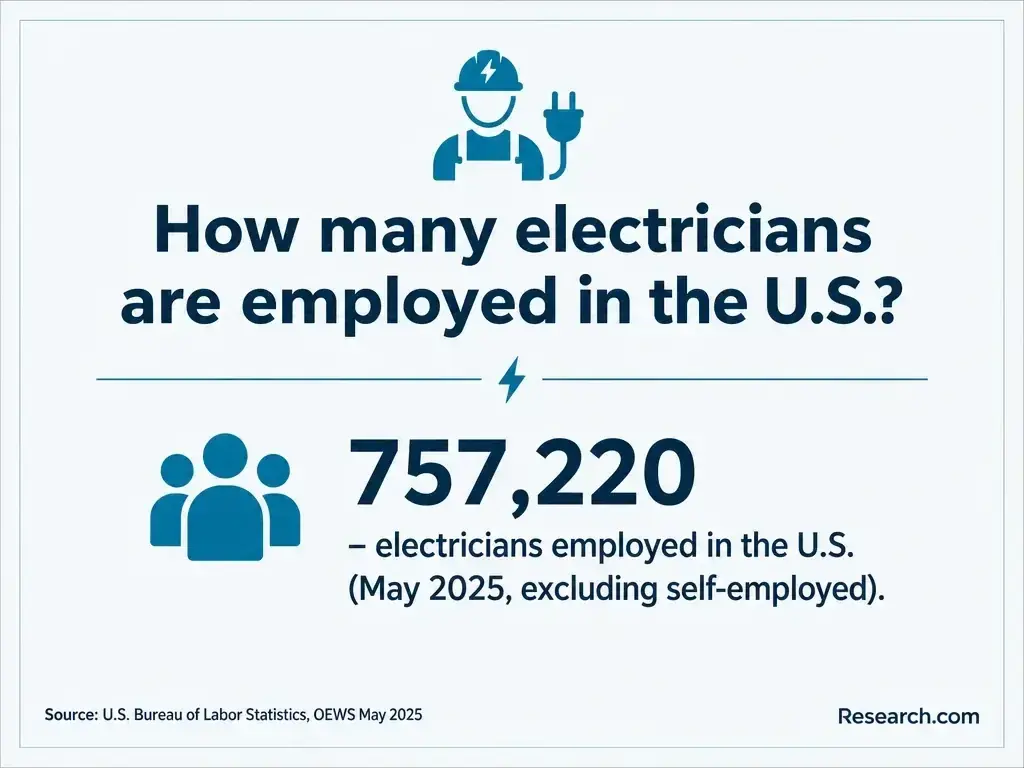
Training completion does not itself authorize independent electrician work in Kentucky. The Kentucky Department of Housing, Buildings and Construction administers electrical licensing and sets experience, instruction and examination requirements for the relevant license category. Its journeyman route can involve four years of electrical-trade experience plus 576 classroom hours; an alternative experience route exists. Check the department's current application instructions for the category you intend to pursue and how it will assess your records.
You can pursue training and supervised employment before holding a journeyman license, subject to applicable work and supervision rules. Distinguish a school certificate, an optional industry certification, registered-apprenticeship status and a state license when speaking with a provider. If your goal is eventually to operate an electrical contracting business, ask about the separate contractor requirements rather than assuming journeyman progression automatically covers that work.
Start with the intended job and licensing pathway, then compare eligible programs with paid training opportunities. Research.com's affordability ranking can narrow the college search, but IPEDS completion reporting does not capture every apprenticeship or employer program. A ranking also cannot tell you whether a particular lab schedule fits your job or whether an employer will accept the training.
Ask each provider for written answers to the questions below. They expose the costly gaps that a tuition figure or appealing program name can conceal.
A red flag is a promise that a short course alone will make you a licensed electrician. Another is an "online" bargain with no credible plan for practical work. Even broad searches such as which phd is easiest to get cannot answer the occupation-specific investment question: what training, documented experience and examination will this route actually require?
A common progression is foundational training or direct entry into supervised work, followed by accumulating documented experience, meeting Kentucky's examination and licensing rules, and developing a specialty. Possible directions include residential service, commercial installation, industrial electrical maintenance and, with further experience and applicable credentials, supervision or contracting. The Kentucky Department of Housing, Buildings and Construction sets occupational licensing requirements; an employer decides which additional skills it wants for a particular role.
Choose early coursework to match the next realistic step. Someone seeking an industrial maintenance position should ask about controls and troubleshooting, while a prospective residential apprentice should prioritize building wiring and a credible path to supervised jobs. Optional specialty training can come later; paying for it before securing foundational experience may delay entry without improving immediate eligibility.
The U.S. Bureau of Labor Statistics projects 9.2% national employment growth for electricians from 2025 to 2035. That signals occupational demand across the United States, not a forecast of Paducah openings or a guarantee of placement after training.
Use local evidence before borrowing for a program: review current openings within a commute you would accept, note whether they request apprentices or experienced licensed electricians, and ask sponsors when they expect to recruit. If most appealing jobs require experience you do not yet have, a pathway that places you in documented supervised work may be more valuable than a faster classroom-only option.
Investing in electrician training is an important decision. Research.com created its ranking to make the costs of eligible local programs easier to compare, using reported data and checks intended to improve accuracy and credibility. Programs are compared with others in the same occupation and location; only programs reporting completions to IPEDS are eligible. A registered apprenticeship or employer training route may therefore be worth considering even if it does not appear in the ranking.
The most affordable ranking scores tuition, cost of attendance, median student debt and federal loan default rate. An entropy-based method assigns more weight to cost and debt indicators that vary more across programs. Unlike a best-programs ranking, this affordability score does not include accreditation or other quality indicators. Readers should use it as a cost-screening tool, then independently check hands-on training, completion prospects and licensing relevance.
The following sources informed Research.com's ranking work. Some cover the broader trade-program landscape rather than electrician-specific approval, and their inclusion does not mean every source supplies a score for every program.
Research.com's separate best-programs methodology also considers student outcomes, earnings, support and recognition; those measures should not be mistaken for the affordability score. See Research.com's methodology for further detail. The practical benefit of the ranking is a narrower starting list - not a substitute for a written, program-specific cost estimate.
# 1 position
# 2 position
Not necessarily. Supervised employment and registered apprenticeships are alternatives to starting with a school credential. Check the Kentucky Department of Housing, Buildings and Construction's current requirements to see how your chosen route establishes qualifying experience and instruction.
No. A certificate documents school training; Kentucky journeyman licensure has separate experience and examination requirements, according to the Kentucky Department of Housing, Buildings and Construction.
It can reduce upfront study costs and pay wages during training, but tools, travel and any required instruction still matter. Compare written costs and pay terms with the full school budget.
You may be able to study theory online, but electrician work requires practical training. Confirm where supervised hands-on work happens and whether the instruction fits your intended Kentucky pathway.
No. Ranking eligibility requires program completions reported to IPEDS. An apprenticeship or employer route can still be a worthwhile option even when it does not appear there.