2027 Speech Pathology Degree Recession Resilience Report: Which Career Paths Hold Up Best During Economic Downturns

Co-Founder and Chief Data Scientist

Reviewed by Rhea Paul, PhD
SLP Education & Research Expert
Choosing a speech pathology career during economic uncertainty means looking beyond passion and salary. The U.S. Bureau of Labor Statistics projects 15% growth for speech-language pathologists from 2024 to 2034, much faster than average, with healthcare and education demand helping stabilize hiring.
This guide is for students, graduates, and working clinicians comparing roles, industries, and employers. You will learn which paths tend to hold up better in downturns, where salary stability is strongest, and how to build transferable skills without assuming any career is completely recession-proof.
Key Things You Should Know
- Most resilient paths: school-based speech-language pathologists, hospital-based SLPs, early intervention clinicians, and skilled nursing or home health SLPs tend to benefit from essential education, disability, rehabilitation, and medical demand.
- Key labor-market signal: BLS 2024-2034 projections show about 11,400 annual openings for speech-language pathologists, meaning replacement demand and service needs may soften downturn risk, but they do not eliminate layoffs or hiring freezes.
- Best risk-control strategy: pair licensure-ready clinical training with portable skills in dysphagia, pediatric language, AAC, documentation, telepractice, and interprofessional care so you can move across schools, hospitals, outpatient clinics, and community settings.
- What Makes a Speech Pathology Degree Career Recession-Resistant?
- Which Speech Pathology Career Paths Offer the Strongest Job Stability During Downturns?
What Makes a Speech Pathology Degree Career Recession-Resistant?
Recession resilience means a career is more likely to maintain demand, funding, or hiring activity when the broader economy slows. It does not mean guaranteed employment. Speech pathology is relatively resilient because communication, swallowing, developmental, disability, and rehabilitation services are tied to health, education, legal mandates, and aging-related needs rather than discretionary consumer spending.
For most independent clinical speech-language pathologist roles, a bachelor's degree alone is not enough. The typical U.S. path is a communication sciences and disorders bachelor's degree or prerequisite coursework, a graduate degree from an accredited speech-language pathology program, supervised clinical experience, state licensure, and often the ASHA Certificate of Clinical Competence in Speech-Language Pathology. State rules, school requirements, and Medicaid or insurance participation standards can vary.
The BLS May 2024 Occupational Employment and Wage Statistics reported a $95,410 median annual wage for speech-language pathologists. For recession planning, that figure matters less as a promise and more as a benchmark: roles tied to reimbursed healthcare, public education, and specialized clinical services may preserve income better than roles dependent on elective wellness spending or small private-pay caseloads.
This table summarizes the main factors that make a speech pathology career more or less resilient. Historical downturn data is limited by setting and region, so the table should be used as a decision framework rather than a guarantee.
| Resilience factor | Why it matters during a downturn | Speech pathology example |
| Essential service status | Services tied to health, disability access, safety, or mandated education are less discretionary. | Dysphagia treatment, IEP-related school services, post-stroke rehabilitation. |
| Funding source | Public funding, insurance reimbursement, and institutional budgets may be more stable than cash-pay demand. | Public schools, hospitals, Medicare-covered rehabilitation, Medicaid-supported early intervention. |
| Credential barriers | Licensure and clinical certification can reduce replacement by lower-cost workers. | Licensed SLP roles requiring graduate education and supervised clinical practice. |
| Transferability | Clinicians who can move between age groups, disorders, and settings have more fallback options. | Pediatric language plus AAC plus adult neurogenic communication skills. |
| Employer size | Larger systems may have more predictable funding, but they may also impose hiring freezes. | Hospital networks and school districts versus small private clinics. |
Students comparing recession-resistant healthcare degrees should also understand how speech pathology differs from fields with heavier pharmacy, medication, or acute-care emphasis; reviewing online pharmacy school programs can help clarify the trade-off between longer clinical training, tuition exposure, and healthcare-sector stability.
Which Speech Pathology Career Paths Offer the Strongest Job Stability During Downturns?
The strongest speech pathology career paths during downturns are usually those connected to legally required services, acute medical need, chronic care, or aging-related demand. The most vulnerable paths tend to depend on optional private-pay services, employer wellness budgets, or narrow caseloads that can shrink when households cut spending.
Use the following comparison to evaluate stability, not prestige. Salary can vary by region, union coverage, caseload model, experience, and reimbursement environment.
| Career path | Typical setting | Recession-resilience profile | Main trade-off |
| School-based SLP | Public schools, charter schools, special education cooperatives | High resilience because services are tied to special education law, IEPs, and child development needs. | Pay may be lower than some healthcare settings, and caseloads can be heavy. |
| Hospital SLP | Acute care, inpatient rehabilitation, outpatient medical clinics | High resilience when skills include swallowing, cognition, stroke, traumatic brain injury, and complex medical care. | Positions may require experience, strong medical documentation, and comfort with high-acuity patients. |
| Early intervention SLP | Home-based programs, state-funded programs, pediatric agencies | Moderate-to-high resilience because developmental delays do not disappear during recessions. | Funding and referral volume can vary by state and agency contracts. |
| Skilled nursing or home health SLP | SNFs, home health agencies, long-term care | Moderate-to-high resilience due to aging, swallowing, cognition, and post-acute rehabilitation needs. | Reimbursement changes can affect productivity targets and staffing models. |
| Private pediatric clinic SLP | Small clinics, multidisciplinary practices | Moderate resilience when insurance-funded, lower when heavily private-pay. | Small employers may be more exposed to referral dips and cash-flow pressure. |
| Corporate communication or voice coaching | Private clients, business services, performance coaching | Lower resilience because services are often discretionary. | Income can be strong in good markets but more sensitive to client budget cuts. |
A practical ranking for risk-averse graduates is public school SLP first, hospital or inpatient rehabilitation SLP second, early intervention or home health SLP third, insurance-based private pediatric SLP fourth, and discretionary private-pay coaching last. However, the best fit also depends on your tolerance for caseload pressure, medical complexity, schedule variability, and regional hiring conditions.
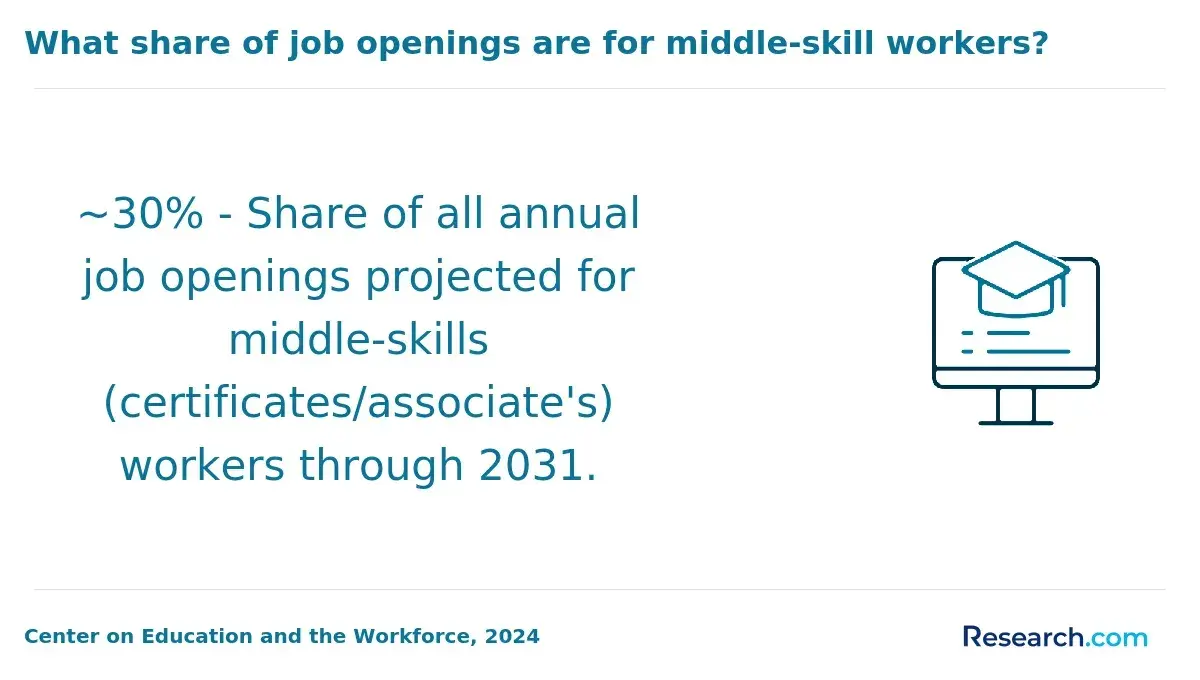
Industry choice can matter as much as job title. A speech-language pathologist doing similar clinical work may face different layoff risk depending on whether the employer is funded by public education budgets, hospital reimbursement, private insurance, direct consumer payments, or short-term contracts.
The BLS 2024-2034 outlook for speech-language pathologists reflects demand from aging populations and children needing speech and language services. That helps explain why healthcare and education settings are usually stronger recession choices than industries tied to optional spending.
| Industry | Resilience during downturns | Why it tends to hold up | Risk to watch |
| Elementary and secondary education | Strong | Special education services are mandated, and districts must serve eligible students even when budgets tighten. | Hiring may slow, vacancies may remain unfilled, and caseloads may increase. |
| Hospitals and inpatient rehabilitation | Strong | Stroke, swallowing, cognitive-communication, and acute rehabilitation needs are not discretionary. | Hospitals may freeze hiring or consolidate departments during financial stress. |
| Home health and long-term care | Moderate-to-strong | Aging-related communication and swallowing needs continue across economic cycles. | Reimbursement changes and productivity expectations can affect job quality. |
| Outpatient pediatric therapy | Moderate | Developmental and autism-related services remain important, especially when insurance-funded. | Private-pay families may reduce visit frequency during recessions. |
| University clinics and research programs | Moderate | Training clinics and grants may support services and specialty roles. | Grant cycles, enrollment pressure, or budget cuts can limit openings. |
| Corporate, coaching, and elective services | Lower | Some executives and professionals continue to pay for specialized coaching. | Demand is more discretionary and exposed to client budget cuts. |
For students who want a recession-resistant path, the safest industry strategy is not simply "choose healthcare." It is to choose healthcare or education settings where the service is essential, reimbursed, regulated, or legally required. A high-paying niche can still be fragile if it relies on clients paying out of pocket.
The lowest layoff and unemployment risk usually appears where three conditions overlap: the role requires licensure, the service is essential, and the employer has stable reimbursement or public funding. For speech pathology graduates, that often points toward school-based SLP, hospital SLP, and medically necessary rehabilitation roles.
The BLS May 2024 data places speech-language pathologists in a relatively strong wage and employment category, but it does not provide a promise of individual job security. Layoff risk still depends on local district budgets, hospital margins, payer rules, contract staffing, and whether the clinician's skills match the employer's highest-need caseloads.
When evaluating layoff risk, look for these warning signs before you accept or stay in a role:
- The position depends on a short-term grant, temporary contract, or unstable referral agreement.
- The employer has frequent unpaid cancellations, shrinking caseloads, or delayed reimbursements.
- The job advertises high pay but vague benefits, unclear supervision, or aggressive productivity targets.
- The role is highly specialized in a discretionary service that families or businesses can postpone.
- The employer cannot explain how caseloads are generated, how cancellations are handled, or how clinicians are retained during slow periods.
Speech pathology graduates who are open to non-clinical healthcare roles can also reduce risk by understanding adjacent paths in records, compliance, and operations. For example, comparing clinical pay with health information manager salary data can help graduates assess whether a documentation-heavy or healthcare administration pivot may offer a better fit during a downturn.
The best recession-resistant career is not always the highest-paying one. A role with slightly lower pay but stronger benefits, predictable hours, and low layoff exposure may produce better long-term financial stability than a higher-rate contract role with unpaid cancellations and no benefits.
For a balanced view, compare career paths by salary stability and job security together. The BLS May 2024 median wage of $95,410 for speech-language pathologists is a useful national benchmark, but local wages can differ significantly by setting, state, collective bargaining, experience, and cost of living.
| Career path | Salary stability | Job security | Best overall use case |
| Public school SLP | Moderate-to-strong, especially with step schedules and benefits. | Strong when the position is district-employed and tied to IEP services. | Best for steady benefits, a predictable calendar, and lower recession anxiety. |
| Hospital SLP | Strong for experienced clinicians with medical specialization. | Strong but dependent on hospital finances and department staffing. | Best for clinicians who want higher clinical complexity and durable medical demand. |
| Home health SLP | Variable because pay may depend on visits, territory, and cancellations. | Moderate-to-strong where aging-related demand is high. | Best for experienced clinicians comfortable with autonomy and travel. |
| Early intervention SLP | Moderate, often dependent on state contracts or agency structure. | Moderate-to-strong due to developmental service needs. | Best for pediatric-focused clinicians who can manage family-centered services. |
| Private practice owner | Potentially high but less predictable. | Variable and business-dependent. | Best for experienced clinicians with savings, referral systems, and payer knowledge. |
If your priority is stability, favor W-2 employment, benefits, mentorship, and a broad caseload over the highest hourly rate. If your priority is growth, private practice, contracting, or niche services can be attractive, but you should maintain an emergency fund and keep skills portable across more stable settings.
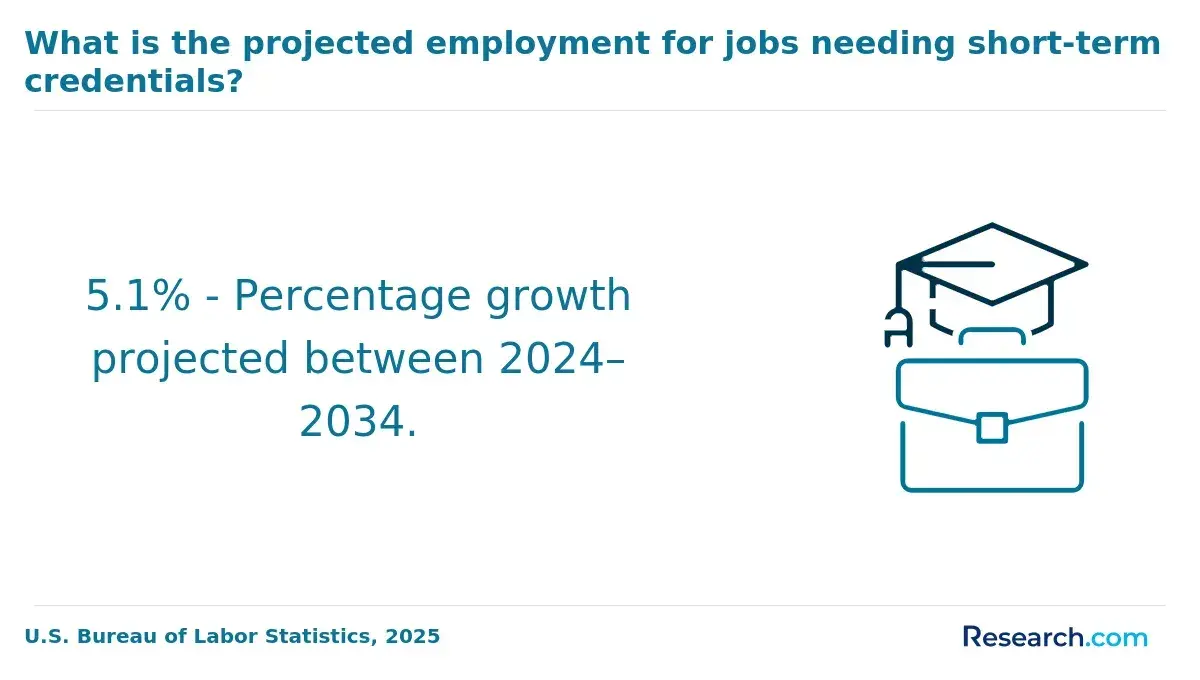
Entry-level resilience depends heavily on your credential level. A bachelor's degree in communication sciences and disorders can open support roles, but independent SLP practice usually requires graduate education and state licensure. During recessions, entry-level workers face more risk because they have less specialization, smaller networks, and fewer proven outcomes.
The most recession-resistant entry-level roles are those that support essential education, healthcare access, or clinical operations. They may not offer the same pay or autonomy as licensed SLP roles, but they can provide relevant experience and reduce career uncertainty while you prepare for graduate school or licensure.
| Entry-level role | Typical requirement | Resilience profile | Career value |
| Speech-language pathology assistant | Varies by state; may require specific SLPA education, supervision, registration, or licensure. | Moderate-to-strong where schools and clinics use supervised assistants. | Builds direct therapy support experience and strengthens graduate school readiness. |
| Special education paraprofessional | Often associate degree, bachelor's coursework, or district-specific requirements. | Moderate because schools continue serving students with disabilities. | Provides classroom, IEP, behavior, and child-development exposure. |
| Rehabilitation aide | Usually high school diploma or bachelor's degree preferred, depending on employer. | Moderate in hospitals, rehab centers, and outpatient clinics. | Builds familiarity with interdisciplinary care and patient documentation. |
| Newborn hearing screener | Employer training; healthcare background may help. | Moderate-to-strong because screening is part of routine newborn care. | Connects communication disorders knowledge with early detection and referral. |
| Early intervention service coordinator | Often bachelor's degree and state or agency training. | Moderate-to-strong where state-funded programs remain active. | Develops family-centered care, documentation, and systems navigation skills. |
If you need faster entry into direct patient care while deciding whether to pursue graduate speech pathology training, a 12 week LPN program may be worth comparing as an alternative healthcare route, especially if your main goal is stable clinical employment rather than communication-disorders specialization.
Location strongly affects recession resilience because speech pathology demand is local. A school district with chronic vacancies may be highly stable even during a downturn, while a saturated private-clinic market in a high-cost city may be more competitive. Rural areas, fast-growing suburbs, and regions with aging populations may offer steadier demand but fewer employer options.
Remote work adds flexibility, but it does not erase licensure, reimbursement, or service-quality constraints. Telepractice can improve access for schools, rural communities, and home-based services, but clinicians generally need to follow state licensure rules where the client is located, employer policies, privacy requirements, and payer standards.
To evaluate geographic and remote-work resilience, compare the following factors before choosing a program, internship, or job market:
- State licensure rules for in-person and telepractice services.
- District vacancy levels and whether schools rely heavily on contractors.
- Hospital and rehabilitation network density in the region.
- Medicaid, private insurance, and early intervention funding conditions.
- Cost of living compared with realistic local SLP wages.
- Availability of clinical supervisors, CFY placements, and specialty mentorship.
Remote speech pathology is most resilient when it is tied to essential services, not just convenience. A teletherapy contract serving school IEP needs may be more stable than a private online coaching service that depends on discretionary household spending.
Transferable skills are one of the strongest protections against recession risk. They allow speech pathology degree holders to move across schools, hospitals, clinics, home health, assistive technology, care coordination, documentation, training, and healthcare operations when hiring slows in one setting.
The most valuable recession-resistant skills combine clinical depth with adaptability. They help you serve more populations, document value clearly, and fit into multiple employer models.
- Dysphagia and medical documentation: supports hospital, skilled nursing, home health, and outpatient medical roles.
- Augmentative and alternative communication: applies across pediatric, adult, school, autism, neurogenic, and complex disability settings.
- Bilingual or culturally responsive service delivery: increases usefulness in diverse school districts, hospitals, and community programs.
- Telepractice competence: supports remote service delivery while requiring careful attention to licensure and privacy rules.
- Interprofessional collaboration: helps clinicians work with teachers, physicians, nurses, occupational therapists, physical therapists, social workers, and families.
- Data, outcomes, and compliance literacy: helps clinicians show service value and adapt to payer or district documentation standards.
Some speech pathology graduates also broaden resilience by adding movement science, rehabilitation, wellness, or human performance knowledge. Comparing a communication-disorders pathway with the best online kinesiology degree options can help students understand adjacent healthcare and rehabilitation careers with different risk profiles.
A recession-resilient speech pathology career plan should reduce dependence on one employer, one funding source, or one narrow service line. The goal is not to avoid all risk; it is to make your skills, credentials, and job choices flexible enough to withstand budget cuts, hiring slowdowns, and changes in reimbursement.
Use this step-by-step plan to make more stable education and career decisions:
- Choose an accredited graduate pathway if you want to become an SLP. Confirm accreditation, clinical placement support, Praxis preparation, state licensure alignment, and supervised clinical experience requirements.
- Prioritize essential-service settings early. Seek practica, internships, or assistant roles in schools, hospitals, early intervention, rehabilitation, or medically necessary outpatient care.
- Build at least two portable specialties. Pair a pediatric strength such as language or AAC with a medical or adult skill such as dysphagia, cognition, or neurogenic communication.
- Compare total compensation, not just pay rate. Include benefits, paid cancellations, retirement contributions, supervision, schedule stability, and productivity expectations.
- Research employer resilience before accepting an offer. Ask about referral sources, funding, contract length, turnover, caseload trends, and how the organization handled past slowdowns.
- Maintain documentation and compliance strength. Accurate notes, measurable outcomes, and payer-aware documentation make you more valuable in budget-conscious environments.
- Keep a pivot plan active. Maintain licensure, continuing education, professional contacts, and a resume that works across schools, hospitals, clinics, and remote service models.
Common mistakes include assuming speech pathology is recession-proof, choosing a role only because it pays the highest hourly rate, ignoring whether the position is permanent or contract-based, and specializing so narrowly that you cannot move when demand shifts. A better approach is to match your risk tolerance with the right employer type, then keep building skills that transfer across essential settings.
The most stable plan for many graduates is a layered one: start with licensure-ready education, gain experience in a high-need setting, build specialties that cross age groups or service models, and avoid financial decisions that require uninterrupted high earnings. That approach gives you more options if the economy weakens or your preferred employer slows hiring.
Employer type affects job security because downturns change how organizations manage budgets. Public-sector employers may offer stronger continuity and benefits, while private employers may offer faster hiring, higher pay in some settings, or more flexible schedules. Neither side is risk-free.
In recession planning, compare who pays for the service, how predictable revenue is, and how easily the employer can reduce hours. The table below shows common employer types for speech pathology degree holders and the stability trade-offs to consider:
| Employer type | Job-security advantage | Downturn vulnerability | Best fit |
| Public school district | Mandated special education services, predictable calendar, benefits, possible union protection. | Budget shortfalls can increase caseloads or delay hiring. | Risk-averse clinicians who prefer stable schedules and pediatric work. |
| Hospital system | Essential medical services, interdisciplinary teams, strong clinical specialization. | Hiring freezes, productivity pressure, and competition for acute-care roles. | Clinicians who want medical complexity and stronger specialization. |
| Large therapy company | Multiple contracts and sites may create internal transfer options. | Contract loss can affect assignments quickly. | Clinicians who value mobility across facilities. |
| Small private clinic | Close supervision, entrepreneurial culture, flexible service design. | More sensitive to referral drops, payer delays, and local competition. | Clinicians who accept some risk for autonomy and niche development. |
| Self-employment | Control over services, rates, scheduling, and niche positioning. | No automatic paycheck, benefits, or guaranteed caseload. | Experienced clinicians with savings, referral networks, and business skills. |
A common mistake is assuming large employers are always safer. Large hospitals and districts may be more stable, but they can still freeze vacancies, reduce contract staff, or shift workloads. Before accepting an offer, ask about funding sources, caseload history, productivity requirements, vacancy rates, contract renewal cycles, and whether the role is grant-funded or permanent.
Other Things You Should Know About Speech Pathology
It can be worth it for students who are prepared for graduate study, licensure requirements, and clinical work in essential settings. The degree is strongest from a recession-resilience standpoint when it leads to licensed SLP roles in schools, hospitals, rehabilitation, early intervention, or medically necessary services.
Yes, but options are more limited. Bachelor's-level graduates may find roles as SLP assistants where allowed, special education paraprofessionals, rehab aides, hearing screeners, or service coordinators. Independent SLP practice typically requires a graduate degree and state licensure.
AI may change documentation, screening, scheduling, home practice, and therapy-support tools, but it is unlikely to replace licensed clinicians in complex assessment, swallowing care, individualized treatment, school compliance, and family-centered decision-making. Clinicians who learn to use technology responsibly may become more adaptable.
Ask about accreditation, clinical placement availability, Praxis pass support, state licensure alignment, graduation timeline, total cost, assistantship options, student loan planning, and employment outcomes by setting. Also ask whether placements include schools, medical settings, and telepractice exposure.
See What Experts Have To Say About Studying Speech Pathology
Read our interview with Speech Pathology experts

- 9 Additional SLP Certifications to Advance Your Career https://www.speechpathologygraduateprograms.org/blog/slp-additional-certifications/
- Essential Insights for Aspiring Speech-Language Pathologists https://eres.com/blog/essential-insights-for-aspiring-speech-language-pathologists/
- Speech Therapist Salary | Advanced Therapy Clinic https://www.advancedtherapyclinic.com/blog/speech-therapist-salary
- Speech-Language Pathologist (SLP) Specializations | Bradley University Online https://onlinedegrees.bradley.edu/health/bachelor-of-science-in-speech-language-and-hearing-sciences/careers/slp-specializations
- Speech Therapy Services Market Size, Share & Insights, 2033 https://www.persistencemarketresearch.com/market-research/speech-therapy-services-market.asp
- CCC-SLP Salary and Career Outlook https://speechpathologymastersprograms.com/become-speech-pathologist/ccc-slp-guide/ccc-slp-career-salary/
- Your Guide to SLP Certifications and Specialties https://otpotential.com/blog/slp-certifications-and-specialties
- Speech-Language Pathologist Salary Guide https://slponline.ithaca.edu/blog/speech-language-pathologist-salary-guide
- The Future Career Outlook for Speech-Language Pathologists https://shccares.com/blog/allied-health/the-future-career-outlook-for-speech-language-pathologists/
- Top Requirements for Speech Pathology: Your Guide to Success https://www.growwithcoral.com/blog/slp-requirements