Research.com is an editorially independent organization with a carefully engineered commission system that’s both transparent and fair. Our primary source of income stems from collaborating with affiliates who compensate us for advertising their services on our site, and we earn a referral fee when prospective clients decided to use those services. We ensure that no affiliates can influence our content or school rankings with their compensations. We also work together with Google AdSense which provides us with a base of revenue that runs independently from our affiliate partnerships. It’s important to us that you understand which content is sponsored and which isn’t, so we’ve implemented clear advertising disclosures throughout our site. Our intention is to make sure you never feel misled, and always know exactly what you’re viewing on our platform. We also maintain a steadfast editorial independence despite operating as a for-profit website. Our core objective is to provide accurate, unbiased, and comprehensive guides and resources to assist our readers in making informed decisions.

2027 Most Valuable Speech Pathology Degree Programs Ranking in the South

Imed Bouchrika, PhD

by Imed Bouchrika, PhD

Co-Founder and Chief Data Scientist

Table of Contents

What can I expect from speech pathology degree in the South?

The average cost of a speech pathology degree in the South is generally more affordable compared to other U.S. regions. Graduates from public universities in states like Texas, Georgia, and North Carolina often share how choosing an in-state school helped them save thousands on tuition. For example, a student attending a well-known Southern public university might pay roughly $10,000 to $15,000 per year in tuition if residing in-state, while out-of-state students can expect to pay significantly more.

Many programs also offer scholarships or assistantships tailored specifically for speech pathology students, which can reduce expenses further. Graduates frequently mention that balancing part-time work with hybrid or online course options made the financial load feel manageable alongside clinical practicum demands.

Private universities in the South might have higher tuition, often ranging from $20,000 to $30,000 annually, but offer strong networking and clinical placement opportunities that help students build their careers confidently. Overall, pragmatic planning with a focus on in-state public institutions and financial aid options is essential for minimizing costs while gaining valuable accredited training.

Where can I work with speech pathology degree in the South?

Graduates with a speech pathology degree in the South find diverse job options that match their training and interests. Many start by working in public schools, where they assess and support children with communication challenges. For example, those who studied at the University of Alabama often secure roles in Alabama's expanding school systems, gaining firsthand experience managing real classroom cases.

Healthcare is another strong field, with hospitals and rehabilitation centers actively hiring SLPs to help adults recovering from strokes or surgeries. Graduates from the University of Florida frequently share how clinical rotations in Florida's large hospital networks prepared them for these rewarding opportunities.

Early intervention programs for toddlers also present meaningful career paths. Southern states like Texas fund initiatives requiring SLPs to work within families, providing early support that changes young lives profoundly.

Private practices and outpatient clinics in cities such as Atlanta and Miami offer avenues for those seeking personalized patient care and flexibility. Finally, academic and research roles at southern universities can suit graduates interested in teaching or investigating speech disorders.

How much can I make with speech pathology degree in the South?

Graduates from speech pathology programs at Southern universities often begin their careers earning between $50,000 and $58,000 annually, aligning with entry-level figures reported for the region. For instance, those who attended well-known Southern colleges find this starting salary reflects the local demand and cost of living. Practical experience in school settings might net salaries on the lower end, around $48,000 to $60,000, while hospital-based roles can push earnings beyond $70,000.

The U.S. Bureau of Labor Statistics reports a mean annual wage of approximately $96,790 for speech therapists nationally, which supports the potential to increase your income with experience and specialization. Speech-Language Pathology Assistants, a related role often accessible early post-graduation or with an associate program, earn around $47,010 annually, offering a solid stepping stone in the field.

Graduates often share excitement about advancing their careers by obtaining certifications in pediatric or geriatric therapy, which can lead to salaries exceeding $85,000 in metropolitan Southern areas. These earnings underscore the practical benefits of completing a speech pathology degree in the South, where expanding healthcare needs continue to open rewarding professional pathways.

2027 Most Valuable Speech Pathology Degree Programs Ranking in the South

# 1 position

Jackson State University

Master of Science in Speech-Language Pathology

MasterCollege logo

# 2 position

Texas Woman's University

Master of Science in Speech

MasterCollege logo

# 3 position

Florida State University

Master of Science in Communication Science and Disorders

MasterCollege logo

# 4 position

University of South Florida

Master of Science in Speech-Language Pathology

MasterCollege logo

# 5 position

Valdosta State University

Master of Arts in Communication Disorders

MasterCollege logo

# 6 position

University of Mississippi

Master of Science in Speech

MasterCollege logo

# 7 position

West Virginia University

Master of Science MS Program in Speech

MasterCollege logo

# 8 position

Florida International University

Master of Science in Speech

MasterCollege logo

# 9 position

University of North Texas

Master of Science in Speech-Language Pathology

MasterCollege logo

# 10 position

University of North Carolina at Greensboro

Master of Science in Speech-Language Pathology

MasterCollege logo

# 11 position

Oklahoma State University

Master of Science in Speech-Language Pathology

MasterCollege logo

# 12 position

University of Memphis

Master of Arts in Speech-Language Pathology

MasterCollege logo

# 13 position

University of Central Arkansas

Master of Science in Speech-Language Pathology

MasterCollege logo

# 14 position

North Carolina Central University

Master of Science in Speech-Language Pathology

MasterCollege logo

# 15 position

East Tennessee State University

Master of Science in Speech-Language Pathology

MasterCollege logo

# 16 position

Southeastern Louisiana University

Master of Science in Speech-Language Pathology

MasterCollege logo

# 17 position

Appalachian State University

Speech-Language Pathology: Master of Science

MasterCollege logo

# 18 position

Texas State University

Master of Science in Speech-Language Pathology

MasterCollege logo

# 19 position

University of West Georgia

Master of Education with a Major in Speech-Language

MasterCollege logo

# 20 position

Arkansas State University

Master of Science in Speech-Language Pathology

MasterCollege logo

How long does it take to complete speech pathology degree in the South?

Completing a speech pathology degree in the South typically demands careful planning, starting with a bachelor's degree that usually takes four years at popular institutions such as the University of South Carolina or Florida State University. Graduates often share how balancing coursework with part-time jobs helped them stay financially stable during this phase.

Afterward, the master's program in speech-language pathology takes about two years, involving rigorous coursework and clinical practica. Many students at schools like the University of Georgia recount how these hands-on experiences boosted their confidence and prepared them well for state licensure.

Following the master's degree, a clinical fellowship lasting around nine months to one year is often required. Graduates describe this as a practical transition from student to professional, where real-world application sharpens skills.

Some choose to pursue a doctoral degree, adding three to five years, especially those aiming for academic or specialized clinical roles. While longer, it's a rewarding journey for those drawn to research or teaching in the South's top universities.

Accreditation and Licensure Requirements

To practice as a speech-language pathologist in the South, your education and credentials must meet both national and state standards.

  1. CAA-Accredited Programs: Enroll in a program accredited by the ASHA Council on Academic Accreditation (CAA) to ensure eligibility for certification and licensure.
  2. Clinical Practicum: Complete at least 400 supervised practicum hours across diverse populations, as required by ASHA.
  3. Praxis Examination: Pass the Praxis® Speech-Language Pathology exam to demonstrate core knowledge and skills.
  4. Clinical Fellowship Year (CFY): Undertake a 36-week full-time (or equivalent part-time) CFY under certified supervision to gain hands-on experience.
  5. State Licensure: Apply for licensure in your chosen state by submitting official transcripts, Praxis scores, and CFY verification. Requirements vary—check with your state board for specific deadlines and fees.

For regional tuition comparisons, see our overview of speech pathology degree cost in california.

What's the difference between online and on-campus speech pathology degree?

Online and on-campus speech pathology degrees in the South differ mainly in delivery and campus experience. Online students at universities like the University of North Carolina balance coursework remotely through digital platforms while managing jobs or family. They appreciate flexibility but must complete in-person clinical practicum hours locally to satisfy accreditation rules, which can be a practical hurdle.

On-campus students at institutions such as Vanderbilt University attend classes face-to-face, benefiting from direct access to campus facilities like speech labs and libraries. They enjoy immediate interaction with professors and peers, which supports networking and hands-on learning in state-of-the-art clinical centers.

Cost-wise, online programs often reduce expenses related to commuting or housing but may add fees for necessary technology or local clinical placements. Both paths require rigorous coursework and passing the Praxis exam to meet certification standards in the South.

Graduates from these programs highlight that choosing online means managing independent study with flexibility, while on-campus offers structured, immersive learning that boosts confidence through personal connections.

Admissions: How to Apply for Your Speech Pathology Degree in the South

Navigating the admissions process is a critical step toward launching your career in speech pathology, and understanding how to present your application can make all the difference. Prospective students should start by researching each program’s specific requirements, including prerequisites such as a minimum GPA, standardized test scores, and relevant undergraduate coursework. Many programs place a heavy emphasis on hands-on experience, so be sure to highlight any volunteer work, internships, or clinical observations that demonstrate your commitment to the field. In your application, tailor your personal statement to reflect not only your academic achievements but also your passion for helping individuals overcome communication challenges. Demonstrating clear goals and practical experience can help set you apart in this competitive field. Additionally, reaching out to current students or alumni can give you insider insights into the program culture and further strengthen your application. For those looking to expedite their journey without compromising quality, consider researching best online speech language pathology degree programs accelerated, which offer pathways designed for motivated individuals seeking flexibility. Stay organized by keeping track of application deadlines, required materials, and potential scholarship opportunities to ensure that your application is as strong and complete as possible.

What is the average cost of speech pathology degree in the South?

The average speech pathology degree cost in the South typically centers around $37,600 for the full course of study, though in-state students often pay significantly less, roughly $10,400. Many graduates from universities like the University of North Carolina report that budgeting for tuition is manageable if planned carefully, especially when living expenses in the region remain below the national average. In these programs, out-of-state tuition can nearly triple the cost compared to in-state rates, so residency status plays a critical role in financial planning.

Southern speech pathology program tuition and fees vary widely depending on whether the institution is public or private, with private universities often charging two to three times more. One graduate, attending a public university in Florida, found that factoring in additional expenses-such as textbooks, clinical fees, and exams-was key to avoiding surprises. Fortunately, many programs offer scholarships and assistantships that reduce overall costs, making the investment feel more achievable and encouraging.

Being proactive about financial aid enables students to mitigate debt, which averages between $40,000 and $60,000 for many speech pathology graduates in the South. Those considering faster routes can explore options through best online speech language pathology degree programs accelerated to complete their degrees efficiently and potentially save on living and tuition costs simultaneously.

What is the average cost of speech pathology degree in the South?

Accreditation and Certification

Accreditation by the Council on Academic Accreditation in Audiology and Speech-Language Pathology (CAA) is essential for programs meeting the American Speech-Language-Hearing Association (ASHA) standards. Graduates from CAA-accredited programs qualify for the Certificate of Clinical Competence (CCC-SLP) and state licensure.

Key accreditation factors to check:

  • Institutional accreditation (regional or national)
  • Program-specific CAA status and review cycle
  • Alignment with ASHA knowledge and skill outcomes

After graduation, candidates complete:

  1. 400 hours of supervised clinical practicum
  2. A clinical fellowship year (CFY)
  3. The Praxis exam in speech-language pathology

If affordability or flexibility is a priority, consider exploring online slp programs with CAA accreditation to compare costs and formats.

What financial aid is available to speech pathology degree students in the South?

Students pursuing speech pathology degrees in the South can tap into several financial aid options to ease the high tuition costs, which often range from $15,000 to $40,000 annually. Graduates from the University of Alabama and University of Texas at Austin highlight federal aid as their first step-completing the FAFSA unlocks access to Pell Grants and Direct Subsidized Loans that reduce the loan burden thanks to lower interest rates compared to private loans.

State-based scholarships can make a big difference. For instance, residents in Georgia benefit from the HOPE Scholarship, while Florida students often secure aid through the Bright Futures program. Many Southern states also offer specialized healthcare scholarships that come with requirements to work in underserved communities after graduation, providing practical support while addressing real local needs.

On-campus aid is another practical resource. Departmental scholarships and assistantships, such as clinical fellowships or teaching roles, not only help with finances but also offer invaluable hands-on experience. Graduates often say these roles make a noticeable difference in managing expenses and gaining confidence in their clinical skills.

Licensure and Certification Requirements

Before practicing as a speech-language pathologist in the South, you must meet both state licensure and ASHA certification standards. These steps ensure you’re prepared, compliant, and competitive in local job markets.

Key requirements include:

  1. Completing a master’s degree from a CAA-accredited program
  2. Logging a minimum of 400 supervised clinical practicum hours
  3. Passing the Praxis® Exam in Speech-Language Pathology
  4. Finishing a 36-week Clinical Fellowship (CF) under ASHA guidelines
  5. Applying for state licensure through your regional licensure board
  6. Earning the ASHA Certificate of Clinical Competence (CCC-SLP)
  7. Maintaining credentials with annual continuing education units (CEUs)

Consider accredited online slp programs for flexible pathways that satisfy CAA accreditation and licensing prerequisites.

What are the prerequisites for enrolling in speech pathology degree program in the South?

To enroll in a speech pathology degree program in the South, start by meeting the basic academic prerequisites. For undergraduate programs at well-known Southern universities, you'll need a high school diploma and completion of foundational courses like biology, psychology, and English. These courses build essential knowledge about human behavior and anatomy, which you'll use daily in your studies.

Graduate programs, such as the Master of Science in Speech-Language Pathology offered at popular Southern colleges, require a related bachelor's degree or completion of specific prerequisite courses. These include anatomy and physiology related to speech and hearing, linguistics, psychology, and statistics. Many graduates recall how preparing these courses in advance gave them confidence facing the rigorous curriculum ahead.

Applicants should also prepare GRE scores, letters of recommendation, academic transcripts, and statements of purpose. Some programs even expect clinical or volunteer experience, helping students feel ready for real-world practice. Following these steps closely, as alumni from Southern institutions share, helps you avoid surprises and smooths your path into this rewarding career.

What are the prerequisites for enrolling in speech pathology degree program in the South?

Accreditation and Licensure: Ensuring Your Program Meets Professional Standards

Accreditation by the Council on Academic Accreditation (CAA) of the American Speech-Language-Hearing Association (ASHA) is the benchmark that validates a master’s program’s curriculum, clinical practicum hours, and faculty qualifications. Graduating from a CAA-accredited program is mandatory to sit for the Praxis Examination in Speech-Language Pathology, which in turn is required for state licensure and the coveted Certificate of Clinical Competence (CCC-SLP). Each Southern state maintains specific licensure criteria—typically including a master’s degree from an accredited institution, passing Praxis scores, and a supervised Clinical Fellowship Year (CFY). For example, Florida’s Department of Health requires 400 supervised clinical hours and a minimum 162 Praxis score, while Texas mandates 375 clinical hours plus a state jurisprudence examination. Prospective students should verify these requirements early to align coursework and clinical experiences accordingly. Beyond initial licensure, ASHA’s continuing education unit (CEU) system ensures practitioners uphold evolving evidence-based practices. Completing 30 CEUs every three years—including categories in ethics, research, and multicultural competency—maintains your CCC-SLP status and supports career advancement. For budget-conscious applicants, our Low Cost Speech Pathology Degree Programs Ranking in Tempe, AZ highlights accredited programs that balance affordability with rigorous standards, ensuring you enter the field fully prepared and credentialed.

What courses are typically in speech pathology degree programs in the South?

Speech pathology degrees in the South typically include a core set of courses designed to equip students with both theoretical knowledge and practical skills. Graduates from popular Southern universities share how foundational classes like Anatomy and Physiology of the Speech and Hearing Mechanism helped them understand the body systems crucial for speech and swallowing. Many also found courses on Phonetics and Language Development invaluable for analyzing speech patterns.

Hands-on learners often praise classes such as Speech Sound Disorders and Language Disorders for preparing them to identify and treat real-life conditions. Electives covering Neurology of Speech and Language or Voice and Fluency Disorders offered deeper insights, especially when paired with Clinical Practicum and Diagnosis, where students practiced under supervision at clinics affiliated with Southern colleges.

Students rave about how culturally focused courses, like Cultural and Linguistic Diversity in Communication Disorders, made them feel ready to serve Southern communities with diverse backgrounds. These courses are not only relevant but essential, reflecting the region's multicultural population and practical demands.

What types of specializations are available in speech pathology degree programs in the South?

Students pursuing speech pathology degrees in the South commonly choose specializations that align with distinct clinical needs and job opportunities. Pediatric speech-language pathology is a key focus area, concentrating on childhood developmental delays and language acquisition challenges. Graduates from popular Southern universities often reflect on rewarding experiences working in local schools, where the demand for specialists remains strong due to the high prevalence of speech impairments among children. This Southern speech pathology degree focus areas also include adult neurogenic communication disorders, addressing speech issues caused by stroke or brain injury, fitting the needs of the region's growing aging population.

Fluency disorders, such as stuttering treatment, represent another specialization with practical applications in clinics and private practices across the South. Students have found fulfillment using these techniques to boost clients' confidence and communication skills. Other options involve voice disorders, swallowing problems, and augmentative communication technologies, each requiring extra training but expanding career versatility in hospitals and rehab centers.

When weighing costs, prospective students also benefit from exploring affordable options like those highlighted in the Low Cost Speech Pathology Degree Programs Ranking in Tempe, AZ. Understanding these specializations within speech pathology specializations in the South helps you plan a focused and practical education path suited to both your goals and regional workforce demands.

How do you choose the best speech pathology degree in the South?

First, prioritize enrolling in one of the best accredited speech pathology programs in the South to ensure your degree is recognized nationwide. Graduates from popular Southern universities appreciate how CAA accreditation opens doors for certification and licensure. Next, evaluate clinical practicum opportunities; hands-on experience in hospitals or schools within states like Georgia or Texas can boost your confidence and skill set. Cost plays a big role, too. Many students find affordable speech pathology degrees Southern US have tuition ranges from $7,000 to $12,000 at public schools, while scholarships can make private options more accessible. Research the job market in your chosen state since demand varies, and licensure rules differ-planning ahead avoids surprises. Don't overlook faculty expertise; graduates often recall how professors with real-world experience enhanced their learning. For those needing quicker, practical credentials to enter the field, exploring 6 month certifications that pay well is a smart move to complement a full degree.

How do you choose the best speech pathology degree in the South?

What career paths are available for speech pathology degree students in the South?

Graduates with a speech pathology degree in the South typically find diverse career paths to suit their interests and lifestyle. Many work as Clinical Speech-Language Pathologists in hospitals or outpatient clinics, where they assist patients recovering from strokes or neurological conditions. Others become School-Based SLPs in large public schools across states like Georgia or North Carolina, supporting children with communication delays. Early Intervention Specialists also play a vital role, often connected to state-funded programs that support infants and toddlers.

Some graduates pursue private practice opportunities in cities such as Dallas or Miami, focusing on niche populations like individuals with autism. Universities popular for speech pathology, like the University of South Carolina or Florida State University, often encourage combining clinical work with research roles, which appeals to those interested in advancing therapy methods. Considering these options helps when mapping out the tangible next steps after graduation, making sure you align your career goals with opportunities specific to southern states speech therapy job outlook.

For students exploring programs, it's worth checking out the best degree programs for seniors online if balancing studies with career shifts. This pragmatic approach opens doors in healthcare and education swiftly and effectively.

What is the job market for speech pathology degree in the South?

The speech pathology job outlook South is very promising, with steady demand across states like Texas, Florida, and North Carolina. Graduates from well-known Southern universities often find roles in schools, hospitals, and private practices shortly after completing their degrees. For example, graduates from programs at public universities benefit from expanding telepractice opportunities that help them serve rural communities while building experience. These real-life openings reflect the growing need for speech pathology services driven by both aging populations and state funding increases.

Employability of speech pathology graduates South remains strong partly because many schools have boosted enrollment to meet workforce demands. Students frequently mention how their practicum placements in special education programs set them up for full-time jobs. The relatively affordable tuition at Southern institutions also makes pursuing a degree less overwhelming financially, especially when compared to national averages. Those looking to balance cost and career growth may consider exploring affordable online degree programs offered by universities in the region.

Frequently Asked Questions About speech pathology

How can speech pathology degree students in the South maximize their learning experience?

Speech pathology students in the South can maximize their learning by engaging in both academic and practical experiences early in their studies. Accredited programs, such as those recognized by the American Speech-Language-Hearing Association (ASHA), ensure students meet rigorous academic standards. Hands-on clinical practice is essential; many Southern universities offer partnerships with local hospitals and schools where students can apply skills in real settings.

Networking within professional organizations and attending regional workshops, like those hosted by the Southern Speech-Language-Hearing Association, enriches learning and career prospects. According to the U.S. Bureau of Labor Statistics, states in the South are experiencing steady demand for speech pathologists, making practical experience particularly valuable for job placement.

What are the emerging niches within the speech pathology field?

Emerging niches in speech pathology are expanding rapidly in the South, reflecting both local healthcare needs and broader trends. One growing area is telepractice, which allows clinicians to provide remote therapy, improving access in rural communities. The American Speech-Language-Hearing Association (ASHA) reports that telepractice usage increased by over 50% in Southern states since 2020.

Another significant niche is pediatric feeding and swallowing disorders, with specialized programs developing in universities across Texas and Georgia. Additionally, speech pathologists are increasingly working with aging populations, focusing on cognitive-communication disorders linked to dementia and stroke.

Finally, bilingual speech-language pathology is in high demand due to the South's diverse population, especially with Spanish-English services. These niches offer promising career opportunities for future speech pathologists in the region.

How to prepare for the job market after completing speech pathology degree in the South?

After earning a speech pathology degree in the South, graduates should focus on obtaining a Certificate of Clinical Competence (CCC) from the American Speech-Language-Hearing Association (ASHA). This certification is often required by employers and enhances job prospects. Completing a Clinical Fellowship Year (CFY) under a licensed mentor is also essential for licensure and certification.

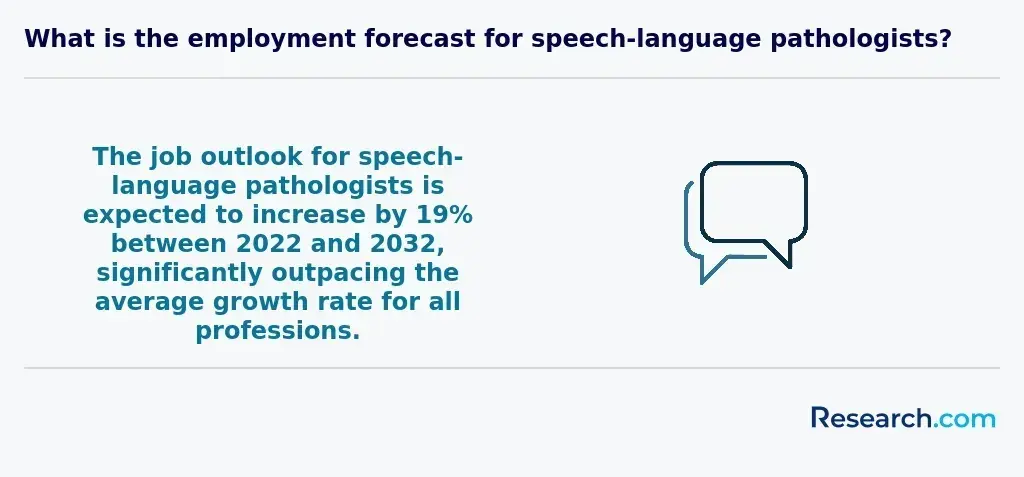
Networking through local associations, such as the Texas Speech-Language-Hearing Association or the Georgia Speech-Language-Hearing Association, can provide job leads and professional support. According to the U.S. Bureau of Labor Statistics, speech-language pathologist employment in Southern states is expected to grow about 20% from 2022 to 2032, reflecting strong demand.

Additionally, graduates should consider specializing or gaining experience in high-demand areas like pediatric or geriatric speech therapy to increase competitiveness.

What are the top skills employers look for in speech pathology degree graduates in the South?

Employers in the South highly value speech pathology graduates with strong communication skills, both verbal and written. Effective interaction with patients and families is essential in clinical settings. Additionally, proficiency in assessment and diagnostic techniques is critical, as accurate evaluation guides treatment plans.

Knowledge of evidence-based practices and the ability to apply them in diverse populations are also sought after. According to the American Speech-Language-Hearing Association (ASHA), graduates with cultural competence stand out, especially in Southern states with varied demographics.

Technical skills involving current speech therapy tools and electronic health records systems are increasingly important. Finally, critical thinking and problem-solving abilities enable professionals to tailor interventions effectively across different age groups and disorders.

How to find internships in the South relevant to a speech pathology degree?

Finding internships in the South for speech pathology students involves exploring various clinical sites affiliated with universities and healthcare providers. Southern states such as Texas, Georgia, and North Carolina have numerous hospitals, schools, and rehabilitation centers known to offer clinical practicum opportunities. According to the American Speech-Language-Hearing Association (ASHA), securing a Clinical Fellowship Year (CFY) position is a crucial step, often coordinated through university programs.

Students should leverage their institution's career services and faculty connections, as many Southern universities maintain partnerships with local clinics. Networking at regional conferences like the Southeastern Speech-Language-Hearing Association can also help.

Additionally, the ASHA Clinical Fellowship Placement Clearinghouse lists available internships, including those in the South, providing current openings and requirements.

How does a speech pathology degree influence career mobility and advancement in the South?

A speech pathology degree significantly enhances career mobility and advancement opportunities in the South. With the growing demand for speech-language pathologists (SLPs) in states like Texas, Georgia, and Florida, degree holders can access a variety of settings including schools, healthcare facilities, and private practices. According to the U.S. Bureau of Labor Statistics, employment of SLPs in the Southern region is projected to grow faster than the national average over the next decade.

Holding a degree from an accredited program is often required for state licensure, which is a crucial step for career progression. Additionally, advanced degrees or certifications can lead to higher salaries and leadership roles. The Southern Speech-Language-Hearing Association emphasizes continuous education to remain competitive in this evolving field.

How does studying for a speech pathology degree in the South prepare for interdisciplinary roles?

Studying for a speech pathology degree in the South offers strong preparation for interdisciplinary roles. Many Southern programs emphasize collaboration with related fields such as education, healthcare, and social work. This approach aligns with standards set by the American Speech-Language-Hearing Association (ASHA), which encourages integrative skills for clinical practice.

Southern universities often incorporate practical experiences in diverse settings like hospitals, schools, and community centers. For example, data from the Southern Association of Colleges and Schools highlights that programs in states like Texas and Georgia provide extensive clinical hours involving teamwork with audiologists, occupational therapists, and teachers.

This interdisciplinary training enhances communication and problem-solving skills, critical for addressing complex speech disorders. As of 2023, the Bureau of Labor Statistics reports that speech-language pathologists in the South frequently work within multidisciplinary teams, making such preparation essential for career readiness.

How to choose between a thesis and a non-thesis speech pathology degree program in the South?

Choosing between a thesis and a non-thesis speech pathology degree program in the South involves understanding your career goals. Thesis programs focus on research, preparing students for doctoral studies or academic roles. Non-thesis options emphasize clinical practice and coursework, ideal for those aiming to enter the workforce quickly.

In the Southern US, many accredited programs offer both tracks, with about 40% of students opting for thesis routes according to the American Speech-Language-Hearing Association (ASHA). Thesis students often invest an additional semester or two but may gain advantages for competitive research positions.

Consider your long-term plans and consult program specifics before deciding.

What options do students based in the South have for studying speech pathology abroad?

Students based in the Southern United States interested in studying speech pathology abroad have several pathways to explore. Many Southern universities offer study abroad programs or exchange partnerships with institutions in countries such as the United Kingdom, Canada, and Australia, where speech pathology is a recognized profession. These opportunities allow students to gain international clinical experience and cultural competency while earning credits toward their degree.

Because the American Speech-Language-Hearing Association (ASHA) sets certification standards, students should ensure foreign coursework aligns with these requirements. According to ASHA's 2023 data, graduates from Southern programs increasingly engage in global experiences, reflecting growing recognition of the value in international clinical perspectives. Programs supported by universities like the University of Florida and the University of North Carolina often facilitate these options through their communication sciences departments.

What part-time job opportunities in the South can complement speech pathology degree education?

Part-time job opportunities in the South can effectively complement speech pathology degree education by providing practical experience. Many students find roles as teacher's aides or rehabilitation aides in local schools and healthcare facilities, which serve as excellent hands-on learning environments. According to the Bureau of Labor Statistics (BLS), healthcare support roles in Southern states like Texas and Georgia have grown by over 8% in recent years, reflecting increased demand in these fields.

Additionally, working as a volunteer or assistant in speech therapy clinics or nonprofit organizations focusing on communication disorders offers valuable exposure to diverse patient needs. These roles help students develop essential skills while networking within the regional healthcare community.

Some universities in the South also offer on-campus opportunities, such as assisting research projects related to speech pathology, which can strengthen both academic knowledge and professional resumes.

What are the networking opportunities for speech pathology students in the South?

Speech pathology students in the South have strong networking opportunities through regional chapters of the American Speech-Language-Hearing Association (ASHA). These chapters host annual conferences attracting hundreds of professionals and students, providing access to internships and mentorships.

Additionally, many Southern universities partner with local clinics and schools, offering students clinical placements that connect them to practicing clinicians. For example, the Texas Speech-Language-Hearing Association reported over 1,200 active student members in 2023, emphasizing active community involvement.

Students can also engage in online forums and workshops tailored to Southern speech pathology trends, enhancing their professional connections even beyond campus.

How do alumni networks benefit speech pathology degree students in the South?

Alumni networks offer significant advantages to speech pathology degree students in the South. These networks provide connections to experienced professionals who often serve as mentors. Mentorship helps students navigate their academic journeys and prepare for licensure, which requires supervised clinical hours.

Moreover, alumni connections can lead to internships and job opportunities within hospitals, schools, and clinics throughout Southern states. According to recent studies, over 60% of speech pathology graduates in the South found their first job through alumni referrals. This highlights the network's role in career placement.

Alumni groups also organize professional development events and workshops focused on the Speech-Language Pathology field. These resources help students stay current with state licensure changes and emerging research.

How can I customize my speech pathology degree program in the South to fit my career goals?

Customizing a speech pathology degree program in the South allows students to align their education with specific career goals. Many universities offer elective courses focusing on pediatric, geriatric, or bilingual speech therapy, which can tailor skills toward desired populations. Clinical practicum placements in diverse settings, such as schools or hospitals, help build practical experience relevant to chosen specialties. Some programs also provide research opportunities or dual degree options, including communication sciences and disorders combined with audiology or special education.

According to the American Speech-Language-Hearing Association, Southern states like Texas and Florida have a growing demand for licensed speech pathologists, making region-specific training advantageous. Accreditation by the Council on Academic Accreditation ensures program quality and eligibility for certification exams.

What are the typical challenges that speech pathology students in the South are facing?

Speech pathology students in the South often face challenges related to limited clinical placement availability. According to the American Speech-Language-Hearing Association (ASHA), competition for supervised clinical hours can be intense, especially in rural areas where healthcare facilities are fewer. This limits hands-on experience critical for certification.

Another issue is funding. Many Southern states allocate less financial support for health-related graduate programs, which can increase out-of-pocket costs for students. The Southern Regional Education Board reports that this financial strain affects student retention and access to resources.

Lastly, students may encounter fewer specialized faculty and research opportunities compared to larger institutions in other regions, impacting educational breadth and career prospects.

What professional certifications can I pursue with a speech pathology degree?

With a speech pathology degree, graduates in the South can pursue several key professional certifications that enhance career prospects. The most recognized certification is the Certificate of Clinical Competence in Speech-Language Pathology (CCC-SLP), awarded by the American Speech-Language-Hearing Association (ASHA). This credential is essential for many clinical and educational positions across the US.

In addition, state licensure is required to practice speech pathology. Each Southern state has its own licensing board and specific requirements, but most require a master's degree, supervised clinical hours, and passing the Praxis exam.

Some professionals also obtain the Certificate of Clinical Competence in Audiology (CCC-A) or specialize in certifications like Assistive Listening Device Specialist. According to the Bureau of Labor Statistics, demand for certified speech-language pathologists in the South is projected to grow by 18% through 2030, reflecting increasing opportunities.

How to write a winning application for a speech pathology program in the South?

To write a winning application for a speech pathology program in the South, start by highlighting your academic achievements, especially in relevant sciences like biology and communication. Many Southern programs look for a minimum GPA of 3.0, with a strong emphasis on coursework related to speech, language, and hearing. Demonstrate your understanding of the profession through volunteer work or internships in healthcare or educational settings.

Personal statements should clearly explain your motivation and commitment to speech pathology, tailored to specific programs. Letters of recommendation from faculty familiar with your academic and interpersonal skills strengthen your application. Additionally, consider programs accredited by the American Speech-Language-Hearing Association, as Southern states host many respected options.

What are the global perspectives on a speech pathology career?

The speech pathology field is growing globally, with the United States playing a leading role in education and clinical practice standards. In the South, universities align their programs with the American Speech-Language-Hearing Association (ASHA), ensuring graduates meet demanding certification criteria recognized nationwide.

Internationally, speech pathologists assist diverse populations, but career opportunities in the U.S. remain among the most robust. The Bureau of Labor Statistics projects a 29% employment growth for speech-language pathologists nationally through 2030, with Southern states like Texas and Georgia experiencing significant demand due to expanding healthcare services.

Graduates from Southern programs benefit from curricula designed to address both local and global communication disorders, preparing them for work at home or abroad.

How can I gain practical experience while studying for a speech pathology degree in the South?

Gaining practical experience while studying speech pathology in the South typically involves clinical placements embedded within accredited degree programs. The American Speech-Language-Hearing Association (ASHA) requires students to complete supervised clinical hours, usually around 400 clock hours, to meet certification standards.

Southern universities often partner with local hospitals, rehabilitation centers, and schools to provide these clinical opportunities. For example, institutions in Texas and Georgia offer diverse practicum sites reflecting populations from urban to rural settings.

Students can also pursue internships or volunteer positions through community programs, which deepen hands-on skills and enhance employability. Checking with your program advisor on available partnerships is essential.

How do I choose the right concentration within a speech pathology degree program in the South?

Choosing the right concentration within a speech pathology degree program in the South involves evaluating your career goals and local job market trends. Programs often offer tracks such as pediatric speech therapy, adult neurogenic disorders, or voice and swallowing disorders. According to the American Speech-Language-Hearing Association (ASHA), concentrations that align with in-demand skills, like pediatric intervention, increase employment opportunities significantly in southern states.

It is also important to consider clinical practicum availability within your state, as licensing requirements vary. The Southern Regional Education Board highlights that hands-on experience in diverse settings improves readiness for licensure exams and competitive job markets, particularly in states like Texas and Florida.

Researching faculty expertise and local healthcare partnerships can help you select a concentration with strong professional networks and internship options.

See What Experts Have To Say About Studying Speech Pathology

Read our interview with Speech Pathology experts

Rhea Paul

Rhea Paul

Speech Pathology Expert

Professor, Communication Disorders

Sacred Heart University

Do you have any feedback for this article?

Related Articles
2026 Is a Master's Degree in Speech-Language Pathology Worth It? Salary & Career Paths thumbnail
2026 Highest Paying Speech Pathology Jobs and Careers thumbnail
Careers AUG 19, 2026

2026 Highest Paying Speech Pathology Jobs and Careers

by Imed Bouchrika, PhD
2026 Best No GRE Required Master's in Speech Pathology (MSLP) Programs thumbnail
2026 Best Online Bachelor of Audiology and Speech-Language Pathology thumbnail
Degrees AUG 20, 2026

2026 Best Online Bachelor of Audiology and Speech-Language Pathology

by Imed Bouchrika, PhD
2026 Can You Get a Speech Pathology Degree Master's Without a Related Bachelor's Degree? thumbnail
2026 Online Bridge Programs for Non-SLP Majors (Communication Sciences to SLP) thumbnail
Speech language pathology AUG 20, 2026

2026 Online Bridge Programs for Non-SLP Majors (Communication Sciences to SLP)

by Imed Bouchrika, PhD