The main question for many future speech-language pathologists is not whether the field is meaningful—it is how to choose a program that is affordable, accredited, clinically strong, and aligned with licensure. The 2026 Most Affordable Speech Pathology Degree Programs Ranking in the USA is designed to help you compare value without losing sight of the requirements that determine whether you can actually practice after graduation.
This guide is for prospective master’s students, career changers, working speech-language pathology assistants, and families comparing tuition, online flexibility, clinical training, and long-term return on investment. It explains what speech pathology programs typically cost, how long they take, what licensure requires, where graduates work, and how salary potential varies by role and setting.
Affordability matters, but the cheapest option is not always the best choice. A strong speech pathology program should support CAA accreditation standards, supervised clinical experiences, Praxis preparation, and state licensure requirements. Use this guide to narrow your options, ask better admissions questions, and choose a program that fits both your budget and professional goals.
Key benefits of getting a speech pathology degree in America
Clear professional purpose: A speech pathology degree prepares graduates to help children and adults improve communication, swallowing, voice, language, fluency, and cognitive-communication skills. The work can have a direct effect on school success, recovery, independence, and quality of life.
Salary benefits: Graduates with a speech pathology degree can earn around $46, 790 annually as a Speech Therapist, while Speech-Language Pathology Assistants make about $47, 010 per year. Actual earnings depend on licensure level, employer type, geographic location, specialization, and experience.
Career paths: A graduate from a popular US university can pursue roles like Clinical Research Coordinator or Community Outreach Coordinator, in addition to clinical and education-focused roles. This gives students options in patient care, program coordination, research, and public service.
Online degree advantages: Earning a speech pathology degree online can provide flexibility and accessibility for students balancing coursework with work or family responsibilities. The key is to verify accreditation, clinical placement support, and whether the online format meets the same licensure requirements as an on-campus program.
What can I expect from speech pathology degree in America?
A speech pathology degree in America is academically demanding and clinically focused. Graduate programs typically combine coursework in communication disorders, assessment, intervention, research, ethics, and professional practice with supervised clinical experiences in schools, hospitals, clinics, or community settings.
The average cost of earning a speech pathology degree in America varies, but graduate programs typically range from $30,000 to $70,000 for the full master's degree. Students at well-known universities like the University of Iowa or Vanderbilt often find tuition fees in this bracket, depending on residency and whether the school is public or private.
Students should also budget beyond tuition. Books, clinical materials, professional fees, assessment tools, and travel to off-site practicum locations can affect the total cost. These expenses matter because clinical preparation is central to the degree. Completing the required 400 clinical hours in diverse settings, from hospitals to schools, helps students build confidence and become ready for supervised professional practice.
Financial aid, scholarships, and assistantships are commonly available and can significantly reduce out-of-pocket expenses. Apply early, ask each department about graduate assistantships, and compare total program cost rather than tuition alone. A lower sticker price may not be the best deal if clinical placement support is weak or completion takes longer than expected.
Where can I work with speech pathology degree in America?
Speech pathology graduates in America work across education, healthcare, private practice, research, and community-based settings. The right workplace often depends on licensure status, preferred client population, desired schedule, and interest in medical, school-based, or specialized services.
Many graduates begin in public or private schools, including in states with large education systems such as California or Texas. In these roles, SLPs support children with articulation, language, fluency, social communication, and related needs. Graduates from programs such as the University of Southern California may pursue roles in school districts where they can gain structured experience with children and interdisciplinary teams.
Healthcare settings are another major employment path. Hospitals, rehabilitation centers, nursing homes, and outpatient clinics employ speech pathologists who work with patients recovering from strokes, surgeries, neurological conditions, and swallowing disorders. Graduates working in busy metropolitan hospitals, including those in New York City, may find opportunities to specialize in voice therapy, dysphagia, cognitive-communication treatment, or acute rehabilitation.
Some graduates choose private practice or outpatient care centers because these settings can offer more flexible scheduling and individualized care models. Graduates from universities like Boston University may also combine clinical expertise with entrepreneurship, program development, or consulting.
Research and academic careers are also possible. Graduates may work in universities, government agencies, or research centers, contributing to new interventions, assessment methods, and communication disorder treatments while helping train future clinicians.
How much can I make with speech pathology degree in America?
Earnings for speech pathology graduates in America vary by role, setting, credentials, specialization, and location. A fully licensed SLP in a medical setting may have a different salary trajectory than an assistant, research coordinator, or school-based clinician.
Speech therapists earn a mean annual wage of about $96, 790, which can make the degree a strong investment for graduates who complete licensure requirements and enter clinical practice. Speech-Language Pathology Assistants typically start at a mean wage near $47, 010, offering an entry point for those gaining experience or pursuing additional education.
Graduates from programs such as the University of Iowa or Boston University often point to hands-on clinical training as a factor that helped them compete for stronger roles, especially in hospital environments where salaries can be at the upper end of the spectrum.
Speech pathology training can also support adjacent roles. Entry-level clinical research coordinators and clinical coordinators with speech pathology backgrounds earn around $43, 350 annually. These positions may appeal to graduates interested in research, program operations, or healthcare coordination rather than direct clinical practice.
Salary growth is usually tied to licensure, experience, employer type, specialized clinical skills, and willingness to work in higher-demand settings. Students should compare expected earnings against total program cost, debt, and the time required to complete certification.
The Research.com ranking process is designed to help readers compare affordable speech pathology programs using credible education data rather than promotional claims. For the 2026 Most Affordable Speech Pathology Degree Programs Ranking in the USA, the goal is to identify programs that offer strong value while giving prospective students a practical starting point for deeper research.
Affordability is important, but students should not use rankings as the only deciding factor. After reviewing ranked schools, confirm accreditation, clinical practicum structure, licensure alignment, financial aid, faculty expertise, and whether the program supports your state and career goals.
Research.com used reputable data sources to support the evaluation of speech pathology degree programs, including:
These sources help provide a more consistent basis for comparing institutions. Readers who want more detail about the ranking approach can visit the Research.com methodology page.
2026 Most Affordable Speech Pathology Degree Programs Ranking in the USA
Brigham Young University offers a Bachelor's degree program focused on speech pathology. The program has a less selective acceptance rate of 69%, accommodating 11, 006 applicants. Students can expect a total program cost of $17, 256. Moderate financial aid is available, with 64% of students receiving some form of assistance.
The Master's program in speech pathology at Brigham Young University has a total cost of $17, 256. The program experiences a less selective admission process with a 69% acceptance rate. Out of 11, 006 applicants, 64% of students receive moderate financial aid, which can help offset the costs. This program offers opportunities for students seeking advanced education in the field of speech pathology within a supportive financial environment.
The Master's program in speech pathology at Eastern New Mexico University-Main Campus has a total cost of $17, 635. With a less selective acceptance rate of 55%, the program receives 2, 085 applications. A significant 98% of students benefit from high levels of financial aid, making this graduate program both accessible and affordable for many applicants seeking advanced education in speech pathology.
Western Carolina University offers a Master's program focused on speech pathology with an open admission policy, accepting 87% of applicants from a pool of 18, 183 candidates. The program's total cost is $21, 547. An exceptionally high 99% of enrolled students receive financial aid, indicating strong support for those seeking funding.
Saint Cloud State University offers a Master's program focused on speech pathology with a total cost of $21, 147. The program has an open admission policy, accepting 95% of its 5, 026 applicants. It provides high levels of financial aid, with 81% of students receiving support to help manage costs. This makes the program accessible and financially supportive for many prospective students interested in this field.
Eastern New Mexico University-Main Campus offers a Bachelor's degree focused on speech pathology. The program costs a total of $17, 635, making it an affordable option for students. With an acceptance rate of 55%, admission is considered less selective. Out of 2, 085 applicants, 98% of enrolled students receive financial aid, indicating very high aid levels to support their studies.
Minot State University offers a Master's program focused on speech pathology with a total cost of $17, 792. The program has a less selective acceptance rate of 72%, admitting a significant number of applicants annually, totaling 745. Students benefit from high levels of financial aid, with 94% receiving support, making it an accessible option for many seeking graduate education in this field.
Minot State University offers a Bachelor's degree program focused on speech pathology. The program has a less selective acceptance rate of 72%, welcoming a large number of applicants annually, with 745 applying. The total cost of completing the program is $17, 792. A high percentage of students, 94%, receive financial aid, making funding more accessible for many enrolled students.
Central Michigan University offers a Master's program focused on speech pathology with a total cost of $24, 400. The program has an open admission policy, accepting 91% of its 18, 102 applicants. It provides a high level of financial aid, with 97% of students receiving support. This program is suitable for those seeking an accessible graduate education in speech pathology with considerable financial assistance available.
The University of South Dakota offers a Master's program focused on speech pathology. It features an open admission policy with a 99% acceptance rate, welcoming a large pool of 5, 349 applicants. The total cost of the program is $24, 643. Notably, 95% of students receive financial aid, indicating a high level of support available to enrolled students.
The University of Southern Mississippi offers a Master's program focused on speech pathology with a total cost of $22, 326. The program has an open admission policy, accepting 99% of its 8, 818 applicants. A high level of financial aid is available, with 98% of students receiving support. This makes it an accessible option for many prospective students seeking advanced study in speech pathology.
Southeast Missouri State University offers a Master's program focused on speech pathology with a total cost of $21, 666. The program has an open admission policy, accepting 79% of its 7, 462 applicants. A high level of financial aid is available, with 96% of students receiving support. This makes the program accessible financially while maintaining a reasonably open acceptance rate for prospective students interested in speech pathology.
Delta State University offers a Bachelor program focused on speech pathology. The program has an open admission policy, accepting all applicants out of 1, 242. It features a high level of financial aid, with 98% of students receiving support. The total cost of completing the program is $18, 605, making it accessible for many prospective students interested in this specialized field.
Western Carolina University offers a Bachelor's degree program focused on speech pathology with a total cost of $21, 547. The program has an open admission policy, accepting 87% of its 18, 183 applicants. A very high percentage of students, 99%, receive financial aid, making support widely accessible for those enrolled in the program.
The University of South Florida offers a Master's program focused on speech pathology with a total cost of $30, 264. This program is moderately selective, admitting 41% of its 65, 187 applicants. A high level of financial aid is available, as 88% of enrolled students receive some form of assistance. Prospective students should consider these factors when evaluating their chances and financial planning for this specialized graduate program.
The Master program in speech pathology at Florida State University has a total cost of $32, 446. It is considered selective with an acceptance rate of 25% from 74, 038 applicants. The program offers a high level of financial aid, with 95% of students receiving support. This degree level is designed for those seeking advanced study in speech pathology within a competitive academic environment.
Arkansas State University offers a master's program in speech pathology with a total cost of $26, 011. The program has a less selective acceptance rate of 70%, meaning most applicants are admitted out of 8, 019 candidates. A high percentage of students, 96%, receive financial aid, making funding opportunities widely available. This program is suited for those seeking an affordable graduate education in speech pathology with accessible admissions and strong financial support.
Jackson State University offers a Master's program focused on speech pathology with a total cost of $23, 292. The program has an open admission policy, accepting 91% of applicants from a pool of 14, 141. A high percentage, 98%, of enrolled students receive financial aid, indicating strong support for financing education in this program.
Southern Illinois University-Edwardsville offers a Master's degree program focused on speech pathology with a total cost of $24, 464. The program has an open admission policy, accepting 97% of 8, 937 applicants. A high percentage of students, 93%, receive financial aid, indicating strong support for its enrollees. This program provides access to graduate-level education with considerable financial assistance and broad admissions opportunities.
Minnesota State University Moorhead offers a Master's program focused on speech pathology. The program has a less selective acceptance rate of 53%, admitting just over half of its 4, 654 applicants. The total cost to complete the program is $21, 930. Financial aid is highly accessible, with 96% of enrolled students receiving some form of assistance.
What speech pathology degree graduates have to say
Emily: Studying speech pathology at the University of Wisconsin was transformative. The hands-on clinics and expert faculty prepared me for real-world challenges, while the supportive community helped me grow professionally and personally.
David: My experience at Boston University was exceptional. The curriculum connected research with practical skills, and diverse clinical settings helped me understand how speech pathology changes across clients, ages, and care environments.
Sophia: Pursuing my degree at the University of Texas at Austin gave me invaluable opportunities to work with varied populations. The professors' dedication and innovative teaching methods strengthened my confidence and empathy, shaping me into a competent, compassionate speech pathologist.
Key Findings
Speech pathology degrees are mostly master's programs that take about two years after a bachelor's degree, with some schools offering combined five-year tracks.
Tuition costs vary widely: public universities charge between $20,000 and $40,000 for in-state students, while private universities can exceed $70,000.
Graduates have strong job prospects with a projected 21% employment growth from 2022 to 2032, according to the BLS.
Starting salaries typically range from $60,000 to $70,000 annually, rising to around $85,000 or more with experience.
Graduating from a CAA-accredited program is necessary to earn the Certificate of Clinical Competence (CCC) from ASHA and to be eligible for licensure.
Programs require supervised clinical practicum hours, usually between 375 and 400+, and passing the Praxis Examination is needed for licensure in most states.
The practical takeaway is simple: affordability should be evaluated alongside accreditation, clinical placement quality, licensure outcomes, and total time to completion. A low-cost program is most valuable when it also keeps you on track for certification and employment.
The chart above shows the ethnicity balance for Stationary Speech Pathology graduates in 2024 in America. The plot shows the statistics of graduates summed over all institutions that were included in our ranking and that send the applicants information to IPEDS database.
How long does it take to complete speech pathology degree in America?
Completing the full preparation path for speech pathology in America typically takes around six to seven years. The timeline usually includes undergraduate study, a graduate speech-language pathology program, and supervised post-graduate clinical training.
Many students begin with a four-year bachelor's degree in communication sciences and disorders at universities like the University of Wisconsin or Purdue. This stage provides the foundation in speech, language, hearing, development, psychology, linguistics, and related sciences, but it does not by itself allow direct certification as an independent SLP.
The next step is a master's degree in speech-language pathology, usually lasting two years at accredited programs such as those at Boston University or the University of North Carolina. Students complete advanced coursework while balancing clinical practicums that build supervised experience with real clients.
After graduation, an additional 9 to 12 months of clinical fellowship is necessary to earn certification from ASHA. This final stage helps new clinicians apply academic knowledge in practice, develop independent judgment, and prepare for long-term professional responsibilities.
The chart above shows the gender balance (men vs woman) for Stationary Speech Pathology graduates in 2024 in America. The plot shows the statistics of graduates summed over all institutions that were included in our ranking and that send the applicants information to IPEDS database.
Certification and Licensure Overview
Before practicing as a speech-language pathologist, graduates must complete accredited education, clinical training, national examination requirements, and state licensure requirements. The safest first step is to choose a CAA-accredited program and confirm that its curriculum and clinical training match the state where you plan to work.
Students comparing regional affordability can consider the cheapest slp grad schools in california while checking accreditation and licensure fit carefully.
Earn a CAA-accredited master’s degree in speech-language pathology.
Complete at least 400 supervised clinical practicum hours in diverse settings.
Pass the Praxis® Examination in Speech-Language Pathology.
Fulfill a 36-week Clinical Fellowship Year (CFY) under an ASHA-certified SLP.
Apply for the Certificate of Clinical Competence in SLP (CCC-SLP) through ASHA.
Obtain state licensure by meeting local board requirements and submitting required documentation.
Because state boards may have additional rules, students should verify requirements before enrolling, before starting clinical placements, and again before applying for licensure.
What's the difference between online and on-campus speech pathology degree?
Online and on-campus speech pathology degrees in America mainly differ in course delivery, clinical placement logistics, peer interaction, and day-to-day flexibility. Both formats can be valid options if the program is properly accredited and supports the clinical requirements needed for certification and licensure.
On-campus programs often provide direct access to campus clinics, nearby hospitals, school partnerships, faculty offices, labs, and peer cohorts. Graduates from on-campus programs at well-known universities often value face-to-face supervision and the convenience of completing some ASHA-required clinical hours through established local placements.
Online programs can be a better fit for students who need to keep working, remain near family, or avoid relocation. Online students often complete academic coursework from home, but they may need to arrange or travel to local clinical placements. This can offer autonomy, but it also requires careful planning and strong communication with the program’s clinical education team.
Cost differences are not always straightforward. Online study may reduce commuting and housing expenses, but tuition can remain similar to on-campus tuition. Before choosing a format, ask each program how clinical sites are secured, how supervision is handled, whether campus visits are required, and whether graduates meet licensure requirements in your state.
Certification and Licensure Process
The certification and licensure process begins before graduation. A well-chosen program should prepare you for the Praxis Speech-Language Pathology exam administered by ETS, provide supervised clinical experiences, and document the training you will need for ASHA certification and state licensure.
After completing the degree, aspiring SLPs usually enter a Clinical Fellowship Year (CFY) under the supervision of an ASHA-certified mentor. This period requires a minimum of 1,260 clinical hours and gives new clinicians time to strengthen assessment, intervention, counseling, collaboration, and professional judgment in real service settings such as schools, hospitals, rehabilitation centers, and outpatient clinics.
Once the CFY is complete, candidates may apply for the Certificate of Clinical Competence in Speech-Language Pathology (CCC-SLP) through the American Speech-Language-Hearing Association. The CCC-SLP is widely recognized by employers and can be especially important in healthcare facilities, academic institutions, and multi-state career planning.
State licensure is separate from ASHA certification. Some states may require background checks, jurisprudence exams, separate applications, or additional fees. Before committing to a program, ask whether graduates are routinely eligible for licensure in your intended state and whether the school provides advising for state-specific requirements.
What is the average cost of speech pathology degree in America?
The average cost of a speech pathology degree in America depends heavily on residency status, institution type, program length, and living expenses. Public in-state options are often the most affordable, while out-of-state and private programs can raise the total price substantially.
Median in-state total costs for completing a master's program typically hover around $11, 927, making public universities an affordable choice for many students pursuing a speech pathology degree in the USA. Out-of-state students see a higher median cost, approximately $40, 403, because non-resident tuition and related fees are often higher.
Private colleges often charge rates closer to the upper end of the tuition spectrum. However, scholarships, assistantships, and institutional aid can change the real net cost. Some graduates from private speech pathology programs have reported that combining assistantships with financial aid made their investment more manageable, particularly when the program offered strong clinical training and employment outcomes.
Students should also account for books, clinical practicum fees, exam preparation, materials, transportation, and living costs. Those studying in metropolitan areas may face higher rent, commuting, and placement-related expenses, which can affect overall affordability even when tuition looks competitive.
When comparing affordable speech pathology programs in the USA, look at total cost of attendance, aid availability, clinical placement support, licensure eligibility, and expected time to completion. Some students also evaluate quick college degrees as part of a broader plan to enter the workforce sooner, but any accelerated option should still preserve the clinical preparation required for the field.
Factors to Consider When Choosing an Affordable Speech Pathology Program
An affordable speech pathology program should lower financial pressure without weakening your path to licensure. The best value is usually a program that combines reasonable total cost, CAA accreditation, strong clinical placements, transparent outcomes, and support for certification requirements.
Accreditation: Confirm CAA accreditation through ASHA. Without the right accreditation, you may face barriers to certification and state licensure.
Total cost: Compare tuition, fees, books, clinical expenses, travel, exam preparation, and living costs. Net cost after scholarships or assistantships is more useful than sticker price.
Curriculum: Look for coverage of essential areas such as phonetics, audiology, developmental language disorders, assessment, intervention, ethics, and research methods.
Clinical practicum: Ask whether the program arranges placements, what settings are available, how supervision works, and whether students can meet required clinical hours on time.
Format: Online programs may offer flexibility, while on-campus programs may provide easier access to clinics and faculty. The better choice depends on your schedule, location, and clinical placement needs.
Licensure support: Strong programs help students understand Praxis preparation, CFY expectations, CCC-SLP documentation, and state board requirements.
Career fit: Review whether the program has strengths in schools, medical settings, pediatrics, adult neurogenic disorders, voice, swallowing, research, or another area that matches your goals.
For a focused comparison of cost-conscious options, explore affordable speech pathology colleges. Use the ranking as a starting point, then verify accreditation, clinical quality, financial aid, and state licensure alignment before applying.
What financial aid is available to speech pathology degree students in America?
Speech pathology students in America can use several types of financial aid, but the best funding mix depends on whether the student is undergraduate or graduate, full-time or part-time, and enrolled in a public, private, online, or campus-based program.
Federal aid is often the starting point. By submitting the FAFSA, graduate students may access Federal Direct Unsubsidized Loans and Graduate PLUS Loans. Many graduates from universities like the University of Iowa have used these loans to cover tuition and living expenses when scholarships or assistantships did not meet the full cost.
State-specific grants, scholarships, and loan forgiveness programs can also help. Students at the University of Texas at Austin have benefited from loan forgiveness programs aimed at healthcare professionals willing to work in underserved communities, which can reduce the long-term burden of graduate education.
Many universities award scholarships targeted at speech pathology students based on merit, financial need, clinical promise, research interests, or service goals. Graduates from Boston University often highlight how these awards helped support them during demanding clinical training phases.
Professional organizations, including the American Speech-Language-Hearing Foundation, offer scholarships that may reduce financial pressure and allow students to focus more on research, clinical excellence, and degree completion.
Employer tuition reimbursement can be especially useful for current speech assistants or education and healthcare employees who want to advance into graduate-level preparation. Ask employers about reimbursement rules, service commitments, grade requirements, and whether online programs qualify.
Licensing & Certification Requirements for Speech-Language Pathologists
Speech-language pathology is a licensed clinical profession, so program choice should start with credential requirements. In most cases, students who want to become speech-language pathologists need a graduate degree from a CAA-accredited program, supervised clinical training, a passing Praxis® score, and state licensure before they can practice independently.
The usual pathway includes these major steps:
Earn a Master’s Degree from a CAA-accredited program.
Pass the Praxis® Examination in Speech-Language Pathology.
Complete a Clinical Fellowship Year (CFY) under a licensed SLP mentor, typically 1,260 clinical hours.
Apply for the Certificate of Clinical Competence in Speech-Language Pathology (CCC-SLP) through the American Speech-Language-Hearing Association (ASHA).
Submit a state licensure application, which may include background checks, additional fees, and jurisprudence exams.
Fulfill continuing education requirements, often 20–30 hours biennially, to maintain both ASHA certification and state licensure.
These requirements protect clients and help employers verify that a clinician is prepared for assessment, treatment planning, documentation, ethics, and interprofessional care. Before enrolling, confirm that the program’s accreditation and clinical model match the requirements in the state where you plan to work.
Students who want to move through the academic portion more efficiently can compare accelerated online speech pathology degree programs, but speed should never come at the expense of accreditation, clinical placement quality, or licensure eligibility.
What are the prerequisites for enrolling in speech pathology degree program in America?
Most speech pathology graduate programs in America require a bachelor's degree before enrollment. A major in communication sciences and disorders (CSD) is common, but applicants from related fields such as linguistics, psychology, or biology may qualify if they complete required prerequisite coursework.
Graduates from programs at universities such as the University of Minnesota or Boston University often note that foundational courses in anatomy, linguistics, and psychology made the transition to graduate study smoother. These courses help students understand speech production, language development, cognition, hearing, and communication behavior before entering advanced clinical training.
Common prerequisites include Introduction to Communication Disorders, Phonetics and Speech Science, and Anatomy related to speech and hearing. Some programs may also expect coursework in statistics, audiology, language development, or biological and physical sciences.
Applicants typically need a minimum GPA around 3. 0. Many programs also request letters of recommendation, a personal statement, transcripts, and evidence of relevant observation, volunteering, or clinical exposure. GRE scores may be required by some schools, though some schools are now waiving this requirement.
Before applying, create a prerequisite checklist for each program. Missing one required course can delay admission or force you to complete leveling coursework before beginning the graduate curriculum.
Certification and Licensure Process
To practice as a speech-language pathologist in the USA, students need to complete a structured sequence of accredited education, supervised practice, examination, certification, and state licensure. The order matters because each step typically depends on the one before it.
Earn a CAA-accredited master’s degree with required coursework and at least 400 clinical practicum hours.
Pass the Praxis® Examination in Speech-Language Pathology, demonstrating foundational knowledge.
Complete a 36-week Clinical Fellowship Year (CFY) under ASHA-approved supervision.
Apply for the Certificate of Clinical Competence (CCC-SLP) from the American Speech-Language-Hearing Association.
Obtain state licensure by submitting CCC-SLP credentials, CFY documentation, and any additional state board requirements.
When comparing schools, ask how each program supports Praxis preparation, clinical documentation, CFY planning, and state licensure advising. Programs that make these requirements transparent can reduce delays after graduation.
Students comparing flexible graduate options can review online slp programs to find choices that may align with ASHA and state standards.
What courses are typically in speech pathology degree programs in America?
Speech pathology degree programs in America combine scientific foundations, disorder-specific coursework, assessment training, intervention planning, ethics, and supervised clinical practice. The curriculum is designed to prepare students to work with clients across ages, diagnoses, and care settings.
Graduates from programs such as the University of Iowa or Boston University often describe anatomy and physiology of the speech and hearing mechanisms as one of the most important foundations. Understanding how respiration, phonation, resonance, articulation, hearing, and neural systems work helps students connect theory to clinical decision-making.
Courses in phonetics and phonology train students to identify, transcribe, and analyze speech sounds. Speech and language development courses help students understand communication milestones and recognize when a child may need evaluation or intervention.
Disorder-focused courses may cover aphasia, dysarthria, articulation and phonological disorders, language disorders, fluency, voice, swallowing, cognitive-communication disorders, and neurogenic communication conditions. Additional studies in audiology and neurology help students understand complex issues such as hearing loss and brain injuries.
Clinical practicums, including those valued by students at institutions like the University of North Carolina, are central to preparation. These supervised experiences allow students to apply assessment tools, write treatment plans, document progress, communicate with families, and build professional confidence before entering the Clinical Fellowship Year.
What types of specializations are available in speech pathology degree programs in America?
Speech pathology degree programs in America may allow students to focus their clinical training, electives, research, or externships around specific populations or disorders. Specialization can help students prepare for targeted roles, but broad clinical competence remains important for certification and licensure.
Pediatric speech pathology is a common path. Students interested in children may work with articulation issues, developmental delays, language disorders, fluency, and school-based communication needs. Graduates from top programs like those at public universities often find this area rewarding because progress can affect academic, social, and family life.
Adult speech pathology is another major focus. Students may train to support people recovering from stroke, brain injury, neurological disease, surgery, or cognitive-communication changes. This path often involves collaboration with physicians, nurses, occupational therapists, physical therapists, and caregivers.
Voice disorders can appeal to students who want to help professionals like teachers or singers protect and restore vocal function. Swallowing disorders are also a key specialization, especially in medical settings where SLPs collaborate with healthcare teams to improve safety and patient outcomes.
Other options include audiology-related speech pathology, cognitive-communication disorders, assistive communication, fluency, bilingual service delivery, and research-focused tracks. Students comparing speech pathology degree specializations USA should consider faculty expertise, clinical site availability, and whether the program can support the population they most want to serve.
For a broader look at graduate pathways and how they compare with other fields, you can review easiest master degree resources while keeping in mind that speech pathology has strict accreditation and clinical requirements.
How do you choose the best speech pathology degree in America?
To choose the best speech pathology degree in America, start with accreditation. Confirm that the program is accredited by the Council on Academic Accreditation (CAA) through ASHA. This matters because entry-level clinical certification and state licensure generally require a qualifying graduate program.
Next, focus on degree level. Most students who want to become licensed speech-language pathologists need a master's degree. Graduates from popular colleges often note that CAA accreditation helps ensure the curriculum, clinical training, and documentation align with the Certificate of Clinical Competence (CCC-SLP) and state licensure requirements.
Cost should be evaluated carefully. Many students find the most affordable speech pathology programs in the USA by prioritizing in-state public institutions, which offer rates from $10,000 to $25,000 annually. Compare tuition, fees, living expenses, travel to clinical sites, and the availability of assistantships or scholarships.
Clinical practicum quality is just as important as cost. Ask where students complete placements, whether the program arranges sites, how supervision works, and what populations students typically serve. Graduates from top universities often emphasize that strong local partnerships helped them feel prepared for real work settings.
Also review faculty expertise, Praxis preparation, student support, job placement information, online versus on-campus expectations, and state authorization for distance learning. Students planning a flexible academic path may also explore an accelerated associate's degree online as an earlier step while balancing life commitments.
What career paths are available for speech pathology degree students in America?
Speech pathology degree students in America can prepare for several career paths, depending on degree level, licensure, certification, and professional interests. The most common path is becoming a licensed Speech-Language Pathologist, but graduates may also work in research, coordination, education, advocacy, or assistant-level roles.
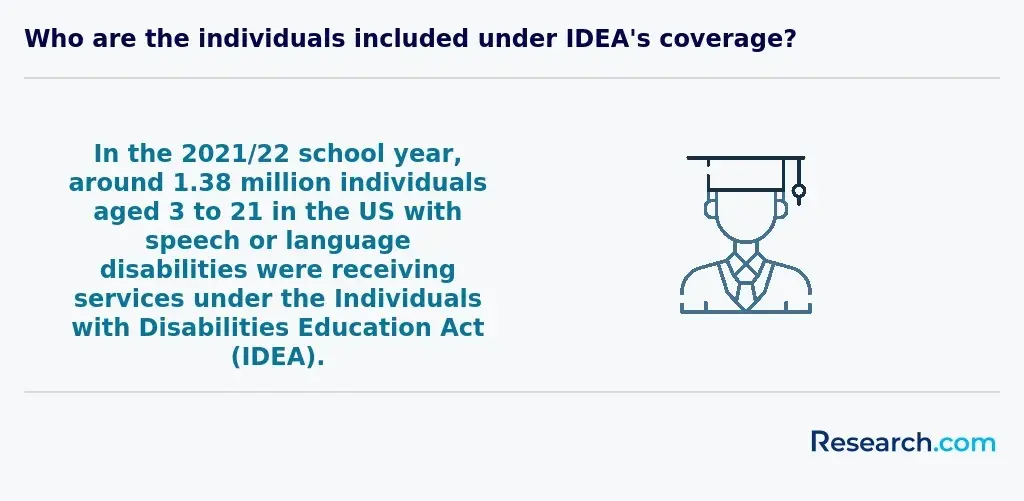
Many graduates become SLPs in public schools, where they support children with communication challenges under IDEA. This path often involves evaluations, individualized plans, therapy sessions, teacher consultation, family communication, and documentation.
Healthcare roles are also common. Hospitals, outpatient clinics, rehabilitation centers, and long-term care facilities employ SLPs who help patients recovering from strokes, brain injuries, surgeries, neurological conditions, swallowing disorders, and voice problems.
Some graduates specialize in early intervention for infants and toddlers with delayed speech or language development. Others pursue research roles within universities or government agencies, helping develop therapy techniques, assessment tools, or evidence-based practices.
Clinical supervision and academic teaching are additional paths for experienced professionals who want to train future speech pathologists. Graduates from respected programs often describe the field as fulfilling because it combines scientific knowledge with direct service that can improve education, recovery, independence, and quality of life.
Students who need flexible pathways can consider accredited non-profit online colleges, but they should confirm accreditation, clinical placement support, and licensure alignment before enrolling.
What is the job market for speech pathology degree in America?
The speech pathology job market USA remains strong for graduates who complete accredited training, supervised clinical requirements, certification steps, and state licensure. Demand comes from schools, hospitals, outpatient clinics, rehabilitation centers, private practices, early intervention programs, and services for older adults.
Graduates from renowned programs like those at the University of Washington or Boston University often find opportunities in settings such as schools, hospitals, and private practices. Clinical experiences during the degree can help students move more smoothly into roles that require certification and state licensure.
Students should still evaluate the cost of preparation carefully. Given the costs of earning a master's degree, typically ranging from $30,000 to $50,000, it is important to choose accredited programs that preserve eligibility for certification and licensure. A program that is less expensive but not aligned with credential requirements can create serious career barriers.
Employment stability is also supported by the need for services tied to children under IDEA and older adults on Medicare. Professionals may strengthen their options by developing specialized clinical skills or adding relevant credentials over time. Exploring certifications online that pay well can be useful for broader career planning, though speech-language pathology itself requires the formal licensure pathway described in this guide.
Frequently Asked Questions About speech pathology
Why is understanding the 2026 Most Affordable Speech Pathology Degree Programs Ranking in the USA important for students?
Understanding the 2026 Most Affordable Speech Pathology Degree Programs Ranking helps students identify programs that provide quality education without a significant financial burden. It assists in making informed decisions on selecting programs that offer valuable education and resources while maintaining financial feasibility. Additionally, it aids in evaluating a program's value relative to its cost.
What are the typical challenges that speech pathology students in America are facing?
In 2026, speech pathology students in America face challenges such as managing rigorous academic workloads, securing quality placements for practical experience, funding education, and staying abreast of evolving industry standards to ensure competitiveness in the job market.
How does studying for a speech pathology degree in America prepare for interdisciplinary roles?
Studying for a speech pathology degree in America equips students with skills essential for interdisciplinary collaboration. Programs accredited by the American Speech-Language-Hearing Association (ASHA) emphasize teamwork across healthcare, education, and social services. Coursework often includes anatomy, linguistics, and psychology, preparing graduates to communicate effectively with professionals such as doctors, educators, and occupational therapists.
Clinical experiences, required in most programs, expose students to diverse settings, fostering adaptability in various team environments. According to the U.S. Bureau of Labor Statistics, 2023 data highlights increasing demand for speech pathologists in multidisciplinary roles within hospitals and schools, underscoring the importance of this training.
How to choose between a thesis and a non-thesis speech pathology degree program in America?
When choosing between a thesis and a non-thesis speech pathology degree program in America, consider your career goals. Thesis programs typically appeal to students aiming for research or doctoral studies, requiring original research and a written dissertation. According to the American Speech-Language-Hearing Association (ASHA), only about 15% of graduate programs emphasize a thesis track.
Non-thesis programs focus on clinical practice and coursework. These are designed for students who want to enter the workforce quickly as speech-language pathologists. The Council of Academic Programs in Communication Sciences and Disorders notes that many accredited programs offer this option to meet licensure requirements efficiently.
Cost and time commitments also differ. Thesis programs may take longer and require more resources, while non-thesis paths can be completed faster but with less emphasis on research. Your choice should align with personal interests, career plans, and learning preferences.
What are the networking opportunities for speech pathology students in America?
Speech pathology students in America have numerous networking opportunities that aid their professional growth and career development. Many universities host student chapters of the American Speech-Language-Hearing Association (ASHA), the primary professional organization for the field. These chapters provide access to conferences, workshops, and local events, allowing students to connect with peers and experienced clinicians.
Clinical placements and internships also serve as valuable networking venues, offering real-world connections with supervisors and healthcare professionals. Additionally, national conferences like the ASHA Convention attract thousands of attendees, presenting excellent chances to meet leaders and explore job prospects.
Online platforms such as ASHA Community forums further support networking by enabling discussions with professionals nationwide.
How do alumni networks benefit speech pathology degree students in America?
Alumni networks play a vital role for speech pathology degree students in America by offering strong professional connections and mentorship opportunities. According to the American Speech-Language-Hearing Association (ASHA), these networks help new graduates navigate licensing requirements and job markets more effectively. Many alumni provide guidance on certificate of clinical competence (CCC) processes, a key step for practicing speech pathologists in the U.S.
Strong alumni groups also share job leads and internships, which is crucial given the competitive nature of the speech pathology field. They often facilitate introductions to employers in healthcare, schools, and rehabilitation centers. This access improves employment outcomes for graduates.
Additionally, alumni networking events and online communities help students stay current on industry developments and continuing education opportunities, supporting lifelong learning in this rapidly evolving profession.
How can I customize my speech pathology degree program in America to fit my career goals?
Customizing your speech pathology degree program in America involves selecting courses and clinical experiences that align with your career goals. Many universities offer elective classes in areas like pediatric speech therapy, neurogenic communication disorders, or swallowing disorders. This flexibility helps tailor your education to specific populations or settings.
Additionally, practical experience is crucial. You can often choose clinical placements in diverse environments such as schools, hospitals, or rehabilitation centers, allowing hands-on learning that matches your interests. According to the American Speech-Language-Hearing Association (ASHA), clinical hours are mandatory for certification, so selecting placements that reflect your career aims is essential.
Graduate programs also vary in research opportunities. If you aim for a research or academic career, consider schools with strong faculty expertise in your focus area. Some programs enable students to participate in ongoing studies, enhancing both knowledge and resume.
Finally, pursuing specialty certifications after your degree, such as in fluency or voice disorders, can further customize your credentials and expand career options. Overall, planning electives, clinical experiences, research, and certifications thoughtfully enables a personalized educational path in speech pathology.
What professional certifications can I pursue with a speech pathology degree?
With a speech pathology degree in the United States, you can pursue several key professional certifications that enhance your career opportunities. The most recognized certification is the Certificate of Clinical Competence in Speech-Language Pathology (CCC-SLP), offered by the American Speech-Language-Hearing Association (ASHA). This certification requires completing a master's degree, a supervised clinical fellowship, and passing the Praxis exam. According to ASHA, over 140,000 professionals hold the CCC-SLP credential as of 2023.
Another certification is state licensure, mandatory for practicing clinically, which varies by state but generally requires a degree, clinical hours, and an exam.
Additional credentials include the Licensed Speech-Language Pathologist (L-SLP) license in many states and specialty certifications in areas like swallowing disorders or pediatric speech pathology.
How to write a winning application for a speech pathology program in America?
Writing a winning application for a speech pathology program in America requires clear demonstration of academic preparedness and passion for the field. Most programs, accredited by the American Speech-Language-Hearing Association (ASHA), expect applicants to have a strong GPA, commonly above 3. 0, especially in communication sciences and related coursework. Including detailed clinical or volunteer experience can set you apart, as hands-on exposure to speech and language disorders is highly valued.
Standardized test scores, such as the GRE, may also be required, so preparing thoroughly can improve your chances. Personal statements should clearly convey your motivation, understanding of the profession, and career goals. According to ASHA, nearly 30% of applicants gain admission annually, so crafting a focused and polished application is essential.
How can I gain practical experience while studying for a speech pathology degree in America?
Gaining practical experience is essential when pursuing a speech pathology degree in America. Most accredited programs require clinical practicum hours, where students work directly with clients under supervision. These placements are usually coordinated through university partnerships with hospitals, schools, and rehabilitation centers.
The American Speech-Language-Hearing Association (ASHA) mandates a minimum of 400 clinical clock hours for certification. This includes both observation and direct treatment experience. Engaging in internships or volunteer opportunities outside of coursework can further diversify skills and improve employability.
Students are encouraged to seek mentorship from licensed speech-language pathologists and participate in research projects when possible. These experiences enrich practical learning and foster professional development.