Research.com is an editorially independent organization with a carefully engineered commission system that’s both transparent and fair. Our primary source of income stems from collaborating with affiliates who compensate us for advertising their services on our site, and we earn a referral fee when prospective clients decided to use those services. We ensure that no affiliates can influence our content or school rankings with their compensations. We also work together with Google AdSense which provides us with a base of revenue that runs independently from our affiliate partnerships. It’s important to us that you understand which content is sponsored and which isn’t, so we’ve implemented clear advertising disclosures throughout our site. Our intention is to make sure you never feel misled, and always know exactly what you’re viewing on our platform. We also maintain a steadfast editorial independence despite operating as a for-profit website. Our core objective is to provide accurate, unbiased, and comprehensive guides and resources to assist our readers in making informed decisions.

2027 Most Valuable Speech Pathology Degree Programs Ranking in Valdosta

Imed Bouchrika, PhD

by Imed Bouchrika, PhD

Co-Founder and Chief Data Scientist

Table of Contents

What can I expect from speech pathology degree in Valdosta?

The average cost of pursuing a speech pathology degree in Valdosta largely revolves around the tuition fees at Valdosta State University, the primary institution offering this program locally. Graduates often reflect on the investment as not merely financial but deeply personal-a commitment that blends rigorous coursework with invaluable clinical experiences. While specifics vary by year and any financial aid secured, the tuition typically ranges within a manageable scope compared to national averages, allowing students to focus on mastering vital skills without overwhelming debt.

Students describe moments spent in community clinics or local schools, where theory meets the real world and the cost of education translates into genuine human connection and professional growth. These experiences reinforce that the fees cover more than classes; they fund the path to certification, clinical practice, and ultimately, a career that impacts lives. The access to assistantships and scholarships at Valdosta State University also eases financial pressures, emphasizing that the true price includes time, passion, and the dedication to serve diverse populations.

Where can I work with speech pathology degree in Valdosta?

Graduates with a speech pathology degree from institutions like Valdosta State University often find themselves at the crossroads of diverse and meaningful careers. Instead of limiting themselves to traditional clinical roles, many discover that their skills transform lives within the Valdosta City and Lowndes County school districts, where speech pathologists actively support children struggling with communication challenges in real classroom settings.

Healthcare roles at places like South Georgia Medical Center bring another dimension, dealing with patients recovering from strokes or brain injuries-a daily confrontation with both vulnerability and triumph. Some graduates relish the entrepreneurial path, launching private practices or joining early intervention programs that bring therapy to children as young as infants, making a difference from the very start of life.

Not everyone envisions the academic route, yet those who pursue advanced degrees find fulfillment as clinical supervisors or instructors at Valdosta State University, shaping future practitioners. These real-world pathways reveal that a speech pathology degree in Valdosta is far more than a label-it's a gateway to varied, impactful careers that echo in both classrooms and hospitals alike.

How much can I make with speech pathology degree in Valdosta?

Graduates from speech pathology programs in Valdosta, including those from prominent institutions like Valdosta State University, often face a fascinating salary landscape. While nationally, speech therapists earn an average of about $96,790 annually, local realities paint a slightly different picture. In Valdosta and Lowndes County, typical salaries for speech-language pathologists hover between $60,000 and $75,000, reflecting regional economic factors and job demand.

Consider a recent graduate stepping into a school system position in Valdosta. They might start near $60,000 but can expect steady growth with experience and additional certifications such as the CCC-SLP. Those pursuing roles akin to Clinical or Community Outreach Coordinators could see salaries closer to the national mean of around $96,790, particularly in healthcare settings that offer bonuses or overtime.

Meanwhile, positions as Speech-Language Pathology Assistants offer a solid entry point, averaging $47,010 annually. This pathway appeals to many who value hands-on clinical work without the extended schooling, creating tangible, rewarding career trajectories within the local community.

These salary figures challenge the notion that all speech pathology roles offer uniform rewards. Instead, they invite aspiring professionals to evaluate how choosing their work environment and further qualifications can meaningfully shape their financial and professional futures.

2027 Most Valuable Speech Pathology Degree Programs Ranking in Valdosta

# 1 position

Valdosta State University

Master of Arts in Communication Disorders

MasterCollege logo

# 2 position

Valdosta State University

Bachelor of Science in Speech-Language Pathology

BachelorCollege logo

How long does it take to complete speech pathology degree in Valdosta?

The journey to becoming a licensed speech-language pathologist in Valdosta typically spans around six years. Graduates from Valdosta State University often reflect on this timeline, starting with a four-year bachelor's degree in communication sciences. This foundation is essential but just the beginning, as the real challenge-and growth-comes during the master's program.

In Valdosta, the master's degree takes about two years and includes immersive coursework coupled with clinical practicum experiences. Many students describe the practicum as a turning point, where theory becomes real, and confidence builds through hands-on sessions with clients. The 36-week clinical fellowship, usually overlapping with the final semesters, often feels intense yet rewarding, providing a crucial bridge between academic learning and professional work.

While six years might seem long, many Valdosta graduates celebrate this time as deeply transformative. Instead of rushing, they appreciate the layered learning that prepares them thoroughly for the demands of the profession in their local community.

What's the difference between online and on-campus speech pathology degree?

Graduates from Valdosta State University often reflect on the tangible difference between online and on-campus speech pathology programs. On-campus students recall the energy of face-to-face discussions and the confidence built during supervised clinical hours at university clinics-moments that shaped their hands-on skills. Imagine walking into a dedicated speech and hearing center on campus, surrounded by peers and immediate mentorship; that immersive environment can feel irreplaceable.

Conversely, online students appreciate the flexibility to juggle family and work commitments while pursuing their degree. They share how arranging local clinical placements in Valdosta neighborhoods made the demanding practice hours feel more manageable and personalized. Although remote learning lacks constant physical interaction, many thrive through virtual labs and nationwide peer connections, reshaping networking beyond traditional boundaries.

Both paths demand discipline and passion but evoke distinct emotional experiences-whether it's the vibrant campus buzz or the quiet perseverance of virtual study. For Valdosta students, the choice challenges them to reflect on their learning preferences and life circumstances in ways that transcend simple convenience.

What is the average cost of speech pathology degree in Valdosta?

The average cost of a speech pathology degree in Valdosta reveals a compelling landscape where in-state students typically invest around $6,124 for their entire program, while out-of-state students face a median total cost near $30,704. This stark contrast challenges many students' assumptions about the affordability of specialized degrees like speech pathology. Graduates from Valdosta State University often reflect on how the manageable in-state tuition made pursuing their passion feel within reach, especially when combined with scholarships and grants.

Considering the Valdosta speech pathology program tuition fees, students quickly realize that managing expenses extends beyond tuition alone; clinical practicum fees, textbooks, and certification exams add layers to the financial commitment. Yet those who have walked this path describe the experience as profoundly rewarding, often recalling busy clinic days where theory met practice and their sense of purpose was deeply affirmed. This makes the investment not just a number but a gateway to meaningful work.

For many, the decision to pursue these credentials involves evaluating both cost and value. Understanding funding opportunities and navigating local options becomes critical. Some students seize online educational benefits for doctoral students that offer financial flexibility, helping to offset costs that might otherwise seem daunting. Reflecting on these factors illustrates that while the average cost might appear high at first glance, strategic planning can transform the financial journey into a motivating challenge rather than a barrier.

What is the average cost of speech pathology degree in Valdosta?

Licensure and Certification Requirements

To practice as a speech-language pathologist in Georgia, graduates must:

  1. Complete a Master’s degree in Speech-Language Pathology from a CAA-accredited program
  2. Pass the Praxis® Examination in Speech-Language Pathology (check your program for the current cut score)
  3. Fulfill a 36-week Clinical Fellowship Year (CFY) under ASHA-approved supervision
  4. Apply for ASHA’s Certificate of Clinical Competence (CCC-SLP) after CFY completion
  5. Obtain Georgia state licensure by submitting transcripts, Praxis scores, CCC-SLP, and CFY verification to the Georgia Board of Examiners
  6. Maintain certification and licensure with annual continuing education as required by ASHA and Georgia regulations

For cost comparisons, you can also explore affordable slp programs in new york.

What financial aid is available to speech pathology degree students in Valdosta?

Many speech pathology students in Valdosta find that navigating financial aid transforms their educational journey from daunting to achievable. Graduates from Valdosta State University often recount how completing the FAFSA unveiled crucial federal grants and loans that made their master's programs affordable. For instance, the Pell Grant, offering up to $7,395 annually without repayment obligations, can be a game changer for undergraduates mapping their future in speech pathology.

Graduate students pursuing advanced degrees embrace the federal Direct Unsubsidized and Grad PLUS Loans, which can cover substantial costs up to $20,500 each year. The reality of a fixed 7% interest rate and deferred repayment after graduation encourages many to invest confidently in their careers. State-level aids, such as Georgia's HOPE Scholarship and HOPE Grant, further lighten tuition burdens, rewarding local academic achievement and commitment.

  • Institutional scholarships and assistantships at Valdosta colleges provide hands-on clinical or research experience alongside tuition relief.
  • Local healthcare employers offering loan repayment assistance inspire graduates to serve underserved populations, fostering both professional and personal fulfillment.
  • National professional organizations open doors to additional scholarships, broadening opportunities for Valdosta students beyond local resources.

Licensure and Certification Requirements in Georgia

To practice as a speech-language pathologist in Georgia, graduates must obtain both national certification from the American Speech-Language-Hearing Association (ASHA) and state licensure. First, candidates must earn the Certificate of Clinical Competence in Speech-Language Pathology (CCC-SLP) by completing a master’s degree in speech-language pathology, passing the Praxis Examination in Speech-Language Pathology, and fulfilling a 36-week Clinical Fellowship (CF). Once ASHA certification is secured, applicants can apply to the Georgia Composite Board for Speech-Language Pathology and Audiology. This process requires submitting official transcripts, verification of CCC-SLP status, and proof of supervised clinical experience. After initial licensure, Georgia SLPs must complete 30 continuing education units (CEUs) every two years, including at least three units in ethics and professional standards, to maintain both Georgia licensure and ASHA certification. Approved CEU activities include workshops, conferences, webinars, and university courses accredited by ASHA or the Georgia Board. Renewal occurs by November 30 of even-numbered years, with fees payable online through the Georgia e-Licensing portal. Understanding salary trends across the United States can inform career decisions and negotiating power. For example, if you’re exploring regional compensation differences, check out highest paying states for speech-language pathologists to compare where Georgia stands nationally. By meeting these licensure and certification requirements, Valdosta graduates ensure compliance with state regulations, uphold professional standards, and position themselves for career advancement in schools, healthcare facilities, private practice, or telehealth settings.

What are the prerequisites for enrolling in speech pathology degree program in Valdosta?

Enrolling in a speech pathology degree program in Valdosta demands more than just meeting basic academic criteria-it calls for genuine preparation and insight into the field. Graduates from Valdosta State University often reflect on how completing a bachelor's degree in communication sciences and disorders or related fields like psychology laid a strong foundation before delving into graduate studies. This prerequisite not only ensures familiarity with key concepts but also cultivates a passion, turning abstract coursework into a meaningful journey.

Many students share that tackling prerequisite classes such as anatomy of speech mechanisms, language development, and statistics challenges them to think critically about communication and its complexities. The requirement of a minimum GPA around 3.0 pushes candidates to maintain consistent effort, reinforcing resilience-a trait indispensable for future clinicians.

Hands-on experiences-like logging 25 to 50 volunteer hours in local speech therapy clinics-transform theory into empathy. For those training in Valdosta, these community-based opportunities provide real moments of connection and personal growth, making the arduous path feel deeply rewarding.

What are the prerequisites for enrolling in speech pathology degree program in Valdosta?

Why Choose a Speech Pathology Program in Valdosta, GA?

Choosing a Speech Pathology program in Valdosta, GA, can be a pivotal decision for aspiring speech-language pathologists, given the city's rich educational landscape and the growing demand for professionals in this field. When considering their options, prospective students often look for programs that not only provide a comprehensive education but also offer practical experience and a supportive environment. For those interested in exploring the best programs in the state, researching valuable speech pathology schools in Georgia can be a crucial step in finding the right fit. By doing so, students can gain insights into program quality, faculty expertise, and graduate outcomes, ultimately helping them make informed decisions about their educational and career paths. This decision-making process is critical, as it sets the stage for a successful and fulfilling career in speech pathology, where professionals can make a meaningful difference in the lives of individuals with communication disorders.

What courses are typically in speech pathology degree programs in Valdosta?

Graduates from Valdosta State University often recall how the core courses shaped their understanding of human communication in profound ways. Classes like Introduction to Communication Disorders don't just list symptoms-they invite you into the everyday challenges people face when speech or hearing falters. Imagine working through Anatomy and Physiology of Speech and Hearing, where the tiniest muscles and nerves suddenly matter as much as entire conversations you share with loved ones.

In Valdosta, the curriculum doesn't stop at theory. Speech Science and Phonetics courses reveal the intricate patterns behind sounds we take for granted. Clinical Methods and Practicum offer hands-on experiences that transform uncertainty into confidence, guiding you through real patient interactions right in community clinics.

Many students highlight how Assessment and Diagnosis of Communication Disorders forced them to sharpen critical thinking-learning to listen deeply and perceive beyond words. Neurology for Speech Pathologists then connects these challenges to brain function, making each lesson a step closer to meaningful impact in people's lives here in Valdosta's supportive educational environment.

What courses are typically in speech pathology degree programs in Valdosta?

What types of specializations are available in speech pathology degree programs in Valdosta?

Students in Valdosta pursuing speech pathology degrees quickly realize the field's diversity through its array of specializations. Among the most impactful is pediatric speech pathology, where graduates share stories of breakthroughs with children overcoming speech delays or autism-related communication challenges-a deeply rewarding experience reported by many who studied at Valdosta State University. This specialization pushes students to see beyond standard treatment and embrace the evolving needs of young clients.

Valdosta speech pathology degree program options frequently include adult or medical speech pathology, training students to assist patients recovering from strokes or brain injuries in local healthcare settings. Graduates often describe the profound personal satisfaction gained from restoring vital communication skills to adults, a reality grounded in the city's healthcare demands.

Specializations like augmentative and alternative communication (AAC) invite critical thinking about how technology reshapes therapy. Students learn to innovate with electronic communication aids, reflecting a new frontier in speech pathology education in Valdosta. Another path, school-based speech-language pathology, focuses on certification requirements to impact children's academic journeys directly, blending education with therapy in a distinctly local context.

Future students should also explore practical aspects such as costs and licensure, crucial for long-term plans. For guidance on related certification processes, consider resources like Tennessee teacher certification renewal, which parallel the regulatory paths needed in educational speech pathology roles.

How do you choose the best speech pathology degree in Valdosta?

Choosing the best speech pathology degree in Valdosta demands more than surface-level research. Graduates from well-known local colleges often point to how accreditation from ASHA shaped their confidence in course quality and certification viability. Imagine enrolling in a program closely tied to Valdosta's hospitals, offering hands-on clinical hours that propelled these students into real-world roles smoothly. When considering affordable speech pathology degrees Valdosta offers, remember tuition is just one part of the equation; assess how program flexibility-many institutions now offer hybrid or part-time models-aligns with your lifestyle, especially if you balance work or family.

Think about a graduate who chose a program that prioritized local employment connections. Their job search was faster thanks to strong community ties, crucial in a field booming nationally by 21% through 2031. If you're also contemplating parallel career routes, consider how foundational credentials adapt; you might explore how to get a teaching license in oklahoma as an example of versatility beyond speech pathology. Choosing wisely means envisioning how education fits into your life's broader narrative-not merely ticking boxes.

How do you choose the best speech pathology degree in Valdosta?

What career paths are available for speech pathology degree students in Valdosta?

Graduates from speech pathology programs at Valdosta State University often uncover career paths that challenge traditional expectations. Rather than settling solely in clinical roles, many find themselves thriving in diverse environments such as public schools, hospitals, and skilled nursing facilities-each offering unique ways to make a tangible difference in people's lives. These settings allow professionals to support children overcoming developmental speech delays or assist elderly patients in rehabilitation, creating deeply rewarding daily experiences that fuel their passion.

Exploring speech pathology job opportunities in Valdosta reveals that the city's healthcare facilities and educational institutions are eager to hire graduates who bring both empathy and expertise. Some graduates leverage their foundational skills to advance into research or academia, inspired by local universities' emphasis on practical experience. For those wanting to elevate their leadership potential, pursuing the highest ranked online organizational leadership degrees can open doors to administrative roles, further broadening career options with speech pathology degree Valdosta offers.

What career paths are available for speech pathology degree students in Valdosta?

What is the job market for speech pathology degree in Valdosta?

Graduates holding speech pathology degrees in Valdosta find themselves at the crossroads of a uniquely promising job market. Unlike larger metropolitan areas, Valdosta offers a tight-knit community setting where speech-language pathologists can directly witness the impact of their work. Graduates from popular local programs often share how rewarding it is to serve in public schools within the Lowndes County School System, helping children overcome developmental speech challenges. This direct connection to community need makes the role deeply fulfilling beyond just salary considerations, reflecting the strong speech pathology job outlook Valdosta offers.

Entry-level salaries range from $60,000 to $75,000 annually, which, while modest compared to national figures, align with the lower living costs and stable employment prospects in healthcare and educational facilities. Many graduates emphasize the importance of state licensure and practical experience gained locally, which smooth the transition into full-time roles. Exploring the valuable speech pathology schools in Georgia reveals how strategic education choices can sharpen career readiness in Valdosta's evolving landscape.

Career opportunities expand beyond schools to healthcare centers, outpatient clinics, and elder care, providing diverse environments for passion-driven professionals. Reflections from graduates highlight how these settings allow for meaningful interventions with varied populations, creating a work life that inspires continual growth and purpose within Valdosta speech pathology career opportunities.

Frequently Asked Questions About speech pathology

How can speech pathology degree students in Valdosta maximize their learning experience?

Speech pathology students in Valdosta can maximize their learning by engaging actively in both classroom and practical experiences. Valdosta State University offers accredited programs where students benefit from small class sizes, allowing for personalized attention. Participating in clinical placements, often available through partnerships with local schools and healthcare facilities, helps students gain hands-on experience vital for mastering assessment and therapy techniques.

Joining local professional organizations such as the Georgia Speech-Language-Hearing Association provides networking and continuing education opportunities. Utilizing Valdosta's access to resources from the American Speech-Language-Hearing Association (ASHA) also supports exam preparation and career planning. Staying current with research and community needs enhances professional growth.

What are the emerging niches within the speech pathology field?

Emerging niches within the speech pathology field reflect evolving healthcare needs and technological advances. In Valdosta, one growing specialty is telepractice, which allows speech pathologists to provide remote services, improving access for rural populations. Nationally, telepractice is projected to grow significantly, supported by recent policy changes encouraging its use.

Another promising area is the integration of speech pathology with neurodegenerative diseases like ALS and Parkinson's. Specialists focus on communication strategies tailored to cognitive and motor challenges these conditions present.

Pediatric feeding and swallowing disorders also represent an expanding niche, with increasing demand for experts skilled in early intervention.

Data from the American Speech-Language-Hearing Association highlights these trends as key growth areas shaping future career prospects for students in Valdosta.

How to prepare for the job market after completing speech pathology degree in Valdosta?

After earning a speech pathology degree in Valdosta, preparing for the job market involves several key steps. First, obtaining certification from the American Speech-Language-Hearing Association (ASHA) and meeting Georgia's state licensure requirements is essential for employment. Graduates should complete supervised clinical hours to build hands-on experience, which enhances their resumes and employability.

Networking with local healthcare providers, schools, and rehabilitation centers in and around Valdosta can open job opportunities. Understanding regional demand helps; according to the U.S. Bureau of Labor Statistics, employment for speech-language pathologists in Georgia is expected to grow by 21% through 2030, reflecting strong local demand. Continuing education and specialization in pediatric or geriatric therapy can also improve job prospects.

What are the top skills employers look for in speech pathology degree graduates in Valdosta?

Employers seeking speech pathology graduates in Valdosta prioritize strong communication skills as essential for effective patient interaction and care. Graduates must demonstrate clinical competence, reflecting proficiency in assessment and therapeutic techniques aligned with standards set by the American Speech-Language-Hearing Association (ASHA).

Interpersonal skills also rank highly, as speech pathologists collaborate with families, educators, and healthcare teams. According to labor statistics, adaptability and cultural sensitivity are increasingly important due to Valdosta's diverse population.

Critical thinking and problem-solving abilities enable graduates to tailor interventions to individual client needs. Finally, graduates must hold or be eligible for state licensure, which validates their readiness for professional practice in Georgia.

How to find internships in Valdosta relevant to a speech pathology degree?

Finding internships in Valdosta related to a speech pathology degree involves several practical steps. Local universities such as Valdosta State University often collaborate with nearby clinics, hospitals, and schools to provide internship opportunities for students in communication sciences and disorders programs. Contacting the university's career services and speech pathology faculty can offer up-to-date listings and guidance.

The Georgia Speech-Language-Hearing Association also maintains resources and networking events that help students connect with professionals offering internships. Additionally, public school districts in Valdosta may provide clinical practica placements, essential for gaining hands-on experience. Early outreach and professional networking are key to securing quality internships in this region.

How does a speech pathology degree influence career mobility and advancement in Valdosta?

Pursuing a speech pathology degree in Valdosta significantly enhances career mobility and advancement opportunities. Graduates meet the requirements for certification by the American Speech-Language-Hearing Association (ASHA), which is essential for clinical practice across Georgia and nationwide. According to the U.S. Bureau of Labor Statistics, the demand for speech-language pathologists is projected to grow 21% nationally through 2030, a trend reflected locally in Valdosta due to increasing healthcare and educational needs.

Holding a degree allows professionals to work in diverse settings, including schools, hospitals, and rehabilitation centers in Valdosta. Advanced degrees may lead to supervisory roles or specialized clinical positions, improving earning potential and job security. Local healthcare organizations often prioritize candidates with accredited degrees, emphasizing their importance for upward mobility.

How does studying for a speech pathology degree in Valdosta prepare for interdisciplinary roles?

Studying for a speech pathology degree in Valdosta equips students with skills vital for interdisciplinary collaboration in healthcare and education settings. Local programs emphasize teamwork by integrating clinical experiences across disciplines such as occupational therapy, physical therapy, and special education. This approach reflects national standards set by the American Speech-Language-Hearing Association (ASHA), which promotes collaboration for comprehensive patient care.

Students in Valdosta benefit from affiliations with nearby hospitals and schools, providing practical exposure to diverse professional teams. According to the Georgia Department of Education, interdisciplinary skills improve treatment outcomes and communication across specialists.

Such training ensures graduates are prepared to work effectively in varied roles, enhancing their employability in Valdosta's growing healthcare sector.

How to choose between a thesis and a non-thesis speech pathology degree program in Valdosta?

When choosing between a thesis and a non-thesis speech pathology degree program in Valdosta, consider your career goals first. Thesis programs typically require conducting original research, which suits students aiming for academic or research positions. Non-thesis options focus more on practical skills and clinical training, ideal for those pursuing immediate work as speech-language pathologists.

Valdosta State University offers both options, with thesis tracks often extending study duration by a semester or more, while non-thesis paths may allow faster completion. According to the American Speech-Language-Hearing Association, job placements for non-thesis graduates remain strong in clinical settings.

Evaluating program length, cost, and your preference for research versus practice will help identify the best fit for you in Valdosta's offerings.

What options do students based in Valdosta have for studying speech pathology abroad?

Students based in Valdosta interested in studying speech pathology abroad have several pathways through U.S. university partnerships and exchange programs. While Valdosta State University itself focuses on domestic programs, many schools across the U.S. offer study-abroad options in countries like the United Kingdom, Australia, and Canada, where speech pathology education is well established.

For example, established programs accredited by the Council on Academic Accreditation in Audiology and Speech-Language Pathology often include international internships or research collaborations. These experiences enrich clinical skills and cultural competence, important for future speech pathologists. Participation in these programs typically requires approval from the home institution and fulfillment of licensure standards set by the American Speech-Language-Hearing Association (ASHA).

Because these opportunities vary by university and availability, students in Valdosta should consult with advisors at their institutions and explore nationally recognized programs offering global exposure to supplement their speech pathology education.

What part-time job opportunities in Valdosta can complement speech pathology degree education?

Students pursuing speech pathology degrees in Valdosta can benefit from several part-time job opportunities that complement their academic training. Working as a speech therapy aide or assistant in local schools provides hands-on experience with diverse populations, essential for applying theoretical knowledge. Nearby medical facilities, including rehabilitation centers and hospitals, often seek interns or aides who can support licensed speech-language pathologists. These roles offer exposure to clinical settings and patient interaction, critical for future certification requirements.

Additionally, volunteering with community organizations that serve children or adults with communication disorders can enhance skills and networking. According to the Bureau of Labor Statistics, gaining practical experience while studying improves employment prospects by 15% for speech pathology graduates nationwide.

What are the networking opportunities for speech pathology students in Valdosta?

Speech pathology students in Valdosta benefit from several valuable networking opportunities to support their academic and professional growth. Valdosta State University, the primary institution offering speech pathology degrees locally, encourages student participation in organizations such as the National Student Speech Language Hearing Association (NSSLHA). This group connects students with peers, faculty, and practicing professionals in the field.

Additionally, students can attend regional conferences and workshops hosted by Georgia Speech-Language-Hearing Association (GSHA), which fosters networking and continuing education. Clinical practicum placements in nearby hospitals and schools further expand students' professional contacts, crucial for future employment in Valdosta's healthcare and educational sectors.

How do alumni networks benefit speech pathology degree students in Valdosta?

Alumni networks offer significant benefits to speech pathology degree students in Valdosta by providing mentorship and professional guidance. Graduates often connect current students with clinical internship opportunities essential for licensure. According to the American Speech-Language-Hearing Association (ASHA), strong professional connections improve job placement rates by up to 30% in states including Georgia.

Networking events organized by alumni foster relationships with practicing speech-language pathologists, enhancing students' understanding of local healthcare and educational settings. These connections also facilitate access to workshops and continuing education, vital for staying updated on evidence-based practices.

Such engagement helps students transition smoothly from academia to professional roles within Valdosta's healthcare community.

How can I customize my speech pathology degree program in Valdosta to fit my career goals?

Customizing a speech pathology degree program in Valdosta allows students to align their education with specific career goals. Many programs offer elective courses focusing on areas such as pediatric speech disorders, neurological rehabilitation, or bilingual speech therapy. Valdosta's educational institutions typically provide opportunities for clinical practicum locally, enabling hands-on experience in community schools or healthcare facilities.

Students can also pursue research projects or internships that target their desired specialty within speech pathology. According to the American Speech-Language-Hearing Association, tailored programs improve job readiness significantly. Additionally, engaging with Valdosta's diverse population helps develop skills relevant to varied client needs, enhancing future employment prospects.

What are the typical challenges that speech pathology students in Valdosta are facing?

Speech pathology students in Valdosta often encounter challenges related to limited local clinical placement opportunities. Since practical experience is essential for certification, finding nearby facilities can be difficult. According to the Georgia Speech-Language-Hearing Association, students sometimes compete for scarce internships in schools and healthcare centers within South Georgia.

Another common obstacle is balancing rigorous coursework with financial pressures. Graduate programs in speech pathology typically require two years of full-time study, often leading to high tuition and living expenses. While Valdosta State University offers in-state tuition advantages, students must plan carefully to manage costs.

Lastly, access to specialized faculty and advanced research resources may be more limited compared to larger metropolitan areas, which can affect preparation for the national Praxis examination and clinical competencies.

What professional certifications can I pursue with a speech pathology degree?

With a speech pathology degree in Valdosta, graduates primarily pursue the Certificate of Clinical Competence in Speech-Language Pathology (CCC-SLP) offered by the American Speech-Language-Hearing Association (ASHA). This certification is widely recognized across the U.S. and is essential for many professional roles. To earn the CCC-SLP, candidates must complete a master's degree, a supervised clinical fellowship, and pass the national examination. Additionally, state licensure in Georgia is required to practice legally; the Georgia Board of Speech-Language Pathology and Audiology oversees this process. Maintaining certification and licensure often involves ongoing continuing education to stay current in the field.

How to write a winning application for a speech pathology program in Valdosta?

To write a winning application for a speech pathology program in Valdosta, start by thoroughly researching local schools, such as Valdosta State University, which offers related communication sciences programs. Emphasize your academic achievements, particularly in biology, psychology, and linguistics, as these form core knowledge areas.

Craft a clear personal statement explaining your passion for speech pathology and your career goals. Highlight any volunteer work or relevant experience with speech therapy patients or clinics in the Valdosta area. The Commission on Academic Accreditation requires a minimum GPA of 3.0 for many programs, so ensure your transcript reflects strong grades.

Secure compelling recommendation letters from professors or supervisors familiar with your skills and dedication. Finally, prepare thoroughly for any required GRE tests and interviews, demonstrating both your academic readiness and interpersonal skills.

What are the global perspectives on a speech pathology career?

The career of speech pathology is recognized worldwide, but in the United States, including Valdosta, it follows specific educational and professional standards. Speech-language pathologists in the U.S. must typically hold a master's degree from an accredited program and obtain certification through the American Speech-Language-Hearing Association (ASHA).

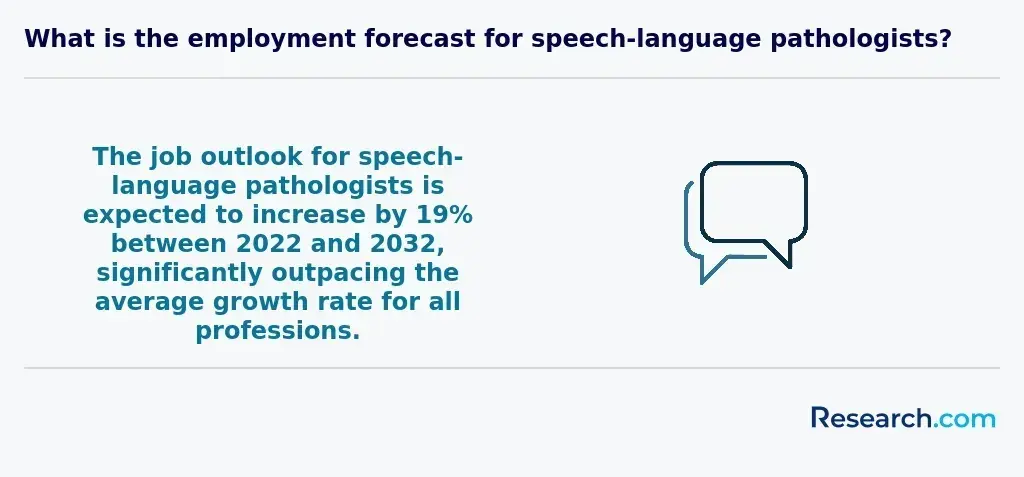
The demand for speech pathologists is growing nationally, with the U.S. Bureau of Labor Statistics projecting a 21% growth rate from 2022 to 2032. This reflects a global trend toward increased awareness of communication disorders.

In Valdosta, speech pathology programs emphasize preparing students to meet these accreditation requirements, integrating both clinical practice and research methods aligned with global standards.

How can I gain practical experience while studying for a speech pathology degree in Valdosta?

Gaining practical experience while studying for a speech pathology degree in Valdosta typically involves clinical practicum placements. These hands-on opportunities are integrated into most accredited programs, allowing students to work directly with clients under supervision.

Local healthcare facilities, schools, and rehabilitation centers often collaborate with Valdosta State University and nearby institutions to provide real-world training environments. For example, the university's Speech and Hearing Center offers students a chance to engage with diverse speech and language cases.

Students may also participate in internships or externships during their final year, which are essential for meeting American Speech-Language-Hearing Association (ASHA) certification requirements. According to ASHA, completing at least 400 supervised clinical hours is necessary for professional certification.

Networking with local professionals and joining relevant organizations can further enhance practical learning and job prospects in the region.

How do I choose the right concentration within a speech pathology degree program in Valdosta?

Choosing the right concentration within a speech pathology degree program in Valdosta begins with understanding your career goals. Concentrations often focus on pediatric, adult, or medical speech-language pathology, each serving different populations and clinical settings. Research from the American Speech-Language-Hearing Association (ASHA) notes that Valdosta experiences growing demand for pediatric specialists due to local school system needs.

Consider the clinical placements available through Valdosta programs, as hands-on experience is vital. Look for concentrations offering diverse practicum opportunities in hospitals, schools, or rehabilitation centers.

Additionally, review faculty expertise and resources in your chosen area; strong mentorship can enhance learning and employment prospects.

Finally, assess program accreditation and alignment with ASHA certification requirements to ensure licensure eligibility post-graduation.

See What Experts Have To Say About Studying Speech Pathology

Read our interview with Speech Pathology experts

Rhea Paul

Rhea Paul

Speech Pathology Expert

Professor, Communication Disorders

Sacred Heart University

Do you have any feedback for this article?

Related Articles
2026 Best No GRE Required Master's in Speech Pathology (MSLP) Programs thumbnail
2026 Best Online Communication Disorders Degree Programs thumbnail
Degrees AUG 20, 2026

2026 Best Online Communication Disorders Degree Programs

by Imed Bouchrika, PhD
2026 Fully Online vs Hybrid Speech Pathology Degree Master's Programs: Which Is Better? thumbnail
2026 How to Transition From Assistant to Certified Speech Pathologist (SLPA to SLP) thumbnail
Speech language pathology AUG 20, 2026

2026 How to Transition From Assistant to Certified Speech Pathologist (SLPA to SLP)

by Imed Bouchrika, PhD
2026 Low-Cost Online SLP Programs That Qualify for Financial Aid thumbnail
Speech language pathology AUG 20, 2026

2026 Low-Cost Online SLP Programs That Qualify for Financial Aid

by Imed Bouchrika, PhD
2026 Financial Aid, Scholarships, and Grants for Speech Pathology Students thumbnail
Speech language pathology AUG 20, 2026

2026 Financial Aid, Scholarships, and Grants for Speech Pathology Students

by Imed Bouchrika, PhD