2027 Most Valuable Speech Pathology Degree Programs Ranking in West Virginia
Choosing the right speech pathology degree program can feel overwhelming, especially in West Virginia. To help you navigate this important decision, our article features the 2027 Most Valuable Speech Pathology Degree Programs Ranking in West Virginia. This ranking was thoughtfully created by the Research.com team of data scientists to provide clear, reliable insights.
Reading this article will give you a better understanding of programs that offer strong value, helping you invest your time and resources wisely. Pursuing a speech pathology degree opens doors to a rewarding career where you can make a real difference in people's lives.
Key benefits of getting speech pathology degree in West Virginia
- Graduates with a speech pathology degree in West Virginia can earn strong salaries, with Speech Therapists making a mean annual wage of $96,790 and Speech-Language Pathology Assistants earning around $47,010.
- Career paths are diverse, ranging from clinical speech therapy to roles like Community Outreach Coordinator, giving graduates flexible options to impact lives positively.
- Completing a speech pathology degree online offers convenience and flexibility, allowing students to balance work and study while gaining skills recognized by employers in West Virginia and beyond.
- Key benefits of getting speech pathology degree in West Virginia
- What can I expect from speech pathology degree in West Virginia?
- Where can I work with speech pathology degree in West Virginia?
- How much can I make with speech pathology degree in West Virginia?
- 2027 Most Valuable Speech Pathology Degree Programs Ranking in West Virginia
- Key Findings
- How long does it take to complete speech pathology degree in West Virginia?
- Application Process & Deadlines
- What's the difference between online and on-campus speech pathology degree?
- Licensure and Certification Requirements in West Virginia
- What is the average cost of speech pathology degree in West Virginia?
- Future Trends and Innovations in Speech Pathology
- What financial aid is available to speech pathology degree students in West Virginia?
- Certification and Licensing Requirements in West Virginia
- What are the prerequisites for enrolling in speech pathology degree program in West Virginia?
- Licensure and Certification Requirements in West Virginia
- What courses are typically in speech pathology degree programs in West Virginia?
- What types of specializations are available in speech pathology degree programs in West Virginia?
- How do you choose the best speech pathology degree in West Virginia?
- What career paths are available for speech pathology degree students in West Virginia?
- What is the job market for speech pathology degree in West Virginia?
- Related Speech Pathology Rankings for Nearby States
- Top Trending Speech Pathology Rankings
- See What Experts Have To Say About Studying Speech Pathology
What can I expect from speech pathology degree in West Virginia?
The average cost of pursuing a speech pathology degree in West Virginia is generally lower than the national average, particularly for in-state graduate students. Many graduates from programs at West Virginia University report that tuition fees were manageable and complemented by the quality of education and clinical experiences provided. For those enrolled in master's programs-the essential qualification for licensure-the in-state tuition offers a financially accessible path, allowing students to focus on demanding coursework and hands-on clinical practicums.
Students often describe the balance of academic rigor and practical training as rewarding, with courses covering anatomy, phonetics, and language development, paired with supervised clinical hours. These real-world experiences, gained in hospital or school settings, help students feel prepared and confident as they progress toward certification and licensure.
Such affordability combined with comprehensive training supports a positive student journey, helping West Virginia graduates enter the workforce equipped and ready to meet local demand for skilled speech-language pathologists.
Where can I work with speech pathology degree in West Virginia?
Graduates with a speech pathology degree from popular West Virginia institutions, such as West Virginia University and Marshall University, find diverse employment opportunities across the state. Many begin their careers in the public school system, where they support students with speech and language impairments. These roles are especially rewarding, as graduates witness firsthand the progress of children overcoming communication challenges.
Healthcare settings like WVU Medicine and Charleston Area Medical Center also employ graduates to provide crucial rehabilitation services for patients recovering from strokes or brain injuries. Alumni often share how working in hospitals deepens their clinical expertise and offers competitive salaries.
Rehabilitation centers and nursing care facilities represent another growing career path, especially given West Virginia's expanding aging population. Here, speech pathologists help elderly clients manage swallowing disorders and age-related communication issues, creating meaningful patient relationships.
Private practice and telepractice options increasingly attract graduates seeking flexible schedules and the ability to serve remote communities, underscoring the dynamic nature of speech pathology careers in the state.
How much can I make with speech pathology degree in West Virginia?
Graduates with a speech pathology degree in West Virginia can expect starting salaries around $55,000, especially in entry-level roles within public school systems or rural healthcare settings. Professionals working in urban areas such as Charleston or Morgantown often experience higher earnings and greater opportunities for advancement. Data indicates that speech therapists nationally have a mean annual wage of approximately $96,790, which suggests that experienced clinicians in West Virginia, particularly those affiliated with renowned programs at institutions like West Virginia University, may achieve salaries approaching this level as they gain expertise.
Many graduates begin their careers as Speech-Language Pathology Assistants, earning a mean annual wage near $47,010, gradually moving into full speech therapist positions. Those holding additional certifications such as the Certificate of Clinical Competence in Speech-Language Pathology (CCC-SLP) often enhance their salary potential and employability within both clinical and administrative settings.
For a speech pathology student in West Virginia, the career path offers promising financial rewards, especially as practical experience accumulates and roles diversify into clinical coordination or community outreach, where national data reflects mean salaries close to $43,350 and $96,790 respectively. These figures reassure many graduates pursuing this profession at regional universities that their investment in education is likely to lead to a stable and fulfilling career in speech-language services.
2027 Most Valuable Speech Pathology Degree Programs Ranking in West Virginia
How do we rank schools?
Investing in your education is a significant decision that can shape your future, and the Research.com team understands the importance of making informed choices. To assist prospective students in West Virginia, we have meticulously crafted the "2027 Most Valuable Speech Pathology Degree Programs Ranking in West Virginia." Our commitment to quality, credibility, and accuracy is reflected in the extensive research and analysis conducted to compile this ranking.
We utilized the following reputable data sources to ensure a comprehensive evaluation of speech pathology programs:
By exploring this ranking, readers will gain valuable insights into the most valuable speech pathology degree programs available in West Virginia, empowering them to make well-informed decisions about their educational paths. For more information on how this ranking was created, please visit our Research.com methodology page.


Key Findings
- A master's degree is required to become a certified speech-language pathologist in West Virginia.
- Tuition for speech pathology programs ranges from $10,000 to $25,000 per year for in-state students.
- The average starting salary for speech pathology graduates is between $55,000 and $60,000 annually.
- Employment in speech pathology in West Virginia is projected to grow by about 15% over the next decade.
- Licensure requires passing the Praxis Exam, completing a Clinical Fellowship Year, and ASHA certification.
How long does it take to complete speech pathology degree in West Virginia?
Completing a speech pathology degree in West Virginia typically requires about six years of dedicated study, combining both undergraduate and graduate education. Students generally begin with a four-year bachelor's degree in communication sciences and disorders or a related field, which builds essential foundational knowledge for advanced coursework.
Afterward, aspiring speech-language pathologists enroll in a master's program, usually at institutions like West Virginia University, where the program spans two years of full-time study. Graduates often reflect positively on their supervised clinical experiences during this time, highlighting how hands-on practice with diverse patient populations built their confidence and practical skills.
West Virginia University's accredited programs adhere to ASHA standards, requiring around 375 to 400 clinical clock hours, ensuring students meet licensure prerequisites while engaging deeply with real-world scenarios. The combination of rigorous academic training and immersive clinical practice shapes graduates who feel well-prepared and motivated to launch rewarding careers within their communities.
Application Process & Deadlines
Carefully tracking application steps and key dates helps you secure a spot in competitive West Virginia speech pathology programs.
- Research each program’s deadlines, typically between December and February for fall admission.
- Gather official transcripts, GRE scores (if required), and at least two strong letters of recommendation.
- Write a concise personal statement that highlights your commitment to communication disorders and clinical experience.
- Complete any required observation hours or volunteer service under a certified speech-language pathologist.
- Submit the FAFSA and any state grant applications as soon as possible to maximize financial aid opportunities.
For a broader look at cost-effective training options beyond West Virginia, explore our affordable slp programs in arizona.
What's the difference between online and on-campus speech pathology degree?
Online speech pathology degree programs in West Virginia offer unmatched flexibility, ideal for working professionals or those residing in remote areas such as Appalachia. Graduates from online programs at universities like West Virginia University often praise the convenience of accessing lectures and coursework anytime, allowing them to balance family or job commitments. However, these programs still require local clinical practicum hours, which students arrange at approved healthcare or educational sites. This hands-on experience is crucial for certification and can sometimes involve travel, adding to the commitment.
Conversely, traditional on-campus programs, such as those at Marshall University, provide immersive learning with direct access to campus labs, libraries, and faculty. Students often express appreciation for in-person mentorship and networking opportunities, which enhance their professional confidence and skills. On-campus formats typically include clinical placements organized by the institution, streamlining practicum completion.
Both pathways in West Virginia demand CAA accreditation to ensure quality and eligibility for state certification. The choice depends on a student's lifestyle needs, learning preferences, and access to resources, making it a deeply personal decision.
Licensure and Certification Requirements in West Virginia
To practice as a Speech-Language Pathologist in West Virginia, graduates must obtain state licensure through the West Virginia Board of Examiners for Speech-Language Pathology and Audiology. First, candidates complete a master’s degree from a CAA-accredited program and accrue a minimum of 400 supervised clinical hours. Next, they must pass the ASHA’s Praxis Examination in Speech-Language Pathology. After receiving a passing score, applicants submit an application packet—transcripts, Praxis scores, and supervisor verification—to the state board, along with the required fees (typically around $150 for initial licensure). Once approved, licensees earn the Certificate of Clinical Competence (CCC-SLP) from the American Speech-Language-Hearing Association and must enroll in West Virginia’s continuing education program. Each biennial renewal cycle requires 30 contact hours of approved courses, with at least 3 hours focused on ethics. Failure to meet renewal criteria can result in late fees or license suspension. After licensure, many professionals advance into leadership roles or explore the most lucrative positions by visiting our guide to highest-paying speech pathology jobs and careers.
What is the average cost of speech pathology degree in West Virginia?
The average cost of obtaining a speech pathology degree in West Virginia varies significantly based on residency status and institution type. For in-state students enrolled in public universities such as West Virginia University (WVU), the median total cost hovers around $9,162. Graduate students pursuing speech-language pathology at WVU report a manageable tuition fee compared to national averages, which often exceed $20,000 annually at private institutions. This affordability allows many local students to feel optimistic about investing in their education without incurring overwhelming debt.
Out-of-state students encounter considerably higher expenses, with median total costs reaching approximately $33,108. Graduates recall balancing higher tuition with practical budgeting strategies, often benefiting from financial aid and state-specific scholarships to ease this burden. While private colleges in West Virginia offering speech pathology are limited and generally more costly, the overall landscape remains favorable for residents seeking cost-effective education within the state.
Several students emphasize the value of exploring additional aid opportunities and accessible programs, including online ms slp programs, which can enhance flexibility and affordability. Those researching West Virginia speech pathology degree tuition fees often highlight how combining in-state advantages with prudent financial planning contributes to a rewarding academic experience that ultimately prepares them well for clinical practice and certification.
Future Trends and Innovations in Speech Pathology
The field of Speech Pathology is continuously evolving, and staying informed about emerging trends is essential for both students and professionals. Recent advancements in telepractice, artificial intelligence, and digital therapeutics are transforming how speech evaluations and interventions are conducted. For example, many innovative programs are integrating data analytics and virtual simulations to enhance diagnostic accuracy and treatment efficiency. In response to this trend, flexible learning options like online ms slp programs have gained popularity, allowing students to access state-of-the-art digital platforms and resources that mirror real-world clinical environments. Educational institutions in West Virginia are beginning to incorporate these technological tools into their curricula, ensuring that graduates are not only well-versed in traditional clinical methods but are also prepared to engage with modern, technology-driven practices. This integration of innovation and technology is paving the way for a dynamic future in speech pathology, where continuous learning and adaptation remain the cornerstones of professional growth.
What financial aid is available to speech pathology degree students in West Virginia?
Students pursuing speech pathology degrees in West Virginia benefit from a variety of financial aid options that significantly ease the burden of tuition costs. For example, graduate students at West Virginia University often report relief through federal aid such as Pell Grants, Federal Supplemental Educational Opportunity Grants (FSEOG), and federal student loans accessed by completing the FAFSA. These resources make it feasible for many to focus on their demanding coursework without overwhelming financial stress.
State-specific programs like the West Virginia Higher Education Grant (WVHEG) provide targeted need-based aid to residents attending institutions such as Marshall University. This grant has enabled numerous graduates to continue their studies without interruption due to financial hurdles. Additionally, students completing undergraduate prerequisites frequently find the West Virginia PROMISE Scholarship a helpful resource before entering graduate programs.
Scholarships offered by organizations like the American Speech-Language-Hearing Association (ASHA) and departmental awards from local universities create further opportunities. Graduates often highlight the encouragement gained from receiving these scholarships, which reward merit and dedication to underserved communities.
Employer tuition assistance and the Public Service Loan Forgiveness program also offer vital support for practitioners committing to public or nonprofit employment within West Virginia, easing long-term financial obligations.
Certification and Licensing Requirements in West Virginia
To become a licensed speech-language pathologist in West Virginia, follow these key steps:
- Graduate from a CAA-accredited master’s program.
- Complete at least 400 hours of supervised clinical practicum.
- Finish a 36-week Clinical Fellowship Year (CFY).
- Pass the ASHA Praxis exam and earn the Certificate of Clinical Competence (CCC-SLP).
- Apply for state licensure through the WV Board of Speech-Language Pathology by submitting transcripts, CFY verification, exam scores, and a background check.
For accredited program options, including flexible online speech pathology programs, review your pathway carefully. Maintain your license with 20 hours of continuing education every two years.
What are the prerequisites for enrolling in speech pathology degree program in West Virginia?
To enroll in a speech pathology degree program in West Virginia, prospective students must first complete a bachelor's degree, typically from an accredited institution. Graduates from popular state universities often share that having a background in communication sciences, linguistics, psychology, or related fields greatly eased their transition into graduate study. This foundation includes vital coursework in biological sciences such as human anatomy and physiology, statistics, language development, and psychology, which equips students with the necessary scientific and linguistic knowledge.
Most programs also expect applicants to maintain a solid undergraduate GPA, usually around 3.0. Some candidates recall dedicating extra effort to meet this benchmark to remain competitive during admissions at well-regarded West Virginia universities offering speech pathology.
GRE requirements vary, with several schools easing this burden by waiving the exam. Students often benefit from confirming specific prerequisites directly with their chosen programs. Volunteer work or clinical observation hours at local healthcare facilities are frequently cited by graduates as invaluable experiences that enriched their applications and prepared them for rigorous graduate coursework.
Licensure and Certification Requirements in West Virginia
To practice as a Speech-Language Pathologist in West Virginia, graduates must navigate both state licensure and national certification processes to ensure compliance and professional credibility. Academic Prerequisites and Supervised Clinical Hours State licensure requires a master’s degree from a CAA-accredited program and completion of at least 400 supervised clinical practicum hours. Internships must cover diverse populations—including pediatric, adult neurological, and voice disorders—to satisfy the West Virginia Board of Examiners for Speech Pathology and Audiology. Praxis Examination and Application Process Applicants must pass the Praxis® Examination in Speech-Language Pathology (test code 5331) with a minimum score of 162. Following successful completion of the exam, candidates submit transcripts, practicum verification, and the exam score report via the WV eLicense portal. The application fee is $100, and processing typically takes 4–6 weeks. ASHA Certification (CCC-SLP) While state licensure authorizes clinical practice, obtaining the American Speech-Language-Hearing Association’s Certificate of Clinical Competence (CCC-SLP) further enhances employability and ensures adherence to the highest professional standards. To earn the CCC-SLP, candidates must document 36 weeks of full-time fellowship under ASHA-certified supervision and maintain membership dues. Continuing Education and Renewal West Virginia requires licensure renewal every two years, with a minimum of 30 continuing education units (CEUs). CEUs must include at least 3 hours in ethics and 3 hours in cultural competence, ensuring ongoing professional growth. Professionals can fulfill these requirements through workshops, online courses, and conferences approved by ASHA or the WV Board. For students seeking cost-effective program options outside West Virginia, consider our Affordable Speech Pathology Degree Programs Ranking in Tennessee, which highlights budget-friendly yet accredited pathways to licensure.
What courses are typically in speech pathology degree programs in West Virginia?
Speech pathology degree programs in West Virginia commonly integrate a comprehensive set of courses designed to equip students with both scientific knowledge and clinical skills. Graduates from respected institutions such as West Virginia University often recall how foundational courses like Introduction to Communication Sciences and Disorders provided a clear understanding of speech, language, and hearing processes, which proved crucial during their early clinical placements.
Core coursework typically includes Anatomy and Physiology of the Speech and Hearing Mechanism, where students appreciate the complex biological structures involved in communication. Many find courses in Phonetics especially engaging, as they practice identifying and producing speech sounds-skills essential for effective assessment and therapy.
Students also benefit from studying Speech Development and Language Acquisition, learning how communication evolves from infancy to adulthood, often drawing on case studies from local clinical settings. Advanced classes like Neurology for Speech-Language Pathology deepen understanding of the brain's role, while Clinical Methods in Speech Pathology provide invaluable supervised hands-on experience that former students describe as both challenging and highly rewarding.
Research Methods and Statistics equip students to critically evaluate scientific evidence, an essential skill praised by alumni who appreciate how these courses enhance their confidence in evidence-based practice throughout their careers in West Virginia.
What types of specializations are available in speech pathology degree programs in West Virginia?
Speech pathology degrees in West Virginia commonly offer specializations that prepare students for focused clinical practice. Graduates from popular programs at institutions like West Virginia University often highlight pediatric speech pathology as a core specialization, enabling them to effectively support children with communication disorders in schools and early intervention settings. This specialization reflects the state's dedication to enhancing educational outcomes for youth with disabilities.
Students pursuing West Virginia speech therapy degree options can also concentrate on adult neurogenic communication disorders, addressing conditions such as stroke or traumatic brain injury, which are increasingly relevant given the state's aging population. Another prominent focus is augmentative and alternative communication (AAC), where students gain expertise in technologies that assist individuals facing severe speech impairments across all ages.
Voice disorders, involving treatment for vocal cord issues, represent another key area. Graduates frequently report that hands-on experience in these specializations at West Virginia institutions deepens their confidence for clinical roles. Prospective students interested in diverse opportunities may also explore the highest-paying speech pathology jobs and careers related to these specializations.
How do you choose the best speech pathology degree in West Virginia?
Choosing the best speech pathology degree programs West Virginia offers involves prioritizing accredited programs that provide robust clinical training tailored to the state's unique healthcare environment. Graduates from West Virginia University often highlight hands-on practicum experiences in local hospitals and schools, which build confidence when working with both pediatric and adult clients. These real-world settings help students develop a deep understanding of community needs, especially in underserved rural areas.
Cost considerations are equally important. Affordable speech pathology schools in West Virginia, such as public universities offering in-state tuition rates, allow students to manage expenses without sacrificing quality. Many graduates express relief and satisfaction with financial aid packages that ease their educational journey. Programs that also offer part-time or hybrid options enable working professionals to balance study and life commitments effectively.
Prospective students seeking more information on affordable pathway options can explore the Affordable Speech Pathology Degree Programs Ranking in Tennessee to compare regional opportunities and financial considerations.
What career paths are available for speech pathology degree students in West Virginia?
Graduates with a speech pathology degree in West Virginia have diverse career paths across healthcare, education, and community settings. Many find rewarding clinical roles in hospitals, outpatient clinics, and nursing facilities, often serving rural or underserved populations. Those who studied at institutions like West Virginia University frequently describe the fulfillment of improving communication skills for patients ranging from young children to elderly adults affected by stroke or dementia. Public schools in the state also offer stable employment opportunities for speech pathologists, where they play a critical role in supporting children with speech delays and meeting federal Individualized Education Program requirements.
In addition to clinical and educational roles, some graduates pursue specialized areas such as pediatric or geriatric speech therapy or voice therapy for professional voice users. West Virginia's growing demand ensures promising job opportunities in these fields. Students interested in expanding their credentials may explore the highest paying certifications without degree to enhance their career prospects and income potential.
What is the job market for speech pathology degree in West Virginia?
The speech pathology job outlook in West Virginia remains promising due to the steady demand for qualified professionals in healthcare and educational settings. Graduates from well-regarded institutions such as West Virginia University and Marshall University often secure positions in public schools, hospitals, and rehabilitation centers, supporting individuals with communication disorders. These settings provide a rewarding atmosphere where practitioners witness tangible improvements in their clients' lives, contributing to job satisfaction and professional growth.
West Virginia speech pathologist employment opportunities also extend to long-term care facilities and private outpatient clinics, reflecting the state's broad need for these services. Graduates frequently emphasize the value of completing a master's degree locally, which offers reduced tuition costs and proximity to clinical placements. Many students appreciate the supportive networks established through university programs, which enhance access to competitive roles after graduation.
For those unsure about their educational path, exploring what is the easiest associate degree to get online can provide clarity before committing to a graduate program in speech pathology.
Frequently Asked Questions About speech pathology
Speech pathology students in West Virginia can maximize their learning by seeking clinical placements early, as hands-on experience is vital. The West Virginia Higher Education Policy Commission emphasizes supervised clinical hours as a critical part of degree requirements, often totaling over 375 hours. Engaging with local hospitals, schools, and rehabilitation centers provides practical exposure. Additionally, joining professional organizations like the West Virginia Speech-Language-Hearing Association helps students network and stay updated on industry trends. Taking advantage of research opportunities and graduate assistantships available at universities can enrich understanding. Finally, utilizing state resources and scholarship programs can support academic and professional growth.
The field of speech pathology is evolving, with emerging niches offering new opportunities for professionals in West Virginia. One growing area is telepractice, which allows speech pathologists to provide remote therapy services, expanding access in rural communities where specialists are scarce. According to the West Virginia Speech-Language-Hearing Association, telepractice has seen a 30% increase in use since 2020.
Another niche is the focus on aging populations. With West Virginia's older adult population increasing, demand for speech therapy targeting dementia and stroke recovery is rising. Additionally, pediatric feeding and swallowing disorders is a specialized area attracting interest due to its complexity and growing awareness.
After completing a speech pathology degree in West Virginia, preparing for the job market involves several key steps. Graduates must obtain state licensure, which requires passing the Praxis Speech-Language Pathology exam and completing a Clinical Fellowship Year under supervision. West Virginia follows the American Speech-Language-Hearing Association (ASHA) certification guidelines, and holding the CCC-SLP credential significantly boosts employment prospects.
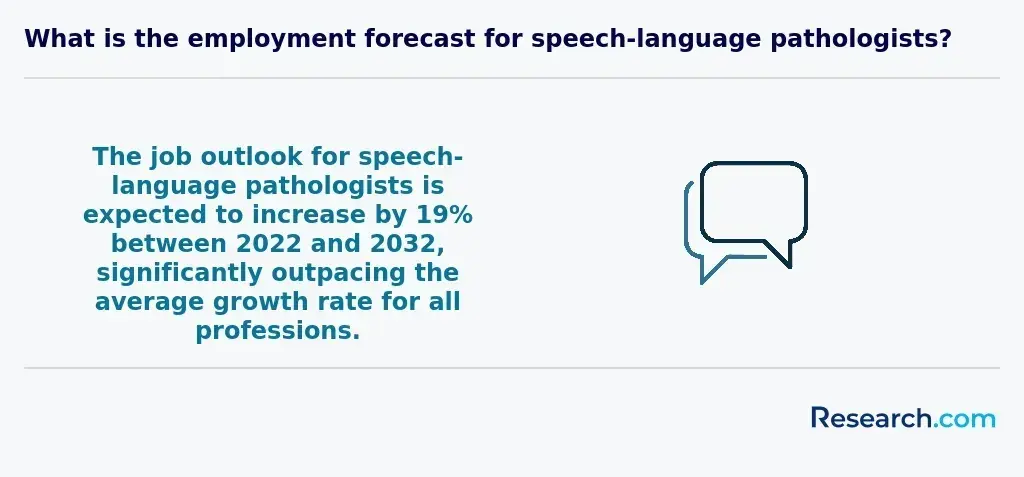
Networking is essential; joining professional groups such as the West Virginia Speech-Language-Hearing Association can connect new graduates with local employers. According to the U.S. Bureau of Labor Statistics, speech pathology jobs in West Virginia are projected to grow about 16% from 2022 to 2032, signaling steady demand. Gaining experience through internships or volunteering in schools and clinics will improve practical skills and employability.
Employers in West Virginia seek several key skills in graduates of speech pathology degree programs. Strong communication abilities are essential, as professionals must clearly assess and treat speech and language disorders. Critical thinking and problem-solving skills enable therapists to design effective, individualized treatment plans. Additionally, interpersonal skills are highly valued because collaboration with patients, families, and healthcare teams is a routine part of the job.
Technical knowledge, including familiarity with the latest speech therapy technology and evidence-based practices, is increasingly important. According to the West Virginia Department of Education, speech pathologists must also demonstrate cultural competence to work effectively in diverse settings.
Finding internships in West Virginia for speech pathology students often begins with university career centers and accredited programs. Many institutions, such as West Virginia University, have partnerships with local hospitals, schools, and clinics that offer practical experience. According to the American Speech-Language-Hearing Association (ASHA), internships must meet specific clinical hour requirements to qualify for certification.
Students should also explore opportunities through West Virginia's Department of Education, which supervises placements in public schools. Networking with licensed speech-language pathologists in communities like Morgantown or Charleston can uncover lesser-known sites. Additionally, organizations like the West Virginia Speech-Language-Hearing Association provide resources and announcements about local internships.
Earning a speech pathology degree in West Virginia significantly enhances career mobility and advancement opportunities. According to the Bureau of Labor Statistics (BLS 2023), speech-language pathologists in West Virginia earn a median annual wage of around $77,000, higher than entry-level positions requiring only an associate degree.
The degree provides essential qualifications for certification and licensure, both required by the West Virginia Board of Examiners for Speech-Language Pathology and Audiology. This credentialing enables professionals to work in diverse settings such as schools, healthcare facilities, and private practices.
Graduates also benefit from the growing demand for speech-language pathologists in West Virginia, projected to increase 13% by 2030 (BLS), making advanced degrees a vital asset for job stability and promotion potential.
Studying for a speech pathology degree in West Virginia equips students with the skills needed for interdisciplinary collaboration. Programs often emphasize teamwork with professionals like educators, occupational therapists, and healthcare providers. This approach aligns with guidelines from the American Speech-Language-Hearing Association (ASHA), ensuring graduates can integrate knowledge across fields.
West Virginia universities incorporate clinical practicum experiences in diverse settings, such as schools and hospitals. These experiences foster communication and coordination skills essential to interdisciplinary roles. According to the West Virginia Department of Education, speech pathologists frequently work alongside special education teams, reinforcing this collaborative training.
Moreover, curricula address public health and policy issues relevant to the state, preparing students to navigate complex systems and partner with various agencies. This comprehensive training increases graduates' readiness for dynamic work environments where multifaceted care is critical.
Choosing between a thesis and a non-thesis speech pathology degree in West Virginia depends on your career goals and academic preferences. Thesis programs typically emphasize research, requiring students to complete an original study, which can be beneficial for those considering a PhD or research career. Non-thesis options focus more on clinical practice and coursework, often preferred by students aiming for immediate professional certification.
West Virginia University, a leading institution in the state, offers both tracks with accreditation from the Council on Academic Accreditation (CAA), ensuring quality education. According to the Bureau of Labor Statistics, speech pathology jobs in West Virginia are expected to grow 21% from 2020 to 2030, highlighting the demand for qualified clinicians.
Students based in West Virginia interested in studying speech pathology abroad have limited direct options, as most accredited speech pathology programs are found within the United States. However, some West Virginia students choose international study through exchange programs or partnerships offered by their home institutions. These programs often allow coursework or clinical experience overseas while maintaining progress toward a degree recognized by the American Speech-Language-Hearing Association (ASHA).
It is important to verify that any foreign program aligns with ASHA certification requirements, since practicing speech pathology in the US requires this credential. West Virginia's Department of Education and ASHA provide guidance on such pathways.
Data from the West Virginia Higher Education Policy Commission indicates that approximately 15% of students in health-related fields consider study abroad, but speech pathology remains a niche area within these figures.
Students pursuing speech pathology degrees in West Virginia can benefit from several part-time job options that enhance their academic experience. Working as a speech-language pathology aide or assistant in local clinics provides practical exposure to therapy techniques and client interaction. According to the Bureau of Labor Statistics, West Virginia has a growing demand for speech-language pathologists, particularly in schools and healthcare facilities.
Part-time roles in public schools, under supervision, can help students understand educational speech interventions. Additionally, jobs in nursing homes or rehabilitation centers allow hands-on experience with diverse patient populations. These opportunities not only reinforce classroom knowledge but also build professional networks within the state's healthcare system.
Speech pathology students in West Virginia have several networking opportunities to enhance their education and career prospects. The West Virginia Speech-Language-Hearing Association (WVSLHA) organizes regular events, workshops, and conferences that connect students with licensed professionals across the state. These gatherings offer chances to learn about current industry practices and build professional relationships.
Universities like West Virginia University and Marshall University often collaborate with local clinics and healthcare providers, providing students with practicum placements. These experiences foster connections with potential employers and supervisors.
Additionally, national organizations such as the American Speech-Language-Hearing Association (ASHA) have state chapters that West Virginia students can join for broader networking.
Alumni networks play an important role in supporting speech pathology degree students in West Virginia. These networks connect current students with graduates who have experience working in various clinical and educational settings across the state. This connection provides valuable mentorship opportunities, helping students navigate job placements and licensure requirements specific to West Virginia.
West Virginia's demand for speech-language pathologists is growing, with the Bureau of Labor Statistics projecting a 15% increase in related jobs statewide through 2030. Alumni can share insights on local job markets and employer expectations, which is crucial for new professionals entering the field. Additionally, alumni often host events and workshops, enhancing professional skills beyond the classroom.
Networking through these groups also facilitates internships and clinical practice offers, ensuring hands-on experience that meets the standards set by the American Speech-Language-Hearing Association (ASHA). This local support network strengthens students' career readiness and community integration.
Customizing a speech pathology degree program in West Virginia involves selecting courses and clinical experiences that align with your specific career objectives. Many universities offering communication sciences and disorders degrees allow students to choose electives focusing on areas such as pediatric speech therapy, neurogenic disorders, or voice and swallowing rehabilitation.
In West Virginia, programs often incorporate supervised clinical practicums that can be tailored to settings like schools, hospitals, or rehabilitation centers, helping students gain relevant hands-on experience. Additionally, some schools provide opportunities for research projects or internships linked with local healthcare providers.
The West Virginia Speech-Language-Hearing Association offers resources and guidance on certification requirements, helping students ensure their chosen path meets state licensure standards for speech-language pathologists. According to the U.S. Bureau of Labor Statistics, West Virginia has a growing demand for speech therapists, emphasizing the importance of aligning training with local workforce needs.
Speech pathology students in West Virginia often face challenges related to limited clinical placement opportunities due to the state's rural characteristics. According to the American Speech-Language-Hearing Association (ASHA), hands-on experience is essential, but many local healthcare facilities have a low volume of suitable cases for practicum requirements. This can delay graduation or reduce the diversity of clinical exposure.
Financial concerns also affect many students. West Virginia ranks among states with higher-than-average college debt, which may impact decisions to pursue advanced degrees in speech pathology. Additionally, balancing coursework with part-time employment is common.
Another challenge involves access to specialized faculty and resources. Smaller programs in West Virginia sometimes struggle to offer a wide variety of electives and research opportunities compared to larger institutions nationally.
With a speech pathology degree, you can pursue several professional certifications that enhance career opportunities. The primary credential in the U.S. is the Certificate of Clinical Competence in Speech-Language Pathology (CCC-SLP) from the American Speech-Language-Hearing Association (ASHA). This certification is widely recognized and often required for state licensure and employment.
In West Virginia, obtaining state licensure through the West Virginia Board of Examiners for Speech-Language Pathology and Audiology is mandatory to practice. Licensure typically requires holding a master's degree in speech pathology, completing a clinical fellowship, and passing the Praxis examination.
Additional certifications may include specialty credentials in areas like fluency disorders or swallowing disorders, depending on your career goals. The U.S. Bureau of Labor Statistics projects steady growth in speech pathology jobs, emphasizing the value of certification combined with a degree.
Applying to a speech pathology program in West Virginia requires careful preparation to stand out among competitive applicants. First, strong academic performance is crucial; most accredited programs require a minimum GPA of 3.0, with prerequisite courses in biology, communication sciences, and psychology. According to the American Speech-Language-Hearing Association, demonstrating relevant experience through volunteering or internships in clinical or educational settings can greatly strengthen your application.
Additionally, aspiring students should craft a clear and compelling personal statement that explains their passion for speech pathology and their commitment to serving West Virginia's diverse populations. Letters of recommendation from faculty or supervisors familiar with your dedication and skills are essential. Finally, performing well on the GRE, when required, and ensuring all documents are submitted timely can enhance your chances of admission.
Speech pathology careers hold strong relevance both in the U.S. and globally, with growing demand driven by aging populations and increased awareness of communication disorders. Within West Virginia, the Bureau of Labor Statistics projects a 10% growth in speech-language pathology jobs from 2022 to 2032, higher than the national average of 9%. This reflects a broader global trend emphasizing the importance of speech therapy in health and education sectors.
Internationally, requirements vary widely, but the U.S. system, including programs in West Virginia, is recognized for rigorous clinical training and certification standards, such as those by the American Speech-Language-Hearing Association (ASHA). These standards help graduates qualify for careers worldwide, highlighting the global portability of U.S. speech pathology credentials.
Gaining practical experience while studying for a speech pathology degree in West Virginia typically involves completing supervised clinical placements, which are required components of accredited programs. Students often work in local hospitals, schools, or rehabilitation centers, providing hands-on therapy under licensed professionals' guidance. The American Speech-Language-Hearing Association (ASHA) mandates a minimum of 400 clinical clock hours, including both observation and direct client interaction, for certification eligibility.
West Virginia schools collaborate with regional healthcare providers and educational institutions to facilitate these placements, ensuring students gain diverse real-world experience. Additionally, internships and volunteer opportunities in community clinics can supplement formal training. Such exposure is vital for licensure and future employment within the state. For specific program details, prospective students should consult the West Virginia Higher Education Policy Commission and ASHA resources.
Choosing the right concentration within a speech pathology degree program in West Virginia involves understanding your career goals and the specific populations you want to serve. Programs often offer focuses such as pediatric speech disorders, adult rehabilitation, or language development.
Look for concentrations that align with demand in West Virginia, where an aging population increases the need for expertise in adult speech and swallowing disorders. According to the U.S. Bureau of Labor Statistics, West Virginia is projected to grow in healthcare jobs, including speech-language pathology.
Consider certifications required by the American Speech-Language-Hearing Association and opportunities for clinical practice within the state. Programs connected to local hospitals and schools provide valuable hands-on experiences.
Related Speech Pathology Rankings for Nearby States
- 2027 Most Valuable Speech Pathology Degree Programs Ranking in Virginia
- 2027 Most Valuable Speech Pathology Degree Programs Ranking in Ohio
- 2027 Most Valuable Speech Pathology Degree Programs Ranking in Pennsylvania
- 2027 Most Valuable Speech Pathology Degree Programs Ranking in North Carolina
- 2027 Most Valuable Speech Pathology Degree Programs Ranking in Tennessee
- 2027 Most Valuable Speech Pathology Degree Programs Ranking in South Carolina
- 2027 Most Valuable Speech Pathology Degree Programs Ranking in Georgia
- 2027 Most Valuable Speech Pathology Degree Programs Ranking in Alabama
- 2027 Most Valuable Speech Pathology Degree Programs Ranking in New York
- 2027 Most Valuable Speech Pathology Degree Programs Ranking in Connecticut
Top Trending Speech Pathology Rankings
See What Experts Have To Say About Studying Speech Pathology
Read our interview with Speech Pathology experts
References
- Speech Pathology Internships - Guide for 2026 https://speechpathologymastersprograms.com/speech-pathology-careers/speech-pathology-internships-guide/
- The Importance of Speech Pathology in Education Settings https://blog.daar.com.au/blog/the-importance-of-speech-pathology-in-education-settings
- Grad School Application Resource Center https://www.nsslha.org/programs/grad-school-application-resource-center/
- What’s Your Niche? Specializing as an Speech-Language Pathologist https://www.meaningfulspeech.com/blog/private-practice-SLP
- How to Follow the Best Path to Becoming a Speech Pathologist https://www.masmedicalstaffing.com/blog/becoming-a-speech-pathologist/
- Speech Pathologist Salaries in West Virginia | CompTool https://comptool.com/salaries/west-virginia/healthcare/speech-pathologist/
- Speech-Language Pathology International Network https://thomasmore.be/en/speech-language-pathology-international-network
- Personal Statement for Graduate Application for Speech Pathology https://essayforum.com/graduate/statement-application-pathology-41202/
- Legislative Rules https://www.wvspeechandaudiology.com/Home/Legislative-Rules
- How to Become a Speech Therapist in Iowa https://www.speechpathologygraduateprograms.org/west-virginia/