2027 Most Valuable Speech Pathology Degree Programs Ranking in Pennsylvania
Choosing the right speech pathology degree program in Pennsylvania can feel overwhelming. To help, this article introduces the 2027 Most Valuable Speech Pathology Degree Programs Ranking in Pennsylvania, created by the Research.com team of data scientists. This ranking highlights programs that offer the best value and quality education.
Whether you're just starting your college search or looking to advance your career, understanding which programs stand out makes your decision easier. A speech pathology degree opens doors to a rewarding career helping others communicate and thrive.
Key benefits of getting speech pathology degree in Pennsylvania
- Graduates with a speech pathology degree in Pennsylvania can expect strong earning potential, with speech therapists earning a mean annual wage of $96,790 and speech-language pathology assistants earning about $47,010.
- Career paths include roles as speech therapists, clinical research coordinators, and community outreach coordinators, offering diverse opportunities to make a real difference in people's lives.
- Online degrees from Pennsylvania universities provide flexible learning options, allowing students to balance work and study while gaining the same qualifications as traditional programs.
- Key benefits of getting speech pathology degree in Pennsylvania
- What can I expect from speech pathology degree in Pennsylvania?
- Where can I work with speech pathology degree in Pennsylvania?
- How much can I make with speech pathology degree in Pennsylvania?
- 2027 Most Valuable Speech Pathology Degree Programs Ranking in Pennsylvania
- Key Findings
- How long does it take to complete speech pathology degree in Pennsylvania?
- Certification and Licensure Requirements
- What's the difference between online and on-campus speech pathology degree?
- State Licensure and Certification Requirements in Pennsylvania
- What is the average cost of speech pathology degree in Pennsylvania?
- Licensure and Certification Requirements
- What financial aid is available to speech pathology degree students in Pennsylvania?
- Tips for Selecting Affordable Speech Pathology Programs in Pennsylvania
- What are the prerequisites for enrolling in speech pathology degree program in Pennsylvania?
- Licensure and Certification Requirements in Pennsylvania
- What courses are typically in speech pathology degree programs in Pennsylvania?
- What types of specializations are available in speech pathology degree programs in Pennsylvania?
- How do you choose the best speech pathology degree in Pennsylvania?
- What career paths are available for speech pathology degree students in Pennsylvania?
- What is the job market for speech pathology degree in Pennsylvania?
- Related Speech Pathology Rankings for Nearby States
- Top Trending Speech Pathology Rankings
- See What Experts Have To Say About Studying Speech Pathology
What can I expect from speech pathology degree in Pennsylvania?
When you're thinking about the cost of a speech pathology degree in Pennsylvania, most students find that tuition runs between $20,000 and $40,000 per year if you're an in-state grad student. For example, many folks attending universities known for strong speech pathology programs, like Penn State or Temple University, mention that while the price tag can feel steep at first, financial aid and scholarships really help ease the burden.
Graduates often recall juggling clinical hours at local hospitals or schools while managing tuition payments, but they say the hands-on experience makes every dollar worth it. It's common to hear how exciting it felt to finally apply what they learned in the classroom directly to real clients-and those experiences at Pennsylvania clinics really set them apart when starting their careers.
So, while the cost might seem high upfront, students tend to appreciate the mix of solid education and practical training they receive without having to leave the state, making it a smart investment in their future as speech-language pathologists.
Where can I work with speech pathology degree in Pennsylvania?
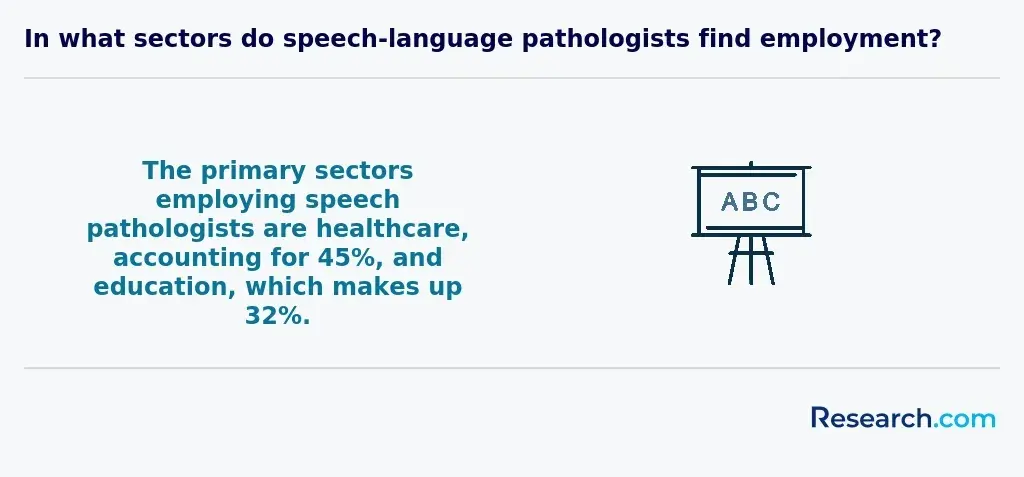
If you're wondering where you can work with a speech pathology degree in Pennsylvania, there are tons of great options. Many grads from schools like Penn State or Temple University find jobs in hospitals and outpatient clinics, helping patients recover communication after injuries or surgeries. It's rewarding to see patients making progress, which makes those long clinical hours totally worth it.
Another popular path is working in K-12 schools. Lots of Pennsylvania public schools hire licensed speech-language pathologists to support kids struggling with speech or language delays. Graduates often talk about how fulfilling it feels to help these kids find their voice and build confidence. Plus, working in schools means a predictable schedule, which is a big bonus.
Some grads dive into nursing homes or rehab centers, assisting older adults who need speech therapy after strokes. Then there's the option of joining research projects at universities around the state, pushing new treatment methods forward. So whether you like hands-on patient care or exploring new ideas, Pennsylvania offers plenty of places to put your degree to work.
How much can I make with speech pathology degree in Pennsylvania?
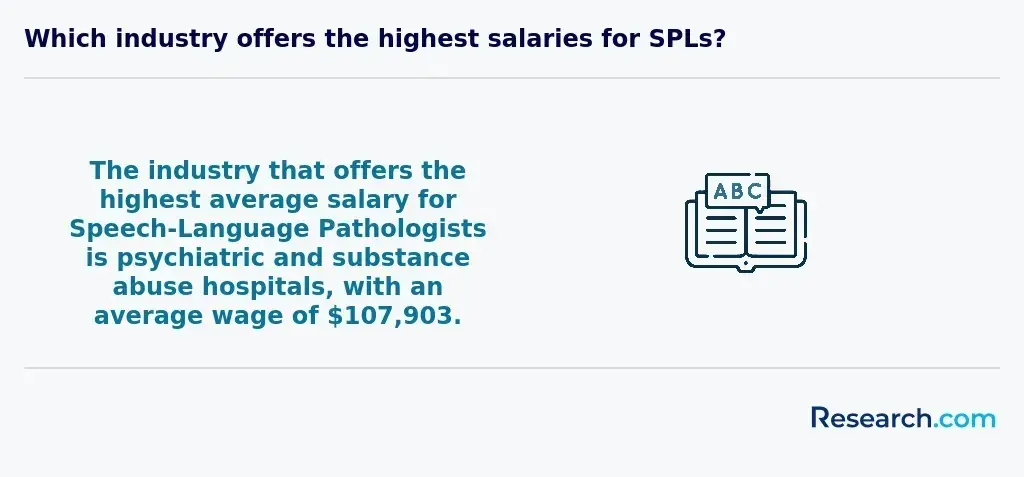
If you're studying speech pathology in Pennsylvania, you're stepping into a field that pays well and keeps growing. Graduates from programs at schools like Temple University or the University of Pittsburgh often start with salaries around $60,000 to $70,000, which is pretty solid for entry-level work. Once you land your license and get some experience, especially in hospitals or rehab centers, you can boost your paycheck to about $90,000 or even higher. That fits right in with what the U.S. Bureau of Labor Statistics shows, where speech therapists make roughly $96,790 a year on average nationwide.
Even if you're aiming for roles like a Speech-Language Pathology Assistant, you're looking at a nice salary around $47,000 annually, which is great for starting out. Many grads find themselves loving the mix of helping kids, working in clinics, and enjoying the steady paycheck that comes with this rewarding career.
All in all, Pennsylvania offers both good learning opportunities and competitive wages, perfect if you want a fulfilling job that pays well and makes a difference in people's lives.
2027 Most Valuable Speech Pathology Degree Programs Ranking in Pennsylvania
How do we rank schools?
Investing in your education is a significant decision that can shape your professional future, and the Research.com team is committed to supporting you in making well-informed choices. To aid prospective students in Pennsylvania, we have carefully developed the "2027 Most Valuable Speech Pathology Degree Programs Ranking in Pennsylvania." Our dedication to quality, credibility, and accuracy is demonstrated through thorough research and analysis that underpins this ranking.
We utilized the following reputable data sources to ensure a comprehensive assessment of speech pathology programs:
By consulting this ranking, readers will obtain valuable insights into the most valuable speech pathology degrees in Pennsylvania, empowering them to select programs that align with their career goals and financial considerations. For a deeper understanding of how this ranking was created, please visit our Research.com methodology page.
# 1 position
East Stroudsburg University of Pennsylvania
Master of Science in Speech-Language Pathology


# 7 position
Pennsylvania State University-Main Campus
Master of Science in Speech-Language Pathology


# 10 position
Pennsylvania State University-Main Campus
Communication Sciences and Disorders, B.S.

# 11 position
West Chester University of Pennsylvania
Bachelor of Science in Speech-Language Pathology


# 13 position
Commonwealth University of Pennsylvania
Bachelor of Science in Speech-Language Pathology


# 18 position
Salus University
Master of Arts in Speech-Language Pathology


Key Findings
- A Master of Science (M.S.) in Speech-Language Pathology is required for certification and licensure in Pennsylvania.
- Tuition for graduate programs ranges from $20,000 to $35,000 at public universities and $40,000 to $70,000 at private schools, excluding extra costs.
- Pennsylvania employs around 4,000 speech pathologists, with demand driven by aging populations and expanded healthcare services.
- Starting salaries for speech pathology graduates are about $60,000 per year, with experienced professionals earning around $80,000 or more.
- Licensure requires passing the Praxis exam and completing a supervised Clinical Fellowship year, plus ongoing continuing education.
How long does it take to complete speech pathology degree in Pennsylvania?
If you're thinking about studying speech pathology in Pennsylvania, expect to spend around six years total before you're ready to start working. Most students begin with a bachelor's degree, which usually takes about four years at well-known schools like Penn State or Temple University. Graduates often say that this part feels like a solid foundation, giving them a real sense of excitement about the field.
After the bachelor's, the next big step is a master's degree in speech-language pathology, which generally takes another two years if you're studying full-time. Many Pennsylvania programs, accredited by the CAA, mix classroom learning with hands-on clinical practice, which grads find super valuable-it's where all those theory lessons come alive.
Then comes a roughly nine-month supervised clinical fellowship. Graduates describe this as both challenging and rewarding, as it's the final step before getting certified and licensed to practice in Pennsylvania. Some students with related bachelor's degrees might finish a bit faster, in two to three years for the master's plus clinical training, making it a flexible journey depending on your background.
Certification and Licensure Requirements
Navigating certification and licensure in Pennsylvania ensures you can practice legally and advance your career. Key steps include:
- Graduate from a CAA-accredited Master of Science in Speech-Language Pathology.
- Complete at least 400 hours of supervised clinical practicum.
- Pass the ASHA Praxis® exam in speech-language pathology.
- Apply for state licensure through the Pennsylvania State Board of Examiners in Speech-Language Pathology and Audiology.
- Obtain the Certificate of Clinical Competence (CCC-SLP) from ASHA.
- Maintain both licensure and certification with 20 continuing education units every three years.
For students comparing program costs, explore the cheapest speech pathology graduate programs in arizona for additional financial perspective.
What's the difference between online and on-campus speech pathology degree?
If you're thinking about a speech pathology degree in Pennsylvania, one big difference between online and on-campus programs is how you experience the learning. On-campus at places like West Chester University, graduates rave about the face-to-face time with professors and the hands-on clinical practicums at nearby clinics or hospitals. It's pretty rewarding to work directly with clients while having faculty right there to guide you through those 400 supervised clinical hours needed for certification.
On the flip side, online programs give you way more flexibility, which is a lifesaver if you're juggling work or family. But graduates often mention that setting up those clinical hours independently, sometimes far from your university, can be a bit of a hustle without the on-campus support system.
Tuition also tends to be friendlier at public schools in Pennsylvania if you go the on-campus route, while private online programs might cost more. Still, many feel the freedom that comes with online classes totally balances things out-especially if you live far from Philly or Pittsburgh and want to avoid long commutes.
State Licensure and Certification Requirements in Pennsylvania
To practice as a licensed Speech-Language Pathologist in Pennsylvania, graduates must complete the following mandatory steps: 1. Earn a Master’s Degree in Speech-Language Pathology from a program accredited by the Council on Academic Accreditation in Audiology and Speech-Language Pathology (CAA). 2. Accumulate a minimum of 400 supervised clinical practicum hours, including evaluation and treatment experiences across the lifespan. 3. Pass the Praxis® Examination in Speech-Language Pathology (ETS code: 5331), with a score that meets both ASHA and Pennsylvania Department of Education (PDE) thresholds. 4. Apply for the Certificate of Clinical Competence (CCC-SLP) through the American Speech-Language-Hearing Association (ASHA), submitting official transcripts, practicum documentation, and Praxis scores. 5. Obtain state licensure via the Pennsylvania Department of Education (PDE): - Submit a PDE application form, official transcripts, and the ASHA CCC-SLP certificate (or proof of successful exam completion). - Complete a criminal history background check and fingerprint clearance. - Pay the required application and license fees (currently $71 application fee, $62 renewal every two years). 6. Maintain licensure through ongoing professional development: - Complete at least 30 continuing education units (CEUs) every two years, as mandated by ASHA and PDE. - Report CEUs and renew your license before the expiration date to avoid late fees. Tips for Streamlining Certification:
- Begin tracking clinical hours early with a standardized log endorsed by your program.
- Schedule the Praxis® exam immediately after your final clinical practicum to minimize delays.
- Consult your university’s certification office for transcript processing and ASHA application review.
- Consider cost-effective graduate programs with strong practicum placements; for example, explore the Inexpensive Speech Pathology Degree Programs Ranking in Washington, DC to compare tuition models and clinical opportunities. Understanding and completing these licensure and certification requirements ensures you can legally and confidently deliver speech-language services across Pennsylvania’s schools, healthcare facilities, and private practices.
What is the average cost of speech pathology degree in Pennsylvania?
The average cost of a speech pathology degree in Pennsylvania usually lands around $55,150 in total, but if you're a resident attending a public university, you might only pay about $28,230 altogether. Graduates from places like Pennsylvania State University often share how managing tuition and extra expenses felt doable thanks to these in-state rates. That makes a real difference when you're juggling books, clinical practicum fees, and all the little surprises that come with earning your degree.
Many students aiming for master's programs-which typically take about two years-find that planning for costs beyond just tuition is key. Textbooks, certification fees, and licensure prep can add up, but scholarships and grants help ease that burden significantly. A lot of folks studying speech pathology in Pennsylvania look into financial aid options or take advantage of in-state tuition discounts to keep things within reach. It's a relief knowing you can make investing in your future manageable.
Private schools like Drexel University or the University of Pennsylvania are a bit pricier, so students often consider public options first when thinking about average cost speech pathology degree Pennsylvania. For those looking for affordable speech pathology programs in Pennsylvania, researching and comparing tuition fees with real student experiences is the best way to find a budget-friendly fit that still offers a top-notch education.
Licensure and Certification Requirements
To practice speech-language pathology in Pennsylvania, you must complete these steps:
- Graduate from a CAA-accredited master’s program (consider online slp master's programs for flexibility).
- Complete 400+ supervised clinical practicum hours.
- Pass the Praxis® Examination in Speech-Language Pathology.
- Finish a Clinical Fellowship Year (9–12 months of mentored practice).
- Apply for state licensure through the Pennsylvania Board of Examiners in Speech-Language Pathology and Audiology.
Many professionals then pursue the ASHA Certificate of Clinical Competence (CCC-SLP) to enhance credentials. Both state licensure and ASHA certification require ongoing continuing education—usually 20–30 contact hours every two years—to maintain compliance and uphold best practices in client care.
What financial aid is available to speech pathology degree students in Pennsylvania?
If you're diving into a speech pathology degree in Pennsylvania, there's good news: you've got plenty of financial aid options to explore. Federal aid is often the first stop, with FAFSA opening doors to grants, loans, and work-study programs. Even though Pell Grants usually focus on undergrads, grad students can still grab Direct Unsubsidized Loans and Grad PLUS Loans to lighten the load.
On the state side, PHEAA's grant programs can be a real lifesaver, especially if you're attending schools like Temple University or Penn State, where they offer exclusive departmental scholarships just for speech pathology students. Many graduates rave about how this support made a huge difference while juggling studies and everyday life.
Plus, organizations like the American Speech-Language-Hearing Association (ASHA) offer scholarships if you're killing it academically and seriously committed to the field. And don't forget loan forgiveness-if you end up working in rural Pennsylvania, programs like PSLF can wipe out your debt after consistent public service work.
Tips for Selecting Affordable Speech Pathology Programs in Pennsylvania
When exploring options for speech pathology education in Pennsylvania, considering the affordability of programs is crucial. Students can find valuable resources by researching online, such as visiting https://research.com/rankings/speech-pathology/most-affordable-speech-pathology-pa for a list of affordable speech pathology programs in Pennsylvania, which can help them make informed decisions about their educational investments. Additionally, many institutions offer financial aid, scholarships, and payment plans to help students manage the costs associated with pursuing a degree in speech pathology. By carefully evaluating these factors and exploring available financial assistance, aspiring speech pathologists can find affordable pathways to achieving their educational and career goals.
What are the prerequisites for enrolling in speech pathology degree program in Pennsylvania?
If you're thinking about diving into a speech pathology degree in Pennsylvania, you'll want to know the basics you need before applying. For most bachelor's programs, schools like Temple University or Penn State expect you to have finished high school and taken core classes like biology, psychology, and English. These help you get a grip on the sciences and communication stuff you'll soon be digging into. A decent GPA-usually around 2.5 to 3.0-also goes a long way.
Graduate programs, such as the Master of Science in Speech-Language Pathology, up the ante. Graduates from schools like Widener University mention that having a bachelor's in communication sciences or a related field really smooths the path. If you come from a different background, you'll likely need to complete key courses-things like anatomy of speech, linguistics, or even some stats and research methodology-the kind of classes that set you up to understand what speech therapy really involves.
These programs also often want to see GRE scores and letters of recommendation, plus some hands-on experience. Many grads talk about how volunteering or working in clinics made their learning click and boosted their confidence before starting the program full time.
Licensure and Certification Requirements in Pennsylvania
Before you can practice as a speech-language pathologist in Pennsylvania, you must earn both national certification and state licensure—steps that ensure you meet rigorous standards for clinical competence and patient safety. To qualify for the American Speech-Language-Hearing Association’s Certificate of Clinical Competence (ASHA CCC-SLP), candidates must:
- Hold a master’s degree from an accredited program in Communication Sciences and Disorders.
- Complete a supervised Clinical Fellowship Year (CFY) consisting of at least 1,260 hours of mentored professional experience.
- Pass the Praxis® Examination in Speech-Language Pathology. Once you achieve CCC-SLP status, you can apply for Pennsylvania state licensure through the Department of State’s State Board of Examiners in Speech-Language Pathology and Audiology. The application process includes:
- Submission of official transcripts and ASHA verification of CCC-SLP.
- Completion of the state’s licensure application form and payment of applicable fees (typically $75–$100).
- Submission of proof of a criminal background check. After licensure, Pennsylvania requires SLPs to complete 30 continuing education units (CEUs) every three years to maintain their credential. Recognized providers include ASHA, state universities, and professional associations offering workshops on topics like pediatric articulation, neurogenic communication disorders, and telepractice. With your license in hand, you can explore advanced career opportunities—ranging from school-based roles to specialized healthcare positions—and discover which fields offer the greatest financial rewards by visiting our guide to highest-paying speech pathology jobs and careers. Maintaining both national certification and state licensure not only enhances your credibility but also expands your scope of practice, allowing you to deliver the highest quality care to clients across Pennsylvania.
What courses are typically in speech pathology degree programs in Pennsylvania?
If you're diving into a speech pathology degree in Pennsylvania, get ready to tackle a wide range of courses that cover everything you need to help people communicate better. Students at places like Penn State or Temple University often mention how fascinating it is to start with the basics-like learning about the human anatomy and physiology related to speech and hearing. It's pretty cool to see how all the tiny parts work together to produce sound and help us understand language.
Beyond that, you'll take classes on things like phonetics, speech sound disorders, and language development. These courses really bring the science of communication to life. Many grads say they felt confident applying this knowledge during their clinical practicum, which is a big part of the program in Pennsylvania and lets you work directly with clients under supervision.
Plus, you'll explore specialized topics like swallowing disorders and professional ethics. It's a nice balance of theory and hands-on experience, perfectly set up to get you ready for licensure and real-world challenges.
What types of specializations are available in speech pathology degree programs in Pennsylvania?
If you're diving into speech pathology specializations Pennsylvania programs have some cool options to narrow your focus. Graduates from popular schools across the state often share how studying child language disorders or adult neurogenic communication disorders really shaped their hands-on learning. Imagine working with kids at a Philly clinic one week, then helping stroke survivors regain speech at a Pittsburgh hospital the next-that's the kind of real-world exposure these programs offer.
Many students find voice and swallowing disorders especially rewarding, teaming up with specialists to tackle stuff like dysphonia and dysphagia. Others lean into fluency disorders, working directly with people to ease stuttering and boost confidence. It's pretty common for folks attending these programs to pick a path that fits their passion and career plans.
Using these speech therapy degree concentration options PA universities provide, you'll also benefit from clinical practicum experiences that make certification feel achievable and exciting. If you're curious about career outcomes, check out the highest-paying speech pathology jobs and careers connected to these specializations.
How do you choose the best speech pathology degree in Pennsylvania?
Picking the best speech pathology degree in Pennsylvania means looking beyond just the school's name. Graduates from well-known universities here often share how important it was for them to choose a program accredited by the Council on Academic Accreditation (CAA). Without that stamp, it's tough to get licensed and start working in the state. For instance, students at Penn State rave about the solid practicum experiences, where they got hands-on training in local clinics and schools, making the licensing exam feel way less intimidating.
Another thing to keep in mind is the cost. Pennsylvania schools usually offer affordable speech pathology degrees Pennsylvania residents can take advantage of, especially versus private options out-of-state. And if you want to explore budget-friendly options even more, check out the Inexpensive Speech Pathology Degree Programs Ranking in Washington, DC for some inspiration. Lots of students also highlight how faculty expertise and job placement stats helped them feel confident about their futures.
What career paths are available for speech pathology degree students in Pennsylvania?
If you're thinking about a speech pathology degree in Pennsylvania, you'll find a bunch of exciting career paths waiting for you. Many grads from well-known schools like Pennsylvania State or Temple University jump straight into becoming licensed speech-language pathologists. These roles are super rewarding, whether you're helping kids in public schools tackle speech challenges or working with adults recovering from strokes in hospitals. Pennsylvania's public schools even require state certification, so there's great job stability and respect in the field.
Some graduates take the research route, diving into projects that push understanding of communication disorders forward, or head into academia to teach the next generation-though teaching usually means earning a doctorate. If you're more entrepreneurial, setting up a private practice in Pennsylvania can be fulfilling, though it's a bit of a business hustle. Those curious about quick entry options often explore 6 month programs that pay well, too. All these pathways make speech pathology career opportunities in Pennsylvania diverse and full of potential.
Jobs with speech pathology degree Pennsylvania graduates often describe as both meaningful and joyful, especially when they see the difference they make in people's lives every day.
What is the job market for speech pathology degree in Pennsylvania?
The job market for speech pathology degree holders in Pennsylvania is looking pretty solid right now. Graduates from well-known schools often talk about how quickly they find work, especially in cities like Philadelphia and Pittsburgh where hospitals and schools are on the lookout for skilled speech-language pathologists. If you study at places like Temple University or Penn State, you'll find plenty of chances to gain clinical experience, which employers really value. This hands-on practice often leads to jobs in rehab centers, private clinics, or public schools, making the careers with speech pathology degree in Pennsylvania quite diverse and promising.
The state's commitment to supporting people with speech and communication disorders means that schools and healthcare centers keep hiring. Plus, wages here hover around $81,000, which helps make the effort worth it. Some graduates say that having specialized skills, like working with kids or older adults, opens even more doors, especially outside big cities.
And if you're worried about costs, Pennsylvania's public universities often have affordable tuition rates, making this path easier to manage financially-plus, if you want to explore more, check out these top open admission colleges for more accessible options.
Frequently Asked Questions About speech pathology
Speech pathology students in Pennsylvania can maximize their learning by engaging deeply with both academic and clinical experiences. Pennsylvania hosts several accredited programs recognized by the Council on Academic Accreditation in Audiology and Speech-Language Pathology (CAA), ensuring high educational standards.
Students should seek out clinical placements early, as hands-on experience is essential. Pennsylvania offers diverse settings, including hospitals, schools, and rehabilitation centers, where over 4,500 licensed speech-language pathologists practice, according to the Pennsylvania Department of State.
Joining professional groups like the Pennsylvania Speech-Language-Hearing Association helps students network and stay informed about regional opportunities.
Utilizing university research centers and attending statewide speech pathology conferences also enriches learning beyond the classroom.
Emerging niches within the speech pathology field in Pennsylvania reflect growing demands in healthcare and technology. One fast-growing area is telepractice, which uses digital platforms to provide therapy remotely. This niche expanded significantly during the COVID-19 pandemic and continues to be vital, especially in rural parts of Pennsylvania.
Another evolving specialty is working with aging populations. Pennsylvania's elderly community is increasing, driving demand for speech pathologists skilled in treating age-related communication disorders, such as those linked to stroke and dementia.
Additionally, pediatric feeding and swallowing disorders have gained attention as specialists address complex needs in children. These niches offer new career opportunities supported by data from the Pennsylvania Department of Labor & Industry.
After earning a speech pathology degree in Pennsylvania, graduates should focus on licensure and certification to enter the job market. The Pennsylvania Department of State requires a Speech-Language Pathologist license, which involves completing a master's degree, a clinical fellowship year, and passing the Praxis exam in speech-language pathology. National certification by the American Speech-Language-Hearing Association (ASHA) can enhance job prospects. According to the U.S. Bureau of Labor Statistics, Pennsylvania employed over 3,500 speech-language pathologists in 2023, with growing demand in schools and healthcare. Networking through internships and joining state professional groups like the Pennsylvania Speech-Language-Hearing Association is beneficial.
Employers in Pennsylvania highly value several key skills in graduates with speech pathology degrees. Strong communication and interpersonal skills are essential, as speech pathologists work closely with patients of all ages and their families. Critical thinking and problem-solving abilities enable clinicians to develop effective, individualized treatment plans.
Knowledge of evidence-based practices is crucial, reflecting the emphasis on research and clinical standards by professional bodies like the American Speech-Language-Hearing Association (ASHA). Additionally, proficiency in assessment and diagnostic techniques is frequently highlighted in Pennsylvania job listings.
According to the Pennsylvania Department of Labor & Industry, adaptability and cultural competence are also in demand due to the state's diverse population. These skills help professionals better serve various communities across urban and rural areas.
Finding internships in Pennsylvania relevant to a speech pathology degree begins by contacting university programs accredited by the Council on Academic Accreditation in Audiology and Speech-Language Pathology (CAA). Many Pennsylvania schools, such as the University of Pennsylvania and Temple University, offer partnerships with healthcare facilities and schools for clinical placements.
Students should also explore internships through the American Speech-Language-Hearing Association (ASHA), which provides directories of approved clinical sites. Pennsylvania hosts numerous hospitals and rehabilitation centers, including the Penn State Health network, offering diverse internship opportunities.
Additionally, public school districts often collaborate with universities to provide internships aligned with state licensure requirements. Early outreach and networking with faculty advisors increase chances of placement in competitive programs.
A speech pathology degree in Pennsylvania significantly enhances career mobility and opportunities for advancement. Graduates gain specialized knowledge required to meet Pennsylvania's licensure standards for speech-language pathologists, which is essential for practicing professionally in clinical and educational settings.
According to the Bureau of Labor Statistics (BLS, 2023), Pennsylvania employs over 4,500 speech-language pathologists, with a projected employment growth of 10% through 2030, higher than the national average. Holding a degree from an accredited program allows professionals to qualify for roles in hospitals, schools, and private practices.
The degree also opens pathways to advanced certification and supervisory positions, enhancing earning potential. The Pennsylvania Speech-Language-Hearing Association (PSHA) highlights that continuing education combined with a recognized degree supports career progression and specialization.
Studying for a speech pathology degree in Pennsylvania equips students with skills crucial for interdisciplinary collaboration. Pennsylvania universities emphasize team-based learning, integrating coursework with clinical experiences alongside professionals in education, healthcare, and social work. According to the Pennsylvania Speech-Language-Hearing Association, over 60% of practicing speech pathologists in the state work within multidisciplinary teams, highlighting the demand for such preparation.
Programs often include clinical placements in diverse settings such as hospitals, schools, and rehabilitation centers. This exposure prepares students to communicate effectively with audiologists, occupational therapists, and educators, ensuring comprehensive care for clients. Additionally, Pennsylvania's adherence to ASHA standards ensures graduates are skilled in cultural competence and evidence-based practice, essential for collaborative roles.
When choosing between a thesis and a non-thesis speech pathology degree program in Pennsylvania, consider your career goals. Thesis programs generally focus on research, preparing students for doctoral studies or academic careers. Non-thesis options often emphasize practical skills and clinical work, ideal for those aiming to enter the workforce directly.
In Pennsylvania, the demand for certified speech-language pathologists is expected to grow by 18% through 2030, according to the U.S. Bureau of Labor Statistics. This growth favors programs with strong clinical components.
The Pennsylvania Department of Education requires specific clinical hours for certification, so verify how each program supports this. Thesis routes may take longer, but offer deeper research experience. Non-thesis paths tend to be shorter and more practice-oriented.
Students in Pennsylvania interested in studying speech pathology abroad have several avenues to consider. While most speech pathology programs are completed within the US, some Pennsylvania universities have established study abroad partnerships. These programs allow students to complete part of their coursework in countries like the United Kingdom, Canada, or Australia, where speech-language pathology practices are comparable to US standards.
It is important to ensure that any foreign coursework aligns with the certification requirements set by the American Speech-Language-Hearing Association (ASHA). Pennsylvania's licensing board also requires accredited program completion, so international study should be coordinated with the home institution.
According to the Pennsylvania Department of Education, about 10% of speech pathology students take advantage of global learning opportunities during their degree, often through exchange programs supported by their universities.
Additionally, students can enhance their education by engaging in international internships or clinical observations, supporting both academic growth and cross-cultural competence.
In Pennsylvania, part-time job opportunities that complement speech pathology degree education often include roles as speech therapy aides or assistants. These positions provide hands-on experience working under certified speech-language pathologists, supporting treatment plans and patient care. Many healthcare facilities and school districts across the state hire part-time aides, offering practical exposure to communication disorders.
Additionally, Pennsylvania's numerous early intervention programs for children with developmental delays frequently seek part-time support staff. This experience is valuable for understanding diverse populations and therapy techniques.
The Pennsylvania Department of Labor & Industry notes that healthcare support roles are growing rapidly, creating ample part-time job options for students balancing coursework and clinical requirements.
Speech pathology students in Pennsylvania have access to various valuable networking opportunities. Many universities with speech pathology programs encourage joining professional organizations such as the Pennsylvania Speech-Language-Hearing Association (PSHA). This group connects students with practicing clinicians and hosts conferences and workshops throughout the year.
Additionally, Pennsylvania's proximity to major healthcare centers, including those in Philadelphia and Pittsburgh, offers students chances for clinical internships and collaborative research. These experiences foster connections with experts and potential employers.
Students can also participate in events sponsored by the American Speech-Language-Hearing Association (ASHA), which has a strong presence in Pennsylvania. Such involvement enhances professional development and networking within the field.
Alumni networks offer significant benefits to speech pathology degree students in Pennsylvania by connecting them with experienced professionals. These connections can lead to valuable internship placements and job opportunities in a competitive field. According to the American Speech-Language-Hearing Association (ASHA), gaining practical experience is crucial for certification and employment. Pennsylvania's strong healthcare and education sectors make alumni links especially useful, providing students with a local support system as they enter the workforce.
Through alumni events and online platforms, students can access mentorship and advice on licensing requirements unique to Pennsylvania. Participation in alumni groups has been shown to increase career placement success by over 30% in health-related fields, illustrating their importance.
Customizing a speech pathology degree program in Pennsylvania involves selecting coursework and clinical experiences that match your career goals. Many Pennsylvania universities offer elective classes in specialized areas such as pediatric speech disorders, neurogenic communication disorders, or assistive technology. Tailoring your program through these electives allows you to focus on populations or skills relevant to your interests.
The state requires completion of supervised clinical hours for certification, so choosing placements in settings like schools, hospitals, or rehabilitation centers helps build practical expertise. According to the Pennsylvania Speech-Language-Hearing Association, gaining varied clinical experiences improves employability within the state's diverse healthcare market.
Some programs also offer research opportunities or dual-degree options, enabling deeper involvement in academic or interdisciplinary fields. This flexibility helps align education closely with personal career ambitions.
Students pursuing speech pathology degrees in Pennsylvania often encounter several challenges during their education. A primary difficulty is meeting the stringent clinical hours required for certification. The American Speech-Language-Hearing Association (ASHA) mandates 400 supervised clinical hours, which can be challenging to schedule alongside academic coursework.
Another challenge is the competitive nature of clinical placements. Pennsylvania's many programs, including those at the University of Pittsburgh and Temple University, require students to secure placements in healthcare or school settings, where availability may be limited.
Additionally, tuition costs can be high. According to the Pennsylvania Department of Education, average graduate tuition ranges widely, often causing financial strain without sufficient scholarships or assistantships. Students also report balancing rigorous coursework with practical experience as demanding.
With a speech pathology degree in Pennsylvania, graduates can pursue several key professional certifications that enhance career opportunities. The most prominent is the Certificate of Clinical Competence in Speech-Language Pathology (CCC-SLP) offered by the American Speech-Language-Hearing Association (ASHA). This certification requires completing a master's degree, a supervised clinical fellowship, and passing the Praxis exam.
Additionally, speech pathologists must obtain state licensure from the Pennsylvania State Board of Speech-Language and Hearing, which follows similar educational and clinical prerequisites.
Other certifications include the Assistive Technology Professional (ATP) credential relevant for specialists working with communication aids, which can be pursued regionally.
These credentials ensure compliance with Pennsylvania regulations and improve professional credibility in clinical or educational settings.
Writing a winning application for a speech pathology program in Pennsylvania requires careful attention to both academic and personal elements. Most programs, including those accredited by the Council on Academic Accreditation in Audiology and Speech-Language Pathology (CAA), expect a bachelor's degree with a strong GPA, often above 3.0. Pennsylvania institutions like the University of the Sciences emphasize prerequisite courses in communication sciences and disorders or related fields.
Applicants should submit clear, well-crafted personal statements highlighting their passion, relevant volunteer or work experience, and understanding of speech pathology's impact. Letters of recommendation from academic or professional mentors remain crucial. Additionally, some programs require the GRE; recent trends show schools placing less weight on GRE scores but still recommending strong performance.
Finally, applicants must comply with Pennsylvania's state licensure standards, which include completing a clinical fellowship post-graduation, so it is beneficial to express commitment to meeting these professional requirements early in the application.
Speech pathology careers in the United States, including Pennsylvania, benefit from strong global recognition, reflecting the universal importance of communication disorders. While licensing requirements vary worldwide, the U.S. model-highlighted by certification from the American Speech-Language-Hearing Association (ASHA)-sets a rigorous standard respected internationally. In Pennsylvania, graduate programs align with these standards, preparing students to meet both state and global competencies.
Globally, the demand for speech pathologists is increasing due to aging populations and heightened awareness of communication disorders. The U.S. Bureau of Labor Statistics projects a 21% growth in speech-language pathology jobs from 2021 to 2031, with Pennsylvania contributing notably given its robust healthcare system.
For students in Pennsylvania, pursuing recognized degrees opens opportunities not only locally but also in regions valuing U.S.-trained professionals, underscoring the career's international relevance.
Gaining practical experience while studying for a speech pathology degree in Pennsylvania is essential for preparing for certification and professional work. Most accredited programs in the state incorporate clinical practicum opportunities, allowing students to work directly with clients under supervision. These placements often occur in schools, hospitals, or rehabilitation centers.
Additionally, Pennsylvania offers robust partnerships between universities and local healthcare providers, which increases access to diverse clinical settings. According to the American Speech-Language-Hearing Association (ASHA), Pennsylvania hosts over 1,200 certified speech-language pathologists, highlighting strong fieldwork availability statewide.
Students are encouraged to complete supervised clinical hours required by licensure regulations while enrolled. This ensures real-world experience is gained alongside academic study.
When choosing a concentration within a speech pathology degree program in Pennsylvania, consider your career goals and interests first. Pennsylvania offers various specializations, such as pediatric speech therapy, adult rehabilitation, and fluency disorders. It is important to review the curriculum of each concentration to ensure it aligns with your preferred clinical practice. According to the Pennsylvania Department of Labor & Industry, the demand for speech-language pathologists is growing, especially in schools and healthcare settings.
Additionally, check if the program meets the certification requirements set by the American Speech-Language-Hearing Association (ASHA). Programs accredited by ASHA assure comprehensive training and eligibility for the Speech-Language Pathology Certification (CCC-SLP), which is often required for licensure in Pennsylvania. Exploring faculty expertise and clinical placement opportunities at local hospitals or schools can also help you make an informed decision.
Related Speech Pathology Rankings for Nearby States
- 2027 Most Valuable Speech Pathology Degree Programs Ranking in New York
- 2027 Most Valuable Speech Pathology Degree Programs Ranking in West Virginia
- 2027 Most Valuable Speech Pathology Degree Programs Ranking in Ohio
- 2027 Most Valuable Speech Pathology Degree Programs Ranking in Virginia
- 2027 Most Valuable Speech Pathology Degree Programs Ranking in Connecticut
- 2027 Most Valuable Speech Pathology Degree Programs Ranking in North Carolina
- 2027 Most Valuable Speech Pathology Degree Programs Ranking in Tennessee
- 2027 Most Valuable Speech Pathology Degree Programs Ranking in South Carolina
- 2027 Most Valuable Speech Pathology Degree Programs Ranking in Georgia
- 2027 Most Valuable Speech Pathology Degree Programs Ranking in Alabama
Top Trending Speech Pathology Rankings
See What Experts Have To Say About Studying Speech Pathology
Read our interview with Speech Pathology experts
References
- SLP Programs in Pennsylvania | myKelly https://www.mykelly.com/career-advice/career-development/slp-programs-in-pennsylvania
- Role of a Speech-Language Pathologist: How Are SLPs Changing the World? https://slponline.ithaca.edu/blog/how-slps-changing-world
- The Five Different Situations Where Speech Pathology Helps Kids - South Australia Speech and Hearing Centre https://www.sashc.com.au/the-five-different-situations-where-speech-pathology-helps-kids/
- Grad School Application Resource Center https://www.nsslha.org/programs/grad-school-application-resource-center/
- The Importance of Speech Pathology in Education Settings https://blog.daar.com.au/blog/the-importance-of-speech-pathology-in-education-settings
- Personal Statement for Graduate Application for Speech Pathology https://essayforum.com/graduate/statement-application-pathology-41202/
- 16 Speech Pathology Career Paths & Outlooks | USAHS https://www.usa.edu/blog/speech-pathology-career/
- 4+1 Bachelor/Master in Speech-Language Pathology - Thiel College https://www.thiel.edu/academics/departments/communication-sciences-and-disorders/majors-and-programs/bachelor-master-in-speech-language-pathology
- How to Make a Career Change to Speech Pathology https://speechpathologymastersprograms.com/become-speech-pathologist/career-change-to-speech-pathology/
- Pennsylvania Speech-Language Therapist / Pathologist Job Positions https://www.pareap.net/jobsrch.php