2027 Most Popular Speech Pathology Degree Programs Ranking in Columbus

Co-Founder and Chief Data Scientist

Reviewed by Rhea Paul, PhD
SLP Education & Research Expert
Choosing the right speech pathology degree program can shape your future career in meaningful ways. This article introduces the 2027 Most Popular Speech Pathology Degree Programs Ranking in Columbus, carefully crafted by the Research.com team of data scientists. It's designed to help you make an informed decision about which programs truly stand out.
Discover opportunities that align with your goals and values. By exploring these top programs, you'll gain insight into pathways that boost your skills and confidence in this rewarding field. Your journey towards making a positive impact starts here.
Key benefits of getting speech pathology degree in Columbus
- The mean annual wage for Speech-Language Pathology Assistants in Columbus is $47,010, while Speech Therapists earn $96,790, showing strong salary potential in this rewarding field.
- Graduates from Columbus State Community College often pursue diverse roles like Clinical Research Coordinator or Community Outreach Coordinator, offering varied and meaningful career opportunities.
- Online speech pathology degrees from institutions such as Franklin University provide flexible learning, allowing students in Columbus to balance work and study while advancing their careers efficiently.
- 2027 Most Popular Speech Pathology Degree Programs Ranking in Columbus
- What can I expect from speech pathology degree in Columbus?
- Where can I work with speech pathology degree in Columbus?
What can I expect from speech pathology degree in Columbus?
The average cost of pursuing a speech pathology degree in Columbus typically reflects a balance between quality education and affordability, often surprising students who anticipate exorbitant expenses. Graduates from Ohio State University's reputable M.S. program, for example, share how competitive tuition and available financial aid made rigorous training accessible without overwhelming debt.
Many students find that while the sticker price may seem daunting initially, opportunities like assistantships and scholarships significantly reduce the financial burden. For instance, a graduate recalls spending clinical practicum hours at local hospitals, feeling supported not only academically but also financially as they navigated the costly demands of graduate education.
Unlike generic programs elsewhere, Columbus institutions often offer a practical approach to tuition costs combined with hands-on training that makes every dollar spent feel like an investment in a fulfilling career. This creates an environment where students engage deeply with coursework and real-world experiences without being crippled by cost, making speech-language pathology a reachable goal.
Where can I work with speech pathology degree in Columbus?
With a speech pathology degree in Columbus, the career landscape feels more expansive than many expect. Graduates from popular programs like those at The Ohio State University often find themselves deeply engaged in hospitals such as Ohio State University Wexner Medical Center, collaborating with diverse medical teams to help patients regain their voices after traumatic events. Imagine the satisfaction of assisting a stroke survivor reconnect with their family through improved speech-that's a reality many Columbus SLPs treasure.
Others step into school districts like Columbus City Schools, where they shape young lives daily by supporting children facing speech and language hurdles. The joy of witnessing a once-silent child speak clearly in class can be a powerful motivator, rooted in hands-on experience students receive during their clinical placements.
Private practices and outpatient clinics in Columbus provide flexible environments where graduates tailor therapy to individual needs, often balancing part-time roles alongside further studies or personal commitments. Meanwhile, community colleges and nonprofits create roles focused on outreach and advocacy, highlighting how speech pathologists can influence health equity locally.
These varied paths prove that studying speech pathology in Columbus opens doors to meaningful, impactful careers, far beyond traditional expectations.
Graduates holding a speech pathology degree in Columbus often see promising earnings, reflecting both local demand and the rigorous training they complete at respected institutions like Ohio State University. Entry-level speech pathologists can expect starting salaries near $60,000, consistent with the city's higher living costs and healthcare concentration.
Delving into the numbers, data from the U.S. Bureau of Labor Statistics reveals that speech therapists earn a mean annual wage of $96,790 in the region, a figure well echoed by local job market surveys. Consider a recent graduate who began working in a major Columbus hospital-salaries easily surpassing $85,000, especially when factoring in benefits and bonuses.
For those wondering about related roles, speech-language pathology assistants typically earn around $47,010 annually, often serving as vital support to therapists. Meanwhile, roles connected to clinical coordination or community outreach offer mean annual wages close to $43,350, showcasing the diverse paths a speech pathology degree unlocks.
Graduates often report the satisfaction of entering a field where specialized skills and certifications, like the ASHA's Certificate of Clinical Competence, not only raise earning potential but also enhance their impact on patient lives in Columbus's thriving healthcare environment.
- Speech pathology programs in Columbus meet national accreditation standards from the Council on Academic Accreditation in Audiology and Speech-Language Pathology (CAA).
- The typical graduate tuition cost ranges from $25,000 to $45,000, with additional expenses for books and clinical training.
- Entry-level speech pathologists earn approximately $60,000 to $70,000 annually, with experienced professionals making around $85,000 or more.
- The job market in Columbus is growing faster than the national average due to an aging population and increased healthcare services.
- Licensing in Ohio requires a master's degree, supervised clinical experience, and passing the Praxis exam.
In Columbus, completing a speech pathology degree is commonly thought to be a simple four-year journey, but the reality challenges this assumption. Graduates from local universities quickly learn that a bachelor's degree-typically lasting about four years-is just the beginning. At institutions known for their speech pathology programs, students often share how the two additional years required for a master's degree truly deepen their expertise, transforming theoretical knowledge into practical skills.
Beyond coursework, these students describe the Clinical Fellowship year as a pivotal experience-immersed in real-world settings that foster confidence and professional growth. Imagine spending nearly a full calendar year under supervision, honing your craft before earning full licensure. For many, this stage solidifies their commitment and passion for helping others through communication disorders.
Though the full process from start to licensure spans roughly seven years in Columbus, graduates frequently express a strong sense of accomplishment and readiness to contribute meaningfully. The pathway may be longer than expected, but the blend of academic rigor and hands-on experience makes it a rewarding and relatable endeavor.
Ohio licensure depends on both academic preparation and supervised clinical experience. Students should map these requirements before choosing a program, not after graduation.
- Earn a Master of Science in Speech-Language Pathology from a CAA-accredited program.
- Complete 400 clinical hours, including a 9-month Clinical Fellowship Year (CFY).
- Pass the Praxis exam in Speech-Language Pathology.
- Apply for state licensure through the Ohio Occupational Licensing Center.
Once licensed, professionals should also plan for career-long credential maintenance and national recognition.
- Consider ASHA’s Certificate of Clinical Competence (CCC-SLP) for national recognition.
- Maintain licensure with at least 20 continuing education units every two years.
Because licensure rules, renewal timelines, and CEU requirements may be updated, verify the latest requirements with Ohio licensing authorities before applying. If you want to compare costs outside Ohio as a benchmark, review affordable slp programs in new york.
Choosing between online and on-campus speech pathology degrees in Columbus is less about convenience and more about the nature of your learning experience. Graduates from Ohio State University's on-campus program often recall the energy of face-to-face lectures and hands-on labs, where spontaneous discussions with professors sparked deeper understanding. This in-person dynamic builds strong peer connections and immediate feedback, essential when mastering complex communication disorders.
Conversely, online degree holders appreciate the flexibility to balance work or family life while studying remotely. They describe managing asynchronous coursework with ease but emphasize the challenge of securing local clinical practicum sites independently, a crucial step to meet Ohio licensure through the Council on Academic Accreditation.
Both paths command similar tuition ranges around $25,000 to $35,000 annually, yet the real cost varies: on-campus students factor in commuting and housing, while online students invest in tech and local practicum travel. This trade-off invites personal reflection beyond surface convenience-what learning environment truly cultivates your passion and resilience in speech pathology?
Columbus, OH, can be a practical location for speech pathology students because it offers access to universities, schools, healthcare providers, community agencies, and diverse clinical populations. Students who want broad exposure may benefit from studying in a city where educational and medical settings are both within reach.
Location can also influence internships, practicum assignments, professional networking, and post-graduation job options. A student interested in pediatric speech therapy may prioritize school-based and early intervention placements, while a student drawn to adult neurogenic disorders may look for access to hospitals, rehabilitation centers, or outpatient clinics.
Before choosing a Columbus program, compare accreditation status, clinical placement support, graduate outcomes, tuition, scheduling, faculty expertise, and licensure preparation. If you want to compare broader statewide options, researching the most popular speech pathology colleges can help you see how Columbus-area choices fit within Ohio’s larger program landscape.
The average cost of a speech pathology degree in Columbus reflects a significant investment, with median total expenses around $54,866 for out-of-state students and about $13,244 for in-state students. Graduates from popular institutions like Ohio State University often share how balancing these tuition costs with living expenses posed challenges, yet the rewarding clinical experiences and career prospects made the pursuit worthwhile. These figures illustrate why truly grasping the average cost of speech pathology degree Columbus entails more than just tuition-it's about understanding the full financial picture that shapes your educational journey.
For many students navigating speech pathology degree tuition and fees in Columbus, the difference between in-state and out-of-state costs can be staggering, influencing not only affordability but also long-term financial decisions. Graduate students emphasize how factoring in additional expenses such as clinical practicum fees and certification exams adds layers to the budgeting process. Yet the sense of accomplishment that comes with completing such a rigorous program and being prepared for meaningful work in the community often resonates strongly with their initial financial concerns.
Considering options like scholarships, federal loans, and assistantships can drastically shift a student's financial outlook, offering relief from out-of-pocket expenses. Those researching ways to finance their education might also explore an affordable online master's in TESOL as an example of alternative pathways that complement or supplement speech pathology studies. This multidimensional awareness is vital for anyone contemplating the cost of a graduate degree in speech pathology in Columbus.

After earning your MS-SLP, you must complete state and national requirements before practicing independently in Ohio. The process is sequential, so missing documentation can delay your start date, employment eligibility, or certification timeline.
- Pass the Praxis® Examination in Speech-Language Pathology, meeting the score set by the Council on Academic Accreditation.
- Complete a 36-week Clinical Fellowship Year (CFY) under ASHA-certified supervision.
- Apply to the Ohio Board of Speech-Language Pathology and Audiology for state licensure, submitting transcripts and CFY verification.
- Earn the ASHA Certificate of Clinical Competence (CCC-SLP) by documenting Praxis scores and CFY completion.
- Maintain licensure with 30 hours of continuing education every three years, including approved workshops or webinars.
Before enrolling, ask each program how it tracks clinical hours, prepares students for the Praxis®, supports fellowship placement, and helps graduates assemble licensure documents. For students comparing flexible and lower-cost graduate routes, explore the cheapest online slp programs while confirming that any option you consider supports Ohio practice requirements.
Many speech pathology students in Columbus discover that the financial aid landscape is richer than the daunting price tag suggests. Graduates from Ohio State University often recall how completing the FAFSA unlocked access to federal Direct Unsubsidized Loans and Graduate PLUS Loans, easing the financial pressure. This federal aid feels like a safety net, though it calls for mindful borrowing given the average debt of around $50,000 nationally.
State grants such as the Ohio College Opportunity Grant (OCOG) have been game changers for in-state residents attending Columbus-based programs, slashing costs and reducing reliance on loans. Graduates frequently share stories of how local scholarships, including those from the ASHA Foundation and community organizations, provided unexpected boosts that reshaped their financial outlook.
Assistantships and work-study roles at public universities in Columbus offer more than tuition remission-they provide hands-on clinical experience that emboldens students while lightening their economic load. Even employers within Columbus's healthcare sector sometimes step in with tuition reimbursement, transforming dreams into affordable realities.
Admissions committees for speech-language pathology programs look for more than a strong transcript. They want evidence that you understand the profession, can handle graduate-level science and clinical training, and have the communication skills needed for client-centered care. Start by reviewing each program’s prerequisites, deadlines, observation-hour expectations, recommendation requirements, and personal statement prompts before you build your application timeline.
A strong application usually includes three elements: academic readiness, relevant exposure, and a clear professional purpose. If your undergraduate background is not in communication sciences and disorders, confirm whether the program requires leveling coursework before admission or allows you to complete prerequisites after acceptance. If observation hours are required, choose settings that expose you to different client populations, such as schools, hospitals, outpatient clinics, or telepractice.
- Personal statement: Explain why speech-language pathology fits your strengths and goals. Avoid vague claims about “helping people” and instead connect your experiences to communication, swallowing, disability access, child development, aging, or rehabilitation.
- Letters of recommendation: Ask faculty members, supervisors, or clinicians who can speak to your writing, professionalism, empathy, reliability, and ability to learn from feedback.
- Clinical exposure: Keep organized records of observation hours, volunteer work, shadowing, and related employment because programs may ask for documentation.
- Interviews and open houses: Prepare specific questions about clinical placements, Praxis® preparation, cohort size, faculty mentoring, and licensure support.
If you are comparing admission selectivity or trying to identify programs that may be a better fit for your academic profile, review guidance on which speech language pathology program is easy to get into. Use that information carefully: an “easier” admissions process should still lead to an accredited program that prepares you for licensure and supervised practice.
To embark on a speech pathology degree in Columbus, you must first meet specific academic prerequisites that challenge your commitment beyond just passing grades. Graduates from Ohio State University often reflect on the foundational coursework-biology, linguistics, psychology, and statistics-not as hurdles, but as essential lenses for understanding human communication deeply. This preparation is more than a checklist; it's a transformative experience shaping how you perceive language disorders.
Columbus programs expect applicants to have a bachelor's degree, frequently emphasizing relevant scientific and communication studies. But it's not purely academic. Graduates recount how extracurricular experiences-volunteering with children with speech delays or assisting in clinical settings-enriched their understanding of the field's demands and rewards.
Meeting a minimum GPA of around 3.0 and submitting thoughtful personal statements also invite self-reflection about your motives and resilience. Admission committees in Columbus want to see passionate individuals grounded in both theory and practical empathy, ensuring they're prepared for the challenging but gratifying journey ahead.

Accreditation should be one of your first screening criteria. In speech-language pathology, students typically need a graduate program that meets the standards of the Council on Academic Accreditation in Audiology and Speech-Language Pathology (CAA) under ASHA. These standards are important because they connect the curriculum, supervised clinical training, faculty qualifications, and professional preparation to licensure and certification expectations.
In Ohio, accredited preparation is especially important because graduates must document academic credentials, supervised practicum hours, and examination results when applying for licensure through the Ohio Speech and Hearing Professionals Board. Accredited programs commonly include coursework in anatomy, neurogenic disorders, communication sciences, assessment, intervention, and professional ethics, along with at least 400 hours of supervised clinical practicum.
After graduation, candidates must pass the Praxis® Examination in Speech-Language Pathology and submit required documentation to the Ohio Speech and Hearing Professionals Board. Students who also plan to pursue ASHA’s Certificate of Clinical Competence should verify that their program’s clinical sequence supports the CCC-SLP pathway.
Credential maintenance is another long-term consideration. Continuing education units are required after licensure, and many professionals complete CEUs every two years-typically 20 hours, with some content related to ethics or professional conduct. Because requirements can change, students should confirm current rules directly with the Ohio board and ASHA before making licensing decisions.
If affordability is a major concern, compare only programs that preserve licensure eligibility. The 2025 Most Affordable Online Master’s in Speech Pathology Degree Programs Ranking in the Midwest can help you identify lower-cost options while keeping accreditation and professional preparation in view.
If you're studying speech pathology in Columbus, expect a curriculum that dives deep into both science and real-world application. Graduates from popular colleges here often recall the challenge-and satisfaction-of mastering Anatomy and Physiology of Speech and Hearing, where understanding the biological basis of communication feels like unlocking the human body's hidden code.
Courses in Phonetics bring sounds to life, turning abstract concepts into tangible speech patterns students analyze daily. Many find this foundational to building confidence in assessment skills.
Language Development and Disorders courses challenge you to rethink how we acquire language, especially when working with diverse ages and backgrounds-a key experience for Columbus students committed to community impact.
- Speech and Language Assessment: Hands-on learning that graduates describe as eye-opening, preparing them to gauge and support real clients effectively.
- Speech Sound Disorders: This course sharpens diagnostic and therapeutic techniques through case studies drawn from local clinics.
- Augmentative and Alternative Communication (AAC): Students engage with innovative tools to assist clients who can't rely on traditional speech.
- Clinical Practice: Many cherish their supervised practicums within Columbus's diverse communities, where theory meets heartfelt human connection.
Together, these courses don't just train you-they transform your perspective on communication and its power to change lives in Columbus and beyond.

Speech pathology degree specializations in Columbus reveal a landscape much richer than the usual perceptions of the field. Graduates from well-known universities here often dive into pediatric speech pathology, where they actively transform the lives of children facing speech delays or stuttering, witnessing firsthand how early intervention sparks hope and joy. Others embrace medical speech pathology, gaining clinical experience in hospitals treating adults recovering from strokes or neurological disorders, a track echoing the urgent demands in Ohio's aging communities.
Columbus speech therapy program focus areas don't stop there. Educational speech pathology trains students to navigate complex school systems, crafting individualized education programs and advocating for children's communication rights-a challenge that graduates find deeply rewarding. Emerging specializations like augmentative and alternative communication (AAC) empower students to partner with nonverbal individuals, blending compassion with cutting-edge technology for meaningful connection.
Students often share how these specific tracks at places like Ohio State University shape their identities and career paths, making their degrees feel intensely personal and impactful. For those interested in complementary fields, exploring paths like becoming an educator in nevada can offer additional perspective on interdisciplinary collaboration.
When deciding on the best speech pathology degree in Columbus, don't simply chase prestige or low tuition alone. Graduates from both public and private institutions often highlight that accreditation by the Council on Academic Accreditation (CAA) changes everything, ensuring you qualify for ASHA certification and clinical licensure. One graduate recalls how attending a CAA-accredited Columbus university opened doors to diverse practicum placements, from local schools to hospitals, that truly sharpened clinical skills and confidence.
Consider the practical side: programs in Columbus offering supervised clinical hours with varied populations give you an edge. Reflect on stories from former students who found that these practicum experiences were the turning point, transforming textbook theory into real-world mastery. Balancing cost is crucial too; many find affordable speech pathology degrees Columbus offers by exploring public universities, yet some private colleges provided scholarships and specialized research opportunities that proved invaluable.
Another overlooked aspect is community insight. Recent grads share that strong faculty mentorship and solid career services were decisive in achieving employment quickly. Exploring education career opportunities beyond speech pathology through affiliated departments can also broaden perspectives. For example, check education career opportunities that complement your path.
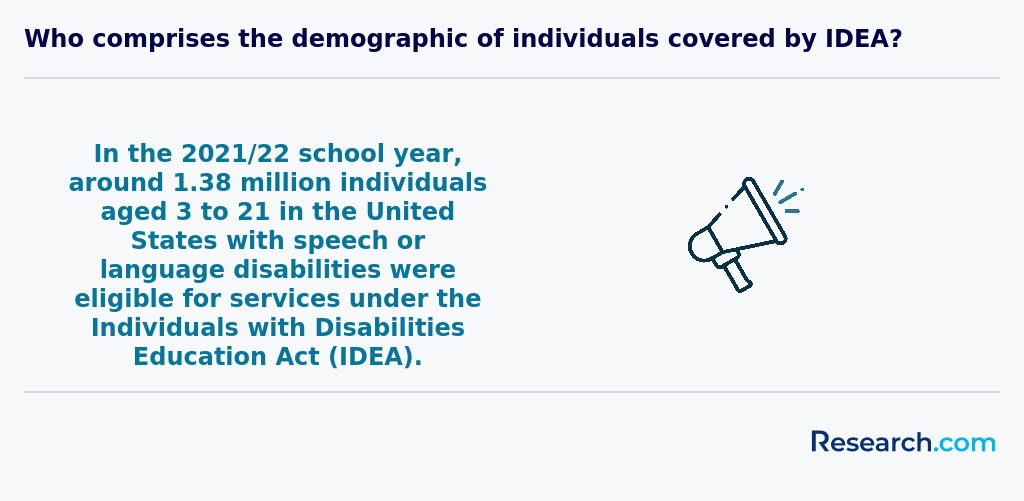
Graduates with a speech pathology degree in Columbus discover career paths that often defy typical expectations. From hospitals and rehabilitation centers treating stroke survivors to public schools where they support children facing speech challenges, many find deep fulfillment in these hands-on roles. Those who trained at popular Columbus colleges often share how immersive clinical experiences helped them connect theoretical knowledge with real lives, preparing them for the emotional rewards and challenges of this work. Choosing a career in private practice can further empower speech pathologists to focus on personalized care, tapping into creative treatments that resonate uniquely with each client.
Exploring Columbus speech pathology job opportunities also reveals unexpected fields such as elder care facilities or academic research, where professionals shape future therapies and policies. This variety challenges the assumption that speech pathology careers in Columbus are limited to traditional settings. For students curious about local options, the most popular speech pathology colleges offer pathways that open doors to diverse, impactful roles that make a real difference every day.

The speech pathology job outlook Columbus offers is not simply promising but vibrant, fueled by the city's expanding healthcare landscape and educational institutions. Graduates from well-known Columbus universities often recount how clinical internships at local hospitals or school districts seamlessly translated into full-time positions, confirming the region's robust demand for skilled speech-language pathologists. This real-world integration makes career entry smoother compared to many other locales.
Columbus speech therapy career opportunities span diverse settings-from public schools addressing childhood speech delays to rehabilitation centers aiding stroke survivors-reflecting a spectrum of impactful roles. Median salaries align closely with national averages, reinforcing the city as a practical choice for those weighing program costs against earning potential. Alumni frequently emphasize how in-state tuition options at public universities make pursuing a speech pathology degree financially accessible.
Understanding the role of educational pathways is crucial. Some students find success by selecting programs carefully, guided by insights on which speech language pathology program is easy to get into, allowing them to balance academic rigor with career goals efficiently. This thoughtful approach enhances the overall appeal of pursuing speech pathology in Columbus, challenging conventional assumptions about job security and fulfillment in this field.
2027 Most Popular Speech Pathology Degree Programs Ranking in Columbus
Investing in your education is a significant decision that can profoundly impact your future. The Research.com team is keenly aware of this and has dedicated extensive effort to ensure the quality, credibility, and accuracy of the "2027 Most Popular Speech Pathology Degree Programs Ranking in Columbus." Our rigorous analysis draws from multiple authoritative sources to provide a reliable guide for prospective students.
We utilized the following reputable data sources to create this ranking:
By consulting this ranking, readers will gain valuable insights into the top speech pathology degree programs in Columbus, empowering them to make well-informed educational choices. For an in-depth look at our process, please visit our Research.com methodology page.

Frequently Asked Questions About speech pathology
Speech pathology degree students in Columbus can maximize their learning by engaging deeply with both academic coursework and practical experiences. Ohio State University, located in Columbus, offers accredited programs that emphasize clinical practicum, which is essential for hands-on learning. Students should seek placements in local hospitals, schools, and therapy centers to gain real-world exposure.
Participating in research projects, particularly those focusing on communication disorders prevalent in the Ohio region, also enhances learning. According to the American Speech-Language-Hearing Association (ASHA), clinical hours are mandatory for certification, so early involvement in supervised practice is critical.
Networking with local professionals and attending area workshops can help students stay updated on industry trends and job opportunities. Utilizing university resources, including speech labs and faculty mentorship, further supports skill development.
The field of speech pathology is evolving rapidly, with several emerging niches gaining attention in Columbus and across the US. One significant area is telepractice, which has expanded services through online therapy platforms, especially since the COVID-19 pandemic. This approach increases access for rural and underserved populations.
Another growing niche involves working with aging populations, as demand for treating speech and swallowing disorders related to dementia and stroke rises. Columbus hospitals and rehabilitation centers report a steady increase in referrals for these conditions.
Additionally, bilingual speech pathology is becoming crucial in diverse communities like Columbus, where practitioners address language development and disorders in multiple languages. These specialized areas offer new opportunities for speech pathologists graduating in 2027.
After completing a speech pathology degree in Columbus, preparing for the job market involves several key steps. First, obtaining the Certificate of Clinical Competence in Speech-Language Pathology (CCC-SLP) from the American Speech-Language-Hearing Association (ASHA) is essential for professional practice. This requires completing a clinical fellowship and passing a national exam.
Networking locally is beneficial; Columbus hosts numerous healthcare facilities and schools hiring speech pathologists. Engaging with the Ohio Speech-Language-Hearing Association and attending local job fairs can expand career opportunities. According to the U.S. Bureau of Labor Statistics, Ohio's employment of speech-language pathologists is projected to grow about 25% from 2020 to 2030.
Developing skills in telepractice is increasingly valuable, as remote therapy services expand. Finally, tailoring your resume and gaining experience through internships or volunteer work in Columbus-area clinics will enhance employability.
Employers in Columbus value speech pathology degree graduates who demonstrate strong communication and interpersonal skills. These professionals must effectively collaborate with diverse patients, families, and medical teams. According to the American Speech-Language-Hearing Association (ASHA), clinical competence and evidence-based practice are essential skills, ensuring graduates can diagnose and treat disorders with current methods.
Knowledge of cultural competence is increasingly important in Columbus due to its diverse population. Additionally, strong analytical abilities and patience help speech pathologists tailor therapy plans and adapt to individual patient needs. Employers also seek candidates skilled in using technology for assessment and therapy, reflecting modern healthcare trends in Ohio.
Finding internships in Columbus relevant to a speech pathology degree involves connecting with local healthcare and educational institutions. Speech pathology students often seek placements in hospitals, rehabilitation centers, and public schools where communication disorders are treated. Ohio's licensure requirements emphasize practical experience, so internships play a key role in meeting clinical hours.
Columbus is home to several facilities such as Nationwide Children's Hospital and the Ohio State University Wexner Medical Center, which frequently offer speech pathology internships. According to the American Speech-Language-Hearing Association (ASHA), students should also consider university partnerships that provide supervised clinical practicum opportunities.
Networking through local professional chapters and attending career fairs at universities like Ohio State University can increase internship prospects. Additionally, many programs require students to complete clinical placements under licensed speech-language pathologists, reinforcing the importance of early outreach and application. The availability of internships usually aligns with the academic calendar, so planning ahead is essential.
A speech pathology degree in Columbus significantly enhances career mobility and advancement opportunities. According to the U.S. Bureau of Labor Statistics, Ohio is among the states with a projected 11% growth in speech-language pathology jobs through 2031, driven by increased demand in educational and healthcare settings.
Graduates with this degree can access various roles, including clinical practice, school-based therapy, and rehabilitation services. Advanced certifications and specialized training boost eligibility for leadership positions and higher salaries in Columbus's diverse healthcare market.
Columbus employers often prefer candidates with accredited degrees, reflecting strong preparation for certification by the American Speech-Language-Hearing Association (ASHA), a key factor in career progression.
Studying for a speech pathology degree in Columbus equips students to work effectively in interdisciplinary teams essential for comprehensive patient care. Programs emphasize collaboration with professionals in fields like audiology, occupational therapy, and special education. This training reflects the healthcare reality in Columbus, where speech pathologists often partner with schools, hospitals, and rehabilitation centers.
Local universities integrate clinical practicums in diverse settings, providing hands-on experience alongside varied specialists. According to the Ohio Speech-Language-Hearing Association, nearly 60% of speech pathology roles in Columbus involve team-based care, highlighting the importance of interdisciplinary skills. This approach prepares graduates to address complex communication disorders in different populations.
When choosing between a thesis and a non-thesis speech pathology degree program in Columbus, consider your career goals and learning preferences. Thesis programs require conducting original research and writing a formal document, which is ideal for students interested in clinical research or pursuing a doctoral degree.
Non-thesis programs focus more on coursework and practical application, suitable for those aiming to enter the workforce quickly as licensed speech-language pathologists. According to the American Speech-Language-Hearing Association, clinical experience is critical, no matter the path chosen.
Columbus offers programs tailored to both options, so evaluating faculty expertise, available research resources, and internship opportunities is advisable.
Students in Columbus interested in studying speech pathology abroad have several pathways, though most formal education in this field remains within the United States. American universities typically require accreditation by the Council on Academic Accreditation in Audiology and Speech-Language Pathology (CAA), which limits direct degree options overseas.
However, Columbus-based students can explore study abroad programs linked to their US institutions, allowing them to complete part of their coursework internationally while earning an accredited degree. These programs often partner with universities in English-speaking countries to maintain educational standards.
For those seeking international exposure, clinical internships or research exchanges abroad are viable options but usually complement US-based degrees. As of 2023, Ohio State University in Columbus provides some support for global experiences in speech pathology, reflecting growing interest in cross-cultural competencies within the profession (OSU Office of Global Engagement).
In Columbus, part-time job opportunities that complement speech pathology degree education often include roles such as speech therapy aides, tutors, and rehabilitation assistants. These positions provide practical experience and exposure to clinical environments, essential for students pursuing certification. Local hospitals and clinics, including Nationwide Children's Hospital, frequently offer part-time positions or internships for students interested in speech pathology.
Additionally, schools within the Columbus City School District may hire part-time aides to support speech-language pathologists working with children. Working in these roles helps students develop communication skills and understand diverse patient needs.
According to the Bureau of Labor Statistics, gaining relevant experience in such positions can improve employment prospects after graduation. Volunteer opportunities in community centers or early intervention programs are also valuable options for those wanting to build hands-on experience without immediate financial compensation.
Speech pathology students in Columbus have multiple networking opportunities through local universities and professional organizations. Ohio State University, a major institution in Columbus, offers access to events and workshops that connect students with clinicians and researchers. Students can join the Ohio Speech-Language-Hearing Association (OSLHA), which frequently hosts networking events and conferences in central Ohio. These gatherings enable students to meet licensed speech pathologists and potential employers.
Internships and clinical placements within Columbus-area hospitals and school districts also provide practical connections. According to OSLHA data, over 60% of speech pathology students in Ohio find employment through such networks. These opportunities help students build relationships essential for career growth.
Alumni networks play a crucial role for speech pathology degree students in Columbus by offering valuable professional connections. Graduates who join these networks gain access to a community of experienced practitioners, which can help with mentorship and career guidance. This is especially important in speech-language pathology, where practical experience and local job market knowledge are key.
Many Columbus-based universities maintain active alumni groups that host events, workshops, and job fairs focused on speech pathology. According to the American Speech-Language-Hearing Association (ASHA), effective networking increases job placement success by up to 30%.
Furthermore, alumni often share information about internships and clinical placements within Columbus-area healthcare and educational settings, enhancing students' practical training opportunities.
In Columbus, customizing a speech pathology degree program to align with your career goals involves selecting specialized courses and practical experiences. Many local universities offer electives in areas such as pediatric or geriatric communication disorders, allowing students to tailor their skills.
Clinical practicum placements in Columbus-based healthcare facilities or schools provide hands-on experience relevant to your interests. Some programs also support research opportunities focused on regional speech pathology challenges.
Additionally, consider programs accredited by the Council on Academic Accreditation in Audiology and Speech-Language Pathology (CAA), ensuring quality education recognized nationwide.
Consult academic advisors early to plan coursework and internships that build expertise in your preferred speech pathology field.
Speech pathology students in Columbus often face a demanding curriculum that requires mastery of anatomy, linguistics, and therapy techniques. Balancing intensive coursework with clinical placements can be challenging, as hands-on experience is essential for certification and licensure. Financial pressures are common; the cost of programs combined with limited part-time job options creates stress for many.
Access to diverse clinical settings in Columbus can be limited due to high demand, making it harder for students to gain varied experience. Additionally, students must meet rigorous state licensing requirements, including passing the Praxis exam. According to the Ohio Speech-Language-Hearing Association, retention rates in local programs reflect these challenges.
With a speech pathology degree, graduates in Columbus can pursue key professional certifications to advance their careers. The primary credential is the Certificate of Clinical Competence in Speech-Language Pathology (CCC-SLP), awarded by the American Speech-Language-Hearing Association (ASHA). This certification is widely recognized across the US and often required for clinical positions.
In Ohio, speech-language pathologists must also obtain state licensure through the Ohio Speech-Language Pathology and Audiology Board to practice legally. Licensure requirements include holding a master's degree and completing supervised clinical hours.
Certification and licensure together ensure professionals meet national and state standards, improving employment and salary prospects in Columbus's growing healthcare market.
Applying to a speech pathology program in Columbus requires careful preparation and attention to detail. Start by researching accredited programs recognized by the American Speech-Language-Hearing Association (ASHA), which ensures quality education and clinical training.
Strong academic records, especially in communication sciences or related fields, are essential. Most programs expect a minimum GPA of around 3.0, but higher grades improve competitiveness. Prepare for the Graduate Record Examination (GRE) as many programs consider these scores during admissions.
Craft a compelling personal statement that explains your passion for speech pathology and highlights relevant experiences, such as volunteering or internships in local healthcare facilities or schools. Including specific references to Columbus community needs can strengthen your application. Letters of recommendation from professors or supervisors who know your academic and clinical potential are crucial.
Speech pathology is recognized as a vital healthcare profession globally, with demand growing steadily due to aging populations and increased awareness of communication disorders. In the United States, including Columbus, Ohio, speech-language pathologists (SLPs) require a minimum of a master's degree accredited by the American Speech-Language-Hearing Association (ASHA). According to ASHA's 2023 data, Ohio is among the states with a rising employment rate for SLPs, projected at 16% growth through 2031, which outpaces the national average.
Internationally, different countries have various certification systems, but the core competencies remain similar, focusing on diagnosis and treatment of speech, language, and swallowing disorders. Columbus offers several reputable programs supporting global standards, ensuring graduates are competitive both locally and worldwide. This alignment benefits students seeking mobility or international career opportunities.
Gaining practical experience while studying for a speech pathology degree in Columbus is essential for developing clinical skills. Most universities in Columbus require students to complete supervised clinical practica as part of their program. These are often arranged through partnerships with local hospitals, schools, and rehabilitation centers.
Students can also pursue volunteer opportunities or internships at facilities such as Nationwide Children's Hospital or Columbus Speech & Hearing Center. Such experiences help students work with diverse populations and various speech disorders.
The Ohio Board of Speech-Language Pathology and Audiology mandates a minimum of 400 clinical clock hours before graduation to qualify for certification. This ensures hands-on training alongside academic coursework.
Choosing the right concentration within a speech pathology degree program in Columbus involves understanding your career goals and interests. Speech pathology programs often offer specializations such as pediatric, geriatric, or neurological speech disorders. Focusing early on which population you prefer to work with can help narrow your choice.
Columbus is home to accredited universities that align with the American Speech-Language-Hearing Association (ASHA) standards, ensuring quality education. According to ASHA, about 20% of practicing speech pathologists in Ohio specialize in pediatric care, reflecting local demand.
Consider programs that provide clinical placements in settings matching your concentration interest, like schools or hospitals in Columbus. Hands-on experience is vital for licensure and skill development.
- 2027 Most Popular Speech Pathology Degree Programs Ranking in Cincinnati
- 2027 Most Popular Speech Pathology Degree Programs Ranking in Cleveland
- 2027 Most Popular Speech Pathology Degree Programs Ranking in Muncie
- 2027 Most Popular Speech Pathology Degree Programs Ranking in Pittsburgh
- 2027 Most Popular Speech Pathology Degree Programs Ranking in Detroit
- 2027 Most Popular Speech Pathology Degree Programs Ranking in Harrisonburg
- 2027 Most Popular Speech Pathology Degree Programs Ranking in Chicago
- 2027 Most Popular Speech Pathology Degree Programs Ranking in Evanston
- 2027 Most Popular Speech Pathology Degree Programs Ranking in Buffalo
- 2027 Most Popular Speech Pathology Degree Programs Ranking in Washington
See What Experts Have To Say About Studying Speech Pathology
Read our interview with Speech Pathology experts

- Speech Pathology https://www.nationwidechildrens.org/specialties/speech-pathology
- Your Guide to SLP Certifications and Specialties https://otpotential.com/blog/slp-certifications-and-specialties
- What Degree Is Required for a Career in Speech Therapy? | Advanced Therapy Clinic https://www.advancedtherapyclinic.com/blog/what-degree-is-required-for-a-career-in-speech-therapy
- 16 Speech Pathology Career Paths & Outlooks | USAHS https://www.usa.edu/blog/speech-pathology-career/
- Eligibility and Requirements https://www.kumc.edu/school-of-health-professions/academics/departments/hearing-and-speech/academics/speech-language-pathology-degrees/master-of-arts-in-speech-language-pathology-(m.a.slp)/eligibility-and-requirements.html
- Homepage https://speechpathologymastersprograms.com/
- Speech-Language Pathology: A Career for Individuals Who Want to Work with Young Children https://www.mefa.org/article/speechlanguage-pathology-a-career-for-individuals-who-want-to-work-with-young-children/
- How to Become a Speech Language Pathologist (SLP): Your Career Guide | GHR Education https://www.ghreducation.com/blog/become-speech-language-pathologist
- The Five Different Situations Where Speech Pathology Helps Kids - South Australia Speech and Hearing Centre https://www.sashc.com.au/the-five-different-situations-where-speech-pathology-helps-kids/
- Ohio Speech Pathology Degrees https://www.speechpathologydegrees.com/st/ohio